



























Message our coordinator
Free online consultation · Reply within 15 minutes
Message us on TelegramMessage us on WhatsAppBy messaging us, you agree to our Privacy Policy




Facelift and neck lift in Gdansk: price and key facts
Facelift for patients from Gdansk at City Medical Centre starts at PLN 9,400 (from $2,400). The first online consultation is free; the doctor names the final price and it is fixed in the contract.
- Price
- PLN 9,400 (from $2,400)
- Anesthesia
- general (inhalation)
- Recovery
- about 2 months to full recovery
- Final result
- 3–6 months after surgery
- How it works
- Send photos on WhatsApp or Telegram, get a free doctor assessment and the price, then confirm the plan and dates before anything is booked.
How it works · Facelift prices
Information current as of 24 October 2026



50 years
9 months

SMAS facelift

58 years
8 months
SMAS facelift

34 years
5 months
SMAS facelift

32 years
7 months
SMAS facelift

40 years
6 months
SMAS facelift

45 years
8 months
SMAS facelift

38 years
5 months
SMAS facelift

33 years
6 months
SMAS facelift
50 years
9 months
SMAS facelift
58 years
8 months
SMAS facelift
34 years
5 months
SMAS facelift
32 years
7 months
SMAS facelift
40 years
6 months
SMAS facelift
45 years
8 months
SMAS facelift
38 years
5 months
SMAS facelift
33 years
6 months
SMAS facelift


Noticeable sagging of the face and neck
A blurred jawline, jowls
A double chin with loose skin on the neck
Deep marionette lines and nasolabial folds
A heavy look caused by drooping brows
A significant drop in skin firmness after 40
Preference for a long-term result (7–10 years)

Under 30 years old
Skin in an acute inflammatory state
Pregnancy and breastfeeding
Severe heart and vascular disease
Impaired blood clotting
Cancer
Decompensated diabetes
Everything about facial rejuvenation in Gdansk
The operation works on three levels. The skin flap is lifted, redraped and the excess removed, so the surface lies smoothly without tension. Fat in the cheeks and lower face is redistributed to restore volume and remove heaviness. Finally, the SMAS layer of muscles and ligaments is lifted and secured, which is the key step. For patients in Gdansk, this layered approach gives results of up to 10 years.
The endoscopic brow and temple lift is the gentlest option: the surgeon uses an endoscope through tiny punctures, repositions the brows and smooths forehead and frown lines, with scars hidden in the hairline. A neck and lower face lift also uses small incisions, keeping scars barely visible. For people in Gdansk, the choice of access depends on which zones need correction and how marked the sagging is.
One payment, many components. From $2,400 (≈ PLN 9,400), Gdansk patients receive a personal consultation, surgery by an experienced team, combined inhalation anaesthesia, an inpatient room, meals and 24/7 monitoring by medical staff. Personal support before and after surgery and a full year of plastic surgeon follow-up are part of the package. The first step, a consultation, is free.
Stories of well-known people
Well-known people who spoke openly about this operation, in their own words.
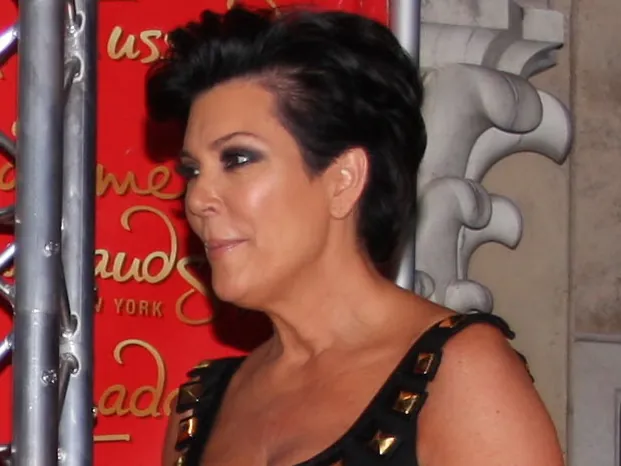 Kris Jenner’s facelift: “I love my facelift”Kris Jenner said she had a facelift about 15 years ago and a refresh before turning 70 — and that she loves it. How a SMAS facelift and recovery work.
 Did Vicki Gunvalson have a facelift? Yes, and she showed the result herselfVicki Gunvalson had a facelift in May 2018 after deciding fillers no longer looked like her. Her own words, how a facelift works and recovery.
 Keltie Knight’s facelift: why she decided to “just own it”Keltie Knight had a facelift in 2023 at 41 and chose to talk about it openly. What she said, how a SMAS facelift works and what recovery looks like.
 Did Linda de Mol have a neck lift? Yes, and she wrote about it herselfLinda de Mol wrote in LINDA. in 2025 that she had a neck lift. What she said, why she chose to be open, and how a face and neck lift works today.
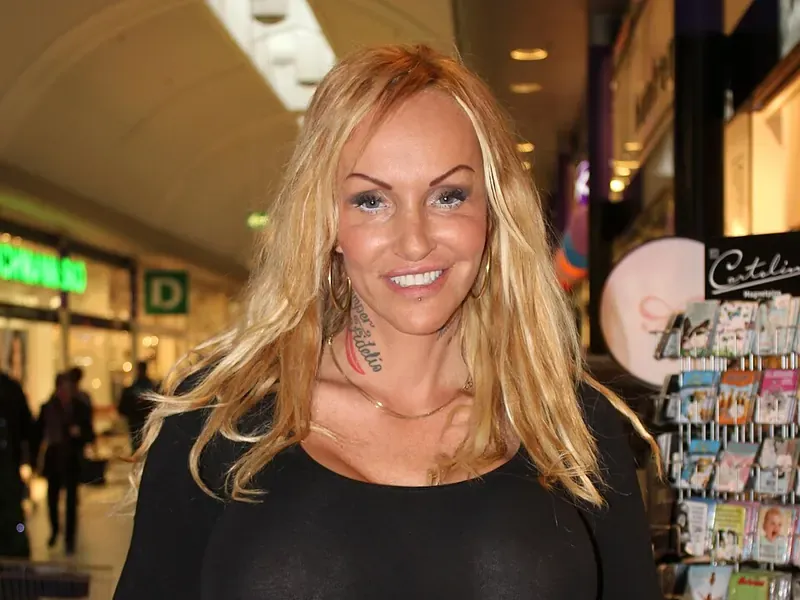 Linse Kessler and her facelifts: what she said herselfDanish reality star Linse Kessler has said openly that she has had several facelifts. Her words, how a modern facelift works and what recovery involves.
 Did Alice Bendová have a facelift? Yes, and she explained why herselfAlice Bendová confirmed a deep plane facelift in September 2026. Her words, how a facelift works, who it suits and what recovery looks like.
Facelift in Gdansk: price and what is included
Prices are in US dollars; the amount in brackets is an approximate conversion to PLN at the rate of 02.10.2026. The final price is fixed in your contract.
- Faceliftfrom $2,400 (≈ PLN 9,400)
What is a SMAS facelift?
It is a face lift that tightens the deep SMAS layer under the skin, not only the skin itself, so the lower face, jawline and neck stay firmer for longer. The result lasts about 7–10 years.
How much does a facelift in Gdansk cost?
Prices start from $2,400 (≈ PLN 9,400). The surgeon sets the final price at the free consultation, and it is fixed in the contract, with no hidden extras.
What is included in the price?
A one-to-one consultation, the medical team, anaesthesia, inpatient care with meals, 24/7 monitoring and twelve months of follow-up by the surgeon.
How do I get my exact price?
Message us on WhatsApp or Telegram using the buttons below. A coordinator will answer your questions and book a free consultation where the doctor names the exact price.
By messaging us, you agree to our Privacy Policy
Sun, wind and swelling: how Gdansk weather meets a healing face
The face is the part of the body that meets the weather first, which is why the climate belongs in a facelift conversation. In Gdansk, the 1991 to 2020 tables show 259 hours of sunshine in June and a UV index of 5 in June and July, against 32 hours in December. A face in the first weeks after a facelift has swollen, bruised tissue and fresh incisions along the edge of the hair and around the ears, and strong light is not what it needs.
Swelling and bruising fade in 2 to 4 weeks, and recovery takes about 2 months, so sun protection is a matter of planning the whole season. An operation in October or November puts the visible healing into the dim months, when sunshine totals only 105 and 45 hours, and you can spend the first days at home without feeling that you are missing summer. An operation in spring means the face is quiet again before the longest days arrive.
Wind off the bay deserves a mention too. Cold wind is uncomfortable on a face that is tight and slightly numb, and a scarf or hat that presses on the incision lines is a bad idea. The coordinator will tell you what is acceptable in the first days and when you may wear hats, glasses and make-up again, so keep the questions in the chat and read the answers before the date, not after it.
Hair and head covering are part of the same planning. Because the incisions follow the edge of the hair and run around the ears, the first weeks involve questions about washing, brushing, colouring and styling. Ask the coordinator when you may wash your hair, whether you can have it coloured, and how to dry it, and book a visit to the hairdresser either well before the operation or after the doctor has allowed it. A short list of such practical questions makes the early days much smoother.
Forty, fifty or later: how the doctor judges whether a lift is the right answer
A surgical SMAS facelift is generally advised from about 40 when there is marked sagging, and in some cases from 35. After 40 to 50 firmness is lost gradually: tissues sag, jowls form, the jawline blurs and the cheeks droop. A lift of the deep layer treats the cause and not just the surface, and the effect lasts about 7 to 10 years, after which a repeat procedure is possible if you wish.
What to send for the first assessment is simple. Take three photographs of your face and neck, one from the front, one in profile and one at three-quarters, in daylight, without filters and without make-up, and add your age and any earlier cosmetic procedures. The doctor then tells you the degree of ageing, which areas need correcting and what result is realistic, without pressure and without suggesting anything that is not needed.
Honesty about health is important. Age under 30, acute skin inflammation, pregnancy, breastfeeding, severe cardiovascular disease, clotting disorders, cancer and decompensated diabetes are among the contraindications. If you have chronic conditions, mention them in your first message, because the doctor needs to know them before suggesting a plan and may ask for reports from your regular specialists.
Do not feel that a first message must be perfect. Many people begin with two photographs and a single sentence, and the coordinator asks for the rest. What matters is to begin. A conversation that starts in the evening can continue in the morning, the doctor sees everything you have sent, and no commitment is made until you have heard the plan, the timing and the terms.
Four lifts, one decision: matching the plan to the part of the face that bothers you
Four main options exist, and the choice follows the ageing pattern. The classic SMAS lift works on the mid and lower face with incisions hidden along the edge of the hair and around the ears, and it addresses jowls, sagging cheeks, a double chin and deep nasolabial folds. The comprehensive lift covers the forehead, temples, mid and lower face and neck. A lower face and neck lift targets the chin, jawline and neck, and an endoscopic lift repositions the brows through tiny punctures.
To choose well, describe in your own words where you see the problem. Some patients notice the neck first, others a heavy lower face, others a tired look around the eyes and brows. The doctor translates that description into the correct technique, explains what each stage does, and tells you whether a combination with eyelid surgery, rhinoplasty or double-chin liposuction makes sense. Combined work means one anaesthesia and one recovery, although the scope is always decided at the consultation.
Think about what natural means for you. The aim is a face that looks rested and recognisable and not a mask. Bring a photograph of yourself from some years ago, rather than of another person, and say what you would like to see again: the line of the jaw, the fullness of the cheek, the angle of the neck. That gives the doctor a concrete target, and you a basis for judging the plan when it arrives in the chat.
It is worth knowing how a surgical lift differs from lighter procedures. A skin-only lift reaches the top layer and gives a short-lived effect, while the SMAS technique works on the muscle and fascia layer that holds the face. That is why the result is described as lasting 7 to 10 years, and why a complete result is reached in one operation. If you are weighing creams, injections or devices against surgery, ask the doctor for an honest comparison for your own face.
The operation day and the first fortnight at home
The procedure is done under general inhalation anaesthesia, so there is no pain during the operation. Incisions are hidden along the edge of the hair and around the ears; the doctor lifts the skin, redistributes fat and fixes the SMAS layer, and afterwards you stay in a comfortable inpatient room with meals and round-the-clock monitoring. Tightness and discomfort in the first days are relieved with medication prescribed by the doctor.
For the first 7 to 10 days you rest, wear a compression bandage and keep physical activity low. Sleeping with the head raised and planning a quiet routine help the swelling to retreat. Many patients prefer to arrange food, entertainment and help at home before the date, because the first days are about stillness. Light walks indoors are fine; heavy exertion is not.
The first clear changes appear after 3 to 4 weeks, as the swelling goes down, and the final look settles within 3 to 6 months. Full recovery takes around 2 months. During the whole first year, the doctor follows you up, so photographs at one month, three months and six months, taken in the same light, help to show how the face is changing. If anything looks unexpected, write to the coordinator at once.
Prepare for the days after the operation as you would for a short illness. Stock the fridge, charge your devices, arrange help with errands and make sure there is someone you can phone. If you live alone, ask a friend to be with you for the first night. A reclining chair or extra pillows make a raised sleeping position comfortable, and loose clothing that opens at the front means you never have to pull anything over the head.
Calendar, holidays and public insurance
When planning around an event, count in weeks and months, not days. A wedding or a milestone birthday should fall at least 3 to 4 weeks after the operation, and ideally later still, since the final look settles over 3 to 6 months. Poland's public holidays include 1 January, 1 and 3 May, Corpus Christi, 15 August, 1 and 11 November and 24 to 26 December, so a holiday season in the family diary can be used as a quiet period, but not as the date of the big appearance.
Poland's National Health Fund, NFZ, finances only services on its official list of covered benefits and requires a referral for hospital treatment. A cosmetic facelift is not something to expect from the public system, and we make no statement about reimbursement. If a medical condition affects the face or the eyelids, discuss with your own doctor what the public system offers.
Everything before the operation is handled remotely. The first consultation is free, the doctor reviews your photographs and health information, and the coordinator is on WhatsApp and Telegram 24/7. Once you have heard the plan and the nearest available dates, a deposit confirms the date under a contract for medical services, and the check-ups are scheduled for the following year.
Think about who needs to know and when. An employer will want to know the days you will be away, and relatives may want to help. Tell them what to expect: swelling and bruising for two to four weeks, a quiet fortnight at first, and a face that looks different from the final result for some time. Setting expectations early protects you from unwanted comments and unplanned visits in the first days.
Is it better to have a facelift in the dark months in Gdansk?
Many patients find autumn and winter easier because strong sun is not a concern, but the choice depends on your diary. In December there are only 32 hours of sunshine, which makes the first days at home quiet.
How should I protect the scars from sun in summer?
Avoid direct sun while the tissues heal and follow the instructions on hats and sun protection that the coordinator gives for your recovery. The UV index reaches 5 in June and July.
Which photos do I send for an online assessment?
Three photos of the face and neck: front, profile and three-quarter, without filters or make-up, in daylight. Add your age and any earlier cosmetic procedures.
Can the facelift be combined with eyelid or nose surgery?
Yes. A facelift is often combined with blepharoplasty, rhinoplasty or double-chin liposuction. The doctor decides the combined scope at the consultation.
Does NFZ pay for a facelift?
NFZ finances only the services on its official list, and a cosmetic facelift is not something to rely on. We cannot promise any reimbursement.
How long before an event should I schedule the operation?
Swelling and bruising fade in 2 to 4 weeks and the first changes show after 3 to 4 weeks, so leave at least that much time. The final look settles over 3 to 6 months.
What if I have a chronic illness?
Tell the coordinator in the first message. The doctor may ask for reports from your regular specialists and will say whether surgery is suitable.