





























start
after 12 months
2,800 grafts
FUE method
City Medical Centre
0% instalments
from $367/mo
Work-up and a number — $0.
Our patient
start
after 12 months
The FUE method: no incisions, no stitches. Graft count and forecast worked out at no charge — before you decide.
Free online consultation · Reply within 15 minutes
Costs nothing, no surgery booking required
Message our coordinator
Free online consultation · Reply within 15 minutes
Message us on TelegramMessage us on WhatsAppBy messaging us, you agree to our Privacy Policy
Hair transplant for patients from Gdansk at City Medical Centre starts at PLN 8,600 (from $2,200). The first online consultation is free; the doctor names the final price and it is fixed in the contract.
How it works · Hair transplant prices
Information current as of 24 October 2026
results
Whoever you see here was treated at CMC.
start
after 12 months
2,800 grafts
FUE method

start
after 12 months
3,500 grafts
FUE method

start
after 12 months
2,600 grafts
FUE method

start
after 12 months
3,000 grafts
FUE method

start
after 12 months
2,700 grafts
FUE method

start
after 12 months
3,300 grafts
FUE method

start
after 12 months
2,900 grafts
FUE method

start
after 12 months
2,500 grafts
FUE method

start
after 12 months
3,400 grafts
FUE method

start
after 12 months
2,500 grafts
FUE method

start
after 12 months
3,100 grafts
FUE method

start
after 12 months
3,600 grafts
FUE method

start
after 12 months
4,000 grafts
FUE method

start
after 12 months
3,200 grafts
FUE method

start
after 12 months
3,000 grafts
FUE method

start
after 12 months
3,700 grafts
FUE method

start
after 12 months
2,700 grafts
FUE method

start
after 12 months
3,800 grafts
FUE method

start
after 12 months
3,300 grafts
FUE method

start
after 12 months
2,800 grafts
FUE method

start
after 12 months
2,500 grafts
FUE method

start
after 12 months
3,900 grafts
FUE method

start
after 12 months
3,500 grafts
FUE method

start
after 12 months
3,800 grafts
FUE method

start
after 12 months
2,900 grafts
FUE method

start
after 12 months
3,600 grafts
FUE method

start
after 12 months
2,600 grafts
FUE method

start
after 12 months
2,700 grafts
FUE method

start
after 12 months
3,700 grafts
FUE method

start
after 12 months
3,200 grafts
FUE method

start
after 12 months
3,000 grafts
FUE method

start
after 12 months
2,800 grafts
FUE method

start
after 12 months
4,000 grafts
FUE method

start
after 12 months
3,400 grafts
FUE method

start
after 12 months
2,900 grafts
FUE method

start
after 12 months
3,100 grafts
FUE method

start
after 12 months
2,600 grafts
FUE method

start
after 12 months
3,300 grafts
FUE method

start
after 12 months
3,900 grafts
FUE method

start
after 12 months
3,500 grafts
FUE method

start
after 12 months
2,700 grafts
FUE method

start
after 12 months
3,800 grafts
FUE method

start
after 12 months
3,200 grafts
FUE method

start
after 12 months
3,000 grafts
FUE method

start
after 12 months
2,800 grafts
FUE method

start
after 12 months
3,100 grafts
FUE method

start
after 12 months
3,600 grafts
FUE method
Comparison
There are three graft transfer technologies to pick from: classic FUE, suture-free DHI and a combined protocol. Compare the implantation technique, the tissue trauma and the graft survival of each.
Classic method requiring no cuts or sutures

$2,200
$2,700
Graft implantation technique
ForcepsGraft trauma
MinimalThe natural growth angle
NaturalGraft survival
98–100%Suitable for
Androgenetic alopeciaStitch-free implantation with a Choi pen

$2,500
$2,900
Graft implantation technique
DHI, a Choi implanterGraft trauma
MinimalThe natural growth angle
NaturalGraft survival
98–100%Suitable for
DensificationExtraction by FUE, DHI implant

$2,700
$2,900
Graft implantation technique
FUE extraction plus DHI implantGraft trauma
MinimalThe natural growth angle
NaturalGraft survival
98–100%Suitable for
Androgenetic alopecia and densificationSurvival and trauma figures are method averages and only a guide: the exact numbers depend on the transplant area and the patient's individual features, and the doctor clarifies them at the consultation.
Seek expert guidance


















about the clinic
Comfortable rooms and modern equipment, care for each patient

Ask us anything, and a consultation slot that fits your day will be agreed
Message us on WhatsApp Apply onlineIf your case can be solved without an operation, the doctor will say so at the consultation, and you will not waste your money. Below are the conditions where a transplant really works.
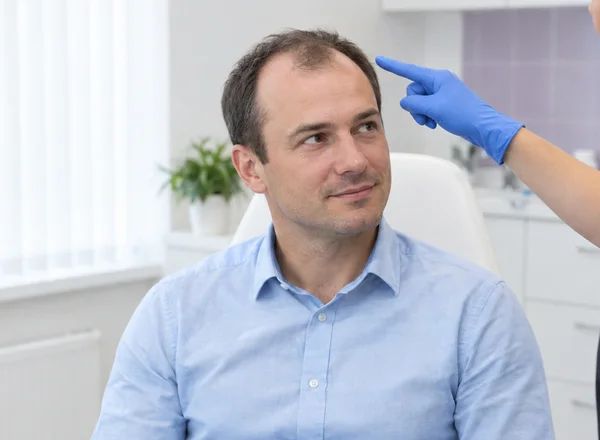

Share a number: a coordinator asks for photos in a messenger, then a doctor says whether a transplant would help. Free.

services
The free consultation gives you the graft count and the cost, which is fixed in the contract.
suture-free graft extraction

$2,200$2,700
or $367/mo — 0% instalments for 6 months
Freeze the priceimplantation without channels

$2,500$2,900
or $417/mo — 0% instalments for 6 months
Freeze the pricecombined technique

$2,700$2,900
or $450/mo — 0% instalments for 6 months
Freeze the price| The opening review | Free |
|---|---|
| Eyebrow transplant, FUE | |
| Beard transplant, FUEinstalments $467/mo | |
| Hair trichopigmentation | |
| PRP therapy / session | $200 |
all included
Care begins before the operation and runs 12 months on.
The price does not grow on surgery day.
two areas more
For areas other than the scalp, the donor grafts and the FUE method are the same; only the area differs.
The FUE method, no incisions used

Grafts are taken from the donor area at the back of the head and moved through micro-punctures of about 1 mm, so no scars are left. The doctor agrees the shape with you before the operation, taking your facial features into account. Transplanted hair grows for life: trim and style the beard as usual.
$2,800$3,000
or $467/mo — 0% instalments for 6 months
Freeze the priceThe FUE method, no incisions used

The surgeon works out the brow shape on the spot at the initial appointment, references are compared together and your facial proportions set the design. Hairs go in at the natural growth angle, so the brows never look drawn on. It also helps brows that stopped growing after years of plucking.
$1,600$1,700
one-day procedure under local anaesthesia
Freeze the priceAssessment of the donor area, a graft count and the result achievable in your case. The cost is quoted at the consultation and fixed in the contract.

Message our coordinator
Free online consultation · Reply within 15 minutes
Message us on TelegramMessage us on WhatsAppBy messaging us, you agree to our Privacy Policy
Process
From consultation to going home — all in one day

Patients in Gdansk start with a free consultation, where the doctor explains the FUE and DHI methods, answers questions, and builds a personalized surgical plan.

Book the operation by leaving a deposit; it can be paid by card during a clinic appointment or sent as an online transfer.

For patients in Gdansk, preparation means working through the required tests using the list and instructions the clinic hands out.

This part of the treatment is done under local anaesthetic and passes painlessly.

The surgeon works at the rear of the head, or the temples, lifting grafts out without leaving stitches.

The surgical team implants each graft into the balding zone with precision.
For patients in Gdansk, the clinic supplies everything necessary plus complete instructions to recover quickly.

The crusts fall off, the swelling reduces, the area slowly recovers

This is normal: only the hairs fall out, the follicles stay in place

Gradually the new hairs appear, the result shows

Thickness grows, the main body of volume and the shape stand out

The hairline looks natural and density is final

Free, before surgery and without any obligation.
Seek expert guidancedoctors

Hair transplant doctor, trichologist, surgeon
10 years of experience

Dermatovenereologist, trichologist, surgeon
11 years in practice

Plastic surgeon
9 years in practice

Plastic surgeon
9 years in practice

Assistant
9 years in practice
The doctor will go over your donor area, count the grafts and name the achievable result.
Seek expert guidancecoordinators
A personal coordinator is assigned — they guide you from the first enquiry to recovery.
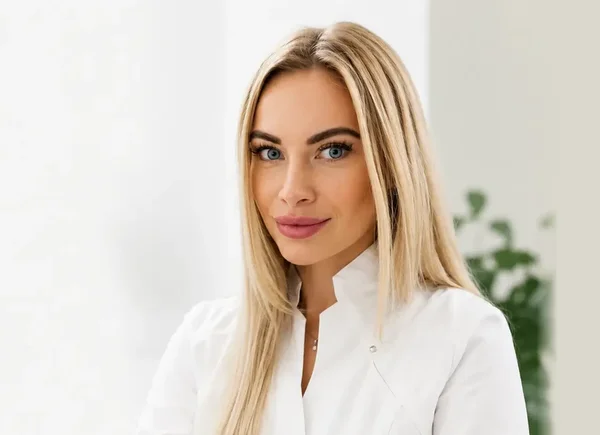
Personal support lead
Will care for you before and after surgery
Sorts out all your paperwork and bookings
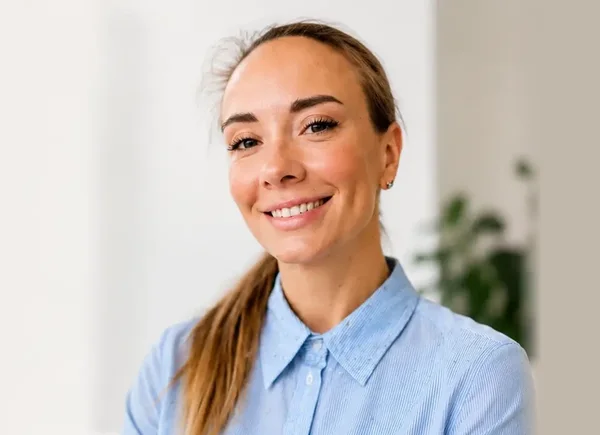
Personal support lead
Will care for you before and after surgery
Sorts out all your paperwork and bookings

Personal support lead
Will care for you before and after surgery
Sorts out all your paperwork and bookings
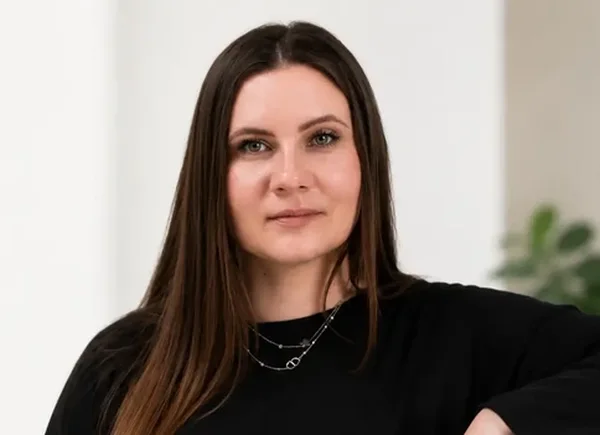
Personal support lead
Will care for you before and after surgery
Sorts out all your paperwork and bookings













Ask us anything, and a consultation slot that fits your day will be agreed
Message us on WhatsApp Apply onlineReviews
I was having trouble with my hair. I came here and got a hair transplant. The results was awesome thank you
Review on Google
І experienced hair loss due to COVID and turned to this clinic; they helped me and performed a hair transplant, moving hair from the back of my head to my temples. Thank you.
Review on Google
I traveled to City Medical Centre, where they helped me overcome hair loss through a transplant to the balding areas of my scalp. I am grateful to the doctors for performing the procedure painlessly.
Review on Google
I am sharing my experience, because before the operation I went through a pile of reviews myself and was looking for real stories. I had a beard transplant six months ago. Honestly, in the first days after the procedure I felt a little jittery: my face looked unfamiliar, there was slight swelling and small scabs. In the first couple of months the hair partly fell out, as the doctor had warned. But now the result truly makes me very happy) From about the 4th month active, even growth began. The transplanted hair took very well, the beard now looks as natural as possible, no bald patches are left. The beard became much thicker and denser, with the shape I had thought about for a long time. All in all, I recommend the clinic, the doctor was polite and explained everything 👍 The result is definitely worth it!
Review on Google
I traveled to this clinic and do hair transplant, very good quality and cheap. Good doctors
Review on Google
I do hair transplant here very good doctors!!
Review on Google
Asked most often
People often say hair implants, but no artificial hair is used. In a hair transplant the doctor moves your own follicles (grafts) from the donor area to thinning or bald areas using FUE or DHI.

That is fine. People living some distance away are seen all the time, and everything begins with a consultation held online.
Pricing starts from $2,200 (≈ PLN 8,600) for FUE, $2,500 (≈ PLN 9,800) for DHI, and $2,700 (≈ PLN 11,000) for combined DHI+FUE. The exact figure is confirmed for free after a graft count and written into the contract.
A single day, start to end, and then patients are home.
It helps with stable pattern hair loss and a receding hairline when there are enough donor grafts. Some types of alopecia need treatment first; the doctor checks this at the consultation.
No. Local anaesthesia is administered and the session is painless.
FUE means tweezer-based, incision-free graft harvesting. DHI means channel-free implantation with a Choi pen. Combined DHI+FUE uses FUE for harvesting and the DHI pen for implanting.
Graft count is calculated by the doctor at no cost, based on an assessment of your donor zone.
0–10 days and the scalp has healed. Between 2–4 weeks the placed hairs shed, as they should. New growth comes at 3–4 months, clear density at 6–9 months, the final picture at 12–18 months.
A lifetime guarantee of hair growth is included, confirmed in your contract.
The clinic operates under a medical licence; care follows the standards and clinical guidelines
of the Ministry of Health.

Certificates and diplomas open for you to check
See the paperworkAKC POMOSHCH LLC
the clinic's legal entity
1057746096924
OGRN
7728536872
INN
Hair restoration for patients from Gdansk is a single day of work. FUE and DHI avoid cuts and stitches entirely, local anaesthesia is the only medication needed, and the patient goes home afterwards.
There is no charge for the first conversation in Gdansk, and it takes place online. The doctor looks at photos of the area and gives a clear answer about whether a transplant helps. Hours are the same 24/7.
Healing takes 0-10 days. At 2-4 weeks the transplanted hairs shed, and that is the normal course of things rather than a sign of failure. Growth starts again at 3-4 months, and from that point the change becomes visible to you.
Prices are in US dollars; the amount in brackets is an approximate conversion to PLN at the rate of 02.10.2026. The final price is fixed in your contract.
By messaging us, you agree to our Privacy Policy
Well-known people who openly discussed this operation, in their own words.
 John Cena's hair transplant: “I got a problem, I try to fix it”John Cena spoke openly in 2025 about his hair transplant and the fan signs that pushed him to it. His words, how the procedure works and the recovery.
 Did Calum Best have a hair transplant? Yes, and he said so himselfCalum Best said in 2023 he had his sixth hair transplant, this time using patches of beard hair. His words, how the procedure works and recovery.
 Did Chloe Goodman have a hair transplant? Yes, and she explained whyChloe Goodman had a hair transplant in 2025 after losing hair following pregnancy. Her own words, how the procedure works and what recovery involves.
 Did Dean McCullough have a hair transplant? Yes, and he filmed itRadio 1 presenter Dean McCullough shared his FUE hair transplant on TikTok in 2024. His own words, what the swelling means and how results develop.
 Did Ella Morgan have a hair transplant? Yes — to cover a hairline scarThe Married at First Sight star revealed a hair transplant in 2025 to cover scarring along her hairline from facial surgery. Her own words and the facts.
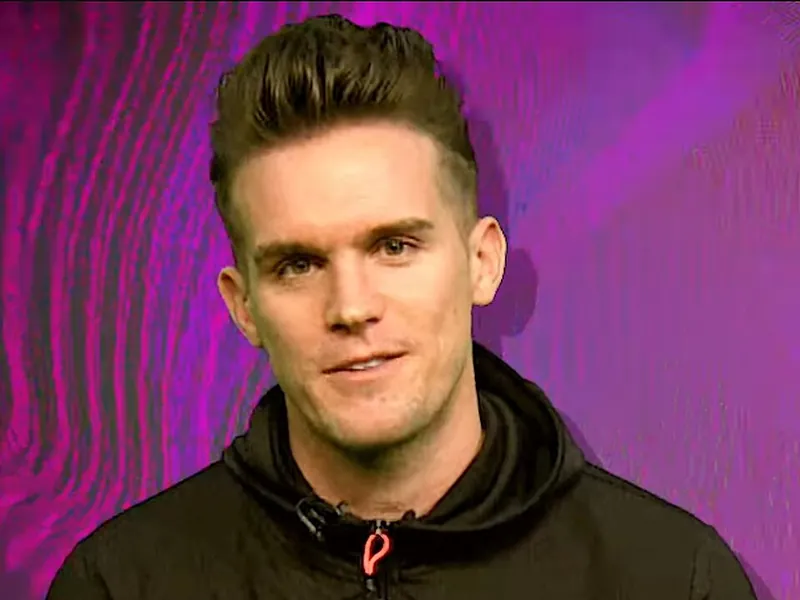 Gaz Beadle on his beard transplant: “I LOVE IT”Gaz Beadle told his 3.6 million followers he had a beard transplant after years of patchy stubble. His own words, and how a hair or beard transplant works today.
Page medically reviewed by Anastasia A. Kolesnik, hair transplant doctor. Review date: .
Gdansk stands at the mouth of the Motlawa River on the southern edge of the Gulf of Gdansk, and the climate tables for 1991 to 2020 show how much the year changes. The mean daily maximum is 1.7 °C in January and 22.6 °C in July, while sunshine climbs from 39 hours in January to 259 hours in June. For a hair transplant that spread matters mainly in the weeks after the operation, because the procedure itself takes a single day under local anaesthesia and you go home the same day.
If your healing days fall in the bright months, the main task is keeping the treated scalp out of strong light. The same tables give a UV index of 5 in June and July, and May and June are the sunniest months of the year. Plan the first stretch of healing, the 0 to 10 days when crusts form and fall away, so that you can stay indoors or in shade, and ask your coordinator which kind of cap is acceptable and when it may be worn.
If the healing days fall in the cold half of the year, the problem is different. Humidity averages 87.7 % in January and 89.8 % in December, so the air is damp, and a wet, windy walk to the tram can irritate a scalp that is still crusted. A loose, clean cotton cap is usually the sensible choice, but the exact headwear rules come from the doctor, not from us guessing, so photograph the hats you own and send them to the coordinator along with your first photos.
The first consultation is online and free. You message the coordinator on WhatsApp or Telegram, and the doctor works from the photographs you send. Four views are needed: the frontal border of the hair, the upper scalp, the crown and the back of the head, which is the donor area. Take them in daylight without a filter, with the hair dry, and add your age and any earlier transplant. From these the doctor counts the grafts you personally need and says what result is realistic.
It helps to write a short history before you send anything. Note when the thinning began, whether relatives lost hair in a similar pattern, and any illness, medication or hormonal change that might have played a part. A transplant helps stable pattern loss and a receding frontal border when the donor area is strong enough, and some types of hair loss need treatment first. An honest answer is better than a booking, and the doctor will give it before any date is discussed.
Keep a list of your health conditions at hand as well. Cancer, epilepsy, diabetes, serious heart conditions, a pacemaker, hepatitis B or C, HIV and pulmonary embolism all appear among the situations where a transplant is not suitable, and intolerance to anaesthetics is on the same list. If any of them applies to you, mention it in your first message rather than your fifth, so the doctor can say early whether the procedure is an option.
One practical tip for the evening you prepare the message: put the phone on a tripod or lean it on a shelf, and ask someone at home to take the back-of-head shots, since the donor area is hard to photograph alone. Blurred or tilted pictures only cost a day, because the doctor will ask you to repeat them. Clear images in good light let the first reply arrive with a concrete graft count instead of a list of questions.
Two methods are offered, and the choice can be discussed entirely online. In FUE the grafts are taken one by one without incisions or stitches; in DHI they are placed with a Choi pen, without pre-made channels. A combined version uses FUE for harvesting and DHI for implanting. Ask the doctor which one fits the area you want treated, whether you are after a redefined frontal border or more density in existing hair, and why.
Questions worth bringing to the conversation are simple ones. How many grafts does the front need compared with the crown? Which areas should be left for a later session? How will the natural growth angle be matched to the hair you already have? None of these needs a visit to the city centre of Gdansk, which keeps the decision calm, and you can reread the answers in the chat at home before you decide anything.
Once a plan is agreed, the date is booked and confirmed under a medical services contract after the deposit is paid. Nothing is booked before you have heard the plan and the nearest available dates, so you can compare them with your own diary and your own working week.
Think too about what you want from the result in ordinary life, not only on a photograph. Some people want a stronger frontal border for formal occasions, others mostly want to stop combing hair over a thinning crown before a summer weekend by the bay. Say which of these is yours, because the number of grafts, the order of the areas and the density the doctor aims for all follow from that answer. If the donor area cannot cover everything, the doctor will tell you which zone to treat first and which to leave, and that candid answer is one of the reasons for starting the conversation before any booking.
The result of a transplant arrives slowly, and it is easier to plan if you lay it against the calendar. After the 0 to 10 days of healing come the shedding of the transplanted hairs at 2 to 4 weeks, which is a normal stage, then first growth at 3 to 4 months, visible density at 6 to 9 months and the final result at 12 to 18 months. Follow-up checks take place at 1, 3, 6, 9 and 12 months, with progress tracked by photo through your coordinator.
In Gdansk, a transplant done in October would reach the first growth stage around the turn of the year and the dense stage around the following summer, when 236 to 259 hours of monthly sunshine make fresh growth very visible. Someone who starts in spring will see the shedding phase over the summer and may prefer a cap in the sun. There is no wrong month, only a month that suits your own plans, which is why the conversation about dates comes before the booking.
If there is an event you want to look your best at, count from the end rather than the beginning. A wedding or a milestone birthday is best placed roughly a year after the procedure, not three months. The coordinator can help you set that backwards plan, and the 24/7 chat means you can send a photo at month four and ask whether what you see is normal.
Poland runs a public health system through the National Health Fund, known as NFZ. Its own information states that services outside the official list of covered benefits are not financed by NFZ, and a hair transplant for appearance is not something a patient should expect to be reimbursed by the public system. The fund's page on benefits explains how referrals work if you want to check a particular case, and we make no promises about reimbursement.
For time off, the sensible approach is to think in terms of one operation day and about ten days of visible healing. Poland has public holidays on 1 and 6 January, Easter Monday, 1 and 3 May, Corpus Christi, 15 August, 1 and 11 November and 24, 25 and 26 December, and a transplant placed near one of them can cut the number of working days you need to cover. Check the dates for the year you plan to book, since Easter and Corpus Christi move.
Gdansk is the core of the Tricity area, whose metropolitan population is put at about 1,100,050 people. If your job involves a daily commute at peak hours, plan your first days of healing to avoid rush hours when you can. Your coordinator will work through this with you and adapt the plan to your pace, because the whole process is built around the person who is recovering.
Do not go out in a gale without the headwear your coordinator has approved for your healing days. A loose, clean cap that does not rub the treated area is the usual advice, and the rules for the first 0 to 10 days are given to you in writing.
Not bad, just different. Sunshine peaks at 259 hours in June, so the first days of healing need shade and the right cap. The shedding stage at 2 to 4 weeks is normal at any time of year.
Yes. The consultation is online and in English, and the coordinators answer in WhatsApp and Telegram around the clock, so you can write when it suits you.
Wait for a bright day if you can. In December the city has 32 hours of sunshine for the whole month, so use a well-lit room, no flash and no filter, and take all four views: front, upper scalp, crown and back.
NFZ finances only benefits on the official list, and cosmetic treatment is not something to count on. Ask the fund directly if you think your case has a medical basis.
Think of one day for the operation and about ten days of visible healing. Tell your coordinator which public holidays and busy periods you would like to use, and the dates are checked with you before anything is booked.
The healing timings we give cover crusts, shedding and growth, not swimming. Ask the coordinator at the consultation and follow the instructions the doctor gives for your own case.

 Forceps
 Minimal


