


























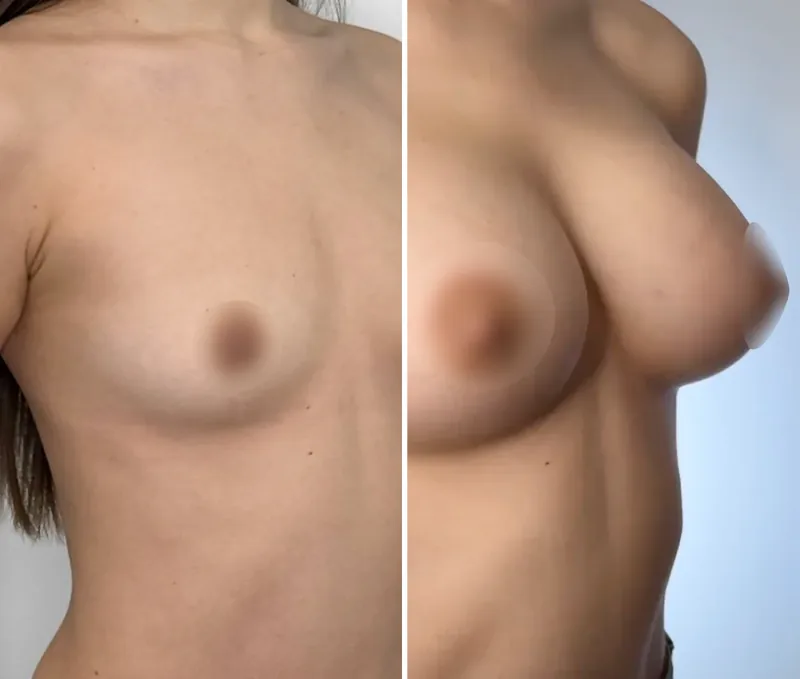
 beforeafter
Mammoplasty
Method: implants
Breast augmentation
$4,700
$5,900 · First consultation — Free
Free online consultation · Reply within 15 minutes
Message our coordinator
Free online consultation · Reply within 15 minutes
Message us on TelegramMessage us on WhatsAppBy messaging us, you agree to our Privacy Policy
Breast augmentation for patients from Zurich at City Medical Centre starts at $4,700. The first online consultation is free; the doctor names the final price and it is fixed in the contract.
How it works · Breast augmentation prices
Information current as of 24 October 2026
Results
Each case belongs to a real clinic patient; faces and identifying details are not shown.
beforeafterMethod: implants
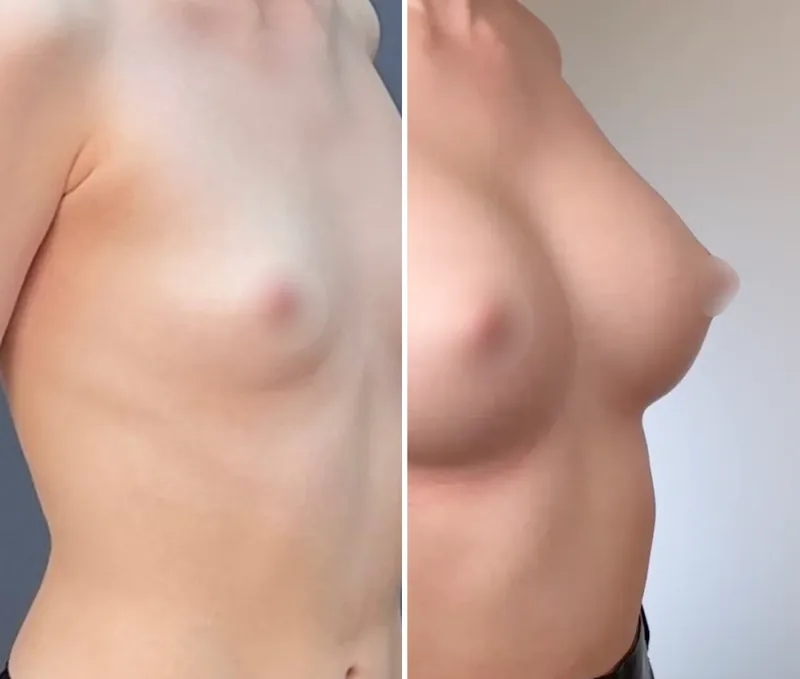 beforeafter
Method: implants
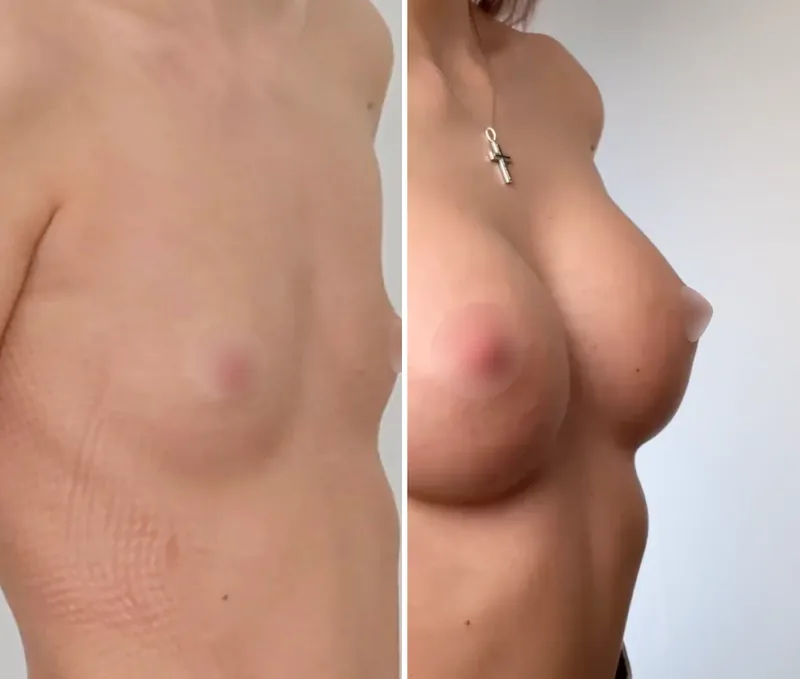 beforeafter
Method: implants
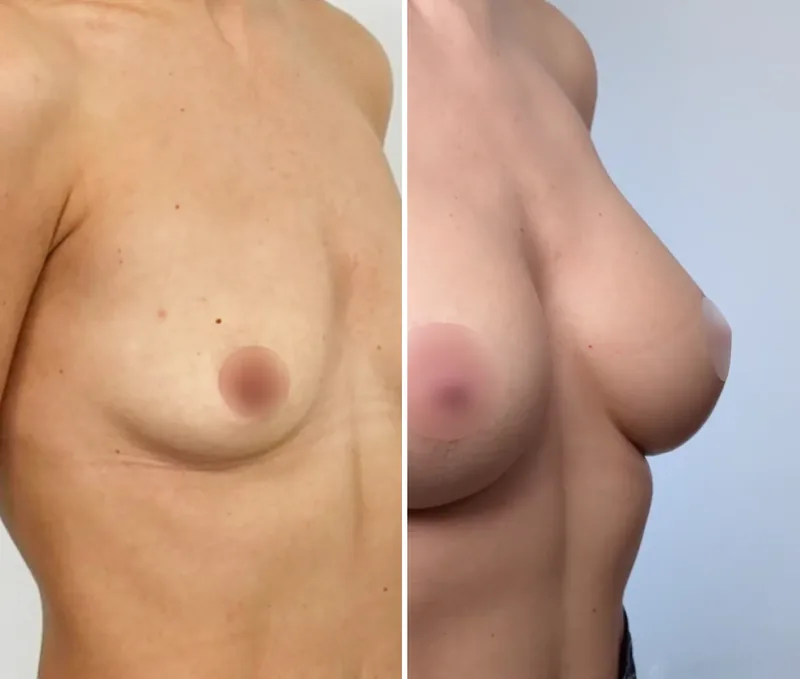 beforeafter
Method: implants
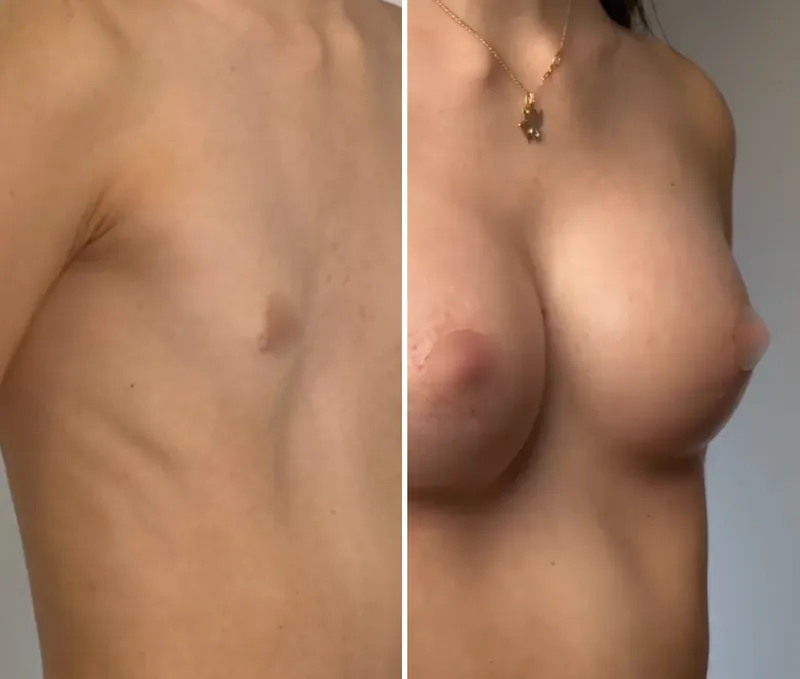 beforeafter
Method: implants
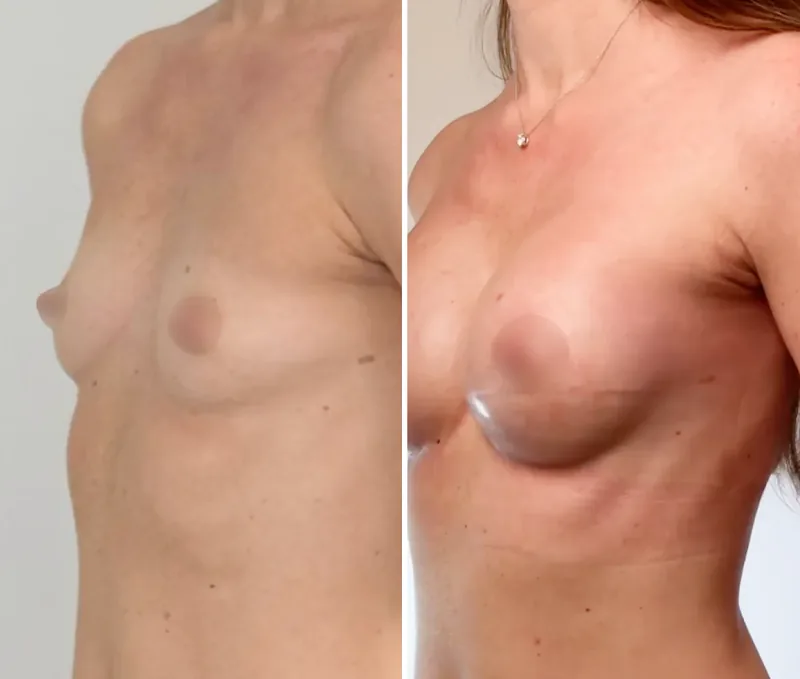 beforeafter
Method: implants
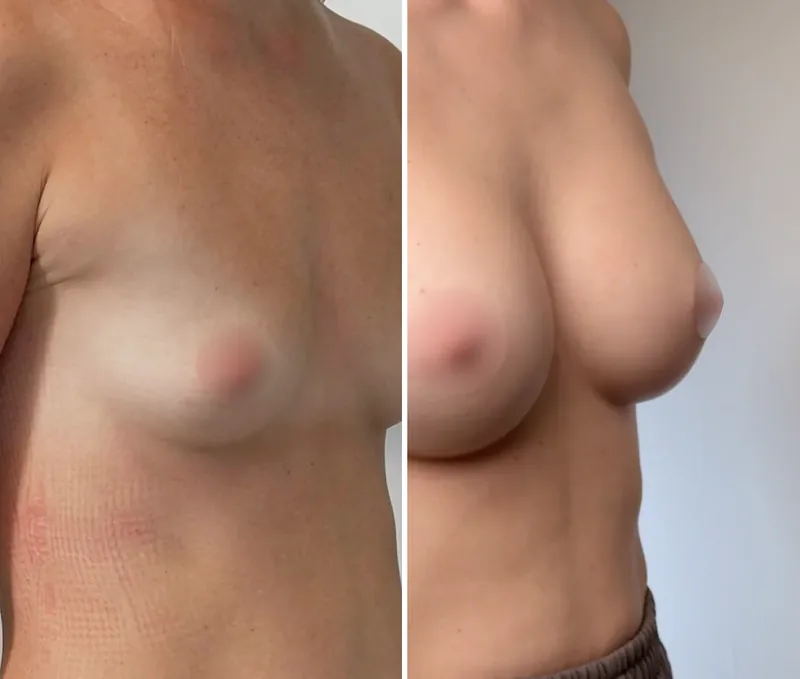 beforeafter
Method: implants
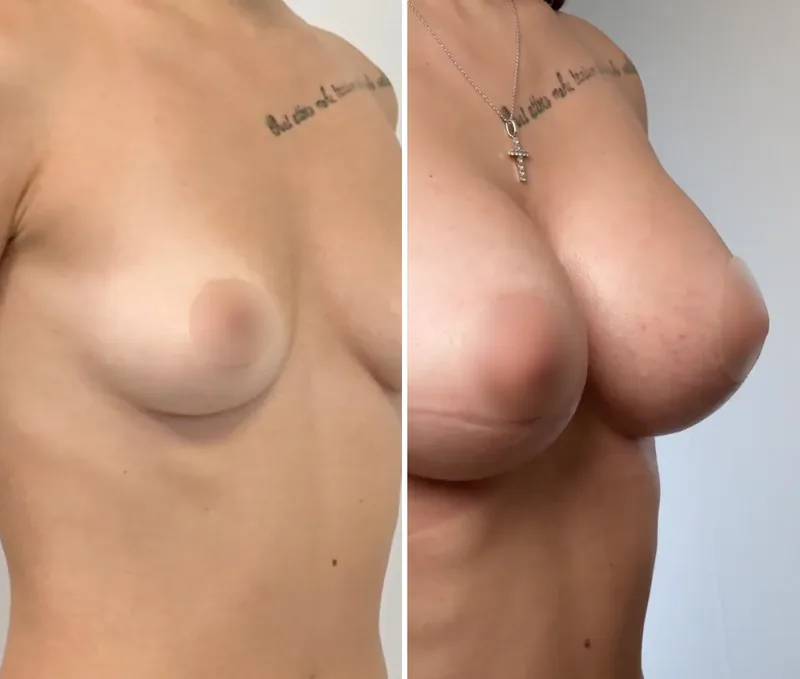 beforeafter
Method: implants
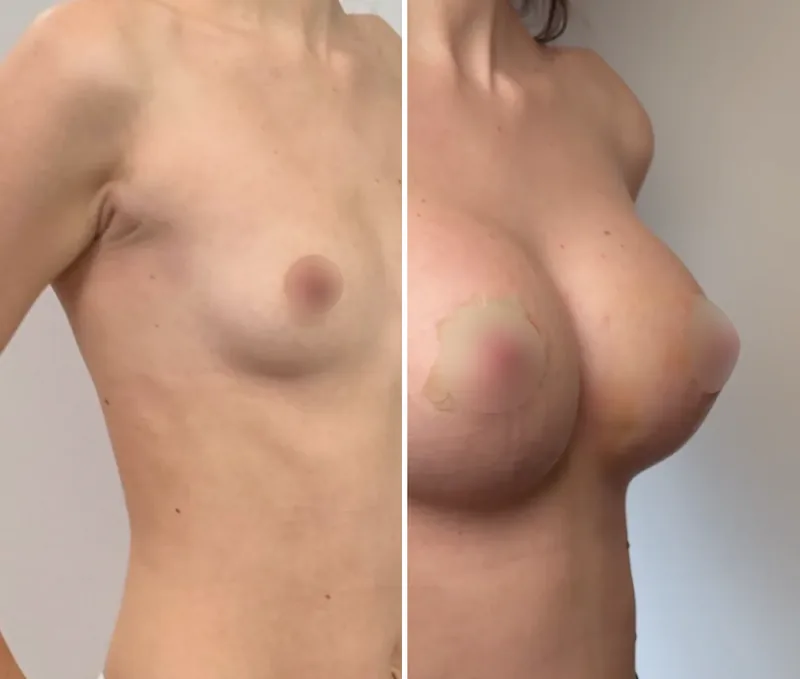 beforeafter
Method: implants
Comparison
There are two main ways we correct the breasts: augmentation and reduction. Compare their goal, how precise the correction is and who they suit, and choose your method with confidence.
Size and shape correction with implants
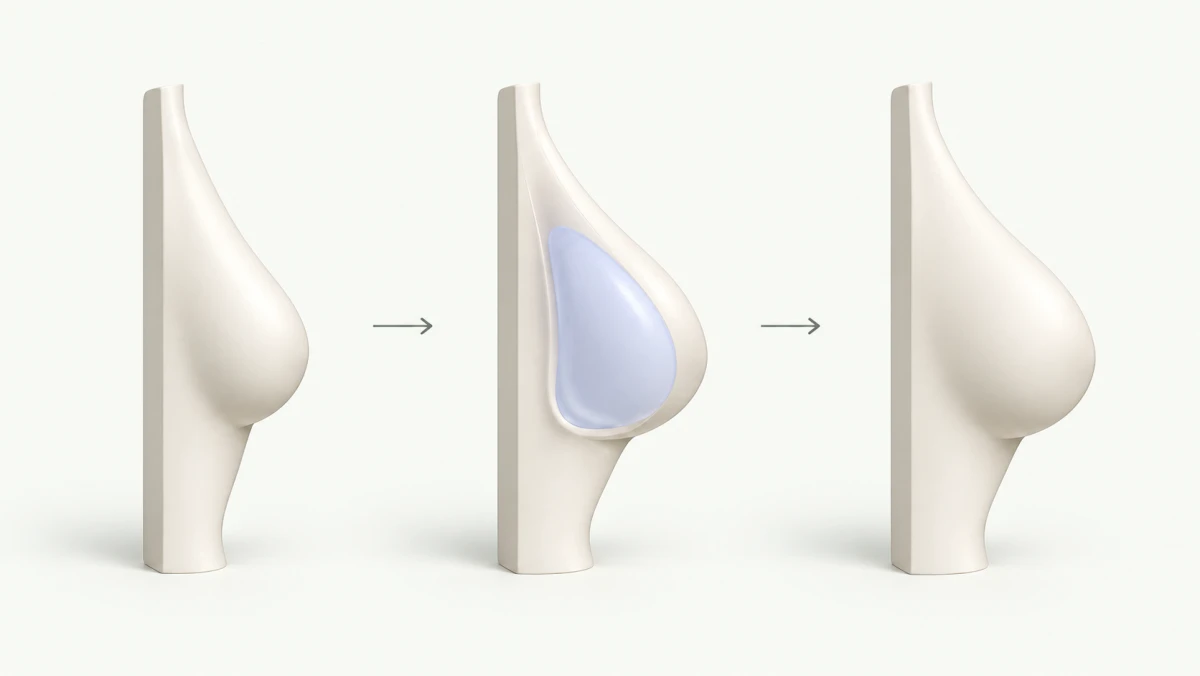
Discounted price
$4,700 $5,900
Breast size correction through reduced volume and weight
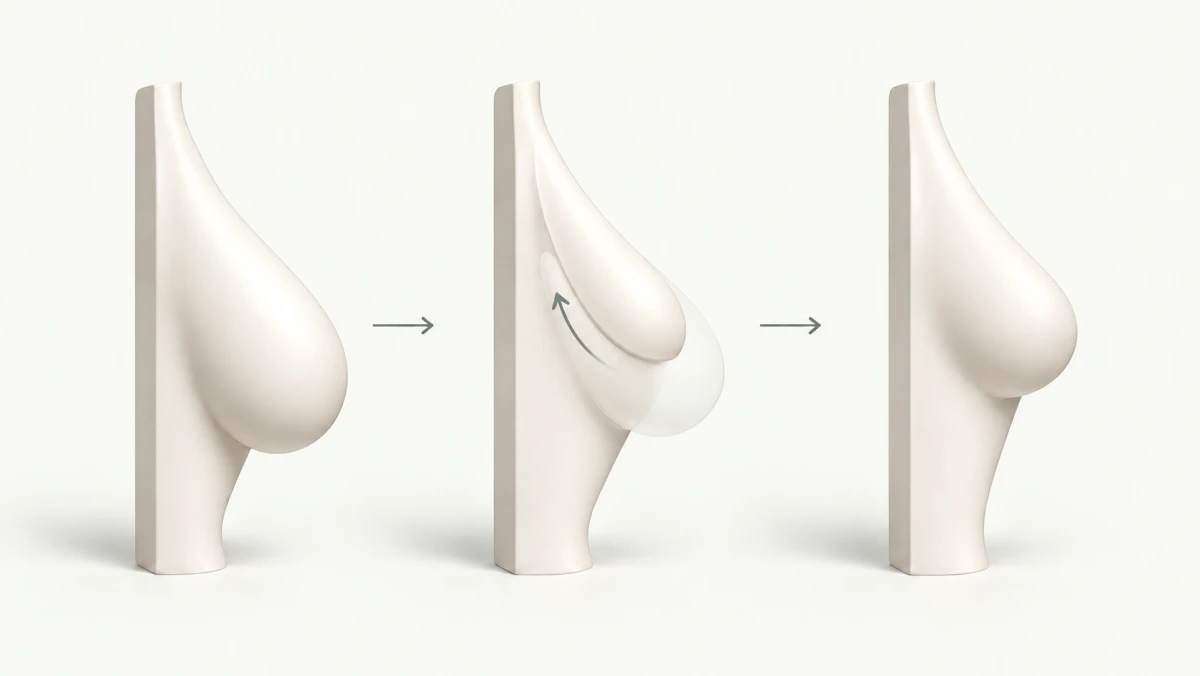
Discounted price
$4,700 $5,900
The surgeon examines the shape and proportions of your breasts at the consultation, discusses your goals and picks the mammoplasty option that fits you best.
The consultation is free, before surgery and with no commitment.
Comparison
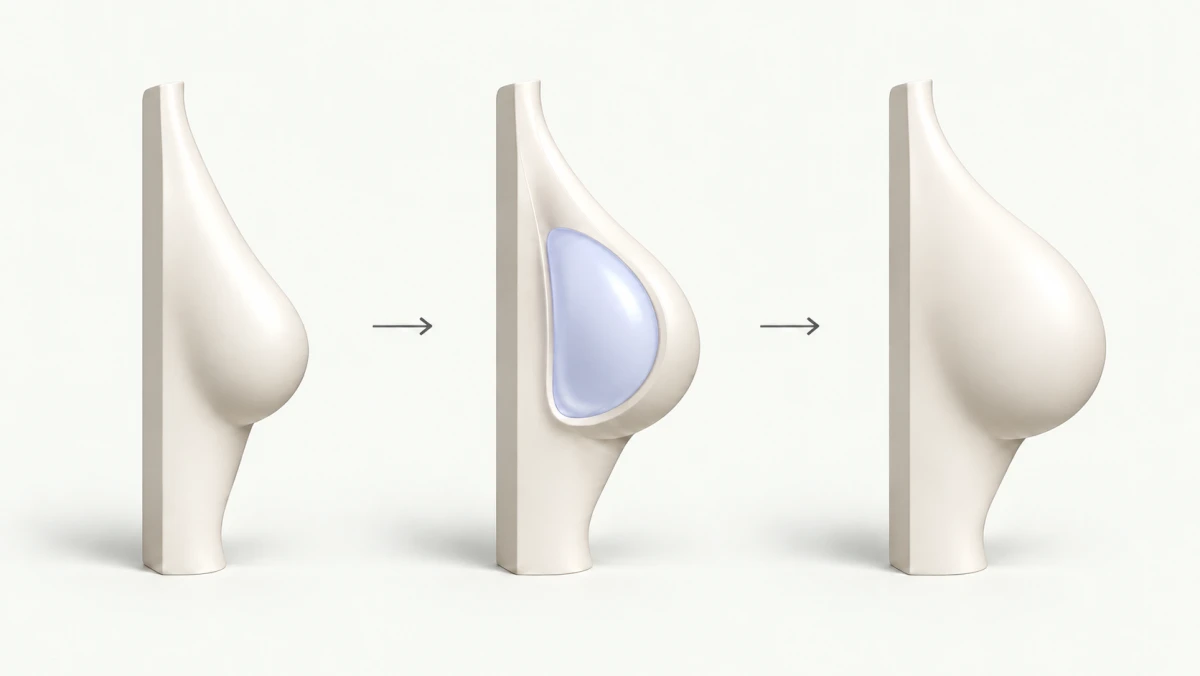
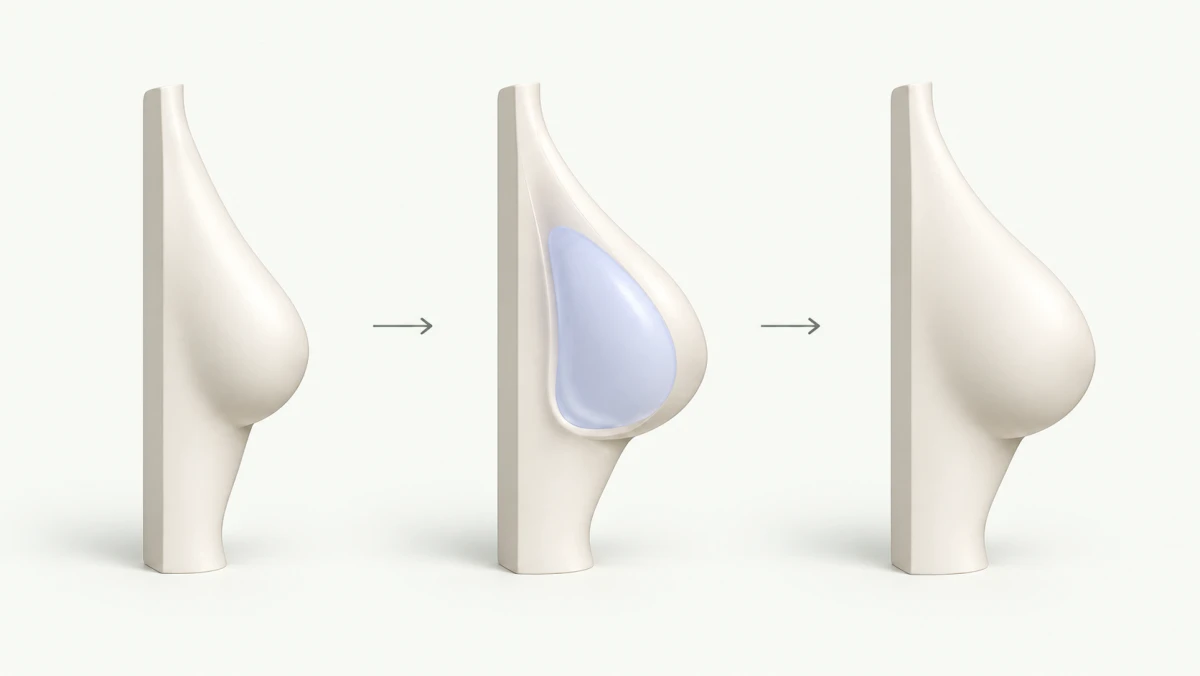
We use two main implant types — round and anatomical. Both increase volume and improve breast shape, yet each gives a different contour and result.
A fuller upper pole with even volume
A smooth slope and a soft teardrop outline
The surgeon will help you choose the implant shape and volume.
Our clinic
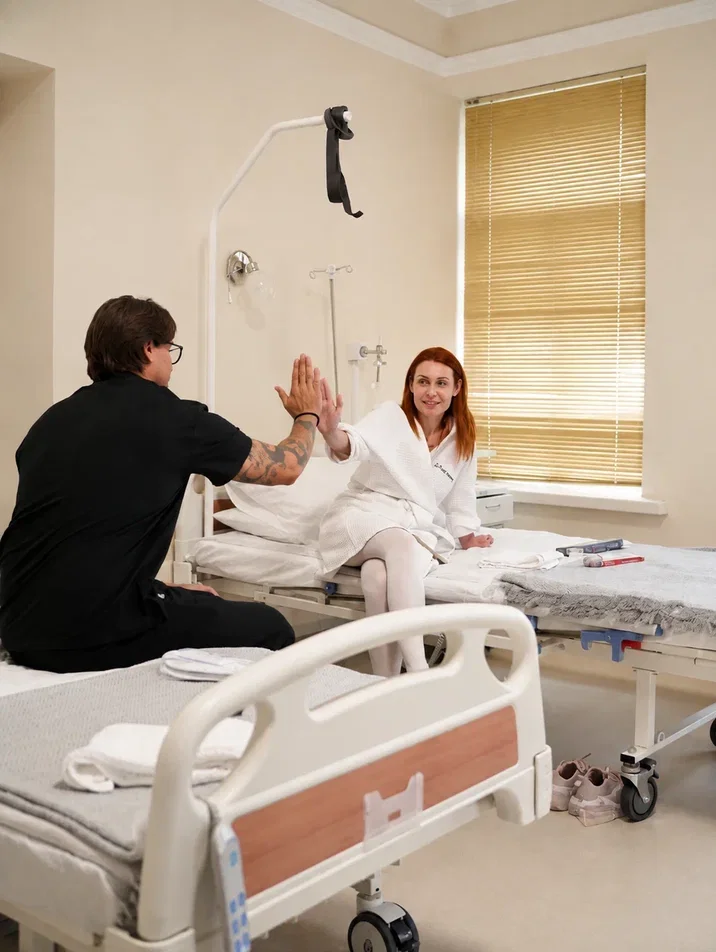
Modern technology, cosy rooms and personal attention for every patient
You get answers to your questions and a consultation slot that fits your schedule
By messaging us, you agree to our Privacy Policy
Should your case not require surgery, you will hear it from the doctor at the consultation, and no money will be spent in vain.

Not sure whether surgery is right for you?
Write to us: your coordinator will request photos in a messenger, and the surgeon will review them and tell you whether mammoplasty suits you.
Find out if it suits me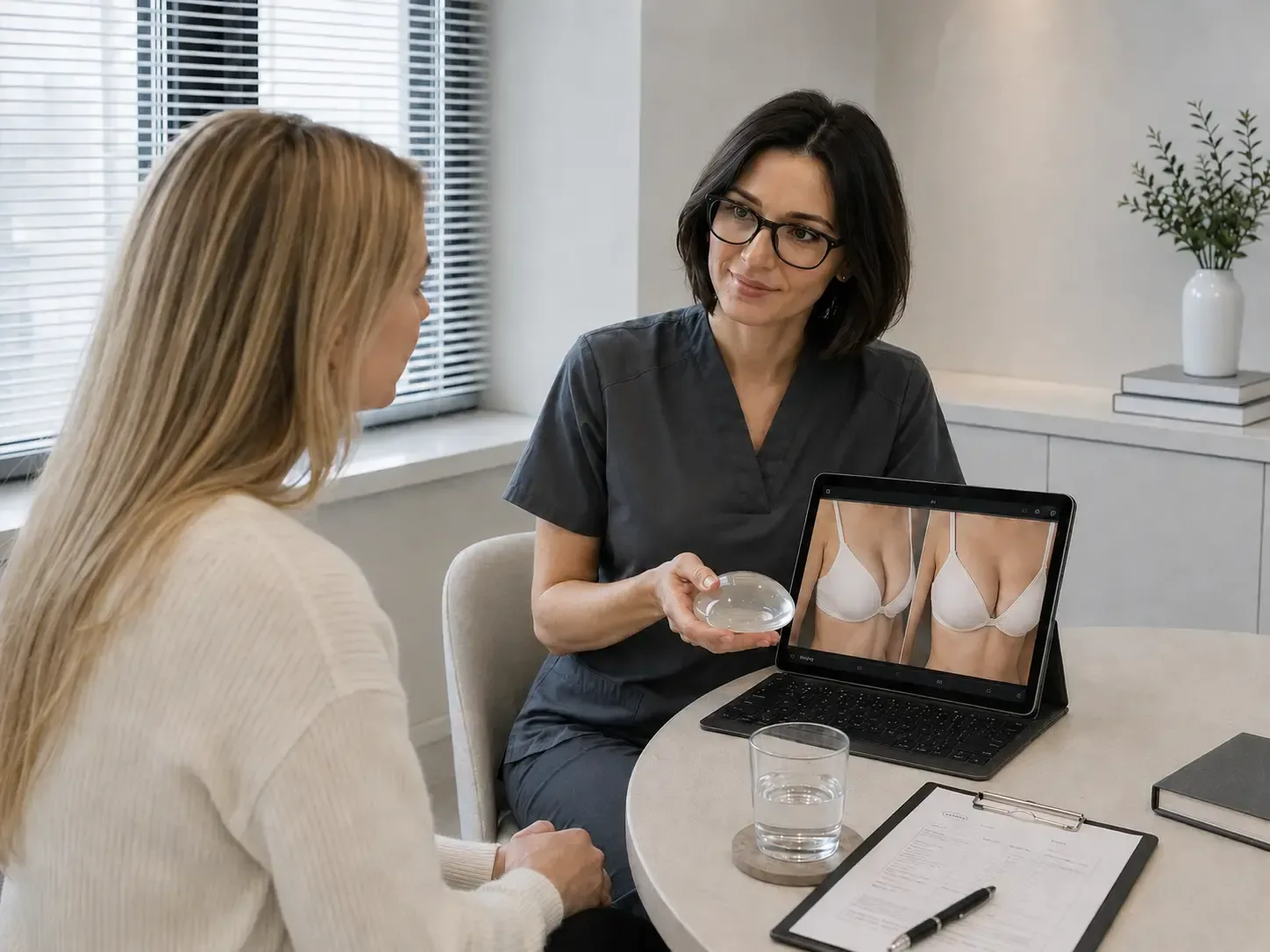
Prices
The price is set at the consultation and fixed in the contract.
Discounted price
Size and shape correction with implants
$4,700$5,900
Discounted price
Reducing the volume and weight of the breasts
$4,700$5,900
Breast restoration after mastectomy
The price is set at the consultation and fixed in the contract.
Get a consultationThe surgeon assesses the anatomy and proportions of your breasts, listens to your wishes and chooses the right correction method.
The price is set at the consultation and fixed in the contract.
Message our coordinator
Free online consultation · Reply within 15 minutes
Message us on TelegramMessage us on WhatsAppBy messaging us, you agree to our Privacy Policy
all inclusive
From preparation for surgery
to support for 12 months.
Discounted price
$4,700$5,900
Step by step
An agreed correction plan, inpatient observation and recovery monitoring for a year.
 1
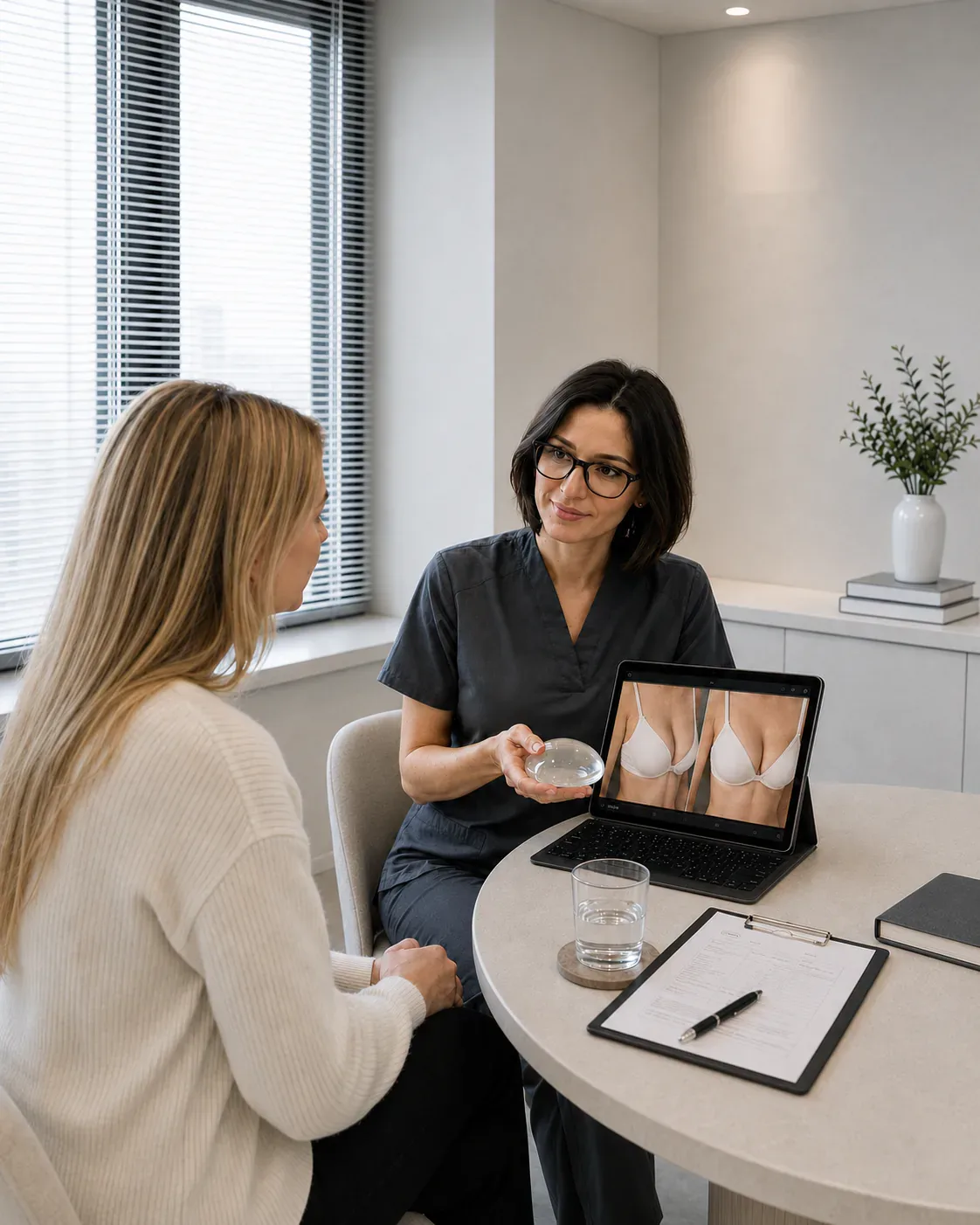
The surgeon looks at your figure, talks through your wishes and picks the best volume, shape and correction method.
 2
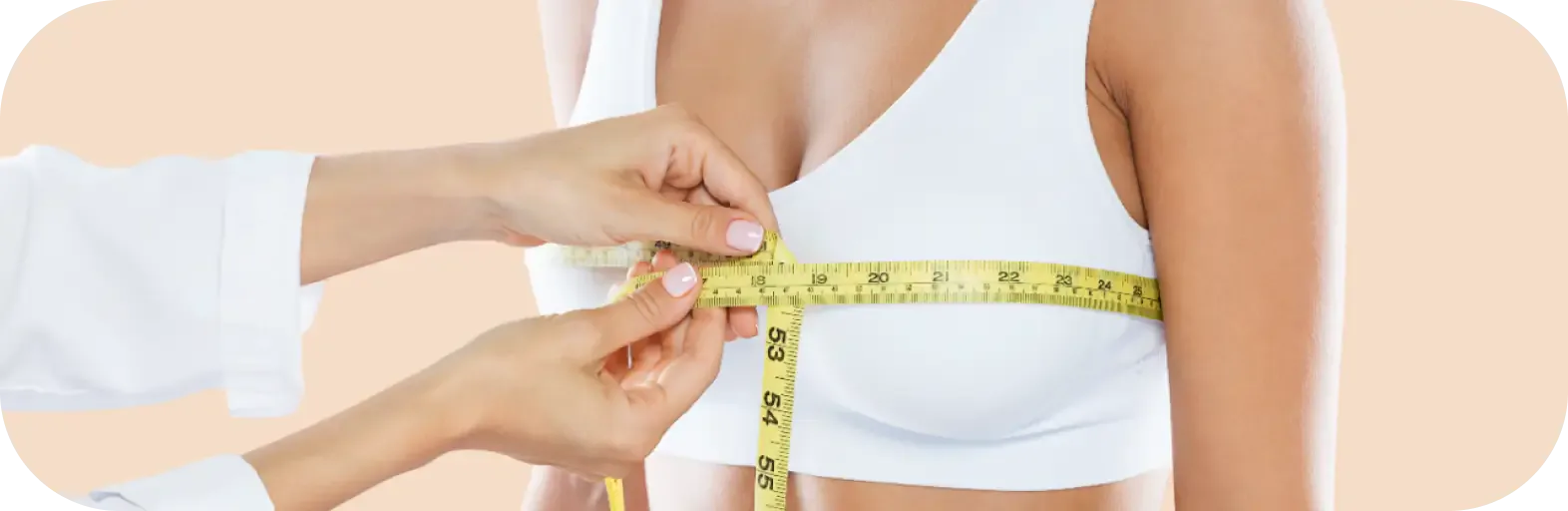
A surgery date is booked in your name: pay the deposit by card at the clinic or by online bank transfer. The terms are recorded in the contract for medical services
 3
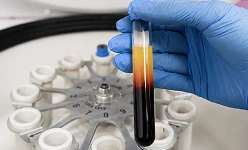
A complete pre-operative check-up comes first: blood tests, an ECG and the other examinations prescribed by your doctor.
 4
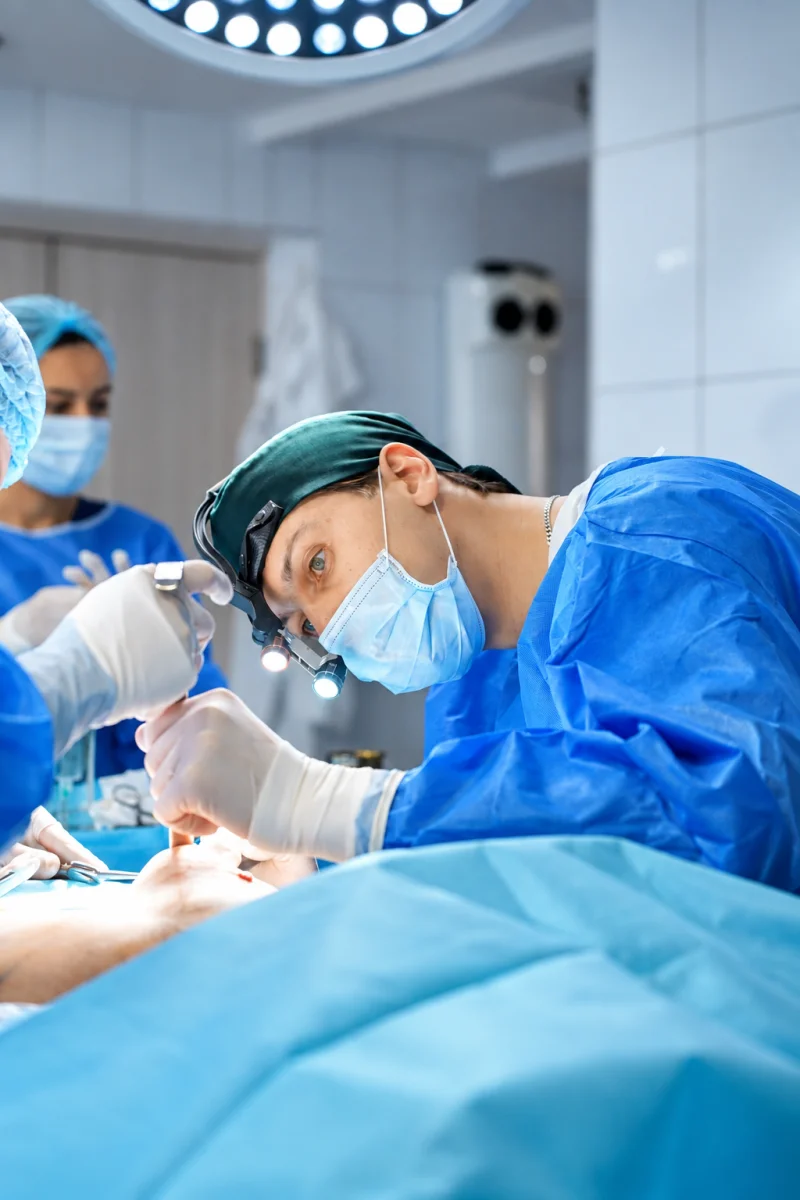
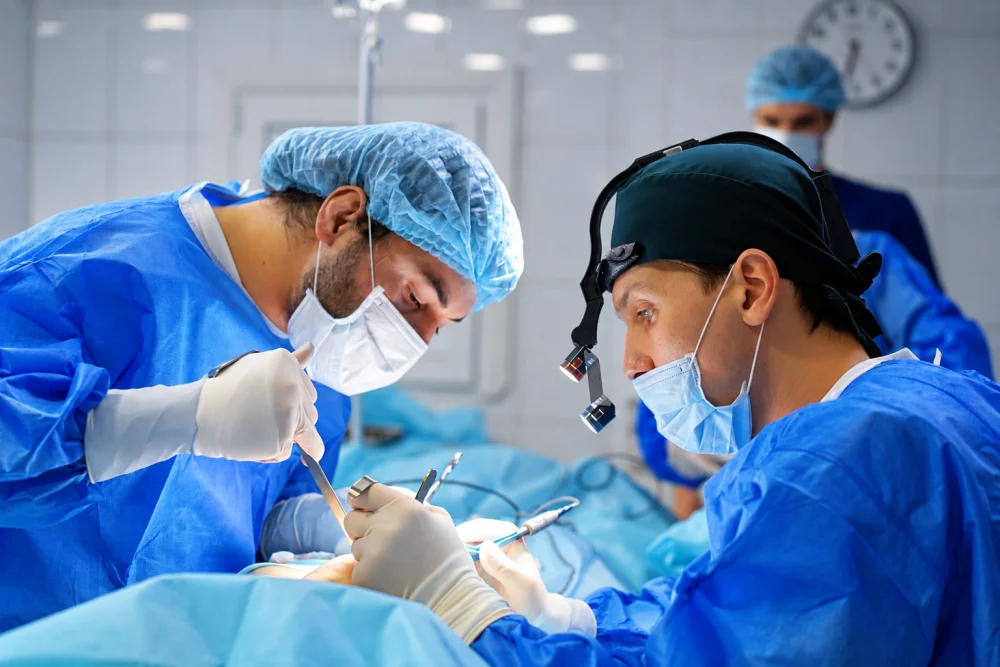
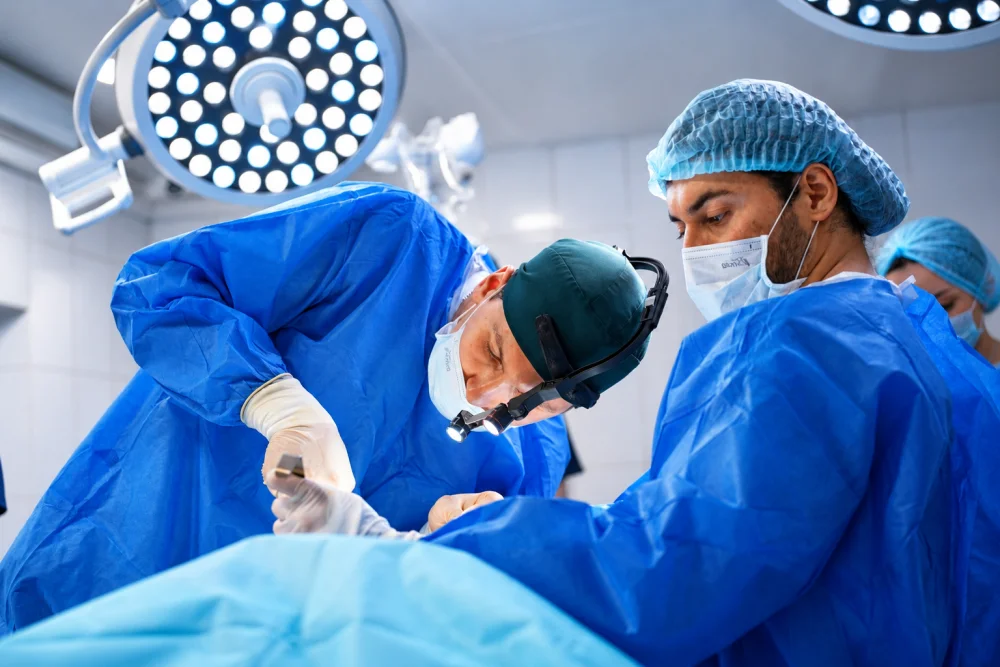
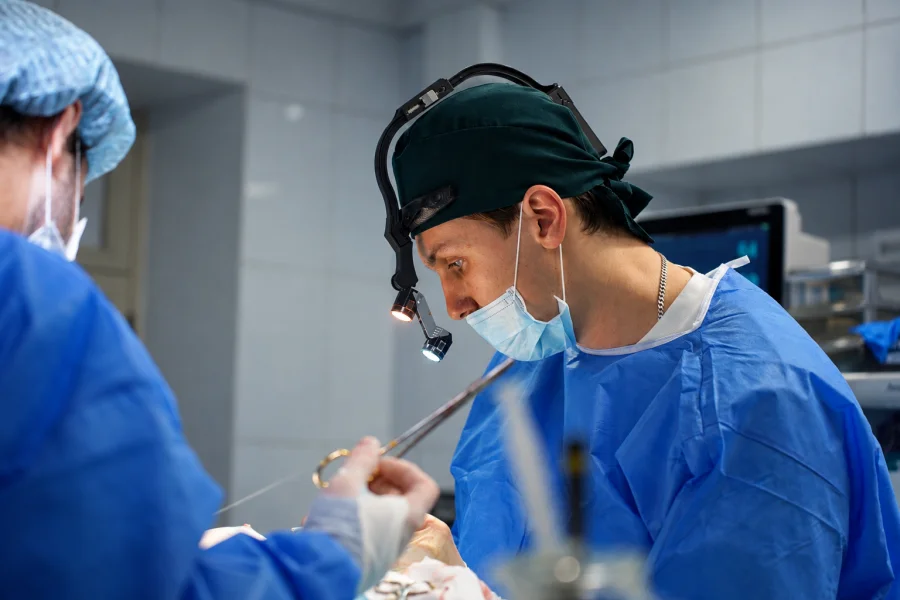
Your surgeon carries out the mammoplasty following your personal plan, under general anaesthesia and with constant monitoring of your condition.
 5
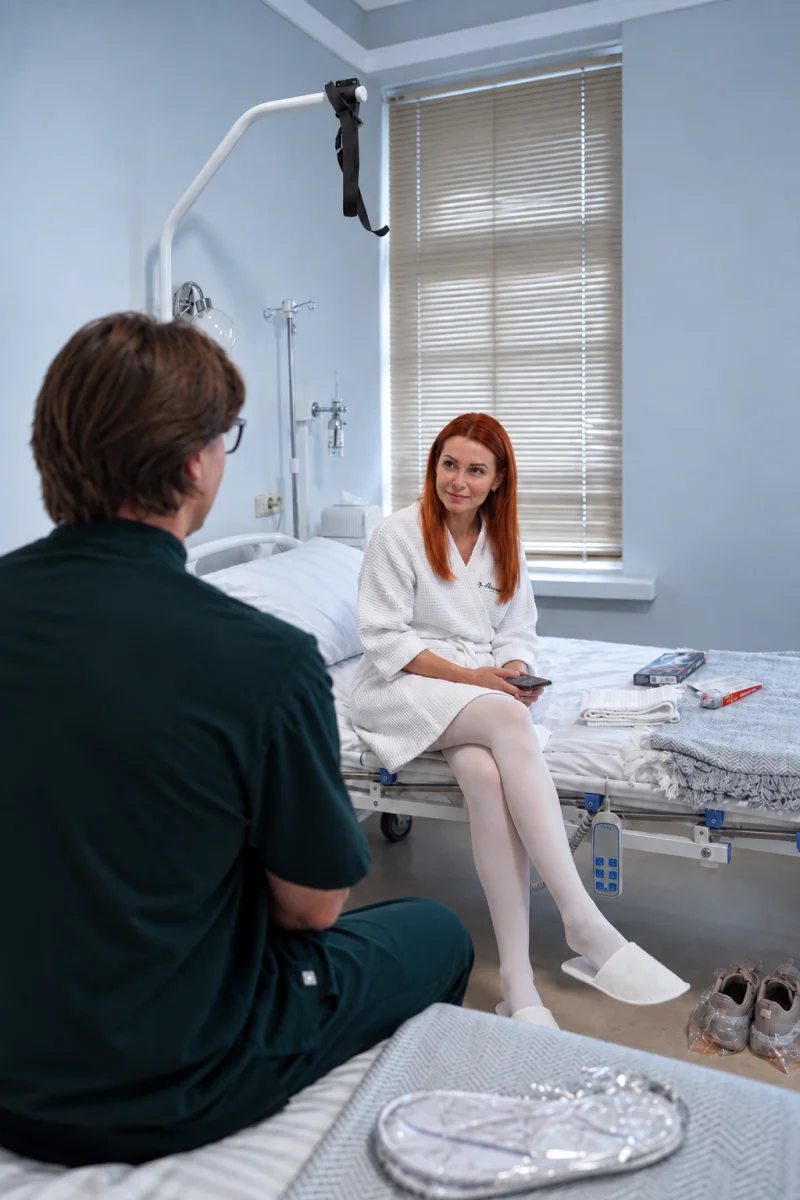
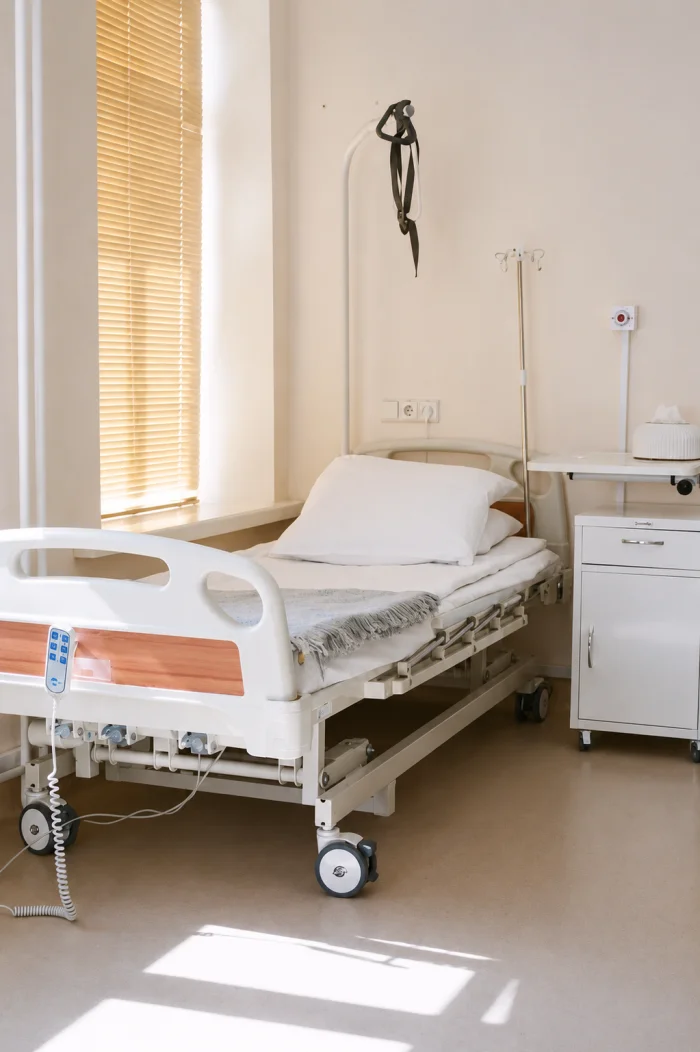
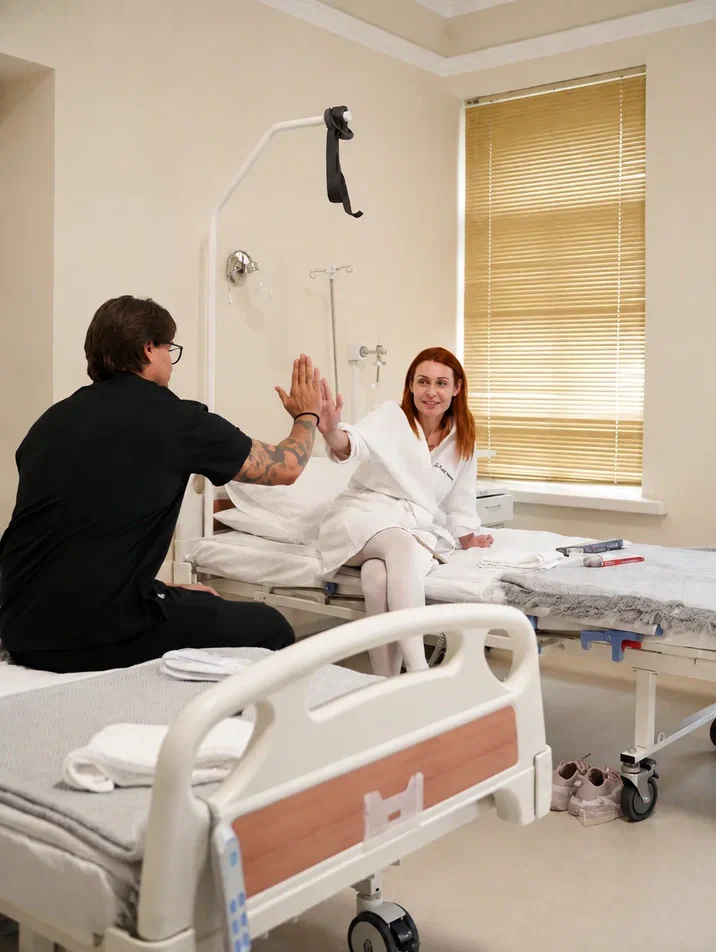
After surgery you stay in the clinic's comfortable inpatient ward under the care of the medical team until discharge.
 6
After surgery you receive a recovery programme. Check-ups at 7 days, 3 and 6 months track your progress, and consultations with your surgeon are free for a year.
Before the operation, follow some easy steps: maintain a sound work-rest balance, sleep more, avoid stress, anxiety and strong feelings, and reduce your physical load.
Oral hormonal contraceptives should be stopped no less than a month before the procedure
Aspirin-containing drugs, steroids and hormonal medications for chronic conditions must be stopped before surgery
Get your tests a week ahead of surgery
Post-op swelling disappears after 3 weeks
Scars take shape within 3 weeks
No physical exertion (lifting over 3 kg)
Do not raise arms above shoulder level for 3 weeks
You wear compression garments for 1–1.5 months while recovering from the correction
Intense gym workouts should be avoided for up to 40 days, along with overly active aerobics; after a month light cardio may be possible. Watch your diet.
Within 3 months, discomfort disappears
Stay away from baths and saunas for up to three months; no physiotherapy
Within 3 months, inflammation in the tissue fully resolves and a “pocket” takes shape around the implant
Doctors
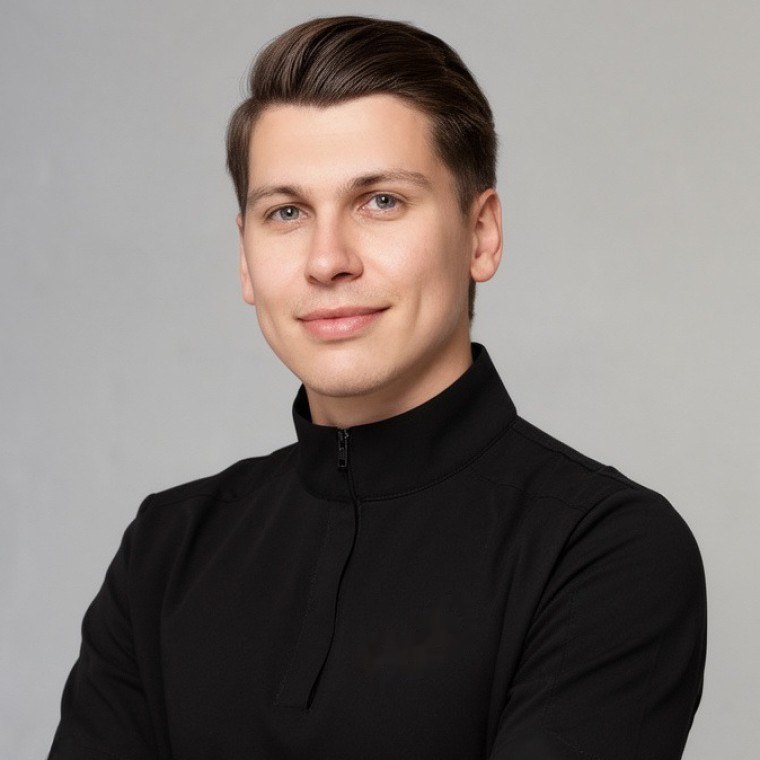
7 years of experience
Plastic surgeon
Plastic surgery residency at the Petrovsky National Research Centre of Surgery. Focuses on aesthetic and reconstructive surgery of the breast and body.
At the consultation you talk to the surgeon who will operate
An experienced plastic surgeon focused on the beauty and health of every patient
Book a consultationAdvantages
At the consultation we talk through what you want and model the changes. The surgeon explains the possibilities of surgery so that the goal is clear to you.
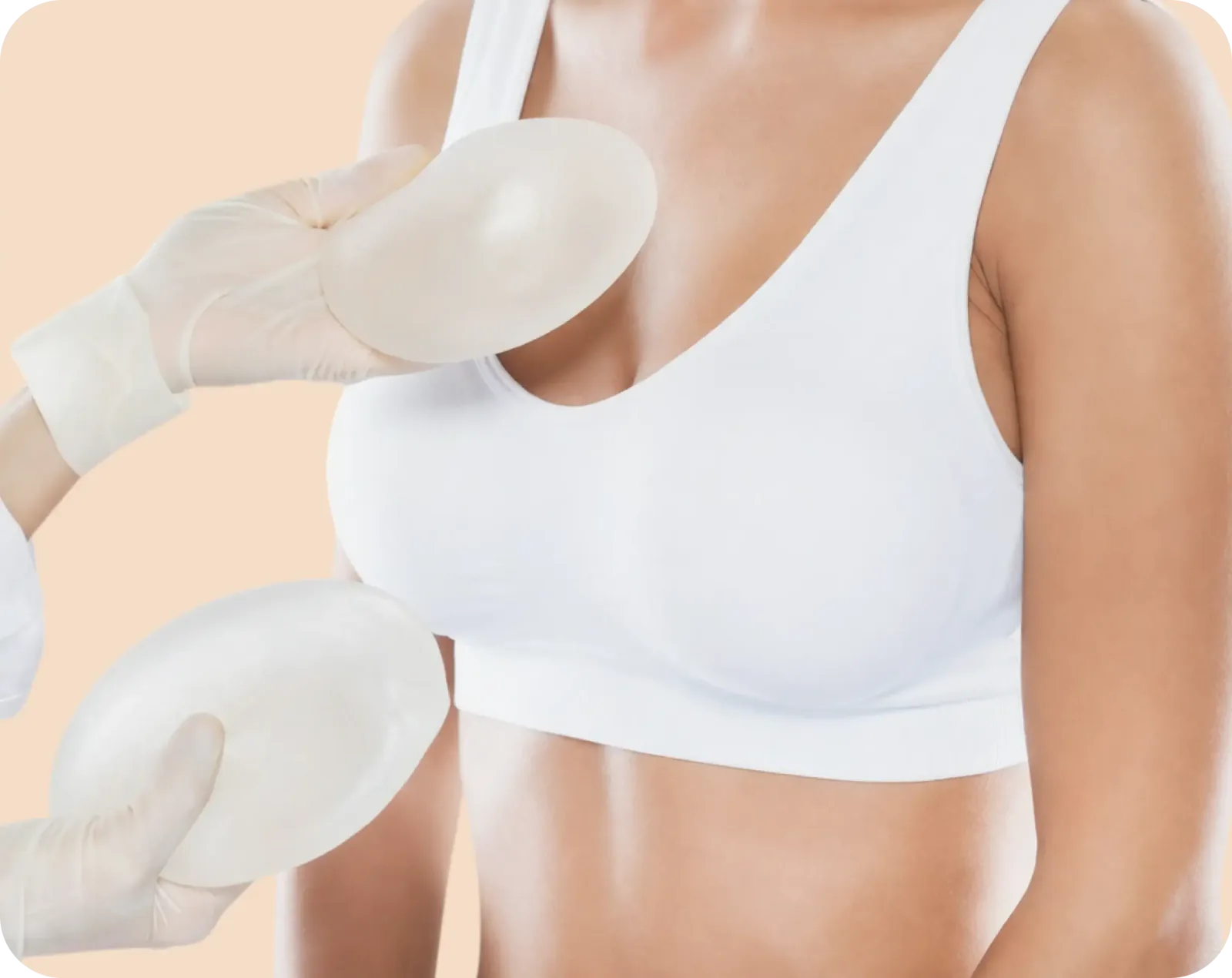
For a year the surgeon monitors your recovery and how your breast shape settles. Check-ups and dressings are already included in the price.
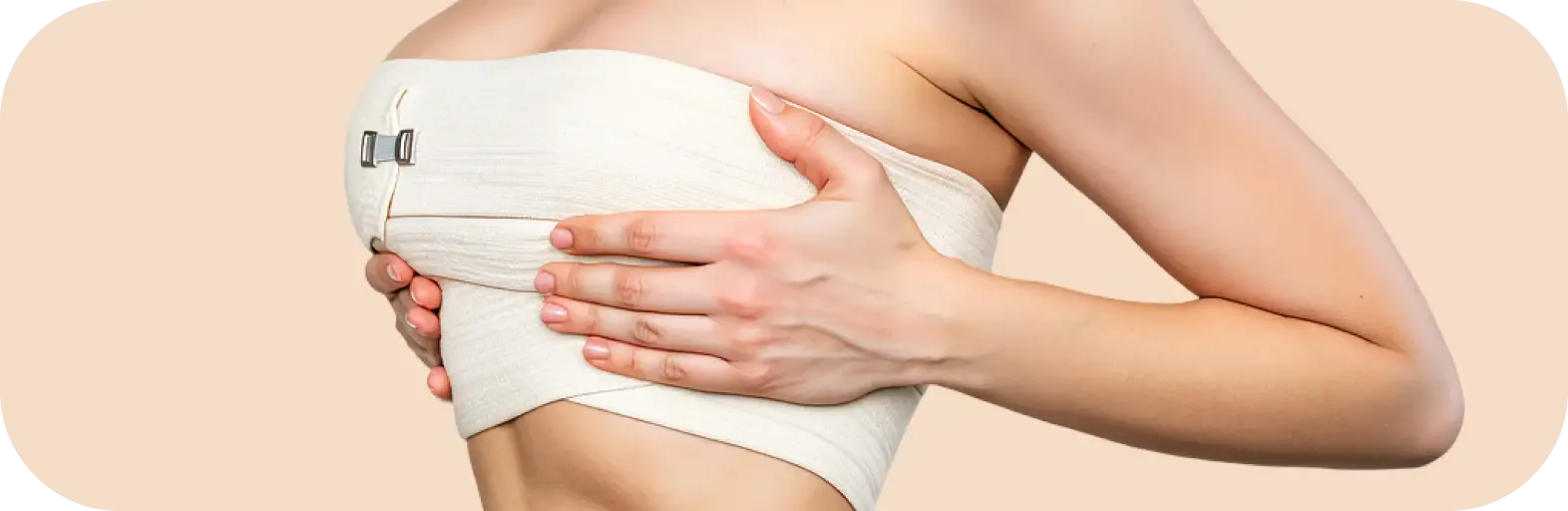
We select the shape, volume and correction method according to your anatomy and goals; for augmentation, implant size and profile are chosen just for you.
We respect your schedule: working 24/7, with simple booking and a personal approach that fits your pace.
After the consultation the surgeon determines the scope of correction, and you receive a clear price for the surgery with no surprises along the way.

Your recovery begins in a comfortable inpatient ward, with nurses on hand day and night. The price already covers your stay and meals.
FAQ
Yes. Boob job is the everyday name for breast augmentation. At City Medical Centre it is done with round or anatomical implants that the surgeon chooses with you at the consultation.
Breast enlargement adds volume with implants. A breast lift (mastopexy) raises sagging breasts and removes excess skin. Which one suits you is decided at the free consultation.
Mammoplasty refers to several procedures: augmentation (adding volume through implants), reduction (cutting away excess tissue and skin), mastopexy (lifting sagging breasts), reconstruction (after mastectomy) and asymmetry correction. The best technique is picked individually, based on what you want and what the surgeon advises.
Message us — our coordinator will get back to you shortly and book your consultation. The plastic surgeon consultation is free.
As long as all recommendations are kept, complications are rare. Among the possible ones: hematoma or seroma, wound infection, reduced or increased nipple sensitivity, capsular contracture, aesthetic asymmetry, wound separation and tissue necrosis.
You can expect a long-lasting mammoplasty result: about 10–15 years after augmentation (until the implants are replaced) and 5–10 years after a lift or reduction. How long it lasts is affected by weight, pregnancy, skin aging and gravity. Wear supportive underwear and control your weight to keep it.
Breastfeeding after mammoplasty depends on the procedure. Augmentation through an under-breast or armpit incision with a submuscular implant usually keeps lactation intact, since glandular tissue is not damaged. With a lift or reduction the risk is higher, because ducts may be cut. Be sure to discuss this with your surgeon in advance.
In choosing implants, the surgeon considers material (silicone looks most natural, saline is less common), shape (round or anatomical teardrop), surface (smooth or textured), size and profile, and selects the best option for your anatomy and wishes.
Surgery takes place under general anaesthesia, and the patient feels no pain. Moderate discomfort is possible in the first 1–3 days and is managed with painkillers. Pain eases considerably by day 5–7 and discomfort disappears by weeks 2–3. Tell your doctor immediately if pain is severe.
Most patients return to work (without physical exertion) after 7–14 days. Light walks are fine after 1–2 weeks. Fitness and swimming come after 4–6 weeks, strength training after 3 months, pool and sea after 4–6 weeks. Compression garments are worn for 4–6 weeks. Exact timing depends on your recovery.
There is no scientific evidence that mammoplasty increases breast cancer risk. Implants do not cause cancer. After surgery, keep up regular screening — self-exams, mammography and ultrasound. Always tell the examining doctor about your implants.
It is possible to have mammoplasty after a C-section, provided the body has recovered fully. Wait no less than 6–12 months after birth and after finishing breastfeeding. A surgeon's consultation and examination are needed before the operation.
There are scars after mammoplasty, though a skilled surgeon keeps them minimal. The incisions go in discreet areas, such as under the breast, around the areola or in the armpit. Early on the scars are reddish, but over 6–12 months they fade and are almost unnoticeable.
Slight asymmetry is normal in the first weeks after surgery and comes from swelling and uneven healing. When a difference in shape or size lasts beyond 3–6 months, visit your surgeon for an examination to pinpoint the cause.
A temporary decrease or increase in nipple and breast sensitivity is possible after mammoplasty, caused by irritated nerve endings. Most of the time sensitivity returns within 3–12 months. If it has not improved after one year, see your surgeon.
Implants are not directly influenced by hormonal drugs (contraceptives, hormone replacement therapy), yet swelling or breast tissue volume changes can result and temporarily affect appearance. Mention any such medications to your surgeon before surgery.
Prices are in US dollars; the amount in brackets is an approximate conversion to CHF at the rate of 02.10.2026. The final price is fixed in your contract.
Prices start from $4,700 (≈ CHF 3,900). The surgeon sets the final price at the free consultation, and it is fixed in the contract, with no hidden extras.
The surgical team's work, anaesthesia, the inpatient stay with meals, dressings and follow-up visits for twelve months.
Message us on WhatsApp or Telegram using the buttons below. A coordinator will answer your questions and book a free consultation where the doctor names the exact price.
By messaging us, you agree to our Privacy Policy
The goal of the surgery is a natural-looking bust in harmony with the figure. For those from Zurich, the process starts with choosing implants: silicone is the usual material, while saline is used less often. The surgeon then weighs shape, surface, size and profile. When sagging is also present, augmentation can be combined with a lift in a single combined operation.
For anyone in Zurich planning augmentation, preparation starts weeks ahead. Aspirin-containing drugs, steroids and some hormonal medications are stopped 1–2 weeks before; oral contraceptives, at least a month before. Tests are taken a week prior. After the operation you remain in hospital for one day, then follow a recovery program focused on reducing swelling and caring for the breasts.
What do you pay for? From $4,700 (≈ CHF 3,900) covers the operation itself and everything around it: preparation with the surgeon, anaesthesia, one day in an inpatient room with meals and 24/7 supervision, then twelve months of dressings, check-ups and surgeon follow-up. Consultations with the plastic surgeon are free. Anyone from Zurich can apply via the form or any messenger to arrange one.
Well-known people who spoke openly about this operation, in their own words.
 Did Brandi Glanville have a breast augmentation? Yes — a 20-year implant exchangeThe RHOBH star had 20-year-old implants replaced in 2026 — then a dive dislodged one. Her quotes on silicone poisoning and the repair ahead.
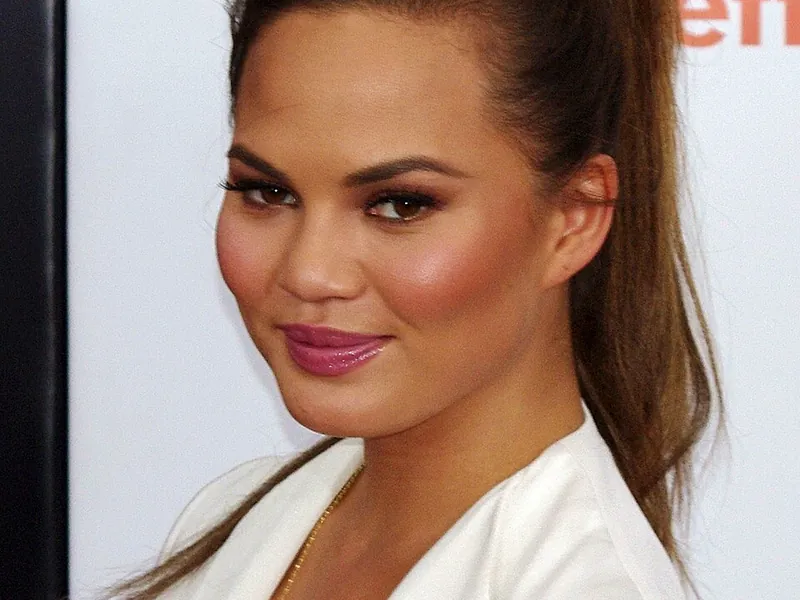 Chrissy Teigen and breast augmentation: what she said about her implantsChrissy Teigen got breast implants at 20 and said they were great to her for many years. Her words, how augmentation works and how to plan long term.
 Did Courtney Stodden have a breast augmentation? Yes at 18 — and a reduction at 31The reality star got huge implants at barely 18 and removed them at 31. Their honest quotes on reclaiming the decision and what surgery involves.
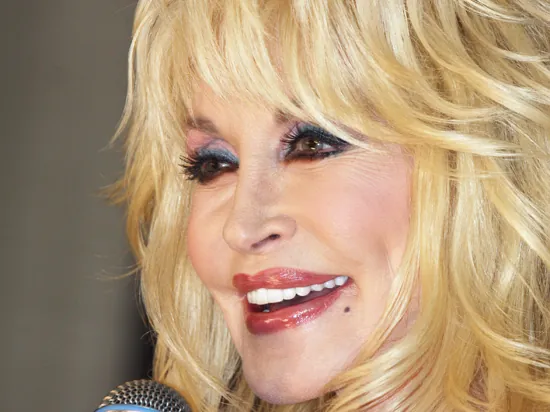 Did Dolly Parton have a breast augmentation? Yes — and she jokes about it openlyThe country queen has never denied her breast implants — from age 22 to today. Her funniest and wisest quotes, and what augmentation involves.
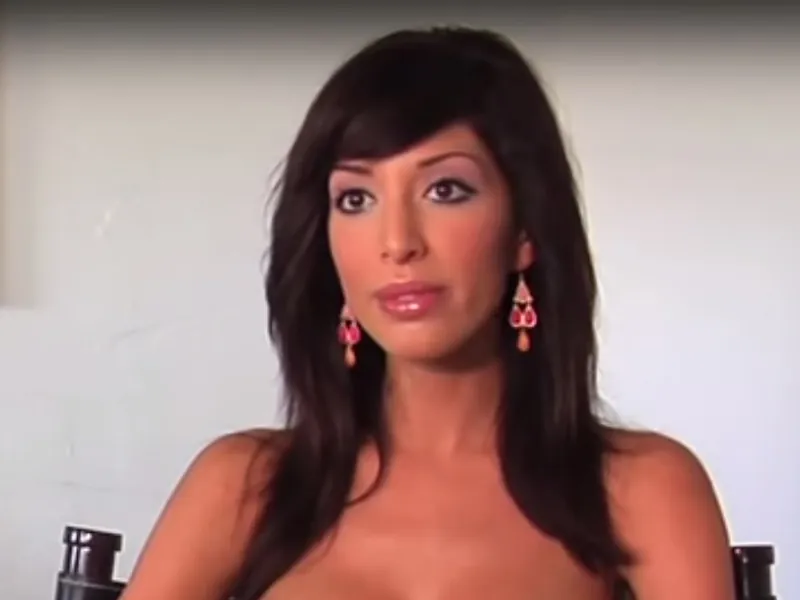 Did Farrah Abraham have a breast augmentation? Yes — and she explained whyThe Teen Mom star's chest changed after her baby and hurt her self-esteem — so she had augmentation. Her quotes and what the operation involves.
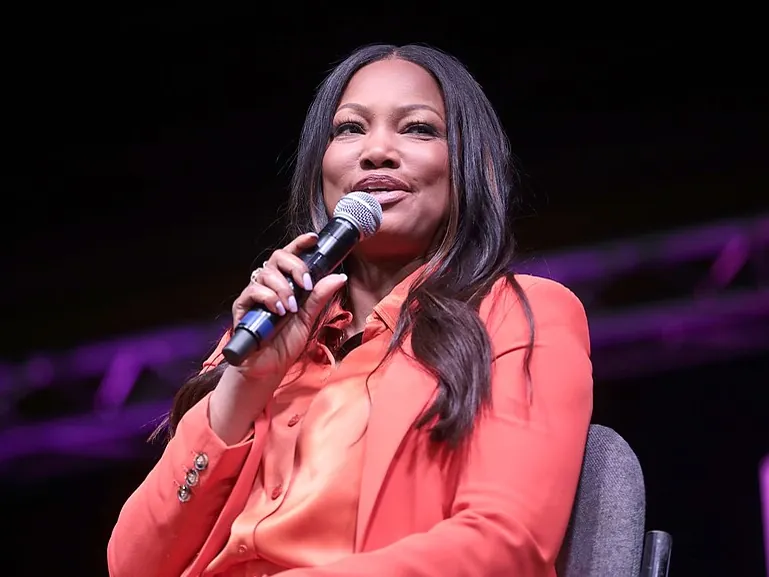 Did Garcelle Beauvais have breast implants? Yes — and she had them removedThe RHOBH star opened up about getting her breast implants removed — and said plastic surgery shouldn't be taboo. Her story and what removal involves.
What patients write after this operation. Reviews are translated from the original language.
Anna Smirnova
I went to Dmitry Sergeyevich for breast augmentation with implants. At the consultation everything was explained in detail, and together we chose the best size. The operation under combined anaesthesia took 2 hours, and I was discharged home the next day. The swelling went down in about a month, and my breasts look very natural. The year of follow-up care is a real lifesaver: you can always ask a question and get an answer. Thank you to the clinic!
Breast augmentation
Doctor: Dmitry S. Kuznetsov
Ekaterina Morozova
After two births I decided on a breast lift without implants. I chose Dmitry Sergeyevich and have no regrets. The result exceeded all my expectations: my breasts are lifted and the shape is youthful and firm. The incisions are minimal and almost invisible. I spent one day in the hospital, and the room was very comfortable. I recommend him!
Breast lift
Doctor: Dmitry S. Kuznetsov
Olga Kuznetsova
I had a combined operation, a breast lift with augmentation, with Dmitry Sergeyevich. At the consultation it was immediately clear that I was in the right place. Everything is included in the price, with no hidden charges. After a month my breasts already feel soft and natural. Personal follow-up after the operation is very valuable.
Breast lift with implants
Doctor: Dmitry S. Kuznetsov
Maria Lebedeva
Breast augmentation from a size 3 to a size 4 with Dmitry Sergeyevich. He chose perfect anatomical implants. The operation took 2 hours, and I woke up with almost no pain. In the ward I was fed and monitored around the clock. Four months have passed and the result looks like a magazine cover.
Breast augmentation
Doctor: Dmitry S. Kuznetsov
Natalia Vorobyova
I went to Dmitry Sergeyevich to correct breast asymmetry with a small lift. A true professional: at the consultation he immediately showed before-and-after photos of similar cases. Recovery was easy and the swelling went down quickly. I had my check-up after just 7 days. An excellent clinic!
Breast reconstruction
Doctor: Dmitry S. Kuznetsov
Yulia Romanova
I had a lift with implants after losing a lot of weight. I chose Dmitry Sergeyevich. At the consultation everything was explained in simple words, and my fears were gone. One day in the hospital, then care at home. Now my breasts look natural and keep their shape. I am very happy!
Breast lift with implants
Doctor: Dmitry S. Kuznetsov
Page medically reviewed by Dmitry S. Kuznetsov, plastic surgeon. Review date: .
Breast augmentation with implants comes with a compression garment that is worn for 1–1.5 months while the tissue settles. The recovery guidance also mentions 4–6 weeks of compression, so the exact period is confirmed by the doctor according to how your recovery goes. For a patient in Zurich, the important question is which season those weeks fall into, because the garment is worn day and night and the weather decides how comfortable that is.
Zurich's warm season is clearly defined. The mean daily maximum is 23.1 °C in June, 25.1 °C in July and 24.7 °C in August (MeteoSwiss normal 1991–2020, Zürich-Affoltern station). The city has about 51 summer days a year and 11–12 hot days. Mean annual relative humidity is 77.7%, so even a moderate afternoon can feel close under a snug garment. None of this makes summer a poor choice. It means the plan should include breathable clothing, light loose tops that fit over the garment, and a sensible daily rhythm with shade and rest in the warmest hours.
Heat has another effect on this procedure. Baths, saunas and physiotherapy are not allowed for up to three months, and in a warm month it is easy to reach for a long hot soak or a spa visit. Plan cooler alternatives from the start: a lukewarm shower, a fan, light bedding. The swelling is expected to settle after about 3 weeks, and discomfort fades after about 3 months. During those weeks the doctor's instructions matter more than the thermometer.
Sunshine is also part of the picture. July in Zurich averages 7.6 hours of sun a day and June 7.2 hours. Fresh scars develop within about 3 weeks, and the doctor will explain how to protect the area from direct sun. You can send a message to the coordinator on WhatsApp or Telegram at any hour, around the clock, to ask which clothing and skin protection suits your own plan.
Winter in Zurich changes the practical side of recovery. The January mean temperature is 1.0 °C, with a mean maximum of 3.8 °C and a mean minimum of −1.9 °C. The city has about 87 frost days and about 16 ice days a year. December and January bring only 1.3 and 1.6 hours of sun a day on average, which affects mood and energy during the early weeks of rest.
Cold weather has a surprisingly concrete link to the first-phase restrictions. For 3 weeks you should not raise your arms above shoulder level and should not lift more than 3 kg. Pulling a thick jumper over your head, reaching for a high shelf or hauling a winter coat onto a hook all become small tasks to plan. Front-opening tops, a coat with a wide cut and a scarf you can put on without lifting your arms make the period easier. A compression garment worn under layers also needs room, so choose outer clothing a size larger than usual.
Zurich gets 1,021 mm of precipitation a year, spread over 125.2 rain days. Wet pavements and shopping bags can be a quiet source of strain. A bag of groceries can pass 3 kg quickly, so arranging deliveries or asking a family member to carry things is a reasonable measure for the first 3 weeks. Even February, the driest month at 55 mm, is not reliably dry.
A cold month does have one advantage: the compression garment is easy to wear in low temperatures. If you are weighing a winter date against a summer one, the coordinator can go through it with you, and the doctor will say what suits your health and your case.
Water is central to life in Zurich. The city sits at the lower, northern end of the Zürichsee, the Limmat flows out of the lake, and the Sihl joins the Limmat at the Platzspitz. For many patients the real question is when swimming becomes realistic again.
The guidance for breast augmentation is specific. Fitness and swimming are possible from 4–6 weeks, and pool and sea from 4–6 weeks as well. Baths, saunas and physiotherapy are not allowed for up to three months. Lake or river water is not mentioned in the guidance, so treat it with extra caution and ask the doctor directly before getting into open water. Precise timing depends on your individual recovery, and the check-ups at 7 days, 3 months and 6 months give the doctor the chance to see how you are healing.
One point deserves attention. The Flussbad Oberer Letten on the Limmat has free entry, but it is suited only to good swimmers, and swimming takes place in the headrace canal of the Letten power plant. That is a setting where a swimmer needs full strength in the arms and shoulders. In the first weeks after augmentation, when raising the arms above shoulder level is restricted for 3 weeks, it is not the place to test your recovery. Start with calm, controlled swimming in a pool once the doctor allows it.
Seasonal rain matters little for swimming but a good deal for planning. May has 115 mm of precipitation, June 112 mm, July 116 mm and August 109 mm, so the warm months are also the wettest. If your aim is to swim comfortably by a certain month, count back from that date: a 4–6 week wait, the doctor's confirmation, and some margin in case recovery takes a little longer.
Zurich is a city of gradients as much as a city of water. The centre lies at 409 m above sea level, the Uetliberg reaches 870 m, and the height range within the city is 391–870 m. A walk can turn into a climb without much warning. That matters, because the recovery guidance sets out a clear sequence of effort.
Easy walks are possible from 1–2 weeks. Light cardio may be possible after a month. Intense gym training and overly active aerobics should be skipped for up to 40 days, and strength training starts from 3 months. In the first 3 weeks, no strenuous activity is allowed and nothing over 3 kg should be lifted. A steep path with a rucksack therefore belongs in the later stage, and a flat walk along the lake belongs in the early weeks.
Work follows its own timeline. A return to work without physical exertion is possible after 7–14 days. That suits desk work, study and calls, but not jobs that involve carrying, reaching overhead or repeated arm movement. If your work involves lifting loads, tell the coordinator before the date is booked, so the doctor can advise on realistic time away from it.
Preparation also has a sporting side. One to two months beforehand, the recommendation is to keep a healthy work-rest balance, sleep more, avoid stress and reduce physical activity. A person who trains hard may find that easing off a few weeks earlier is the harder part. After the operation, the doctor will also recommend supportive underwear and weight control to help maintain the result, which makes a steady return to training a sensible choice.
The procedure itself is compact: one day at the clinic under general anaesthesia, followed by a recovery programme. The longer part is the time around it, and the calendar in Zurich offers some points of reference.
The city has a large student population: Universität Zürich has 28,476 students (2024), and ETH Zürich lists 26,942 students in its article. For a student or a person who works in academic life, the semester structure is a natural planning tool. Choose a date that leaves 7–14 days free before returning to desk work, and keep the first 3 weeks free of heavy bags and long periods of reaching for shelves. The first check-up at 7 days also belongs in the diary.
Sechseläuten is held on the third Monday of April, moved if it falls in Holy Week or on Easter Monday. The afternoon is a half holiday for city employees, a local custom rather than a statutory holiday. In 2027 that gives 19 April. If you work in the city administration, a date near this holiday can reduce the need to take extra leave, but confirm the arrangements with your employer.
The Street Parade is usually held on the second Saturday in August along the Zürichsee, with about 900,000 visitors (920,000 in 2023, a record 1,100,000 in 2018). If the usual rule applies in 2027, that is 14 August. A dense crowd, heat and a close-fitting garment are a poor combination in the early weeks. If you intend to be around the lake that weekend, leave at least a month after the operation, and discuss the plan with the doctor first.
The follow-up programme includes check-ups at 7 days, 3 months and 6 months, and consultations are free for a year. Coordinators answer on WhatsApp and Telegram round the clock, so questions that come up on a weekend or a holiday afternoon do not have to wait.
Neither is clearly better. In June to August the mean daily maximum is 23.1 to 25.1 °C and humidity averages 77.7%, so a garment can feel warm. In January the mean temperature is 1.0 °C, which is comfortable for the garment but makes dressing harder while raising the arms above shoulder level is restricted for 3 weeks. Garment time is 1–1.5 months, and the doctor confirms it for you.
The guidance gives pool and sea from 4–6 weeks and says nothing specific about lakes or rivers, so ask the doctor before entering open water. Baths and saunas are not allowed for up to three months. The Flussbad Oberer Letten is suited only to good swimmers, so it is not a good place to test early recovery.
Easy walks are possible from 1–2 weeks, and light cardio may be possible after a month. The Uetliberg reaches 870 m, so a climb is real exertion. Intense training should wait up to 40 days and strength training until 3 months. Start with flat routes and let the doctor confirm each step at your check-ups.
The facts we use say that basic insurance (OKP) benefits are identical nationwide and cover illness, accident and maternity, and that everyone staying in the country must be insured. They do not say whether a cosmetic implant procedure is covered. Ask your insurer in writing before you decide, and do not assume that any part will be reimbursed.
One to two months ahead, keep a regular rhythm, sleep more, avoid stress and reduce physical activity. Hormonal oral contraceptives are discontinued at least a month before. Aspirin-containing drugs, steroids and hormonal medication for chronic conditions are paused 1–2 weeks before, as the doctor instructs. Tests are done a week before the operation.
It is worth leaving distance. The event usually takes place on the second Saturday of August along the lake and draws about 900,000 visitors. In 2027 that would be 14 August if the usual rule applies. Crowds, heat and a compression garment combine badly in the early weeks, so give yourself at least a month and ask the doctor.
They affect logistics more than healing. Zurich has 125.2 rain days a year, and May to August are the wettest months at 109 to 116 mm. Shopping bags, wet pavements and umbrellas can strain the arms. In the first 3 weeks nothing over 3 kg should be lifted, so arrange help or deliveries in advance.