



























Message our coordinator
Free online consultation · Reply within 15 minutes
Message us on TelegramMessage us on WhatsAppBy messaging us, you agree to our Privacy Policy




Facelift and neck lift in Zurich: price and key facts
Facelift for patients from Zurich at City Medical Centre starts at CHF 2,000 (from $2,400). The first online consultation is free; the doctor names the final price and it is fixed in the contract.
- Price
- CHF 2,000 (from $2,400)
- Anesthesia
- general (inhalation)
- Recovery
- about 2 months to full recovery
- Final result
- 3–6 months after surgery
- How it works
- Send photos on WhatsApp or Telegram, get a free doctor assessment and the price, then confirm the plan and dates before anything is booked.
How it works · Facelift prices
Information current as of 24 October 2026



50 years
9 months

SMAS facelift

58 years
8 months
SMAS facelift

34 years
5 months
SMAS facelift

32 years
7 months
SMAS facelift

40 years
6 months
SMAS facelift

45 years
8 months
SMAS facelift

38 years
5 months
SMAS facelift

33 years
6 months
SMAS facelift
50 years
9 months
SMAS facelift
58 years
8 months
SMAS facelift
34 years
5 months
SMAS facelift
32 years
7 months
SMAS facelift
40 years
6 months
SMAS facelift
45 years
8 months
SMAS facelift
38 years
5 months
SMAS facelift
33 years
6 months
SMAS facelift


Noticeable sagging of the face and neck
A loss of jawline definition, jowls
A double chin and loose neck skin
Marionette lines and deep nasolabial folds
Drooping brows, a heavy look
A marked loss of skin firmness after 40
Wish for a long-term result (7–10 years)

Patients under the age of 30
An acute skin inflammation
Being pregnant or currently breastfeeding
Severe heart and vascular disease
A blood-clotting disorder
Cancer
Decompensated diabetes
How a SMAS facelift works for Zurich residents
As a rule, a surgical facelift is recommended from 40 with marked tissue sagging, and in some cases from 35; the recommendation is made individually after an examination. Contraindications include age under 30, acute skin inflammation, pregnancy and breastfeeding, severe cardiovascular disease, clotting disorders, cancer and decompensated diabetes. Zurich patients with chronic conditions should consult a clinic doctor first.
Recovery follows a clear timeline. For the first 7–10 days you need rest, a compression bandage and reduced physical activity. Swelling and bruising fade in 2–4 weeks, and full recovery takes about two months. The first clear changes appear after 3–4 weeks, and the face takes on its final look within 3–6 months. Patients from Zurich are guided by the surgeon throughout.
Start with a free, no-pressure consultation: you get an assessment of your ageing type, an explanation of the expected result and answers on recovery. If you decide to proceed, a facelift costs from $2,400 (≈ CHF 2,000), with anaesthesia, the inpatient stay, meals and a year of follow-up included, and 0% instalments available. People in Zurich can send a request online or message a coordinator.
Stories of well-known people
Well-known people who spoke openly about this operation, in their own words.
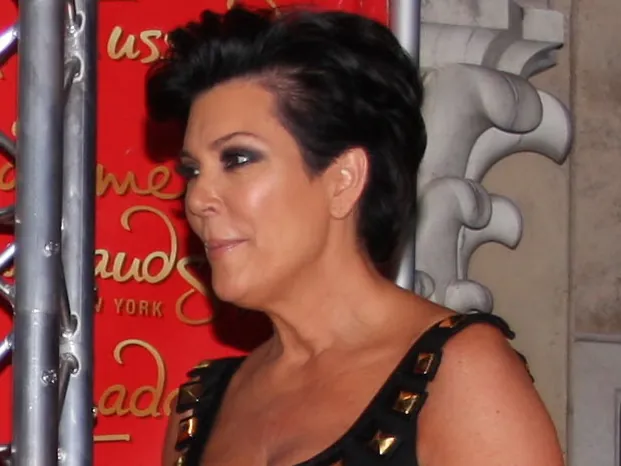 Kris Jenner’s facelift: “I love my facelift”Kris Jenner said she had a facelift about 15 years ago and a refresh before turning 70 — and that she loves it. How a SMAS facelift and recovery work.
 Did Vicki Gunvalson have a facelift? Yes, and she showed the result herselfVicki Gunvalson had a facelift in May 2018 after deciding fillers no longer looked like her. Her own words, how a facelift works and recovery.
 Keltie Knight’s facelift: why she decided to “just own it”Keltie Knight had a facelift in 2023 at 41 and chose to talk about it openly. What she said, how a SMAS facelift works and what recovery looks like.
 Did Linda de Mol have a neck lift? Yes, and she wrote about it herselfLinda de Mol wrote in LINDA. in 2025 that she had a neck lift. What she said, why she chose to be open, and how a face and neck lift works today.
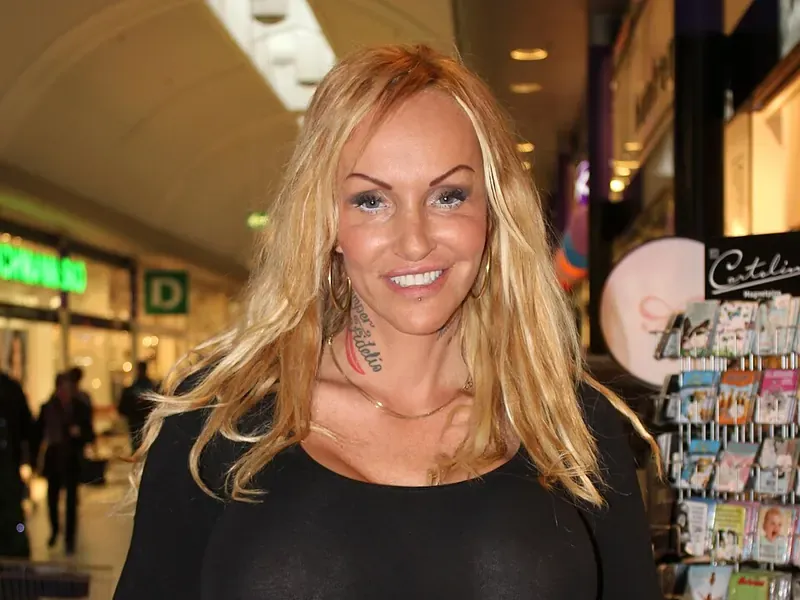 Linse Kessler and her facelifts: what she said herselfDanish reality star Linse Kessler has said openly that she has had several facelifts. Her words, how a modern facelift works and what recovery involves.
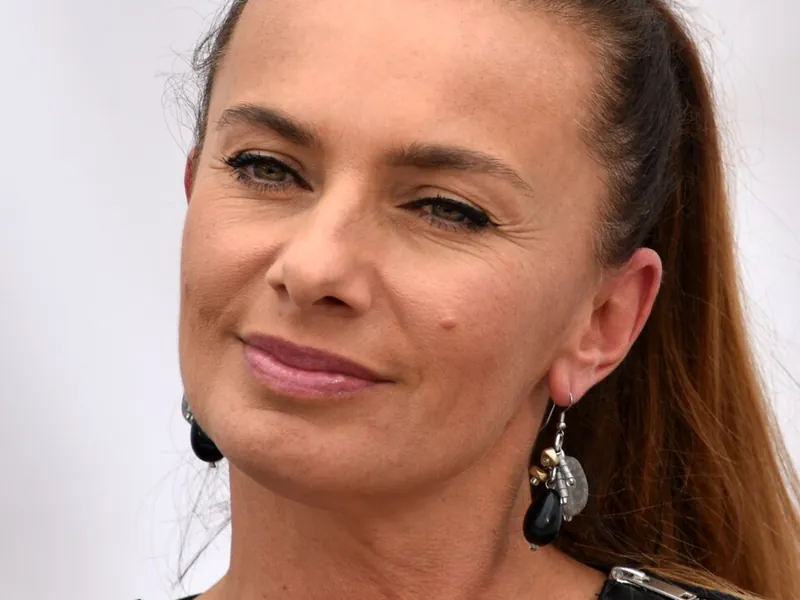 Did Alice Bendová have a facelift? Yes, and she explained why herselfAlice Bendová confirmed a deep plane facelift in September 2026. Her words, how a facelift works, who it suits and what recovery looks like.
Facelift in Zurich: price and what is included
Prices are in US dollars; the amount in brackets is an approximate conversion to CHF at the rate of 02.10.2026. The final price is fixed in your contract.
- Faceliftfrom $2,400 (≈ CHF 2,000)
What is a SMAS facelift?
It is a face lift that tightens the deep SMAS layer under the skin, not only the skin itself, so the lower face, jawline and neck stay firmer for longer. The result lasts about 7–10 years.
How much does a facelift in Zurich cost?
Prices start from $2,400 (≈ CHF 2,000). The surgeon sets the final price at the free consultation, and it is fixed in the contract, with no hidden extras.
What is included in the price?
A one-to-one consultation, the medical team, anaesthesia, inpatient care with meals, 24/7 monitoring and twelve months of follow-up by the surgeon.
How do I get my exact price?
Message us on WhatsApp or Telegram using the buttons below. A coordinator will answer your questions and book a free consultation where the doctor names the exact price.
By messaging us, you agree to our Privacy Policy
Reading the Zurich calendar before you fix a date
A facelift is partly a calendar exercise. After a SMAS lift, the first 7–10 days are for rest, a compression bandage and reduced physical activity. Swelling and bruising fade over 2–4 weeks, and full recovery takes about 2 months. The first clear changes appear after 3–4 weeks, and the final look settles within 3–6 months. If you live in Zurich, the city's fixed annual events make good markers for counting those weeks backwards.
The first marker is Sechseläuten, held on the third Monday of April. It moves only when that Monday falls in Holy Week or on Easter Monday. By that rule it falls on 19 April 2027, with no shift needed. The afternoon is a half holiday for city employees, which is a local custom rather than a statutory holiday. Say you want to be comfortable in public that week. An operation in the middle of March 2027 would leave about five weeks, which is longer than the 2–4 weeks it usually takes for swelling and bruising to fade. The face would still be settling, because the final look takes 3–6 months, but the most visible stage would be behind you.
The second marker is the Street Parade, usually held on the second Saturday in August along the Zürichsee. If the usual pattern holds, that is 14 August 2027. Attendance is around 900,000 visitors, with 920,000 in 2023 and a record 1,100,000 in 2018. It is a very large crowd to plan around while your skin is still healing, so it is better to decide early whether you want to be part of it.
Zurich is the largest city in Switzerland, with 440,935 inhabitants at the start of 2026. Many people have fixed work schedules and few spare days, so it helps to settle the date plan before anything else. The coordinators answer round the clock on WhatsApp and Telegram, so you can discuss options at whatever time suits you. Nothing is booked until the doctor has assessed your photos and you have confirmed the plan and dates.
Sunshine hours, frost days and the skin that has just been lifted
In a SMAS facelift the doctor lifts and redrapes the skin flap, removes the excess, and works on the muscle and fascia layer beneath. The incisions run around the ears and along the frontal edge of the hair, and in the endoscopic brow and temple lift the scars are hidden in the hair. Healing skin in those areas deserves attention to light and cold, and Zurich has plenty of both across the year.
Climate figures for the city show how uneven the light is. Annual sunshine totals 1,662 hours, an average of 4.5 hours a day. July brings 7.6 hours a day and June 7.2 hours. December has just 1.3 hours a day and January 1.6. A summer recovery therefore means long hours of sunlight, while a winter recovery means short, grey days. Exact instructions on protecting healing skin from the sun come from the doctor after your operation. Ask about it at the consultation so you know what to expect before you choose the season.
Cold is the other side of the picture. January averages 1.0 °C, with a mean maximum of 3.8 °C and a mean minimum of −1.9 °C. February nights average −2.2 °C. Over a year the city counts about 87 frost days and about 16 ice days. Summer is warm: the mean daily maximum is 25.1 °C in July and 24.7 °C in August. There are about 51 summer days and 11–12 hot days a year. Neither extreme is ideal for the first days, when you are resting with a compression bandage. A winter operation means short, cold outings, and a summer operation means heat and strong light as swelling goes down.
Mean annual relative humidity is 77.7%, and annual precipitation is 1,021 mm over 125.2 rain days. February is the driest month at 55 mm, while July is the wettest at 116 mm. Rain is frequent in every season, so a quiet fortnight indoors will not feel unusual in any month. Whatever season you choose, the doctor will give you personal advice on skin care. The aftercare plan also covers the whole first year, up to the final result.
Lake, river and hills: what to ask about activity
Zurich sits at the lower, northern end of the Zürichsee. The Limmat flows out of the lake, and the Sihl joins it at the Platzspitz. Water shapes much of the city, and many plans for a warm month revolve around it. One example is the Flussbad Oberer Letten on the Limmat. Entry is free, but it is suited only to good swimmers, and swimming takes place in the headrace canal of the Letten power plant.
None of this fits the first stretch of recovery. The standard plan is 7–10 days of rest, a compression bandage and reduced physical activity. Whether and when swimming in the lake or the river is sensible after a facelift is a question for the doctor, not for a travel-style guess. Ask it at the free consultation and write the answer down. If you expect an active summer, the doctor can say how that fits a recovery of about 2 months.
The terrain asks for effort too. The city lies at 409 m above sea level, and Uetliberg reaches 870 m. The height range within the city limits is 391–870 m, and the lowest point is 392 m on the Limmat at Oberengstringen. A walk to a viewpoint is a normal outing in good weather. During the first days, however, reduced physical activity means shorter, flatter routes, and the doctor will tell you when it is reasonable to return to hills.
Questions like these are easiest to answer when the doctor knows your habits. At the online consultation, mention how you spend your free time, whether that is swimming, long walks or sport. The advice you receive can then be specific instead of general.
Swiss health insurance: questions to settle before you book
Everyone staying in Switzerland must have health insurance. Basic benefits (OKP) are the same nationwide for all insured people and cover illness, accident and maternity. Insurers must offer the basic plan to everyone, regardless of age or health status. These are general rules, and they do not tell you whether a particular cosmetic procedure is reimbursed.
For that reason, check with your own insurer before deciding. Describe the planned scope in writing and ask whether any part of it falls under basic benefits. The plan confirmed with the coordinator can help here, because it names the procedure and the scope of the lift. The final scope is set by the doctor at the consultation, and the amount is fixed in the contract before anything is booked.
The Swiss system also includes an annual franchise and a percentage co-payment on top of it, and there is a daily contribution for inpatient stays for some people. These rules matter for anything the basic plan does cover, such as a medical issue that comes up during preparation. Basic insurance also does not generally pay for dental care, which is a reminder that coverage is not automatic for every field of medicine.
If you have a chronic illness, raise it at the very start. A severe cardiovascular condition, clotting problems, cancer and decompensated diabetes are all listed as contraindications, and other conditions need the doctor's opinion. Tell the coordinator in the first message, so the assessment takes it into account.
From a few photos to a chosen type of lift
The process starts in a chat. You send photos on WhatsApp or Telegram and receive a free assessment from the doctor. Then you confirm the plan and dates before anything is booked. A reply comes within 15 minutes, and the coordinators are available round the clock. For a city where evenings after work are often the only free time, this suits a conversation at any hour.
Good photos help the assessment. Zurich has only 1.3 hours of sunshine a day in December and 1.6 in January, so winter shots are usually taken indoors. Choose a window with even daylight where you can, keep the same lighting and distance for each picture, and take the face straight on and from both sides. Ask the coordinator which angles the doctor wants to see.
Four main types are available. The standard SMAS facelift works on the mid and lower face, with incisions hidden around the ears and along the frontal edge of the hair. It addresses jowls, sagging cheeks, a double chin and deep nasolabial folds, and results last 7–10 years. The full (circular) facelift covers the forehead, temples, mid and lower face and neck, with results up to 10 years. The lower face and neck lift targets the chin, jowls and loose skin on the neck through small incisions. The endoscopic brow and temple lift works through tiny punctures and moves the brows and smooths frown lines.
Surgery is generally advised from 40 with marked sagging, and in some cases from 35. Under 30 is a contraindication, as are acute skin inflammation, pregnancy and breastfeeding. The operation is done under combined inhalation anaesthesia, so there is no pain during it. The first few days bring tightness and discomfort that the doctor's prescribed medication relieves. Follow-up care from the operating doctor continues for a year, until the final result.
Is winter or summer the easier season in Zurich for the first weeks?
Neither is perfect. January averages 1.0 °C with nights around −1.9 °C, and December gets only 1.3 hours of sunshine a day. July has a mean maximum of 25.1 °C and 7.6 hours of sunshine a day. In winter the first days of rest mean short, cold outings. In summer you deal with heat and bright light while the swelling goes down. Ask the doctor about protecting healing skin in the season you choose, and plan the date around your calendar.
Can I plan the procedure so I look settled by Sechseläuten?
By the usual rule, Sechseläuten falls on 19 April 2027, the third Monday of April. Swelling and bruising fade over 2–4 weeks and full recovery takes about 2 months, so an operation in mid-March 2027 leaves about five weeks. The final look arrives only after 3–6 months, so the face would still be changing. Discuss the date with the coordinator and the doctor, who can judge your case.
Is it realistic to be at the Street Parade in August?
The Street Parade is usually held on the second Saturday in August along the Zürichsee, and by that rule it falls on 14 August 2027. About 900,000 people attend, and the record is 1,100,000 in 2018. The standard recovery is about 2 months, with 7–10 days of rest at the start. If you want to attend, count back from that date, and ask the doctor whether the crowd and the activity suit your stage of healing.
Will Swiss basic insurance pay for a facelift?
Basic benefits cover illness, accident and maternity and are the same nationwide. Whether a cosmetic procedure is included is a question for your insurer, and nothing in the general rules promises it. Send the insurer a written description of the planned scope and ask for an answer in writing. The coordinator can supply the plan and scope once the doctor has assessed you.
Do the annual franchise and co-payment matter here?
They matter for treatment that the basic plan does cover. The franchise is a fixed yearly amount you pay first, followed by a percentage co-payment up to a yearly limit. Whether any part of a facelift would count is for the insurer to say. Ask about it before you decide, and keep the written reply.
How should I take photos in a Zurich winter, when daylight is short?
December has only 1.3 hours of sunshine a day and January 1.6, so daylight is scarce. Use a spot near a window with even light, and keep the lighting and distance the same for every photo. Take the face straight on and from both sides, without filters. If the coordinator asks for more angles, send them in the same chat. The doctor then assesses the type and degree of ageing from clear images.
Can I go swimming in the lake or the river during recovery?
Plan on reduced physical activity during the first 7–10 days, together with rest and a compression bandage. When swimming becomes sensible after that is a medical decision. The Flussbad Oberer Letten is free but suited only to good swimmers, which is another reason to ask first. Raise the question at the consultation and follow the doctor's answer.
I am 36 and live in Zurich. Is a facelift an option?
Surgery is generally advised from 40 with marked sagging, and in some cases from 35. Under 30 is a contraindication. At 36 the decision depends on the degree of tissue change, which the doctor can judge from photos at the free online consultation. The doctor may suggest a limited option such as the lower face and neck lift or the endoscopic brow and temple lift, or may advise waiting. The recommendation is individual.