City Medical Centre · multi-specialty surgery clinicOpen 24/7

Liposuction in Malmo: Cost and Results

Free consultation

from $1,200

The price is fixed in the contract before surgery

Message us on WhatsApp

Free online consultation · Reply within 15 minutes
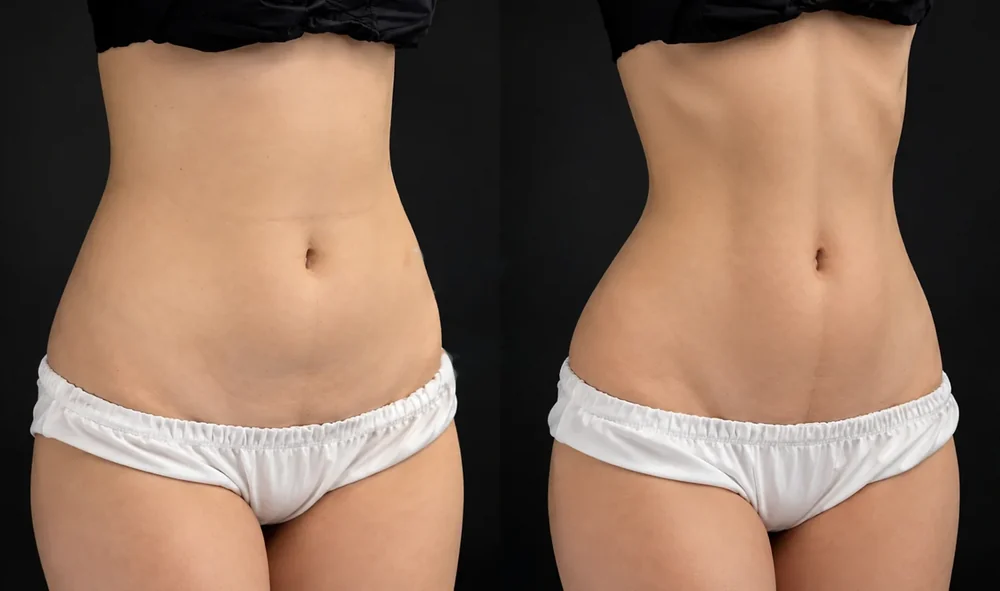
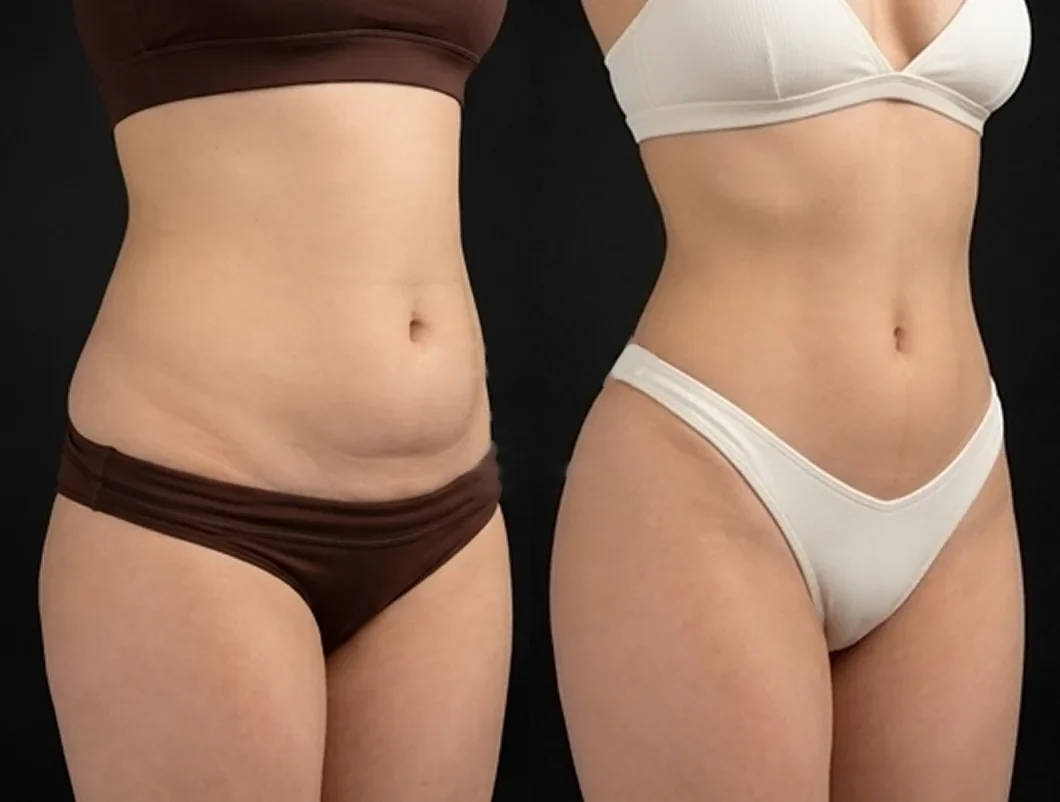
Real case
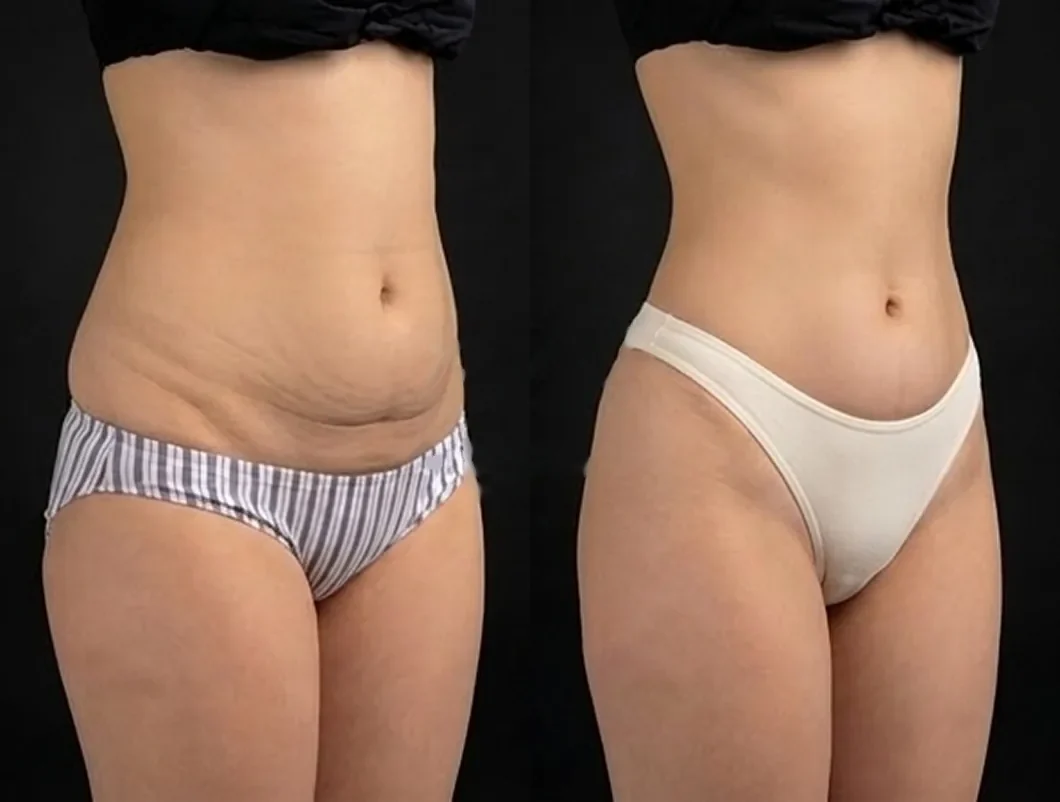
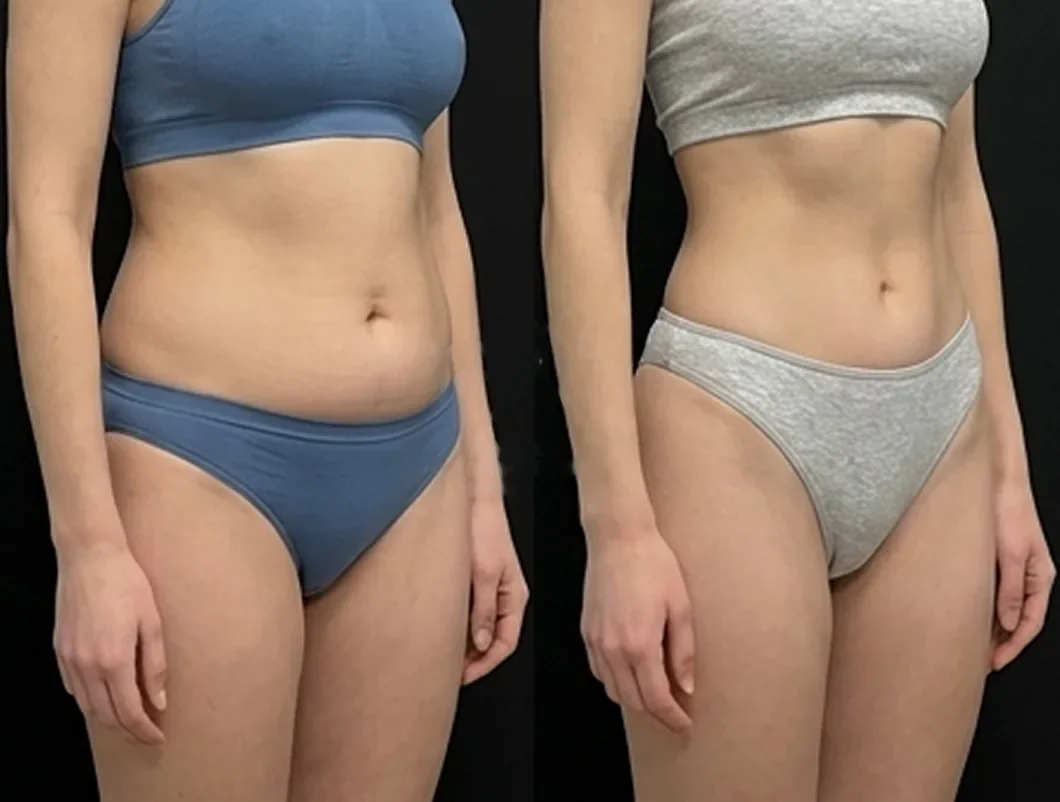
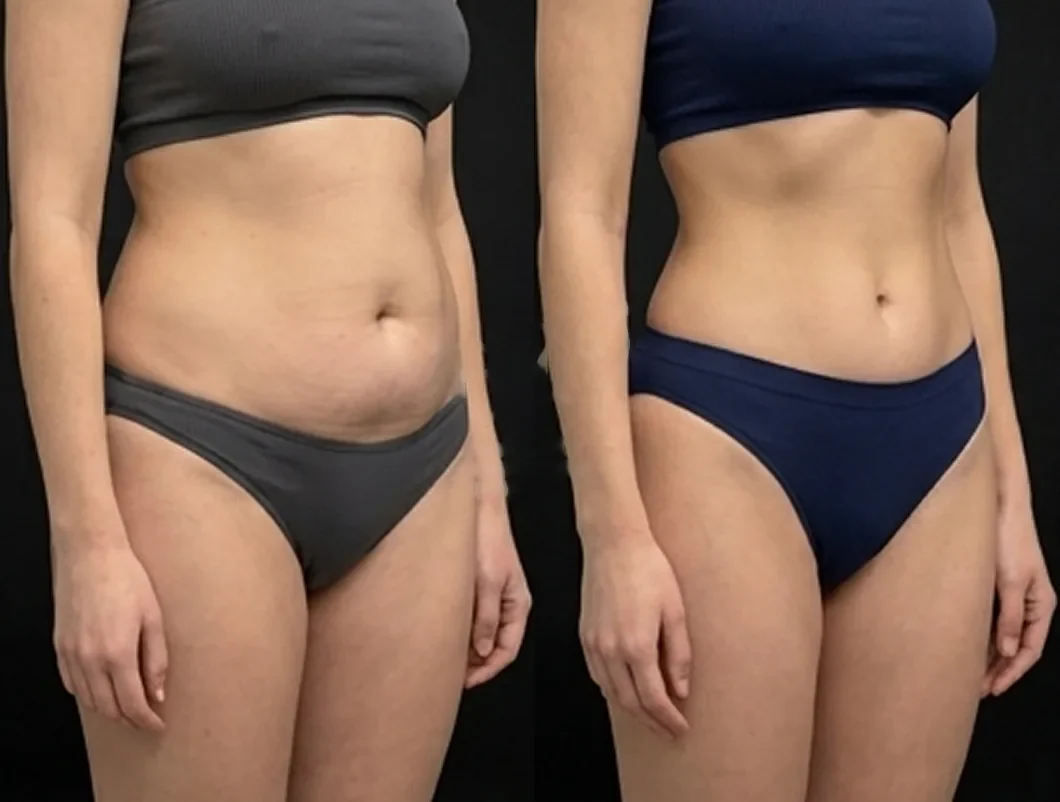
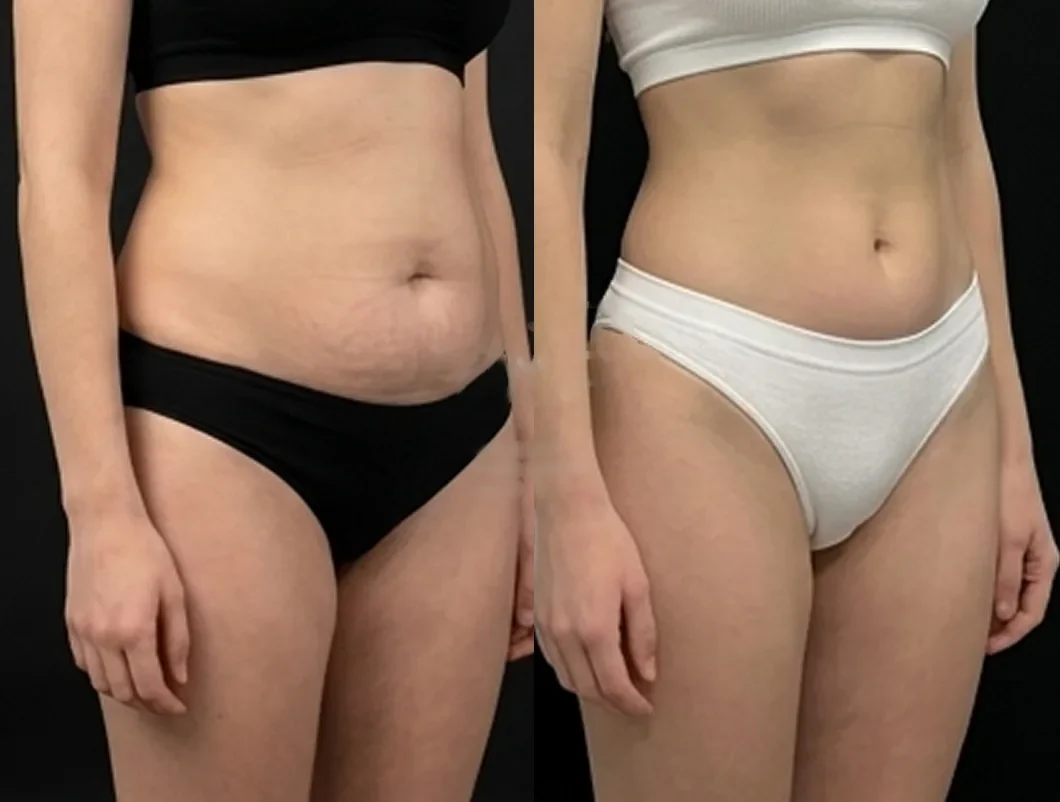
Liposuction: a patient's abdomen and flanks before and after surgery before after
Stubborn local fat that diet and exercise don't shift. Your plan is set at the consultation

Message our coordinator

Free online consultation · Reply within 15 minutes

Message us on Telegram

By messaging us, you agree to our Privacy Policy

Liposuction and fat removal in Malmo: price and key facts

Liposuction for patients from Malmo at City Medical Centre starts at SEK 12,500 (from $1,200). The first online consultation is free; the doctor names the final price and it is fixed in the contract.

Price
SEK 12,500 (from $1,200)
Duration
1–4 hours
Anesthesia
local or general
Stay
home the same day (local anesthesia) or after 1 day (general anesthesia)
Recovery
back to work after 7–10 days
Final result
3–6 months after surgery
How it works
Send photos on WhatsApp or Telegram, get a free doctor assessment and the price, then confirm the plan and dates before anything is booked.

How it works · Liposuction prices

Information current as of 24 October 2026

Free online consultation on WhatsApp and Telegram

Results

Liposuction and fat removal results
of our patients

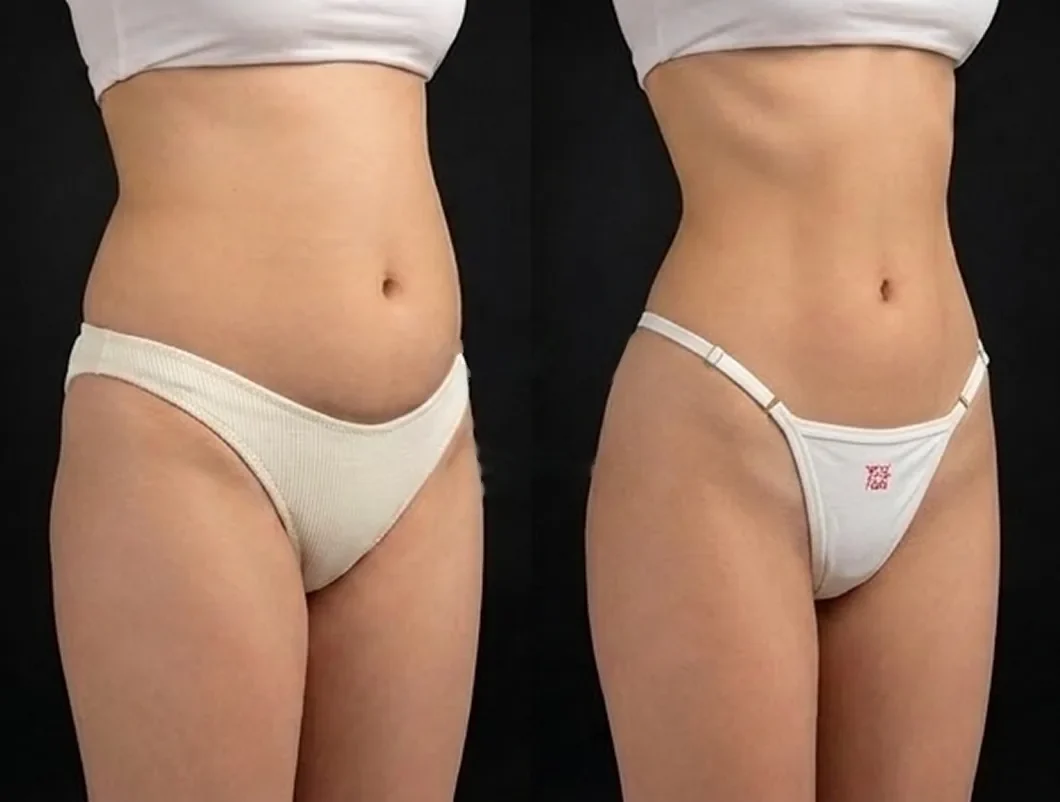
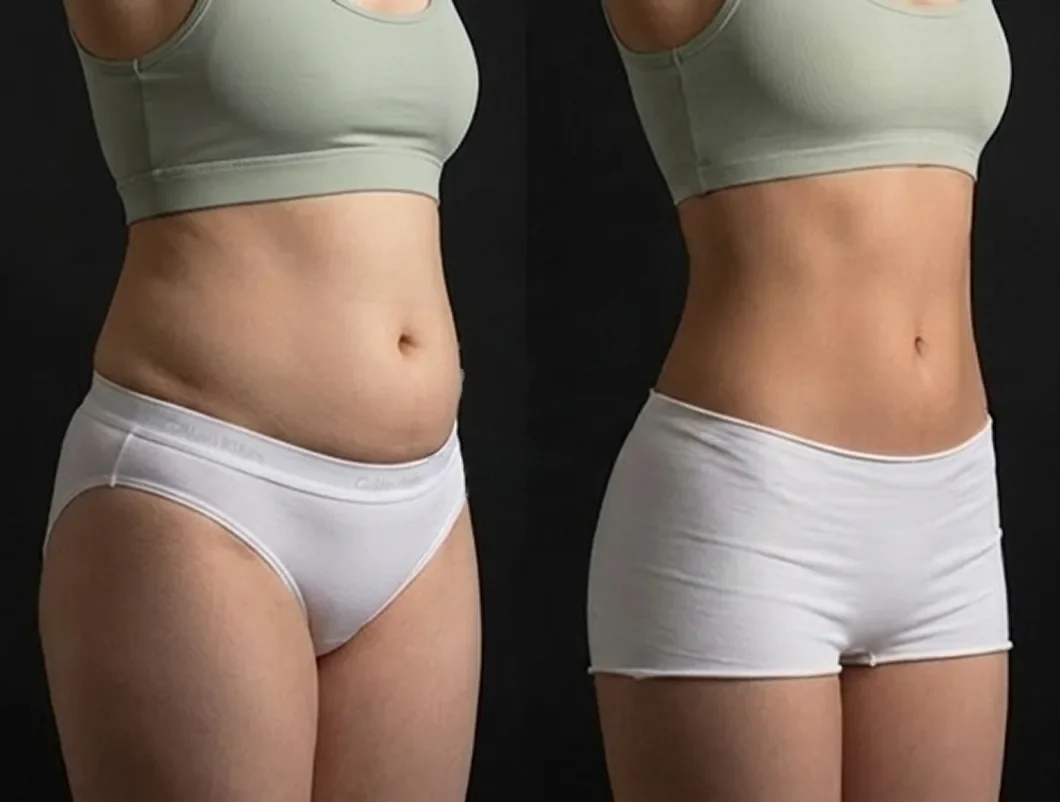
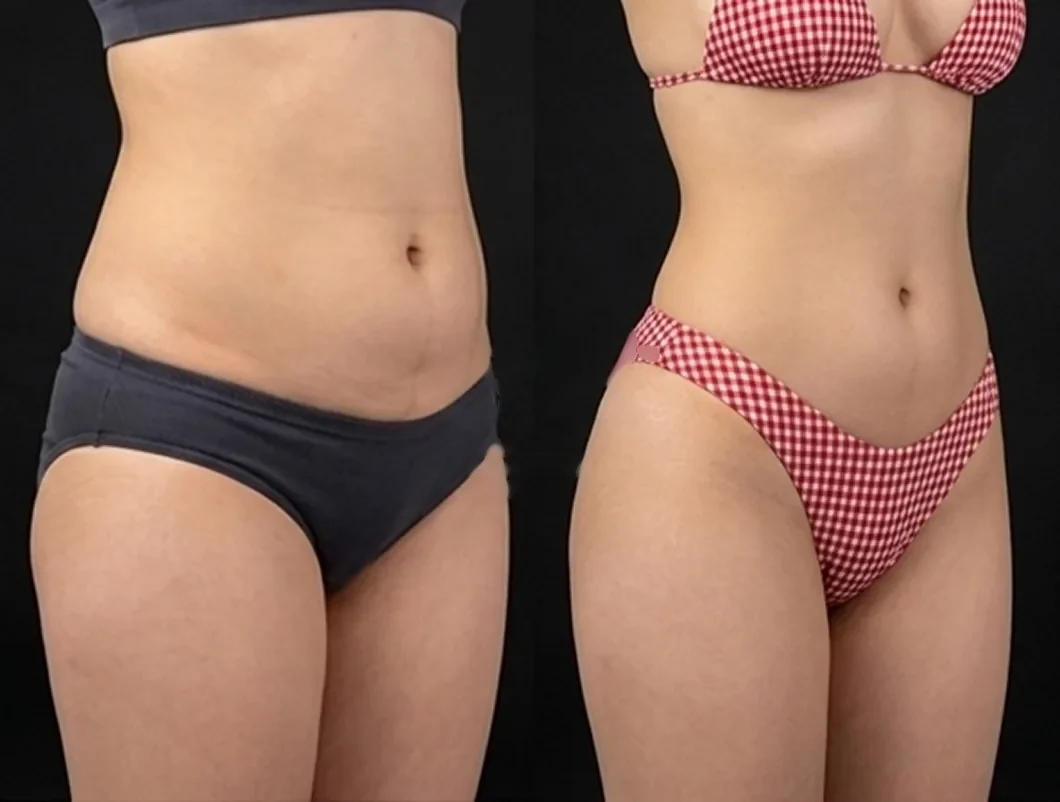
All cases are real patients. Faces and identifying details are hidden.

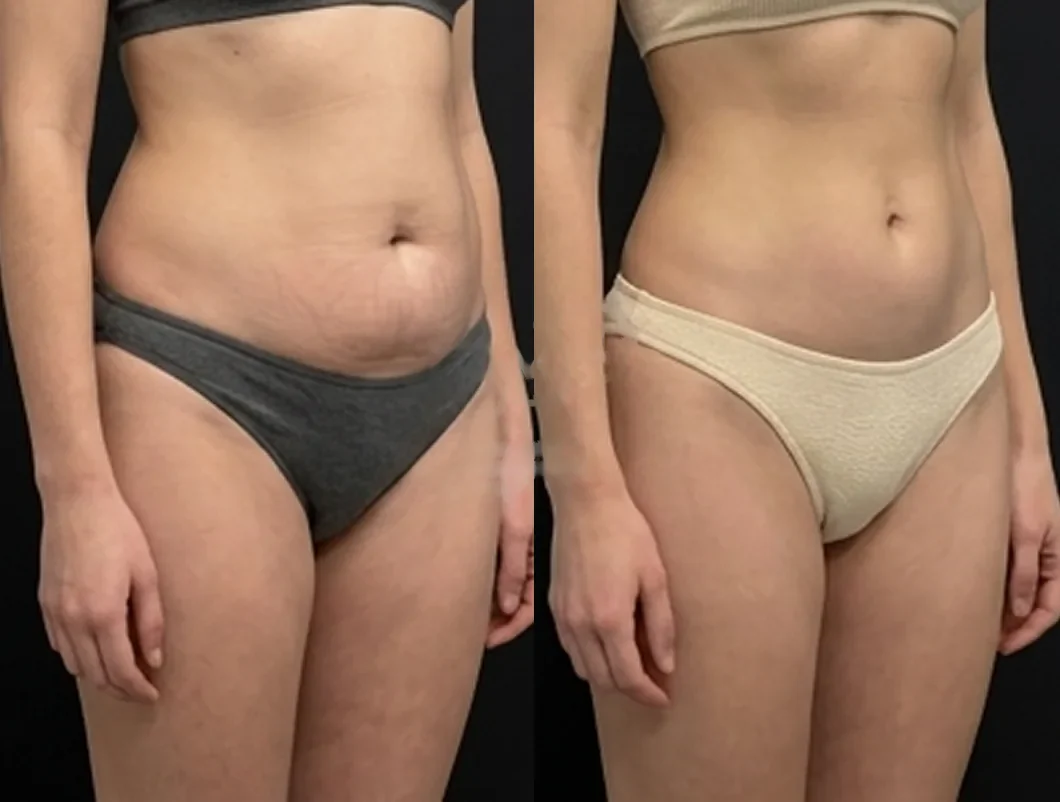
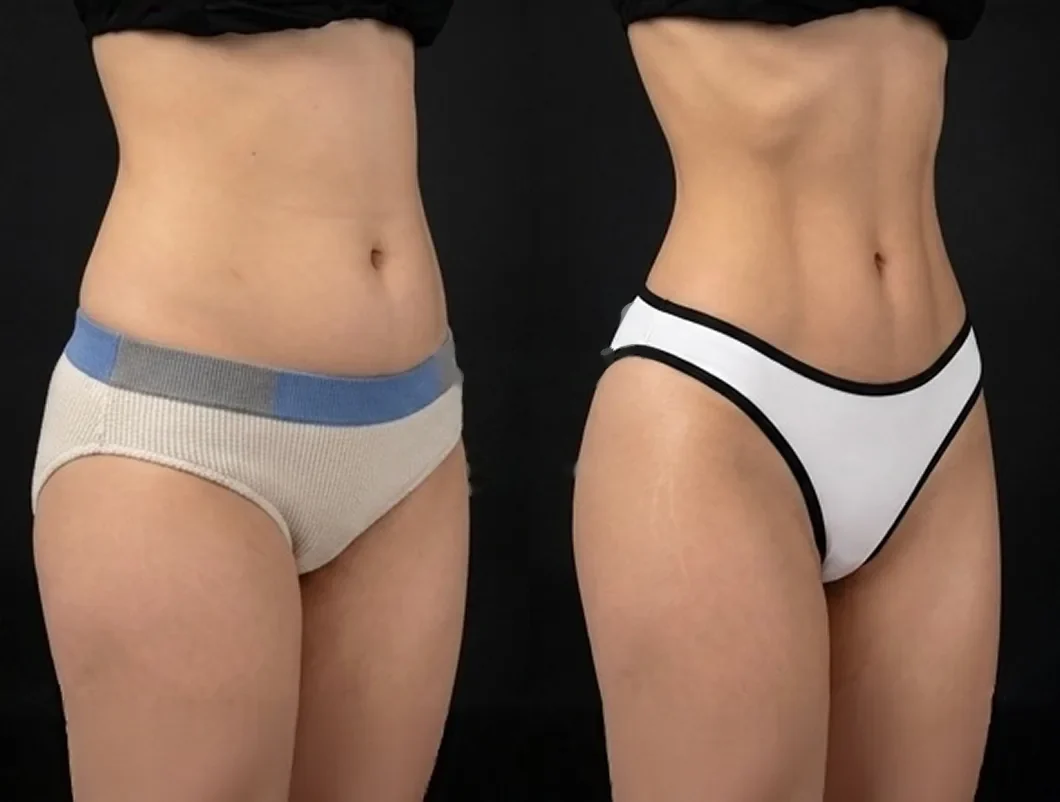
Abdomen and sides

Liposuction of the abdomen and waist: before and after surgerybeforeafter
1 of 10

Comparison

Liposuction techniques

We use two liposuction techniques: tumescent (classic) and VASER (ultrasound). Compare the goal, the indications and the anaesthesia to choose the right technique together with your surgeon.

Tumescent liposuction

A special solution loosens fat for removal through a thin cannula
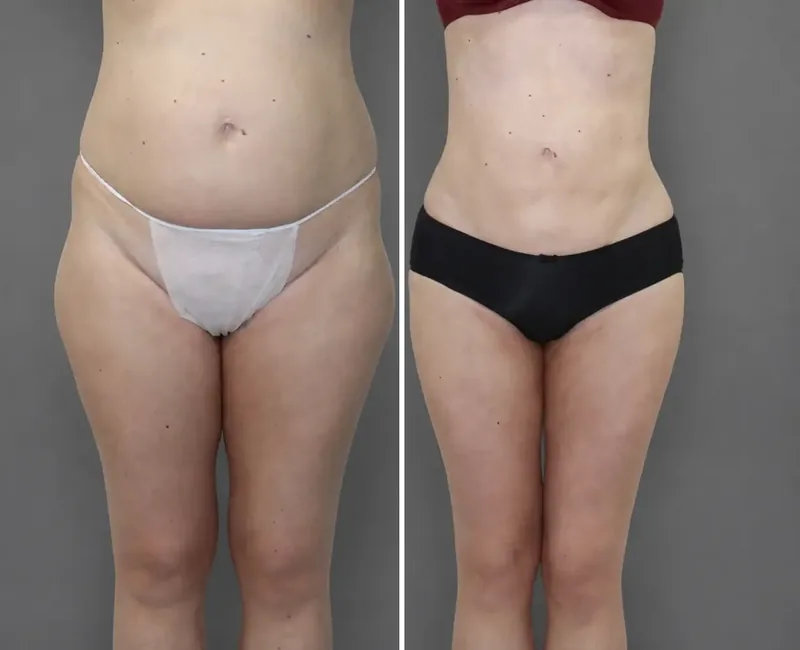
Tumescent liposuction: abdomen and thighs before and after surgery

from $1,200

Main goal
Removal of local fat with minimal blood loss
When it is done
Abdomen, flanks, thighs, back, arms, chin
Anaesthesia and stay
Local or general anaesthesia, home the same day or after 1 day

VASER liposuction

Ultrasound breaks down fat cells before vacuum removal
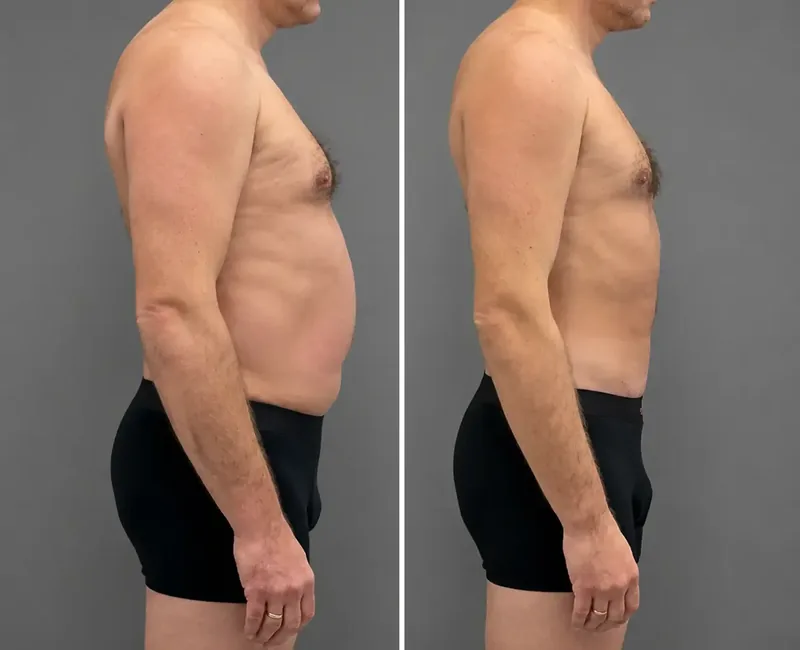
VASER liposuction: a male patient before and after surgery

Price at consultation

Main goal
Defined muscle relief and body contouring
When it is done
Athletic abs and delicate areas
Anaesthesia and stay
Local or general anaesthesia, 1–4 hours of surgery

The benefits and recovery times shown are averaged for each technique and given for guidance: the scope of correction and rehabilitation depend on your anatomy and individual features, and the surgeon confirms them at the consultation.

At the consultation the surgeon draws up a plan for your case and explains how your liposuction will go.

Free, before surgery and with no obligation.

Book a consultation

Body areas we treat

Multiple areas can be done during one operation, which saves recovery time and budget

  • Abdomen and sides

    The most requested area for women and men, often combined with abdominoplasty

  • Thighs (outer and inner)

    Fat deposits exercise doesn't reach

  • Upper and lower back

    Back rolls that spoil the silhouette

  • Upper arms and shoulders

    Noticeable in warm weather

  • Chin and neck

    Little volume, a quick visible result

  • Knees

    A delicate zone that calls for precision

  • Chest (for men)

    Fat-related gynecomastia and pseudogynecomastia

About the clinic

A clinic where you can feel at ease

Modern equipment, comfortable rooms and care for every patient

A doctor and a patient in a clinic ward

Contact us the way that suits you

We will answer your questions and find a convenient time for a consultation

By messaging us, you agree to our Privacy Policy

Request a free call

Liposuction is not for everyone

If your case can be solved without surgery, the doctor will tell you so at the consultation — and you will not spend money for nothing.

Suitable

A surgeon shows a patient on a model and a monitor how the body contour changes after liposuction
  • Local fat that resists diet and exercise
  • Uneven subcutaneous fat
  • Disrupted body proportions
  • Silhouette changes after childbirth or weight loss
  • Fat component of gynecomastia in men
  • Good skin tone and elasticity

Not suitable

A surgeon discusses the indications and contraindications for liposuction with a patient
  • Age under 18
  • Pregnancy and breastfeeding
  • Endocrine obesity
  • Decompensated diabetes
  • Problems with blood clotting
  • Serious heart, kidney or liver disease, cancer

Not sure the surgery is right for you?

Leave your number — the coordinator will call you back, and the surgeon will tell you whether liposuction suits you. No surgery booking needed.

Find out if it suits me

A surgeon goes through the treatment areas with a patient at the consultation

Prices

You know the price
before surgery

The final price is calculated individually after an examination and fixed in the contract.

Liposuction prices

  • First consultationFree
  • Flanks / waist liposuctionfrom $1,400
  • Thigh liposuction (outer)from $1,200
  • Thigh liposuction (inner)from $1,200
  • Liposuction of the torso (lower back, front abdominal wall, sides of the abdomen)from $3,600
Book a consultation

Find out your liposuction plan and price

The surgeon assesses the fat deposits and skin tone, listens to your wishes and chooses the right technique.
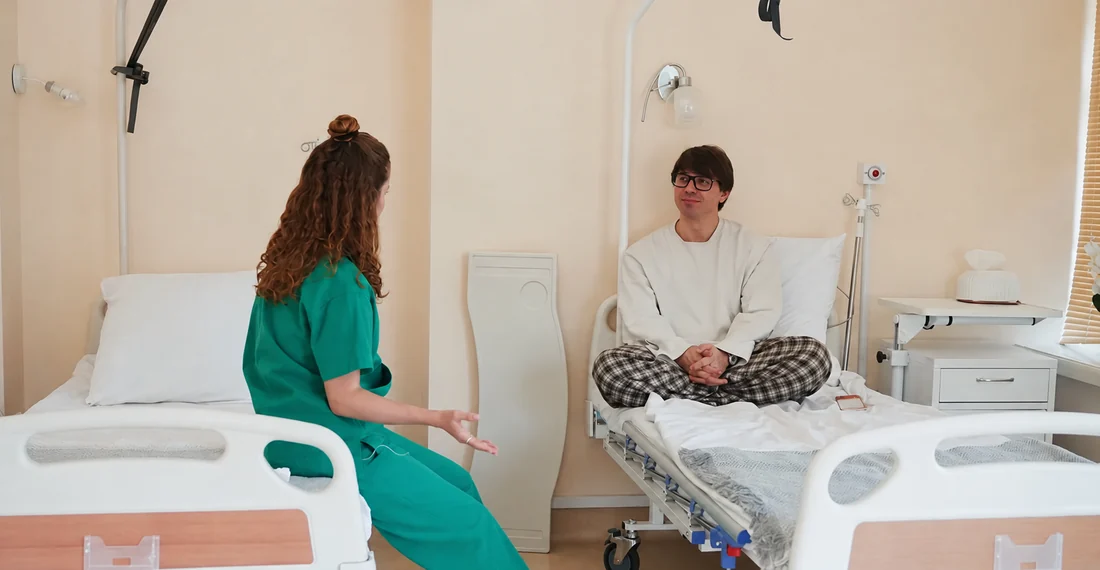
A nurse talks to a patient in a clinic ward

Message our coordinator

Free online consultation · Reply within 15 minutes

Message us on Telegram

By messaging us, you agree to our Privacy Policy
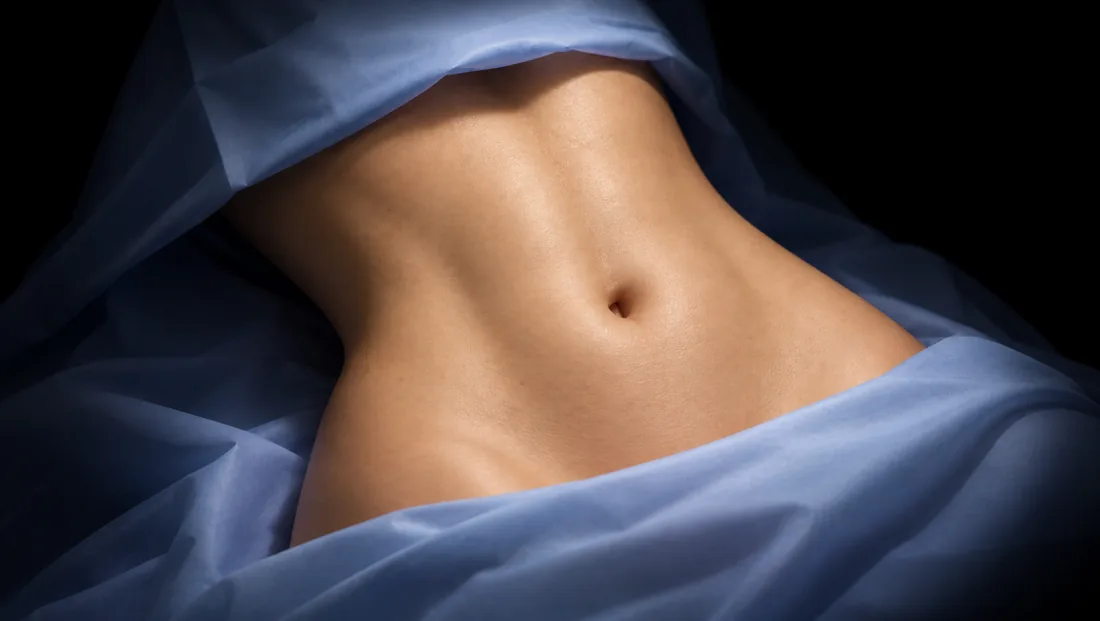
A patient before liposuction in the operating room

all inclusive

What the price includes

From preparation for surgery
to post-op check-ups.

  • All scheduled dressings
  • Scheduled post-op check-ups
  • A personal coordinator on call
  • Compression garments fitted on the day of surgery
  • A stay in a comfortable
    hospital ward with meals
  • Individual recommendations
    for recovery
  • Remote progress monitoring
    by photos

from $1,200

Book a consultation

How it works

From consultation —
to your new contour

An agreed treatment plan, careful monitoring after surgery and post-op check-ups.

A surgeon goes through the liposuction plan with a patient on a monitor1

Consultation
and the surgical plan

The surgeon listens to your wishes, assesses the fat deposits and skin tone and rules out contraindications. A hormonal screening is also ordered — it helps predict the long-term result.

Paying the deposit by card at the clinic reception2

Booking the date
of surgery

We reserve a surgery date for you: the deposit can be paid by card at the clinic or online by bank transfer. The terms are fixed in the contract for medical services

A blood sample tube for tests before liposuction3

Check-up before
surgery

Blood tests (complete count, coagulation panel, biochemistry, infections), an ECG, a chest X-ray and, if needed, a GP consultation. All tests can be done at the clinic with no waiting.

The surgical team during the operation4

Surgery

Marking the areas and fitting compression garments. Under local or general anaesthesia the surgeon removes fat through 3–5 mm micro-punctures — from 1 hour for small areas to 3–4 hours for a combined procedure.

A hospital ward at the clinic5

Waking up
and monitoring

With local anaesthesia you go home 3–4 hours after surgery; with general anaesthesia you stay one day in a comfortable ward under medical supervision.

A surgeon and a patient in the ward during recovery6

Recovery

Compression garments for 30–45 days. First changes show at 2 weeks, once swelling subsides; the final result forms in 3–6 months. Check-ups at 7 days, 3 and 6 months.
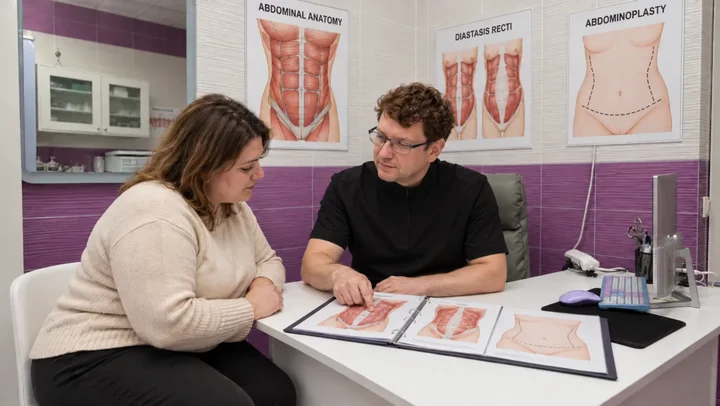
Book a free consultation — the surgeon will plan every step with you.

A doctor discusses the liposuction plan with a patient
Book a consultation
A doctor discusses the liposuction plan with a patient

Recovery after liposuction

After tumescent liposuction, recovery is much shorter than after a conventional procedure. Most patients return to work within 7–10 days. In the first week, mild swelling and a raised temperature are possible — a normal response to surgery. Compression garments are worn for 30–45 days: they fix the new contours and speed up tissue recovery. In the first month, bathhouse, sauna, pool and intense sport are off-limits. For the best result and faster recovery we recommend lymphatic drainage massage, pressotherapy and a gradual return to activity. First visible changes show 2 weeks after surgery, when the main swelling subsides; the final result forms in 3–6 months.

Post-op check-ups

After 7 days, at 3 months and at 6 months. Until the end of the year, get a post-surgery consultation with your surgeon to review results and get more information, at the clinic's expense.

Advantages

Reasons patients choose City Medical Centre

A surgeon discusses the liposuction plan with a patient at the consultation

Just find out — you lose nothing

At the consultation we discuss your wishes and assess the fat deposits and skin tone. Before surgery an endocrinologist rules out hormonal causes of the fat deposits — this improves the long-term result.

A surgeon on a video call with a patient after surgery

We stay with you after surgery

The surgeon follows your recovery and the new body contour at check-ups after 7 days, 3 and 6 months. Check-ups, dressings and aftercare advice are already included in the price of surgery.

A surgeon shows a patient a model and body contouring diagrams

A beautiful contour that fits your figure

Tumescent and VASER techniques, micro-incisions of 3–5 mm and precise volume control. Our aim is a smooth contour that keeps the natural proportions of your body.

A patient writes down a convenient visit time in her planner

Your schedule is our priority

We respect your time: we work 24/7, with easy booking and a personal approach — we adapt to your pace.
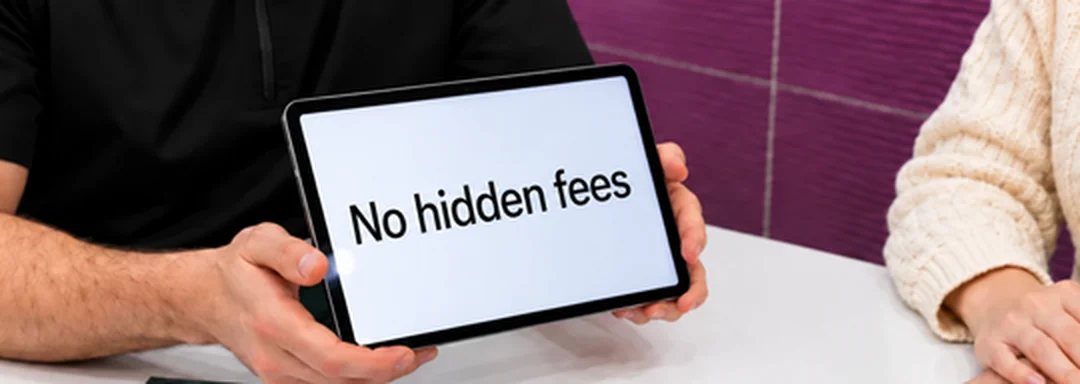
A surgeon shows a patient a tablet: no hidden fees

Fixed prices

After the consultation the surgeon defines the areas and the scope of surgery, and you get a clear price fixed in the contract — no hidden extras.

A surgeon visits a patient in the hospital ward after surgery

Round-the-clock care after surgery

With general anaesthesia recovery starts in a comfortable hospital ward under round-the-clock nursing care. The stay and meals are already included in the price.

FAQ

We answer what
people ask before booking

Liposuction in Malmo: price and what is included

Prices are in US dollars; the amount in brackets is an approximate conversion to SEK at the rate of 02.10.2026. The final price is fixed in your contract.

How much does liposuction in Malmo cost?

Prices start from $1,200 (≈ SEK 12,500) per area. The surgeon sets the final price at the free consultation, and it is fixed in the contract, with no hidden extras.

What is included in the price?

The operation under local or general anaesthesia and the surgeon's support throughout recovery. The price is per area and fixed in the contract.

How do I get my exact price?

Message us on WhatsApp or Telegram using the buttons below. A coordinator will answer your questions and book a free consultation where the doctor names the exact price.

By messaging us, you agree to our Privacy Policy

Liposuction in Malmo: a short guide

It is worth being clear about what the surgery does not do. Liposuction does not treat obesity and is not a way to lose kilos; if your weight is unstable, a nutritionist or endocrinologist comes first. Nor does it change the skin structure behind cellulite, although smoother contours make it less visible. What it does for people in Malmo is remove local fat and reshape the silhouette.

Preparation follows a simple schedule. Two weeks before surgery, medications that affect blood clotting are stopped; a week before, alcohol and smoking are cut out for faster healing; the last meal is eight hours before the operation. On the day itself, the surgeon meets you, marks the areas and fits compression garments. This is the routine for everyone in Malmo.

Budget matters, so the price is agreed upfront and written into an official contract with a guarantee. Liposuction starts from $1,200 (≈ SEK 12,500), and interest-free instalments make planning easier. The clinic has 400+ successful surgeries and 10 years of liposuction experience behind it. To begin, anyone from Malmo simply leaves a phone number and waits for the coordinator's call.

Stories of well-known people

Well-known people who spoke openly about this operation, in their own words.

All stories about this operation →

Contouring in a city that moves on two wheels

Malmo is a place where the body is used for transport. The city has 410 km of cycle paths, and depending on the source, somewhere between 30% and about 40% of commuting or trips are made by bicycle. For a liposuction candidate this matters, because daily pedalling is a good clue about activity level and about what the person wants from the result. Someone who cycles to work, walks along the shore at weekends and still sees a firm pocket of fat on the flanks or the outer thighs is exactly the person the procedure is designed for. Liposuction removes stubborn local fat that does not respond to diet and exercise. It is not a weight-loss method, and the online consultation begins by separating those two ideas.

Cycling also shapes which areas people ask about. Saddle position, jeans and cycling shorts all highlight the outer thighs, the waist and the lower back. Fabric pulling over a soft roll at the side of the waist is a familiar complaint, and so is a lower-back roll that shows under a close-fitting jacket. The areas we treat include the abdomen and waist, the outer and inner thighs, the back including the lower back, the arms, the chin and neck, the knees and, for men, the fat component of the chest. A single operation can treat several areas at once. Abdomen and flanks, or inner and outer thighs, are often combined, which saves recovery time. The doctor will set the scope during the consultation based on your health and the result you want.

Photographs are the starting point. You send them through WhatsApp or Telegram, a coordinator answers round the clock, and the doctor assesses the fat deposits and the skin tone. Good photographs are taken in even light, from the front, the side and the back, standing relaxed rather than holding your stomach in. If you cycle regularly, mention it. The doctor will want to know how soon you hope to return to the saddle, and the honest answer is that a gradual return to activity is part of the plan: intense sport is off-limits during the first month, and the first week should be free of physical exertion and heavy lifting.

Two techniques are available, and the choice depends on your goal. Tumescent liposuction uses a special solution that loosens the fat so it can be removed through a thin cannula, with minimal blood loss. VASER uses ultrasound to break down fat cells before vacuum removal, and it is chosen when the aim is defined muscle relief, such as athletic abdominal contours. Both are done under local or general anaesthesia, through micro-punctures of 3–5 mm that usually need no stitches. A person who trains seriously and wants definition will have a different conversation from someone who simply wants a smoother waistline, and the plan reflects that.

Weight first, contour second: how stability is judged

Malmo municipality ended 2025 with 367,924 inhabitants, the third largest in Sweden, and the metropolitan area holds more than three quarters of a million people. In a population that size, bodies and histories vary widely, and so do the reasons people look into liposuction. Some have lost weight and are left with a stubborn pocket. Some have had children and noticed that the silhouette changed. Some have always carried fat in one place regardless of training. All of these fit the indications described in the consultation: local fat that resists diet and exercise, uneven subcutaneous fat, disrupted body proportions, and silhouette changes after childbirth or weight loss.

Weight stability is the quiet condition behind a good outcome. The doctor will ask whether your weight has been steady, and if it has been rising or falling sharply, the first recommendation is to see a nutritionist or an endocrinologist before any operation. The reasoning is simple. Removed fat cells do not come back, but the cells that remain can grow if you gain weight. A contour created in one season can be blurred by weight changes in the next. A strict diet is not required after the procedure, but a balanced diet and regular physical activity protect the shape you have paid for. In a city where daily movement is so normal, the second half of that advice is usually easier to follow than the first.

Swedish public health information draws a firm line between liposuction-type contouring and the treatment of obesity. The national health portal 1177 lists criteria for obesity surgery that differ somewhat between regions: age 18 or older, a BMI over 40 or a BMI over 35 with a weight-related disease, and serious earlier attempts to lose weight, with a specialised doctor deciding after an individual assessment. The Malmo obesity clinic runs a non-surgical programme for adults with a BMI of 35 or more over at least five years, or a BMI of 30 or more over five years combined with a complicating condition such as type 2 diabetes or sleep apnoea, after repeated weight-loss attempts. These descriptions are useful for orientation. If your weight situation sounds closer to them than to a localised pocket of fat, liposuction is probably not the right tool, and the doctor will say so openly. The consultation exists in part so that you do not commit to an operation that cannot solve your actual problem.

Some conditions rule liposuction out regardless of weight. These include age under 18, pregnancy and the breastfeeding period, endocrine obesity, decompensated diabetes, blood coagulation disorders, and serious heart, kidney or liver disease or cancer. Before the operation a hormonal screening is ordered, and an endocrinologist rules out hormonal causes of the fat deposits, which helps predict the long-term result. If your case can be solved without surgery, the doctor tells you so, and you are not asked to book anything.

Compression garments between a mild summer and a damp winter

Compression garments are worn for 30–45 days after liposuction. They fix the new contours and speed up tissue recovery, and they are fitted on the day of the operation, so the question of when to start never arises. What does vary is how comfortable they are to wear, and the season in southern Sweden changes that more than people expect.

Summer in Malmo is mild rather than hot. In the 1991–2018 normals, the warmest month, July, has a mean maximum of 23.2 °C and a mean minimum of 13.8 °C, and August is close behind at 22.3 °C and 13.7 °C. The annual mean maximum is 12.7 °C. The record high is 35.1 °C, so a hot spell does happen, but it is the exception. For a garment, 23 °C in the afternoon is manageable with breathable clothing on top, while a spell near the record would make 30–45 days of compression feel considerably heavier. If you are choosing a date in summer, ask the coordinator how to manage heat and sweating under the garment, and plan light, loose outer layers. The sun is also generous: May has 274.4 hours of sunshine, July 272.1 and June 271.5, so a long daylight stretch invites outdoor time, but the recovery rules still apply. Tanning beds should be avoided for at least a month, and the same caution is sensible with strong direct sun on healing areas.

Winter is the opposite situation. January has a mean maximum of 2.9 °C and a mean minimum of -1.4 °C, February is 3.0 °C and -1.5 °C, and December is 4.8 °C and 0.7 °C. The coldest on record is -28.0 °C, but the typical winter is cool and damp rather than harsh: relative humidity averages 80.7% over the year, and snowfall occurs mainly from December to March, with brief snow cover and some winters having none. December has just 33.1 hours of sunshine. In practice a winter recovery means the garment sits under warm layers, so it is comfortable and unseen, and nobody is bothered by heat. The trade-off is that the first weeks of gradual return to walking happen in short, dark, wet days, which makes it tempting to stay indoors. Short daily walks are a more realistic aim than ambitious sessions, and they fit the advice to return to activity gradually.

Neither season is automatically better. Summer offers light and easy outdoor movement but demands attention to heat under the garment. Winter is easier on the garment but harder on motivation. Mention your preference at the consultation, and the coordinator will help you match the date to your own schedule. The sauna, bathhouse and pool are off-limits during the first month in any season, which matters in a city that treats open-air bathing as a summer habit.

Beaches, boardwalks and the first month after the operation

Malmo has a shoreline culture that is hard to ignore in July. Ribersborg, known as Ribban, is a man-made shallow beach along the coast south-west of the harbour, with an open-air bath that dates to the 1890s. The Scaniaparken and Daniaparken boardwalk in the Western Harbour is popular for summer bathing. Many people who ask about liposuction have these places in mind as a goal: a contour they feel comfortable showing when the weather warms.

Timing is the main thing to understand here. The first visible changes appear about 2 weeks after the operation, once the main swelling subsides. An interim result shows at 1.5–2 months, swelling and bruising disappear by weeks 4–5, and the final contour forms in 3–6 months as tissues fully adapt. If you want to feel at ease on the shore in July, working backwards from the date means thinking about the operation months earlier, not weeks. An operation in the late winter or early spring gives the body 3–6 months to settle, which fits the season, though the schedule is yours to choose. Setting expectations by the calendar avoids disappointment: a result at two weeks is a first sign, not the finished shape.

Bathing itself needs the same patience. For the first month, the pool, sauna and bathhouse are off-limits, and the doctor will give individual instructions about when to return to open water, as the advice depends on how your tissues heal and where the punctures are. Alcohol and tanning beds are best avoided for at least a month. You should also expect a few uncomfortable days. In the first week mild swelling and a raised temperature are possible and are a normal response to the operation, and the painkillers prescribed by the doctor relieve discomfort afterwards.

Many patients ask whether the marks will show on a beach. The punctures are only 3–5 mm across and usually need no stitches, and once healed the marks are barely visible. With proper care during recovery they fade completely. Skin behaviour is a separate question. The doctor always checks tone, elasticity and turgor before the operation. Good skin tightens on its own and adapts to the new contours, but if tone is reduced or stretch marks are present, preparatory treatments can improve the skin in advance. If you have lost a lot of weight and have loose skin, liposuction alone may not be the answer, and the doctor will say whether a different approach is better. Often an abdominal procedure is considered alongside it.

Liposuction does not change cellulite directly. It removes fat tissue but does not alter the skin structure behind cellulite, although better contours visibly reduce its appearance. This is worth knowing before you set your expectations for the thighs.

Planning recovery around the Malmo calendar

Most patients return to work within 7–10 days, and the operation itself lasts from 1 hour for small areas to 3–4 hours for a combined procedure. With local anaesthesia you go home 3–4 hours after the operation. With general anaesthesia you stay one day in a comfortable ward under round-the-clock nursing care, with meals included. That gives a practical frame for planning, and the Malmo calendar offers a few useful reference points.

Sweden has many public holidays: 1 January, 6 January, Good Friday, Easter, 1 May, Ascension, Pentecost, National Day on 6 June, Midsummer Day on a Saturday between 20 and 26 June, All Saints' Day, and 25 and 26 December. Midsummer Eve, Christmas Eve and New Year's Eve are in practice full days off. Holiday periods can be a convenient recovery window for people with tight schedules, because a few days off are already built in, and the first week needs rest rather than exertion. Remember, however, that recovery is not only about the first days. Check-ups at 7 days, 3 months and 6 months should fall on dates you can keep, and the first of them lands a week after the operation. If your operation is, for example, in early December 2026, the 7-day check-up could fall just before the Christmas period, so it is worth choosing dates with the coordinator rather than leaving the follow-up to chance. Check-ups are done by photographs and remote contact, which makes holiday weeks easier to manage.

The city's annual rhythm also affects availability and mood. The BUFF film festival runs in March, the Nordic Game conference in April or May, Malmofestivalen in the third week of August, and the Nordisk Panorama film festival in September. Malmo University, established in 1998, and the Lund University departments in the city, including parts of the medical faculty, give the city a sizeable student and academic population, and for people on an academic calendar the end of a term or an exam period is a natural time to be away from daily obligations. People in sport-related work may think about the Allsvenskan season, where Malmo FF plays, or the Malmo Redhawks in the SHL ice hockey league. Women's football also has local weight, with FC Rosengard having won the league 10 times. None of that changes the medical timetable, but it can help you place the first month, when sport is off-limits, in your own diary. Someone who plays in a recreational team will want to know that intense sport is off-limits for the first month, and that a gradual return follows.

Preparation matters as much as timing. Give up smoking, alcohol and medications that affect clotting, such as aspirin, 7–10 days before the operation. Pre-operative tests include blood tests (complete count, coagulation panel, biochemistry, infections), an ECG, a chest X-ray and, if needed, a GP consultation. Instructions come after the first consultation, and the coordinator is available around the clock on WhatsApp and Telegram if a question comes up in the evening. For recovery, lymphatic drainage massage, pressotherapy and a gradual return to activity are recommended for a better result and faster recovery.

How care is organised in Skane, and where private contouring sits

Swedish patients are used to a public system with clear rules about waiting and fees, so it helps to see how cosmetic contouring relates to that system. According to 1177, cosmetic surgery such as removal of excess skin is most often paid for by the patient at a private provider. Removal for medical reasons, for instance hygiene problems or eczema, is handled differently depending on the region. In other words, a purely aesthetic liposuction is normally outside the public offer, and if you have a medical reason for a body procedure, the place to start is your regular health centre, which will assess the case.

The public rules offer a useful comparison. National waiting-time rules follow a 0-3-90-90 pattern: contact with primary care on the same day, a medical assessment within three days, a specialist appointment within 90 days, and treatment within 90 days of the treatment decision, with regions free to set shorter limits. These rules cover medically needed care. An elective, private consultation works differently. The first online consultation is free and the coordinator answers within minutes, with no queue and no referral needed. The doctor then names the final cost of the plan, and it is fixed in the contract before anything is booked, so there is nothing to discover later.

Skane also has its own fee rules, and it is worth being clear about what they do and do not cover. The outpatient high-cost protection sets a ceiling for what a patient pays for outpatient visits over twelve months, and Skane charges a fixed fee per visit at a health centre or specialist outpatient clinic, with a higher one for emergency care and no fee under age 20 or from age 85. Certificates, vaccinations and inpatient daily fees are usually not included. These arrangements apply to publicly provided care and do not turn a cosmetic procedure into a reimbursed one. If you are unsure whether a particular problem is medical or cosmetic, ask your health centre first, and use the online consultation for a second assessment of the contouring side.

What the private plan includes is stated clearly: all scheduled dressings, scheduled post-operative check-ups, a personal coordinator on call, compression garments fitted on the day of the operation, a stay in a comfortable ward with meals when general anaesthesia is used, individual recovery recommendations and remote progress monitoring by photographs. Because aftercare is built in, you do not need to arrange a separate follow-up through the public system. For people who live in a region with its own care structure, that continuity is a practical advantage: one contact person, one set of photographs, one plan.

Before you send photographs: a short checklist

A good consultation depends on what you bring to it. Begin with your weight history over the last years, noting whether it has been steady. Write down any medication you take, especially anything affecting clotting, and any chronic condition such as diabetes, heart, kidney or liver disease. Note whether you smoke or drink alcohol, because both need to stop 7–10 days before an operation. Think about which areas bother you most, and rank them. The doctor may suggest combining areas, but a clear priority helps decide the scope.

Then consider your activities. If you cycle daily, tell the doctor how many kilometres and for what purpose. If you swim in the sea in summer or use a sauna, say how often, since those habits are paused for a month. If you work physically, mention it, because the 7–10 days to return to work is an average, and heavy lifting is off-limits in the first 7 days. If you train for defined abdominal contours, ask about VASER, which is aimed at muscle relief and delicate areas.

Think too about your goal in your own words. The aim is a smooth contour that keeps the natural proportions of the body, not a different body. Real results from other patients are shown with faces and identifying details hidden, and they are a guide, not a promise: the extent of correction and the speed of recovery depend on your anatomy and individual features, and the doctor confirms them at the consultation. The recovery timings quoted for each technique are averages given for guidance.

Finally, decide how you want to talk. WhatsApp and Telegram are both monitored round the clock, and the coordinator responds within minutes. You can send photographs, ask about dates and get an assessment without committing to anything. If after the call you decide that liposuction is not for you, nothing has been booked and nothing is owed.

Does Malmo's cycling culture change what I should ask about before liposuction?

It can. Because many people in the city pedal regularly, it is useful to tell the doctor how often you cycle and how soon you want to return to it. Physical exertion and heavy lifting are skipped for the first 7 days, and intense sport is off-limits for the first month. A gradual return to activity is recommended, and the doctor will give individual advice during the consultation. Cycling shorts and saddle contact also highlight the outer thighs and waist, so mention which areas bother you.

Which season in Malmo is more comfortable for wearing compression garments?

Neither is clearly better. The garments are worn for 30–45 days. In July the mean maximum is 23.2 °C, so breathable clothing on top is usually enough, although the record of 35.1 °C shows that a hot spell is possible. In January the mean maximum is 2.9 °C and the garment sits comfortably under warm layers, but short daylight and damp weather can make walks less appealing. Tell the coordinator your preference when you choose the date.

If I want to feel comfortable at Ribban next summer, when should I plan the operation?

Work backwards from the season. The first changes show about 2 weeks after the operation, an interim result appears at 1.5–2 months, and the final contour forms in 3–6 months. Swelling and bruising disappear by weeks 4–5. The pool, sauna and bathhouse are off-limits for the first month, and the doctor will advise when open-water bathing is suitable for you. An operation several months before the warm season leaves time for the shape to settle.

Is liposuction the right option if my BMI is high enough for the Swedish obesity criteria?

Often not as a first step. Liposuction is not a weight-loss method, and the health portal 1177 describes obesity treatment for adults with a BMI over 40, or over 35 with a weight-related disease, after serious earlier attempts to lose weight. The Malmo obesity clinic runs a non-surgical programme for defined BMI levels. If your weight is unstable or high, the doctor will first recommend a nutritionist or an endocrinologist. Liposuction is for local fat that resists diet and exercise, and endocrine obesity is a reason it is not suitable.

Will the public health system in Skane cover cosmetic liposuction?

Generally not. According to 1177, cosmetic procedures such as removal of excess skin are most often paid for by the patient at a private provider, while removal for medical reasons such as hygiene problems or eczema is handled differently depending on the region. If you think your problem is medical, start with your health centre. The online consultation is a separate, private route in which the doctor assesses the fat deposits and skin tone and gives you a plan fixed in a contract.

How do the national waiting-time rules compare with the online consultation?

The national rules apply to medically needed public care: contact with primary care the same day, an assessment within three days, a specialist appointment within 90 days and treatment within 90 days of the treatment decision, with regions allowed to set shorter limits. A private online consultation is not part of that queue. A coordinator replies within minutes round the clock, and the doctor assesses your photographs. Nothing is booked until you confirm the plan and dates.

How should I fit the operation around Swedish public holidays?

Most patients return to work within 7–10 days, and with local anaesthesia you go home 3–4 hours after the operation. Holidays such as Easter, Midsummer or Christmas can supply days off, but the check-ups at 7 days, 3 months and 6 months should also fall on dates you can keep. An operation in early December 2026, for example, would put the 7-day check-up close to the Christmas period. The coordinator will help you pick dates, and follow-up is done through photographs and remote contact.

Does my weight history in Malmo affect whether I am a candidate?

Yes, weight stability matters a great deal. The doctor will ask whether your weight has been steady. If it has been rising or falling sharply, you will be advised to see a nutritionist or an endocrinologist first. Removed fat cells do not come back, but the remaining cells can grow if you gain weight, so a balanced diet and regular physical activity are recommended. Silhouette changes after childbirth or weight loss are among the indications, provided the skin has good tone and elasticity.

What should I prepare if I live in a city with damp, cool winters?

Preparation is the same in any season. Give up smoking, alcohol and clotting-affecting medication such as aspirin 7–10 days before the operation, and complete the blood tests, ECG and chest X-ray, with a GP consultation if needed. In winter, humidity averages around 80% over the year and temperatures hover around freezing in January and February, so plan warm, loose clothing to wear over the garment and short daily walks for your gradual return to activity. Instructions follow the first consultation.

Can I use WhatsApp or Telegram if I am studying or working irregular hours in Malmo?

Yes. Coordinators answer round the clock on both, so students, shift workers and anyone with an irregular schedule can send photographs and ask questions at any hour. The first online consultation is free and carries no obligation to book. The doctor assesses the fat deposits and skin tone, rules out contraindications and sets out a plan, and the final cost is fixed in the contract before anything is booked.