



























Message our coordinator
Free online consultation · Reply within 15 minutes
Message us on TelegramMessage us on WhatsAppBy messaging us, you agree to our Privacy Policy




Facelift and neck lift in Malmo: price and key facts
Facelift for patients from Malmo at City Medical Centre starts at SEK 24,500 (from $2,400). The first online consultation is free; the doctor names the final price and it is fixed in the contract.
- Price
- SEK 24,500 (from $2,400)
- Anesthesia
- general (inhalation)
- Recovery
- about 2 months to full recovery
- Final result
- 3–6 months after surgery
- How it works
- Send photos on WhatsApp or Telegram, get a free doctor assessment and the price, then confirm the plan and dates before anything is booked.
How it works · Facelift prices
Information current as of 24 October 2026

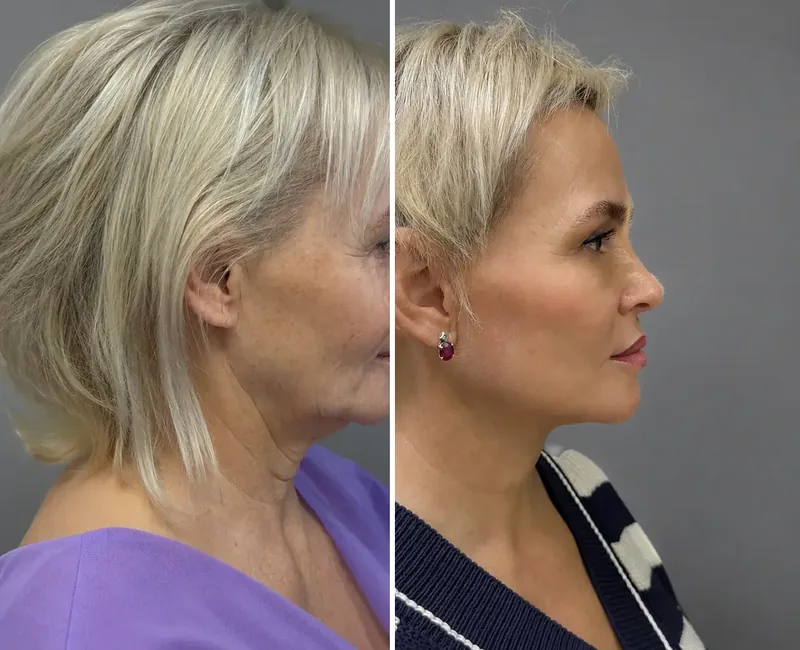

50 years
9 months

SMAS facelift
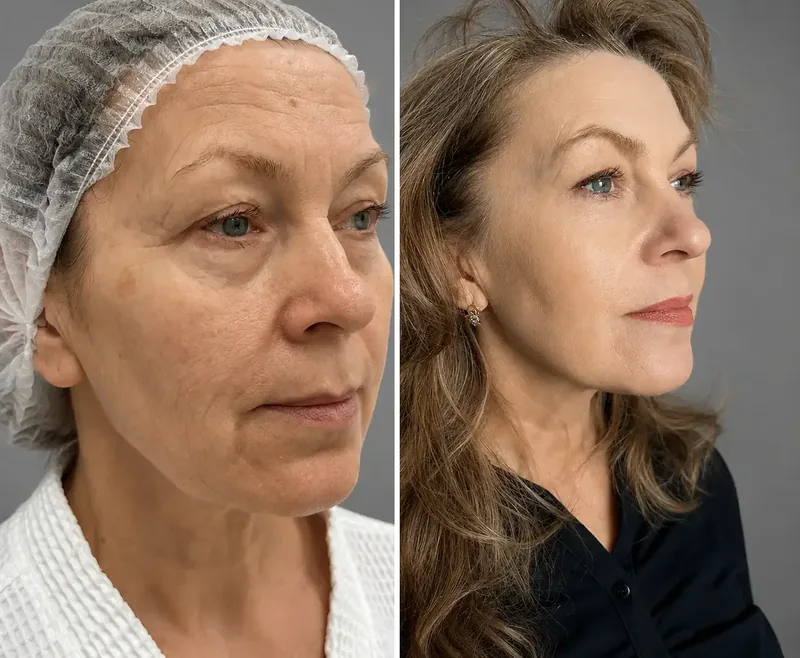
58 years
8 months
SMAS facelift
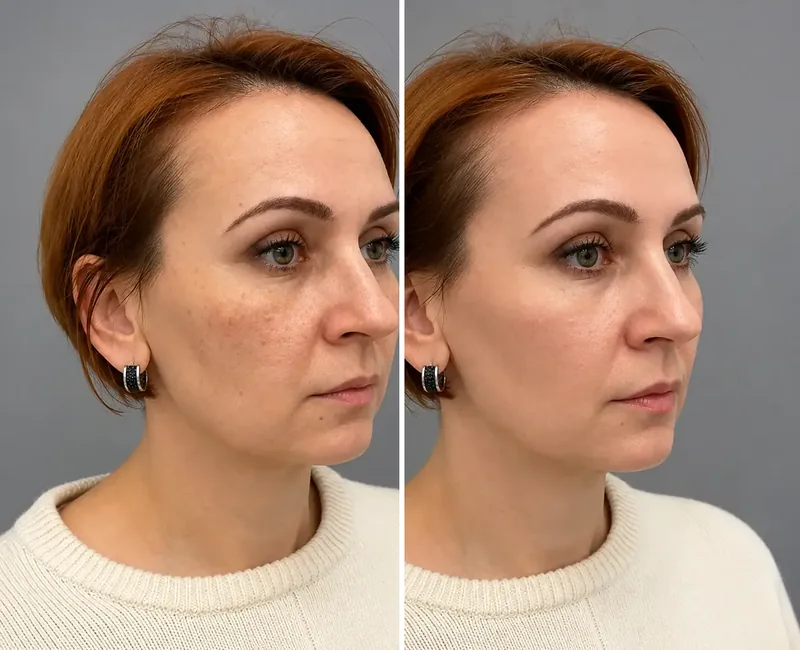
34 years
5 months
SMAS facelift
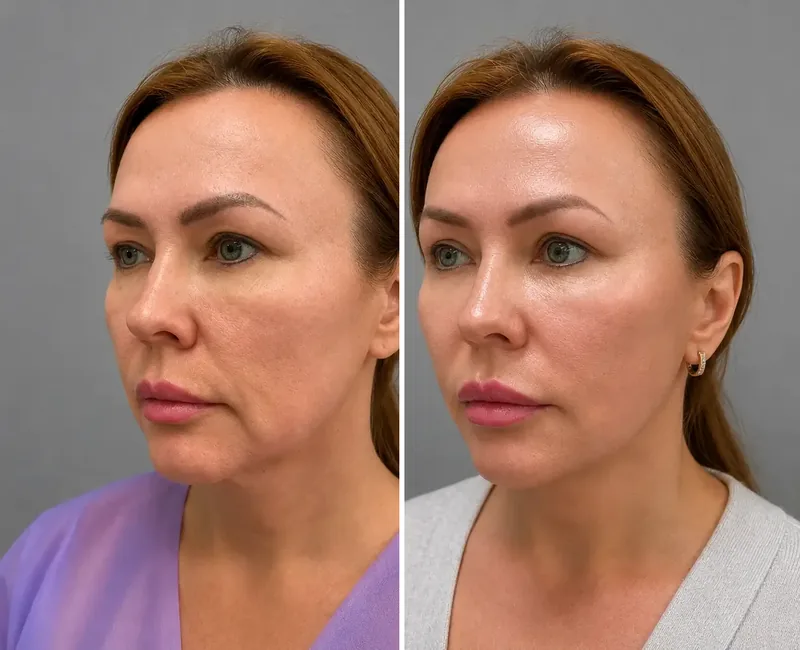
32 years
7 months
SMAS facelift
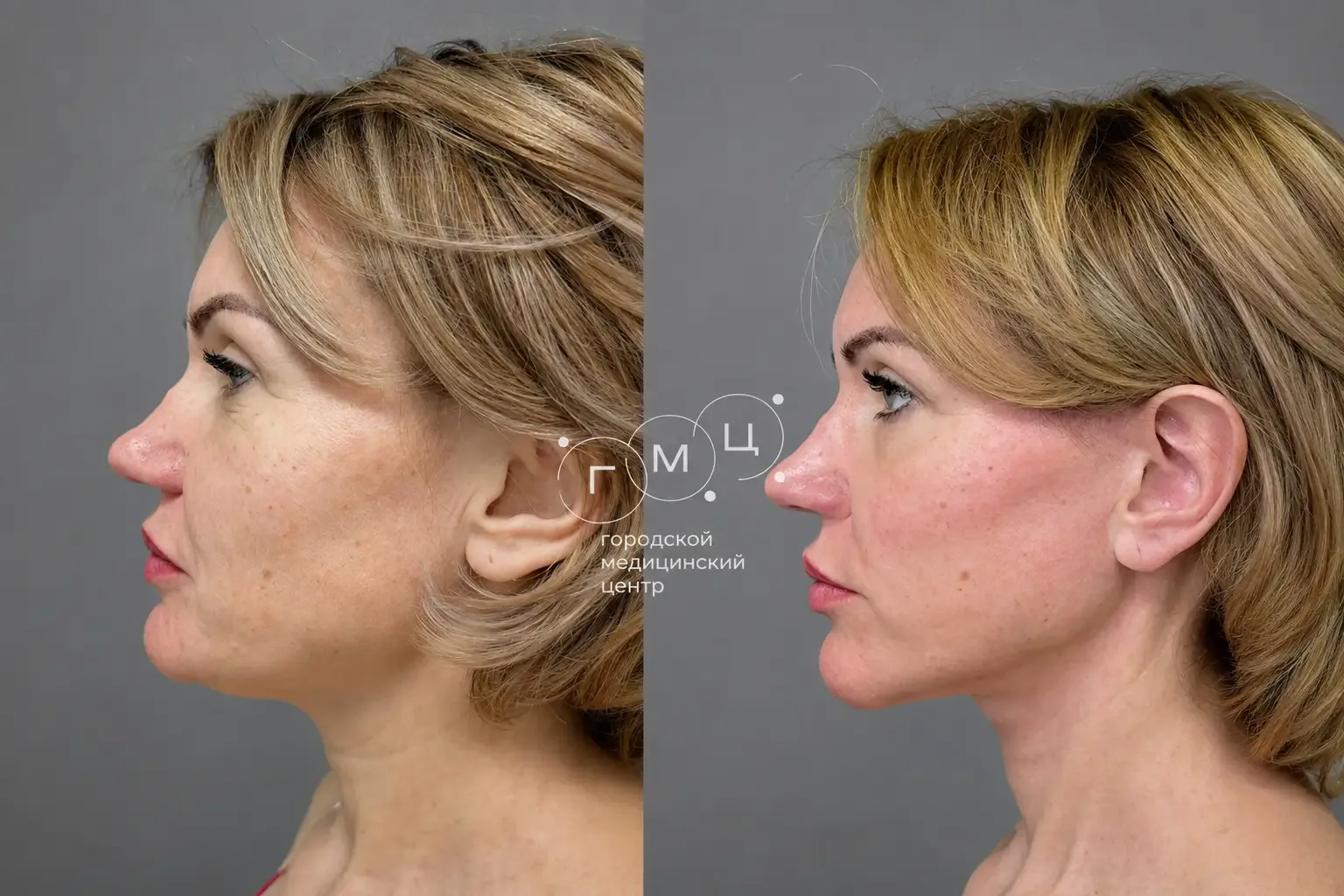
40 years
6 months
SMAS facelift
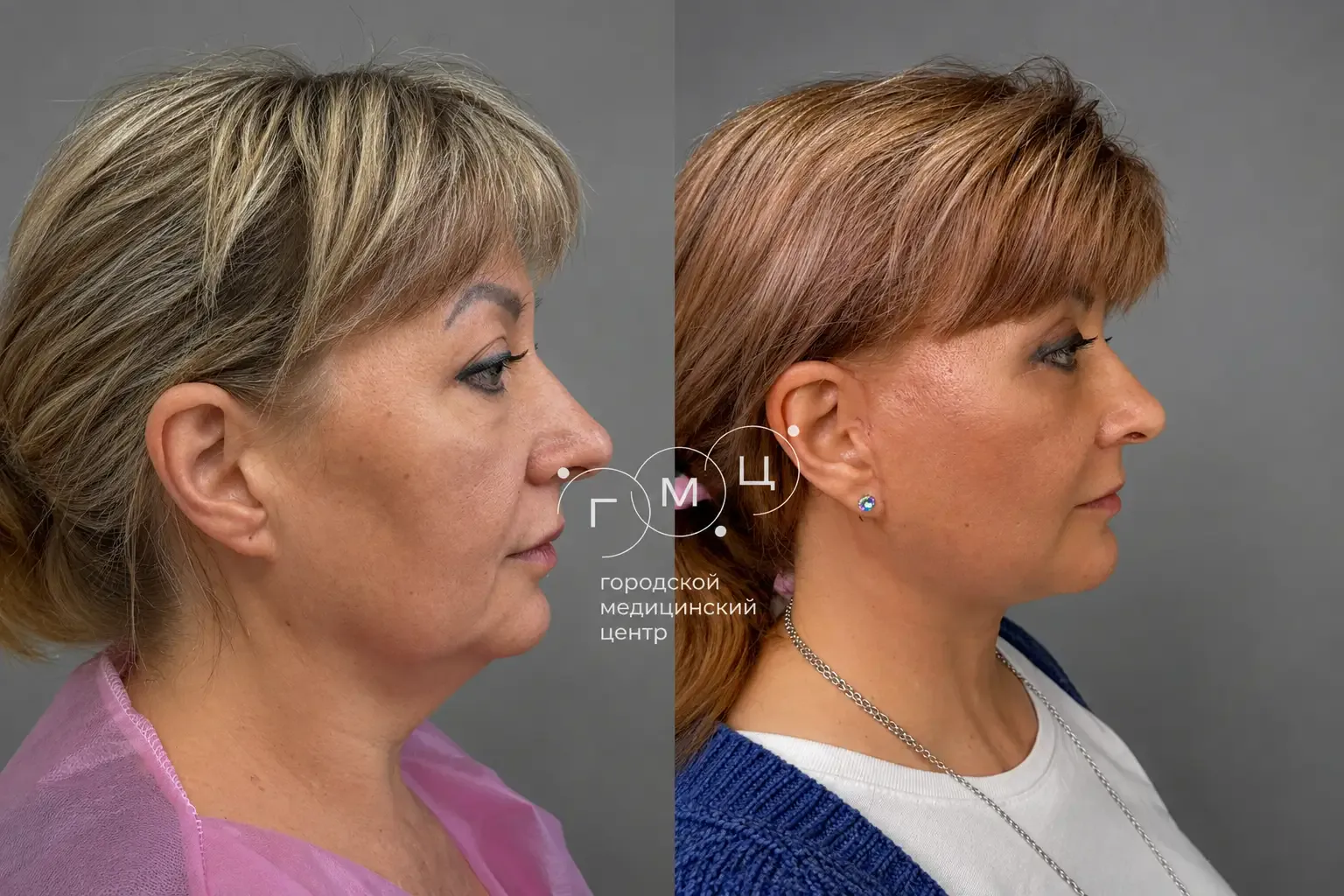
45 years
8 months
SMAS facelift
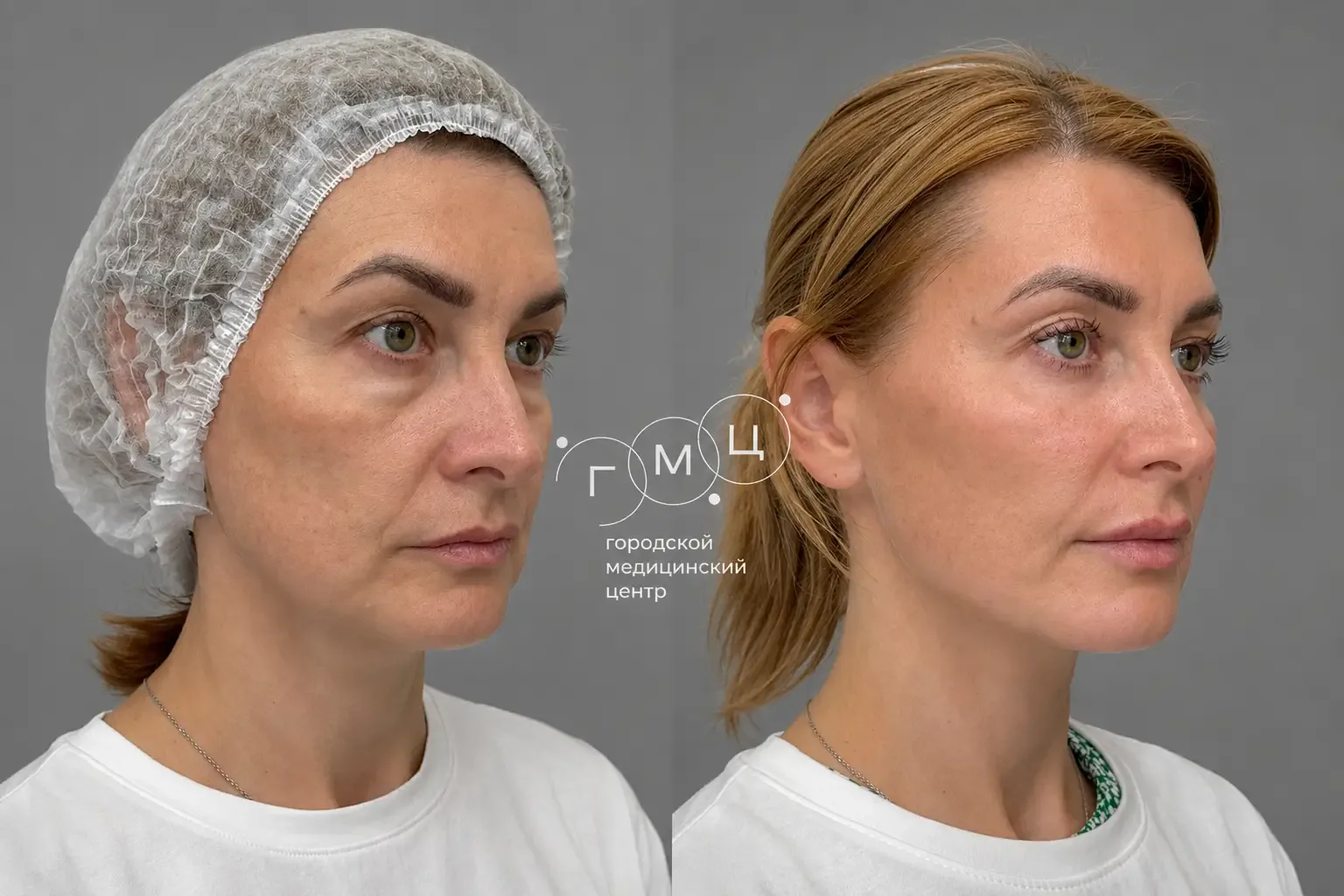
38 years
5 months
SMAS facelift
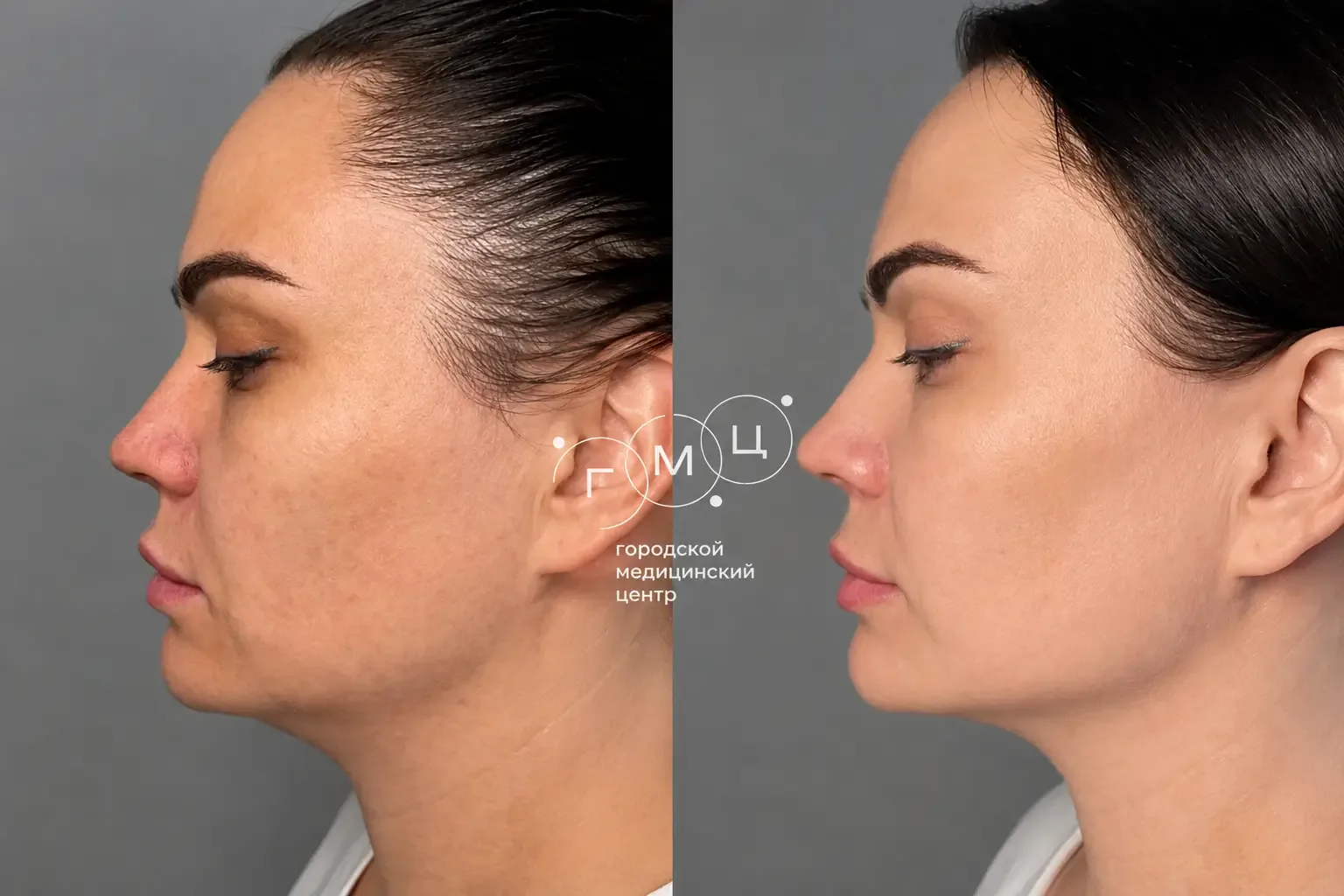
33 years
6 months
SMAS facelift
50 years
9 months
SMAS facelift
58 years
8 months
SMAS facelift
34 years
5 months
SMAS facelift
32 years
7 months
SMAS facelift
40 years
6 months
SMAS facelift
45 years
8 months
SMAS facelift
38 years
5 months
SMAS facelift
33 years
6 months
SMAS facelift
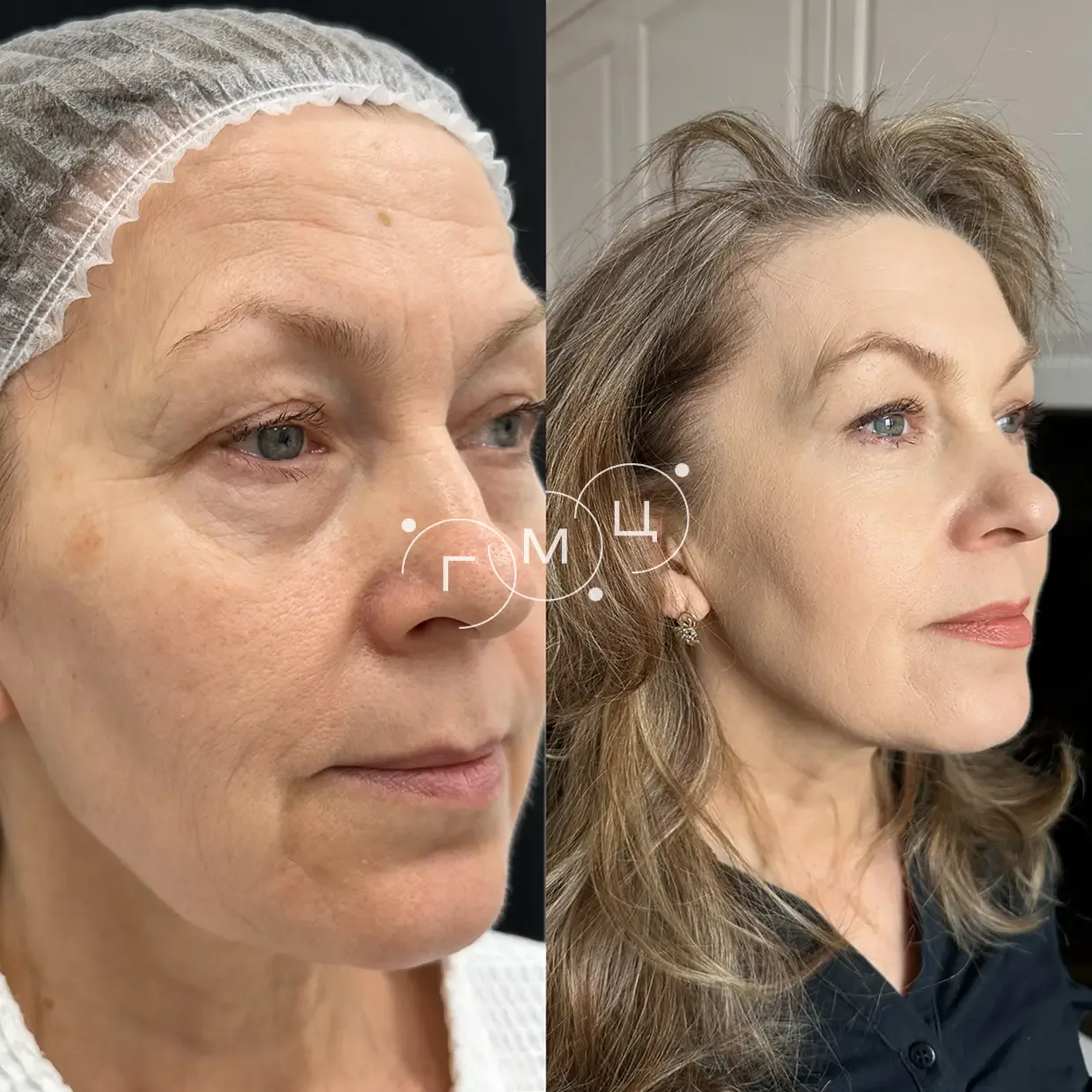

Noticeable sagging of the face and neck
The jawline is blurred, with jowls
A double chin with loose skin on the neck
Marionette lines and deep nasolabial folds
A heavy look caused by drooping brows
Noticeable loss of skin firmness after 40
Wish for a long-term result (7–10 years)

Under 30 years old
Acute inflammation of the skin
Pregnancy and breastfeeding
Serious cardiovascular disease
A blood-clotting disorder
Cancer
Decompensated diabetes
Facelift in Malmo: a short guide
The operation works on three levels. The skin flap is lifted, redraped and the excess removed, so the surface lies smoothly without tension. Fat in the cheeks and lower face is redistributed to restore volume and remove heaviness. Finally, the SMAS layer of muscles and ligaments is lifted and secured, which is the key step. For patients in Malmo, this layered approach gives results of up to 10 years.
On the day of surgery you are under combined inhalation anaesthesia, so there is no pain. The surgeon works through incisions hidden along the hairline and around the ears, lifts the skin, redistributes fat and secures the SMAS layer. Afterwards you stay in a comfortable inpatient room with meals and 24/7 monitoring by medical staff. The same care applies to everyone in Malmo.
One payment, many components. From $2,400 (≈ SEK 24,500), Malmo patients receive a personal consultation, surgery by an experienced team, combined inhalation anaesthesia, an inpatient room, meals and 24/7 monitoring by medical staff. Personal support before and after surgery and a full year of plastic surgeon follow-up are part of the package. The first step, a consultation, is free.
Stories of well-known people
Well-known people who spoke openly about this operation, in their own words.
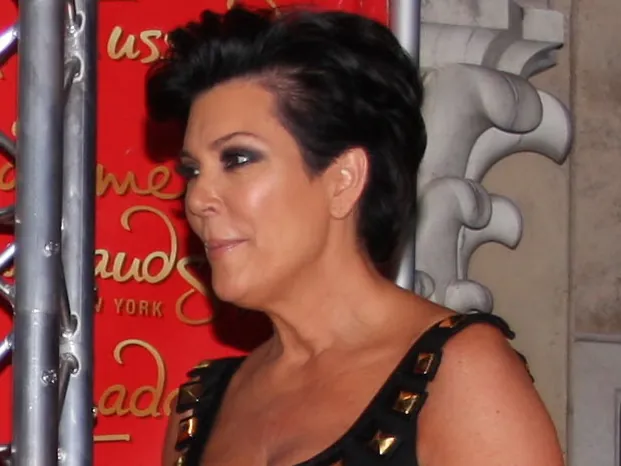 Kris Jenner’s facelift: “I love my facelift”Kris Jenner said she had a facelift about 15 years ago and a refresh before turning 70 — and that she loves it. How a SMAS facelift and recovery work.
 Did Vicki Gunvalson have a facelift? Yes, and she showed the result herselfVicki Gunvalson had a facelift in May 2018 after deciding fillers no longer looked like her. Her own words, how a facelift works and recovery.
 Keltie Knight’s facelift: why she decided to “just own it”Keltie Knight had a facelift in 2023 at 41 and chose to talk about it openly. What she said, how a SMAS facelift works and what recovery looks like.
 Did Linda de Mol have a neck lift? Yes, and she wrote about it herselfLinda de Mol wrote in LINDA. in 2025 that she had a neck lift. What she said, why she chose to be open, and how a face and neck lift works today.
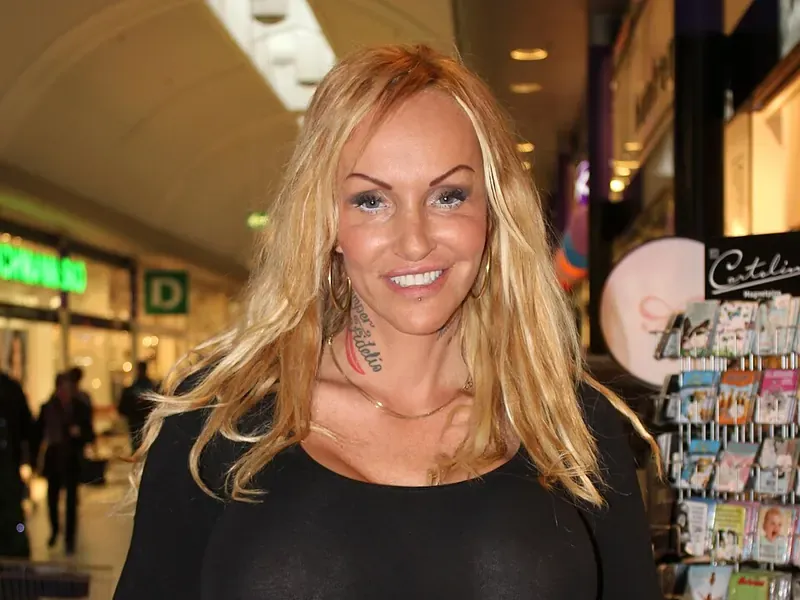 Linse Kessler and her facelifts: what she said herselfDanish reality star Linse Kessler has said openly that she has had several facelifts. Her words, how a modern facelift works and what recovery involves.
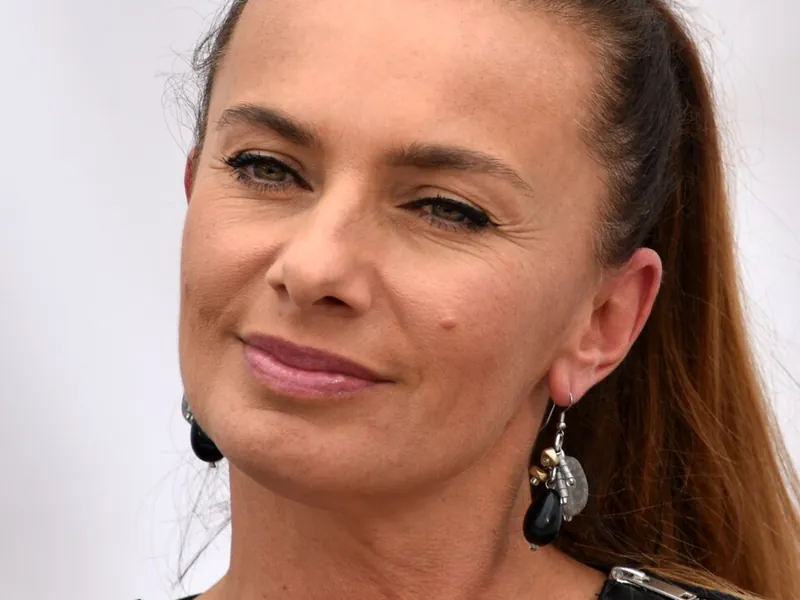 Did Alice Bendová have a facelift? Yes, and she explained why herselfAlice Bendová confirmed a deep plane facelift in September 2026. Her words, how a facelift works, who it suits and what recovery looks like.
Facelift in Malmo: price and what is included
Prices are in US dollars; the amount in brackets is an approximate conversion to SEK at the rate of 02.10.2026. The final price is fixed in your contract.
- Faceliftfrom $2,400 (≈ SEK 24,500)
What is a SMAS facelift?
It is a face lift that tightens the deep SMAS layer under the skin, not only the skin itself, so the lower face, jawline and neck stay firmer for longer. The result lasts about 7–10 years.
How much does a facelift in Malmo cost?
Prices start from $2,400 (≈ SEK 24,500). The surgeon sets the final price at the free consultation, and it is fixed in the contract, with no hidden extras.
What is included in the price?
A one-to-one consultation, the medical team, anaesthesia, inpatient care with meals, 24/7 monitoring and twelve months of follow-up by the surgeon.
How do I get my exact price?
Message us on WhatsApp or Telegram using the buttons below. A coordinator will answer your questions and book a free consultation where the doctor names the exact price.
By messaging us, you agree to our Privacy Policy
Skin, light and damp: what Malmo's weather means for a facelift plan
A facelift changes the deeper layers of the face, but the skin is what the weather touches every day. Malmo's maritime climate is mild by northern standards. Annual mean highs are 12.7 °C and mean lows 5.7 °C. January and February sit around 2.9 °C and 3.0 °C for the daytime maximum, with lows slightly below freezing. Relative humidity averages 80.7% over the year, so the air is rarely dry. For a patient planning a SMAS facelift, this means the first weeks of healing are unlikely to meet the very dry, cracking cold of a continental winter. Skin that is still tight and sensitive does better in damp air than in air that pulls moisture out of it. Even so, a winter morning near 0 °C on the coast is still a reason to protect the face with a soft scarf and to keep the compression bandage on exactly as long as the doctor says.
Sunlight matters more than most people expect. Malmo gets about 1,917.7 hours of sun a year, concentrated in late spring and summer: May has 274.4 hours, July 272.1 and June 271.5. December has only 33.1. That contrast shapes the timing question. Healing skin, fresh incision lines and areas that are still pink or bruised should not be exposed to strong sun, so a surgery date followed immediately by the sunniest months needs a firmer plan for shade, hats and the sun protection the doctor recommends at the consultation. A winter or early-spring date does the opposite: the weeks of greatest swelling pass in the months with the least light, which many patients find more comfortable for staying indoors and resting.
Neither season is simply "better". The coordinator will ask about your skin type, how it reacts to sun and cold, and what your calendar looks like. Photographs sent on WhatsApp or Telegram show the doctor the tone and texture of your skin in your usual light. The doctor can then say whether the standard SMAS lift, the lower face and neck lift, or the full circular version fits your face, and which months suit the healing stages.
Rain is part of the picture too. Annual precipitation is 673.2 mm, spread over about 111.5 days with some precipitation. August is the wettest month at 86.3 mm, and April the driest at 30.0 mm. Snow falls mainly from December to March, but the cover is brief and some winters have none. For recovery this means few icy-pavement worries compared with colder regions. It also means damp, grey days when you will want a hood or umbrella rather than a tight hat pulled over a healing face. Ask the doctor what you may wear on your head and neck in the first days.
Swelling and bruising on a calendar: when you will look like yourself again
The recovery stages below come from the clinical plan for this operation. They are worth setting against real dates, because planning is easier with a calendar in front of you.
The operation is done under general inhalation anaesthesia. The first 7–10 days are for rest, a compression bandage and reduced physical activity. Swelling and bruising fade over 2–4 weeks. The first clear changes appear after 3–4 weeks, once the swelling subsides. Full recovery takes about 2 months, and the final look of the face settles 3–6 months after surgery. Your operating doctor follows you for the whole first year.
Here is an example with invented dates. Say the operation took place on Monday, 11 January 2027. The days up to about 21 January are the quiet phase: rest, the bandage, and little more than short, gentle movement. Between roughly 8 and 8 February (the 2–4 week window) most of the swelling and bruising should be fading, though some people still see a yellowish tint or feel tightness. The first clear changes are visible from early February. Around mid-March the "about 2 months" mark arrives, and you should feel close to your usual self. The final shape of the face continues to settle between April and July 2027. This is an illustration, not a promise. Individual healing varies, and the doctor will adjust the expectations after seeing your photographs and medical history.
Social presentability is the question most patients actually ask. There is no single moment when the face is "ready", only a gradual improvement. In the first week or two you would not want to attend anything where people look closely at you. By the third and fourth week, many people feel comfortable with close friends and family, and colleagues may notice that you look rested rather than recognise a procedure. Larger events with photographs and bright light are easier to approach after the 2–4 week window has passed. If there is an occasion you cannot move, such as a wedding or a milestone anniversary, tell the coordinator at the very first message so the date of surgery can be set backwards from it with extra margin.
Sleeping position, avoiding bending and lifting, not pulling at the skin, and staying away from heat, steam and intensive sport in the early period are all instructions the doctor gives in detail. Because this is online care, you can ask follow-up questions in the chat and send photographs of how things look. The coordinator replies round the clock on WhatsApp and Telegram.
A year around Malmo: festivals, holidays and quiet weeks
Malmo's calendar has clear peaks, and a facelift is easier to schedule if you know them. The city hosts Malmofestivalen in the third week of August and has done so every year since 1985. The BUFF children's and youth film festival runs in March, the Nordic Game conference in April or May, and the Nordisk Panorama film festival in September. If you work around these events or want to attend them, the 7–10 days of rest and the 2–4 weeks of visible swelling should not overlap with them. Someone who goes to festival evenings and long outdoor evenings in August would probably be happier having surgery in spring, so that the full two months of recovery is behind them by the time summer crowds arrive.
Sweden's public holidays also create natural pauses. These include 1 January, 6 January, Good Friday, Easter, 1 May, Ascension, Pentecost, National Day on 6 June, Midsummer Day (a Saturday between 20 and 26 June), All Saints' Day, and 25–26 December. Midsummer Eve, Christmas Eve and New Year's Eve are de facto full days off. A cluster of holidays near Easter or around Ascension and Pentecost can give you extra days at home without using leave, which is useful for the first quiet week. An operation date shortly before a long weekend lets you rest with fewer messages and fewer meetings. The opposite arrangement, a date followed at once by a heavy work period, tends to feel more stressful.
Many working patients ask how much time off they need. The service plan names 7–10 days for rest, a bandage and reduced activity, with swelling and bruising fading over 2–4 weeks. Whether you return to a desk job or a role with many face-to-face meetings, or whether you choose to work from home for the first stretch, is a personal decision. Tell the coordinator how visible your job is. For some people the question is not "when can I leave the house" but "when can I appear on a video call". The doctor can only advise once he sees how your tissues respond, so treat the earlier dates as plans, not fixed commitments.
Malmo also has a large student community. Malmo University, established in 1998, had about 24,000 students and 1,600 employees in 2014. Lund University runs Malmo Art Academy, the Academy of Music, the Theatre Academy and parts of its medical faculty in the city, and the UN World Maritime University is based here as well. Teachers and researchers in this environment often have a semester rhythm with defined breaks. If your work follows an academic year, a gap between terms or an examination period can serve as the quiet window, provided you schedule the operation weeks before the next teaching block begins.
Getting around while you heal: cycling, public life and sport
Malmo is a city of bicycles. It has 410 km of cycle paths, and the share of commuting by bicycle is given as about 40% in one source and 30% of journeys in another, so treat the exact figure with caution. The point for recovery is practical. If you normally cycle to work, you should not expect to do that in the first days after a facelift. The doctor asks for reduced physical activity during the first 7–10 days, and a bandage and swollen face are not compatible with a helmet and wind in your face. Plan for a few days without your bike. Ask whether a taxi, a lift from a spouse or a family member, or remote work is the better arrangement, and when gentle cycling can start again, which is a question for the doctor.
Wind on the coast is another reason to be careful. Malmo sits at 12 m above sea level on the Oresund strait, so open shoreline stretches can feel cooler than the thermometer suggests, especially for facial skin that is still tight. Walks along Ribersborg, the man-made shallow beach with an open-air bath that dates to the 1890s, or the Scaniaparken and Daniaparken boardwalk in the Western Harbour, are popular for summer bathing. During early healing, avoid swimming and water exposure until the doctor allows it, and avoid long hours in the sun by the water. Short, calm walks inland are a gentler way to keep moving in the early weeks. A walk is also a good way to measure your own progress: if your face feels tight in the cold air, you know the tissues still need more time.
For sports fans, the city's teams create a social calendar of their own. Malmo FF plays in Allsvenskan and reached the 1979 European Cup final. FC Rosengard has won the women's league 10 times, and the Malmo Redhawks play in the SHL ice hockey league. A match day means crowds, noise and cold stands, so you will probably prefer to follow the next game on television for the first couple of weeks. After the 2–4 week window, when swelling and bruising have mostly gone, going back to a stadium or an ice rink is a reasonable milestone to look forward to, if the doctor agrees.
Care in Sweden and care online: how cosmetic surgery is usually arranged
A facelift is a cosmetic operation, and Swedish public information makes the general point clearly: cosmetic surgery, such as removal of excess skin, is most often paid for by the patient at a private plastic surgery provider, while removal for medical reasons, for example hygiene problems or eczema, is handled differently depending on the region. For a facelift, this usually means a private arrangement and not a public waiting list. That is also the reason the process here begins with a free online consultation and a fixed plan that is written into the contract after the doctor has seen your photographs.
Public health information in Skane is organised around visit fees and an annual cap for outpatient care, but those rules concern ordinary medical visits. Cosmetic procedures are generally outside that system, so do not assume that the high-cost protection for outpatient visits will apply to a facelift. If you have a chronic condition, such as one of the contraindications in the medical plan, such as a severe cardiovascular condition, a clotting problem or decompensated diabetes, you should discuss it with the doctor at the first consultation. It is also sensible to inform your usual health centre about your plans, so that medical records and medication lists are consistent.
Malmo is a large urban area. The municipality had 367,924 inhabitants at the end of 2025, third among Swedish municipalities, and a metropolitan population of 780,035 in 2024. A population of this size means many people live within an easy distance of specialist services, but the choice of who performs a facelift is a personal one. Online consultation removes the first barrier. You send photographs and a short description of your concerns, you receive a reply from the coordinator within 15 minutes, and the doctor assesses your face, explains which of the four facelift options may suit you, and names the final cost, which is fixed in the contract. Nothing is booked before you confirm the plan and dates.
The online format also helps with follow-up. The service plan says that your operating doctor follows you for the whole first year until the final result. During those months, you can write on WhatsApp or Telegram with questions about swelling, sleep position, skin care or when to resume exercise, and send photographs when something looks unfamiliar. Always rely on the doctor's answer for medical decisions, and contact urgent medical services locally if you notice anything alarming.
How to prepare your face, calendar and household before surgery
Preparation is mostly practical. First, collect good photographs: front view, both profiles and the neck, in daylight without filters, because the doctor needs to see the jawline, the cheeks, the neck skin and any asymmetries. Second, write down your health history, including chronic conditions, current medication and previous operations. This is especially important because the contraindications include acute skin inflammation, pregnancy and breastfeeding, severe cardiovascular disease, clotting disorders, cancer and decompensated diabetes. A patient under 30 is also outside the standard recommendation, and the usual age for a surgical facelift is 40 and over, sometimes from 35.
Third, think about your household. In the first 7–10 days you will be resting with a compression bandage. Arrange for someone, perhaps a spouse, adult child or close friend, to help with shopping, meals and any pets. Stock the kitchen with soft, easy food. Prepare a dim, quiet room with extra pillows and put your phone charger within reach so that you can message the coordinator comfortably.
Fourth, review your calendar against the stages described above: the quiet phase, the 2–4 weeks of fading swelling, the first clear changes after 3–4 weeks, the roughly 2 months to full recovery, and the 3–6 months until the final look. Mark festivals, holidays and your own work deadlines. With the damp Malmo winter, remember that healing in January or February happens in the months with the least sunshine, while a date in May or June brings the highest sun exposure. Neither is wrong; each needs a different plan for protection.
Finally, remember the practical limits of an online first step. The coordinator can explain the process, collect your photographs and arrange the consultation, but the doctor makes every medical decision. If you are uncertain whether a facelift is what you need, the free consultation exists exactly for that: the doctor looks at the type and degree of ageing, explains the expected result and answers your questions, and there is no pressure to proceed.
Which months in Malmo are easiest for the first weeks of healing?
There is no single best month, only different trade-offs. Winter months have little sun, with December at about 33.1 hours, so fresh skin is naturally shielded, but cold air near 0 °C needs a scarf and care. May to July have about 270 hours of sun a month, so you need a clear plan for shade and sun protection. The doctor can help you choose after seeing your skin type and calendar.
How should I plan around Midsummer, Easter or other Swedish holidays?
Public holidays such as Easter, Ascension, Pentecost and the days around Midsummer give you quiet days at home, which suits the first rest phase of 7–10 days. Count backwards from the date you want to feel presentable, and remember that swelling and bruising fade over 2–4 weeks. Tell the coordinator about fixed events at the first message.
Can I keep cycling to work in Malmo after the operation?
Not in the first days. The plan calls for reduced physical activity during the first 7–10 days and a compression bandage, which does not go with a helmet and wind on the face. When you may start gentle cycling again is a decision for your doctor, who will answer in the chat after seeing how you are healing.
Does the damp Malmo climate affect healing skin?
Average humidity is 80.7% a year, so the air is not dry, which many people find kind to tight skin. Rain falls on about 111.5 days a year and the coast can feel cooler than the thermometer, so a soft scarf and a hood are useful. The doctor will tell you what you can wear on your head and neck and how to care for the skin.
Is a facelift covered by the public system in Skane?
Swedish public health information says cosmetic surgery is most often paid for by the patient at a private provider. Cases with medical reasons, such as hygiene problems or eczema from excess skin, are handled differently depending on the region. A facelift is normally a cosmetic operation, so do not expect the outpatient fee cap to apply to it. Ask your health centre if you think your case has a medical component.
When can I attend a festival or a match after the operation?
Large crowds, noise and cold stands are best left until swelling and bruising have mostly faded, which takes 2–4 weeks. The first clear changes appear after 3–4 weeks, and full recovery takes about 2 months. If an event such as Malmofestivalen in the third week of August matters to you, choose a surgery date that leaves the full two months behind you.
I live in Malmo but work at a university. Is a semester break a good time?
It can be. The rest phase is 7–10 days, and swelling and bruising fade over 2–4 weeks, so a break between teaching periods or exam seasons gives you room for both. Tell the coordinator how visible your role is, with lectures, video calls or supervision, so the doctor can advise on the date.
What should I send in the first message from Malmo?
Send clear daylight photographs of your face from the front and both sides, plus the neck, and a short note about your health, medication and goals. Mention any fixed dates, such as holidays or events. You will get a reply within 15 minutes, and the doctor will then assess your face and name the final cost, which is fixed in the contract.