


























 1
Consultation and scan review
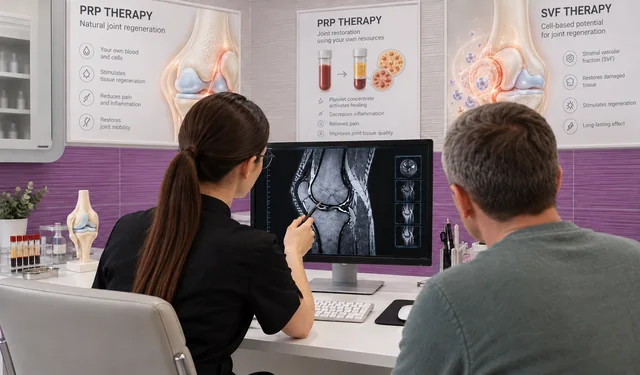
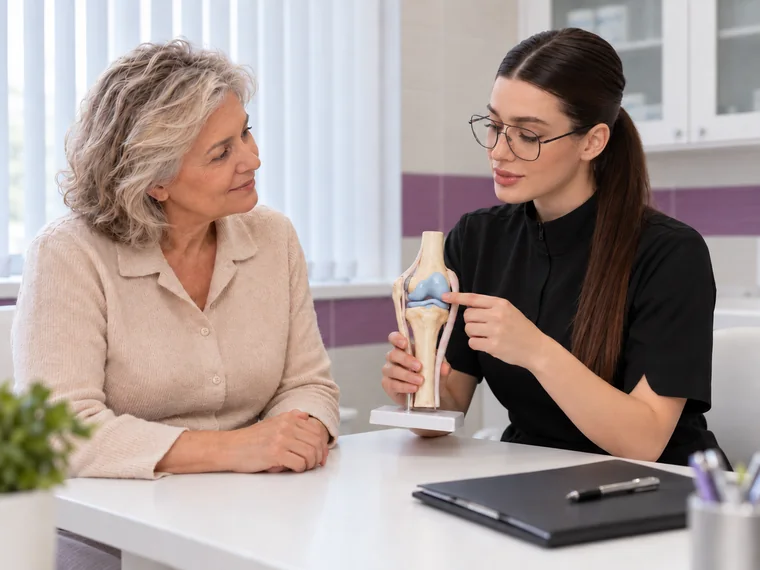
Your joint is examined and the doctor studies your X-rays, MRI or ultrasound to judge whether the procedure is suitable. Existing scans can be sent before the appointment.
Cell therapy (SVF) and PRP for the knee, hip, shoulder and other joints. A free review of your scans before any decision
Consultation and review of your scansFree
Message us on WhatsAppFree online consultation · Reply within 15 minutes
Message our coordinator
Free online consultation · Reply within 15 minutes
Message us on TelegramMessage us on WhatsAppBy messaging us, you agree to our Privacy Policy
What it is
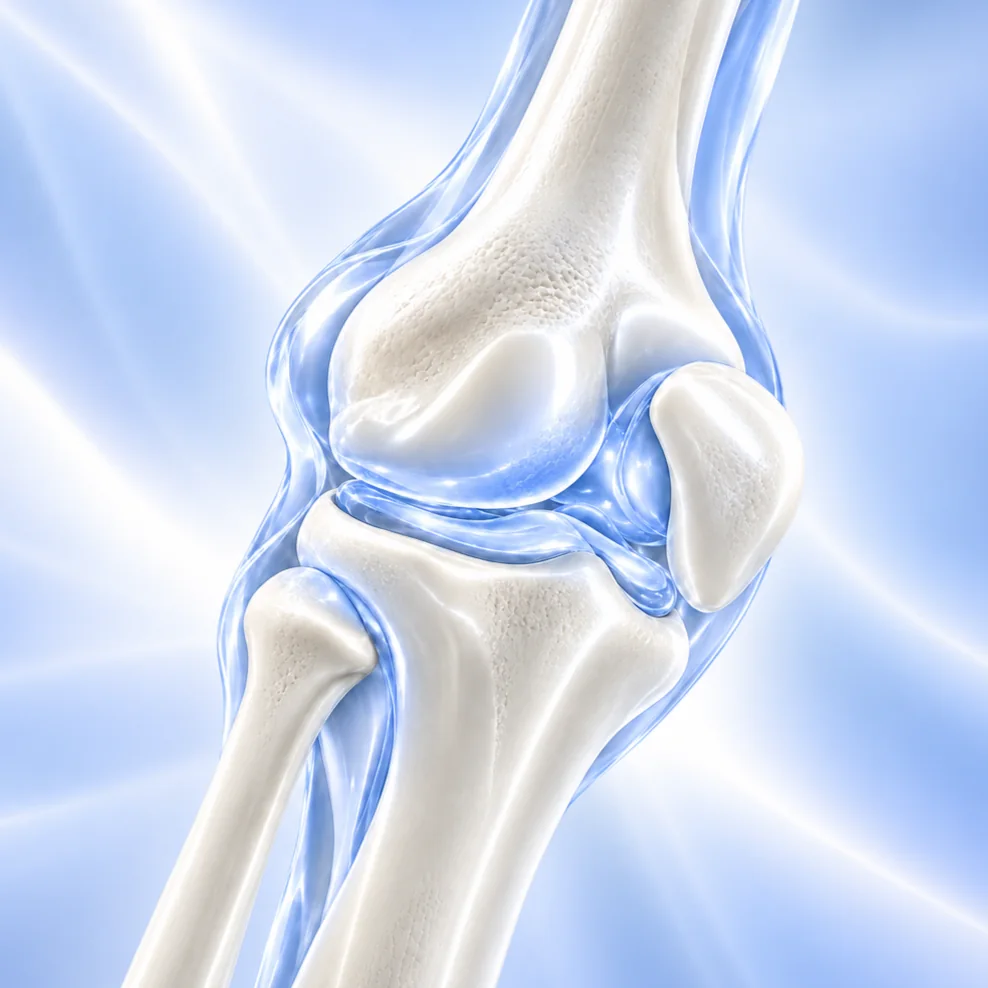
Material from your own body is at the heart of regenerative joint treatment — PRP, a platelet-rich plasma derived from blood, and SVF, the stromal vascular fraction derived from a small sample of adipose tissue. Placed into the affected joint by injection, it reduces pain and inflammation and supports the joint's tissues.
People with joint pain choose it to avoid surgery or push it back, including those told a joint replacement is the only way. A lasting effect is more likely the earlier the condition is caught; the doctor evaluates this using your scans.
Whether this treatment is right for you is decided by a doctor after an examination and a scan review
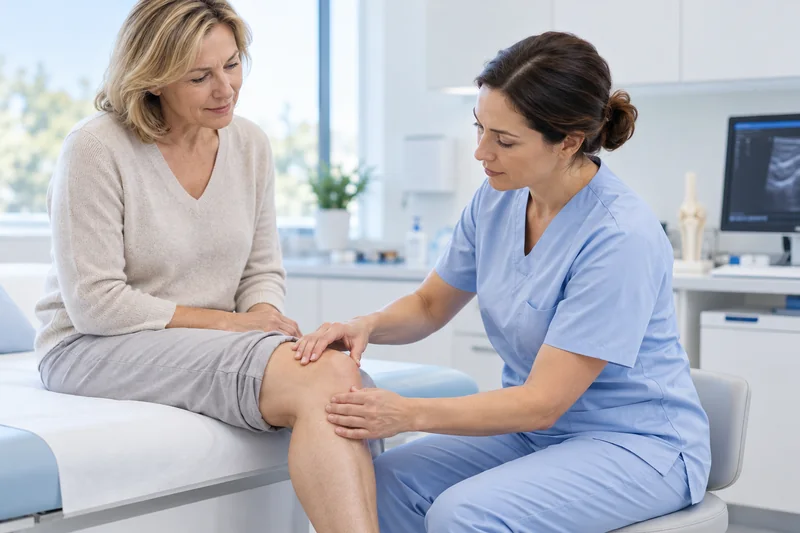
Not sure the treatment is right for you?
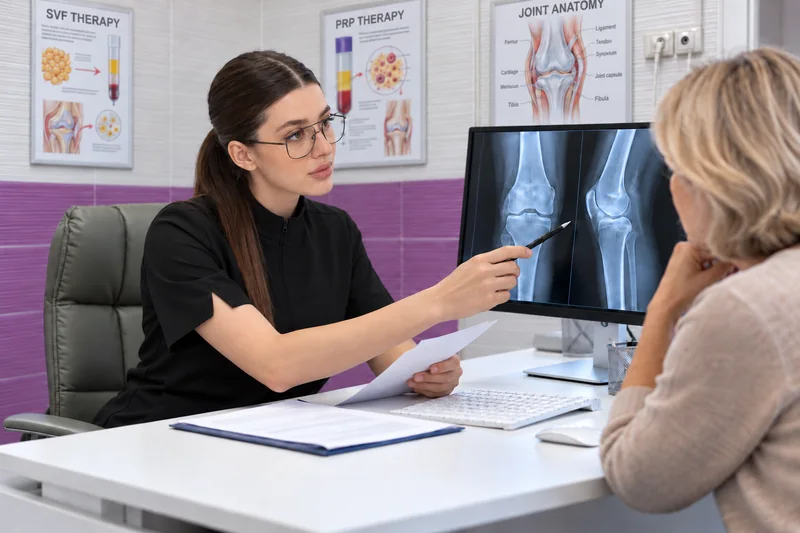
Leave your number — the coordinator will ask for your scans (X-ray, MRI or ultrasound), and the doctor will tell you whether treatment without surgery suits you.
Find out if it suits meWhat we treat
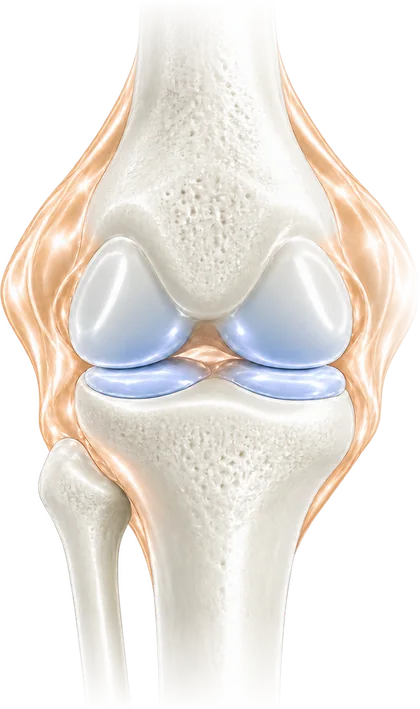 Arthritis
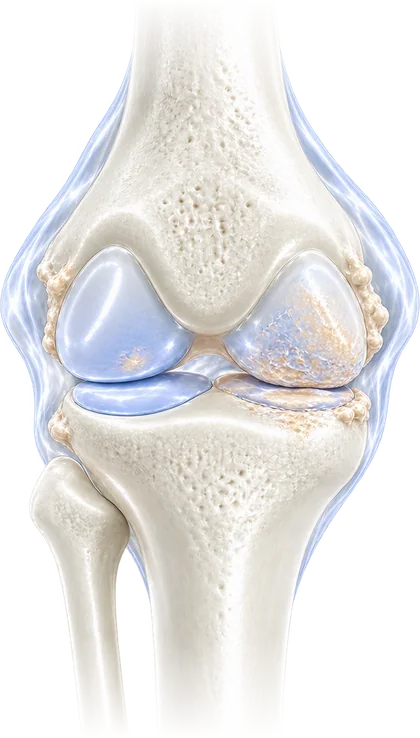 Arthrosis
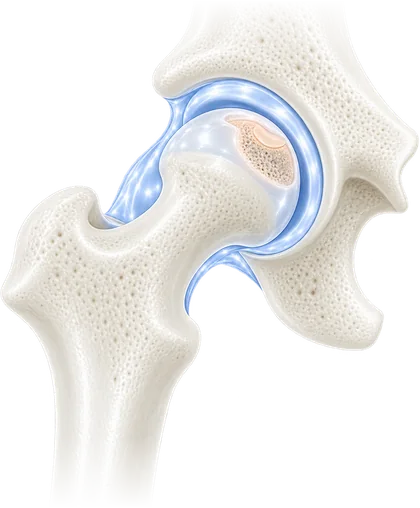 Avascular necrosis
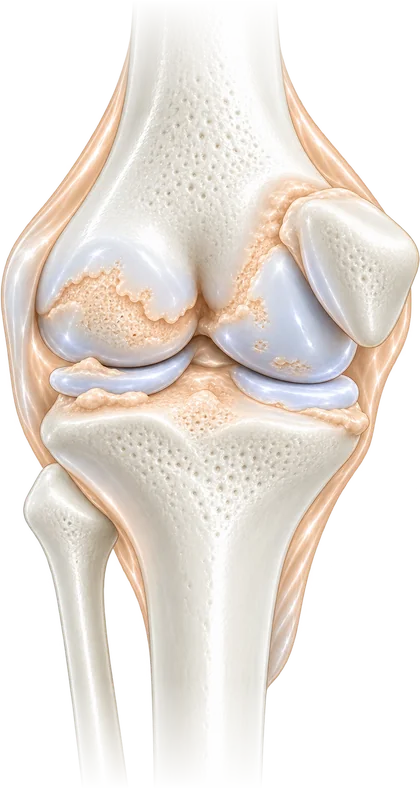 Osteoarthritis
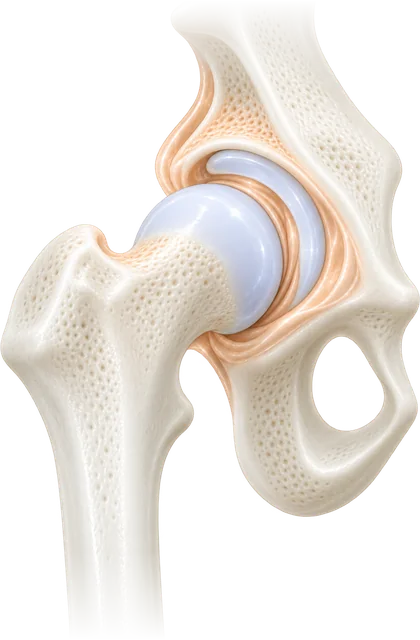 Coxarthrosis (hip osteoarthritis)
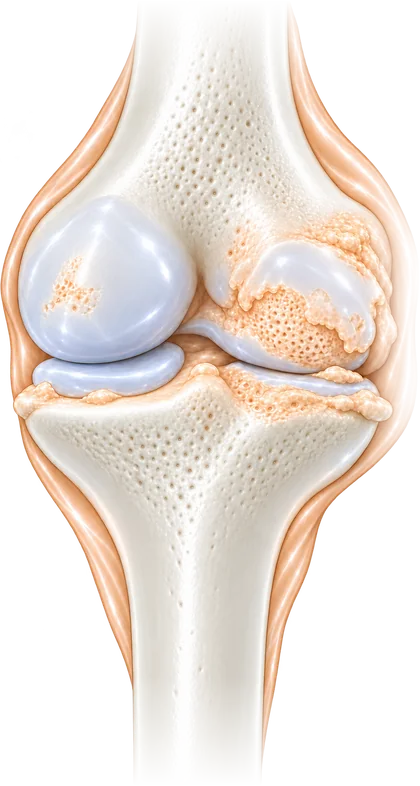 Gonarthrosis (knee osteoarthritis)
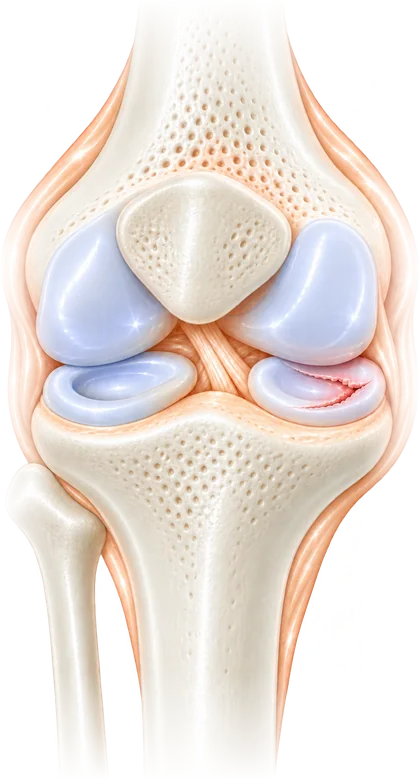 Meniscus pathology and injury
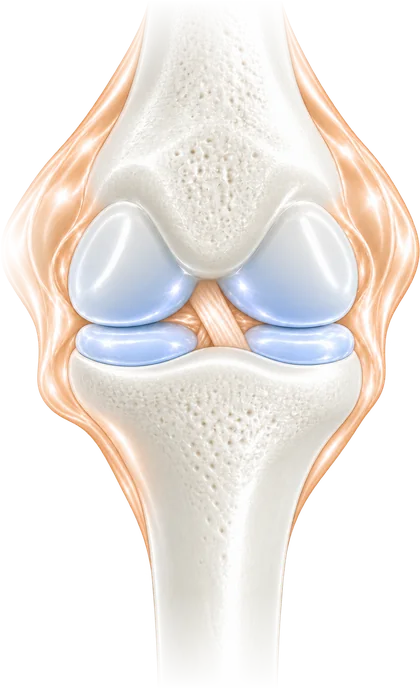 Rehabilitation after injuries and surgery
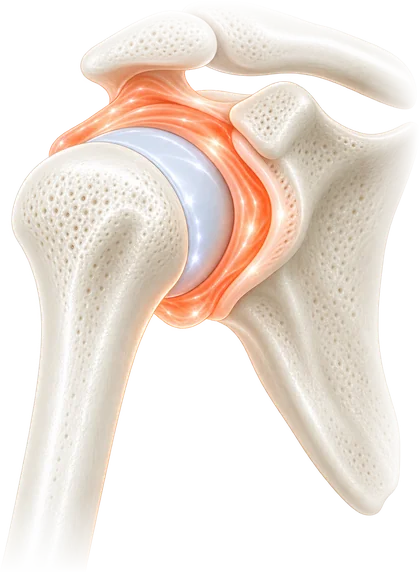 Inflammatory joint conditions
How it works
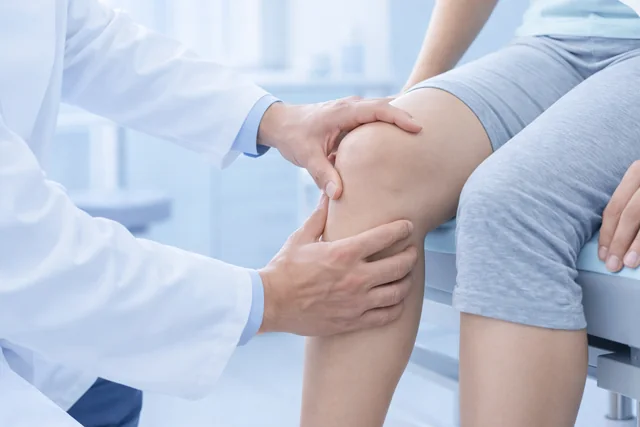
1Your joint is examined and the doctor studies your X-rays, MRI or ultrasound to judge whether the procedure is suitable. Existing scans can be sent before the appointment.
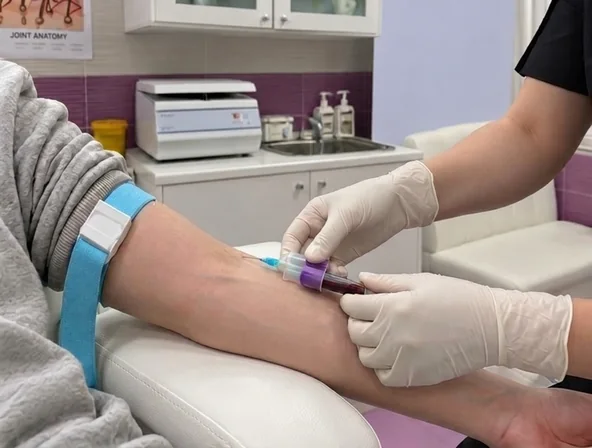 2
Blood is drawn from a vein — only a small amount. Later, platelet-rich plasma with growth factors is made from it.
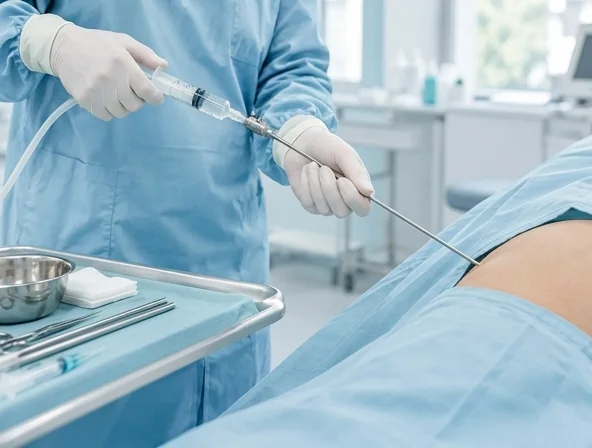 3
With local anaesthetic, a small amount of adipose tissue (around 30 ml) is taken via a puncture on the abdomen or inner thigh — without stitches.
 4
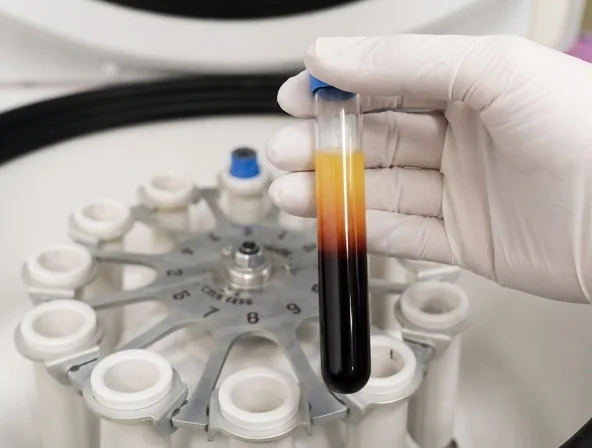
The sample is centrifuged and divides into layers; the stromal vascular fraction is isolated from it and mixed with platelet-rich plasma.
 5
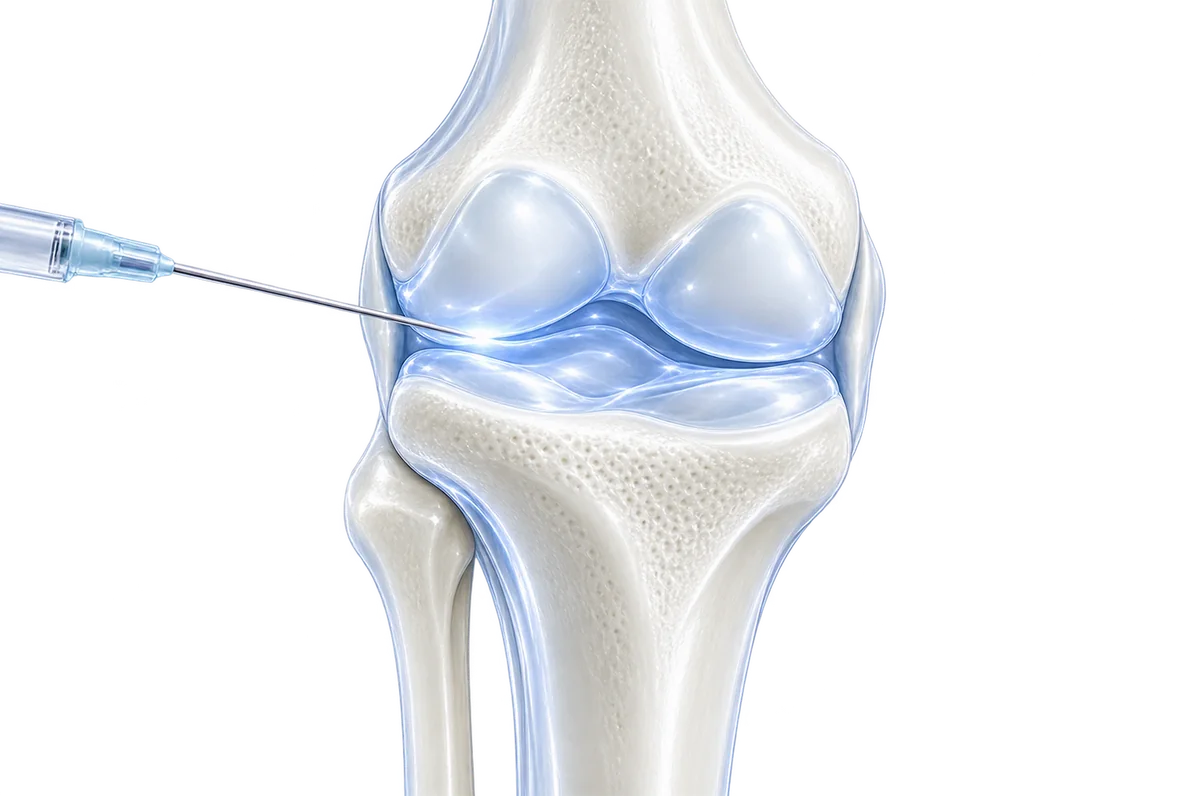
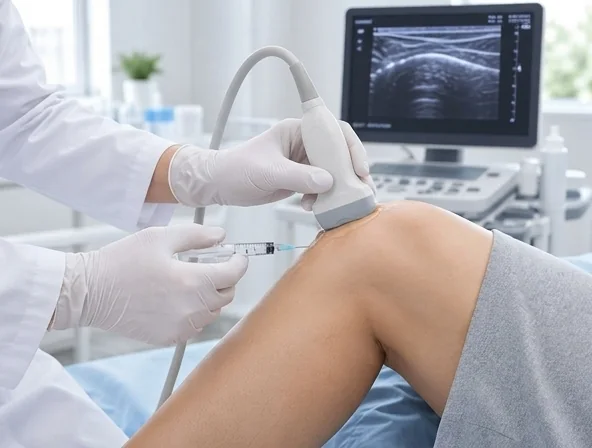
The doctor injects the prepared material directly into the affected joint, using ultrasound to place it precisely.
 6
You need neither crutches nor a hospital stay. The doctor remains in contact afterwards and watches how the joint responds.
Call or message us — our coordinator will contact you shortly and book your consultation

Results

The joint may ache a little more — this is an expected reaction.
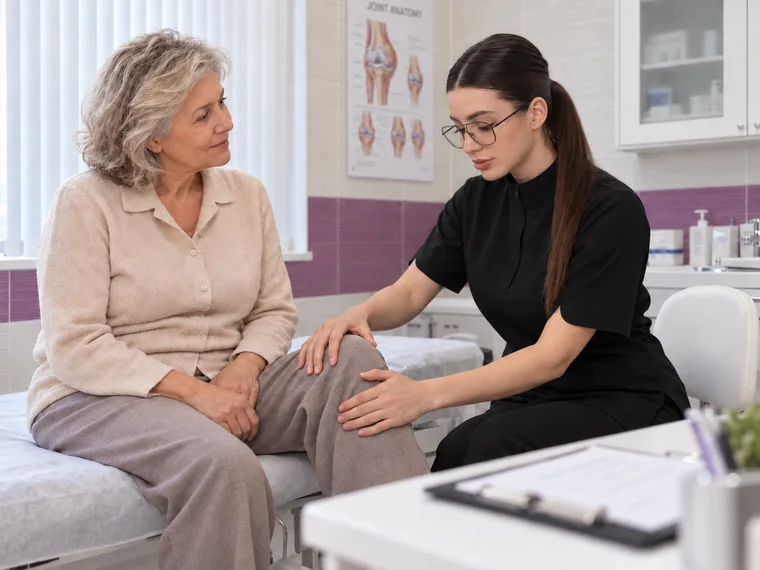
The pain usually eases.
Mobility and activity improve.

The full effect develops.
How long it lasts differs from person to person and depends on the stage of the condition, body weight, activity and other factors — no one can promise a fixed result.
Comparison
The material comes only from your own blood and adipose tissue, never from donors or synthetics
The method starts with a small adipose tissue sample, which is processed to separate the stromal vascular fraction (SVF), a mix of cells active in tissue repair. With your own plasma added, it is injected into the affected joint.
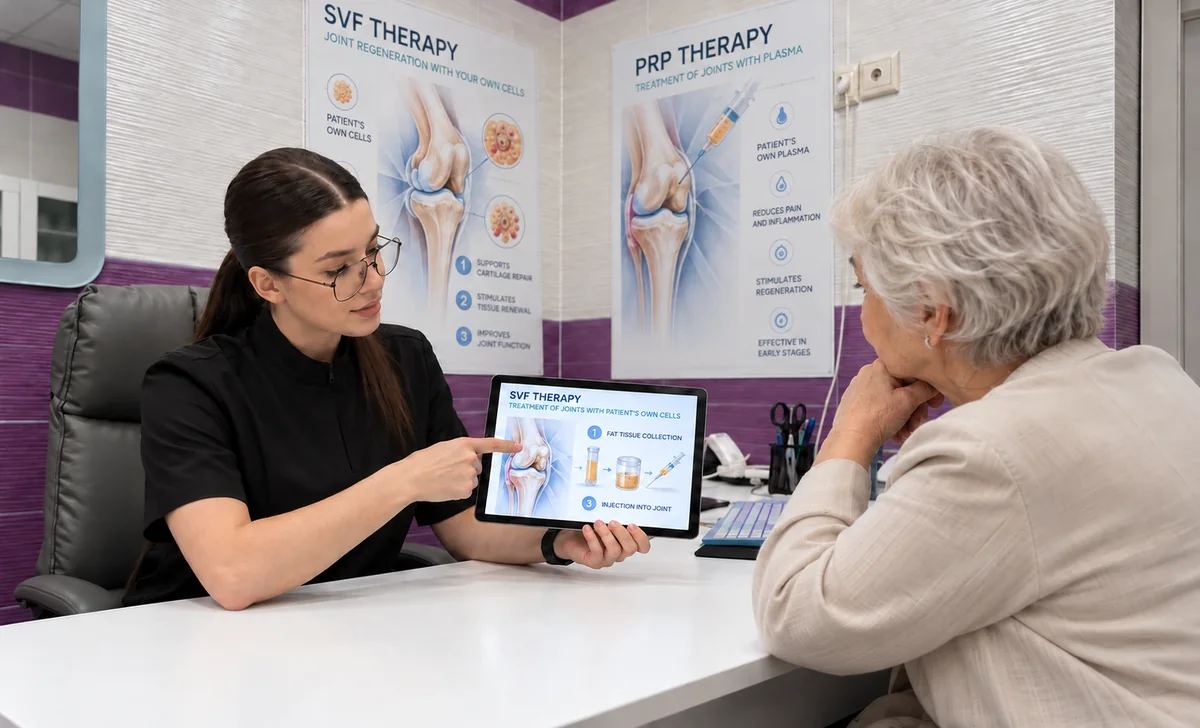
It tends to be used when the joint is more visibly changed and a longer-lasting effect is being sought.
The joint receives an injection of plasma rich in platelets and growth factors, separated from a small amount of your blood. It helps soothe inflammation and creates better conditions for the tissues to repair.
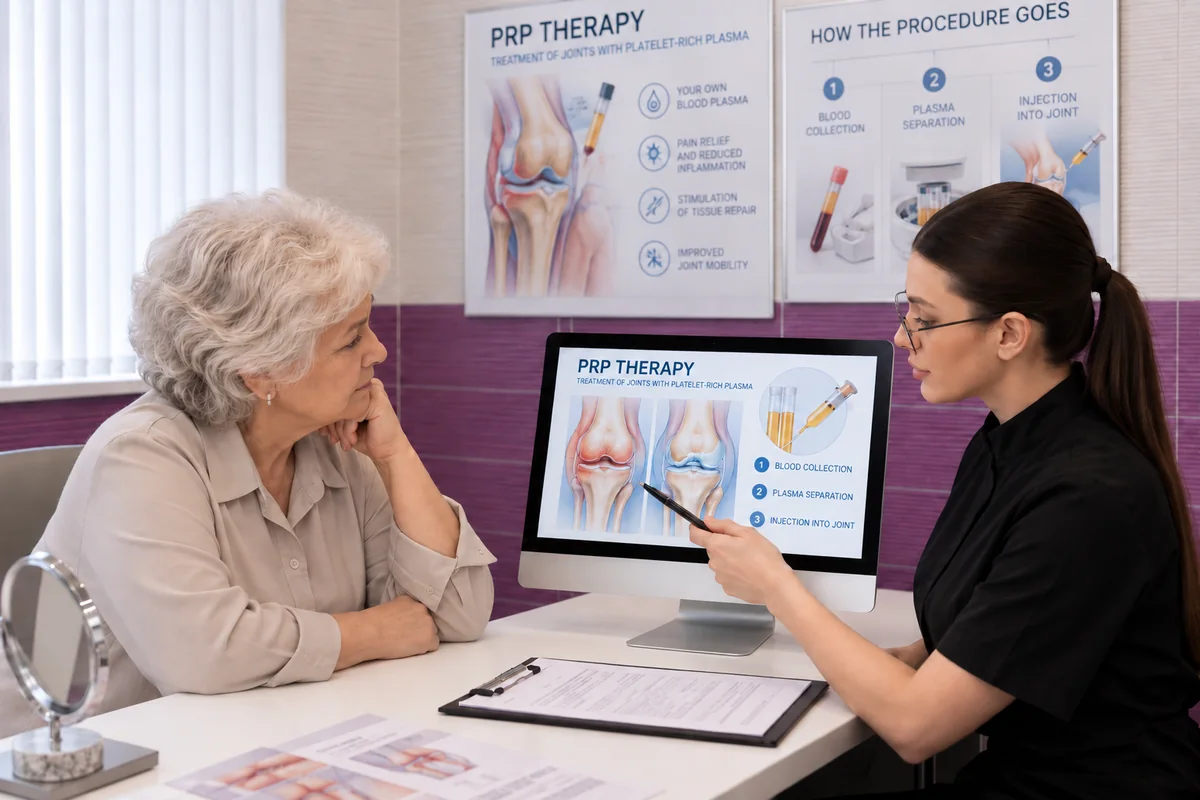
It can be given as its own course of injections or combined with SVF.
The benefits and timings shown are averaged and given for guidance: the plan and recovery depend on your joint and individual features, and the doctor confirms them at the consultation.
At the consultation the doctor will review your scans and suggest a treatment plan
Free consultation
Joints
Large and small joints can be treated; the doctor settles the joint, the method and the injection count after checking your scans
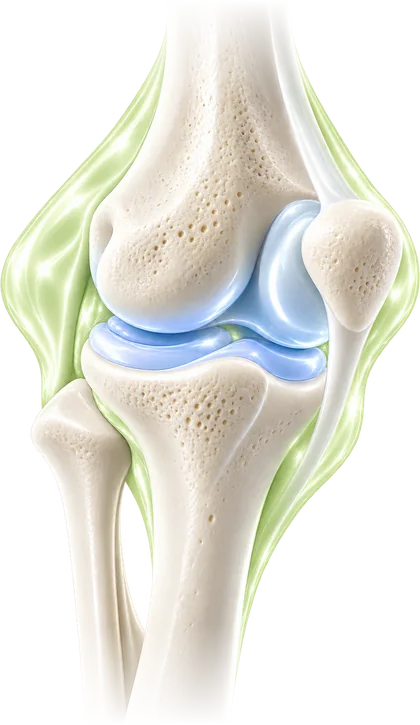 KneePain climbing stairs or after walking, cartilage wear, meniscus trouble
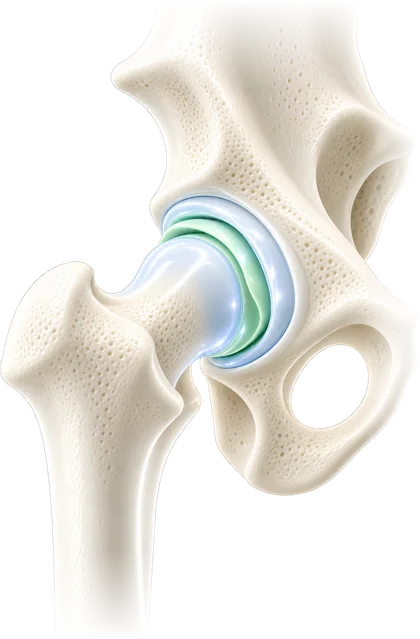 HipEarly hip osteoarthritis, groin pain, limited rotation
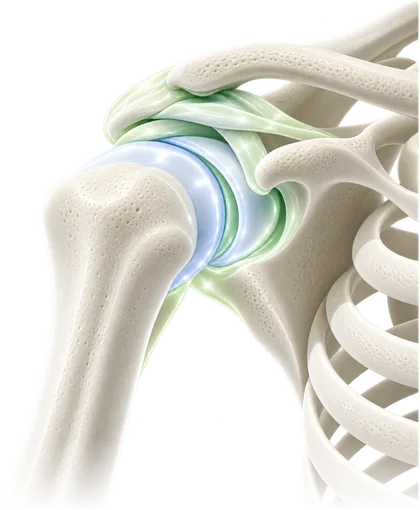 ShoulderPain when you raise your arm, worn joint and surrounding tendons
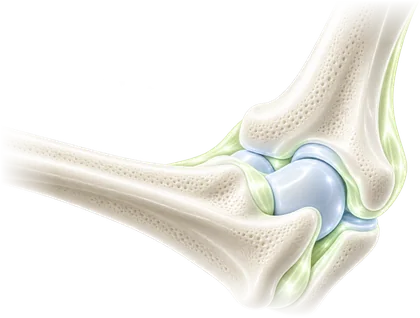 ElbowPain caused by overuse or sports strain; worn joint surfaces
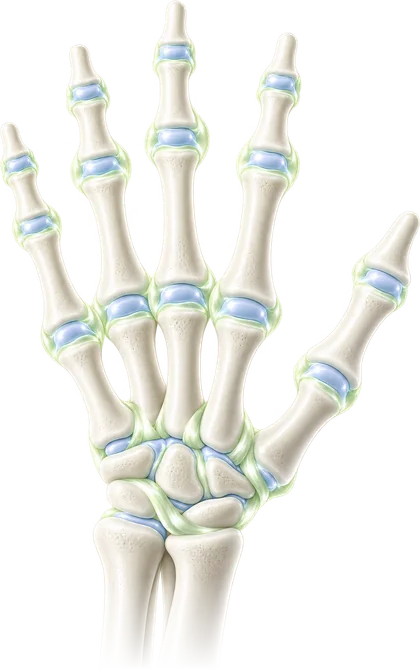 Hand and wrist jointsStiffness and pain in the small joints of the hand and wrist
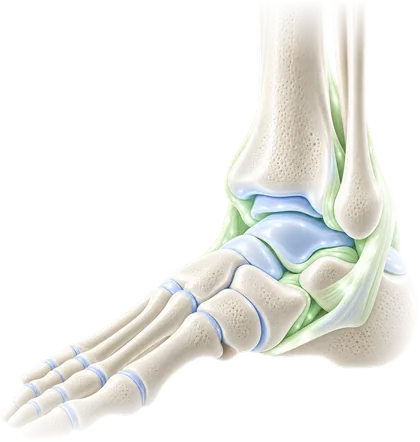 AnklePain and stiffness after sprains and old injuries
Advantages
Treatment without surgery: we work to save your own joint rather than replace it
The material comes only from your own blood and adipose tissue, never from donors or synthetics
No long rehabilitation: punctures instead of incisions, done under local anaesthetic
Free of charge: a doctor's independent assessment of the X-rays, MRI or reports you send
We follow the result after the procedure and stay in contact, not only on the day of the injection
About the clinic
Modern equipment, comfortable rooms and care for every patient

We will answer your questions and find a convenient time for a consultation
By messaging us, you agree to our Privacy Policy
Request a free callPrice
Because the joint, the stage of the condition and the method all affect the cost, the doctor states it after the consultation
Free
Book — Consultation and review of your scansPrice at consultation
Book — PRP therapy (platelet-rich plasma)Price at consultation
Book — Cell therapy (SVF + PRP), one jointFAQ
Often, yes. For meniscus damage and knee osteoarthritis, PRP and SVF injections are used to ease pain and support the joint. The doctor reviews your MRI first and says whether this suits you.
The difference: PRP is plasma rich in platelets, obtained from your blood, and SVF is a cell fraction isolated from a little of your adipose tissue. Their mechanisms differ, so they are often combined for a stronger regenerative effect.
Both methods rely on your own tissue, so rejection or an allergic reaction is very unlikely. Temporary pain, swelling or bruising can occur as with any injection, and infection is rare. The doctor goes through the risks for your case at the consultation.
Each case differs. A PRP effect often lasts from several months to around a year, and an SVF effect can last longer. It depends on your body and the stage of the condition, so no one can promise you a fixed result.
The procedure is ruled out for cancer, acute infections and blood clotting disorders, during pregnancy and during a flare-up of a serious chronic illness. This is checked by the doctor at the consultation.
Early on, PRP or SVF injections plus exercise therapy and physiotherapy can lessen pain and improve how the joint moves. For a joint that is already badly damaged, replacement may be the more realistic option; after reviewing your scans the doctor will tell you honestly.
SVF therapy may be an option at early stages (1–2) to support blood supply to the femoral head and postpone joint replacement. At later stages, surgery is usually needed.
Replacing a joint is major surgery, with long rehabilitation, risks such as infection and implants that may one day need replacing again. For early or moderate changes, it is often worth trying to keep your own joint first.
Yes. Your X-rays, MRI, CT or medical reports are reviewed by a doctor free of charge, and you will hear whether the procedure could suit you and what else may be needed.
Usually in a day or two. There are no crutches and no long rehabilitation; for the first weeks the doctor gives recommendations on load and exercise.
The doctor first establishes what is causing the pain: PRP is used for shoulder joint and rotator cuff problems, and SVF may be considered for more advanced arthritis of the shoulder. Suitability depends on that cause.
About the conditions
Arthritis is an inflammatory disease of the joints. Typical signs are pain at rest and at night, morning stiffness lasting more than 30 minutes, swelling, redness and warmth over the joint. Causes include autoimmune conditions such as rheumatoid arthritis, infections, gout and psoriasis.
It is gradual wear of the cartilage that covers the ends of the bones in a joint. When the cartilage thins, the joint loses its cushioning, the bones rub against each other, and pain, stiffness and crunching appear. It is a degenerative condition, not an inflammatory one.
Osteoarthritis is wear of the cartilage: aching pain on movement, crunching, stiffness after rest. Arthritis is inflammation: pain at rest and at night, swelling, redness and warmth over the joint. The approach to treatment differs, so the diagnosis comes first.
SVF and PRP work in different ways. PRP helps calm inflammation and creates better conditions for repair; SVF contains cells involved in tissue repair and is chosen when changes are more pronounced. For patients from Bristol, the doctor often combines the two.
Before the procedure, the doctor tells you which tests are needed. If you already have X-rays, MRI or ultrasound results, patients from Bristol can send them in advance and receive a preliminary answer on whether the treatment could suit them.
Patients from Bristol can start with a free second opinion: send your X-rays, MRI, CT or reports, and a doctor will tell you whether SVF or PRP could help. The price of treatment is named at the consultation.
Treatment without an operation appeals to many people whose knee, hip, shoulder or hand hurts but who are not ready for a replacement. At City Medical Centre the approach is to keep your own joint rather than replace it, using material taken from your own body. There are two parts. PRP is plasma rich in platelets and growth factors, separated from a small amount of your blood. SVF is the stromal vascular fraction, a mix of cells that support tissue repair, isolated from a small sample of your own adipose tissue and combined with your plasma. Nothing donor or synthetic is used.
The whole procedure is done in one day. A small amount of blood is taken from a vein and the plasma is prepared. Under local anaesthetic the doctor takes roughly 30 ml of adipose tissue through a small puncture in the abdomen or inner thigh, and no stitches are needed. After centrifuging, the stromal vascular fraction is mixed with the plasma, and the ready material goes directly into the affected joint under ultrasound guidance, so it is placed accurately. There is no hospital stay and no crutches, and the doctor keeps in touch afterwards to follow how your joint responds.
Expect honesty about results. The joint may ache a little more after the injection, which is an expected reaction. How long the effect lasts differs from person to person and depends on the stage of the condition, body weight, activity and other factors, and no one can promise a fixed result. The effect of PRP often lasts several months to about a year, and SVF may last longer. The doctor confirms the plan after seeing your scans, and the benefits and timings given are averages for guidance.
Most people in Bristol begin with their GP, and the NHS guidance on joint pain explains why. Pain can come from a sprain or strain, from osteoarthritis, from rheumatoid arthritis, from gout or, rarely, from a joint infection, and the treatments differ. The NHS advises seeing a GP if pain disrupts daily activities or sleep, gets worse or keeps coming back, has not improved after 2 weeks of home treatment, or if joints stay stiff for more than 30 minutes after waking. It also notes that in many areas you can refer yourself to NHS community musculoskeletal services for help such as physiotherapy, without seeing a GP first.
Urgent signs need urgent care, and they come before anything we offer. A painful joint that is swollen with hot skin, a high temperature, or severe pain after a fall or injury, or being unable to put weight on a joint, are reasons to contact a GP, NHS 111 or emergency services, as the NHS describes. A consultation with us is for people whose pain is long-standing and whose diagnosis is clear enough to talk about options.
If you already have an X-ray, an MRI or an ultrasound report, send it to the coordinator. A doctor will independently assess your scans free of charge, which is useful if you want a second opinion on whether a replacement is really the only choice. If you do not have scans yet, the coordinator explains which ones are most useful and what to ask your GP or physiotherapist for, so you do not have to start from scratch.
Both large and small joints can be treated, and the doctor settles the joint, the method and the number of injections after checking your scans. The typical situations are cartilage wear with meniscus trouble and pain on stairs or after walking, early hip osteoarthritis with groin pain and limited rotation, pain on raising the arm from wear in the shoulder joint and the surrounding tendons, aching after sports strain or overuse, stiffness and pain in the small joints of the hand and wrist, and pain after sprains and old injuries.
Some questions need specific answers. A meniscus tear, hip osteoarthritis and avascular necrosis of the hip are different problems. In early stages, 1 to 2, of avascular necrosis, SVF therapy may be considered to support blood supply to the femoral head and delay the need for a joint replacement, while at later stages surgery is usually required. For a hip that is already badly damaged, replacement may be the more realistic option, and the doctor will tell you honestly after seeing your scans.
The procedure is not carried out in people with cancer, acute infections, including infection in or near the joint, blood clotting disorders, during pregnancy or during a flare-up of a serious chronic illness. A temperature, a cold or flu, or skin inflammation over the joint are also reasons to postpone. The doctor checks this at the consultation, which is one reason to answer the health questions fully.
Bristol is sometimes described by its own inhabitants as built on seven hills, and anyone with a painful knee or hip knows what that means: steps up to the front door, gradients on the way to the bus stop and a walk to the station after work. The city covers 110 square kilometres and is home to about 472,400 people, according to the 2021 Census. Ask yourself where the joint hurts most in your own week, and write it down: stairs, standing at work, a particular route, getting out of the car.
That list is useful for the doctor. Pain climbing stairs or after walking points in one direction, groin pain with limited rotation in another, and shoulder pain on raising the arm in a third. The more specific the description, the easier it is to understand which structures are involved and which scans are worth sending. Add what has helped and what has not, including painkillers, physiotherapy, injections you have had and how long each gave relief.
After the procedure the practical part is short. Most people return to normal life within a day or two, with no crutches and no long rehabilitation, and the doctor gives you load and exercise recommendations for the first weeks. Plan a lift on the day of the injection, have comfortable clothes, and avoid a heavy day of standing or walking afterwards. If your job involves climbing, lifting or driving, ask the coordinator about timing.
Joint pain makes people look at the weather, and the figures for Bristol are modest rather than harsh. Met Office averages for 1991 to 2020 from the Filton station, about 8 km from the city centre, give a mean daily maximum of 8.1 °C in January and 21.7 °C in July, with 819.0 mm of rain over 135.8 days a year. No claim is made here that weather causes a joint to hurt, but practical matters follow from it: slippery pavements in damp weeks, layers that are easy to put on, and the temptation to move less in the dark months.
That matters for planning. Because the procedure needs no hospital stay, you can have it in any season, and the choice depends on your calendar and on how well you can look after a joint that may ache a little for a short time. The 2027 bank holidays in England and Wales fall on 26 March, 29 March, 3 May, 31 May and 30 August, and a long weekend is a comfortable setting for a quiet few days after an injection. Send the dates you have in mind to the coordinator and the clinic confirms which are open.
A good plan also includes movement. The doctor will tell you what load is right for your joint in the first weeks, and a gradual return to walking, swimming or cycling is usually the idea. If you have a physiotherapist or a gym programme, tell them about the treatment and ask them to adjust the plan with the doctor's recommendations.
The consultation takes place online, and coordinators are available 24/7 on WhatsApp and Telegram. Leave your number or write to the coordinator; you will be asked for your scans, such as an X-ray, an MRI or an ultrasound, and the doctor will tell you whether treatment without surgery suits you. If it does not, you will hear that too, and you will not be asked to pay for something that will not help.
Prepare a short list. Which joint is treated, and how many injections are expected? PRP alone or combined with SVF? How does my stage of change affect the likely result? What can I do the day after? How long until I notice something? What happens if I need a replacement later? How much does the plan depend on my weight and activity? Because the cost depends on the joint, the stage and the method, the doctor states it after the consultation, and the contract fixes it.
Finally, remember that treatment is one part of caring for a joint. Exercise suited to your condition, a weight that does not overload the joint and a pace that suits you matter at least as much as any injection. Replacement is major surgery with long rehabilitation and risks such as infection, and implants may eventually need to be redone, which is why trying to preserve your own joint first often makes sense for early or moderate changes.
No. You can start by sending your scans or reports to the coordinator. It is still sensible to speak to your GP about long-standing pain, and the NHS says that in many areas you can refer yourself to community musculoskeletal services for physiotherapy.
The NHS describes physiotherapy, medicines, steroid injections and surgery as options for joint problems. This regenerative treatment at City Medical Centre is arranged privately, and we make no promises about what a health service might fund.
No. There is no hospital stay and no crutches. The whole procedure is done in one day.
Normally within a day or two. The doctor gives load and exercise recommendations for the first weeks.
It differs from person to person. PRP often lasts several months to about a year, and SVF can last longer, but no one can promise a fixed result.
An X-ray, an MRI or an ultrasound, or the written reports. A doctor assesses them independently and free of charge.
PRP is used for problems of the shoulder joint and the rotator cuff, and SVF may be considered for more advanced arthritis. The doctor first establishes the cause.
It aims to preserve your own joint, mostly in early or moderate stages. For a badly damaged joint, replacement may be the more realistic option, and the doctor will say so after seeing your scans.
With cancer, acute infections, blood clotting disorders, pregnancy or a flare-up of a serious chronic illness. A temperature or inflamed skin over the joint means waiting.