





























as it was
at 12 months
2,800 grafts
FUE method
City Medical Centre
0% instalments
from $367/mo
Work-up and a number — $0.
A real case
as it was
at 12 months
FUE method, no incisions or stitches. Grafts and outcome forecast reckoned up without paying — before you decide.
Free online consultation · Reply within 15 minutes
No bill for it, no surgery booking required
Message our coordinator
Free online consultation · Reply within 15 minutes
Message us on TelegramMessage us on WhatsAppBy messaging us, you agree to our Privacy Policy
Hair transplant for patients from Bristol at City Medical Centre starts at £1,700 (from $2,200). The first online consultation is free; the doctor names the final price and it is fixed in the contract.
How it works · Hair transplant prices
Information current as of 24 October 2026
results
Genuine City Medical Centre patients, every one.
as it was
at 12 months
2,800 grafts
FUE method

as it was
at 12 months
3,500 grafts
FUE method

as it was
at 12 months
2,600 grafts
FUE method

as it was
at 12 months
3,000 grafts
FUE method

as it was
at 12 months
2,700 grafts
FUE method

as it was
at 12 months
3,300 grafts
FUE method

as it was
at 12 months
2,900 grafts
FUE method

as it was
at 12 months
2,500 grafts
FUE method

as it was
at 12 months
3,400 grafts
FUE method

as it was
at 12 months
2,500 grafts
FUE method

as it was
at 12 months
3,100 grafts
FUE method

as it was
at 12 months
3,600 grafts
FUE method

as it was
at 12 months
4,000 grafts
FUE method

as it was
at 12 months
3,200 grafts
FUE method

as it was
at 12 months
3,000 grafts
FUE method

as it was
at 12 months
3,700 grafts
FUE method

as it was
at 12 months
2,700 grafts
FUE method

as it was
at 12 months
3,800 grafts
FUE method

as it was
at 12 months
3,300 grafts
FUE method

as it was
at 12 months
2,800 grafts
FUE method

as it was
at 12 months
2,500 grafts
FUE method

as it was
at 12 months
3,900 grafts
FUE method

as it was
at 12 months
3,500 grafts
FUE method

as it was
at 12 months
3,800 grafts
FUE method

as it was
at 12 months
2,900 grafts
FUE method

as it was
at 12 months
3,600 grafts
FUE method

as it was
at 12 months
2,600 grafts
FUE method

as it was
at 12 months
2,700 grafts
FUE method

as it was
at 12 months
3,700 grafts
FUE method

as it was
at 12 months
3,200 grafts
FUE method

as it was
at 12 months
3,000 grafts
FUE method

as it was
at 12 months
2,800 grafts
FUE method

as it was
at 12 months
4,000 grafts
FUE method

as it was
at 12 months
3,400 grafts
FUE method

as it was
at 12 months
2,900 grafts
FUE method

as it was
at 12 months
3,100 grafts
FUE method

as it was
at 12 months
2,600 grafts
FUE method

as it was
at 12 months
3,300 grafts
FUE method

as it was
at 12 months
3,900 grafts
FUE method

as it was
at 12 months
3,500 grafts
FUE method

as it was
at 12 months
2,700 grafts
FUE method

as it was
at 12 months
3,800 grafts
FUE method

as it was
at 12 months
3,200 grafts
FUE method

as it was
at 12 months
3,000 grafts
FUE method

as it was
at 12 months
2,800 grafts
FUE method

as it was
at 12 months
3,100 grafts
FUE method

as it was
at 12 months
3,600 grafts
FUE method
Comparison
We perform graft transfer by three technologies: classic FUE, suture-free DHI and a combined protocol. Compare implantation technique, tissue trauma and graft survival to make an informed choice.
Classic technique without incisions or stitches

$2,200
$2,700
Graft implantation technique
ForcepsGraft trauma
MinimalHair's natural angle
NaturalGraft survival
98–100%Suitable for
Androgenetic alopeciaSuture-free implantation with a Choi pen

$2,500
$2,900
Graft implantation technique
DHI pen, Choi implanterGraft trauma
MinimalHair's natural angle
NaturalGraft survival
98–100%Suitable for
DensificationFUE extraction, DHI pen implantation

$2,700
$2,900
Graft implantation technique
FUE extraction plus DHI implantGraft trauma
MinimalHair's natural angle
NaturalGraft survival
98–100%Suitable for
Densification for androgenetic alopeciaSurvival and trauma figures are averages for each method, given as a guide: the precise numbers depend on the transplant area and the patient's individual features, and the doctor clarifies them at consultation.
Ask a hair expert


















about the clinic
Attention to each person, pleasant rooms, good equipment

We will deal with your questions and pick a convenient time to consult you
Message us on WhatsApp Fill in the formWhen surgery is not needed in your case, the doctor will say so at the consultation — and you will not waste your money. Below are the conditions in which a transplant really works.
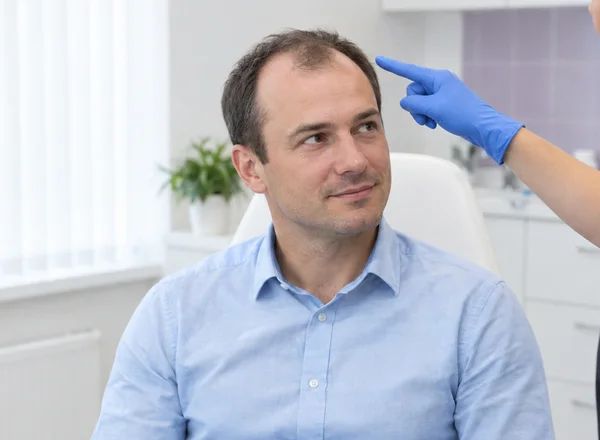

Leave your number for a free answer: photos in a messenger to a coordinator, and the doctor says if a transplant will help you.

services
You are told what it will cost at the free consultation, after the counting, and the contract secures that figure.
suture-free graft extraction

$2,200$2,700
or $367/mo — 0% instalments for 6 months
Pin the price downimplantation without channels

$2,500$2,900
or $417/mo — 0% instalments for 6 months
Pin the price downcombined technique

$2,700$2,900
or $450/mo — 0% instalments for 6 months
Pin the price down| Where it all begins | Free |
|---|---|
| Eyebrow transplant, FUE | |
| Beard transplant, FUEinstalments $467/mo | |
| Hair trichopigmentation | |
| PRP therapy / session | $200 |
all included
From the first preparations to 12 months of follow-up.
No unexpected costs on the day of surgery.
another two zones
One donor site, one method, several zones: grafts from the back of the head, taken by FUE.
FUE method, free of cuts or stitches

Grafts are taken from the back of the head, the donor area, and moved through micro-punctures of about 1 mm, so no scars are left. The doctor discusses the shape with you before the operation, taking your facial features into account. Transplanted hair grows for life: trim and style the beard as usual.
$2,800$3,000
or $467/mo — 0% instalments for 6 months
Pin the price downFUE method, free of cuts or stitches

Drawing the brow is part of the first consultation: the surgeon does it, sample images are examined with you, and the design follows the proportions of your face. Angled to match natural growth, the hairs make the brows look natural. Growth stopped by years of plucking is no barrier.
$1,600$1,700
an outpatient session under a local anaesthetic
Pin the price downThe doctor will examine your donor area, count the grafts and show what result is achievable in your case. The cost is named at the consultation and fixed in the contract.

Message our coordinator
Free online consultation · Reply within 15 minutes
Message us on TelegramMessage us on WhatsAppBy messaging us, you agree to our Privacy Policy
Process
From consultation to going home — all in one day

The first step is a free, no-obligation consultation where the doctor explains how FUE and DHI work, answers whatever you ask, and creates a plan tailored to your case.

A deposit paid by card — whether at the clinic or online — secures the surgery date, with the details set out in a medical services contract.

You'll complete the necessary medical tests before the operation, following the list and instructions supplied by the clinic.

Local anaesthetic means the surgery passes without discomfort of any kind.

Grafts are harvested from the donor area at the back of the head or the temples, without any stitches.

For patients in Bristol, this step means the surgeons implant the grafts into the balding zone.
The clinic makes recovery straightforward, offering everything necessary and complete instructions for fast healing.

The crusts clear away, the puffiness fades, the skin repairs itself

Losing the shafts is normal, and the roots are not lost

Hair density starts to build, and it shows

The hair is becoming thicker, the volume and contour are visible

Thickness finishes filling and the edge looks convincing

Free, before the operation and free of commitment.
Ask a hair expertdoctors

Hair transplant doctor, trichologist, surgeon
10 years in practice

Dermatovenereologist, trichologist, surgeon
11 years of experience

Plastic surgeon
9 years of experience

Plastic surgeon
9 years of experience

Assistant
9 years of experience
The doctor will examine your donor area, count the grafts and say what result is possible.
Ask a hair expertcoordinators
A personal coordinator is assigned to you, guiding you from the first enquiry through to recovery.
Aftercare coordinator
Will stand by you before and after surgery
Handles the paperwork and your bookings
Aftercare coordinator
Will stand by you before and after surgery
Handles the paperwork and your bookings
Aftercare coordinator
Will stand by you before and after surgery
Handles the paperwork and your bookings
Aftercare coordinator
Will stand by you before and after surgery
Handles the paperwork and your bookings













We will deal with your questions and pick a convenient time to consult you
Message us on WhatsApp Fill in the formReviews
I was having trouble with my hair. I came here and got a hair transplant. The results was awesome thank you
Review on Google
І experienced hair loss due to COVID and turned to this clinic; they helped me and performed a hair transplant, moving hair from the back of my head to my temples. Thank you.
Review on Google
I traveled to City Medical Centre, where they helped me overcome hair loss through a transplant to the balding areas of my scalp. I am grateful to the doctors for performing the procedure painlessly.
Review on Google
I am sharing my experience, because before the operation I went through a pile of reviews myself and was looking for real stories. I had a beard transplant six months ago. Honestly, in the first days after the procedure I felt a little jittery: my face looked unfamiliar, there was slight swelling and small scabs. In the first couple of months the hair partly fell out, as the doctor had warned. But now the result truly makes me very happy) From about the 4th month active, even growth began. The transplanted hair took very well, the beard now looks as natural as possible, no bald patches are left. The beard became much thicker and denser, with the shape I had thought about for a long time. All in all, I recommend the clinic, the doctor was polite and explained everything 👍 The result is definitely worth it!
Review on Google
I traveled to this clinic and do hair transplant, very good quality and cheap. Good doctors
Review on Google
I do hair transplant here very good doctors!!
Review on Google
Popular questions
People often say hair implants, but no artificial hair is used. In a hair transplant the doctor moves your own follicles (grafts) from the donor area to thinning or bald areas using FUE or DHI.

Yes. Nothing prevents treatment for someone whose home is a long way off, and online, the doctor examines your photographs beforehand.
FUE: $2,200 (≈ £1,700). DHI: $2,500 (≈ £1,900). Combined: $2,700 (≈ £2,050). A free consultation and graft count gives you the final, contract-fixed price with no hidden extras.
One day is the whole of it, and patients go back home.
It helps with stable pattern hair loss and a receding hairline when there are enough donor grafts. Some types of alopecia need treatment first; the doctor checks this at the consultation.
Not painful. The scalp stays numb under a local anesthetic.
With FUE, grafts are taken by tweezer with no incisions. With DHI, grafts are implanted directly using a Choi pen, without pre-made channels. The combined method mixes FUE harvesting with DHI implantation.
You get the exact number once the doctor has counted, free, from your donor hair supply.
0–10 days and the scalp has healed. Between 2–4 weeks the placed hairs shed, as they should. New growth comes at 3–4 months, clear density at 6–9 months, the final picture at 12–18 months.
You get a lifetime hair growth guarantee, written into the contract.
The clinic holds a medical licence and care meets the standards and clinical guidelines
of Ministry of Health.

The professional papers of the surgeons doing the work
Check our paperworkAKC POMOSHCH LLC
the clinic's legal entity
1057746096924
OGRN
7728536872
INN
People in Bristol usually ask how heavy the surgery is: FUE and DHI need no cuts and no stitches and run on local anaesthesia, and one day covers it. Graft survival is 98-100 %, with a price from $2,200 (≈ £1,700) fixed in the contract after a free graft count.
For anyone in Bristol the entry point is a free online consultation. Pictures of the thinning area are all the doctor needs in order to say whether a transplant would help you. The clinic is available 24/7.
The skin settles in 0-10 days, the transplanted hairs drop out at 2-4 weeks as part of the process, growth appears at 3-4 months, thickness at 6-9 and the final result at 12-18. Follow-ups at 1, 3, 6, 9 and 12 months with photo tracking by a personal coordinator and a lifetime growth guarantee.
Prices are in US dollars; the amount in brackets is an approximate conversion to GBP at the rate of 02.10.2026. The final price is fixed in your contract.
By messaging us, you agree to our Privacy Policy
Message the coordinator with your preferred dates. The first consultation is free, and you can start it online; the clinic then confirms which dates are open, and only after that is anything booked.
For the scalp to look healed, allow at least 10 days: healing takes 0–10 days. Transplanted hairs shed normally at 2–4 weeks, growth starts at 3–4 months and the final result shows at 12–18 months.
Photos of the thinning areas and of the donor area at the back of the head in good light, your age, and whether you have had a transplant before. The doctor names the number of grafts and the price.
Write to us on WhatsApp or Telegram or leave a request on this page. The coordinator asks for the photos and health details the doctor needs, and the doctor gives you a free assessment and a price.
One day for the procedure, after which you leave the same day, and then healing of 0–10 days. The healing check-ups are part of the price.
Known people who talked openly about this operation, in their own words.
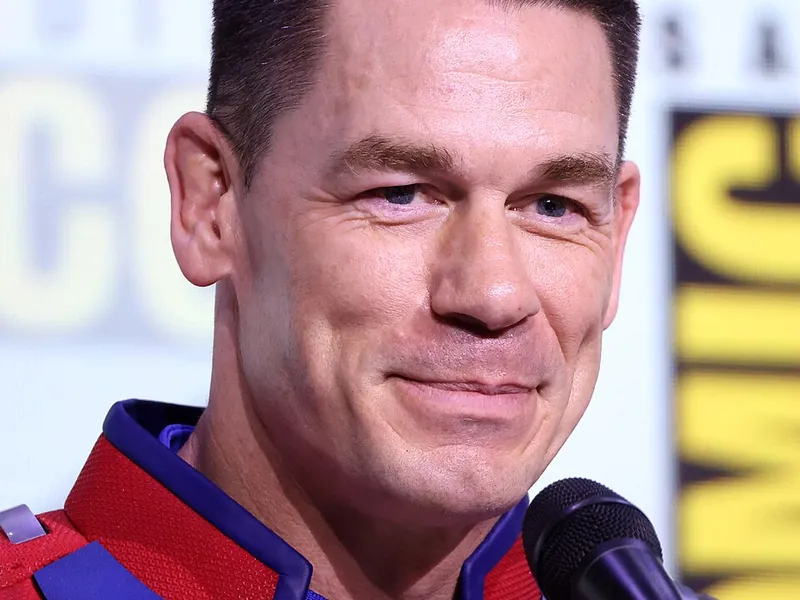 John Cena's hair transplant: “I got a problem, I try to fix it”John Cena spoke openly in 2025 about his hair transplant and the fan signs that pushed him to it. His words, how the procedure works and the recovery.
 Did Calum Best have a hair transplant? Yes, and he said so himselfCalum Best said in 2023 he had his sixth hair transplant, this time using patches of beard hair. His words, how the procedure works and recovery.
 Did Chloe Goodman have a hair transplant? Yes, and she explained whyChloe Goodman had a hair transplant in 2025 after losing hair following pregnancy. Her own words, how the procedure works and what recovery involves.
 Did Dean McCullough have a hair transplant? Yes, and he filmed itRadio 1 presenter Dean McCullough shared his FUE hair transplant on TikTok in 2024. His own words, what the swelling means and how results develop.
 Did Ella Morgan have a hair transplant? Yes — to cover a hairline scarThe Married at First Sight star revealed a hair transplant in 2025 to cover scarring along her hairline from facial surgery. Her own words and the facts.
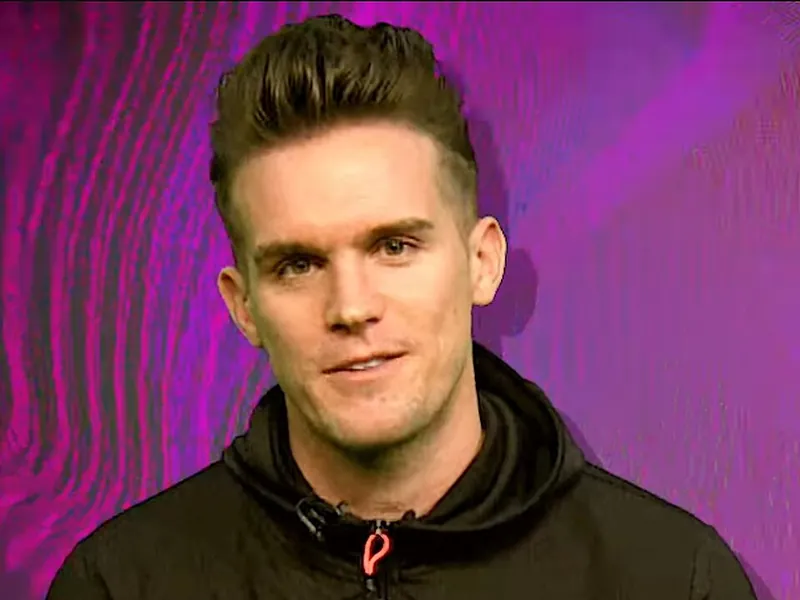 Gaz Beadle on his beard transplant: “I LOVE IT”Gaz Beadle told his 3.6 million followers he had a beard transplant after years of patchy stubble. His own words, and how a hair or beard transplant works today.
Page medically reviewed by Anastasia A. Kolesnik, hair transplant doctor. Review date: .
A hair transplant is a one-day procedure, but the result unfolds over more than a year, so the useful question is not only when to have it but what the weather will be doing at each stage. Bristol is a mild, damp, fairly sunny part of England. Met Office averages for 1991 to 2020 at the Filton station, about 8 km from the city centre, give a mean daily maximum of 8.1 °C in January and 21.7 °C in July, with 819.0 mm of rain a year spread over 135.8 days of 1 mm or more. Nothing here is extreme, which means no single month is ruled out; it simply helps to know what each phase of healing will meet.
The first phase is healing, which lasts 0 to 10 days. The crusts fall away, the swelling settles and the treated area slowly recovers. These are the days when a clean, loose cotton cap and a plan for rain matter most. Next comes shedding at 2 to 4 weeks: the transplanted hairs fall out while the follicles stay in place, and this is a normal stage, not a setback. Growth starts at 3 to 4 months, density shows at 6 to 9 months, and the final result arrives at 12 to 18 months.
Lay that sequence over a Bristol year and the pattern becomes practical. Someone who has the procedure in late autumn will be in the shedding stage over the darkest, wettest weeks, when Filton records only 56.9 hours of sunshine in December, and will see first growth around the spring months, when sunshine climbs to 174.1 hours in April and 206.7 in May. Someone who books in spring will meet the brightest light of the year, 219.2 hours in June, while the scalp is still young. Neither is wrong. They are different plans, and your coordinator can help you choose between them.
Rain is the most Bristol part of the picture. The Filton figures show every month receiving between 47.9 mm and 90.0 mm, with October, November and December the wettest at 85.5, 90.0 and 89.9 mm. There is no dry season to wait for, so it is more realistic to prepare for drizzle than to schedule around it. During the first 0 to 10 days the donor area at the back of the head and the treated area both need to stay clean, and the care plan we give you covers washing your hair, sleeping and headwear. Ask for the exact instructions before the operation day, not after.
A practical kit is short. A plain, loose, clean cotton cap that does not rub the recipient area. A second cap, so one is always dry. A clean pillowcase set aside for the first nights. If your usual routine involves a long walk or a wait at a bus stop, ask the coordinator whether a lift or a few days of working from home would be easier; the answer depends on your case, and it is cheaper to ask than to guess. Send a photo of the headwear you already own and the coordinator will tell you whether it is suitable.
On a bright day the concern flips. Filton has 1,658.3 hours of sunshine a year, with July at 220.5 hours, and freshly treated skin should be kept out of strong sun while it heals. We do not name a date for sunbathing or a sunbed session. The doctor sets that for your own case, and the clinic care plan includes a return to sport and hair care. Until then, shade and a cap are the safe default.
Think about the people around you too. A colleague on the next desk, a child who likes to climb on you, a dog that jumps up at the door: each is a small risk to a scalp that is still healing. Tell the people you live with what the first days look like, and ask them to give you space on the evening you come home. A short conversation in advance is easier than an anxious one afterwards, and it lets you rest properly, which is the most useful thing you can do on the day of the procedure.
People in Bristol often start with the NHS, and that is a sensible first step. The NHS hair loss guidance describes finasteride and minoxidil as the main options for male pattern baldness, says minoxidil can also be used for female pattern baldness while women should not use finasteride, and notes that these treatments do not work for everyone. It also suggests speaking to a GP before turning to a commercial hair clinic, especially if the loss is affecting your wellbeing.
A hair transplant itself is a different matter. The NHS page on hair transplants describes it as moving hair to an area that is thin or bald and states that it is not available on the NHS because it is cosmetic surgery. If you decide to go ahead, you arrange it privately. We make no promise about what a health service might fund in an individual case; that is a question for your GP and the commissioners of care in your area.
What we can do is be clear about suitability. A transplant helps with stable pattern hair loss and a receding front when there are enough donor grafts, and some types of alopecia need treatment first. The doctor checks this at the consultation. If your case can be solved without an operation, you will hear it there, before anything is booked and before you spend anything.
Bring your GP into the picture if you wish, and send the coordinator the details they share with you. Blood tests for iron levels, a note about a recent illness or a change in medicines can all explain temporary shedding, and the doctor would rather see them than discover them later. Hair loss that began suddenly, in patches, or after a stressful period is worth raising with a GP first. A stable, gradual pattern of loss over several years is the picture in which a transplant most often makes sense.
The first consultation is online, so you can begin without leaving home. Message the coordinator on WhatsApp or Telegram, where coordinators are available 24/7, and send clear photos of the front, the top, the crown and the back of the head, which is the donor area. Add your age and say whether you have had a transplant before. From those images the doctor counts the grafts you need and explains the FUE, DHI or combined method that fits you.
Light matters more than people expect. A Bristol afternoon in winter is dim, so take the pictures by a window in daylight or under one steady lamp, with dry hair, no hat and no filter. Hold the phone at the same distance for each angle. The same routine is worth repeating later: the care plan includes progress tracked by photo, with follow-up check-ups at 1, 3, 6, 9 and 12 months, and pictures taken under the same conditions are far easier to compare.
Prepare a short list of questions before the call. Useful ones are how many grafts the doctor expects to need, which method suits your hair, how the donor area will look in the first weeks, what you may do during the first days and when you may return to sport. Write down your medicines and any health conditions as well, because the doctor needs them to judge suitability. If something is missing, the coordinator will tell you which extra photo to send.
Because the final result takes 12 to 18 months, anyone who wants visible hair for a particular date should plan about a year ahead. A wedding, a milestone birthday or a summer holiday in 2027 is realistic only if the procedure happens well before it. The 2027 bank holidays in England and Wales fall on 26 March for Good Friday, 29 March for Easter Monday, 3 May, 31 May and 30 August. A long weekend like these can cover some of the early days of healing, but it does not shorten the 2 to 4 weeks of shedding, so do not count it as a finished result.
The procedure takes one day and you go home afterwards, so the practical need is a quiet few days rather than a long absence. Tell the coordinator what your working week looks like, whether you meet clients, wear a helmet or work outdoors, and the coordinator will help you set the date. Dates are confirmed by the clinic only after the consultation, and nothing is booked until you agree the plan.
Remember that shedding is normal. Many people feel worried when the transplanted hairs fall out at 2 to 4 weeks, and the answer is to expect it: only the hairs shed, the follicles stay where they are, and growth begins at 3 to 4 months. A message to your coordinator with a photo is always welcome if you are unsure whether what you see is normal.
A last practical point is the working calendar. Some jobs in Bristol have their busy seasons, when taking a few quiet days is harder than in the slower weeks. If you know that autumn or the run-up to Christmas is your busy time, ask the coordinator how that fits with the stages of healing, and consider whether a quieter week in late winter or early spring would suit you better. Better to choose the week that costs you the least stress than to fit the procedure into the one that happens to be free.
Bristol has plenty of open ground, from the wooded sides of the Avon Gorge to the protected land of The Downs and Leigh Woods, and for many people the wish to get back to a regular walk is part of why they ask about recovery time. The care plan includes a plan for returning to sport and hair care, which the doctor adjusts to your case. In the first days the answer is a gentle one: short, unhurried time outside, a cap, shade and no rubbing of the treated area.
Sport needs its own conversation. A run, a gym session, a football match or a swim each puts different demands on the scalp, through sweat, impact, helmets or chlorinated water. Tell the coordinator which of these you do and how often, and ask the doctor when each may restart. Do not take a general answer from a friend who had a transplant; the extent of the work, the method and your healing all differ.
Hair care is part of the same plan. The clinic gives advice on washing your hair, on sleep and on headwear, together with all the dressings and healing checks that are needed. If you sleep restlessly or share a bed with pets, say so. It sounds small, but the first nights are when a pillow, a hat or a hand can cause the most accidental rubbing, and a calm plan made in advance prevents it.
Rain itself does not change the result. It does change the practical side of the first 0 to 10 days of healing, when the treated and donor areas should stay clean and covered with a suitable cap. Plan a lift, a spare cap and a few quiet days.
The NHS states that a hair transplant is not available on the NHS because it is cosmetic surgery. For thinning hair, the NHS suggests starting with a GP. If you choose a transplant, it is arranged privately.
There is no wrong month. Winter brings dim light and constant drizzle during the shedding stage, while spring and summer bring strong sun that a healing scalp should avoid. Choose the season that fits your calendar and discuss it with the coordinator.
Yes. Send photos of the front, the top, the crown and the back of the head to the coordinator on WhatsApp or Telegram. The doctor counts the grafts you need and explains the method.
About a year. Healing takes 0 to 10 days, shedding 2 to 4 weeks, growth starts at 3 to 4 months, density shows at 6 to 9 months and the final result takes 12 to 18 months.
Ask whether your hair loss has a medical cause that needs treatment first, and whether finasteride or minoxidil is suitable. Tell the clinic doctor about any medicines you take.
Send a photo to your coordinator. Shedding at 2 to 4 weeks is a normal stage, and the coordinator can pass your picture to the doctor if anything looks different.
A plain, loose, clean cotton cap is the sensible choice during the first days, as long as it does not rub the treated area. The coordinator confirms when a cap may be worn and how it should be washed.
The same grafts and the same FUE method can be used for the beard and the eyebrows; only the area changes. The doctor discusses the shape with you at the consultation.

 Forceps
 Minimal


