



























Message our coordinator
Free online consultation · Reply within 15 minutes
Message us on TelegramMessage us on WhatsAppBy messaging us, you agree to our Privacy Policy




Facelift and neck lift in Munster: price and key facts
Facelift for patients from Munster at City Medical Centre starts at €2,150 (from $2,400). The first online consultation is free; the doctor names the final price and it is fixed in the contract.
- Price
- €2,150 (from $2,400)
- Anesthesia
- general (inhalation)
- Recovery
- about 2 months to full recovery
- Final result
- 3–6 months after surgery
- How it works
- Send photos on WhatsApp or Telegram, get a free doctor assessment and the price, then confirm the plan and dates before anything is booked.
How it works · Facelift prices
Information current as of 24 October 2026



50 years
9 months

SMAS facelift

58 years
8 months
SMAS facelift

34 years
5 months
SMAS facelift

32 years
7 months
SMAS facelift

40 years
6 months
SMAS facelift

45 years
8 months
SMAS facelift

38 years
5 months
SMAS facelift

33 years
6 months
SMAS facelift
50 years
9 months
SMAS facelift
58 years
8 months
SMAS facelift
34 years
5 months
SMAS facelift
32 years
7 months
SMAS facelift
40 years
6 months
SMAS facelift
45 years
8 months
SMAS facelift
38 years
5 months
SMAS facelift
33 years
6 months
SMAS facelift


The face and neck show marked sagging
The jawline is blurred, with jowls
Loose neck skin and a double chin
Deep nasolabial folds and marionette lines
Drooping brows and a heavy look
A significant drop in skin firmness after 40
Wanting a long-term result (7–10 years)

Being under 30
Acute inflammation of the skin
Being pregnant or currently breastfeeding
Severe cardiovascular disease
Disorders of blood clotting
Cancer
Decompensated diabetes
Facelift in Munster: from consultation to result
After 40–50 the skin gradually loses firmness: tissues sag, jowls form, the jawline blurs and the cheeks droop. A surgical SMAS facelift works deeper than cosmetology, repositioning the muscle and fascia layer so it treats the cause of sagging rather than its effects. For patients from Munster, this gives a lasting result even when changes are significant, with the effect holding for 7–10 years.
Follow-up does not end at discharge. Throughout the first year, your plastic surgeon monitors how the face settles and checks the result until it is final. Personal support is provided before and after surgery. When combined procedures such as eyelid surgery or double-chin liposuction are planned, the surgeon sets their scope in advance. For patients from Munster, every step is agreed at the consultation.
If you are comparing facelift prices in Munster, check what each offer includes and how long the result lasts. Here the price starts from $2,400 (≈ €2,150) and covers anaesthesia, the stay, meals, 24/7 monitoring and a year of follow-up, while a surgical SMAS lift holds for 7–10 years. The final amount is fixed at the consultation. Book yours for free via the form.
Stories of well-known people
Well-known people who spoke openly about this operation, in their own words.
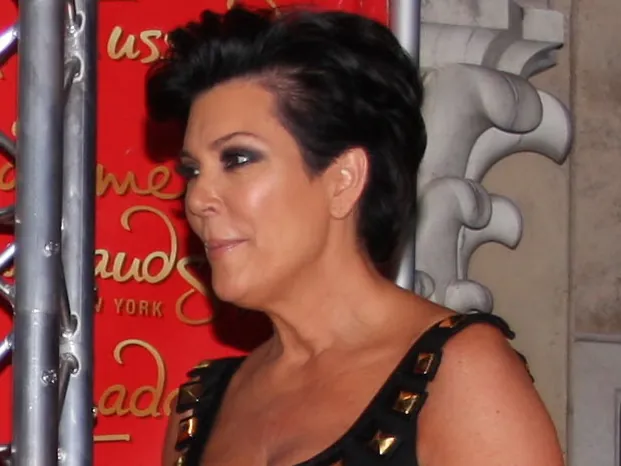 Kris Jenner’s facelift: “I love my facelift”Kris Jenner said she had a facelift about 15 years ago and a refresh before turning 70 — and that she loves it. How a SMAS facelift and recovery work.
 Did Vicki Gunvalson have a facelift? Yes, and she showed the result herselfVicki Gunvalson had a facelift in May 2018 after deciding fillers no longer looked like her. Her own words, how a facelift works and recovery.
 Keltie Knight’s facelift: why she decided to “just own it”Keltie Knight had a facelift in 2023 at 41 and chose to talk about it openly. What she said, how a SMAS facelift works and what recovery looks like.
 Did Linda de Mol have a neck lift? Yes, and she wrote about it herselfLinda de Mol wrote in LINDA. in 2025 that she had a neck lift. What she said, why she chose to be open, and how a face and neck lift works today.
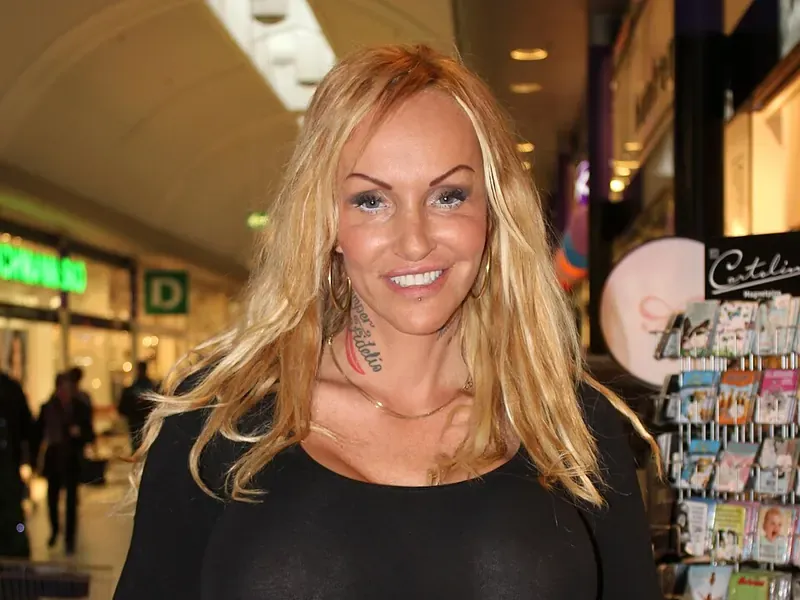 Linse Kessler and her facelifts: what she said herselfDanish reality star Linse Kessler has said openly that she has had several facelifts. Her words, how a modern facelift works and what recovery involves.
 Did Alice Bendová have a facelift? Yes, and she explained why herselfAlice Bendová confirmed a deep plane facelift in September 2026. Her words, how a facelift works, who it suits and what recovery looks like.
Facelift in Munster: price and what is included
Prices are in US dollars; the amount in brackets is an approximate conversion to EUR at the rate of 02.10.2026. The final price is fixed in your contract.
- Faceliftfrom $2,400 (≈ €2,150)
What is a SMAS facelift?
It is a face lift that tightens the deep SMAS layer under the skin, not only the skin itself, so the lower face, jawline and neck stay firmer for longer. The result lasts about 7–10 years.
How much does a facelift in Munster cost?
Prices start from $2,400 (≈ €2,150). The surgeon sets the final price at the free consultation, and it is fixed in the contract, with no hidden extras.
What is included in the price?
A one-to-one consultation, the medical team, anaesthesia, inpatient care with meals, 24/7 monitoring and twelve months of follow-up by the surgeon.
How do I get my exact price?
Message us on WhatsApp or Telegram using the buttons below. A coordinator will answer your questions and book a free consultation where the doctor names the exact price.
By messaging us, you agree to our Privacy Policy
Skin, light and damp winters in Münster
Münster sits in Nordrhein-Westfalen at about 60 m above sea level in the city centre, on a plain where the Münstersche Aa runs through the Aasee and the inner city on its way to the Ems. The climate data for the city suit a facelift plan well, because they show how little of the year is bright and how much of it is damp and cool. Sunshine averages 4.1 hours a day. In May it reaches 6.6 hours, and from June to August 6.3 hours. In December it drops to 1.3 hours. That is roughly 1,598 sunshine hours a year in the long-term series.
For skin that has just been through a SMAS lift, this rhythm matters more than a single warm week in July. The mean daily maximum in July is 25.3 °C, in August 24.3 °C and in June 23.4 °C. These are mild temperatures, but they come with the longest hours of daylight. The doctor will go through sun protection for the healing period during the free online consultation, based on your photos and your skin type. You do not need to guess in advance. It is enough to note which months you usually spend outdoors for long stretches.
The second climate fact is humidity. Relative humidity averages 78.6% over the year and rises to 85–86% from November to January. Damp, heavy air has no bearing on how the operation is carried out, which is done under general inhalation anaesthesia. It does shape the everyday comfort of the first days, when you are resting with a compression bandage and reducing physical activity. Many patients simply prefer to know what the weather will be like in the room and at the window while they rest, and winter in Münster is grey and moist rather than crisp and bright.
The point of this section is to help you choose a season. A facelift can be planned for any month, because the work is done on the muscle and fascia layer, not on the surface. The Münster calendar helps you decide when you want to be well rested indoors and when you want to be fully presentable again.
Wind, cold and the bicycle ring around the old town
Münster describes itself as the bicycle capital of Germany. In 2007 bicycle traffic made up 37.6% of trips, slightly ahead of vehicle traffic at 36.4%. The Promenade, a bicycle-friendly ring, encircles the city centre. For a patient preparing for a facelift, this means a practical question: how do you get around in the first weeks, and what is the face exposed to while doing so?
The medical guidance on this point comes from the consultation, not from a general rule. In the first 7–10 days after a SMAS lift the plan is rest, a compression bandage and reduced physical activity. That is the stage where cycling around the Promenade is simply not on the agenda for most people, and the doctor will explain when ordinary activity can return in your individual case. If a bicycle is how you reach work, lectures or the shops, tell the coordinator in the first chat. Arrangements for those days are easier to make before the operation than after it.
Cold and wind are a separate matter from the activity question. In January the mean daily maximum is 5.7 °C and the mean minimum 0.4 °C, and February's minimum is 0.7 °C. Temperatures like these mean that a person heading outdoors in winter will usually be wearing a scarf or collar that sits close to the lower face and neck. That is something to think about when the work concentrates on the jawline, the cheeks and the neck. Ask the doctor which clothing is comfortable over a healing neck and jawline, and whether anything should be avoided in the early days.
Precipitation also shapes how outdoor days feel. The 2015–2020 table gives 672 mm a year and 183 rainy days, with August the wettest month at 79 mm and June at 77 mm. April, at 34 mm, and May, at 33 mm, are the driest. Those drier spring months also have the longest sunshine hours of the year, so if you wish to be outdoors comfortably during your later recovery, spring is a natural point to aim for.
The city's height range is modest, from 38.6 m at the Ems to a high point of 99.8 m on the Vorbergshügel, so there is no meaningful altitude effect to plan around. Local weather, not terrain, is the thing to consider.
Counting the weeks: swelling, bruising and the Münster social calendar
The timeline from the medical description is clear and worth laying out against dates. Swelling and bruising fade over 2–4 weeks. The first clear changes appear after 3–4 weeks, when swelling goes down. Full recovery takes about 2 months, and the final look of the face arrives 3–6 months after the operation. The operating doctor follows you through the whole first year.
Take an example. Suppose the operation is planned for the first half of January 2027. The first 7–10 days would be spent resting with the compression bandage. By about the end of January, swelling and bruising would be settling toward the 2–4 week mark. The first clear changes would show in early February. Full recovery at roughly 2 months would fall around mid-March, and the final result window of 3–6 months would run from about April to July. These are illustrations of how the arithmetic works, not promises about any one person, and the doctor sets the real plan after seeing your photos.
Münster's calendar has clear fixed points to place against this. The Send fair takes place three times a year: in spring during Lent, in June and in October. It draws more than one million visitors a year. If you do not want to be at a crowded event while still bruised, the spring Send is the one to watch. Under the example above, the June Send would fall inside the 3–6 month window for the final result, so by then the face would be most of the way to its final appearance. The October Send is the easiest to plan around if you choose an operation in late spring.
The city also has a large student population: 65,000 students by the 2018 figure, with 41,217 enrolled at the university in the winter semester 2025/26. Term dates shape how busy the city feels, but they do not change the medical timeline. What they do mean is that many people in Münster plan their year around semesters, and if you work in teaching or study yourself, you can match your recovery to a lecture-free stretch. That is a scheduling choice you make, not a medical requirement.
One more consideration is the length of rest. The medical description gives 7–10 days at the start as the period of rest, and does not say when to return to work, because that depends on your job and the scope of the procedure. Ask this directly at the consultation. Tell the coordinator whether your work is at a desk, in front of clients or on your feet, and the doctor can answer with that in mind.
Who pays: statutory insurance and an elective facelift in Germany
Many questions from patients in Münster are about insurance, so it is worth being direct. In Germany, statutory health insurance (GKV) does not pay for cosmetic procedures done at the patient's request. A German-language source puts it plainly: there is no cost coverage by the statutory health insurance, and the patient bears the full cost, including lost income. A SMAS facelift done to restore the contours of the face and neck falls on that side of the line, because it is chosen by the patient and not performed to treat an illness.
There is a second consequence that people tend to miss. After a medically not indicated procedure, insured persons must share in the costs of resulting complications, including sick pay. Under § 52 SGB V, insurers may restrict or refuse benefits in such a case, and there is no entitlement to continued wage payment (Entgeltfortzahlung) from the employer. This is a general rule for elective cosmetic procedures in Germany, and it is worth checking with your own insurer and employer before you book anything.
For context, about 92% of the German population is covered by statutory health insurance. As of 2024, about 88% of the working population is insured through statutory funds and about 11% privately. So most readers are in the statutory system, and that is the group for whom the points above apply most directly. If you have a private policy, the terms vary, and your insurer is the only one who can confirm what applies.
What this means in practice: plan the facelift as a self-funded decision, and think through time off work, because sick pay may not be available. This is also one reason the medical timeline matters. If you know that swelling and bruising fade in 2–4 weeks and full recovery takes about 2 months, you can arrange leave or flexible work in advance, and not rely on a sick note.
The coordinators do not set insurance terms and cannot speak for your insurer. What they can do is give you a fixed price in the contract after the doctor's assessment, so that the financial side is clear before you confirm dates. Ask for the details in the chat.
Preparing the online consultation from Münster
The consultation is online. You write to the coordinator on WhatsApp or Telegram, around the clock, send photos, and receive the doctor's assessment. Nothing is booked until you have confirmed the plan and dates. For someone in Münster, a few preparation points make the conversation more useful.
First, photos. Take them in even, natural light, facing the camera straight on and in profile, with hair pulled back from the face and ears. Daylight in Münster varies a great deal. From June to August there are about 6.3 hours of sunshine a day on average, and in December only 1.3, so a window in the early afternoon in winter may give weaker light than you expect. Take the pictures in the same place and light for each angle so that the doctor can judge the jawline, cheeks, neck and brows reliably.
Second, your goals. The medical description lists what a SMAS facelift addresses: a sharper jawline and cheekbone contours, sagging cheeks and a double chin, softer nasolabial folds, and lifted brows and a more open gaze through the endoscopic option. There are four main types: the standard SMAS facelift, the full circular facelift, a lift for the neck and lower face, and the endoscopic lift of the brow and temple. The doctor helps you choose according to your age and type of ageing. Write down which area bothers you most before the chat.
Third, health. The medical description names contraindications: age under 30, acute skin inflammation, pregnancy and breastfeeding, a severe cardiovascular condition, problems with blood clotting, cancer and decompensated diabetes. If you have a chronic illness, say so in the first messages. Surgery is generally advised from 40 with marked sagging, and in some cases from 35, with the individual recommendation following the examination.
Fourth, combinations. A facelift can be combined with eyelid surgery, rhinoplasty or double-chin liposuction, and the doctor decides the combined scope at the consultation. If you are considering any of these, mention it early.
Finally, think about timing against your calendar: work commitments, study terms, the Send dates and the weather you would like to rest through. The coordinator can then suggest dates that fit.
Does the grey, humid winter in Münster make it a poor time for a facelift?
Nothing in the medical description ties the operation to a season. It is done under general inhalation anaesthesia and works on the muscle and fascia layer. What winter changes is the setting for rest: humidity averages 85–86% from November to January, and sunshine falls to about 1.3 hours a day in December. Many people see this as a quiet period for the first 7–10 days of rest, but the choice is personal, and the doctor will discuss timing with you.
How would a January operation line up with the Send fair in Münster?
As an illustration only: an operation in the first half of January 2027 would put the first clear changes in early February, since they appear after 3–4 weeks, and full recovery at about 2 months around mid-March. The final look arrives 3–6 months after the operation, so the June Send would fall inside that window. The spring Send during Lent depends on the calendar of that year, so check its dates before fixing yours.
Will statutory health insurance in Germany cover any part of a SMAS facelift?
Statutory health insurance does not pay for cosmetic procedures done at the patient's request, and the patient bears the full cost, including lost income. Under § 52 SGB V, insurers may also restrict or refuse benefits for complications after a procedure that was not medically indicated. There is no entitlement to continued wage payment in that case. Check with your own insurer and employer before booking. Private policies differ.
Can I keep cycling around the Promenade during recovery?
Münster has a strong cycling culture, with 37.6% of trips made by bicycle in 2007. In the first 7–10 days the plan is rest, a compression bandage and reduced physical activity, so everyday cycling is unlikely to suit that stage. When you can return to your usual routine depends on your case. Tell the coordinator how you normally get around, and ask the doctor for a clear answer at the consultation.
What should I wear against cold and wind while the neck and jawline heal?
In January the mean daily maximum in Münster is 5.7 °C and the mean minimum 0.4 °C, so scarves and high collars are normal winter wear. After a lift of the lower face and neck, ask the doctor what is comfortable over the healing area and what to avoid in the first days. Such advice depends on the type of lift you have and on how you are healing, which is why it comes from the consultation and not from a general list.
When will I look presentable again, and how do I plan time off work?
Swelling and bruising fade over 2–4 weeks, the first clear changes appear after 3–4 weeks, and full recovery takes about 2 months. The first 7–10 days are for rest. The exact point at which you can meet clients or colleagues depends on your case and on your type of work, so describe your job to the coordinator. Because sick pay may not be available after an elective procedure in Germany, arrange leave in advance.
Is a facelift suitable for a student or someone in their thirties in Münster?
With about 41,217 students at the university alone, the question is natural. The medical description advises surgery generally from 40 with marked tissue sagging, and in some cases from 35, with an individual recommendation after the examination. Age under 30 is listed as a contraindication. If you are between 30 and 40, send photos and the doctor will say honestly whether a surgical lift is appropriate or whether it is too early.
What should I send in my first message from Münster?
Send clear photos in even natural light from the front and both sides, a short note on the areas that bother you, and any chronic conditions, including cardiovascular problems, clotting disorders or diabetes. Mention whether you want to combine the lift with eyelid surgery, rhinoplasty or double-chin liposuction, and what months suit your work and study calendar. The coordinator replies on WhatsApp or Telegram around the clock.