City Medical Centre · multi-specialty surgery clinicOpen 24/7

Tummy tuck

Classic and Mini Tummy Tuck in Munster

Free consultation

from $2,400

The price is fixed in the contract before surgery

Message us on WhatsApp

Free online consultation · Reply within 15 minutes
Real case
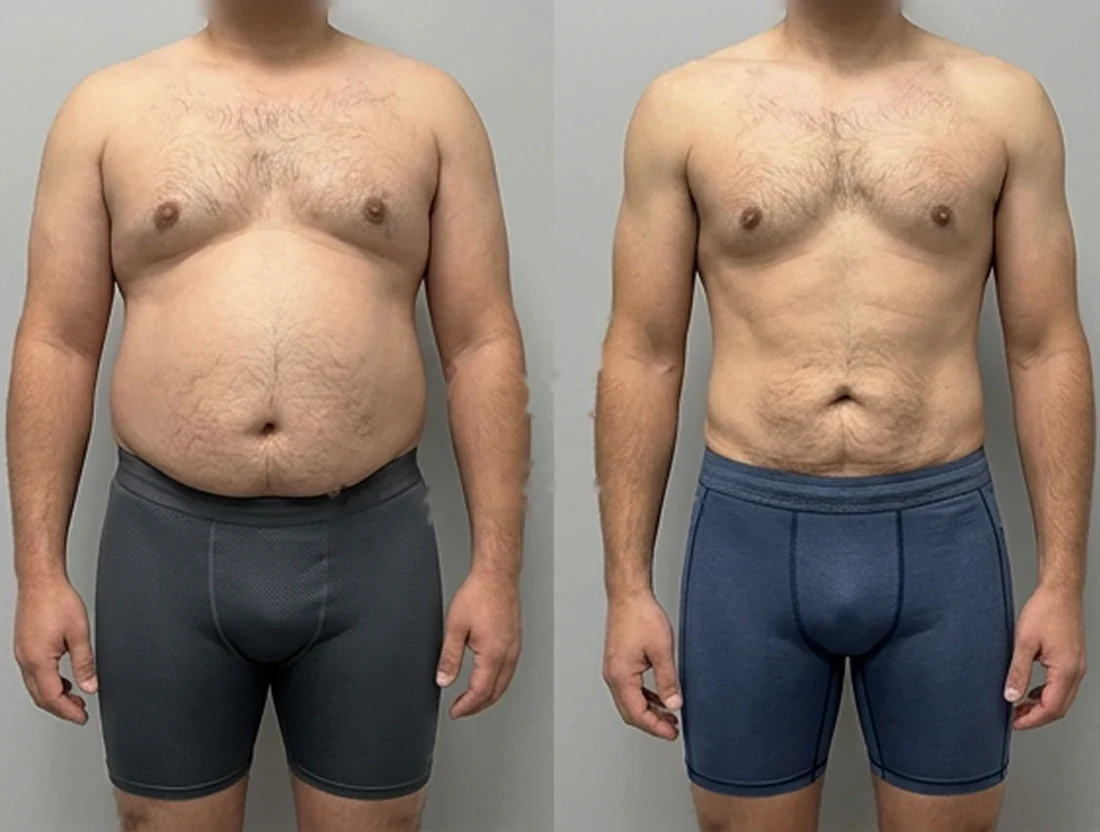
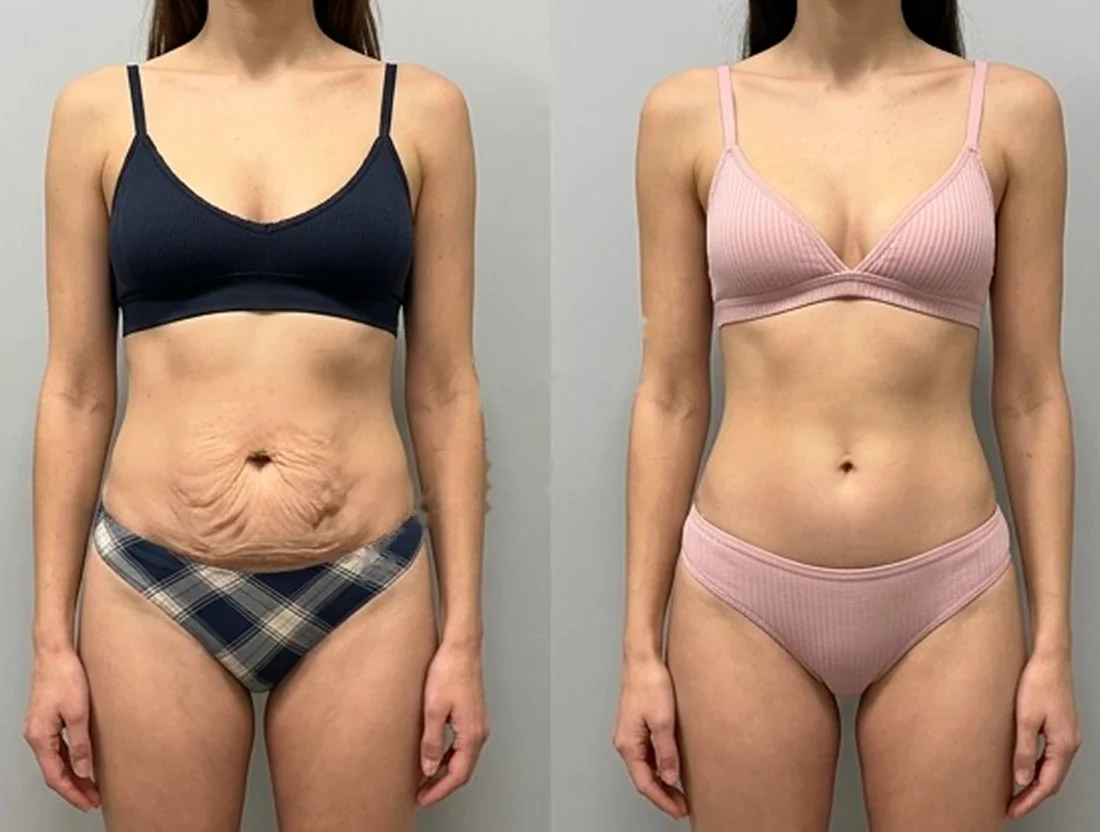
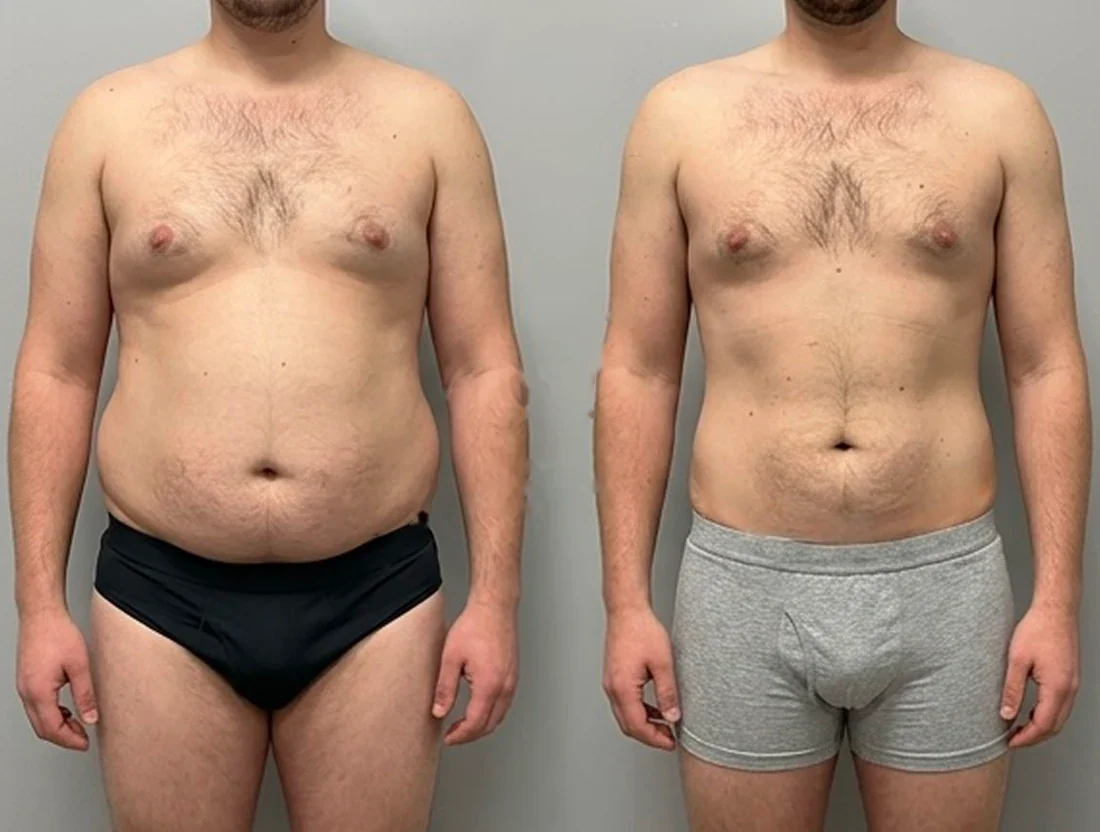
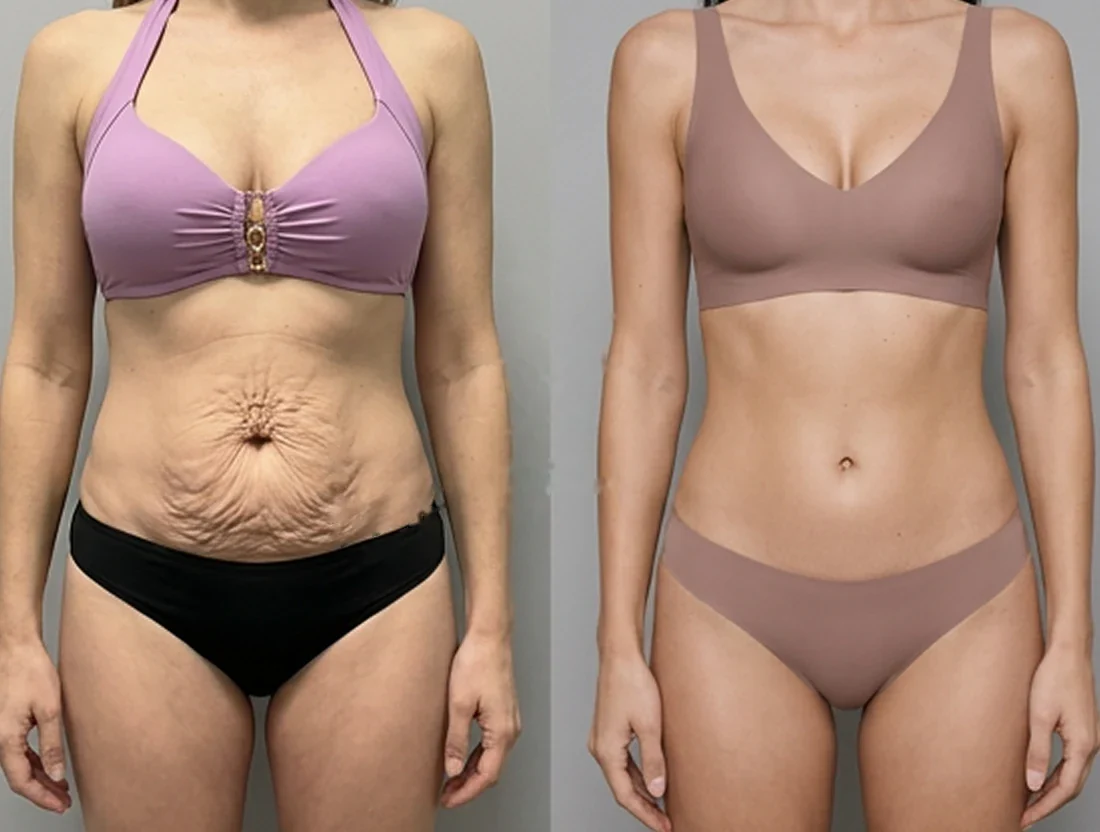
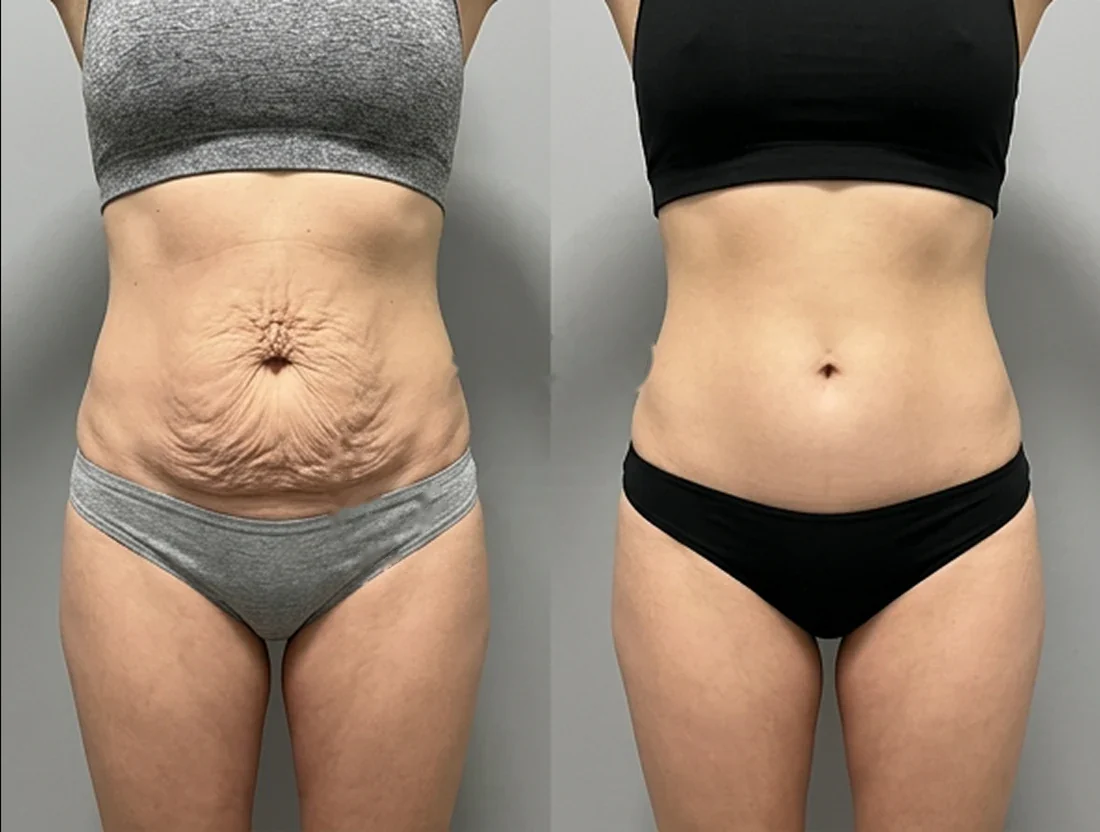
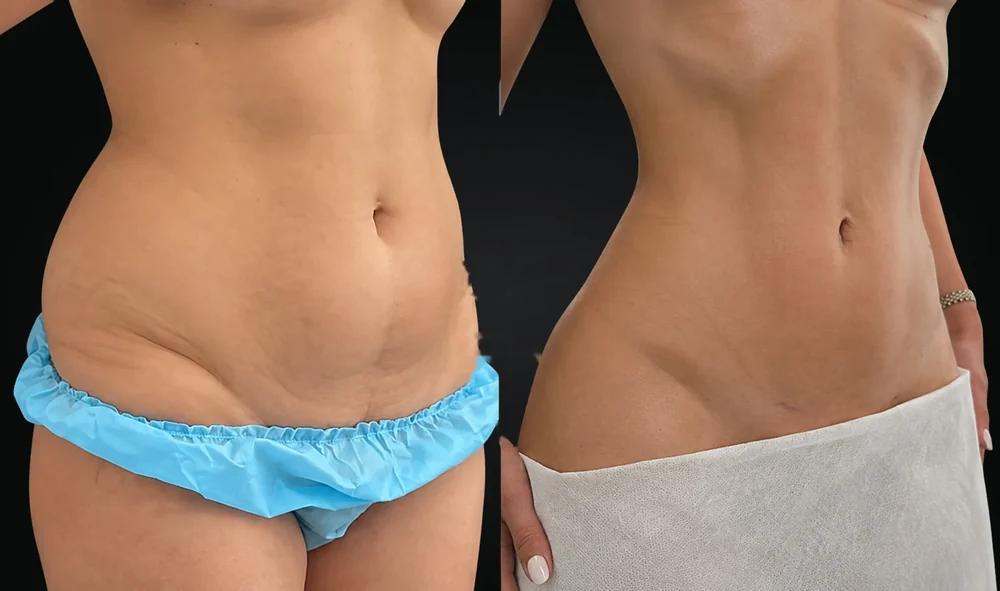
Tummy tuck: a patient's abdomen before and after surgery before after
A flat tummy and a toned silhouette in one operation. Your individual surgical plan and the expected result are discussed at the consultation

Message our coordinator

Free online consultation · Reply within 15 minutes

Message us on Telegram

By messaging us, you agree to our Privacy Policy

Tummy tuck (abdominoplasty) in Munster: price and key facts

Tummy tuck for patients from Munster at City Medical Centre: the price is named at the free online consultation and fixed in the contract with no hidden extra charges.

Duration
2–4 hours
Anesthesia
general
Stay
1–3 days
Recovery
back to work after 2–3 weeks
Final result
6–12 months after surgery
How it works
Send photos on WhatsApp or Telegram, get a free doctor assessment and the price, then confirm the plan and dates before anything is booked.

How it works · Tummy tuck prices

Information current as of 24 October 2026

Free online consultation on WhatsApp and Telegram

Results

Tummy tuck (abdominoplasty) results
of our patients

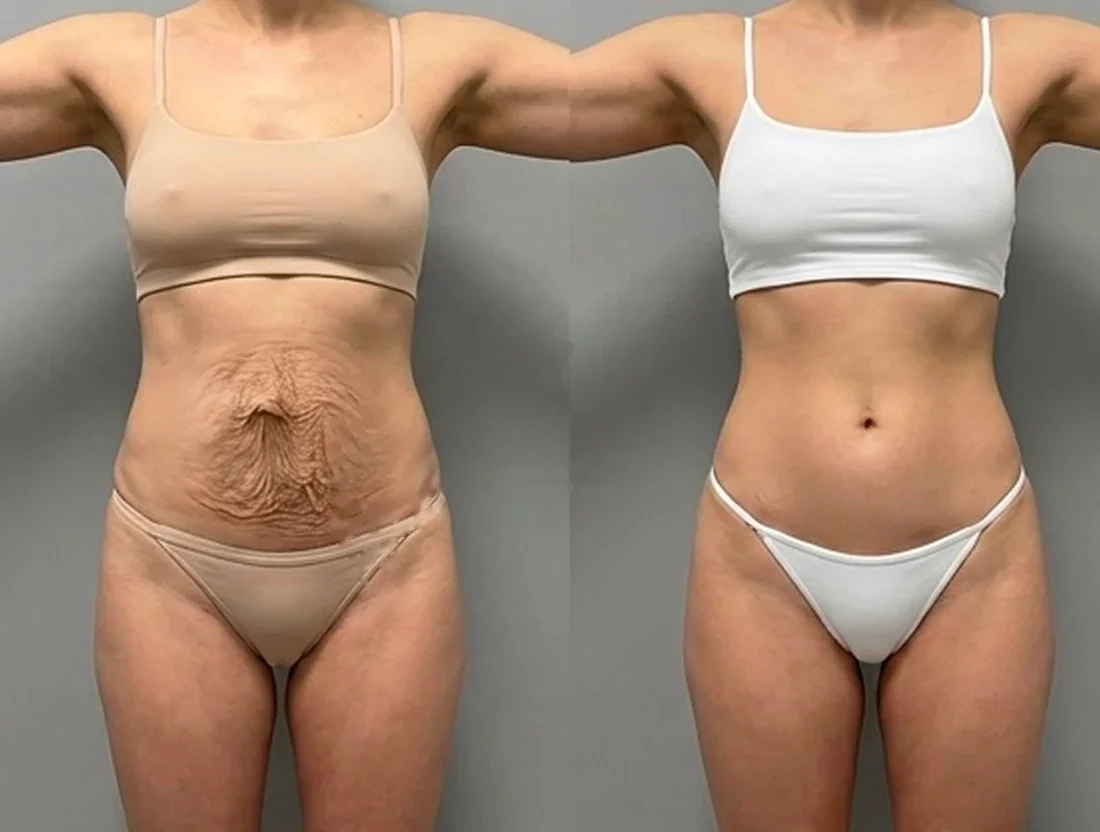
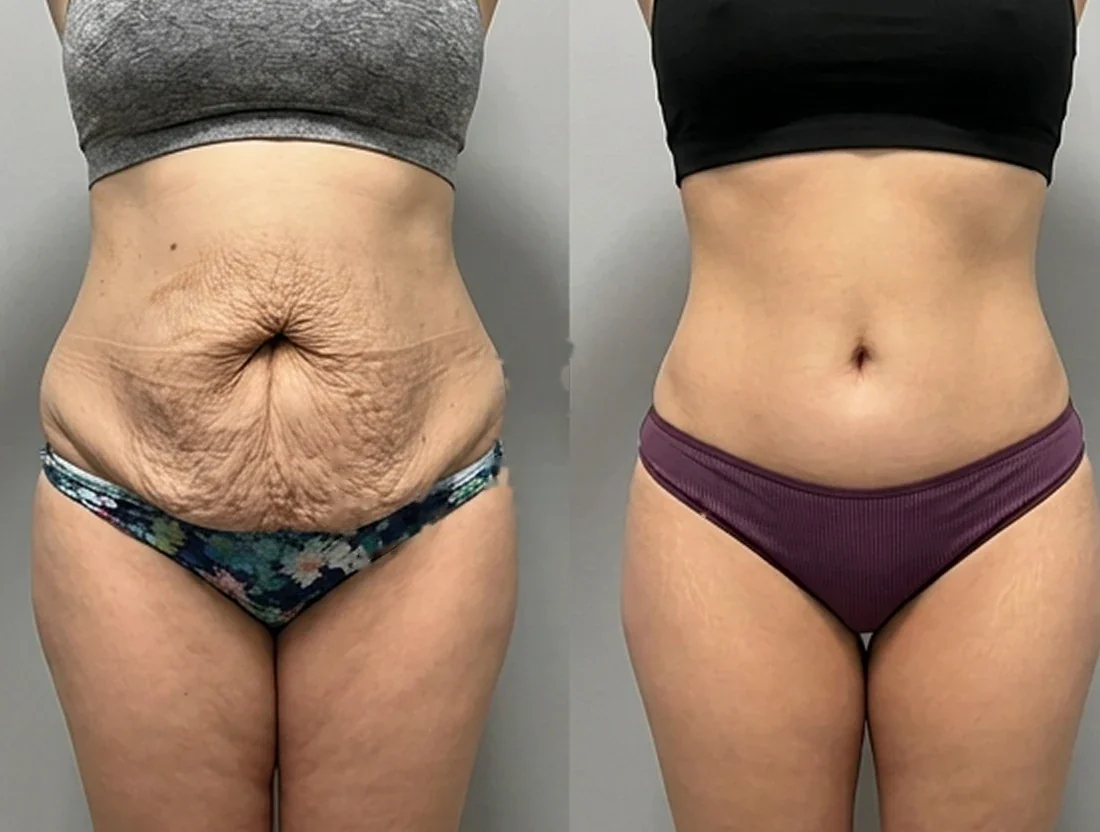
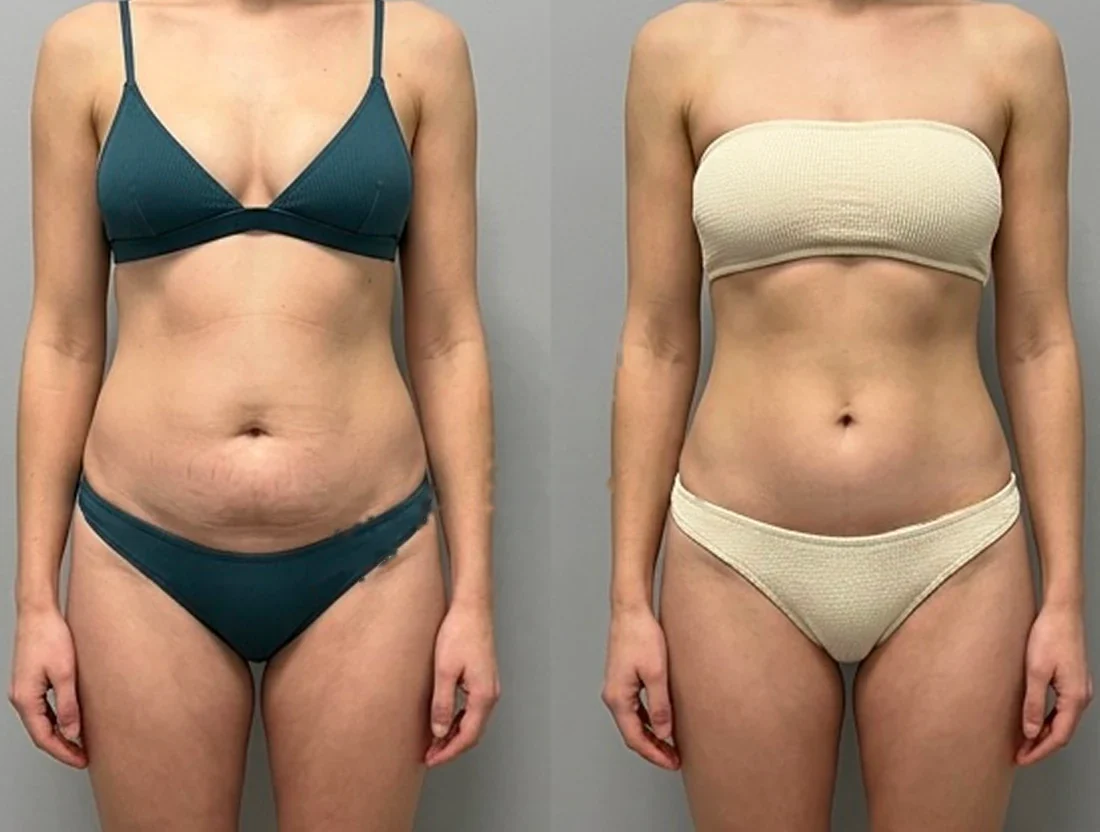
All cases are real patients. Faces and identifying details are hidden.

Tummy tuck: a female patient's abdomen before and after surgerybeforeafter
Tummy tuck: a male patient's abdomen before and after surgerybeforeafter
Tummy tuck: a female patient's abdomen before and after surgerybeforeafter
Tummy tuck: a male patient's abdomen before and after surgerybeforeafter
Tummy tuck: a female patient's abdomen before and after surgerybeforeafter
1 of 8

Comparison

Tummy tuck techniques

A tummy tuck is done as a full (classic) or mini operation, or combined with liposuction as lipoabdominoplasty. Compare the scope of surgery, the indications and the expected results to choose the right technique together with your surgeon.

Tummy tuck

Removal of excess skin, abdominal muscle tightening
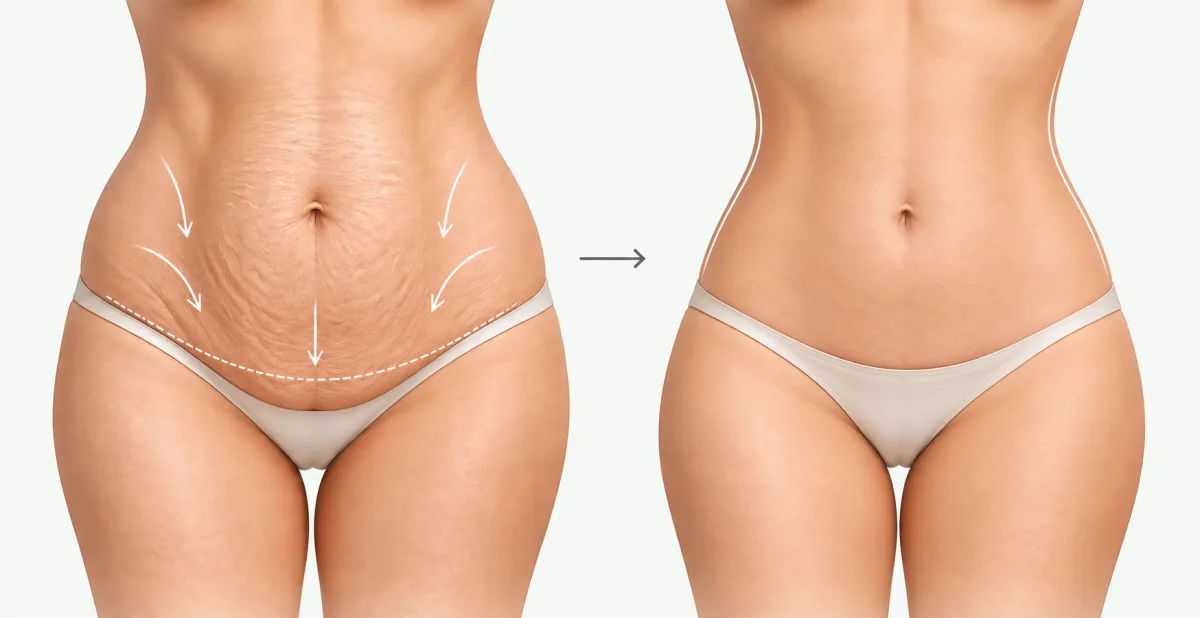
Tummy tuck diagram: the abdomen before surgery with the incision line, and the result
Main goal
Removal of excess skin, diastasis repair
When it is done
Excess skin after childbirth or weight loss
Anaesthesia and stay
General anaesthesia, up to 3 days in hospital

Lipoabdominoplasty

Tummy tuck with added liposuction
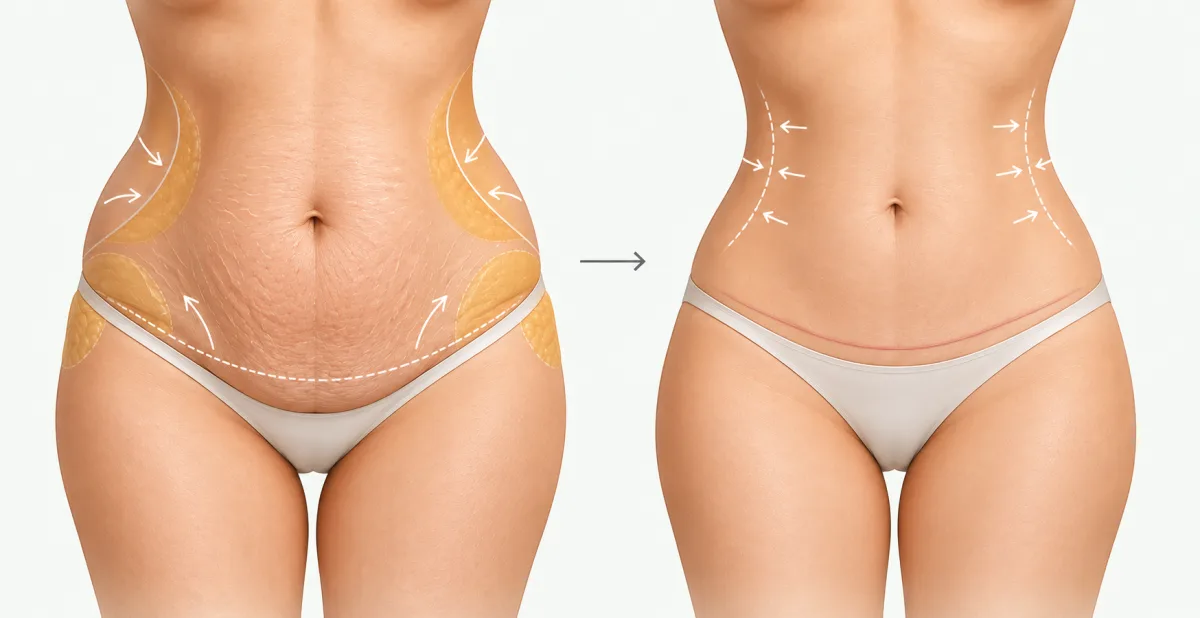
Lipoabdominoplasty diagram: the abdomen with fat on the flanks before surgery, and the result
Main goal
Tummy tightening and waist contouring
When it is done
For fat deposits on the flanks and waist
Anaesthesia and stay
General anaesthesia, up to 3 days in hospital

The benefits and recovery times shown are averaged for each technique and given for guidance: the scope of correction and rehabilitation depend on your anatomy and individual features, and the surgeon confirms them at the consultation.

At the consultation the surgeon draws up a plan for your case and explains how your tummy tuck will go.

Free, before surgery and with no obligation.

Book a consultation

Tummy tuck from the inside

About the clinic

A clinic where you can feel at ease

Modern equipment, comfortable rooms and care for every patient

A doctor and a patient in a clinic ward

Contact us the way that suits you

We will answer your questions and find a convenient time for a consultation

By messaging us, you agree to our Privacy Policy

A tummy tuck is not for everyone

If your case can be solved without surgery, the doctor will tell you so at the consultation — and you will not spend money for nothing.

Suitable

A surgeon shows a patient on a model and a monitor how the abdominal contour changes after a tummy tuck
  • Rectus abdominis diastasis
  • Skin folds after weight loss
  • Loose abdominal skin
  • Stretched skin after pregnancy
  • A distorted abdominal contour

Not suitable

A surgeon discusses the indications and contraindications for a tummy tuck with a patient
  • Acute infections
  • Severe heart, kidney or liver disease
  • Disorders of blood clotting
  • Age under 18
  • Decompensated diabetes
  • Cancer
  • Skin inflammation in the surgical area
  • Currently pregnant or breastfeeding

Not sure the surgery is right for you?

Message us — the coordinator will ask for your photos in the messenger, and the surgeon will tell you whether a tummy tuck suits you. No surgery booking needed.

Find out if it suits me

A surgeon goes through a tummy tuck diagram with a patient at the consultation

Prices

You know the price
before surgery

The price is set at the consultation and fixed in the contract.

Other services

  • First consultationFree
  • Liposuction of the abdomen and flanksfrom $1,700
Book a consultation

Find out your tummy tuck plan and price

The surgeon assesses your abdominal skin and muscles, listens to your wishes and chooses the right correction technique.
The price is set at the consultation and fixed in the contract.
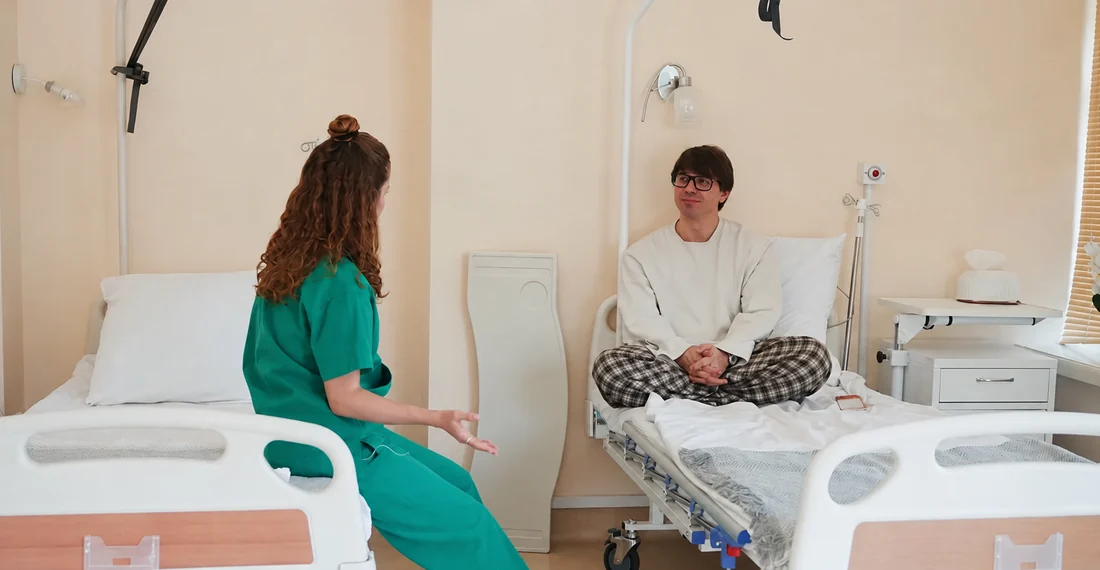
A nurse talks to a patient in a clinic ward

Message our coordinator

Free online consultation · Reply within 15 minutes

Message us on Telegram

By messaging us, you agree to our Privacy Policy
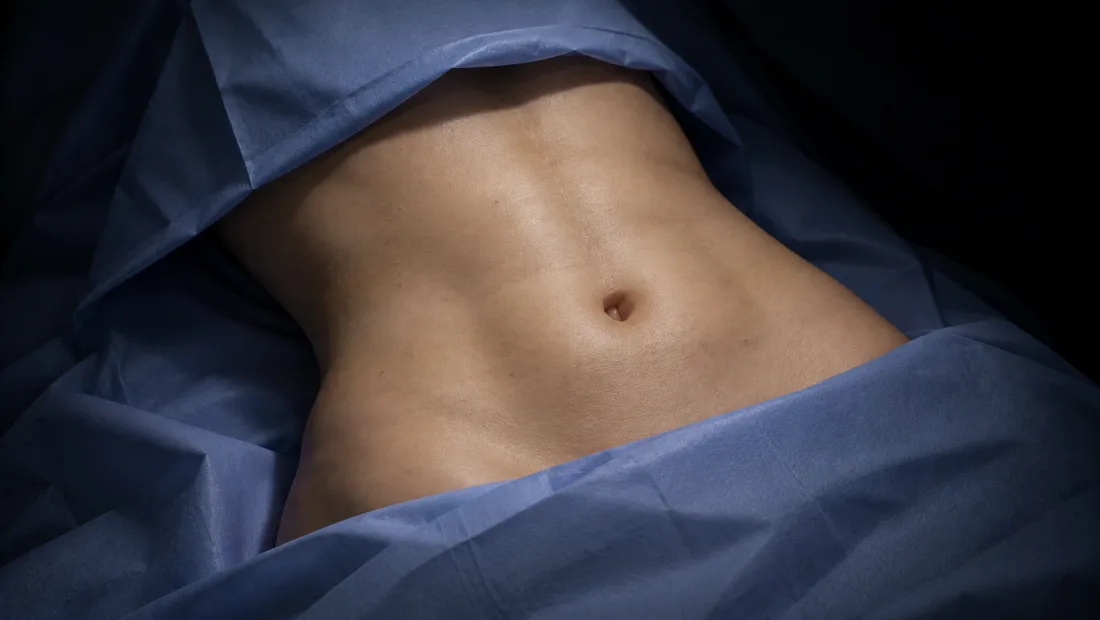
A patient's abdomen before a tummy tuck in the operating room

all inclusive

What the price includes

From preparation for surgery
to post-op check-ups.

  • All scheduled dressings
  • Scheduled post-op check-ups
  • A personal coordinator on call
  • Compression garments fitted on the day of surgery
  • A stay in a comfortable
    hospital ward with meals
  • Individual recommendations
    for recovery
  • Remote progress monitoring
    by photos

How it works

Three days at the clinic —
from preparation to discharge

An agreed correction plan, inpatient observation and post-op check-ups.

A doctor shows a patient a tummy tuck diagram on a monitor1

Consultation
and the surgical plan

The surgeon assesses your abdominal skin and muscles and checks for diastasis, listens to your wishes and chooses the right correction technique.

Paying the deposit by card at the clinic reception2

Booking the date
of surgery

We reserve a surgery date for you: the deposit can be paid by card at the clinic or online by bank transfer. The terms are fixed in the contract for medical services

A blood sample tube for tests before a tummy tuck3

Check-up before
surgery

Before surgery you complete a full lab check-up: blood tests, an ECG, a chest X-ray and reports from the required specialists.

The surgical team during the operation4

Surgery

The surgeon performs the tummy tuck with the chosen technique, repairs diastasis if needed and shapes a firmer abdominal contour.

A hospital ward at the clinic5

Inpatient stay

After surgery the patient stays for 1–3 days in a comfortable hospital ward with meals, under medical supervision.

A surgeon and a patient in the ward during recovery6

Recovery

After surgery you get a recovery programme. Check-ups at 7 days, 3 and 6 months help track your recovery.
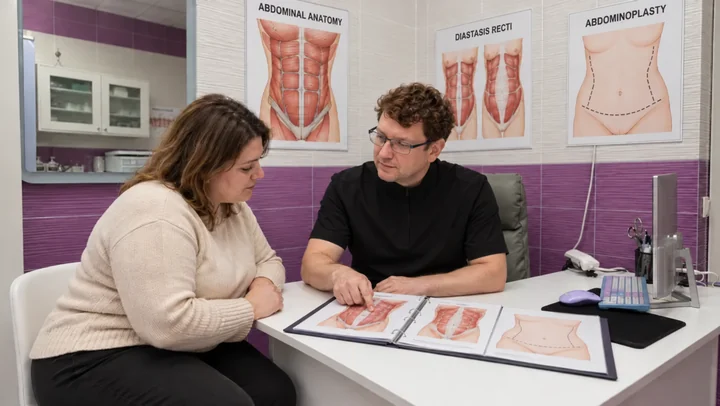
Book a free consultation — the surgeon will plan every step with you.

A doctor discusses the tummy tuck plan with a patient
Book a consultation
A doctor discusses the tummy tuck plan with a patient

How it really happens

Recovery after a tummy tuck

The patient remains in hospital under medical supervision for 1–3 days right after surgery. Drains are usually taken out after two days and stitches after 7 days. A compression binder, worn for 1.5–2 months, supports the abdominal wall and shapes a smooth contour. Within 30 days most swelling goes; after 2–3 weeks you can return to office work. Sports, sauna and heavy lifting are not allowed for 2–3 months, and sleeping on your back with knees bent is recommended at first. By 12 months the scar has matured fully: it fades and is hardly visible.

Post-op check-ups

After 7 days, at 3 months and at 6 months. Until the end of the year, get a post-surgery consultation with your surgeon to review results and get more information, at the clinic's expense

Advantages

Why patients choose City Medical Centre

A surgeon discusses the tummy tuck plan with a patient at the consultation

Just find out — you lose nothing

At the consultation we discuss your wishes and assess your abdominal skin and muscles. The surgeon explains what changes are possible, chooses the correction technique and answers your questions.

A surgeon on a video call with a patient after surgery

We stay with you after surgery

The surgeon follows your recovery and the changing abdominal contour at check-ups after 7 days, 3 and 6 months. Check-ups, dressings and aftercare advice are already included in the price of surgery.

A surgeon shows a patient a model and tummy tuck diagrams

A beautiful contour that fits your figure

We choose the correction technique based on your skin, muscles and figure. Our aim is a harmonious abdominal contour that keeps the natural proportions of your body.

A patient writes down a convenient visit time in her planner

Your schedule is our priority

We respect your time: we work 24/7, with easy booking and a personal approach — we adapt to your pace.
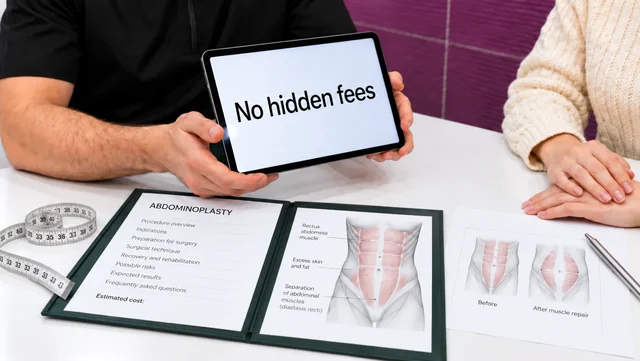
A surgeon shows a patient the fixed price of surgery with no extra charges

Fixed prices

After the consultation the surgeon defines the extent of correction, and you get a clear price for the surgery — no surprises on the way to the result you want.

A surgeon visits a patient in the hospital ward after surgery

Round-the-clock care after surgery

Recovery starts in a comfortable hospital ward under round-the-clock nursing care. The stay and meals are already included in the price.

FAQ

We answer what
people ask before booking

Tummy tuck in Munster: from consultation to result

A tummy tuck, or abdominoplasty, is surgical tightening of the front abdominal wall that removes excess stretched skin and fat. It is not a weight-loss method and does not replace diet or exercise. For patients from Munster, the goal is a flat abdominal contour: removing the overhanging skin-and-fat apron, repairing separated rectus muscles and, where needed, creating a new navel.

Pre-surgery tests should be completed in advance, not the day before. The surgeon gives the exact list at the consultation, and results are usually valid for 10–14 days. Seven to ten days before the operation, stop smoking, alcohol and medicines that affect blood clotting. Anyone in Munster preparing for a tummy tuck also sees a GP and an anaesthetist before the surgery date.

If you are comparing tummy tuck options in Munster, look at more than the operation itself. Here the approach includes hormone screening before surgery, tests at the clinic with no waiting, a hospital stay under medical supervision and surgeon support until the result. The cost is calculated after a free consultation and fixed in the contract. Leave a request to arrange yours.

Stories of well-known people

Well-known people who spoke openly about this operation, in their own words.

All stories about this operation →

The first weeks: what happens to your core and how to treat it

A tummy tuck works on the part of the body you use for almost every movement. You sit up in bed with it, lean over a sink with it, laugh and cough with it. That is why recovery planning in Münster should start with a simple picture of the timeline, not with the day of the operation. The operation takes 2–4 hours under general anaesthesia. After it the patient stays in hospital for 1–3 days under medical supervision, and for a mini tummy tuck one day is usually enough. Drains are normally removed after two days and stitches after 7 days. From the first morning the aim is to move calmly and avoid anything that pulls on the abdominal wall.

In the first 2–3 weeks physical exertion, heavy lifting and sudden movements are not allowed. In practice this means no jerking a suitcase off a shelf, no pulling a stuck window open, and no sprinting for a door. Many patients say the first days feel like tightness and soreness, which the doctor treats with prescribed painkillers. The discomfort noticeably eases by the end of the first week. Sleeping on your back with the knees bent is advised at first, because it takes tension off the lower incision. A wedge of pillows under the knees is usually enough, and it is worth arranging the bed before you go into hospital rather than after you return.

Münster's geography makes the early walking phase fairly gentle. The city centre lies at about 60 m above sea level, the highest point is 99.8 m on the Vorbergshügel and the lowest is 38.6 m on the Ems, so there is no serious climbing in everyday routes. Short, slow walks along the Münstersche Aa or around the Aasee, the reservoir created by damming the Aa in the 1930s, fit well into the first weeks. The point is gentle movement, not distance. The coordinator can help you decide how long each walk should be at each stage. The doctor sees your progress through the photos you send and at the scheduled check-ups after 7 days, 3 months and 6 months.

Most of the swelling goes within 30 days, but the abdominal wall keeps adapting for much longer. Swelling and tightness pass by 1.5–2 months. Sports, sauna and heavy lifting stay off-limits for 2–3 months, and sport resumes gradually and only with the doctor's approval. The final contours are assessed at 6–12 months, once the tissues have fully adapted. Plan for this long tail. Feeling well at three weeks is a good sign, but it is not permission to return to everything.

The consultation itself is online. You send photos on WhatsApp or Telegram, a doctor assesses the abdominal skin and muscles, and the coordinator names the price and agrees dates with you before anything is booked. If the doctor sees a case that can be solved without an operation, you will be told so. The same doctor also looks at whether the problem is skin only, muscle separation (diastasis), or both. That decides whether a mini tummy tuck, a classic one or lipoabdominoplasty is discussed. Each option has a different incision length and a different recovery load, so it is worth settling this before you plan your calendar.

Sick leave, lifting and the working week

The service text gives office work as possible after 2–3 weeks. That is the starting figure for a plan, not the whole plan. A desk job and a job that involves carrying, pushing or standing all day are very different. For a desk job you will still want a supportive chair and a short walk every so often, and you will wear a compression binder under your clothes. For anything physical, ask the doctor during the online consultation what you can reasonably hand over. Heavy lifting stays off the list for 2–3 months, and a conversation with your employer about temporary changes is better held before the operation than after.

Münster is a city with a large student population. The German article gives 65,000 students for 2018, and the university alone had 41,217 students in the winter semester 2025/26. For a student, a research assistant or an administrator, the working week often means a bag of books or a laptop on one shoulder. During the early weeks it is worth carrying only what you need. Use a backpack worn high and light, or leave heavy items at home. Sitting through lectures or seminars is an office-type activity, so the 2–3 week figure is a reasonable reference. Even so, long sitting is uncomfortable at first, and it helps to stand and walk between sessions.

The money side matters here, and it is worth being clear about it. In Germany the statutory health insurance (GKV) does not pay for cosmetic procedures done at the patient's request. The patient bears the whole cost, including lost income. The German article on cosmetic surgery also notes that after a medically not indicated procedure, insured persons must share in the costs of resulting complications, including sick pay. Insurers may restrict or refuse benefits under § 52 SGB V, and there is no entitlement to continued wage payment in that case. This is general background, not advice on your policy. Roughly 92% of the German population is covered by statutory insurance, and about 88% of the working population is insured through statutory funds and about 11% privately. That means almost everyone reading this is in one of two systems. Ask your own insurer, in writing, how it treats an elective procedure and any follow-up.

In practical terms, the safest plan is to treat the recovery weeks as time you will arrange yourself. That can mean annual leave, a flexible agreement with your employer, or remote work for the days when the doctor allows it. It is much easier to ask for this early. If you have to restructure a team's schedule at short notice, a tummy tuck gets more stressful, not less. The coordinator is available round the clock on WhatsApp and Telegram, so a question about whether a certain work task is acceptable can be asked at the moment it arises rather than saved up for the next check-up.

Some patients arrive at this operation after a large weight loss. Bariatric surgery is not part of the regular benefit catalogue of the GKV but can be applied for in individual cases. The conditions are proof that conservative methods were exhausted over 6 to 12 months in a multimodal concept, and an assessment by the Medizinischer Dienst. Whatever you did to lose weight, a tummy tuck to remove the excess skin afterwards is a separate decision. The doctor will ask how stable your weight is, because surgery is done at a stable weight, and if it is still changing the advice is to see a dietitian or endocrinologist first.

Family life while your abdomen heals

Family routines are the part that surprises people most. A small child wants to be picked up, a toddler climbs onto your lap, a school-age child leaps into a hug. All of that loads the abdominal wall. In the first 2–3 weeks, heavy lifting and sudden movements are not allowed, and for 2–3 months heavy lifting remains off-limits. A child is often heavier than people think, and the movement of lifting from the floor combines bending and twisting. The plan that works best is to say it plainly to your family: for a defined period you sit down and the child climbs up to you, instead of you bending to the child.

A spouse or another adult at home is the most useful resource in the first days. Ask them to take over the shopping, the laundry basket, the vacuum cleaner and anything stored on low shelves. You do not need to hand over everything. The point is to remove the tasks that need deep bending, reaching or pulling. If you live alone, the same list can be handed to a friend or relative for a few days around discharge. A personal coordinator remains on call, and the price includes check-ups, dressings and aftercare advice, but nothing replaces a pair of hands for carrying a bag of groceries up the stairs.

Pregnancy needs its own sentence. A pregnancy after a tummy tuck is possible, but it stretches the repaired muscles, so surgery is planned once the family is complete. The order matters: childbirth first, then surgery. If you are still unsure about more children, that is a legitimate reason to wait, and the doctor will respect it. The same goes for breastfeeding: pregnancy and nursing are on the list of cases where a tummy tuck is not suitable. Anyone planning the operation around family life should say so at the first message.

The rhythm of a family also includes sleep. For the early period, sleeping on your back with the knees bent is advised, and that can be difficult if a child regularly climbs into your bed. Agree in advance on a rule for those nights, and make sure the child understands that Mum or Dad has a sore tummy. The compression binder, worn for 1.5–2 months, also changes how a hug feels. It is firm, and young children sometimes notice. Explaining it in simple words, "this belt helps my tummy heal", is enough.

Family life in Münster often runs on two wheels. The city claims to be the bicycle capital of Germany, and the English article gives bicycle traffic 37.6% against 36.4% for vehicle traffic in 2007. School runs and shopping by bike are normal here. After a tummy tuck, that routine needs a pause. Cycling puts load on the core, and sport resumes gradually and only with the doctor's approval. Ask directly about short, slow rides on flat ground, rather than assuming. Until you have the answer, a spouse on the bike, a taxi, or a walk to the nearest stop is the safer arrangement.

Compression, scars and the light of Münster

A compression binder is worn for 1.5–2 months. It supports the abdominal wall and helps shape a smooth contour. The service text also mentions another 4–8 weeks in compression garments in one place, so the exact schedule is confirmed by the doctor at the consultation. Compression garments are fitted on the day of surgery and are included in the price. For the practical side, buy or borrow loose, soft clothing in advance. High-waisted trousers with no hard seam across the lower belly, wide skirts and long cotton tops tend to be more comfortable than anything fitted. Having two sets of undergarments or binder liners lets you wash one while wearing the other.

Humidity is something people rarely think about. The German article puts relative humidity at an annual average of 78.6%, and 85–86% from November to January. Under a compression binder, damp air and a warm body can irritate the skin, especially around the incision. Keep the dressings dry and follow the doctor's instructions on washing. In a damp winter month it is worth checking the skin under the binder daily, and sending a photo through WhatsApp or Telegram if something looks different. Remote progress monitoring by photos is part of the package, so you do not need to wait for the next scheduled check.

The scar deserves honest words. A classic tummy tuck leaves an incision across the lower abdomen from hip to hip, below the underwear or swimsuit line. A mini tummy tuck leaves a much shorter one. The scar is not hidden by magic: removing excess skin always has that price. By 12 months the scar is fully mature, and it fades and thins, becoming barely noticeable. During the months before that, it changes colour and texture, which is normal. If you compare it with a photo from a friend at two months, you will see a different stage, not a different result.

Sun exposure is the other side of the scar question. Münster's sunshine averages 4.1 hours a day over the year, with 6.6 hours in May and 6.3 hours from June to August, against 1.3 hours in December, and about 1,598 sunshine hours per year in the long-term figure. Those summer values are modest compared with sunnier regions, but they are enough for a fresh scar if it is uncovered at the Aasee or in a garden. Tanning beds are on the list of things to avoid for at least a month, and sauna, steam bath and pool are as well. A swimsuit that covers the lower abdomen and a habit of keeping the scar out of direct sun are sensible. For specific products or timing, ask the doctor, and do not rely on general advice.

Rain is part of the picture too. The 2015–2020 table gives annual precipitation of 672 mm with 183 rainy days, and a longer-term figure of about 735.7 mm. That is a lot of days when a compression binder, a coat and a dry route matter. A short walk is easier to take when you have a hooded jacket you can put on without raising your arms sharply. Choose one that opens at the front and does not need to be pulled over the head. Small adjustments of this kind help more than any single product.

Choosing the season: what the calendar of Münster suggests

There is no single right month for a tummy tuck, but the city's climate and calendar give a few useful hints. Winter in Münster is cold and damp. The mean daily maximum in January is 5.7 °C and the minimum 0.4 °C, February's minimum is 0.7 °C, and humidity is 85–86% from November to January. Daylight is short, with 1.3 hours of sunshine in December. For some patients that is an advantage: you stay indoors, you wear layers over the binder without anyone noticing, and you have no temptation to expose a fresh scar. For others it means short days, slippery pavements and a low mood during a slow recovery. If you know that dark months affect you, factor it in.

Summer is the opposite case. July is the warmest month, with a mean daily maximum of 25.3 °C, August 24.3 °C and June 23.4 °C. The annual mean maximum is 15.4 °C (DWD 2015–2020). These are comfortable temperatures, not extreme ones, but a compression binder under summer clothes can feel warm, and the scar must stay out of the sun. A patient who likes swimming should remember that the pool is off the list for at least a month and sport for 2–3 months. If the summer plan is built around the water, the operation is better placed after it. Spring and early autumn sit in between. May is among the driest months at 33 mm and April at 34 mm, and May also has 6.6 hours of sunshine on average.

The city calendar adds a layer. The Send fair takes place three times a year: in spring during Lent, in summer in June and in autumn in October. It draws more than one million visitors per year. For someone recovering, crowds mean jostling, and jostling is exactly what the abdominal wall does not need in the first weeks. If you plan the operation for a time close to one of those dates, decide beforehand whether you will skip the fair or stay at its edge. The same logic applies to the university semester. With so many students, the start and end of the semester change how busy streets, trams and shops are. Choose a quieter stretch for the first outings.

The final result is judged at 6–12 months, and the scar matures by 12 months. That is a reason to think in a full year, not a single season. If the operation is in autumn, the first summer after it will fall inside the scar's maturing period, so sun protection remains relevant. If it is in spring, the summer falls within the first three months, when sport and sauna are still off the list. Neither is wrong. What matters is that you know which activities you are giving up and for how long. The coordinator can lay out the dates with you on WhatsApp or Telegram, and you decide the date only after the plan is confirmed.

One more practical point is preparation. Smoking, alcohol and medicines affecting blood clotting are stopped 7–10 days before the operation. The pre-surgery check-up includes blood tests, an ECG, a chest X-ray, leg vein ultrasound and consultations with a GP and an anaesthetist, and tests are usually valid for 10–14 days. That means you need to schedule them in the right window, not months earlier. In a city with a busy health system it is wise to book appointments early. A 2010 Commonwealth Fund survey found that 70% of Germans reported waiting less than 1 month for elective surgery, which is a general indication of how the system works, not a promise about any particular appointment.

Does statutory health insurance in Germany pay for a tummy tuck done for cosmetic reasons?

In general, no. The German article on cosmetic surgery states that the statutory health insurance (GKV) does not pay for cosmetic procedures done at the patient's request, and the patient bears the full cost, including lost income. Health insurers cover treatment costs except in cosmetic surgery. If you believe your case has a medical element, ask your insurer in writing before deciding, and send the answer to the coordinator so the doctor can take it into account during the consultation.

Will I get sick pay if I have complications after a cosmetic operation?

The German sources describe a restrictive position. After a medically not indicated procedure, insured persons must share in the costs of resulting complications, including sick pay. Insurers may restrict or refuse benefits under § 52 SGB V, and there is no entitlement to continued wage payment in that case. This is general background and not a decision about your policy. Plan the recovery weeks with your employer in advance, and check with your insurer how it handles elective procedures.

Is Münster's winter or summer better for recovery after a tummy tuck?

Neither is better in every case. In January the mean daily maximum is 5.7 °C and humidity is 85–86%, which keeps you indoors and covers the compression binder, but the days are short, with 1.3 hours of sunshine in December. In July the mean daily maximum is 25.3 °C, which is comfortable but warm under a binder and brings sun exposure for the scar. Sauna, pool and tanning beds are off the list for at least a month. Choose according to your own habits and talk through the dates with the coordinator.

Can I keep cycling around the Promenade during recovery?

Not at first. The city claims to be the bicycle capital of Germany, and the Promenade is a bicycle-friendly ring around the centre, so cycling is a normal part of daily life. After a tummy tuck, physical exertion and sudden movements are not allowed in the first 2–3 weeks, and sport resumes gradually and only with the doctor's approval. Ask during the consultation when short, slow rides on flat ground might be acceptable. Until then use walking, a taxi or a lift from a family member.

How should I plan around the Send fair and the university semester?

Think about crowds and jostling in the first weeks, when sudden movements are not allowed. The Send fair takes place three times a year, in spring during Lent, in June and in October, and draws more than one million visitors per year. The university had 41,217 students in the winter semester 2025/26, so busy public spaces are common at the start and end of terms. Choose a date that leaves the first outings for a quieter stretch, and discuss your calendar with the coordinator.

How soon can I return to a desk job in Münster, and what about a physical job?

Office work resumes after 2–3 weeks, which is the figure from the medical text. Heavy lifting, sauna and sport stay off-limits for 2–3 months, so a physical job needs a separate plan. Describe your tasks to the doctor during the online consultation, and ask which can be handed over temporarily. A compression binder is worn for 1.5–2 months, and most swelling goes within 30 days. Speak to your employer before the operation, not after it.

I lost weight with the help of bariatric surgery. Does insurance cover removing the excess skin?

The sources provided do not say that it does. They state that bariatric surgery is not part of the regular benefit catalogue of the GKV but can be applied for in individual cases. The conditions are proof that conservative methods were exhausted over 6 to 12 months in a multimodal concept, and an assessment by the Medizinischer Dienst. For skin removal afterwards, ask your insurer directly. From the medical side, surgery is done at a stable weight, and the doctor will ask about your weight history during the consultation.

How do I protect the scar from the sun in a city with moderate sunshine?

Münster averages 4.1 hours of sunshine a day, with 6.6 hours in May and 6.3 hours from June to August. That is enough to matter for a fresh scar, which is fully mature only by 12 months. Tanning beds are on the list of things to avoid for at least a month. Keep the scar covered when you are outdoors, for example at the Aasee, and ask the doctor which products and clothing suit your stage of healing. You can send photos on WhatsApp or Telegram if the scar changes colour or looks irritated.