


























 beforeafter
SMAS facelift
50 years9 months
from €2,150 (≈ $2,400)
The price is fixed in the contract before surgery
Free online consultation · Reply within 15 minutes

Message our coordinator
Free online consultation · Reply within 15 minutes
Message us on TelegramMessage us on WhatsAppBy messaging us, you agree to our Privacy Policy
Facelift in Düsseldorf: price and key factsFacelift for patients from Düsseldorf at City Medical Centre starts at €2,150 (from $2,400). The first online consultation is free; the doctor names the final price and it is fixed in the contract.
How it works · Facelift prices
Information current as of 3 November 2026
Results
Facelift before and after photos of real patients of the clinic.
beforeafter50 years9 months
 beforeafter
58 years8 months
 beforeafter
34 years5 months
beforeafter32 years7 months
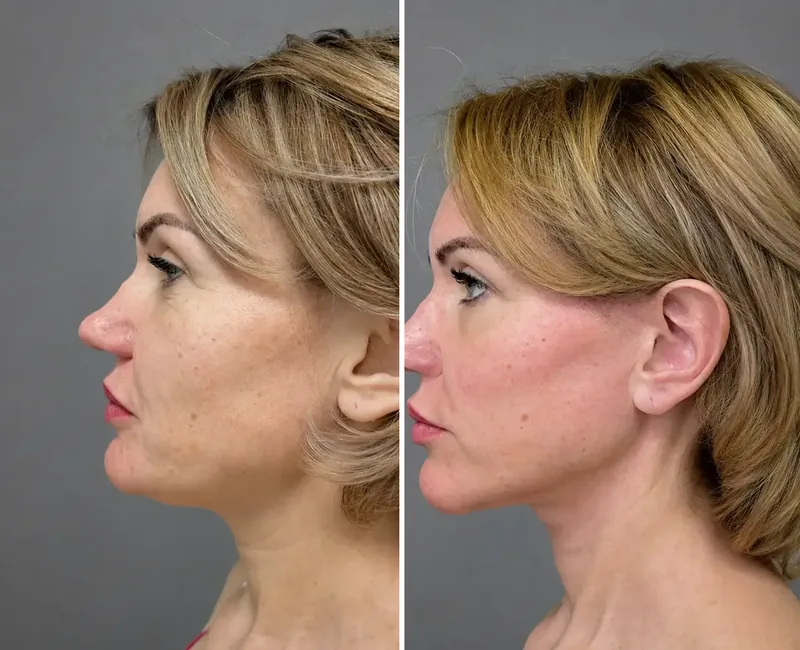 beforeafter
40 years6 months
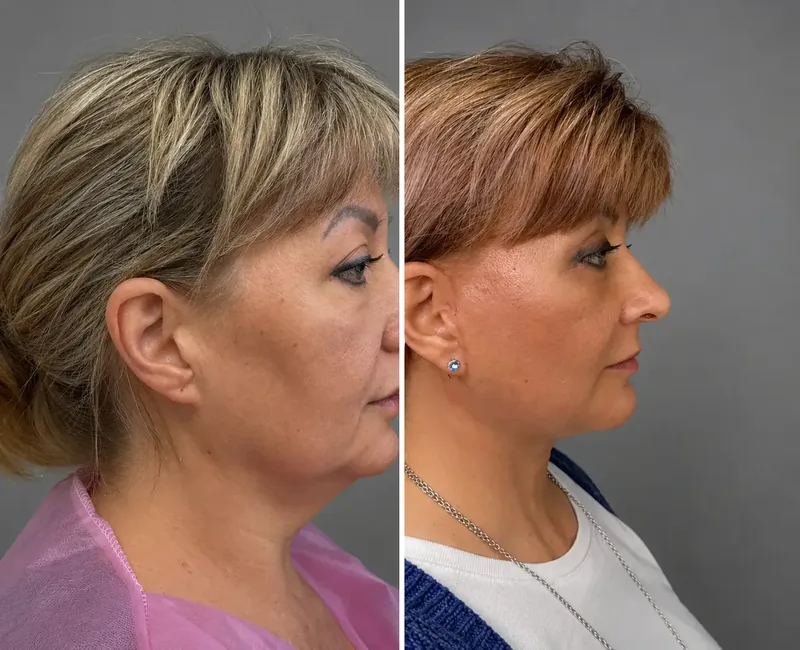 beforeafter
45 years8 months
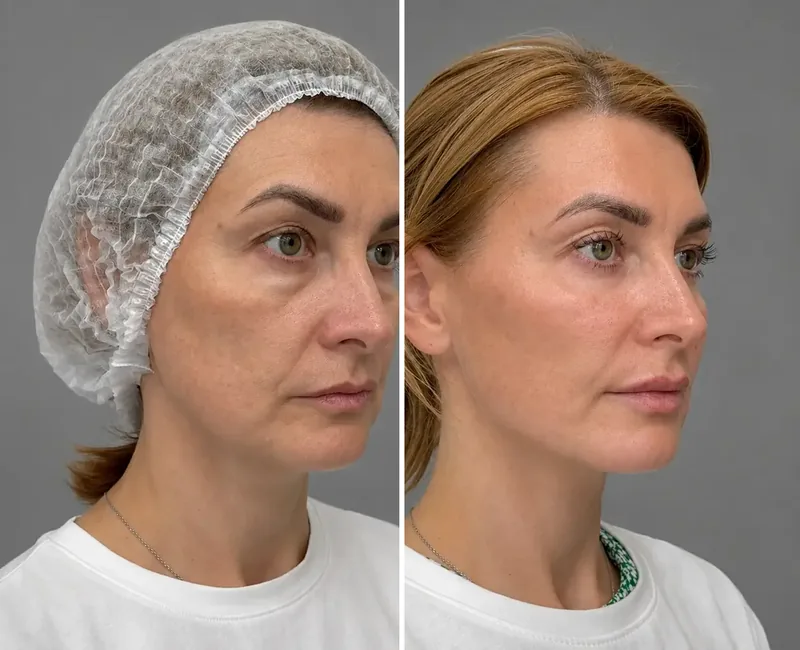 beforeafter
38 years5 months
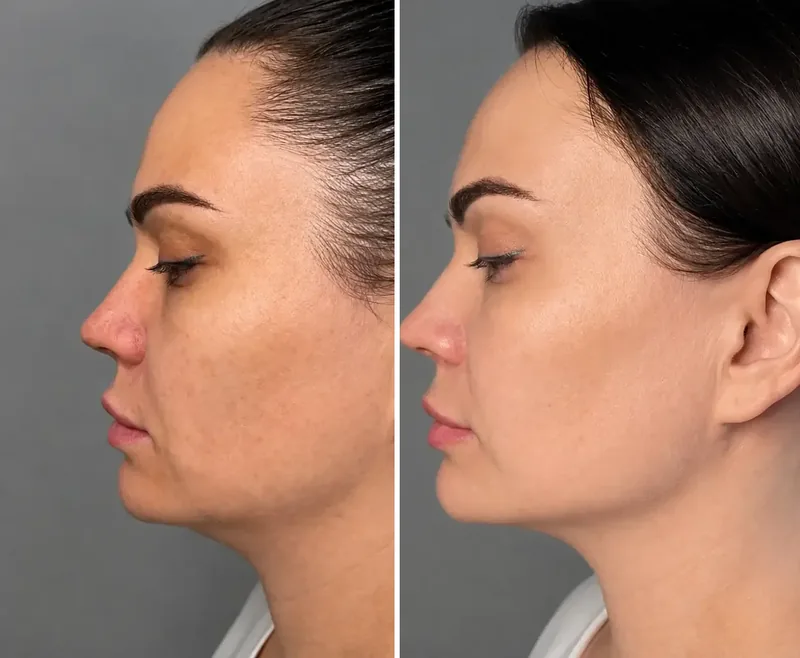 beforeafter
33 years6 months
Comparison
The scope of a SMAS facelift depends on your anatomy and how much correction is needed. Compare two options — the surgeon will help you choose the right one at the consultation.
Incisions hidden along the hairline and ears
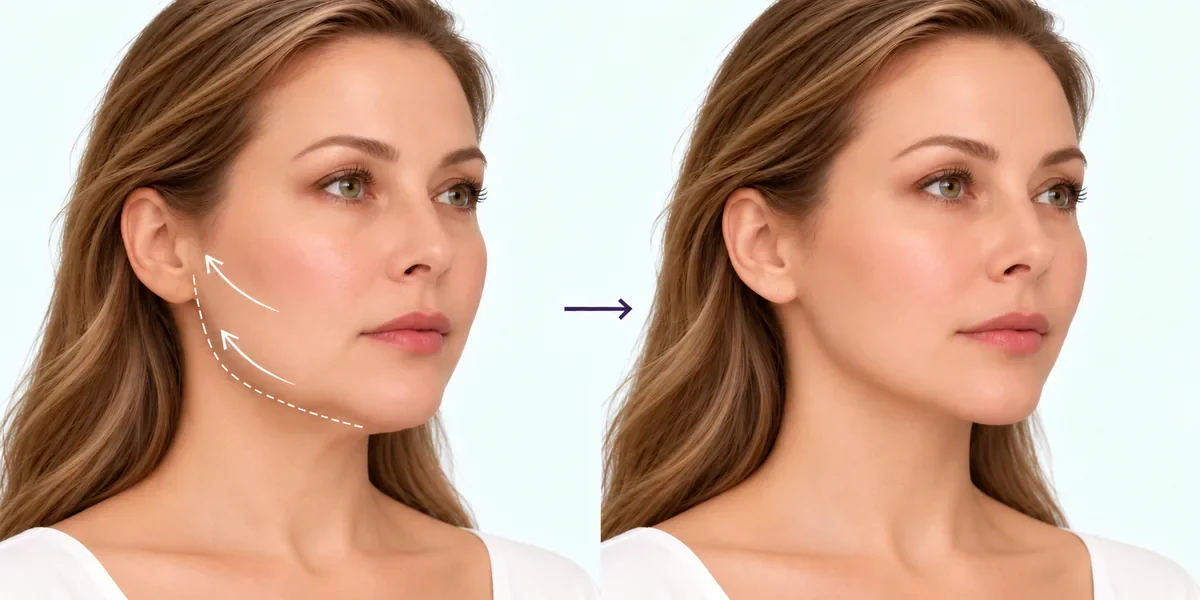
from $2,400
Focused on the lower face, chin and neck
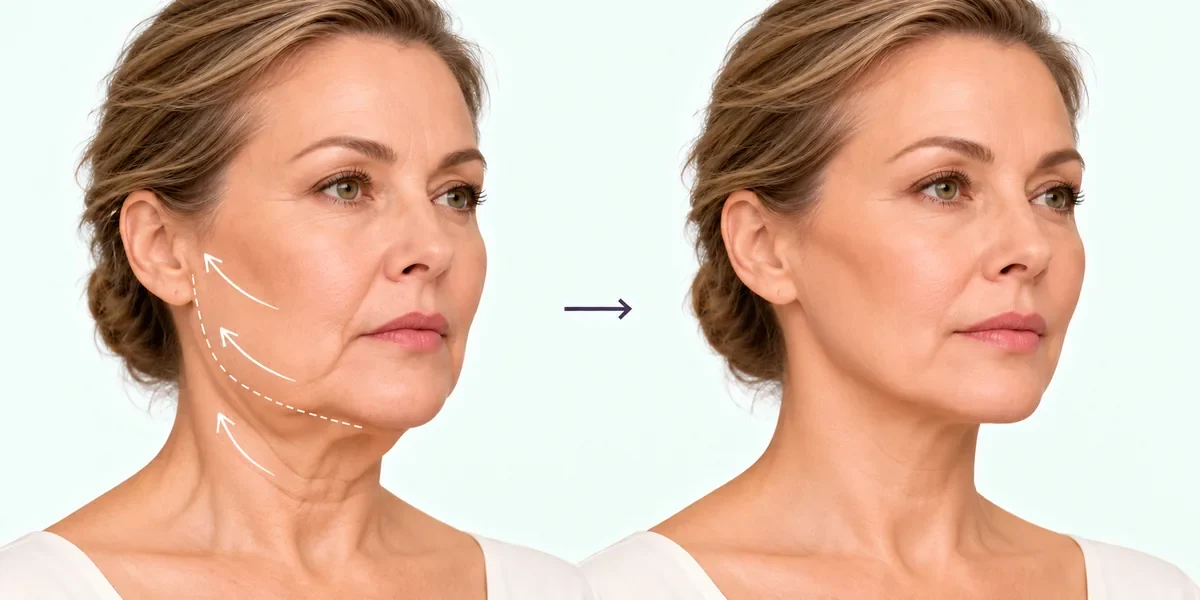
from $2,400
The benefits and recovery times shown are averaged for each technique and given for guidance: the scope of correction and rehabilitation depend on your anatomy and individual features, and the surgeon confirms them at the consultation.
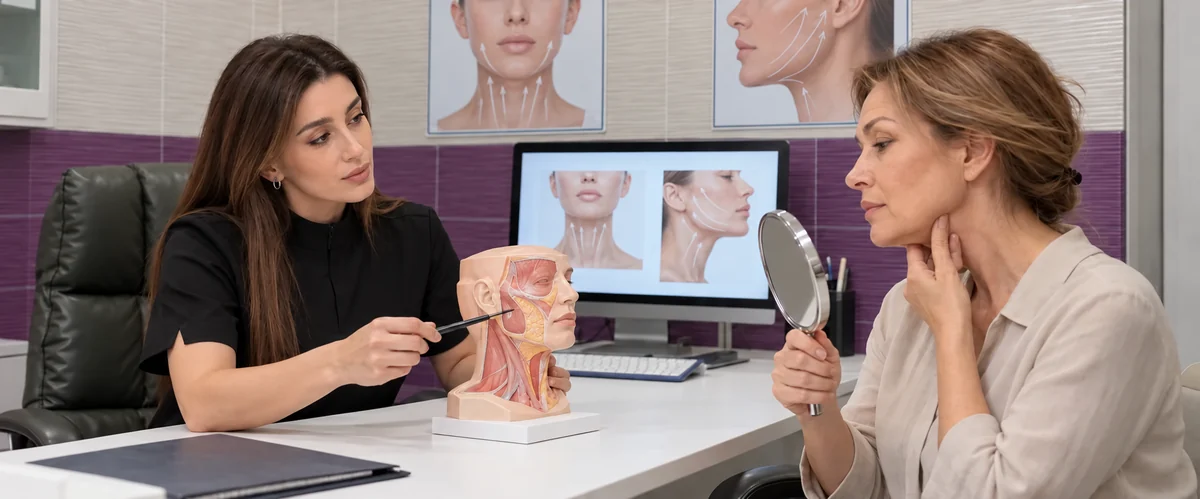
At the consultation the surgeon draws up a plan for your case and explains how your SMAS facelift will go.
Free, before surgery and with no obligation.
About the clinic
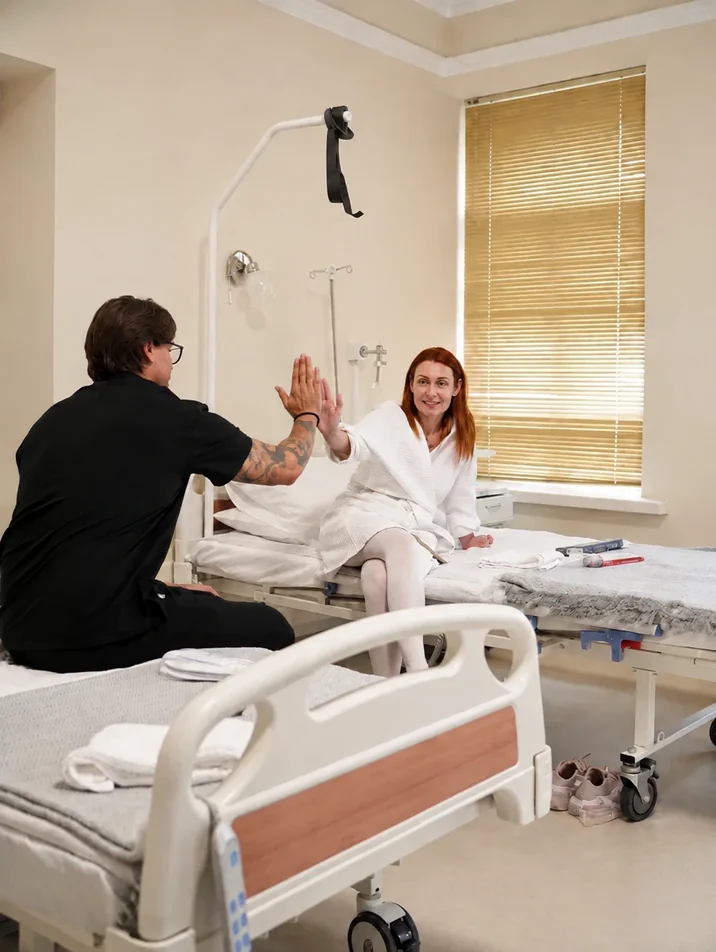
Modern equipment, comfortable rooms and care for every patient
We will answer your questions and find a convenient time for a consultation
By messaging us, you agree to our Privacy Policy
Get a free consultationIf your case can be solved without surgery, the doctor will tell you so at the consultation — and you will not spend money for nothing.
A SMAS facelift solves
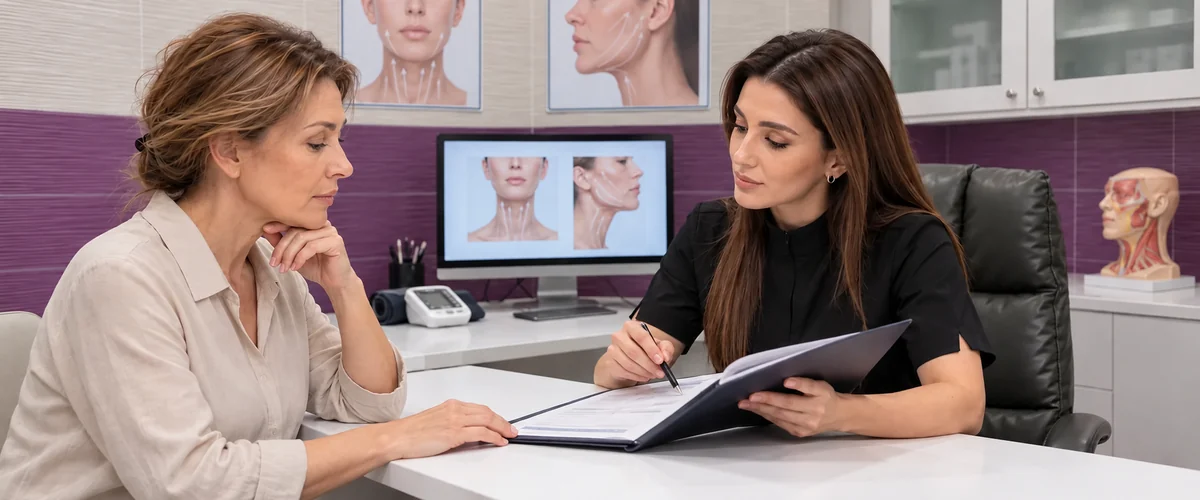
Message our coordinator — you can send photos, and the surgeon will tell you whether a facelift suits you. No surgery booking needed.
Find out if it suits me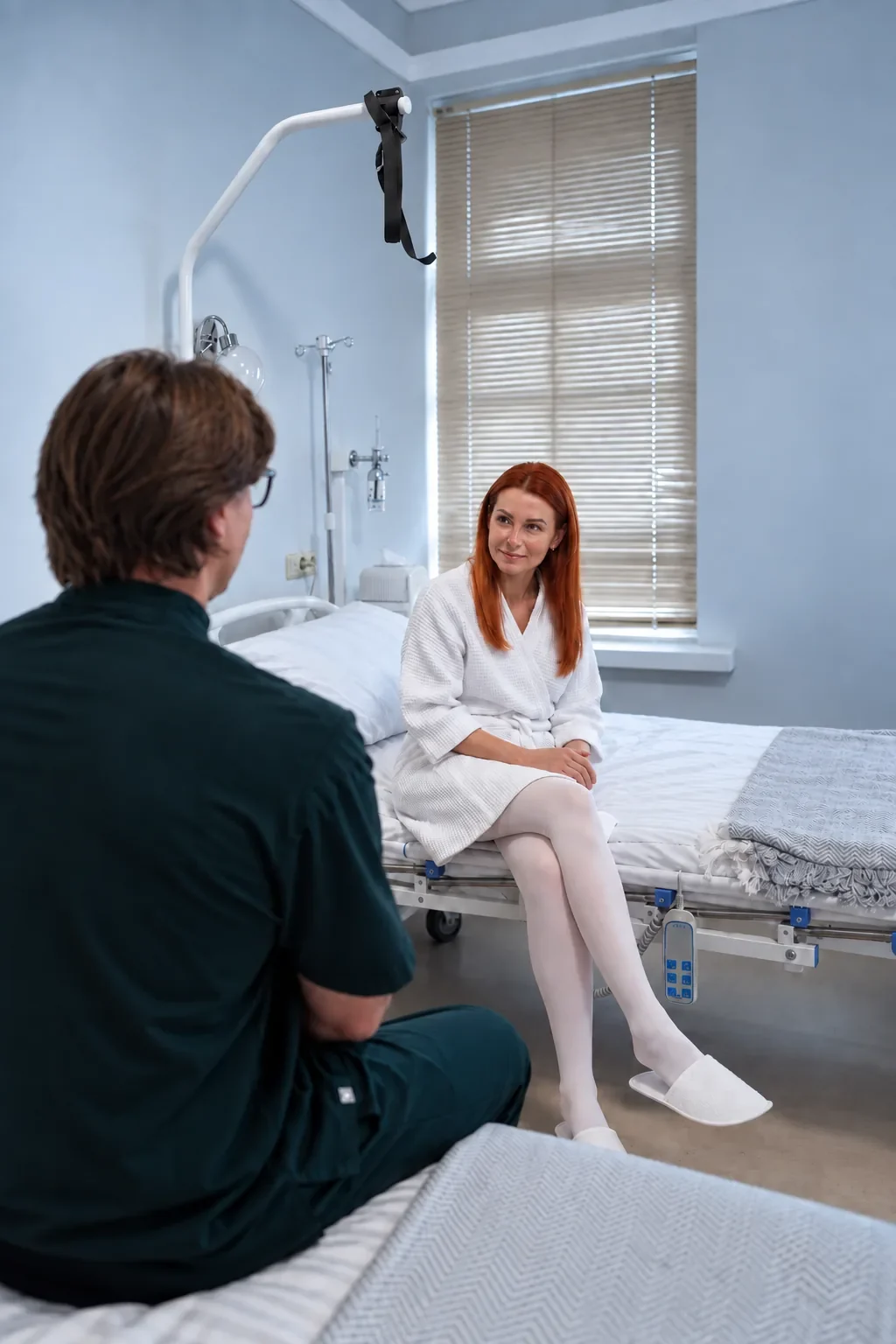
Prices
The final cost is set individually after an examination
Jowls, sagging cheeks and deep nasolabial folds
Double chin, jowls and loose neck skin
The surgeon assesses your skin and the soft tissues of the face and neck, listens to your wishes and defines the scope of your SMAS facelift.
Message our coordinator
Free online consultation · Reply within 15 minutes
Message us on TelegramMessage us on WhatsAppBy messaging us, you agree to our Privacy Policy
all inclusive
From preparation for surgery to a year of follow-up.
from $2,400
Book a consultationHow it works
An agreed surgical plan, inpatient monitoring and follow-up by your surgeon for a year.
 1
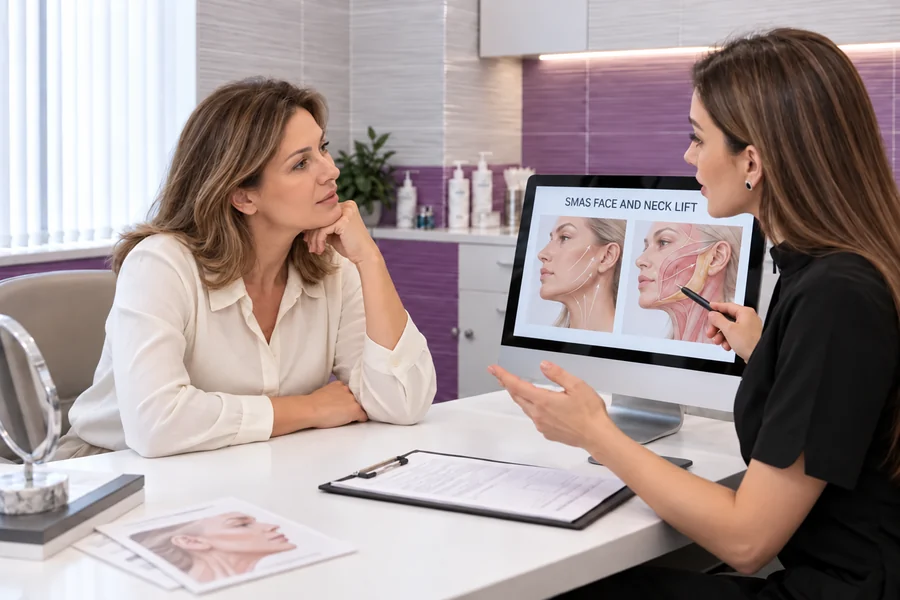
The surgeon examines you, assesses the degree of sagging and the areas to correct, and explains the surgery and recovery. The first consultation is free and can start online.
 2
We book a date that suits you. The scope of surgery and the final price are fixed in the contract — no hidden extras.
 3
You complete the check-up prescribed by the surgeon and see the anaesthetist. The specialists assess your health and readiness for surgery.
 4
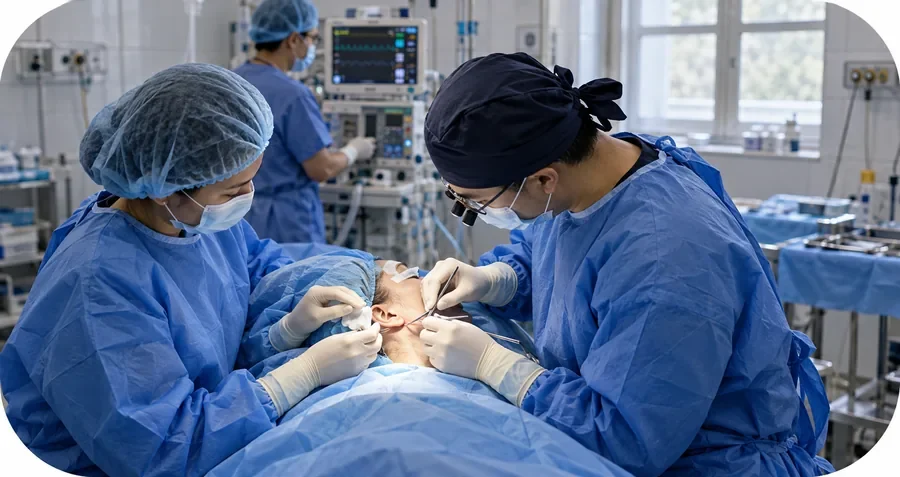
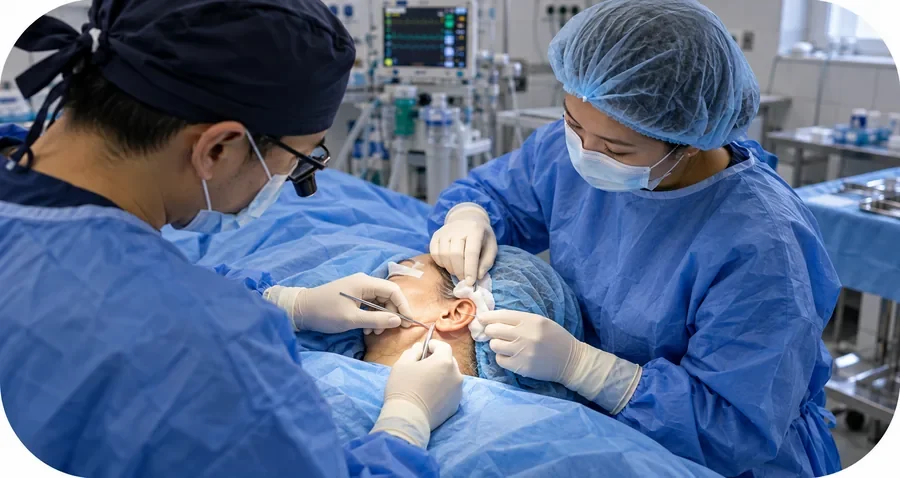
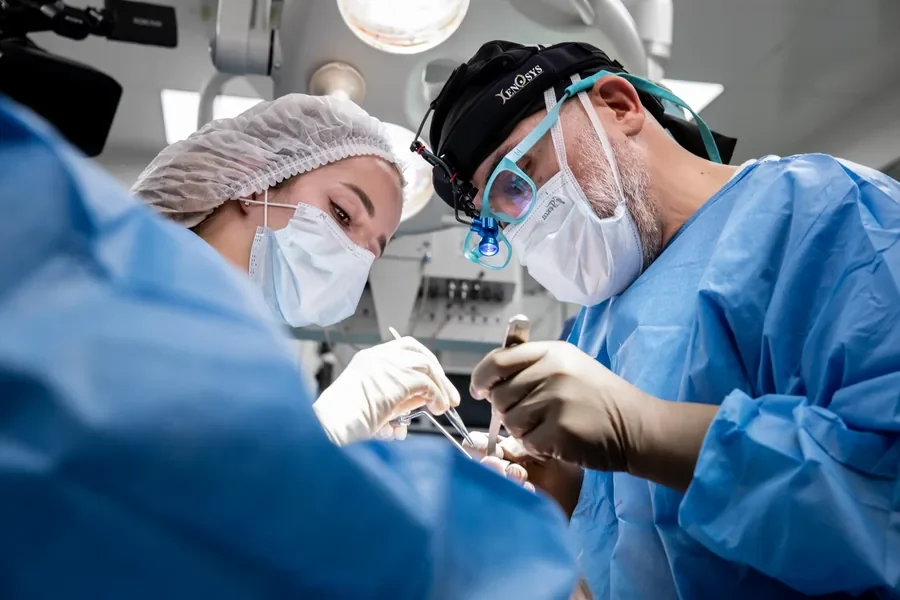
Under general (inhalation) anaesthesia the surgeon lifts and secures the SMAS layer, redrapes the skin and removes the excess. Incisions are hidden along the hairline and around the ears.
 5
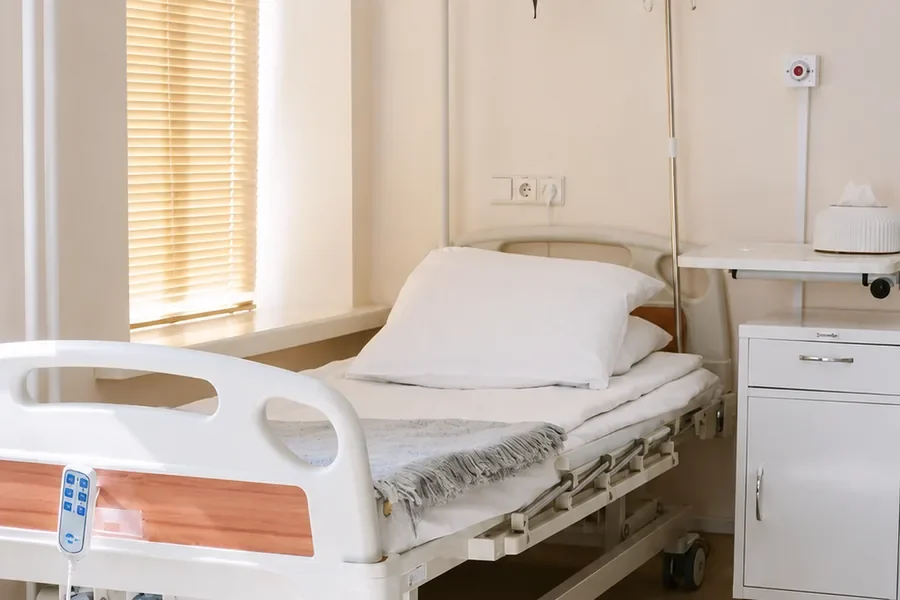
After surgery you stay in a comfortable inpatient room with meals, under 24/7 monitoring by medical staff.
 6
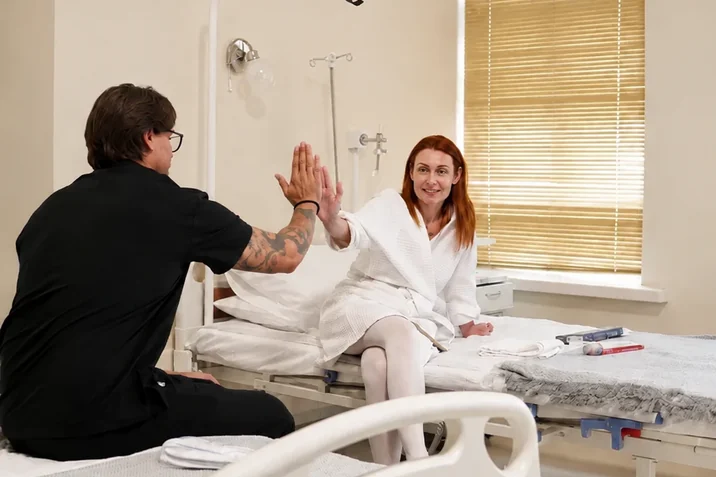
For the first 7–10 days — rest, a compression bandage and reduced physical activity. Your operating surgeon follows you up for the whole first year.

For the first 7–10 days you need rest, a compression bandage and reduced physical activity. For the first few days you may feel discomfort and tightness, which are relieved with medication prescribed by your doctor.
Swelling and bruising fade in 2–4 weeks, and full recovery takes about 2 months. The first clear changes appear once the swelling goes down, after 3–4 weeks; the face takes on its final look within 3–6 months. Your operating surgeon follows you up for the whole first year.

Advantages

We have only certified plastic surgeons with real surgical practice. Honesty comes first: no surgery where it isn't needed, nothing extra prescribed.

The surgeon examines you, assesses how much sagging there is and which areas to correct, and explains the surgery and recovery. No pushing, no pressure.

An in-house inpatient unit and an accredited operating suite. We operate under our licence and national healthcare standards.

The price is fixed in the contract before surgery, with no hidden extras.

We fit around your busy schedule: open 24/7, flexible booking and a personal approach — we adapt to you
FAQ
It is a face lift that tightens the deep SMAS layer under the skin, not only the skin itself, so the lower face, jawline and neck become firmer. The result is long-term, while natural skin ageing continues.
The surgery takes place under general (inhalation) anaesthesia, and you feel no pain. Discomfort and tightness are possible in the first few days and are relieved with medication your doctor prescribes.
The first clear changes appear once the swelling goes down, after 3–4 weeks. The face takes on its final look within 3–6 months. The result of a surgical SMAS facelift is long-term, while natural skin ageing continues.
Yes. For the first 7–10 days you need rest, a compression bandage and less physical activity. Swelling and bruising fade in 2–4 weeks, and full recovery takes about 2 months. Your operating surgeon follows you up for the whole first year.
Yes. Blepharoplasty (eyelid surgery), rhinoplasty or double-chin liposuction are often combined with a surgical facelift. The scope of a combined procedure is decided by the surgeon at the consultation.
Payment is made in full before the procedure. If you would like to spread the cost, you can take out a loan with your own bank and pay the full amount with it.
A standard lift (skin only) touches just the surface layer and has a short-lived effect. SMAS facelift surgery is deeper — the facial muscle and fascia layer is worked on, and tissues are lifted at the cause rather than the effect. The outcome: natural and lasting.
One surgery gives a complete result. Whether a repeat correction is ever needed is individual and is decided by the surgeon at an examination.
Usually surgery is recommended for patients aged 40+ with marked tissue sagging, and occasionally from 35. The recommendation is individual, made after an examination.
Get a free consultation: the surgeon will examine you, assess your ageing type and degree, explain the expected result and answer all your questions.
City Medical Centre performs surgical facelifts only. The surgeon tailors the scope of surgery at the consultation, after assessing the changes and explaining every stage. The skin, subcutaneous fat and the SMAS layer (muscles and ligaments) are corrected layer by layer, so the face looks natural, without an “overdone” effect, and the result is long-term — while natural skin ageing continues.
From 40–50, skin slowly loses its firmness — tissues noticeably sag, jowls appear, the jawline loses definition and the cheeks drop. A surgical SMAS facelift goes deeper than cosmetology: it repositions the muscle and fascia layer, addressing the cause of sagging, not its effects, and so the result lasts even when changes are significant.

City Medical Centre performs surgical facelifts only: work on the SMAS layer treats the cause of sagging rather than its effects
Skin, subcutaneous fat and the muscle and fascia layer are corrected layer by layer — a natural look with no “mask” effect
Incisions are hidden along the hairline and around the ears, so once healed the scars are barely visible
Prices are shown in EUR, converted at the rate of 02.10.2026; the amount in brackets is the base price in US dollars. The final price is fixed in your contract.
Prices start from €2,150 (≈ $2,400). The surgeon sets the final price at the free consultation, and it is fixed in the contract, with no hidden extras.
A one-to-one consultation, the medical team, anaesthesia, inpatient care with meals, 24/7 monitoring and twelve months of follow-up by the surgeon.
Message us on WhatsApp or Telegram using the buttons below. A coordinator will answer your questions and book a free consultation where the doctor names the exact price.
By messaging us, you agree to our Privacy Policy
Jowls, a heavy lower face, a blurred jawline, drooping brows: these are the changes that bring people in Düsseldorf to a plastic surgeon. Cosmetology can refresh the skin, but it does not reach the deep layer where sagging begins. A SMAS facelift does, which is why it suits patients who want a lasting correction. Where sagging affects only the lower face, a neck and lower face lift may be enough.
Recovery follows a clear timeline. For the first 7–10 days you need rest, a compression bandage and reduced physical activity. Swelling and bruising fade in 2–4 weeks, and full recovery takes about two months. The first clear changes appear after 3–4 weeks, and the face takes on its final look within 3–6 months. Patients from Düsseldorf are guided by the surgeon throughout.
How much is a facelift in Düsseldorf? Prices start from €2,150 (≈ $2,400), and the final cost is calculated individually after an examination. At the consultation the surgeon defines the scope of surgery and gives the final price straight away, with no hidden extras. Leave a request to book your free consultation.
Düsseldorf began as a small settlement at the mouth of the little Düssel river and became a town on 14 August 1288, when Count Adolf of Berg granted it town privileges after the Battle of Worringen. Today it is the capital of North Rhine-Westphalia and, according to the state statistics office IT.NRW, had 619,444 residents within the city limits on 31 December 2025 — the figure for the city itself, not for the much larger Rhine-Ruhr region around it.
Few German cities are as closely tied to image and appearance. The Kunstakademie gave its name to a whole school of painting in the nineteenth century, and after heavy industry declined the city rebuilt its economy around fashion, advertising and trade fairs. That background shows up in what people from Düsseldorf tend to ask for: a face that looks rested and like their own, rather than visibly altered — something you will want to say plainly at a consultation.
In practice that means asking how deep the planned lift goes. A skin-only tightening and a lift that also repositions the SMAS layer behave very differently over the years, and the surgeon should be able to explain which one suits your degree of sagging, why, and roughly when a second procedure might be considered if you ever want one.
Measured over 1991–2020 at the city's weather station, Düsseldorf averages about 3.4°C in January and 19.4°C in July, with July afternoons reaching around 24.7°C. The bigger seasonal swing is in sunshine: roughly 47 hours of sun in December against about 208 hours in July, according to the WMO climate normals. Rain is spread across the whole year — about 750 millimetres falling on some 185 days — so there is no reliably dry season to plan around.
For a facelift, that sunshine curve matters more than temperature. Incisions run along the hairline and around the ears, and a young scar exposed to strong summer light can darken. Once the compression bandage is off after the first 7–10 days of rest, a wide-brimmed hat and the sun protection your surgeon approves are worth more in a Rhineland June or July than in a grey December.
Winter has its own small drawback: with radiators on for months and relative humidity outdoors close to 84 per cent in December, the air inside a heated flat still turns dry, and the skin around the incisions can feel tight. A plain, fragrance-free cream, used only once your surgeon gives the go-ahead, usually helps. Bruising and swelling fade over 2–4 weeks whatever the month, so the season changes comfort and concealment rather than the healing itself.
Düsseldorf's Rhenish Carnival, held in February and March, ranks among the three best known in Germany after Cologne and Mainz. If you intend to join in, count backwards: tight costume masks, face paint and long nights in crowded Altstadt pubs are not what a face needs while bruising is still visible, which is typically for 2–4 weeks after surgery.
The cooler months do offer an advantage for discretion. A scarf, a high collar or a looser hairstyle covers the area around the ears without drawing attention, and most people judge the first clear change only after 3–4 weeks, once the swelling has gone down. If a wedding, a trade-fair week at work or another public event is on your calendar, mention the date at the first consultation so the operation can be timed to leave enough room — the final contour still takes 3–6 months to settle.
Doctors in Düsseldorf belong to the Ärztekammer Nordrhein, the statutory physicians' chamber for the North Rhine part of the state, which is a public-law body based in the city. The chamber is the authority that awards specialist titles after completed further training, so the title to look for is Facharzt für Plastische und Ästhetische Chirurgie, and it is fair to ask to see the certificate. The chamber's website also offers doctor search tools.
Two professional societies provide a further, independent cross-check. The DGÄPC lists its members by city, and the DGPRÄC — the German society of plastic, reconstructive and aesthetic surgeons — runs its own patient-facing doctor search. Membership is not a legal requirement, but it does tell you the surgeon is working inside a recognised professional framework.
Useful questions at the consultation: how many facelifts of this kind the surgeon performs each year, which layers will be lifted, where exactly the incisions will lie, who looks after you if a problem appears in the weeks afterwards, and how the twelve months of follow-up are organised.
German law gives the patient two concrete rights worth knowing. Under § 630e of the Civil Code, the explanation of risks, alternatives and likely outcome must come early enough for you to think it over. Under § 630g, you may inspect your complete treatment record without delay and ask for copies, the first one free of charge — useful if you later want another surgeon to review what was done.
A facelift for appearance is not treatment of an illness under § 27 of the Social Code Book V, so statutory health insurers do not pay for it. More importantly, § 52(2) SGB V says that if an insured person develops an illness through a medically non-indicated aesthetic operation, the insurer must make them contribute appropriately to the cost of treatment and must also refuse or reclaim sickness benefit, in whole or in part, for that period.
Continued pay from an employer is not something to count on either. § 3 of the Continued Remuneration Act covers incapacity due to illness only where the employee is not at fault, and nothing in the law says an elective cosmetic procedure meets that test. The practical route for employees in Düsseldorf is to plan the 7–10 days of rest as holiday or agree the time with the employer in advance; if you are signed off for longer than three calendar days, a doctor's certificate is required, and an employer may ask for one sooner.
There is no medical best month. Many people prefer October to February, when the city sees far less sun and a scarf or collar hides the healing area easily; in summer the main task is keeping the scars out of strong light.
Allow for the 2–4 weeks it usually takes bruising and swelling to fade, and keep tight costume masks and face paint away from the incisions until your surgeon clears it. Booking well before the February–March season is the simplest approach.
Ask to see the certificate for the title Facharzt für Plastische und Ästhetische Chirurgie, awarded by a physicians' chamber such as the Ärztekammer Nordrhein, and cross-check membership in the DGÄPC or DGPRÄC directories.
Yes. Under § 630g of the Civil Code you may inspect your complete treatment record without delay and request copies; the first copy is free.
Do not assume so. The Continued Remuneration Act links sick pay to incapacity that is not the employee's fault, and an elective aesthetic operation is not automatically treated that way. Most people take the recovery days as holiday or agree them beforehand.
Statutory insurance treats it, but under § 52(2) SGB V the insurer must ask you for an appropriate contribution and must refuse or reclaim sickness benefit, wholly or partly, for that period. Discuss with your surgeon how follow-up care for complications is handled.
Yes. Coordinators reply 24/7 on Telegram and WhatsApp, and you can send photos and describe what bothers you before any appointment is fixed.
How we prepare and review medical content · Medical disclaimer
Page last updated: