


























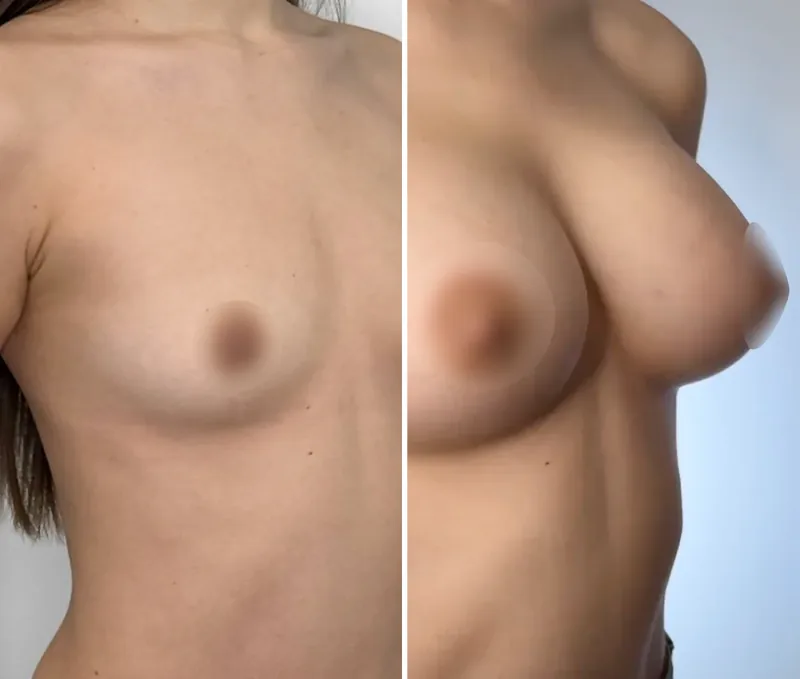
 beforeafter
Mammoplasty
Method: implants
Breast augmentation
$4,700
$5,900 · First consultation — Free
Free online consultation · Reply within 15 minutes
Message our coordinator
Free online consultation · Reply within 15 minutes
Message us on TelegramMessage us on WhatsAppBy messaging us, you agree to our Privacy Policy
Breast augmentation for patients from Wuppertal at City Medical Centre starts at $4,700. The first online consultation is free; the doctor names the final price and it is fixed in the contract.
How it works · Breast augmentation prices
Information current as of 24 October 2026
Results
Each case belongs to a real clinic patient; faces and identifying details are not shown.
beforeafterMethod: implants
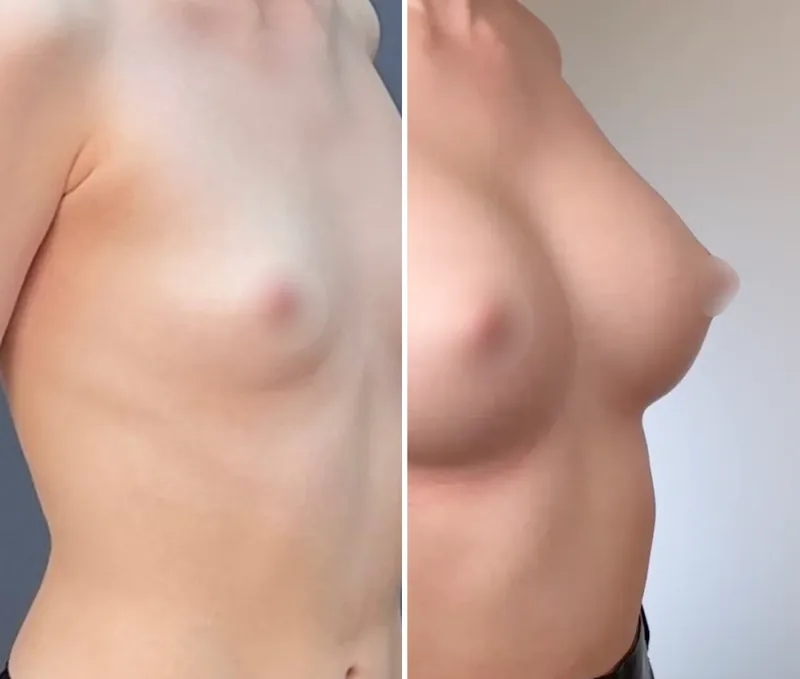 beforeafter
Method: implants
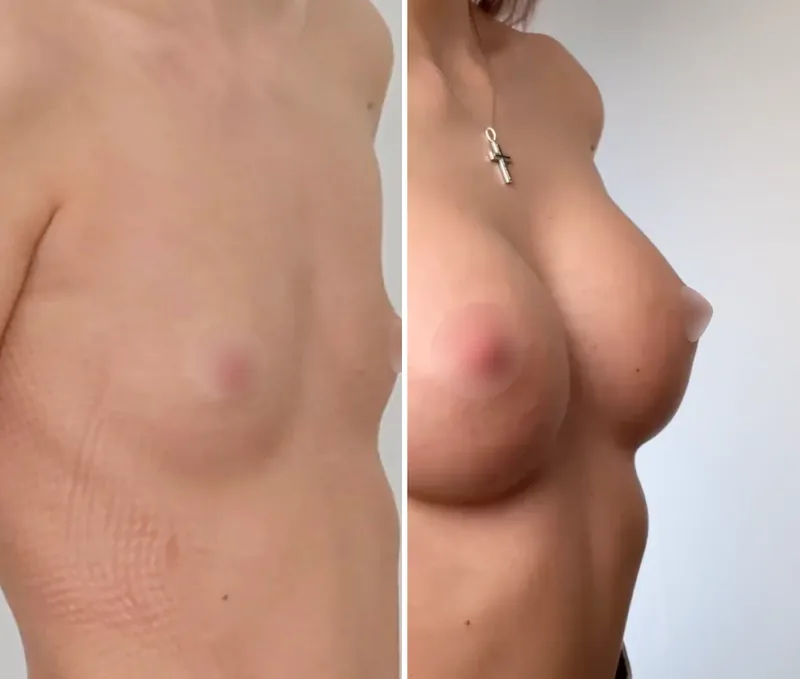 beforeafter
Method: implants
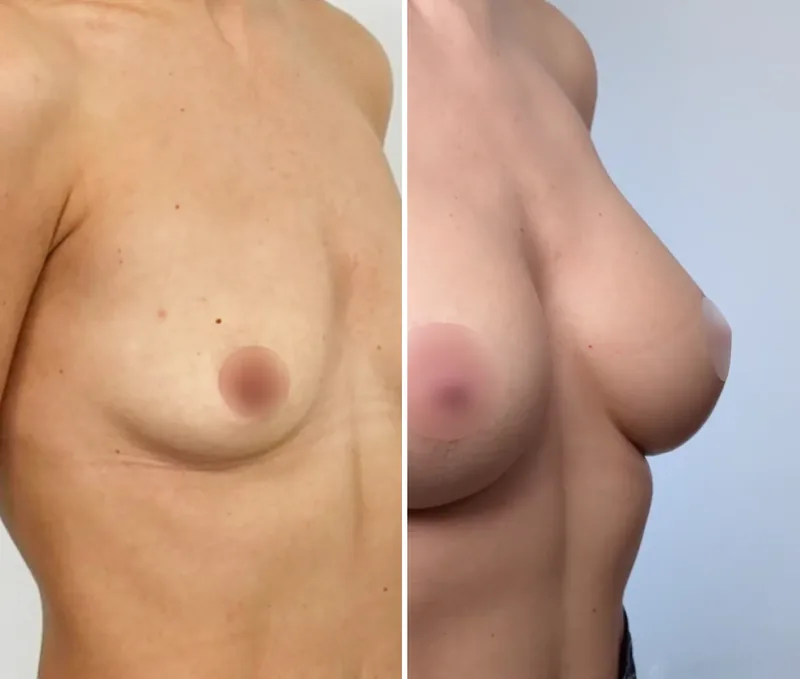 beforeafter
Method: implants
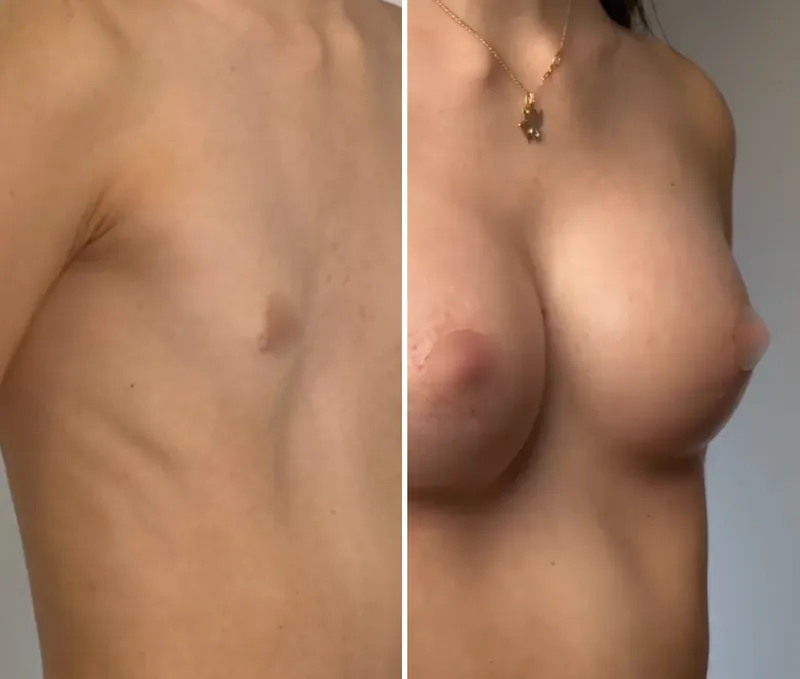 beforeafter
Method: implants
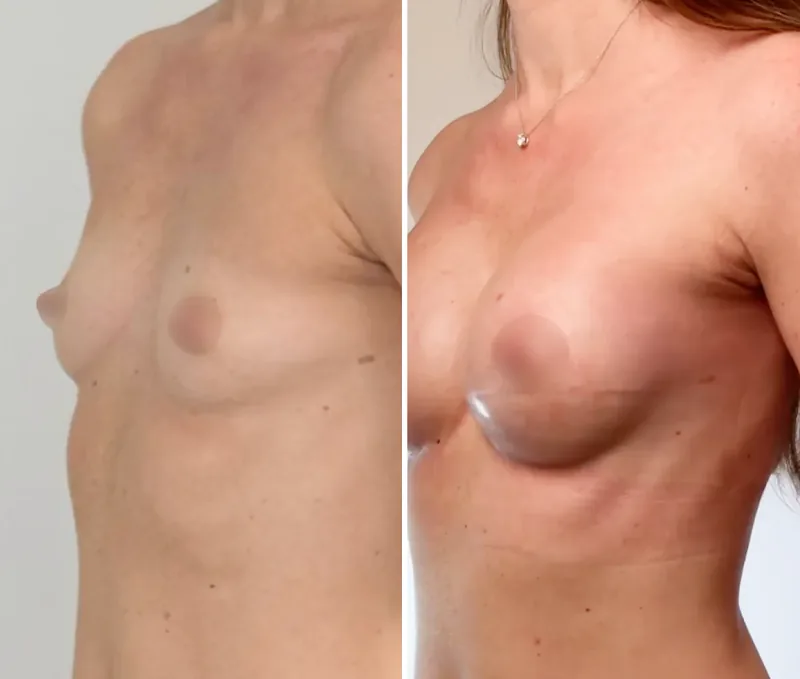 beforeafter
Method: implants
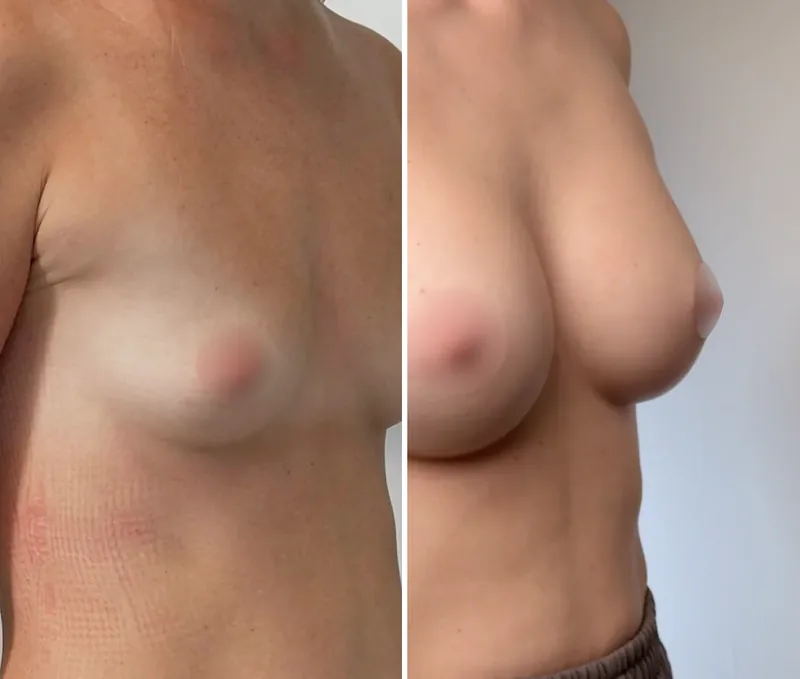 beforeafter
Method: implants
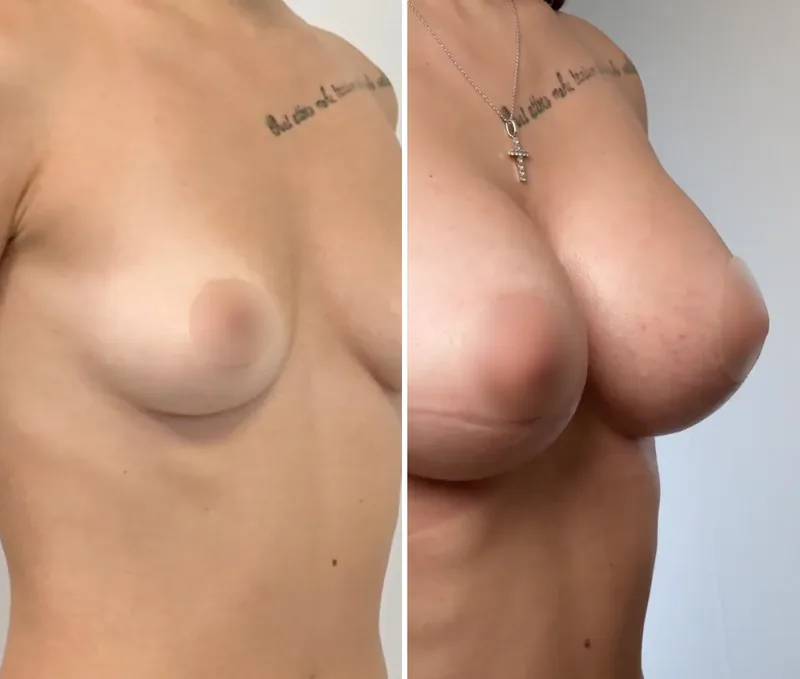 beforeafter
Method: implants
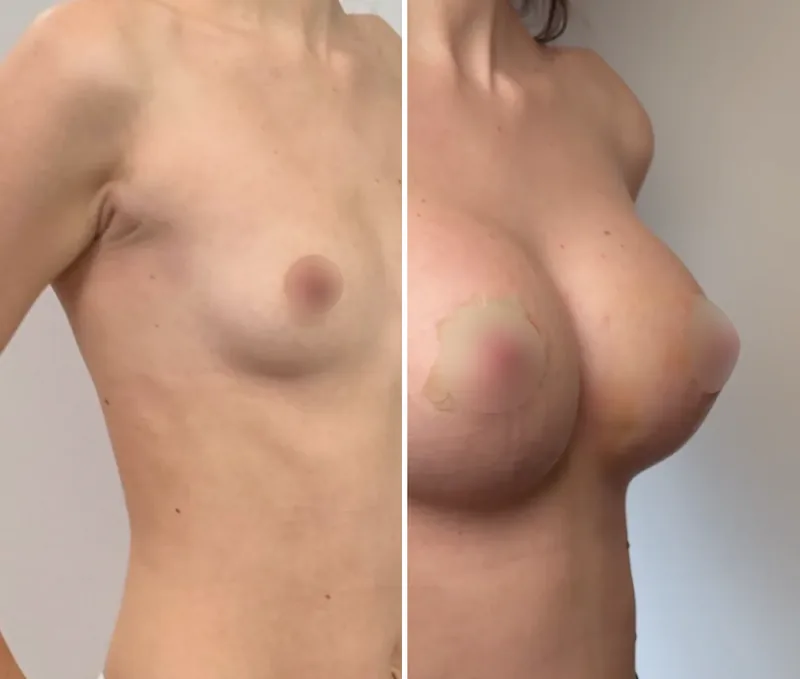 beforeafter
Method: implants
Comparison
Our surgeons use two main methods of breast correction — augmentation and reduction. See the goal, the precision and the indications of each to make an informed choice.
Size and shape correction with implants
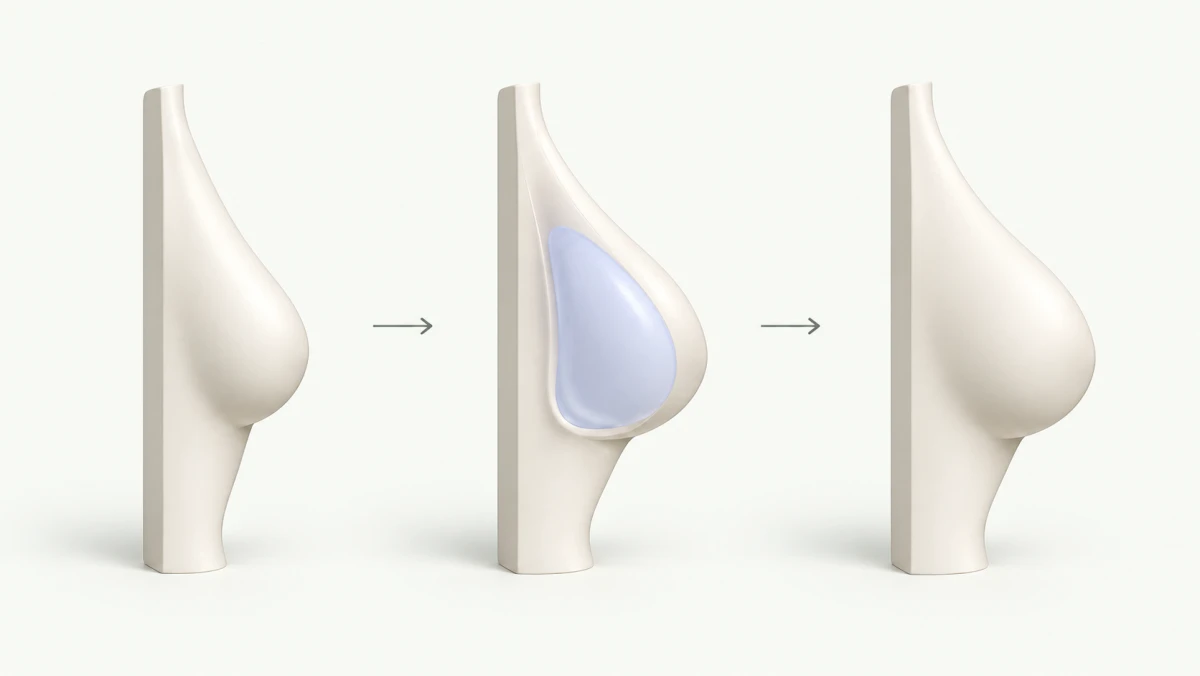
Discounted price
$4,700 $5,900
Breast size correction through reduced volume and weight
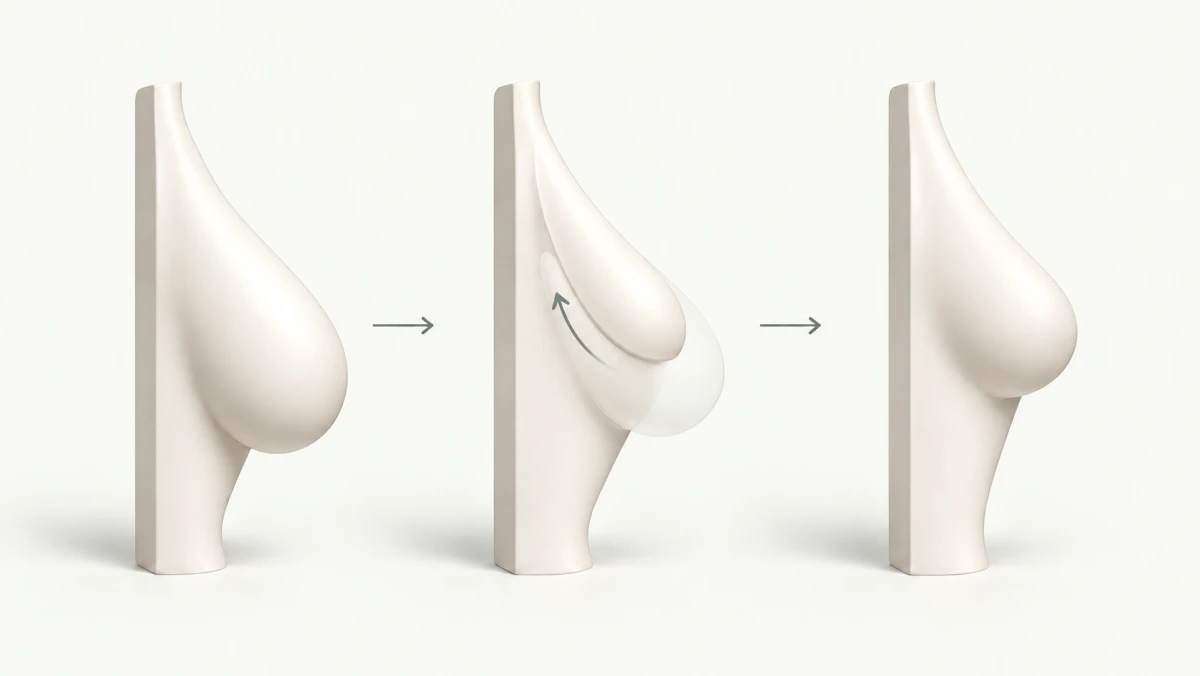
Discounted price
$4,700 $5,900
At your consultation the surgeon looks at the shape and proportions of your breasts, talks through what you want and recommends the best mammoplasty option.
The consultation is free, before surgery and with no commitment.
Comparison
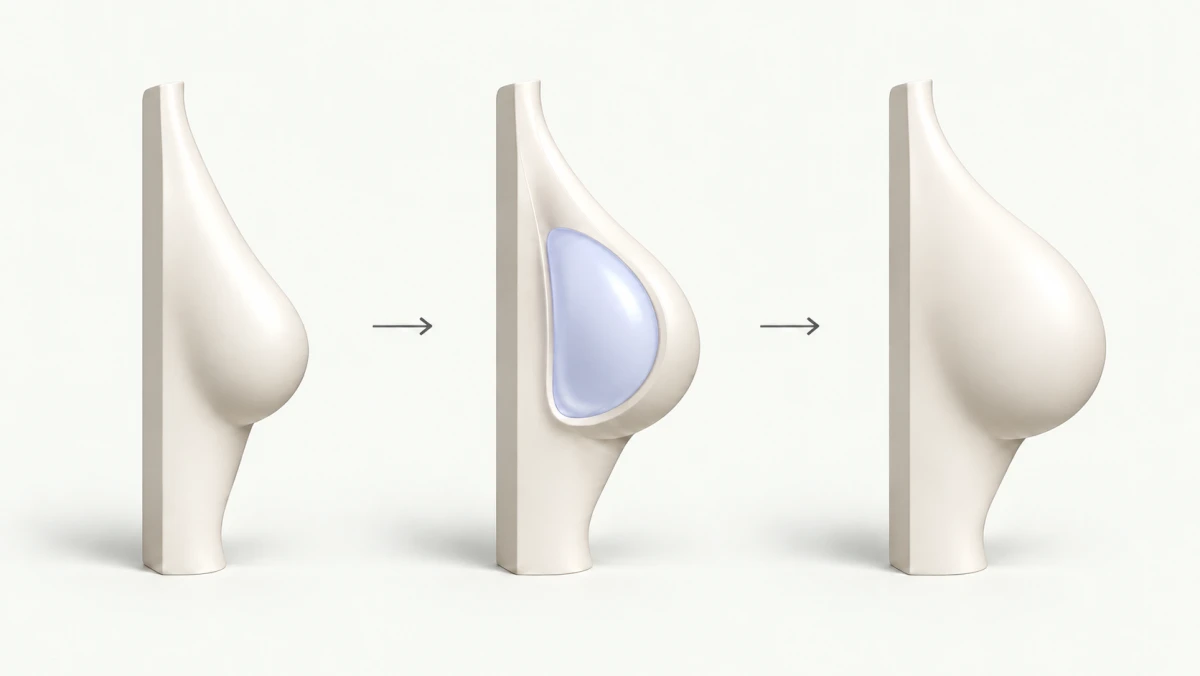
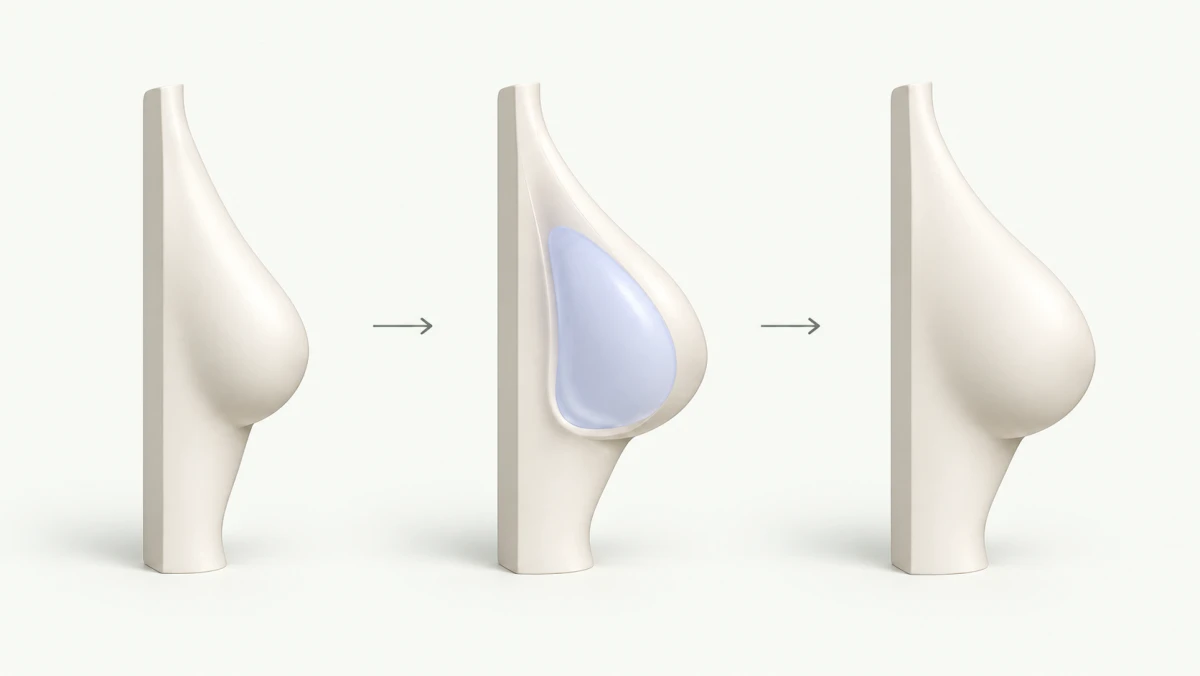
We work with two main types of implants: round and anatomical. Both add volume and correct the shape of the breasts, but they differ in shape and in the kind of result.
Uniform volume and a fuller upper area
A natural slope with a soft, teardrop-like shape
The surgeon will help you choose the implant shape and volume.
The clinic
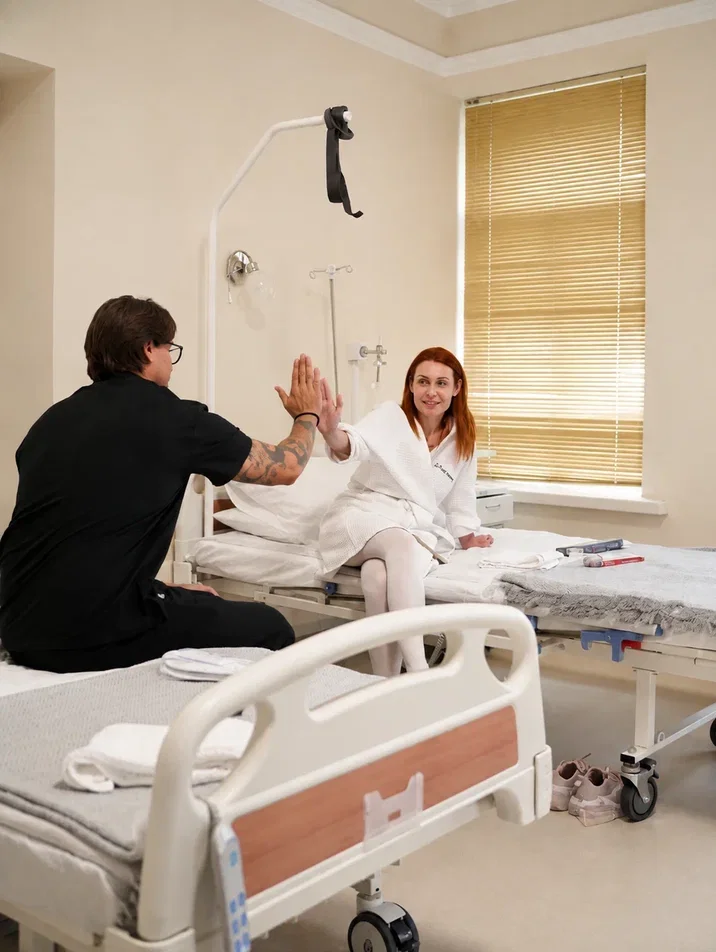
Comfortable rooms, modern equipment and care for each person
We answer your questions and pick a convenient consultation time
By messaging us, you agree to our Privacy Policy
If your case can be solved without surgery, the doctor will tell you so at the consultation — and you will not spend money for nothing.
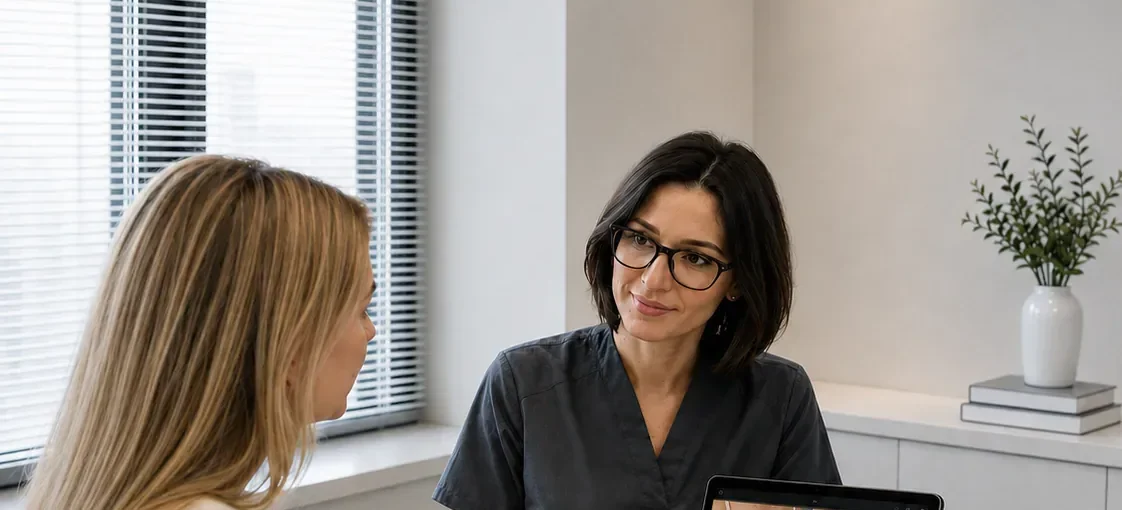

Unsure whether surgery suits your case?
Send us a message — the coordinator will ask for a few photos in a messenger, and after reviewing them the surgeon will tell you if mammoplasty is right for you.
Find out if it suits me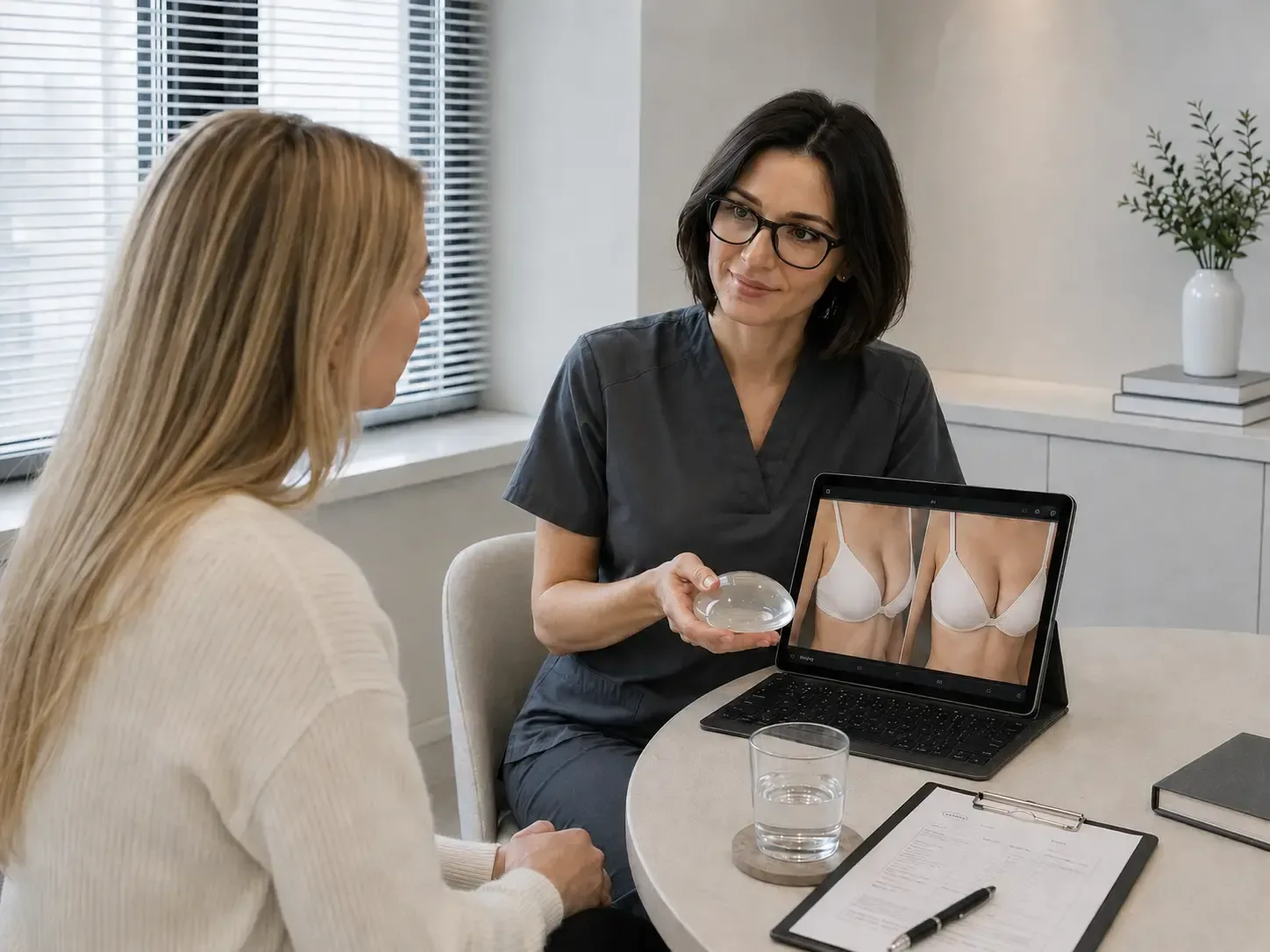
Prices
The price is set at the consultation and fixed in the contract.
Discounted price
Size and shape correction with implants
$4,700$5,900
Discounted price
Reducing the volume and weight of the breasts
$4,700$5,900
Breast restoration after mastectomy
The price is set at the consultation and fixed in the contract.
Get a consultationThe surgeon assesses the anatomy and proportions of your breasts, listens to your wishes and chooses the right correction method.
The price is set at the consultation and fixed in the contract.
Message our coordinator
Free online consultation · Reply within 15 minutes
Message us on TelegramMessage us on WhatsAppBy messaging us, you agree to our Privacy Policy
all inclusive
Everything from surgery preparation
to support over 12 months.
Discounted price
$4,700$5,900
How it goes
A correction plan agreed with you, inpatient observation and a year of follow-up.
 1
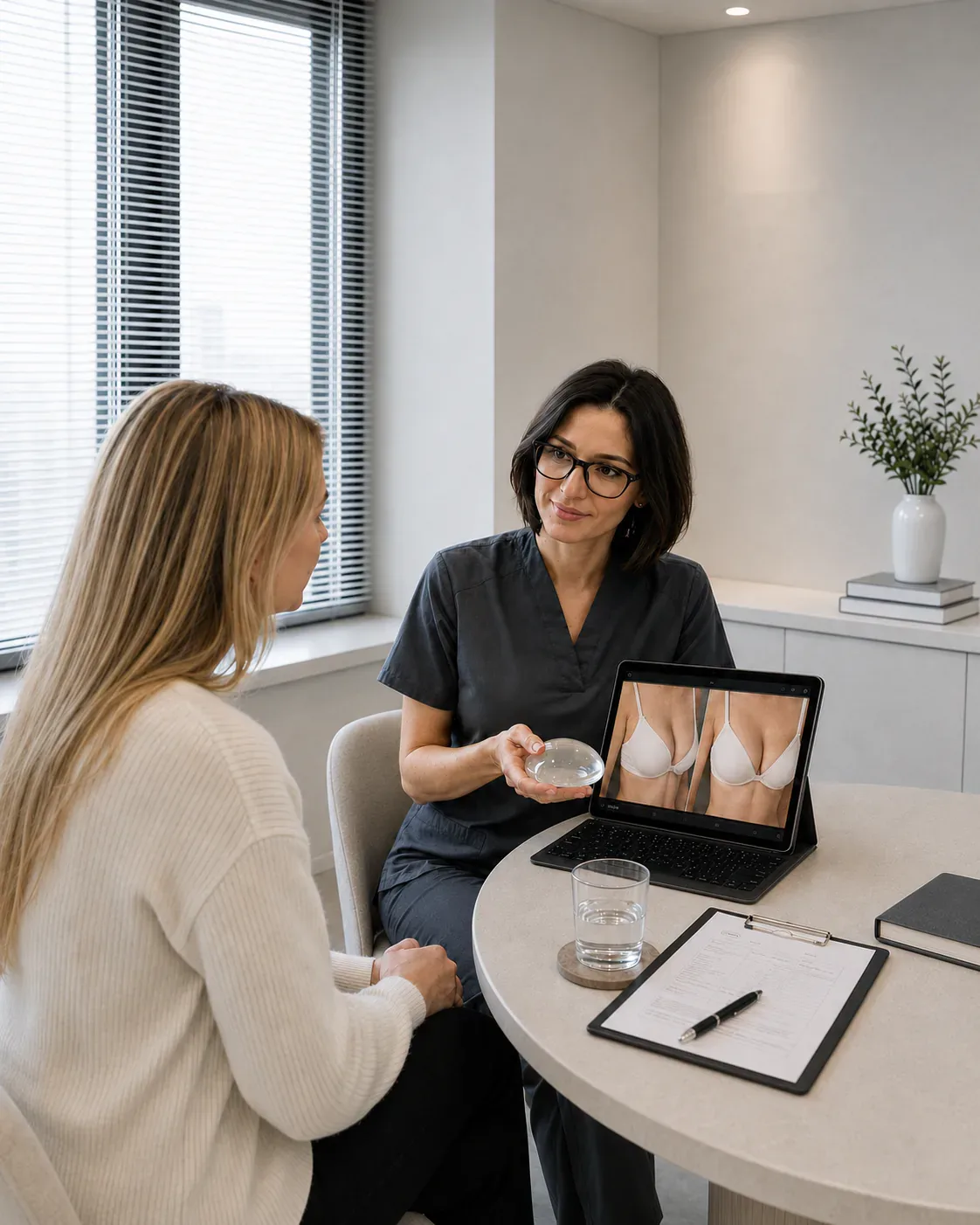
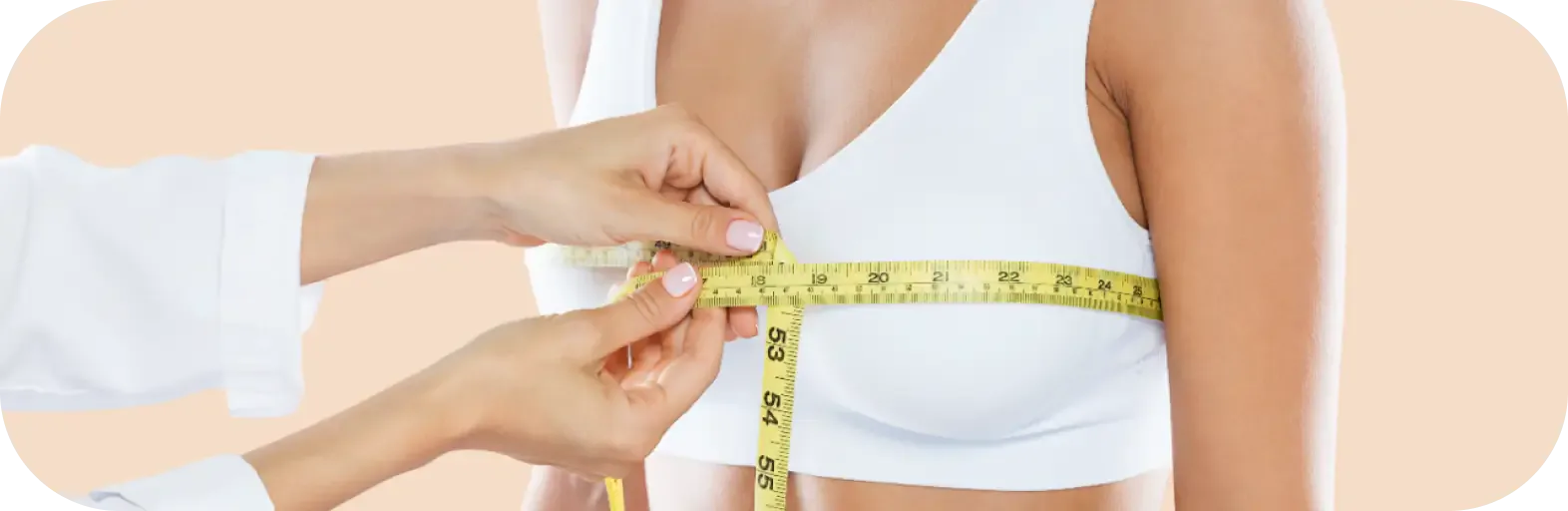
The surgeon assesses your figure, discusses your wishes and chooses the best volume, shape and correction method.
 2
Your surgery date is reserved for you: the deposit can be paid by card at the clinic or online by bank transfer, and the terms are fixed in the medical services contract
 3
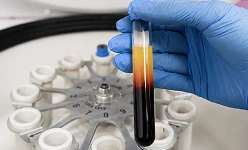
A complete pre-operative check-up comes first: blood tests, an ECG and the other examinations prescribed by your doctor.
 4
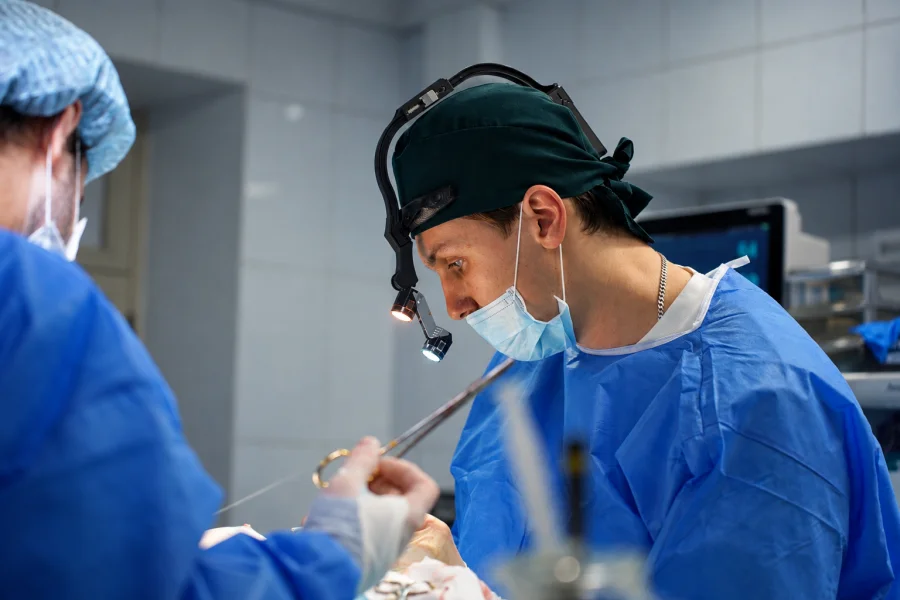
Your surgeon carries out the mammoplasty following your personal plan, under general anaesthesia and with constant monitoring of your condition.
 5
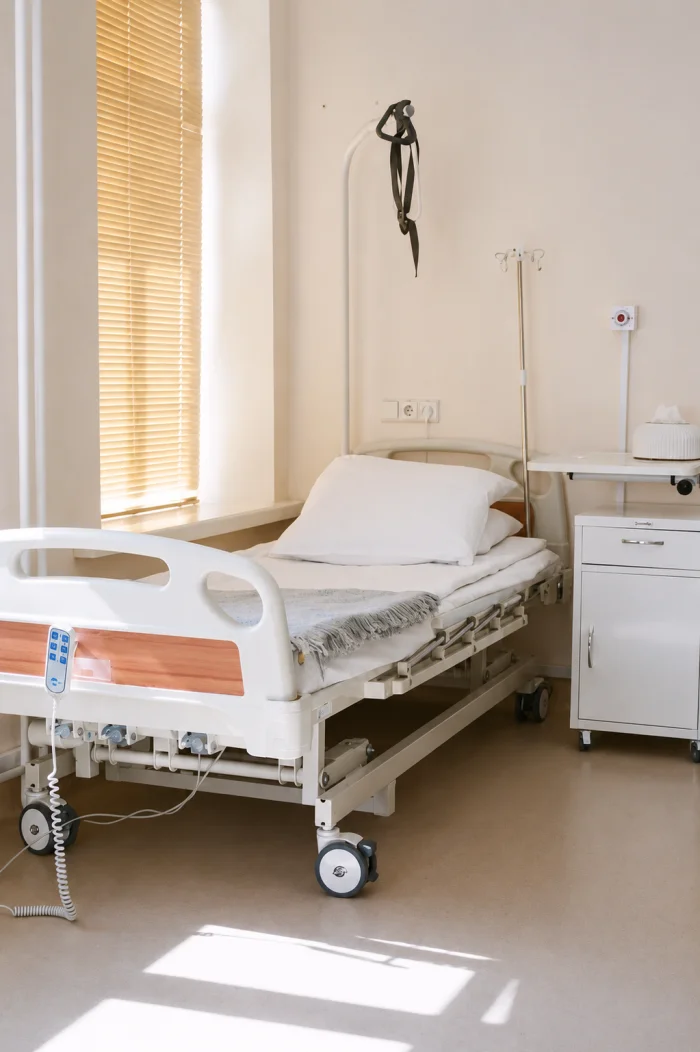
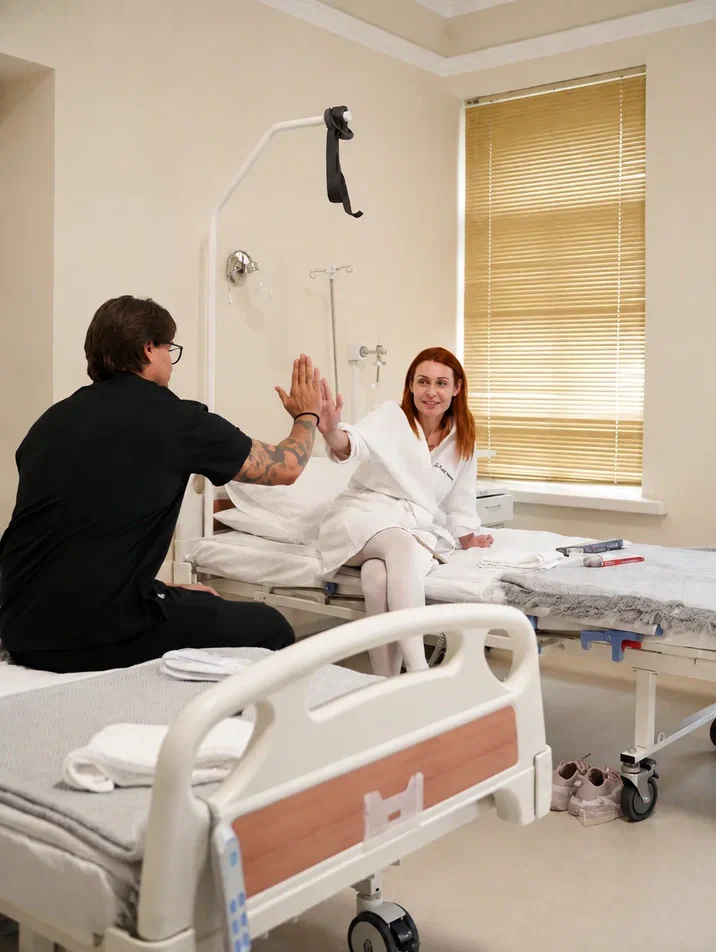
Once the operation is over, you stay in the clinic's comfortable ward under the medical team's supervision until discharge.
 6
After surgery you get a recovery programme. Check-ups at 7 days, 3 and 6 months help track your recovery. For a year after surgery, consultations with your surgeon are free.
Ahead of surgery, take a few simple steps: balance work and rest, get more sleep, steer clear of stress, anxiety and strong emotions, and cut back on physical activity.
Oral hormonal contraceptives should be stopped no less than a month before the procedure
Discontinue aspirin-based drugs, steroids and hormonal medications for chronic illnesses ahead of the operation
Complete your tests a week before the surgery
Post-operative swelling disappears in 3 weeks
Scars take shape within 3 weeks
Avoid physical exertion (lifting over 3 kg)
Avoid raising arms above shoulder level — 3 weeks
After the correction, recovery involves 1–1.5 months of compression garments
Hold off on intense workouts in the gym for up to 40 days and on overly active aerobics; light cardio can be possible after a month. Watch your diet and meals.
Discomfort disappears after 3 months
Avoid baths and saunas for up to three months, and skip physiotherapy
In 3 months any inflammatory changes in the tissue disappear, and a “pocket” forms around the implant
Doctors
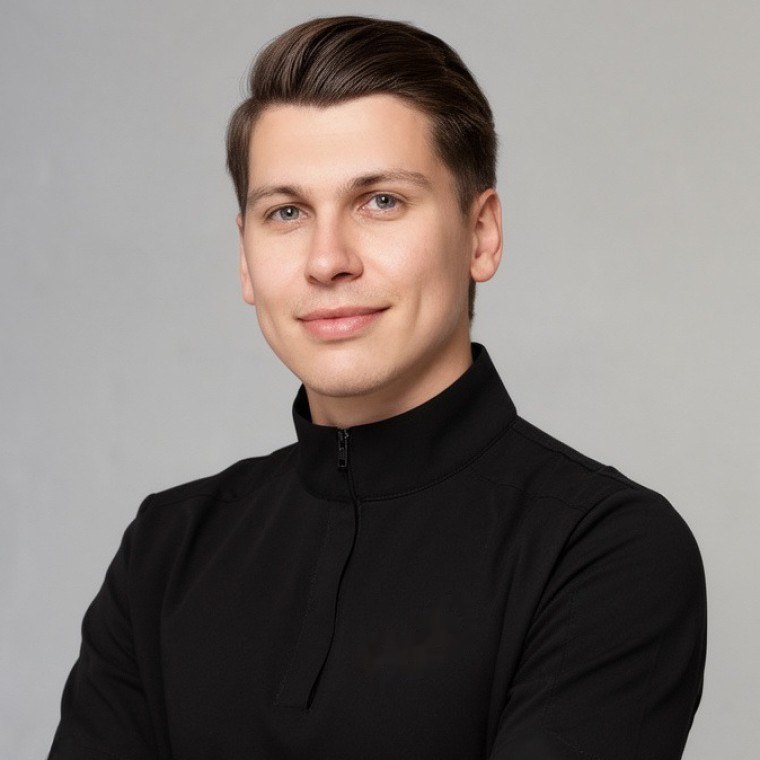
7 years of experience
Plastic surgeon
Plastic surgery residency at the Petrovsky National Research Centre of Surgery. Focuses on aesthetic and reconstructive surgery of the breast and body.
At the consultation you talk to the surgeon who will operate
An experienced plastic surgeon who looks after both beauty and patient health
Book a consultationAdvantages
At the consultation we go through your wishes and model the planned changes. The surgeon explains what surgery can do, so you know exactly what result we are aiming for.
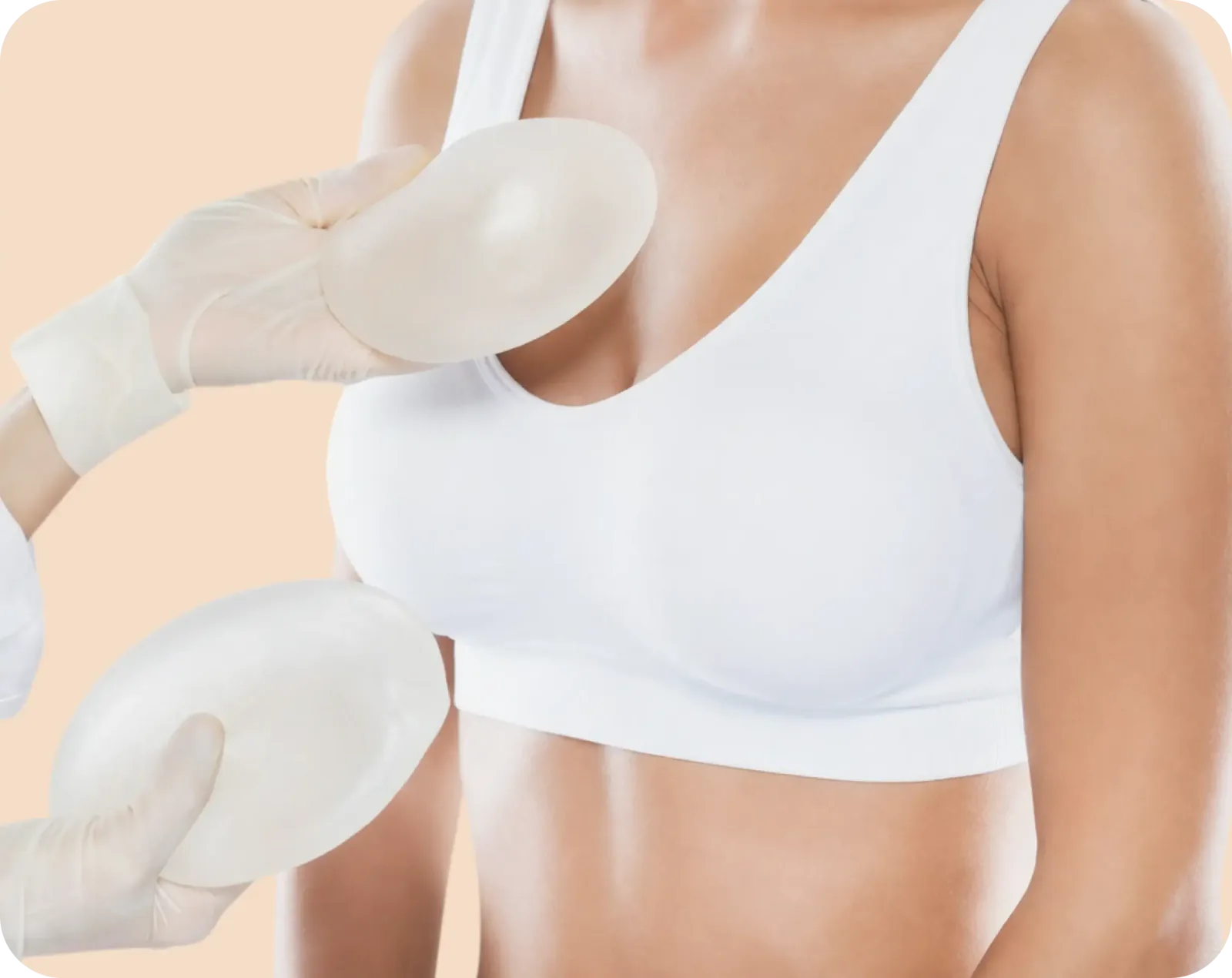
For a year the surgeon monitors your recovery and how your breast shape settles. Check-ups and dressings are already included in the price.
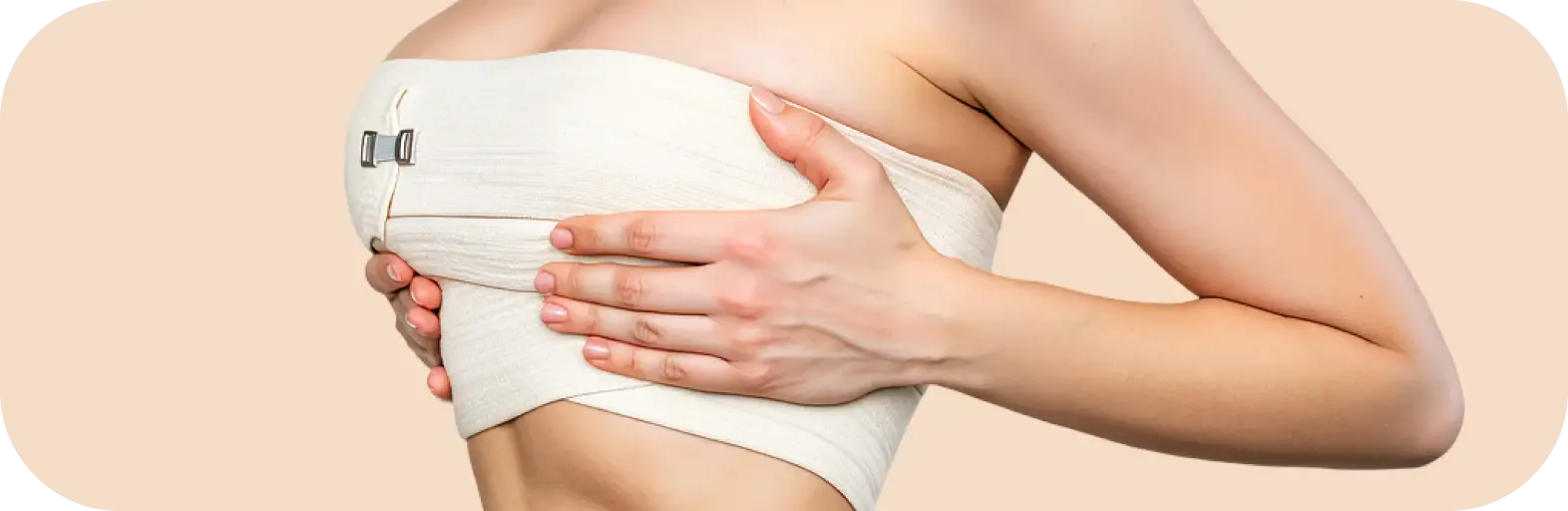
Shape, volume and correction method are chosen to match your anatomy and wishes. For augmentation, the implant size and profile are selected individually.
We respect your time: available 24/7, with easy booking and a personal approach — we adapt to your pace.
Once the surgeon has defined the extent of correction at the consultation, you get a clear surgery price — no surprises on the way to your result.

You begin your recovery in a comfortable ward under constant nursing supervision; the stay and meals are included in the price.
FAQ
Yes. Boob job is the everyday name for breast augmentation. At City Medical Centre it is done with round or anatomical implants that the surgeon chooses with you at the consultation.
Breast enlargement adds volume with implants. A breast lift (mastopexy) raises sagging breasts and removes excess skin. Which one suits you is decided at the free consultation.
Mammoplasty refers to several procedures: augmentation (adding volume through implants), reduction (cutting away excess tissue and skin), mastopexy (lifting sagging breasts), reconstruction (after mastectomy) and asymmetry correction. The best technique is picked individually, based on what you want and what the surgeon advises.
Message us — our coordinator will get back to you shortly and book your consultation. The plastic surgeon consultation is free.
Complications are infrequent provided all recommendations are followed. They may include hematoma or seroma, infection of the wound, changes in nipple sensitivity (lower or higher), capsular contracture, aesthetic asymmetry, wound separation and tissue necrosis.
Mammoplasty results are durable: about 10–15 years following augmentation (until implant replacement) and 5–10 years following a lift or reduction. Weight, pregnancy, aging skin and gravity influence how long the effect lasts. Maintain it by wearing supportive underwear and watching your weight.
After mammoplasty, breastfeeding depends on the type of surgery. If augmentation uses an under-breast or armpit incision and the implant goes under the muscle, lactation is typically preserved because glandular tissue is not damaged. A lift or reduction has a higher risk since ducts may be cut. Discuss it with your surgeon before surgery.
Several things guide implant choice: material (silicone looks most natural, saline is used less often), shape (round or anatomical teardrop), surface (smooth or textured), size and profile. The surgeon selects the best match for your anatomy and wishes.
Surgery takes place under general anaesthesia, and the patient feels no pain. Moderate discomfort is possible in the first 1–3 days and is managed with painkillers. Pain eases considerably by day 5–7 and discomfort disappears by weeks 2–3. Tell your doctor immediately if pain is severe.
Work without physical exertion can be resumed after 7–14 days. Light walks after 1–2 weeks. Fitness and swimming after 4–6 weeks, strength training after 3 months. Pool and sea after 4–6 weeks. Compression garments are worn for 4–6 weeks. Exact timing depends on how you recover.
Mammoplasty has not been scientifically shown to increase the risk of breast cancer, and implants do not cause it. Keep up regular screening after surgery (self-exams, mammography and ultrasound) and always mention your implants to the doctor examining you.
After a C-section, mammoplasty can be done once the body has fully healed. At least 6–12 months should pass after delivery and after breastfeeding ends. A consultation and examination by a surgeon are required before the operation.
There are scars after mammoplasty, though a skilled surgeon keeps them minimal. The incisions go in discreet areas, such as under the breast, around the areola or in the armpit. Early on the scars are reddish, but over 6–12 months they fade and are almost unnoticeable.
Mild asymmetry in the first weeks after surgery is normal and results from swelling and uneven healing. If a difference in shape or size remains after 3–6 months, see your surgeon for an examination to identify the cause.
Nipple and breast sensitivity can change temporarily after mammoplasty, either decreasing or increasing. It happens because nerve endings are irritated. Sensitivity usually returns within 3–12 months. If there is still no improvement after a year, consult your surgeon.
Hormonal drugs (contraceptives, hormone replacement therapy) do not affect implants themselves, but they can cause swelling or a change in breast tissue volume that alters the appearance for a time. Always inform your surgeon about them ahead of surgery.
Prices are in US dollars; the amount in brackets is an approximate conversion to EUR at the rate of 02.10.2026. The final price is fixed in your contract.
Prices start from $4,700 (≈ €4,200). The surgeon sets the final price at the free consultation, and it is fixed in the contract, with no hidden extras.
The surgical team's work, anaesthesia, the inpatient stay with meals, dressings and follow-up visits for twelve months.
Message us on WhatsApp or Telegram using the buttons below. A coordinator will answer your questions and book a free consultation where the doctor names the exact price.
By messaging us, you agree to our Privacy Policy
Breast augmentation is a mammoplasty in which implants add volume and correct the shape of the breasts. For patients from Wuppertal, the surgeon helps choose the implant material, shape, surface, size and profile to match individual anatomy. Silicone implants give the most natural look, and both round and anatomical teardrop shapes are available. The procedure suits women who want fuller breasts or a better contour.
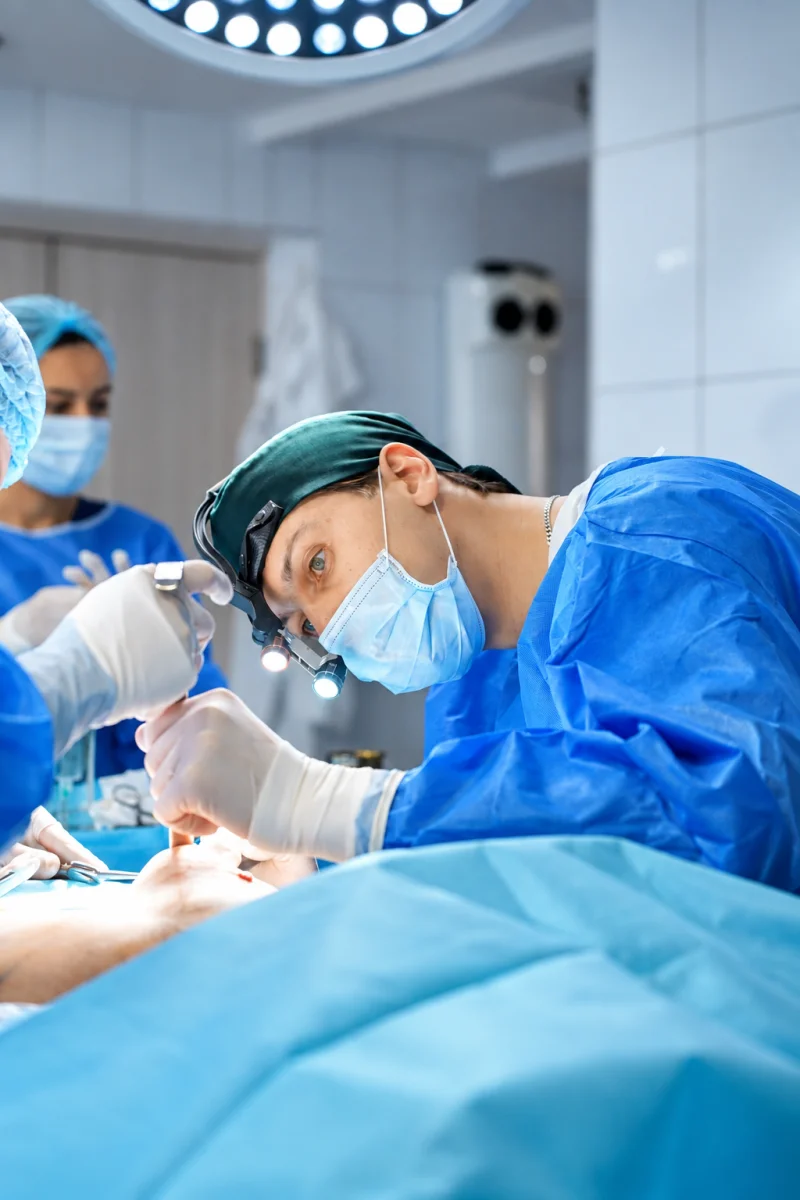
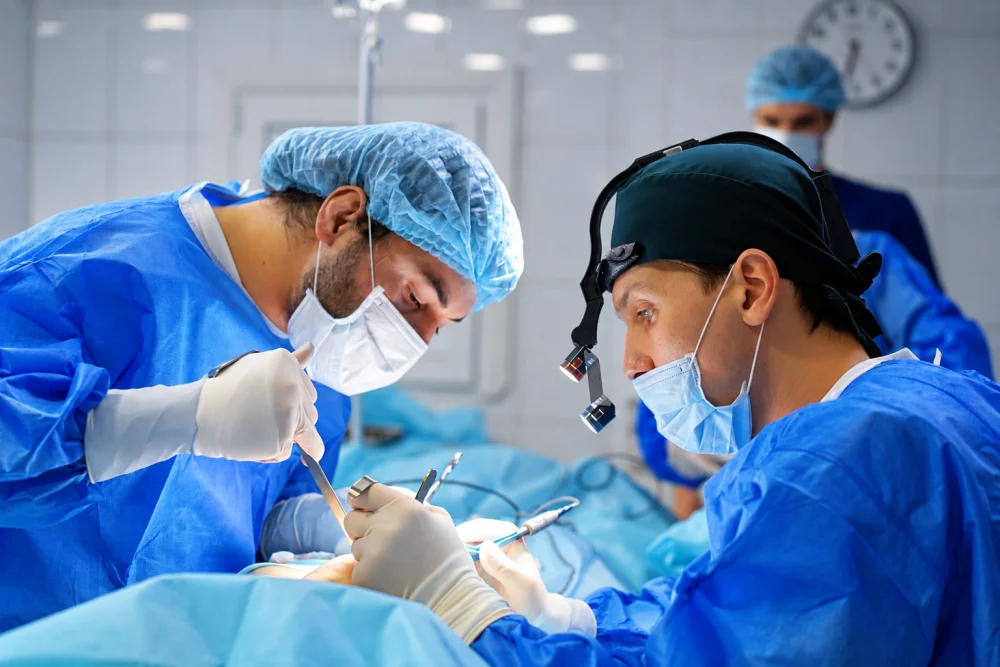
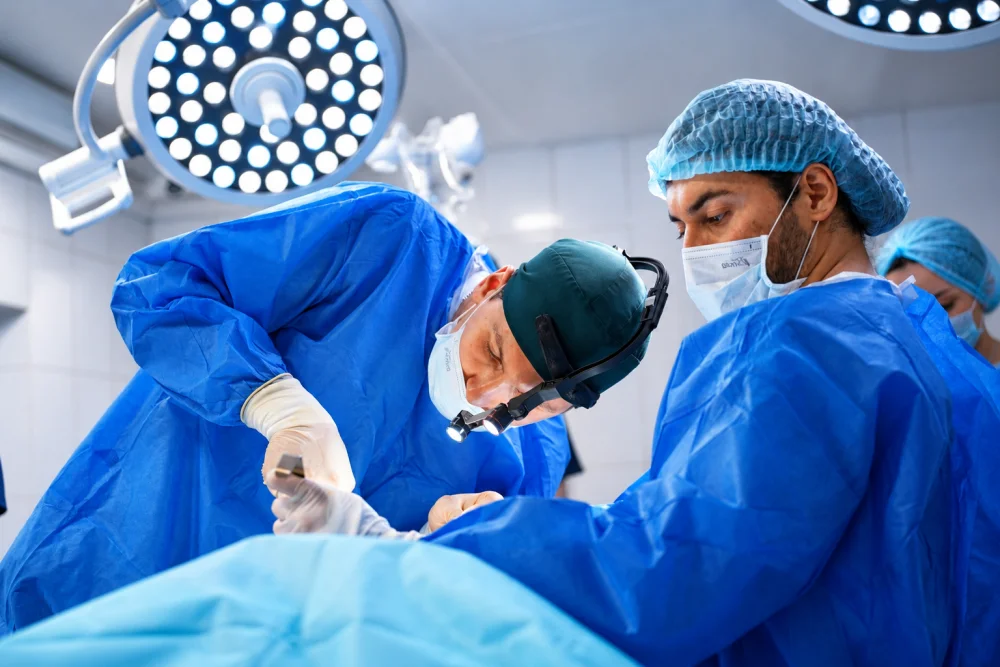
Inside the operating room the process is methodical: antiseptic treatment, marking of incision lines and the new breast position, general anaesthesia, an incision chosen for your anatomy, creation of a pocket and placement of the implant. Drains are used only if needed, and a sterile dressing plus compression garments finish the procedure. For Wuppertal patients, the inpatient stay afterwards is one day.
Breast augmentation costs from $4,700 (≈ €4,200), and the price is all-inclusive. For patients from Wuppertal, it covers a personal consultation with result modelling, an experienced medical team, combined inhalation anaesthesia, comfortable inpatient rooms, 24/7 monitoring, meals, personal support before and after surgery, and dressings plus check-ups for a full year. Start with a free consultation by leaving a request.
Well-known people who spoke openly about this operation, in their own words.
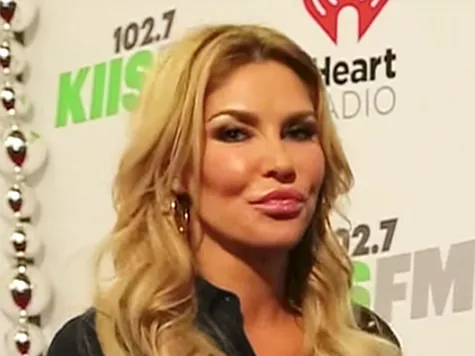 Did Brandi Glanville have a breast augmentation? Yes — a 20-year implant exchangeThe RHOBH star had 20-year-old implants replaced in 2026 — then a dive dislodged one. Her quotes on silicone poisoning and the repair ahead.
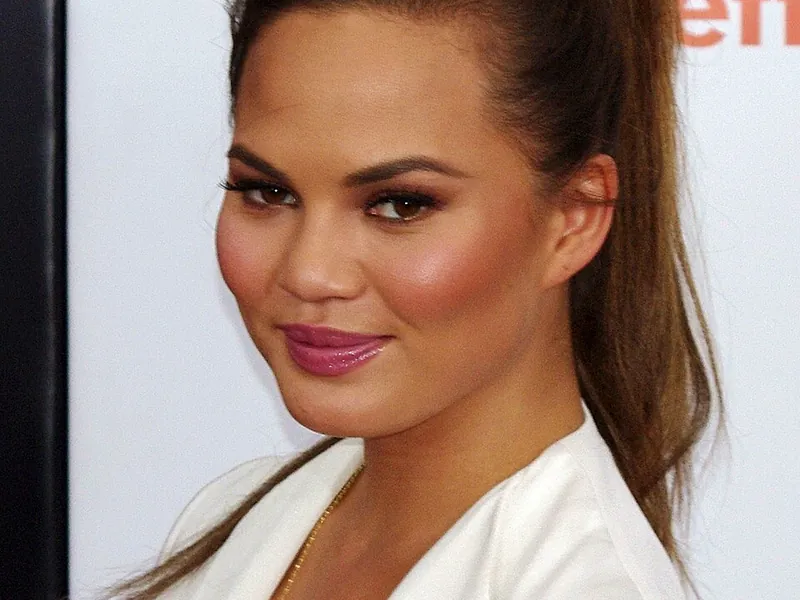 Chrissy Teigen and breast augmentation: what she said about her implantsChrissy Teigen got breast implants at 20 and said they were great to her for many years. Her words, how augmentation works and how to plan long term.
 Did Courtney Stodden have a breast augmentation? Yes at 18 — and a reduction at 31The reality star got huge implants at barely 18 and removed them at 31. Their honest quotes on reclaiming the decision and what surgery involves.
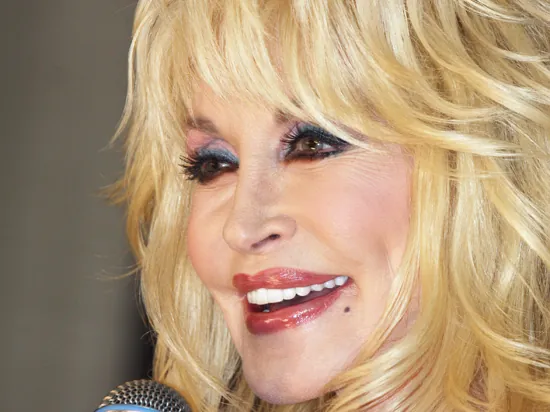 Did Dolly Parton have a breast augmentation? Yes — and she jokes about it openlyThe country queen has never denied her breast implants — from age 22 to today. Her funniest and wisest quotes, and what augmentation involves.
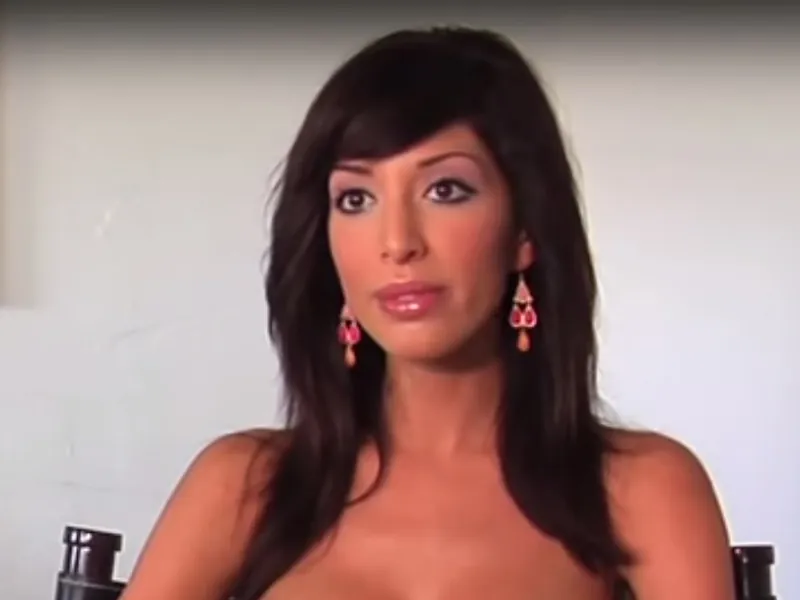 Did Farrah Abraham have a breast augmentation? Yes — and she explained whyThe Teen Mom star's chest changed after her baby and hurt her self-esteem — so she had augmentation. Her quotes and what the operation involves.
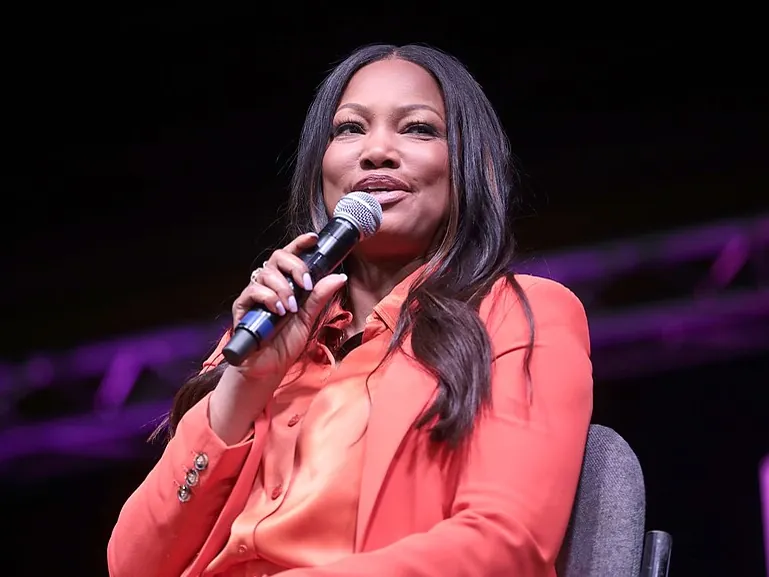 Did Garcelle Beauvais have breast implants? Yes — and she had them removedThe RHOBH star opened up about getting her breast implants removed — and said plastic surgery shouldn't be taboo. Her story and what removal involves.
What patients write after this operation. Reviews are translated from the original language.
Anna Smirnova
I went to Dmitry Sergeyevich for breast augmentation with implants. At the consultation everything was explained in detail, and together we chose the best size. The operation under combined anaesthesia took 2 hours, and I was discharged home the next day. The swelling went down in about a month, and my breasts look very natural. The year of follow-up care is a real lifesaver: you can always ask a question and get an answer. Thank you to the clinic!
Breast augmentation
Doctor: Dmitry S. Kuznetsov
Ekaterina Morozova
After two births I decided on a breast lift without implants. I chose Dmitry Sergeyevich and have no regrets. The result exceeded all my expectations: my breasts are lifted and the shape is youthful and firm. The incisions are minimal and almost invisible. I spent one day in the hospital, and the room was very comfortable. I recommend him!
Breast lift
Doctor: Dmitry S. Kuznetsov
Olga Kuznetsova
I had a combined operation, a breast lift with augmentation, with Dmitry Sergeyevich. At the consultation it was immediately clear that I was in the right place. Everything is included in the price, with no hidden charges. After a month my breasts already feel soft and natural. Personal follow-up after the operation is very valuable.
Breast lift with implants
Doctor: Dmitry S. Kuznetsov
Maria Lebedeva
Breast augmentation from a size 3 to a size 4 with Dmitry Sergeyevich. He chose perfect anatomical implants. The operation took 2 hours, and I woke up with almost no pain. In the ward I was fed and monitored around the clock. Four months have passed and the result looks like a magazine cover.
Breast augmentation
Doctor: Dmitry S. Kuznetsov
Natalia Vorobyova
I went to Dmitry Sergeyevich to correct breast asymmetry with a small lift. A true professional: at the consultation he immediately showed before-and-after photos of similar cases. Recovery was easy and the swelling went down quickly. I had my check-up after just 7 days. An excellent clinic!
Breast reconstruction
Doctor: Dmitry S. Kuznetsov
Yulia Romanova
I had a lift with implants after losing a lot of weight. I chose Dmitry Sergeyevich. At the consultation everything was explained in simple words, and my fears were gone. One day in the hospital, then care at home. Now my breasts look natural and keep their shape. I am very happy!
Breast lift with implants
Doctor: Dmitry S. Kuznetsov
Page medically reviewed by Dmitry S. Kuznetsov, plastic surgeon. Review date: .
Breast augmentation with implants is planned around a short stay and a longer, staged recovery. According to the programme, the stay at the clinic lasts one day, under general anaesthesia, and a return to work without physical exertion is possible after 7–14 days. Those two figures are the core of any calendar for a patient in Wuppertal, a city of 357,243 people at the end of 2025 in Nordrhein-Westfalen. The consultation is online, so the first conversation about dates takes place from home, and the coordinators answer round the clock on WhatsApp and Telegram.
The sensible way to plan is to look at the whole recovery, not just the first fortnight. Swelling is expected to settle after about 3 weeks. For the same 3 weeks, lifting anything over 3 kg and raising the arms above shoulder level are off the list. Intense gym training waits up to 40 days, and light cardio may be possible after a month. Discomfort fades by around 3 months, and baths, saunas and physiotherapy stay off the list for up to three months. If your weeks are structured by a school or holiday calendar, lay these milestones over it and see where the first 3 weeks fall. Check the current school-holiday dates for your own household. This text does not state them.
Students and university staff can think in semesters. Bergische Universität Wuppertal had about 21,000 students in the winter semester 2024/25, and the city has four institutions of higher education. For someone who works or studies there, the quiet stretch between teaching blocks is often easier to protect than a random week in the middle of a term. That is a planning idea rather than a medical rule, and the doctor confirms the real timetable at the consultation.
A worked example makes this concrete. Suppose a date is agreed in the first half of January 2027. The one day at the clinic is followed by 7–14 days of resting at home before desk work, the 3-week limits on lifting and raising the arms end in early February, and the first check-up falls at 7 days. Later check-ups come at 3 and 6 months, and consultations remain free for a year. Put these on a paper calendar before the date is confirmed, and move the operation if the recovery weeks clash with obligations you cannot shift.
After the operation you wear compression garments for 1–1.5 months while the tissue recovers from the correction. The answers given to patients also mention 4–6 weeks, so the exact period is confirmed individually. Whether that period falls in a cold or a warm part of the year changes how comfortable it feels. In Wuppertal the mean temperature is 3.1 °C in January, the coldest month, and 18.7 °C in July, the warmest, with an annual mean of 10.8 °C (DWD data 2015–2020).
A winter date, say late November 2026 to January 2027, means the garment sits under layers of knitwear and a coat. A close-fitting garment under several layers is a practical matter of choosing roomy tops that do not press on the chest and are easy to pull on without lifting the arms high. That last point matters because for 3 weeks the arms should not rise above shoulder level. Front-opening jackets and shirts with buttons or zips are simpler than anything pulled over the head.
A summer date brings milder temperatures than many people expect, since the July mean here is 18.7 °C, but a garment worn for 1–1.5 months can still feel warm on a sunnier day. The city averages 6.6 hours of sunshine a day in June and 6.5 in July, against 1.5 in December and 1.9 in January. Choose breathable, loose outer clothing, and ask the doctor about anything unclear in the care of the scars and the garment. Wearing it as prescribed is part of the plan, so decisions about clothing should serve that rule and not bend it.
The Wupper valley has a changeable, damp climate. Annual precipitation was 1,025 mm in the 2015–2020 table, and the article's text gives longer-term values of 1,116 mm in the valley and 1,183 mm on the heights. January is the wettest month at 125 mm, followed by December at 113 mm and November at 105 mm. April (50 mm) and May (53 mm) are the driest. Wet weather matters for recovery in a small way: slippery pavements and heavy umbrellas are a reason to avoid carrying loads during the first 3 weeks, when anything over 3 kg is not allowed.
The recovery guidance separates water into two kinds. Pool and sea are possible from 4–6 weeks, as the answers to patients' questions state, while baths, saunas and physiotherapy are not allowed for up to three months. A hot bath in the evening is therefore a different matter from a swim, and a sauna session is not an option early on. Anyone who spends the colder months in a sauna habit should plan for a pause of up to three months.
What does that mean for a patient in Wuppertal? Take an operation in early January 2027. The 4–6 week mark for pool and sea arrives in February, and the 3-month mark for baths and saunas arrives in April. The dates, once counted, are easy to follow, but the doctor gives final permission at the check-ups, since timing depends on your individual recovery. An operation planned for spring brings the same milestones into summer, when the warmest month averages 18.7 °C and the sunniest hours are in June and July.
People often ask whether it is better to operate before the swimming season. Nothing in the medical material supports a fixed answer. What can be said is that a date about two months before a planned holiday leaves time for the 4–6 weeks before swimming, with some margin for a slower recovery. A date a few days before a swimming holiday does not. Note too that the garment is worn for 1–1.5 months, so a holiday inside that period means wearing it as instructed.
Scars develop over about 3 weeks according to the recovery timetable, and the tissue around the implant forms a pocket within 3 months. Sunbathing and the care of fresh scars are matters to raise with the doctor, in the consultation or at the 7-day check-up. Send photos through the messenger if something looks different from what was described. The coordinators answer at any hour, so a question about a warm Sunday does not have to wait for a working day.
Wuppertal sits in the Bergisches Land, with the Wupper winding about 20 km through the city area. The lowest point is at Müngsten, 101 m above NN, and the highest is Lichtscheid at 350 m. People who live in a city with that much difference in height often walk or cycle on slopes without noticing, and recovery planning should take it into account. Easy walks are fine from 1–2 weeks, but steep paths with a heavy bag are another matter: nothing over 3 kg for 3 weeks.
Cycling needs its own thought. The Nordbahntrasse is a 22 km cycle route across the city, and it is tempting to return to it early. The recovery guidance allows light cardio possibly after a month and rules out intense gym training and overly active aerobics for up to 40 days. Cycling is not named specifically in the material, so ask the doctor when you may start, and for how long. Holding handlebars means leaning the weight of the upper body on the arms, and the 3-week limit on lifting and raising the arms is a good reason to wait.
Upper-body work is where the schedule is longest. Fitness and swimming are possible from 4–6 weeks, while strength training waits until 3 months. For someone who trains with weights several times a week, that is a long gap, and it helps to replace it with something suitable, such as walking, which is allowed from 1–2 weeks. Rushing back to the bar or to push-ups is a more common mistake than being too cautious. The doctor adjusts the schedule at the 3-month check-up.
A sensible sequence for a regular exerciser could look like this: walking in the first weeks, light cardio after a month if the doctor agrees, fitness and swimming from 4–6 weeks, and strength work from 3 months. Between those steps, keep an eye on diet and meals, as the recovery notes advise. If the date is in the dry months of April and May, outdoor walking is more pleasant, but the same limits apply whatever the weather.
The German background is clear: the statutory health insurance (GKV) does not pay for cosmetic procedures done at the patient's request. The patient bears the full cost, including lost income. Roughly 92% of the German population is covered by statutory insurance, so most people in Wuppertal should expect that cosmetic augmentation falls outside what their fund pays. Another reference work notes that health insurers cover treatment costs except in cosmetic surgery, where the total cost is borne by the patient.
There is a second point that is easy to overlook. After a medically not indicated procedure, insured persons must share in the cost of resulting complications, including sick pay, and funds may restrict or refuse benefits under § 52 SGB V. There is also no entitlement to continued wage payment (Entgeltfortzahlung) in that case. In practical terms, if you are employed, think about how to arrange the 7–14 days before returning to work, for example through annual leave, and talk to your employer and your fund before fixing the date. This is general information, not legal advice.
The service itself offers one thing that helps with planning: the consultation is free and online, and the final conditions are named by the doctor and written into the contract. Dressings and check-ups for a full year are included in what the programme describes, and the coordinators are reachable round the clock. That makes it possible to ask about timing and about what happens if recovery is slower than expected, before anything is booked.
Some context on how common the procedure is: breast procedures in Germany nearly doubled between 2017 and 2022, reaching about 76,650 breast augmentations, 31,950 breast lifts and 24,170 breast reductions, as cited from a documentary. These are not statistics about Wuppertal. They show that augmentation is a frequent request, and that people in your position are weighing the same practical questions about time off, insurance and sport.
There is no medically ideal month, because the garment is worn for 1–1.5 months in any season. In Wuppertal the mean temperature is 3.1 °C in January and 18.7 °C in July, so a winter date means clothing over the garment, and a summer date means keeping cool in loose, breathable outer layers. Choose by your calendar first, and by comfort second.
Pool and sea are possible from 4–6 weeks, according to the recovery guidance. For an operation in early January 2027 that means roughly February. Baths, saunas and physiotherapy are not allowed for up to three months, so those wait until about April. The doctor confirms the timing at the check-ups.
Cycling is not named in the recovery material, so ask the doctor. What the material does say: no lifting over 3 kg and no raising the arms above shoulder level for 3 weeks, no intense gym training or very active aerobics for up to 40 days, and light cardio possibly after a month. The 22 km route is best saved for after those limits have passed and the doctor agrees.
Easy walks are possible from 1–2 weeks. The city ranges from 101 m to 350 m above sea level, so choose flat routes at first and avoid carrying anything over 3 kg for the first 3 weeks. Shopping, bags and children's rucksacks count towards that limit.
Statutory insurance (GKV) does not pay for cosmetic procedures done at the patient's request, and the patient bears the full cost, including lost income. After a procedure that is not medically indicated, insurers may restrict or refuse benefits for complications under § 52 SGB V. Ask your fund directly about your situation.
The programme states a return to work, without physical exertion, after 7–14 days, so plan for at least that. There is no entitlement to continued wage payment (Entgeltfortzahlung) for a procedure that is not medically indicated, so many patients consider annual leave and discuss the dates with their employer. Desk work and physical work differ, and the doctor can advise on your own job.
Rain is not a medical factor in the material. January, December and November are the wettest months in Wuppertal (125, 113 and 105 mm), and April and May the driest (50 and 53 mm). A drier spring can make early walks pleasanter, but the recovery rules are the same in every season. Choose the date by your calendar and the doctor's advice.
The preparation notes say to keep a healthy balance of work and rest, sleep more, avoid stress and reduce physical activity 1–2 months ahead. Hormonal oral contraceptives are paused at least a month before, aspirin-containing drugs, steroids and hormonal medication for chronic conditions 1–2 weeks before, and tests are done a week before the operation. The doctor gives the exact list at the consultation.