


























 1
Consultation and scan review
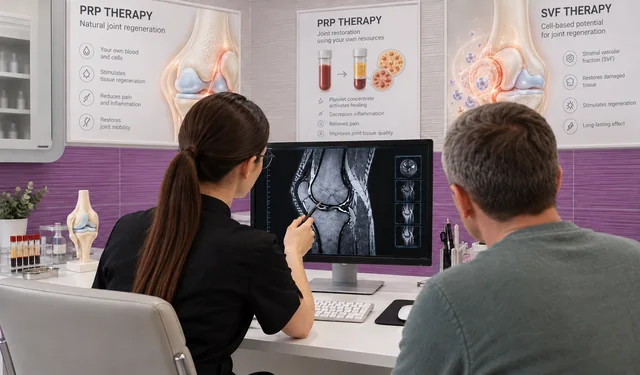
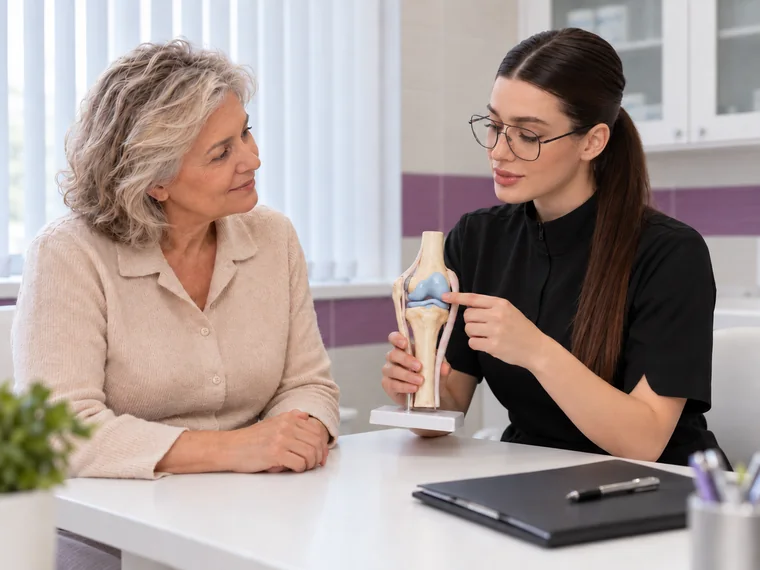
First comes an examination of the joint and a look at your X-rays, MRI or ultrasound; then the doctor decides whether the procedure fits your case. Existing scans can be sent before the visit.
A doctor looks at your case and tests first, then PRP and SVF cell therapy can become part of arthritis care for the knee, hand, shoulder or other joints
Consultation and review of your scansFree
Message us on WhatsAppFree online consultation · Reply within 15 minutes
Message our coordinator
Free online consultation · Reply within 15 minutes
Message us on TelegramMessage us on WhatsAppBy messaging us, you agree to our Privacy Policy
What it is
Arthritis refers to inflammation within a joint. Typical complaints are resting and night-time pain, morning stiffness beyond half an hour, swelling, redness and warmth. It may be driven by autoimmune disease like rheumatoid or psoriatic arthritis, by gout, by an infection or by a former injury.
PRP and SVF can support the tissues of the joint and help bring down inflammation and pain. They do not replace a rheumatologist when the disease is systemic. The doctor confirms your type of arthritis and the right timing first, and the procedure is not performed during a severe flare or an active joint infection.
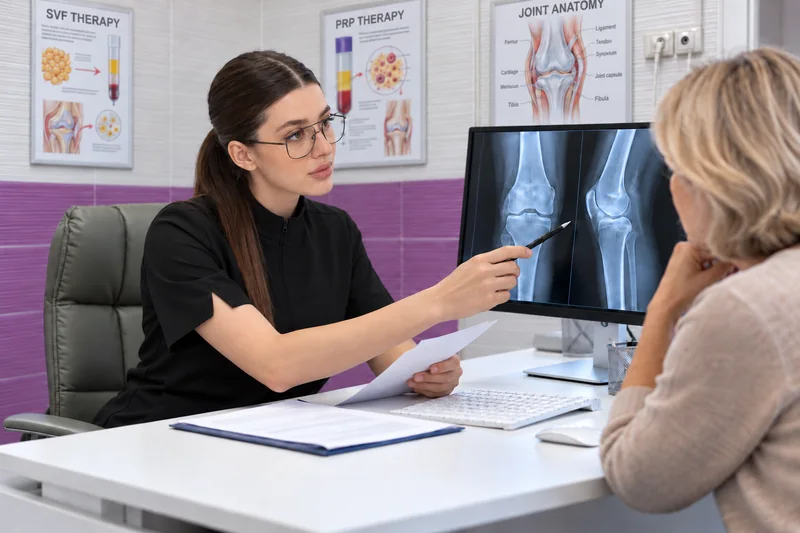
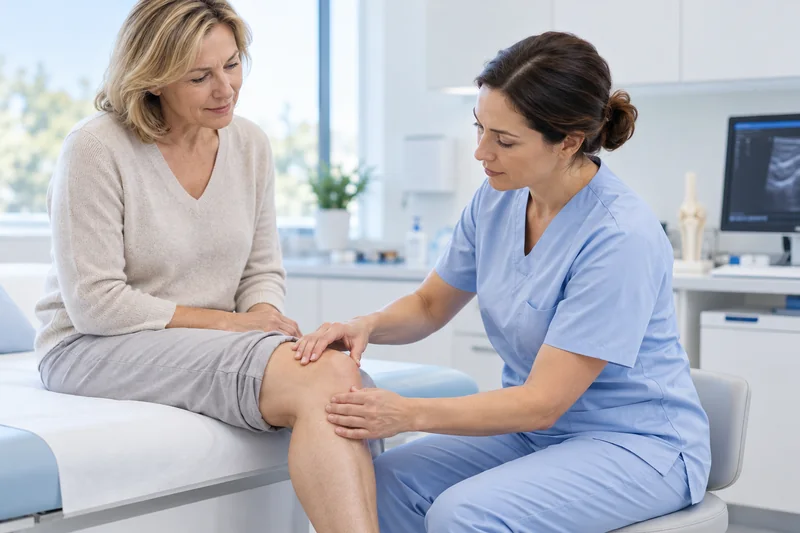
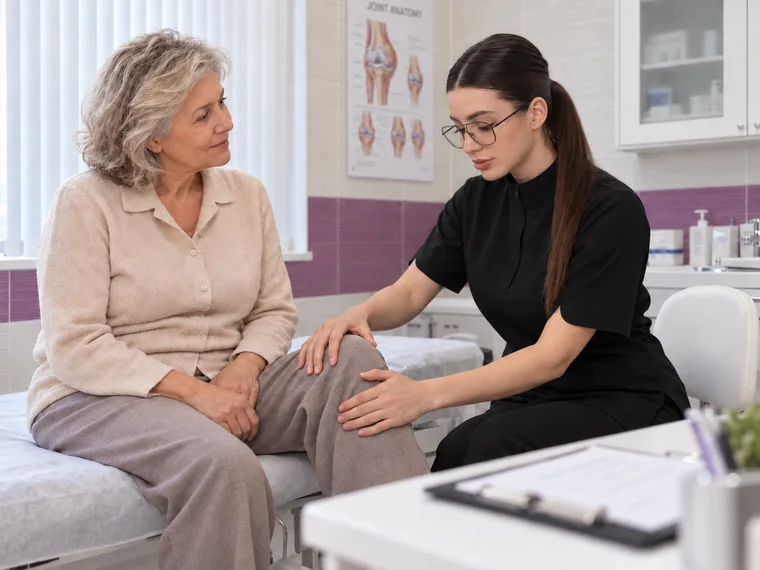
A doctor decides whether the treatment suits you after examining you and reviewing your scans
Not sure the treatment is right for you?
Leave your number — the coordinator will ask for your scans (X-ray, MRI or ultrasound), and the doctor will tell you whether treatment without surgery suits you.
Find out if it suits meWhat we treat
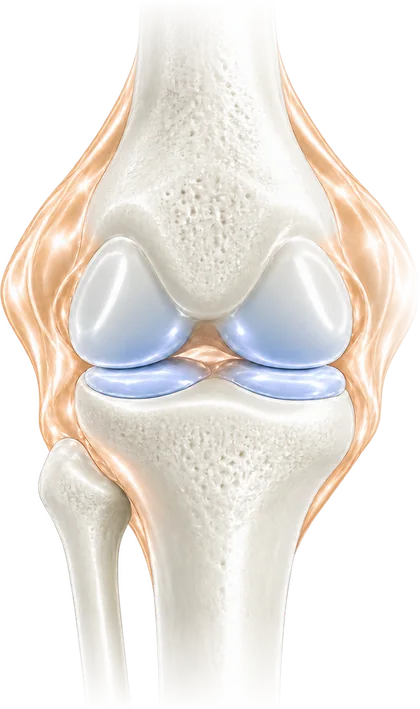 Arthritis
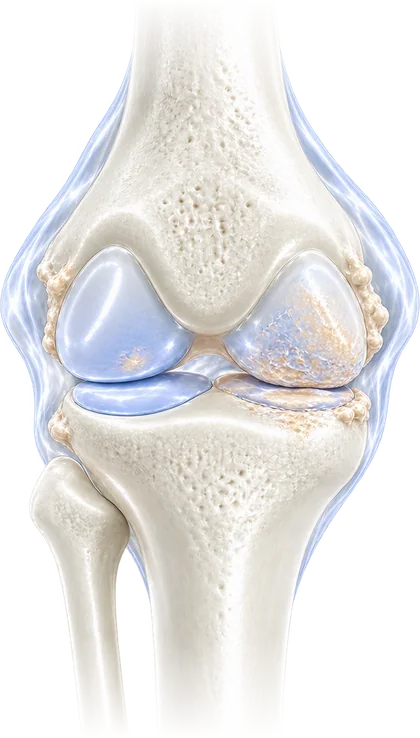 Arthrosis
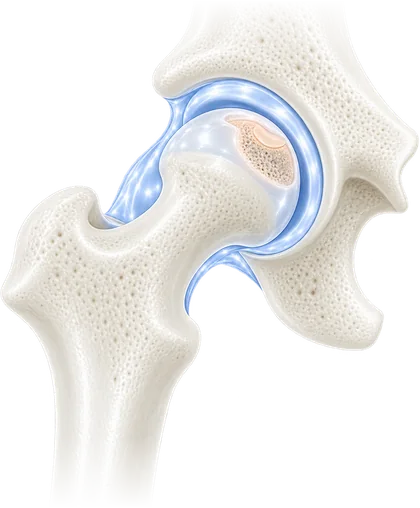 Avascular necrosis
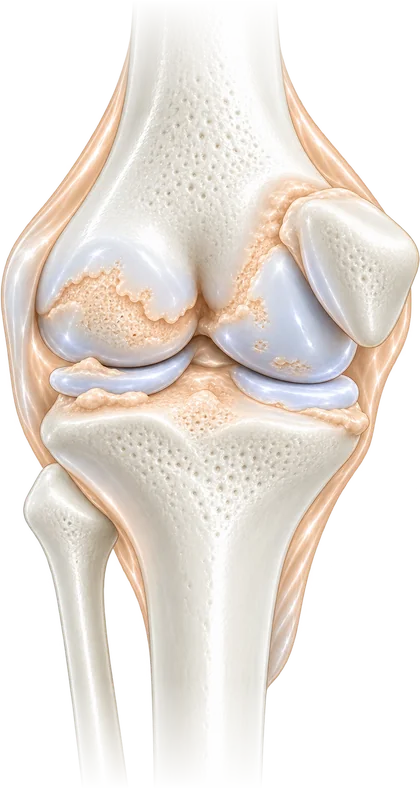 Osteoarthritis
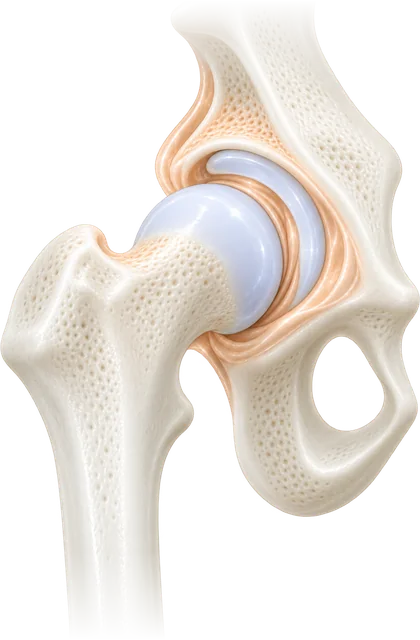 Coxarthrosis (hip osteoarthritis)
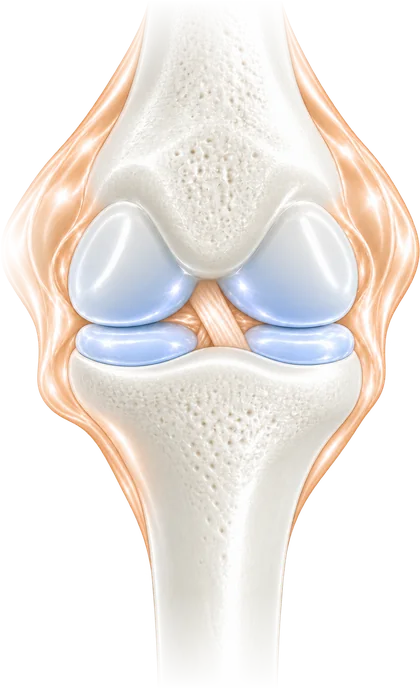
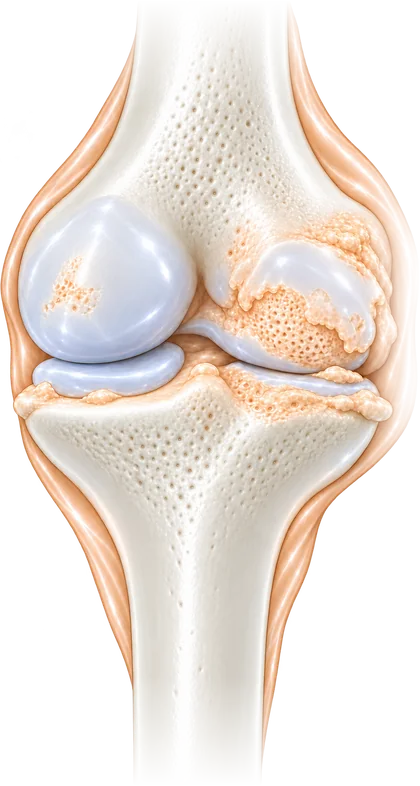 Gonarthrosis (knee osteoarthritis)
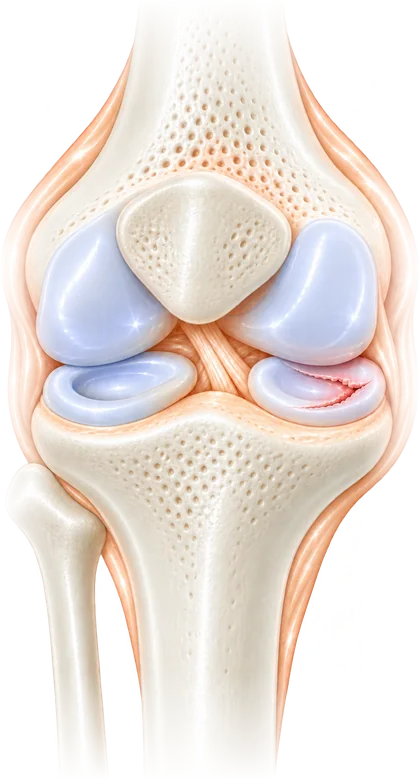 Meniscus pathology and injury
 Rehabilitation after injuries and surgery
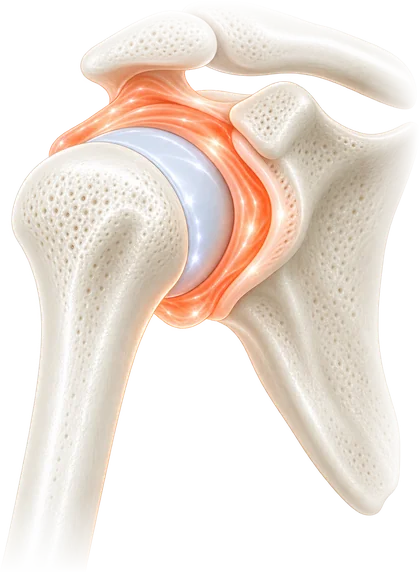 Inflammatory joint conditions
How it works
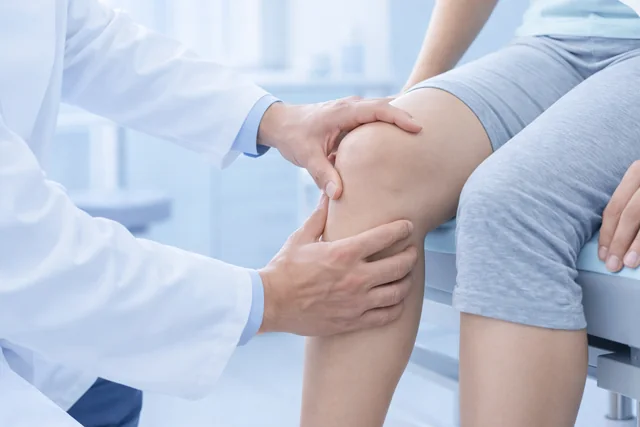
1First comes an examination of the joint and a look at your X-rays, MRI or ultrasound; then the doctor decides whether the procedure fits your case. Existing scans can be sent before the visit.
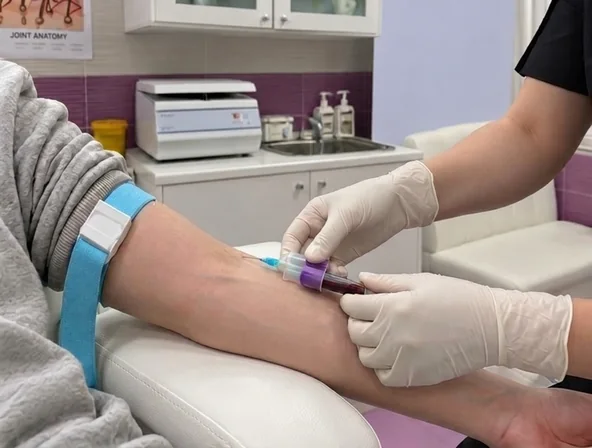 2
Only a small amount of venous blood is taken; it is later used to prepare platelet-rich plasma with growth factors.
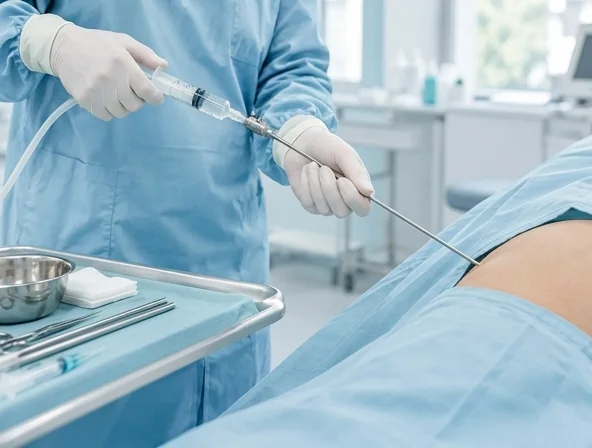 3
A puncture on the abdomen or inner thigh, local anaesthetic and about 30 ml of adipose tissue taken — the site needs no stitches.
 4
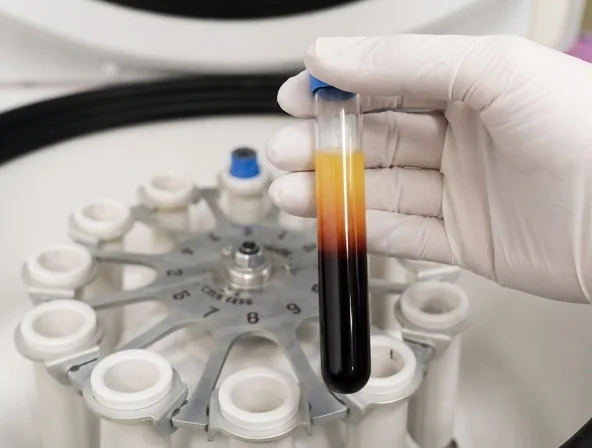
The sample is placed in a centrifuge, where it splits into layers. From these the stromal vascular fraction is isolated and combined with the platelet-rich plasma.
 5
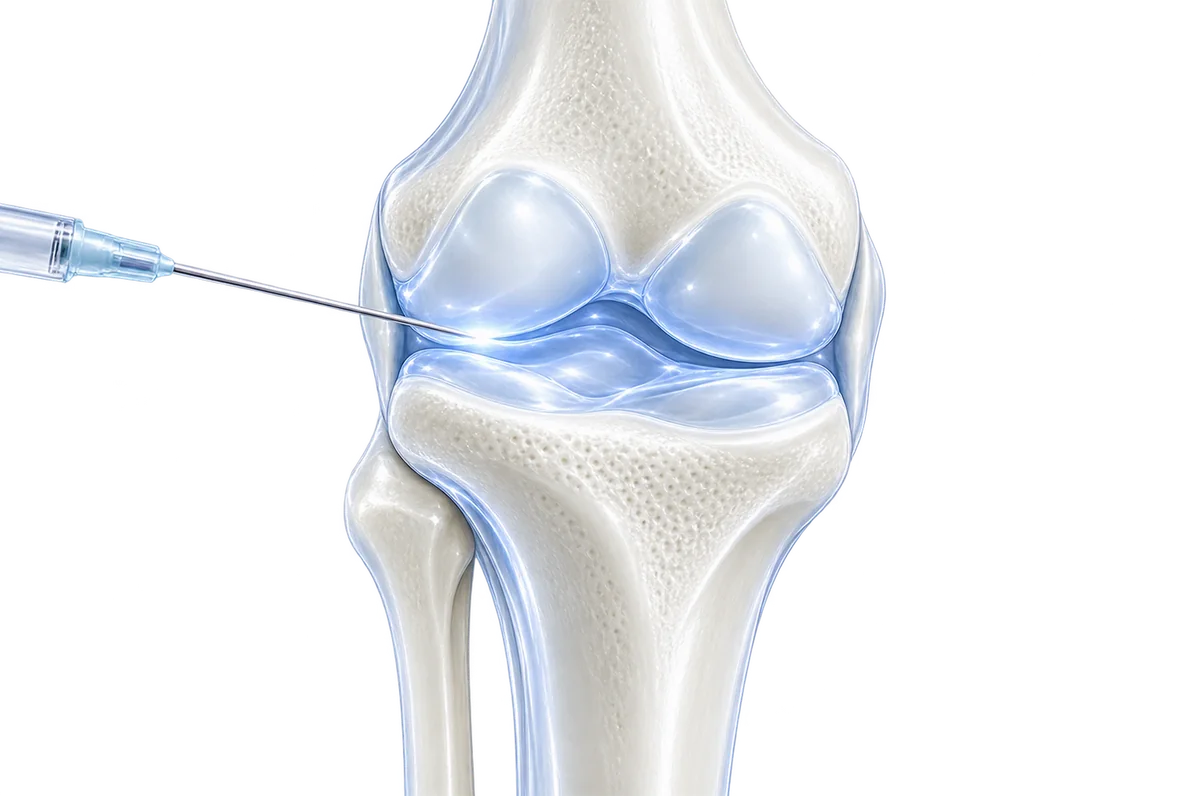
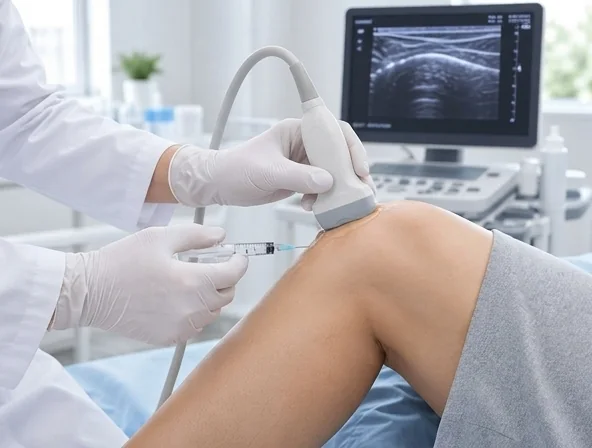
Under ultrasound guidance, which helps with precise placement, the prepared material is injected straight into the affected joint.
 6
After the procedure there is no hospital stay and no need for crutches; the doctor stays in touch and follows the joint's progress.
Call or message us — our coordinator will contact you shortly and book your consultation

Results

The joint may ache a little more — this is an expected reaction.
The pain usually eases.
Mobility and activity improve.

The full effect develops.
How long it lasts differs from person to person and depends on the stage of the condition, body weight, activity and other factors — no one can promise a fixed result.
Comparison
Only material from your body — your blood and adipose tissue — and nothing synthetic or from a donor
The stromal vascular fraction (SVF) — a blend of cells involved in repairing tissue — is isolated by processing a small sample of your adipose tissue. Mixed with your own plasma, it goes into the affected joint by injection.
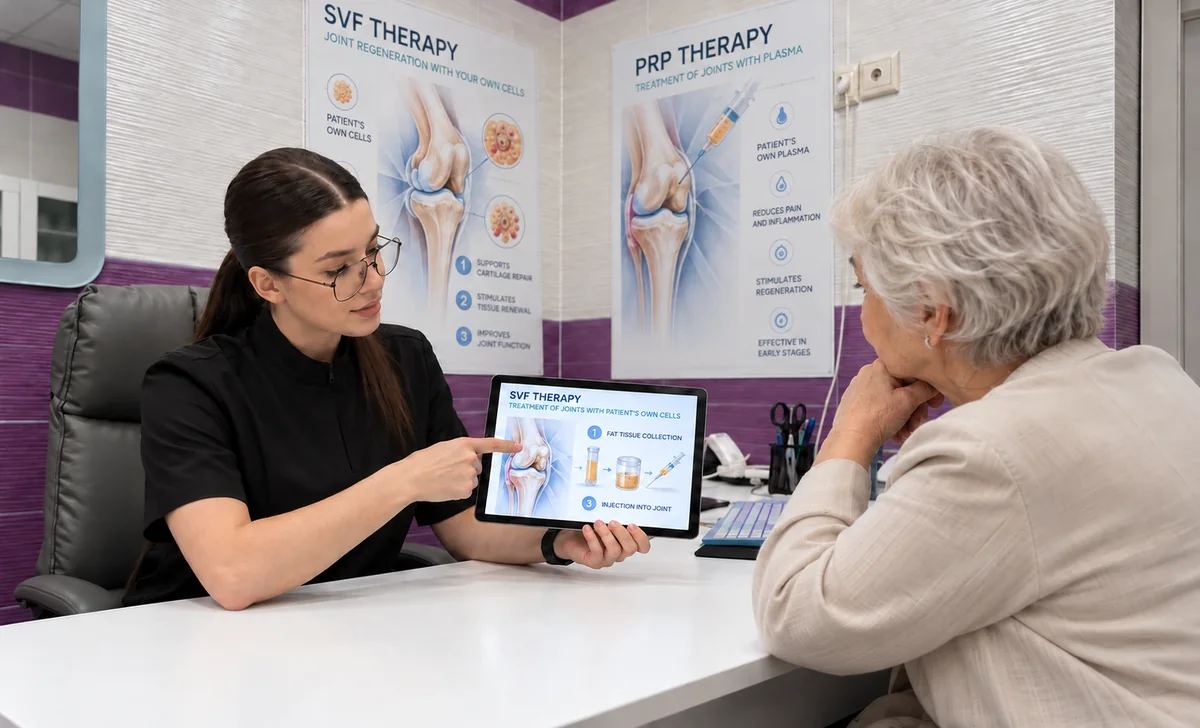
In inflammatory arthritis it is used for its effect on local inflammation and tissue repair, once the acute flare has settled.
Injected into the joint, plasma rich in platelets and growth factors — separated from a small amount of your blood — helps calm inflammation and makes conditions for tissue repair better.
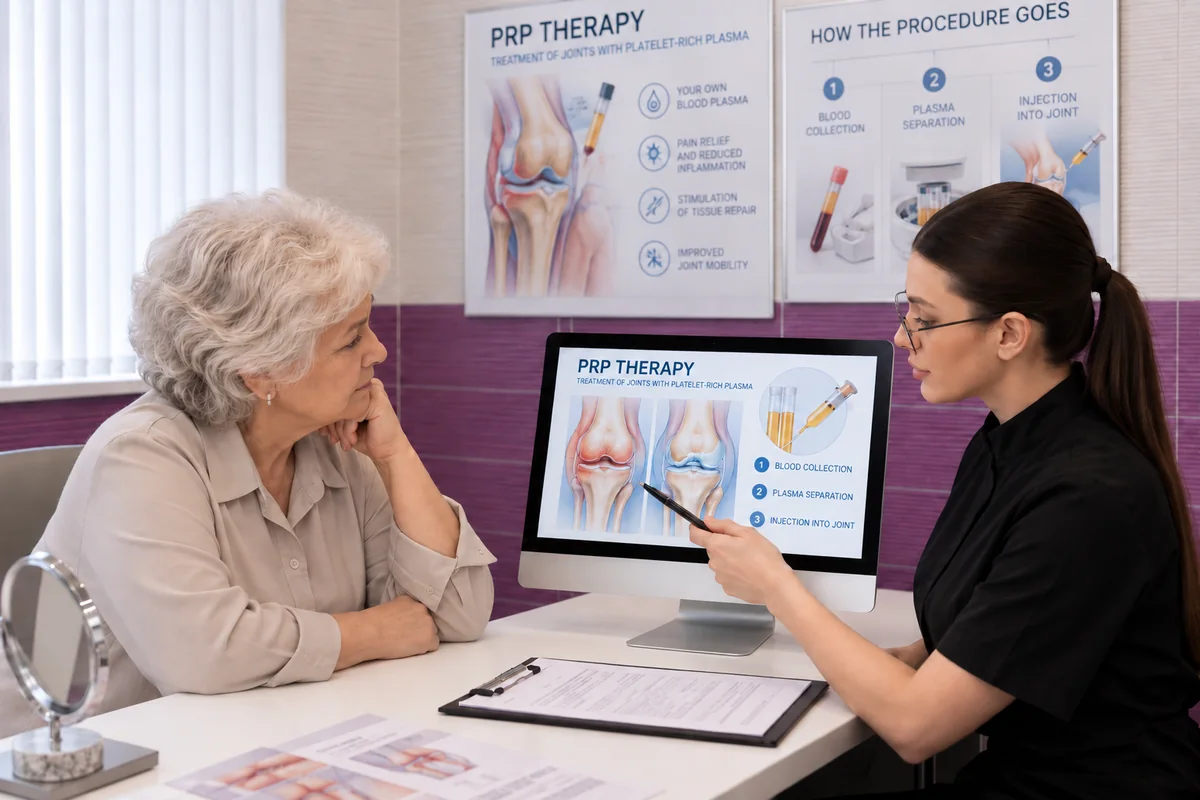
For rheumatoid and other forms of inflammatory arthritis it may be suggested as one component of the overall plan of treatment.
The benefits and timings shown are averaged and given for guidance: the plan and recovery depend on your joint and individual features, and the doctor confirms them at the consultation.
At the consultation the doctor will review your scans and suggest a treatment plan
Free consultation
Joints
From large joints to small ones — which joint, which method and how many injections is decided by the doctor once your scans are reviewed
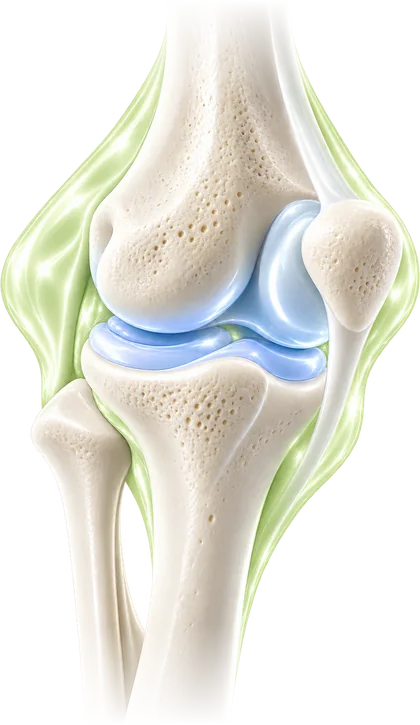 KneePain climbing stairs and after walking, plus cartilage wear and meniscus problems
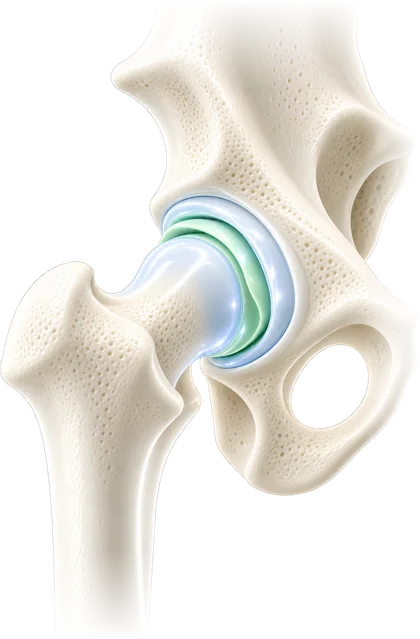 HipEarly hip osteoarthritis, groin pain, limited rotation
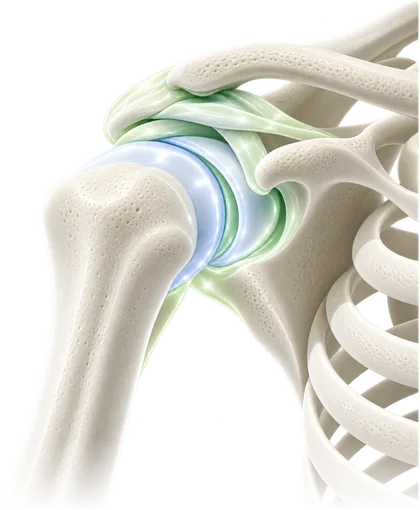 ShoulderPain when lifting the arm, and wear affecting the joint and surrounding tendons
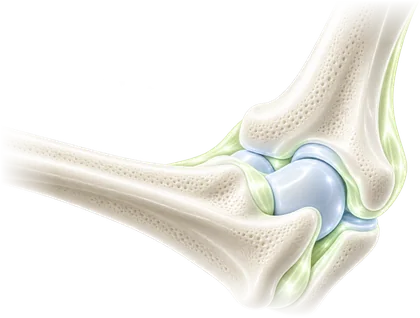 ElbowPain after strain in sport or overuse, and worn surfaces inside the joint
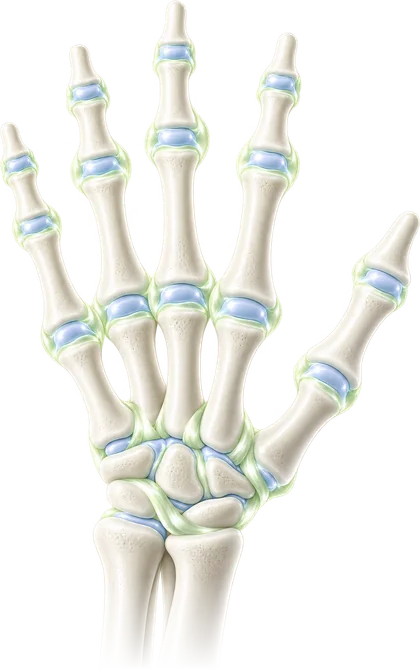 Hand and wrist jointsStiffness and aching in the wrist and in the small finger joints
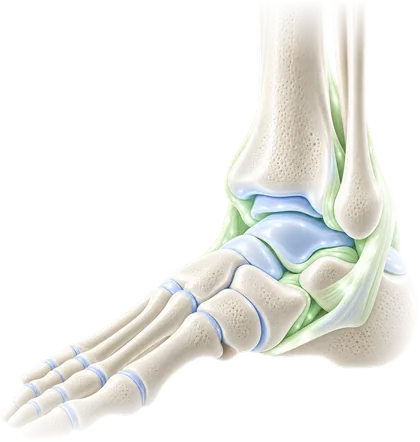 AnklePain and stiffness after sprains and old injuries
Advantages
Keeping your natural joint rather than having it replaced: treatment without surgery
Only material from your body — your blood and adipose tissue — and nothing synthetic or from a donor
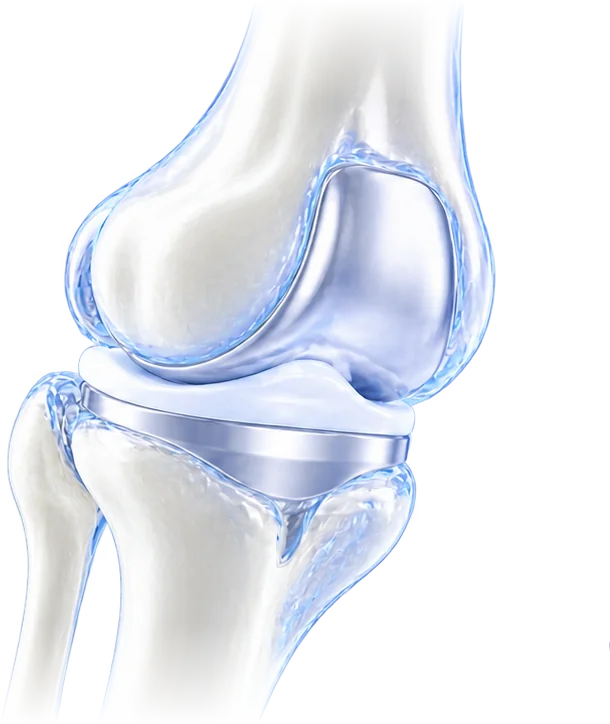
No long rehabilitation — just punctures instead of incisions and local anaesthetic
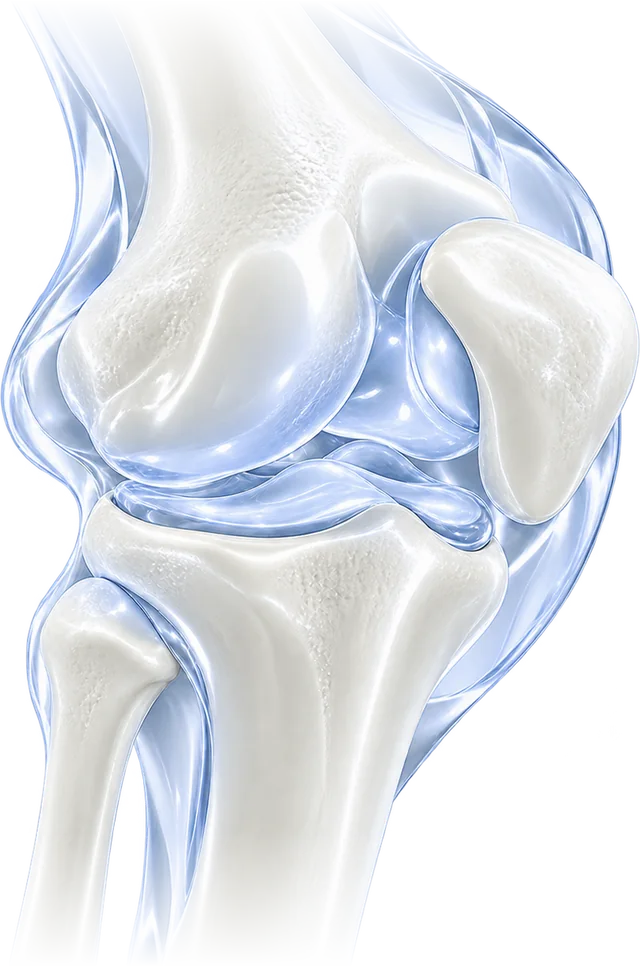
For a free, independent doctor's assessment, send us your X-rays, MRI or reports
Our contact does not end on the day of the injection — we stay in touch and follow the result
About the clinic
Modern equipment, comfortable rooms and care for every patient
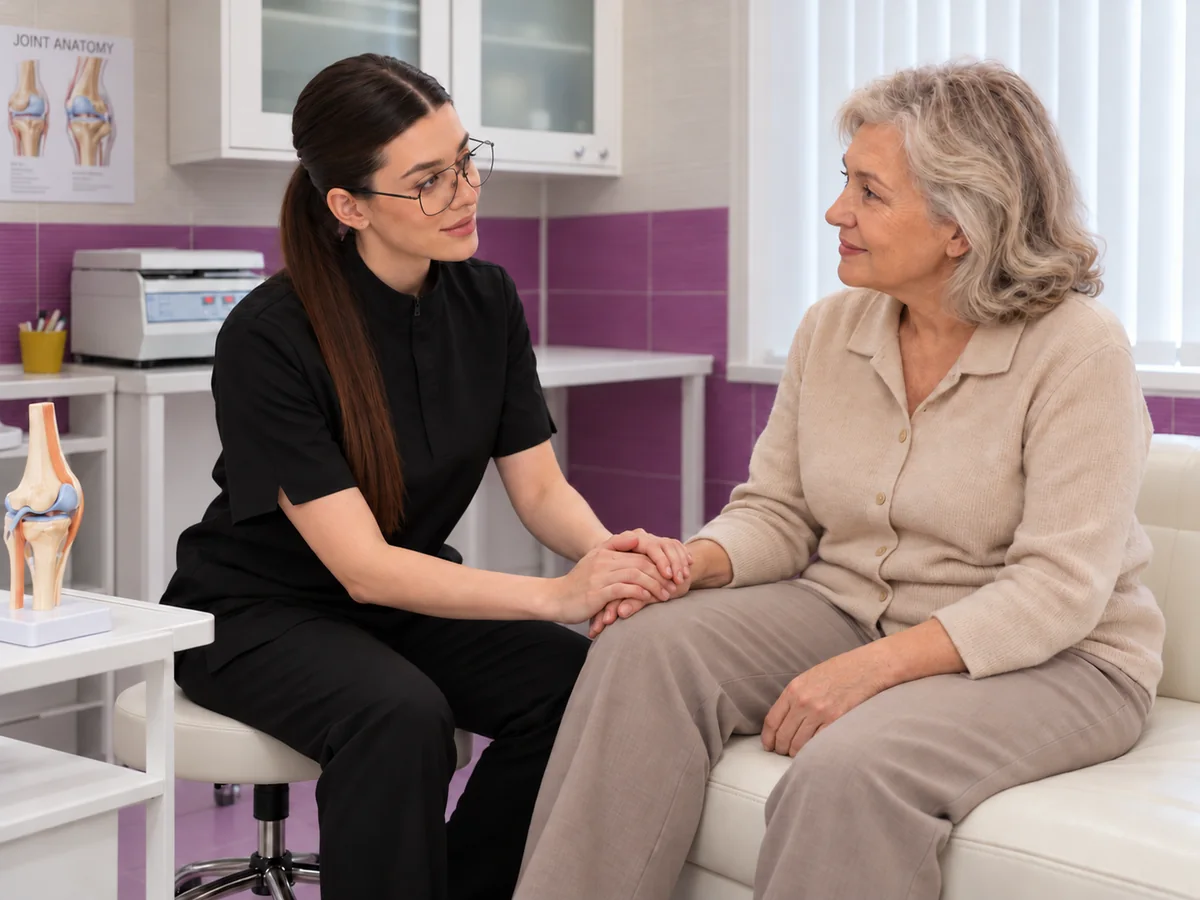
We will answer your questions and find a convenient time for a consultation
By messaging us, you agree to our Privacy Policy
Request a free callPrice
After the consultation the doctor names the cost, which depends on the joint, the arthritis type and the method
Free
Book — Consultation and review of your scansPrice at consultation
Book — PRP therapy (platelet-rich plasma)Price at consultation
Book — Cell therapy (SVF + PRP), one jointFAQ
Rheumatoid arthritis is a systemic disease that is treated by a rheumatologist. PRP and SVF injections do not cure it; once an acute flare has settled, the doctor can assess whether joint injections may ease local symptoms.
Arthritis is a disease in which the joints become inflamed. Its typical signs are pain at rest and at night, morning stiffness lasting over 30 minutes, swelling, redness and warmth over the joint. Among the causes are autoimmune conditions like rheumatoid arthritis, as well as infections, gout and psoriasis.
It does not replace the treatment prescribed by your rheumatologist, but PRP can complement it: in rheumatoid and other inflammatory arthritis it may help reduce local inflammation, pain and swelling, as platelet growth factors influence the immune response and tissue repair.
A complete cure for psoriatic arthritis, a chronic disease, is not currently possible. What we aim for is long remission — control of inflammation and prevention of joint deformity — and regenerative injections can form one part of that plan.
In SVF there are cells that can influence the local immune response and help damaged tissue in the joint to repair. The doctor will discuss realistic expectations for your type of arthritis, since research in this area is ongoing.
Active joint infection, a severe flare, pregnancy, cancer and blood clotting disorders all rule out the procedure; in these cases the doctor postpones it or proposes another option.
Osteoarthritis is wear of the cartilage, usually showing as aching pain and a dry crunch with movement. Knee arthritis is inflammation from an autoimmune reaction, infection or gout, with redness, warmth, marked swelling and tenderness to touch.
Inflammation stimulates the joint's pain receptors non-stop: on movement, at rest, at night. Reducing the inflammation with treatment such as PRP and SVF can ease this pain.
No. Joint injections — PRP and SVF too — are not given in pregnancy, as it is a contraindication. A rheumatologist and an obstetrician decide on arthritis treatment during pregnancy together.
Yes. A doctor looks at your X-rays, MRI, ultrasound or blood tests free of charge and says whether regenerative treatment could suit your type of arthritis — simply send them.
Untreated, it can result in permanent joint deformity, lost function, osteoporosis and damage to the heart, lungs, kidneys and other internal organs. These complications are prevented by timely treatment.
About the conditions
It is gradual wear of the cartilage that covers the ends of the bones in a joint. When the cartilage thins, the joint loses its cushioning, the bones rub against each other, and pain, stiffness and crunching appear. It is a degenerative condition, not an inflammatory one.
At early stages, PRP or SVF injections combined with exercise therapy and physiotherapy can reduce pain and improve movement. If the joint is already badly damaged, replacement may be the more realistic option — the doctor will tell you honestly after seeing your scans.
At early stages (1–2), SVF therapy may be considered to support blood supply to the femoral head and delay the need for joint replacement. At later stages surgery is usually required.
Arthritis is inflammation of a joint. For patients from Wuppertal, typical signs are pain at rest and at night, morning stiffness that lasts longer than half an hour, swelling, redness and warmth over the joint.
The procedure is also not done with cancer, blood clotting disorders or during a flare-up of a serious chronic illness. The doctor checks this for every patient in Wuppertal at the consultation.
The cost of arthritis treatment depends on the joint, the type of arthritis and the method, so the price is set at the consultation. For patients from Wuppertal, the first consultation and review of your scans are free. Leave your name and phone number to book.
Wuppertal sits in the Bergisches Land, in the valley of the Wupper, which runs for about 20 km through the city area. The city is not flat. Elevation is given as 160 m above sea level, the lowest point at Müngsten is 101 m and the highest, Lichtscheid, is 350 m. The southeastern part belongs to the Bergische Hochflächen. For someone with an inflamed joint, these numbers matter in practice, because a daily route can mean a steady climb or descent, and a stiff knee or ankle registers that quickly.
The climate table for 2015-2020 gives a July mean of 18.7 °C and a January mean of 3.1 °C, with an annual mean of 10.8 °C. Annual precipitation is 1,025 mm in that table. January is the wettest month at 125 mm, followed by December at 113 mm and November at 105 mm. April (50 mm) and May (53 mm) are the driest. The article's text also mentions longer-term totals of 1,116 mm in the valley and 1,183 mm on the heights. Sunshine averages 4.3 hours a day over the year, but only 1.5 hours in December and 1.9 hours in January.
Does this weather cause flares? We will not claim that. Some patients feel that damp, cold months make joints stiffer, and others notice nothing. What we can say is that the long grey stretch from November to January is also when many people move less, and reduced movement and a flare can look alike on paper. This is why a written record is worth more than memory. If your notes show that stiffness gets worse in the wettest weeks, or only after a week of inactivity, the doctor will read those facts differently from a flare that arrives in a dry, bright April.
An inflamed joint behaves in a recognisable way. Pain comes at night or at rest. Morning stiffness lasts longer than half an hour. The joint swells and may be red and warm. Wear-related pain, by contrast, is more of a dry crunch and an ache that appears with movement. Weather can blur this distinction, since a cold morning makes any joint feel stiff. So the notes should record how long the stiffness lasts, not just that it exists.
A diary is the most practical thing to prepare for an online consultation, and it costs nothing. The aim is not to write a story but to give the doctor a pattern. Keep it simple enough to continue on a bad day, with one entry in the morning and, if you can, a short one in the evening.
Record these points for each day:
- Which joint or joints are affected, and whether it is one side or both.
- How long the morning stiffness lasted. The threshold that matters is longer than half an hour, so note whether you were above or below it.
- Whether pain woke you at night or was present at rest, because that points towards inflammation rather than simple wear.
- Visible signs: swelling, redness, warmth over the joint.
- What you took for the pain, and how long the relief lasted. If painkillers only help for a short time, say so.
- Anything unusual that day: a long walk, a cold or fever, a skin problem over the joint, a new medicine.
- A weather note, only one line: cold and wet, mild and dry, whatever it was.
The cold, fever and skin notes are not decoration. A fever, cold or flu, or any skin inflammation over the joint planned for treatment, is a temporary reason to postpone the procedure. A diary shows when such an episode began and ended, so the doctor can judge when the joint is calm enough to consider treatment.
Mark clearly the days you would call a flare, and the days when things settled. In inflammatory arthritis, the timing is central: the doctor waits for the right moment and does not act during a severe flare or an active joint infection. Cell therapy for inflammatory arthritis is applied after the acute flare has calmed. So a record showing how long your flares last, and how long the quiet periods are, directly shapes the discussion.
If you already see a rheumatologist, add the diagnosis, the type of arthritis if it has been named (rheumatoid, psoriatic, gout, or an old injury), and the current treatment. PRP and SVF are described as working alongside a rheumatologist's care for a systemic disease and never in place of it. The doctor needs to know what the rheumatologist prescribes, to see the whole picture.
In Germany, about 92% of the population is covered by statutory health insurance. As of 2024, roughly 88% of the working population is insured through statutory funds and about 11% privately. For a patient in Wuppertal with arthritis, this usually means the main route to a diagnosis and to long-term medication goes through the insurance system and a rheumatologist, often after a referral from a family doctor.
That route is where systemic inflammatory disease should be managed. An online consultation does not replace it. The medical centre's role is a different one: to review your scans and test results, to tell you whether regenerative injections could be an additional option for your joint, and to explain honestly when they could not. Rheumatoid arthritis is a systemic disease treated by a rheumatologist, and PRP and SVF injections do not cure it. Psoriatic arthritis is chronic, and there is no way to cure it completely. The aim is long remission, with inflammation kept in check and joint deformity prevented, and injections can be one possible element of that plan.
On coverage, we will be careful, because decisions are made by your own insurer and depend on your policy and your medical situation. The consultation and the review of your scans are free. The price of treatment depends on the joint, the method and the type of arthritis, and the doctor gives it after the consultation. Whether your insurer will contribute to any part of regenerative treatment is something to ask them directly. Do not assume either way. The coordinator can tell you which documents are usually useful to have on hand when you ask.
Access to specialists is a practical question as well. A survey from 2010 found that 70% of Germans reported waiting less than one month for elective surgery. That is an old figure about surgery, not about rheumatology appointments, and it should not be read as a promise about either. But it frames a useful point. If you are waiting for a specialist appointment, or want a second opinion on scans you already have, you can send the images for a free independent assessment while you wait. A second opinion does not cancel any referral you have in hand.
Joint replacement is the other end of the spectrum. About 400,000 hip and knee joint replacements were performed in Germany in 2016, and about five million people in the country have osteoarthritis. After an uncomplicated hip replacement, the inpatient stay lasts about six to eight days in most clinics, with follow-up rehabilitation arranged during the stay. The medical centre's approach is to try to keep your own joint where that is realistic, and to say honestly when it is not. For a badly damaged hip, replacement may be the more realistic option, and the doctor will say so after seeing your scans.
A good consultation starts with good material. The coordinator will ask for your scans, which can be X-ray, MRI or ultrasound. If you have them already, send them before the consultation. Reports from the radiologist are useful, but the images matter more, since the doctor reviews them directly.
Prepare these items in one folder on your phone or computer:
- Scans of the painful joint, with dates, and older ones if you have them, so the doctor can see change over time.
- Recent blood test results, particularly anything connected to inflammation or your diagnosis.
- The letter or note from your rheumatologist, if there is one, with the diagnosis and the list of current medicines.
- Your symptom diary, covering as many weeks as you have.
- A short list of past injuries or operations involving the joint, since a long-past injury can be the cause of arthritis.
- Two or three photos of the joint on a bad day, if there is visible swelling or redness.
Then think about the screen itself. Choose a quiet room with good light and a chair where you can show the joint. For a knee, wear shorts. For the hand or wrist, a plain background helps. Be ready to stand up, walk a few steps and show how far you can bend, straighten or rotate the joint, because the doctor will want to see it move.
Be ready to answer questions about the points that rule treatment out. Cancer, pregnancy, blood clotting disorders, acute infection (including in or near the joint) and a flare of a serious chronic illness all stand in the way. Mention any fever, cold or skin problem over the joint, even if it seems minor. If one of these applies, the doctor postpones the procedure or offers another option. That is not a refusal of care, only a question of timing.
If the doctor does find that the treatment may suit you, the plan is explained in advance. About 30 ml of adipose tissue is taken under local anaesthetic through a single puncture on the abdomen or inner thigh, with a blood sample for PRP. The sample is spun in a centrifuge and the prepared material is injected into the joint under ultrasound guidance. The whole procedure takes one day, with no crutches and no hospital stay. Afterwards the doctor keeps in touch and follows how the joint responds.
Wuppertal offers plenty of ways to stay active. The Nordbahntrasse is a 22 km cycle route across the city, and the Schwebebahn, the suspension railway running since 1901 with tracks 8 m above the streets and 12 m above the Wupper, gives another way to cross the valley without a steep climb. A person with arthritis can use these facts when planning the week, since the choice between a gentle ride and a hilly walk affects how a joint feels the next morning.
A diary again helps. Note what you did and how the joint reacted the next day and the day after. For the early period after an injection, the expectations in the treatment plan are modest and gradual. In the first week the joint may ache a little more, which is an expected reaction. After about a month the pain usually eases. Around three months, mobility and activity improve, and about six months in, the full effect develops. These timings are averages. How long the effect lasts differs from person to person and depends on the stage of the condition, body weight, activity and other factors, and nobody can promise a fixed result.
High load on the joints, from sport or physical work, is one of the reasons people consider this treatment, and also something to discuss openly. Ask the doctor which activities are sensible during the first weeks and which to hold back. Do not decide it alone on the basis of how good the weather looks.
The university adds another rhythm to the city. Bergische Universität Wuppertal has about 21,000 students, and the city has four institutions of higher education. If you study or teach, the semester calendar may determine when you can set aside a quiet day for the procedure and a lighter week afterwards. Looking further ahead, Wuppertal will host the Federal Horticultural Show in 2031, and a long-term plan for a joint can take that kind of horizon into account. The point is simple: choose the date with your calendar and your diary in front of you.
Not necessarily. The calendar matters less than the state of the joint. The doctor looks for a time when the acute flare has calmed and there is no active infection or fever. The climate table shows the driest months as April and May, and the wettest as November to January, but that does not decide the plan. Your diary and scans do. If your notes show that flares cluster in certain weeks, tell the doctor, who can take that into account when choosing the timing.
Some patients feel stiffer in cold and damp periods, and others notice no link at all. We do not claim that weather causes flares. What helps is a short daily record: morning stiffness (longer or shorter than half an hour), swelling, redness, warmth and one line on the weather. After a few weeks you and the doctor can see whether a pattern exists or whether activity, a cold or a change in medicine explains the bad days better.
We cannot say, because the decision belongs to your insurer and depends on your policy and your medical situation. The consultation and the review of your scans are free, and the price of treatment is given by the doctor after the consultation, as it depends on the joint, the method and the type of arthritis. Ask your insurer directly, and ask the coordinator which documents are useful to have ready for that conversation.
It should not. PRP and SVF are meant to work alongside a rheumatologist's care for a systemic disease, never to replace it. Rheumatoid arthritis is treated by a rheumatologist, and the injections do not cure it. Send the doctor your diagnosis and current medicines so the plan fits with what you already take. You can also ask your rheumatologist to share their view on the timing, since the doctor waits for the flare to settle first.
Send X-ray, MRI or ultrasound images of the painful joint, along with any radiologist reports. Older images are useful, because they let the doctor see how the joint has changed. Blood test results and a note from your rheumatologist also help. If you do not have scans yet, tell the coordinator, who can explain what is usually needed for the first review.
The doctor decides this at the consultation, after seeing your joint and scans. In the first week the joint may ache a little more, which is expected, and the pain usually eases after about a month. Ask which activities suit each stage, and whether a flat cycle route is a better choice than a steep climb on the Bergische Hochflächen while the joint settles.
Tell the coordinator at once, at any hour, on WhatsApp or Telegram. A fever, cold or flu, any skin inflammation over the joint, an active joint infection or a severe flare means the procedure is postponed. That is a normal part of the process, and the doctor will suggest a new time when the joint has calmed.
It can be. Joint replacements are common in Germany, with about 400,000 hip and knee operations in 2016. If a joint is badly damaged, replacement may be the more realistic option, and the doctor will tell you honestly after seeing your scans. For earlier stages, injections combined with exercise therapy and physiotherapy may reduce pain and improve movement, and a second opinion on your images is free.