


























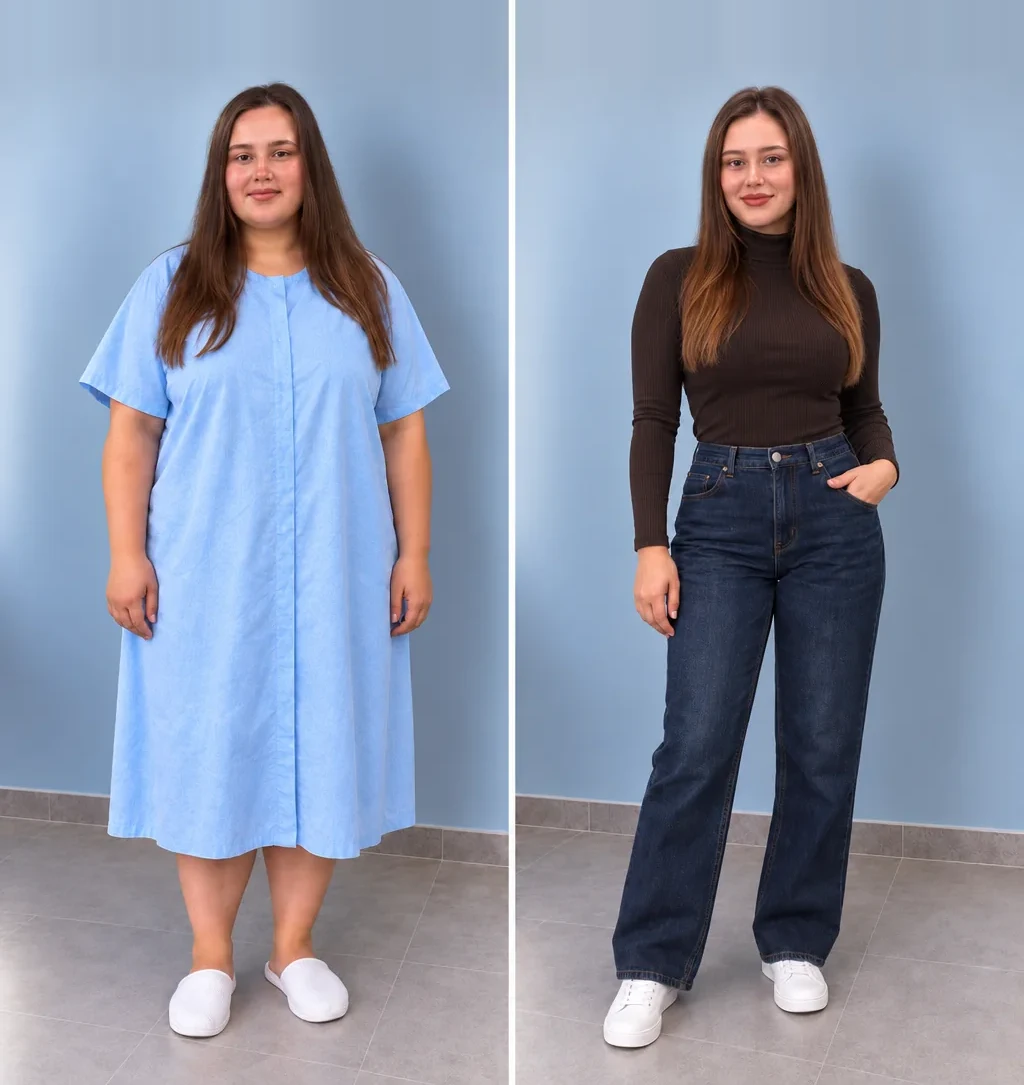
 beforeafter
Irina, 26
Bariatric surgery
Bariatric surgery
$3,600
$4,800 · First consultation — Free
Free online consultation · Reply within 15 minutes
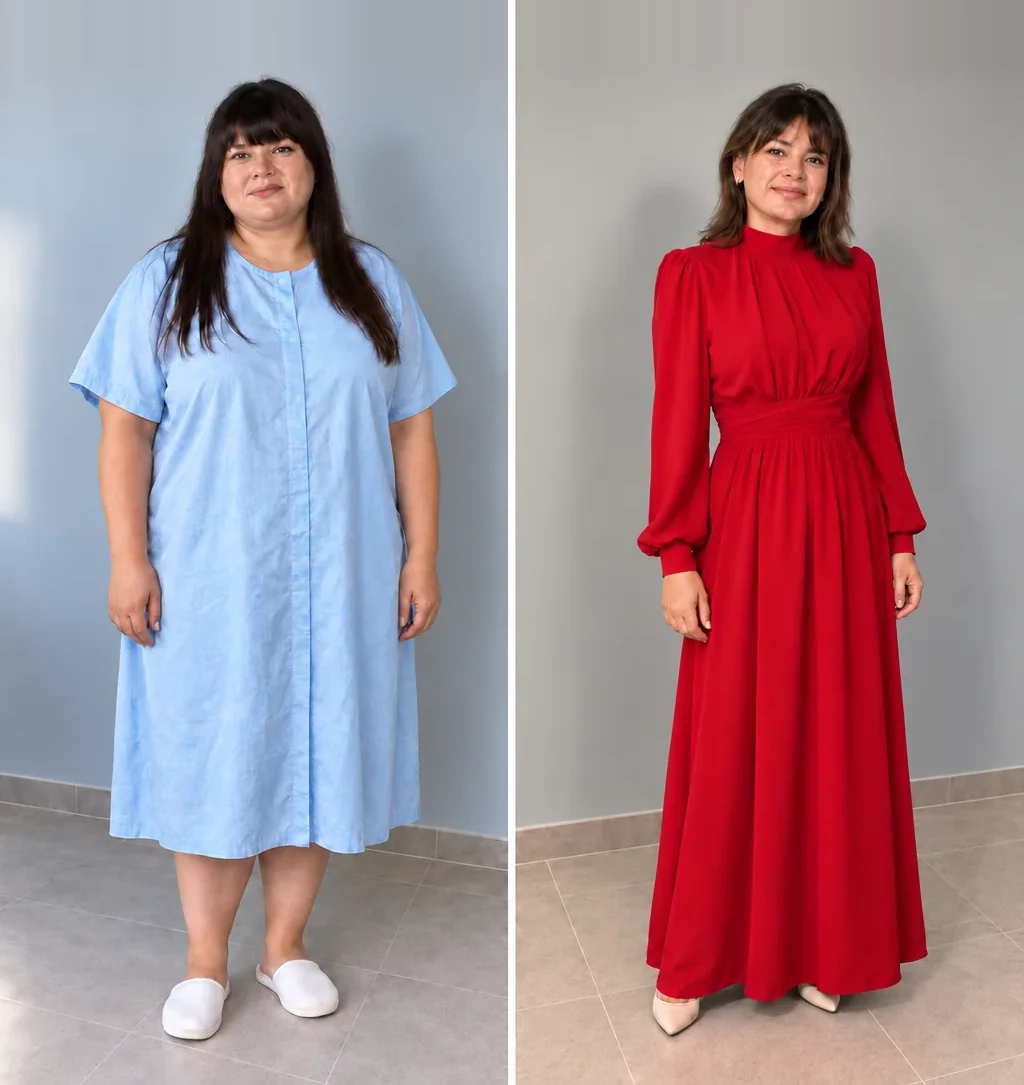 before
after
Message our coordinator
Free online consultation · Reply within 15 minutes
Message us on TelegramMessage us on WhatsAppBy messaging us, you agree to our Privacy Policy
Bariatric surgery for patients from Wuppertal at City Medical Centre starts at $3,600. The first online consultation is free; the doctor names the final price and it is fixed in the contract.
How it works · Bariatric surgery prices
Information current as of 24 October 2026
Results
Each result belongs to a real patient of the clinic.
beforeafterBariatric surgery
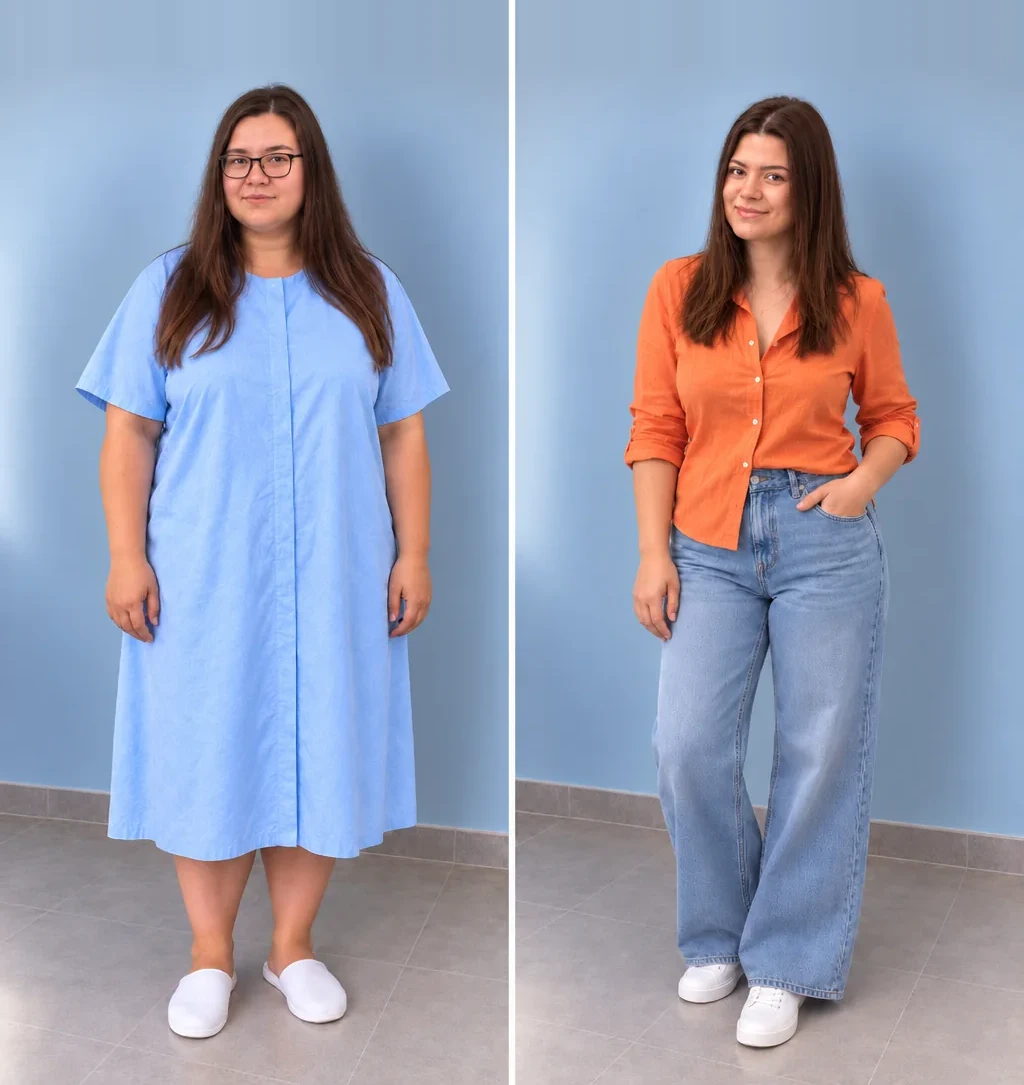 beforeafter
Bariatric surgery
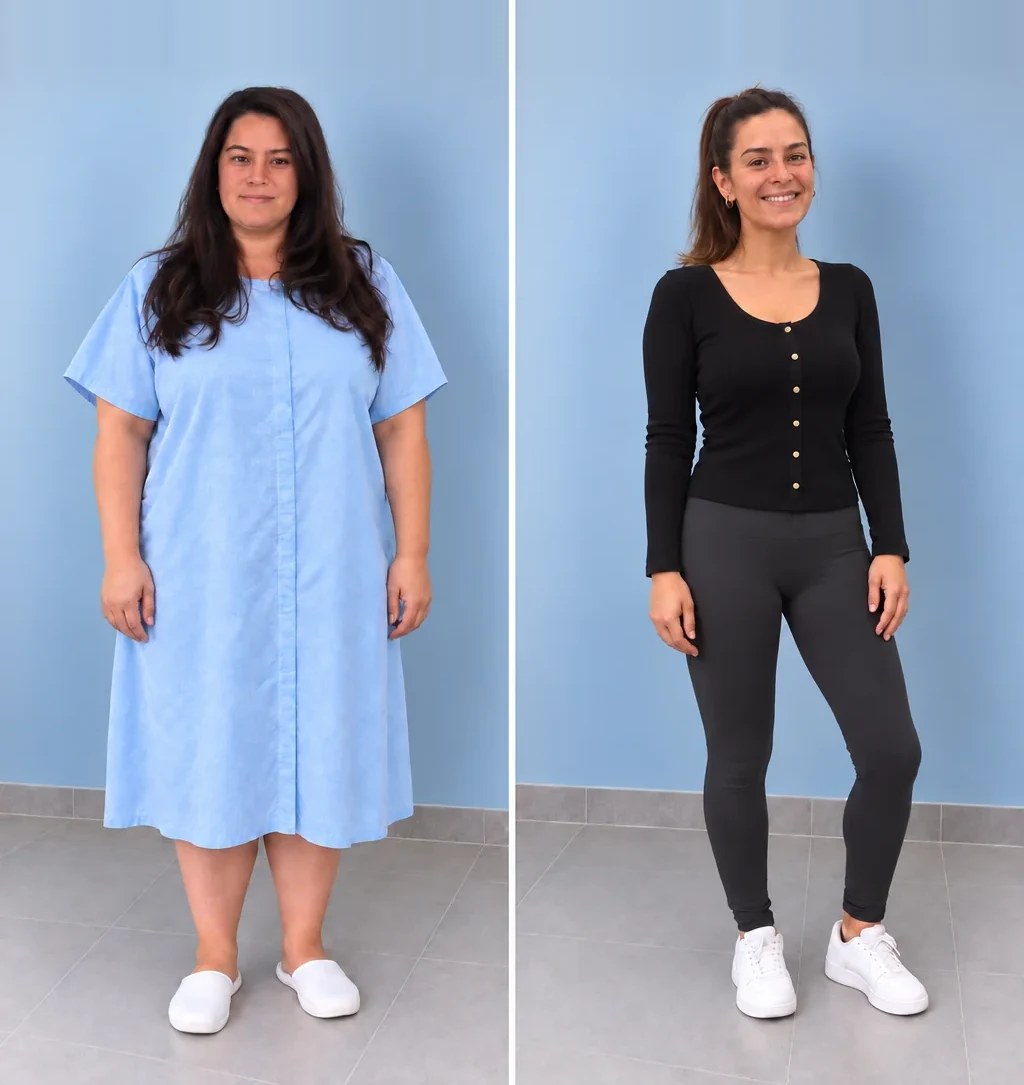 beforeafter
Bariatric surgery
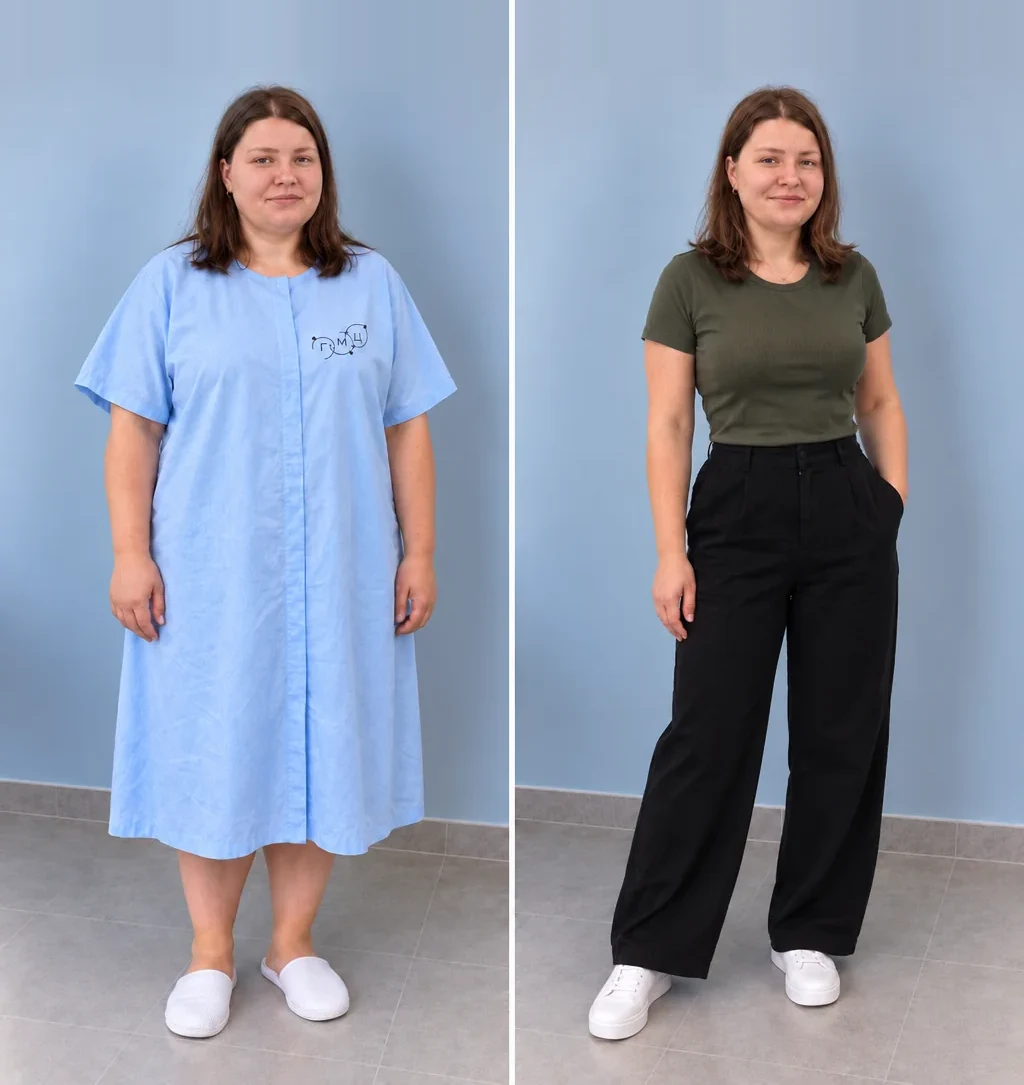 beforeafter
Bariatric surgery
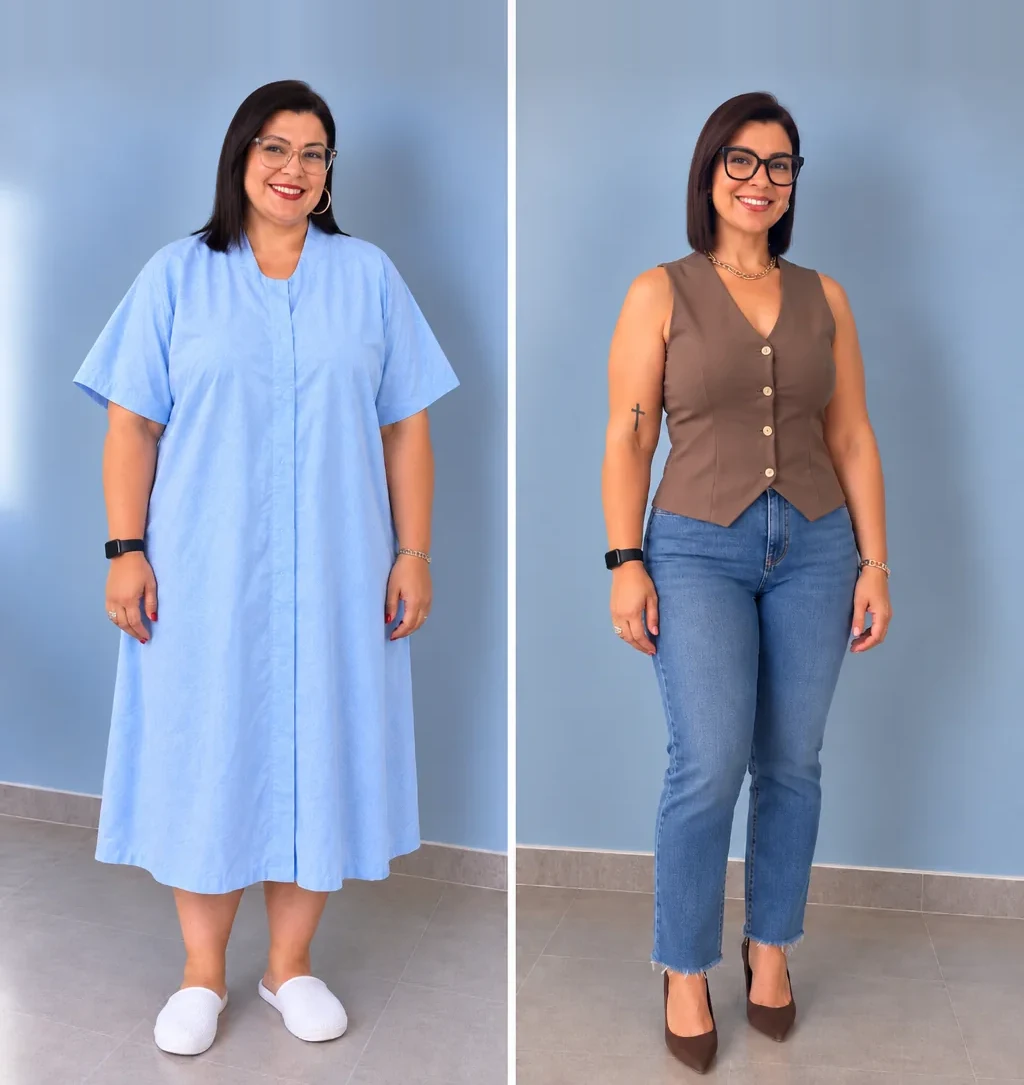 beforeafter
Bariatric surgery
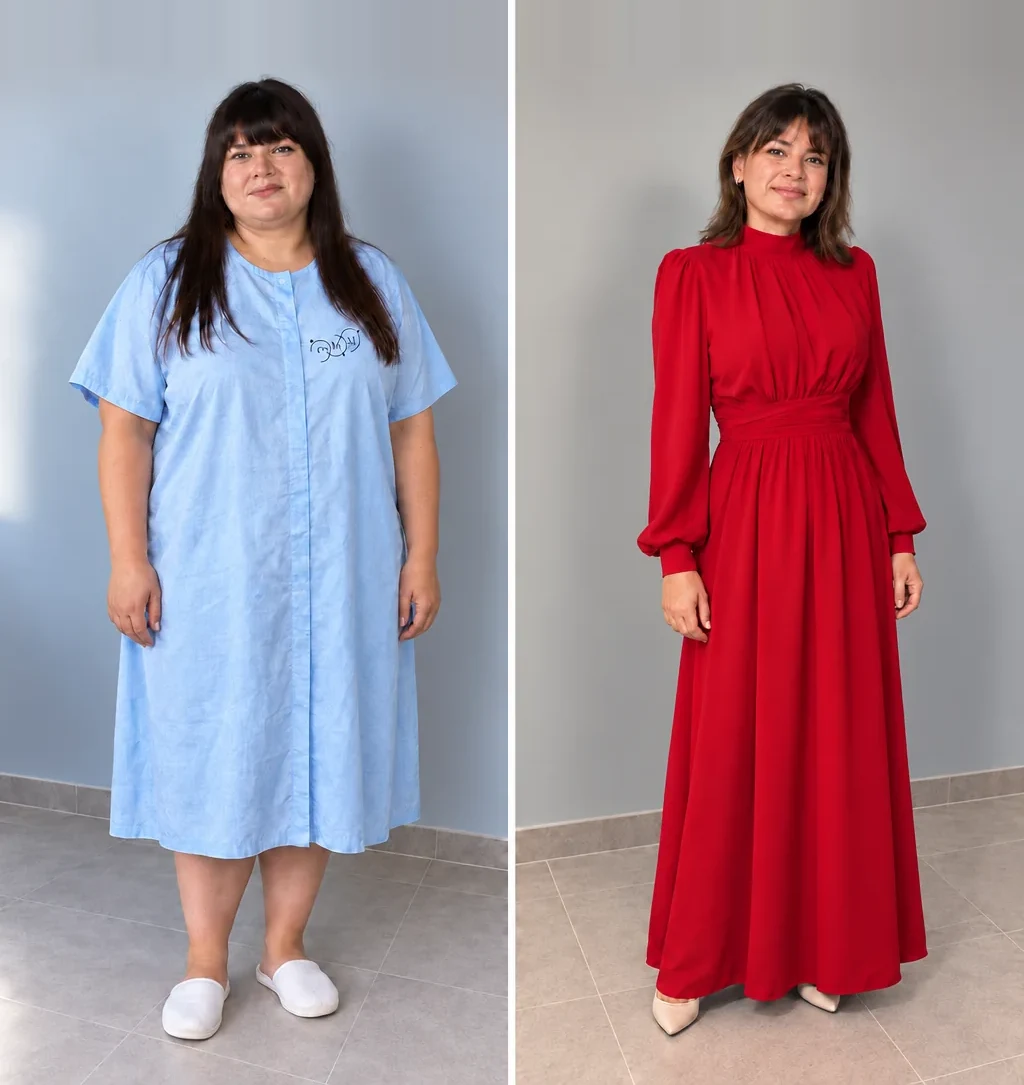 beforeafter
Bariatric surgery
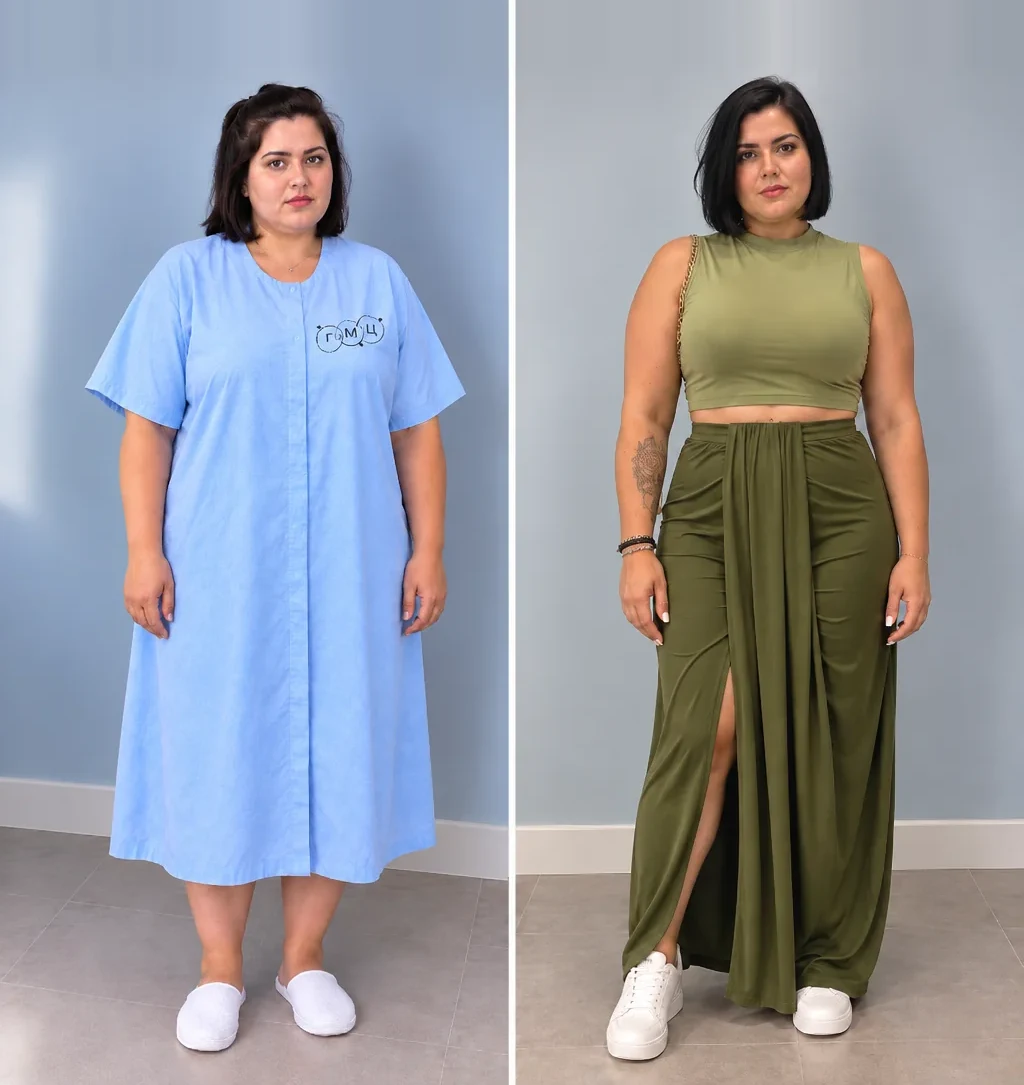 beforeafter
Bariatric surgery
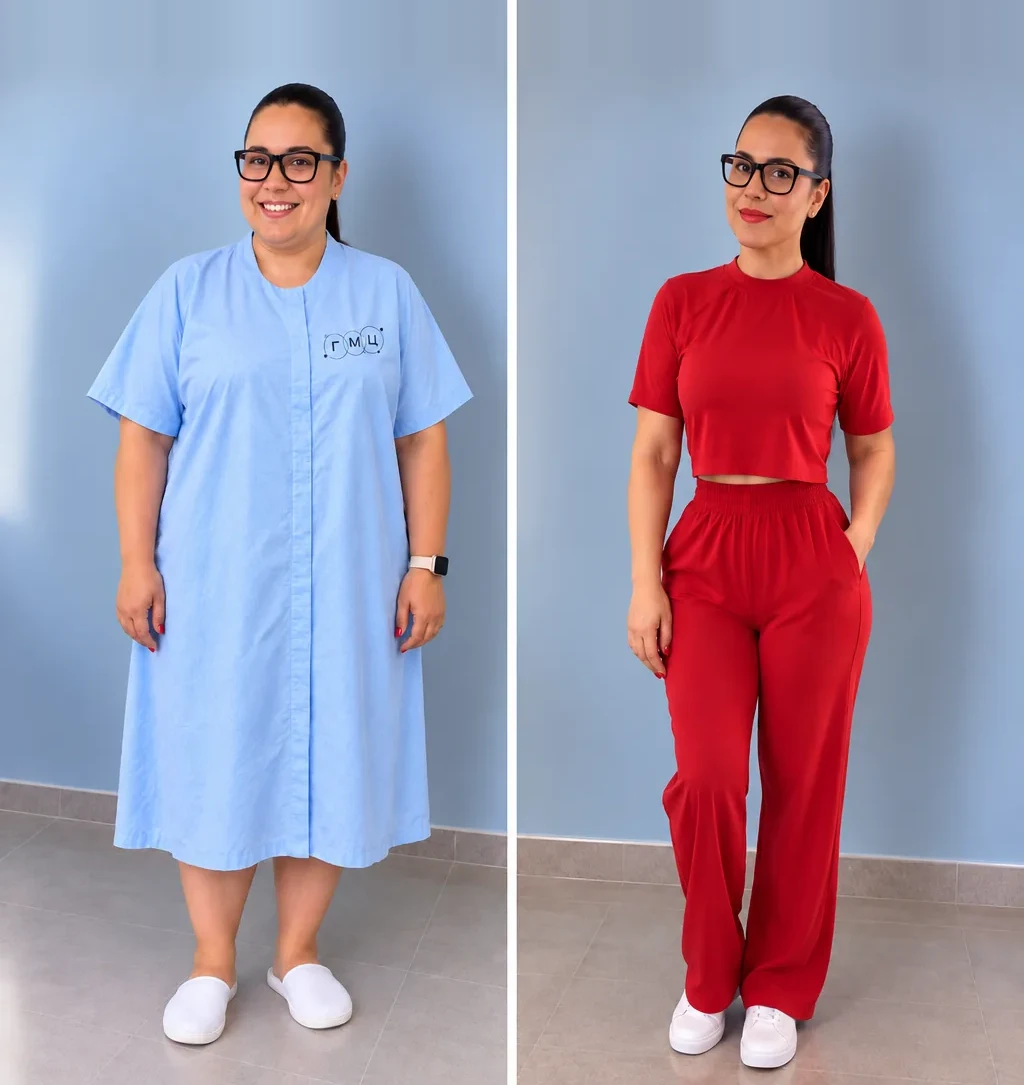 beforeafter
Bariatric surgery
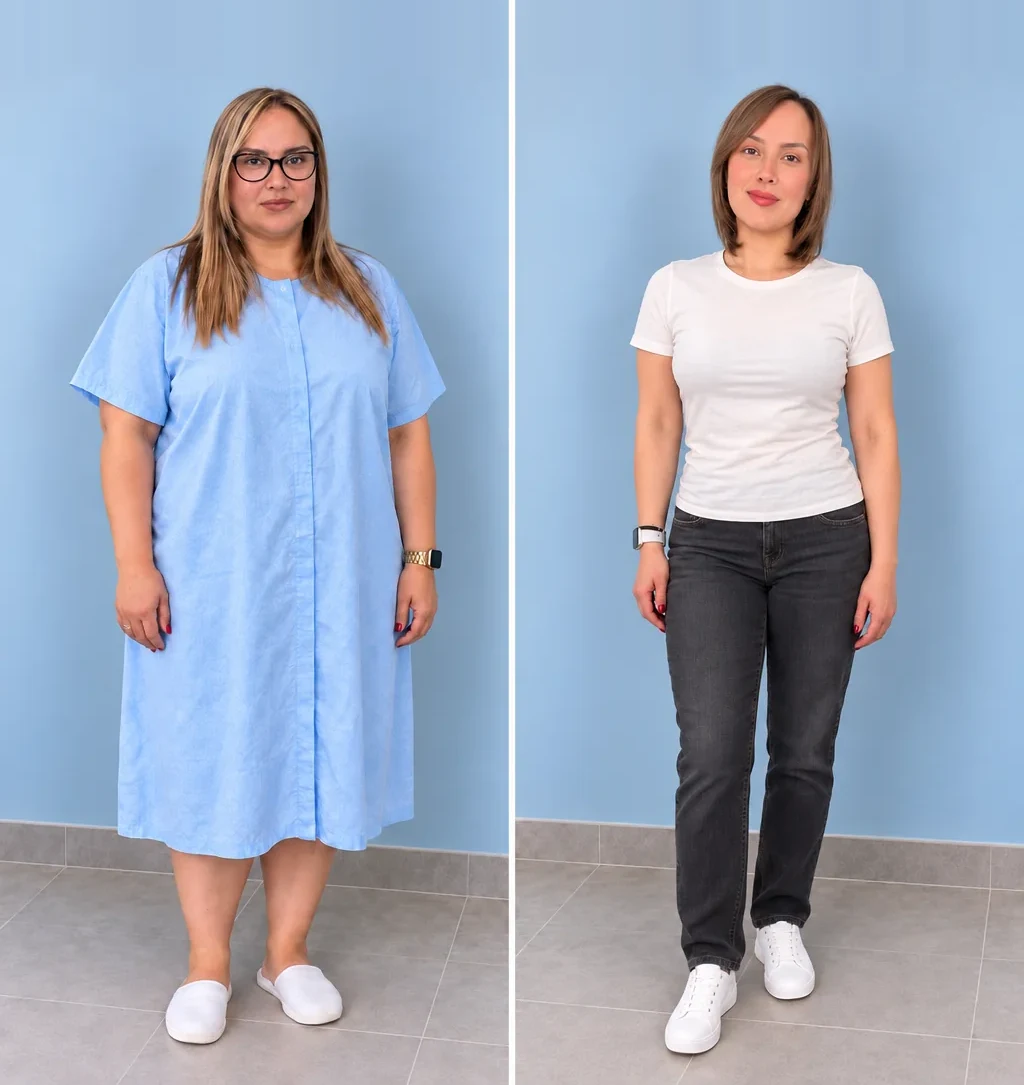 beforeafter
Bariatric surgery
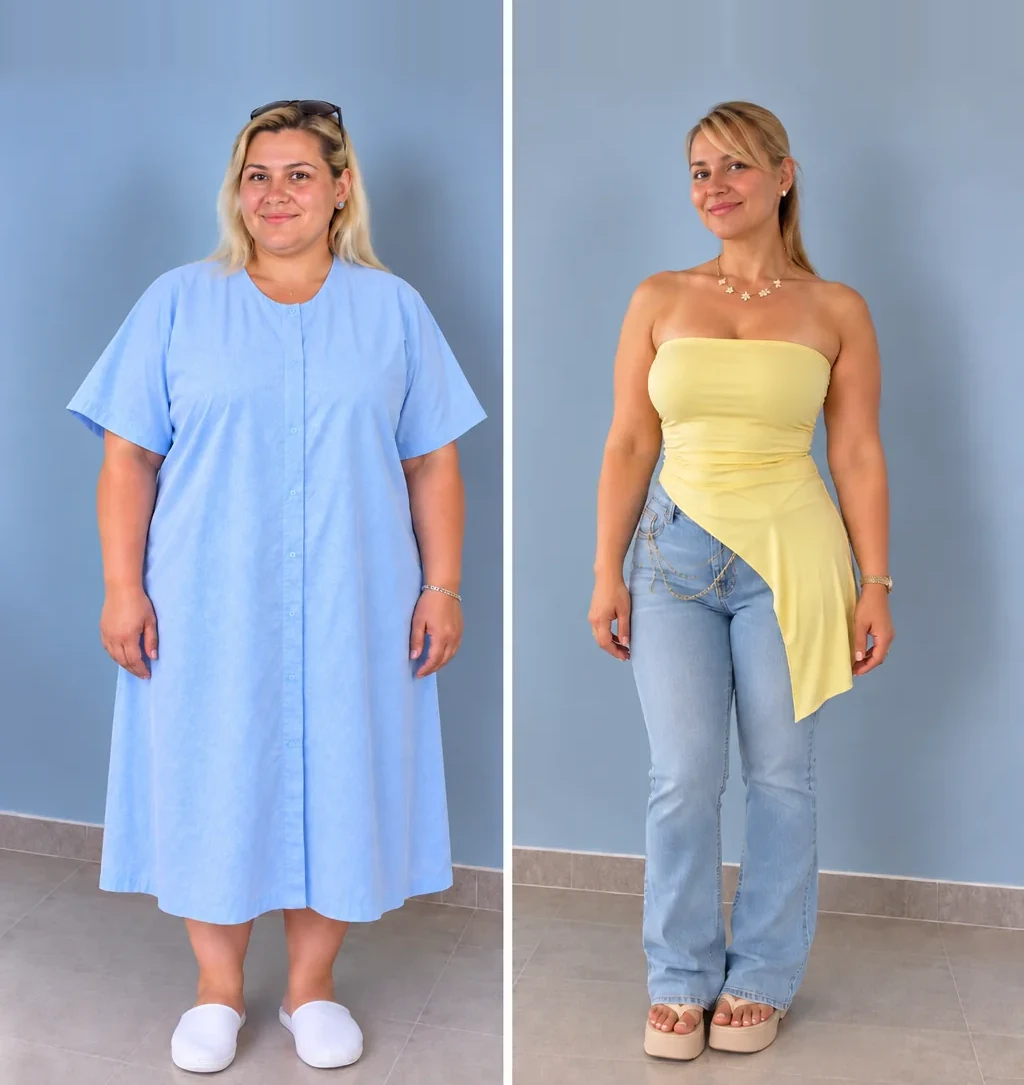 beforeafter
Bariatric surgery
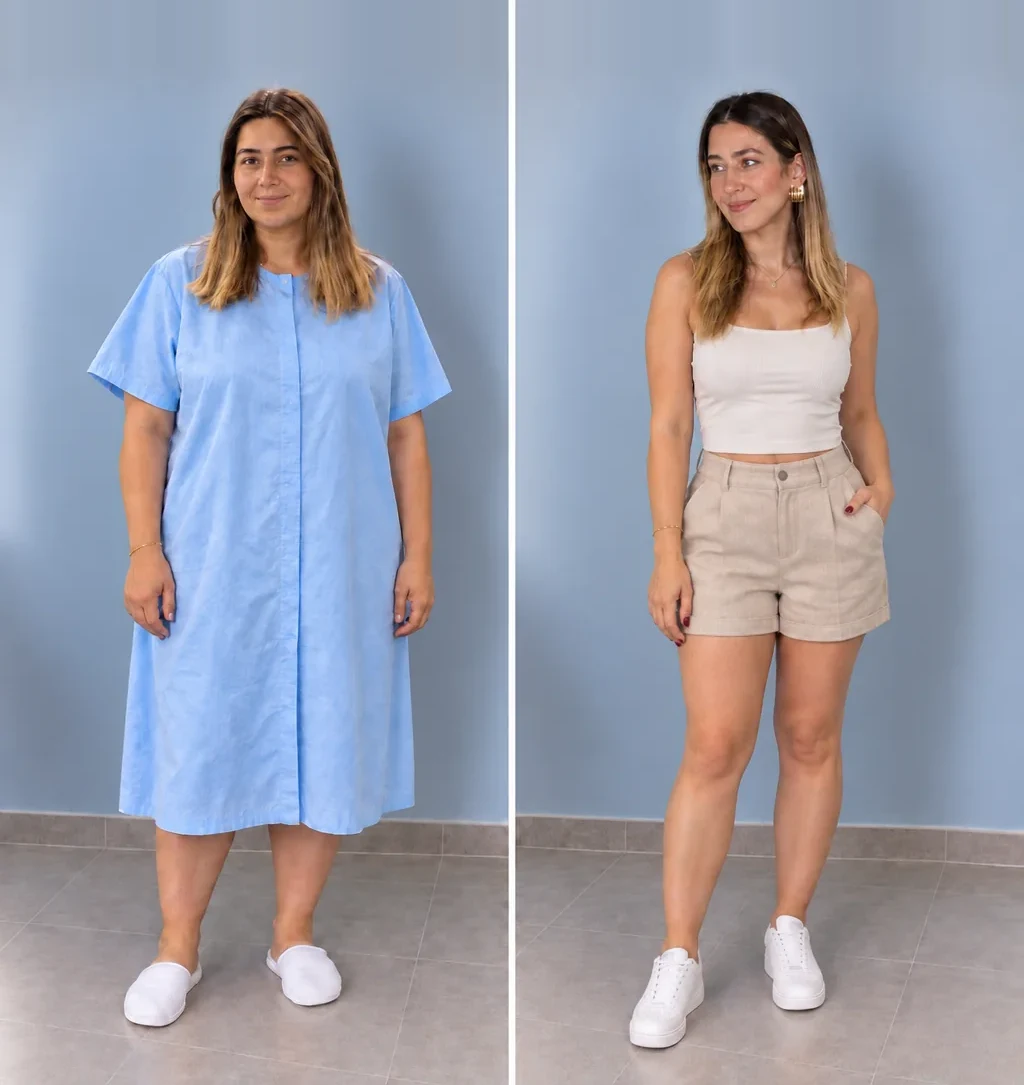 beforeafter
Bariatric surgery
Comparison
Our surgeons perform two key operations — sleeve gastrectomy and gastric bypass. A side-by-side look at how, why and when each is used helps you choose with confidence.
Making the stomach smaller
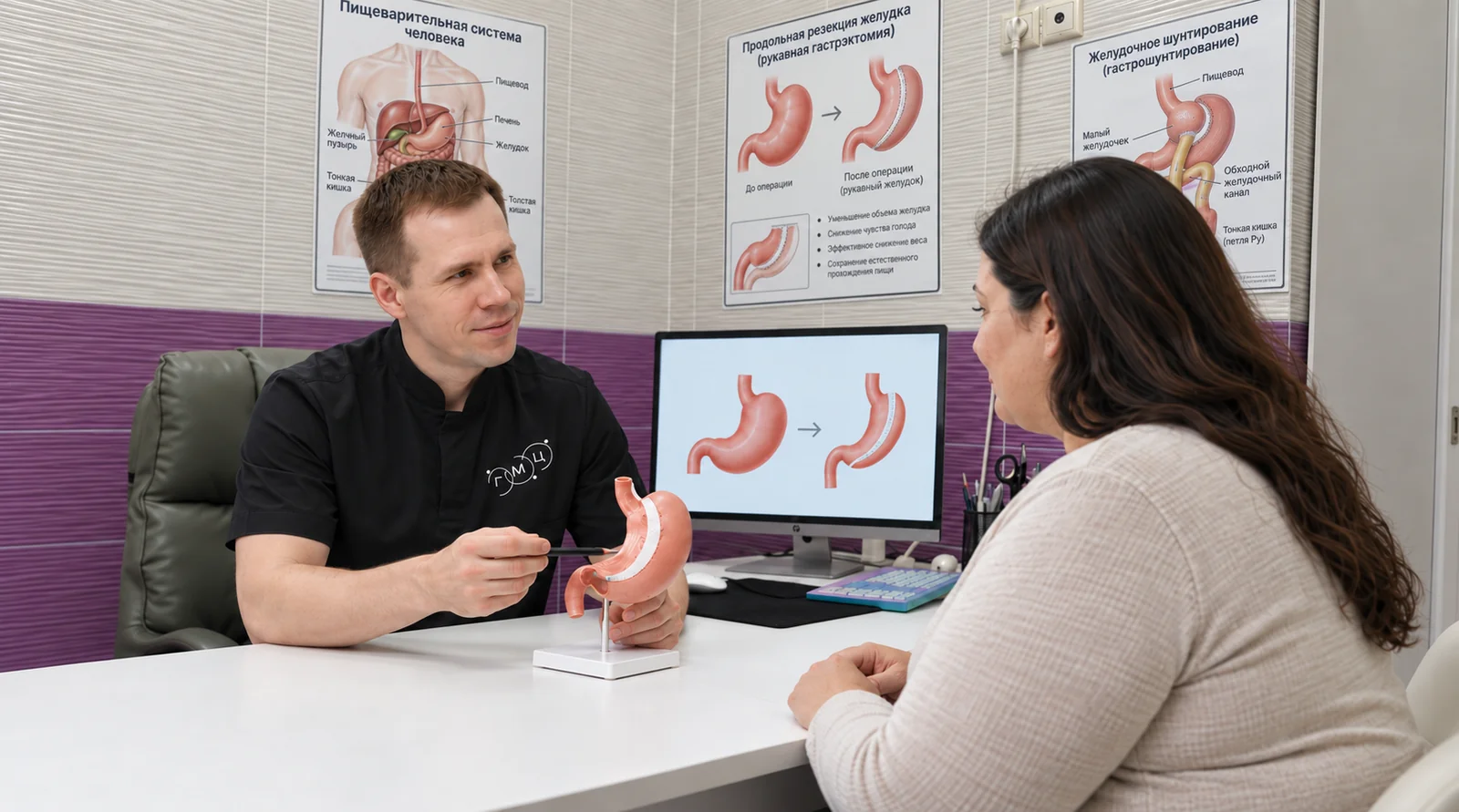
Discounted price
$3,600 $4,800
Less stomach volume and a changed route for food
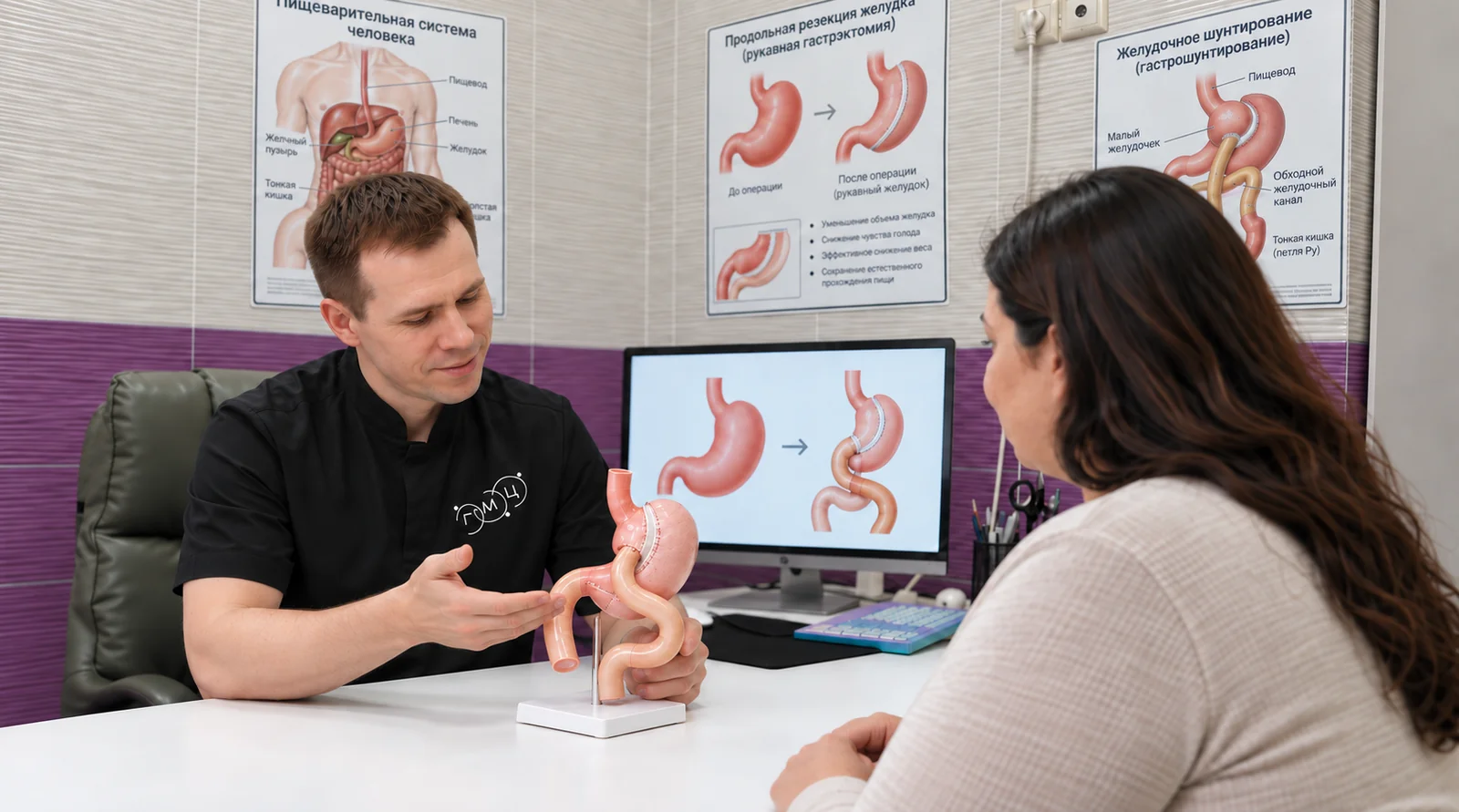
Discounted price
$4,000 $5,200
We show average benefits and recovery times for each method as a guide only: the extent of the operation and recovery are individual, set by your anatomy and features, and confirmed by the surgeon at the consultation.
Book a consultationThe clinic
Comfortable rooms, modern equipment and care for each person
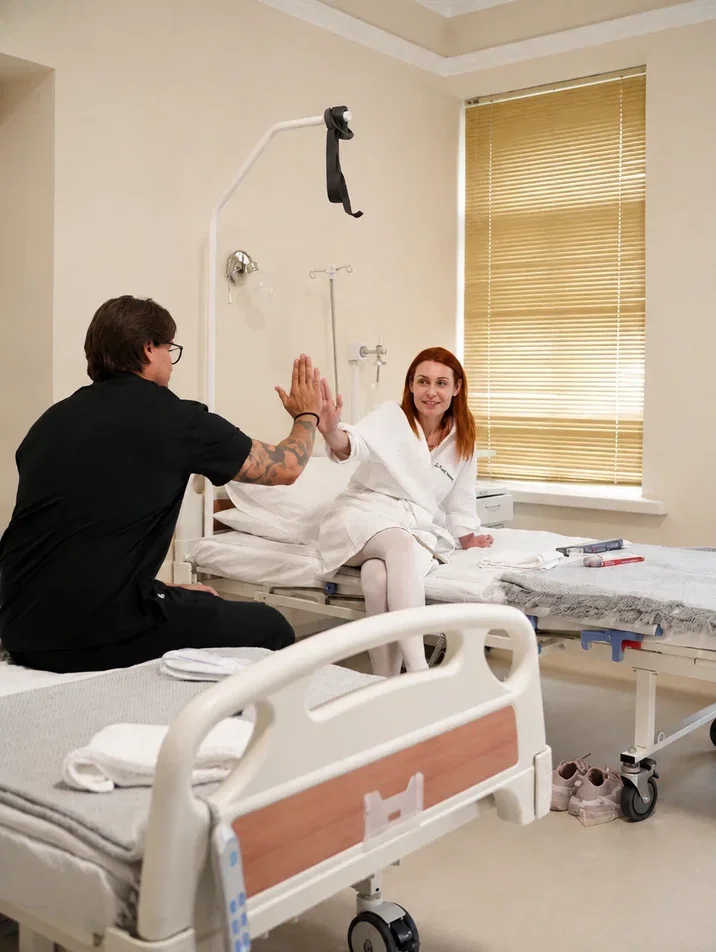
We answer your questions and pick a convenient consultation time
By messaging us, you agree to our Privacy Policy
Get a consultationSurgery is only decided jointly with the surgeon, once the consultation and check-up are done.
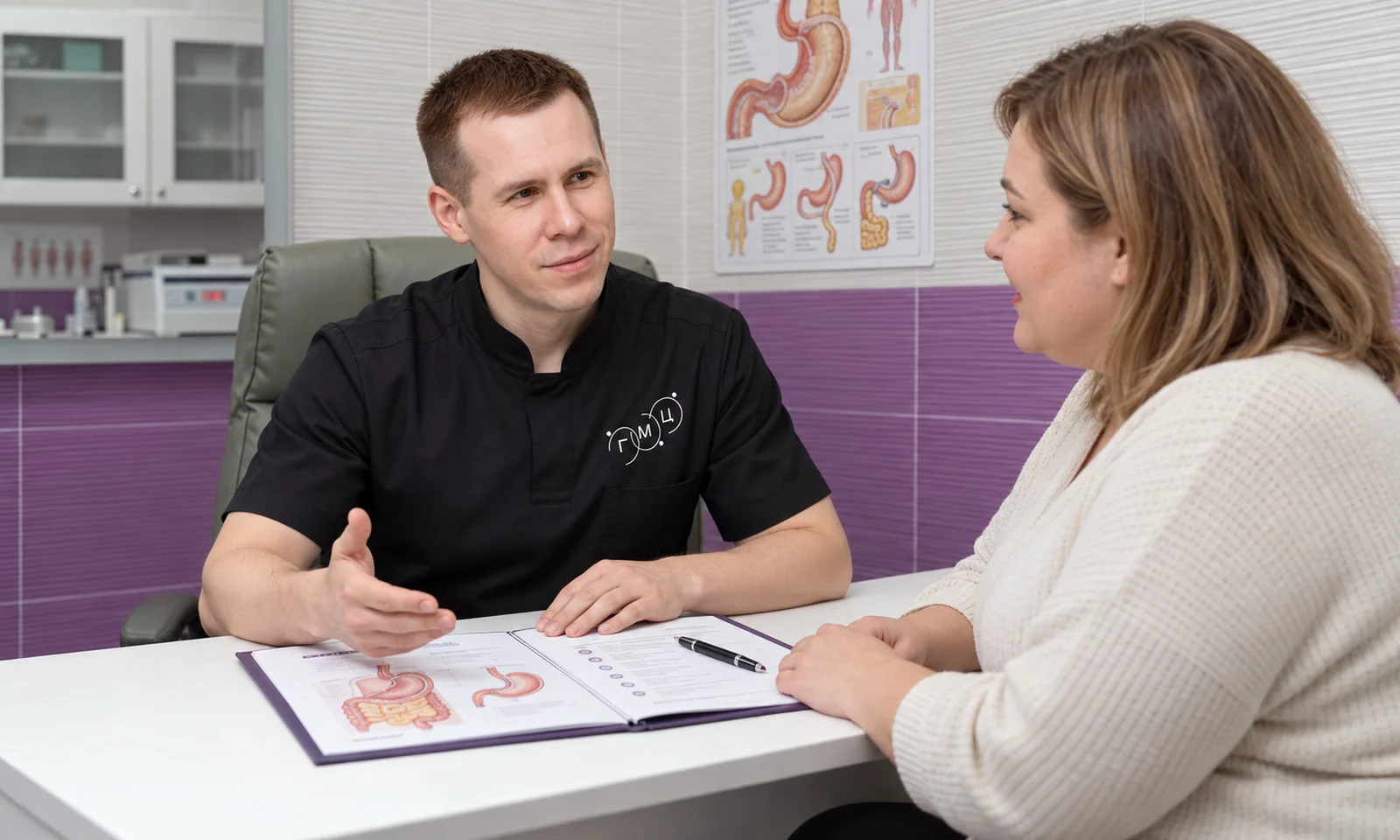
Can't tell which column fits your case?
Message us on Telegram — our coordinator will tell you whether bariatric surgery is right for you. The surgeon consultation is free, with no commitment to surgery.
Find out if it suits me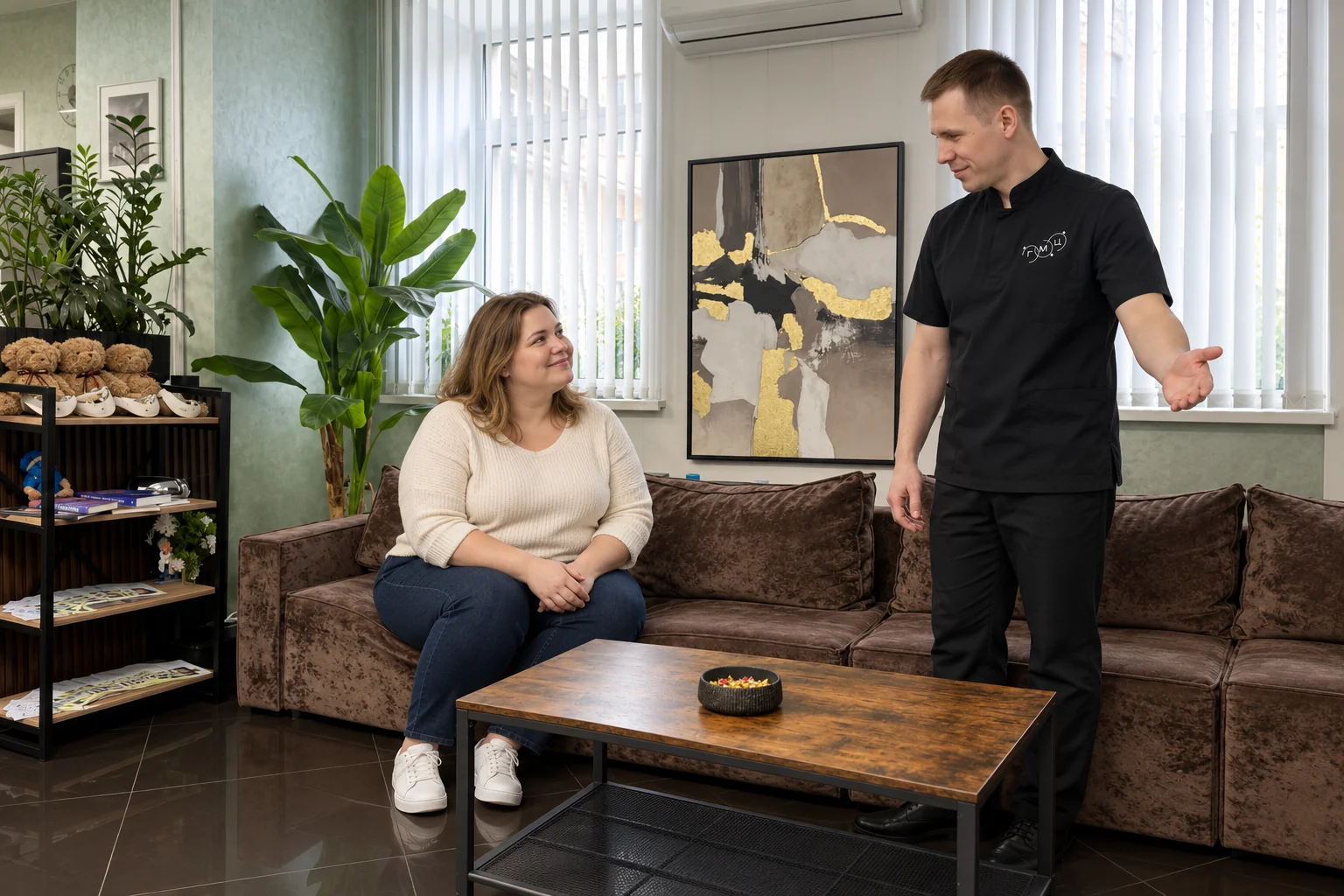
Prices
Your cost is confirmed at the consultation once the plan is ready and written into the contract.
Discounted price
Making the stomach smaller
$3,600$4,800
Discounted price
Weight loss and rerouting food
$4,000$5,200
Free
Surgeon's examination and a treatment plan

Free
the cost of surgery is named
and fixed in the contract
Your goals are discussed, your health is assessed and the right bariatric method is chosen by the doctor. The price is given at the consultation and fixed in the contract.
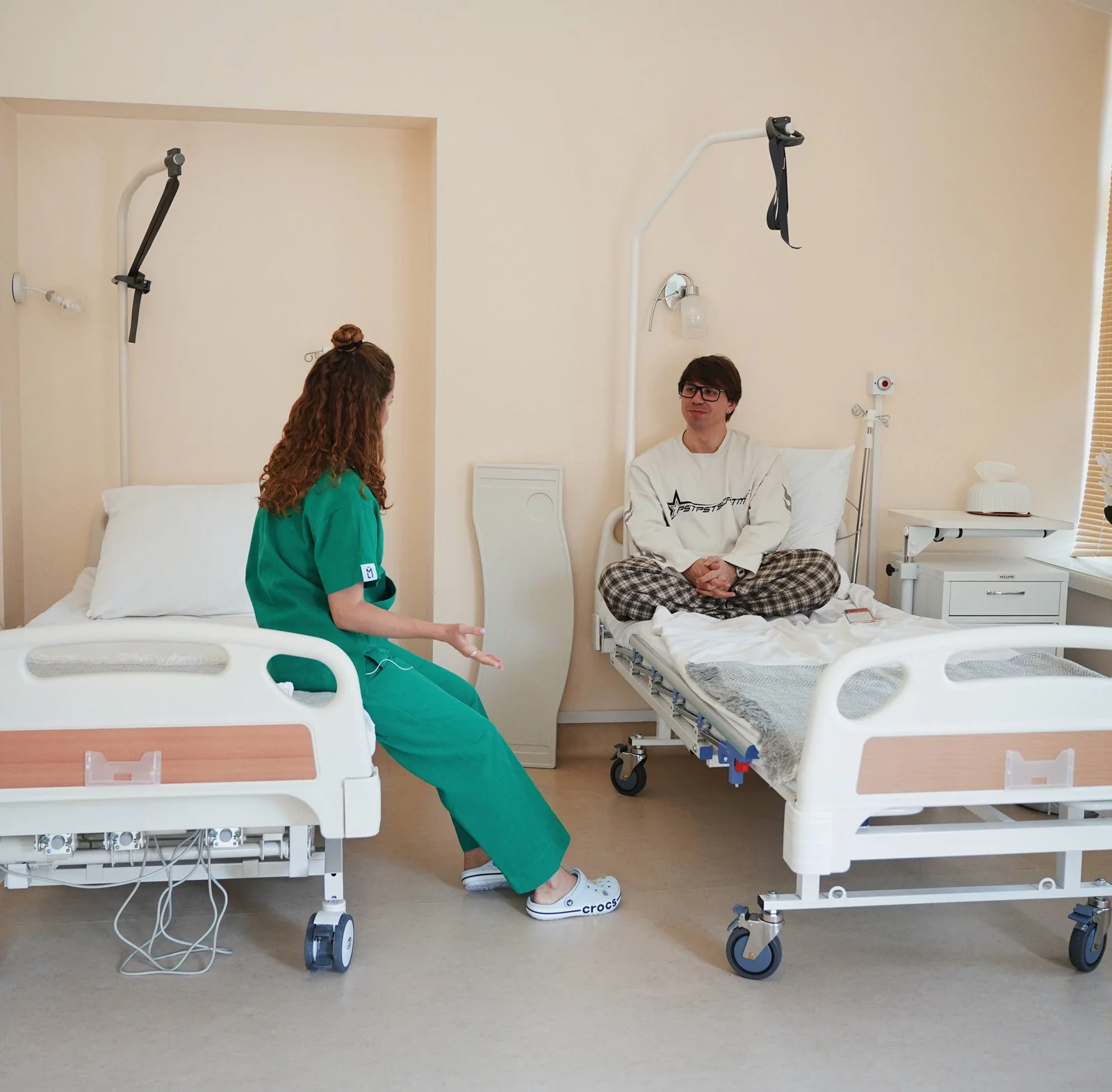
Message our coordinator
Free online consultation · Reply within 15 minutes
Message us on TelegramMessage us on WhatsAppBy messaging us, you agree to our Privacy Policy
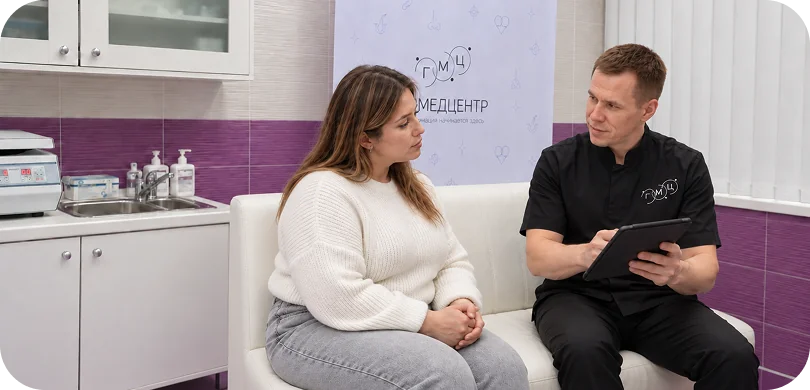
price
All in one package, from the preparation stage to 12 months of support — and no extra fees.Everything from surgery preparation
to support over 12 months.
How it goes
Hospital monitoring, a treatment plan agreed with you and a year of support.
1After assessing your health and discussing your goals, the doctor orders the tests that help choose the right bariatric surgery method.
2We hold a surgery date for you: pay the deposit by card at the clinic or online by bank transfer. The terms are set out in the contract for medical services
 3
Before surgery you have blood and urine tests, an ECG, an ultrasound and a gastroscopy, and see the specialists. The doctor gives you the exact list at the consultation.
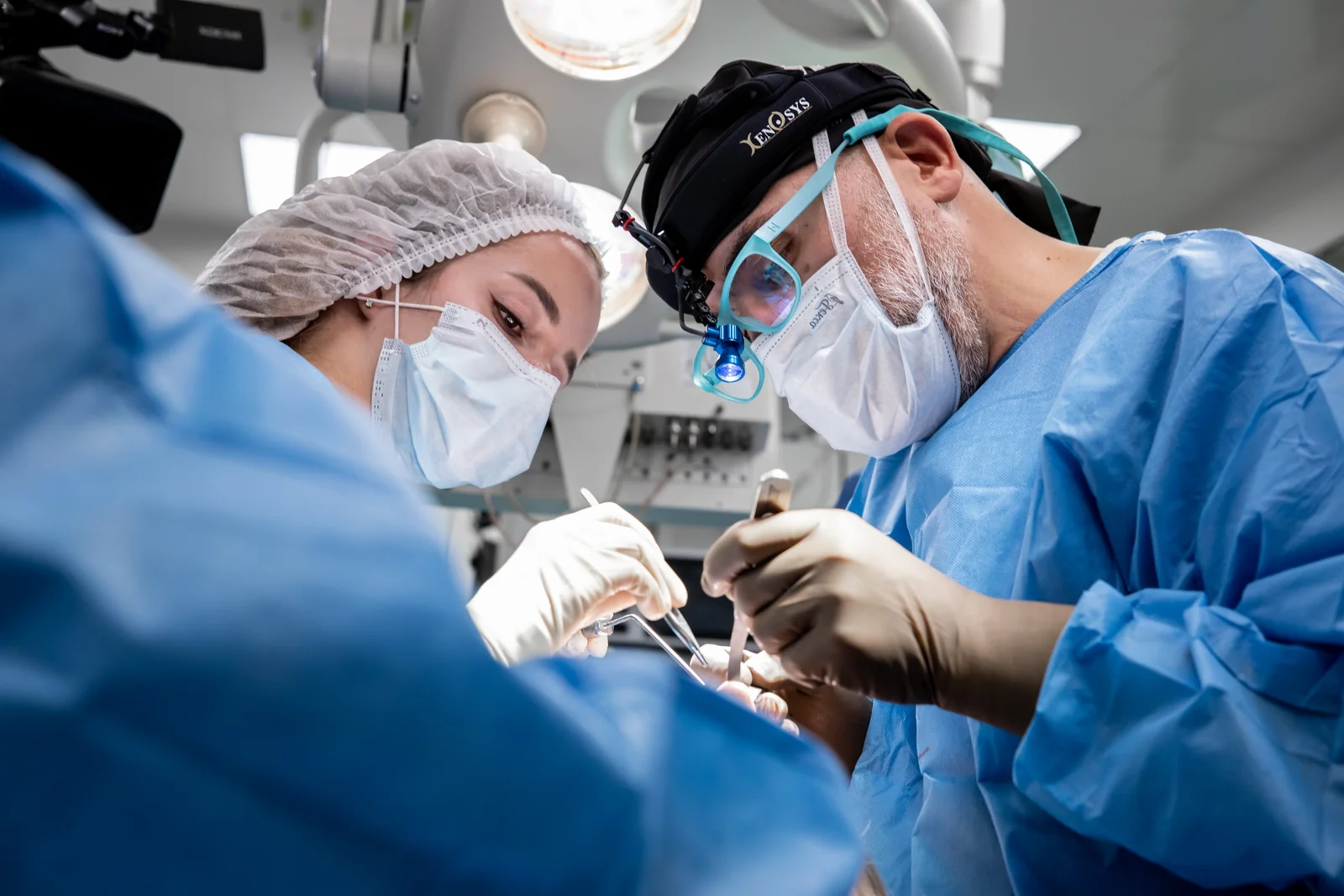 4
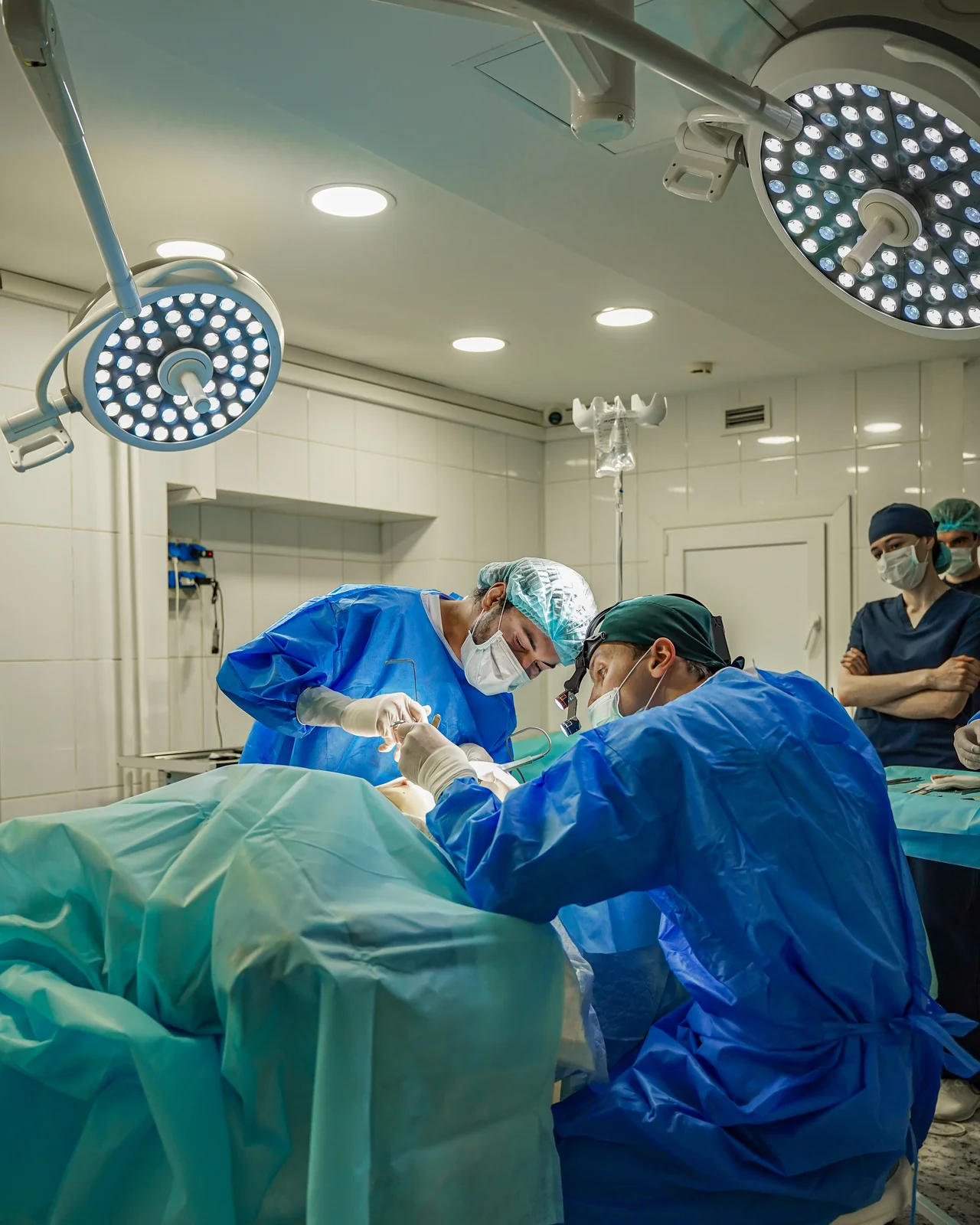
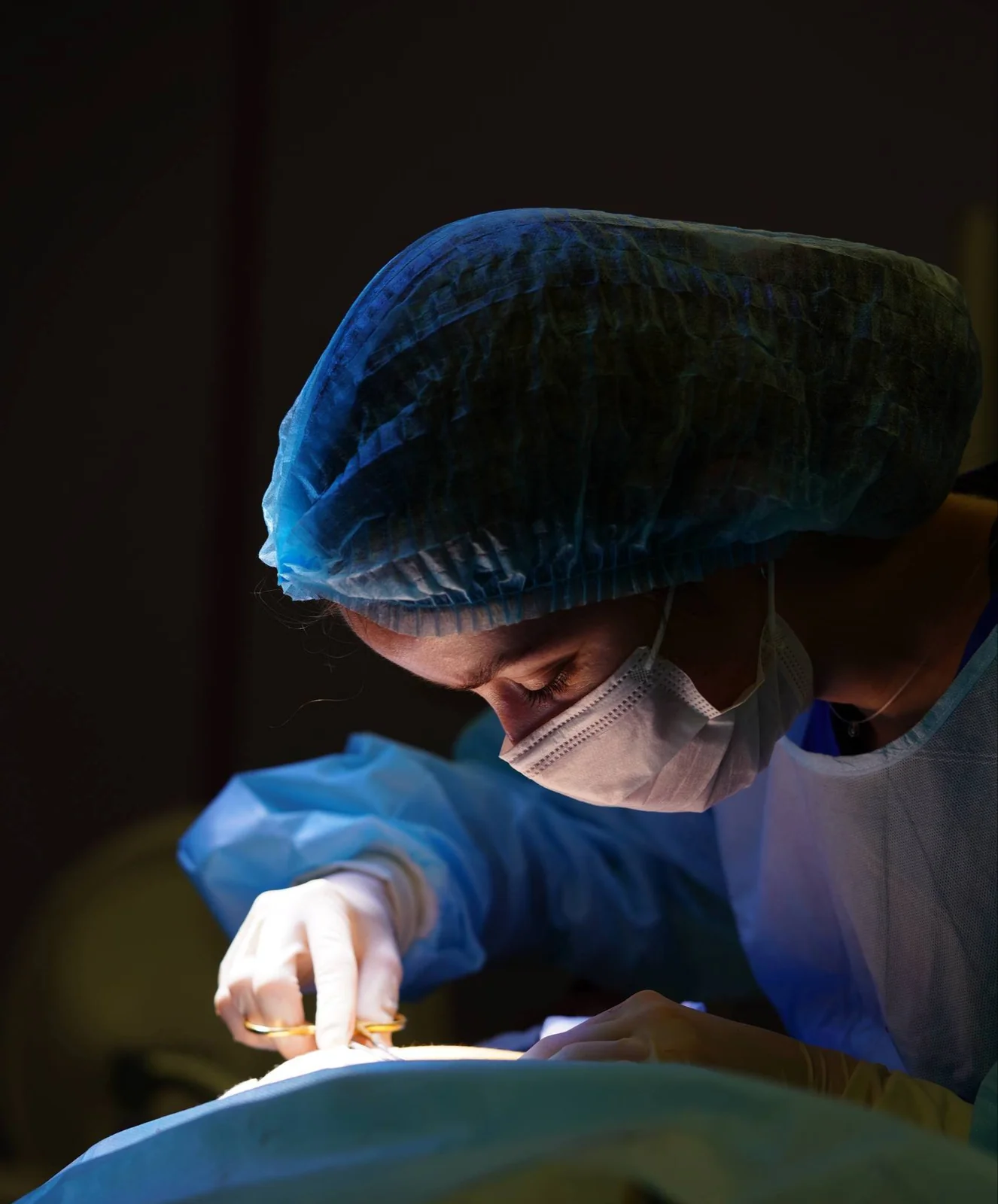
The surgeon performs the bariatric procedure by the chosen method under general anaesthesia, and the medical team then monitors the patient after surgery.
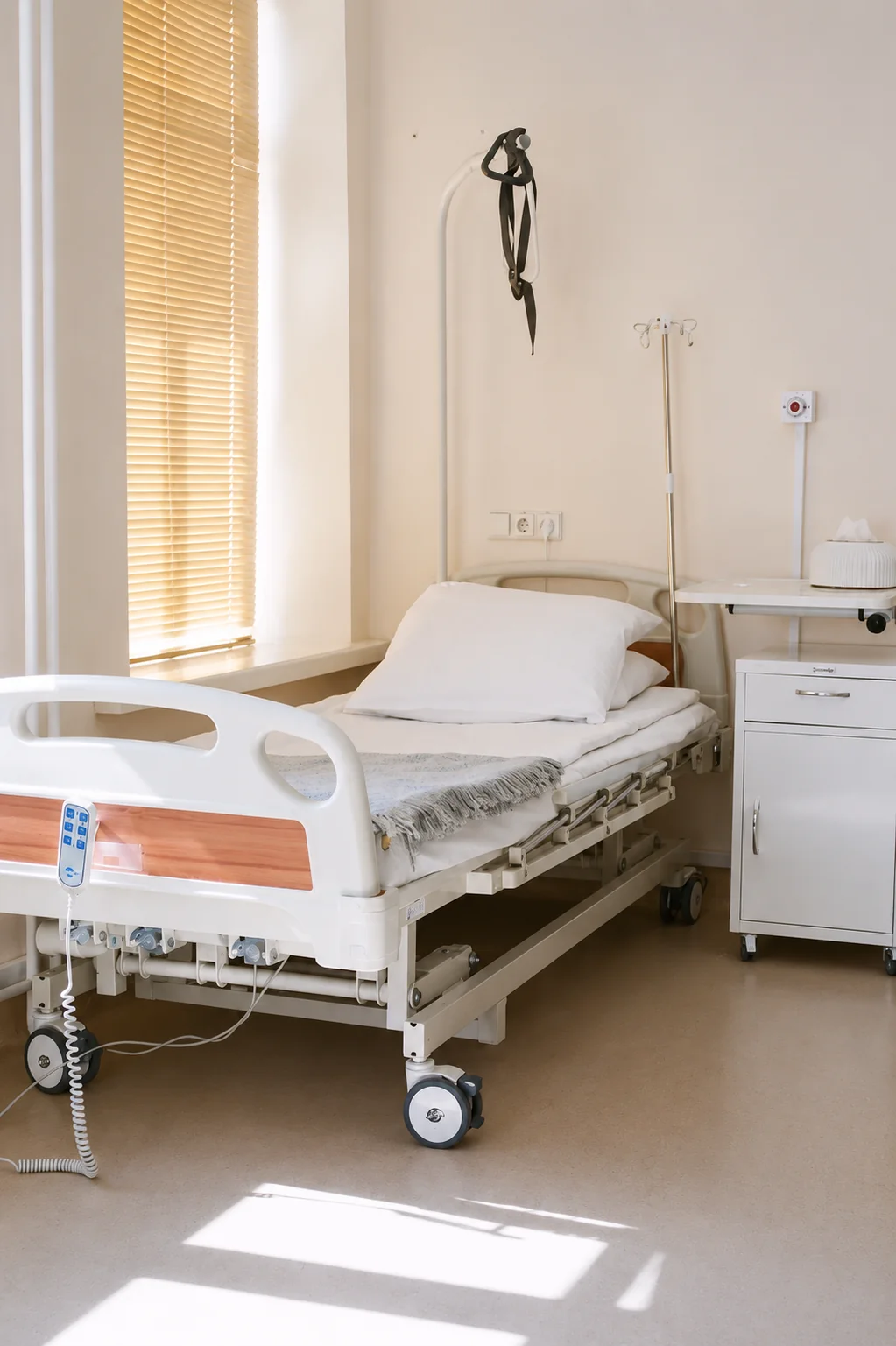 5
After surgery you remain in hospital under doctors' supervision. Expect a stay of 1–3 to 4–5 days, depending on the complexity of the operation and how you feel.
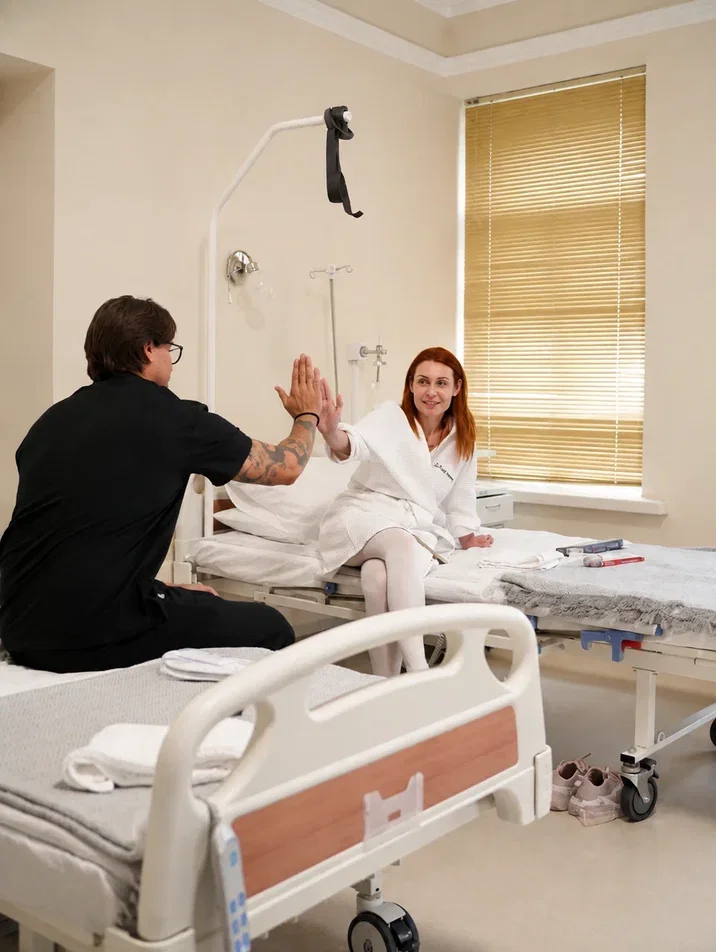 6
When you are discharged, you get diet and recovery advice. Regular scheduled check-ups track your well-being, weight and test results, and the clinic team supports you for a year.
During the consultation the doctor prepares a plan and walks you through the surgery
The consultation is free of charge, comes before surgery and obliges you to nothing.
Book a consultationDoctors
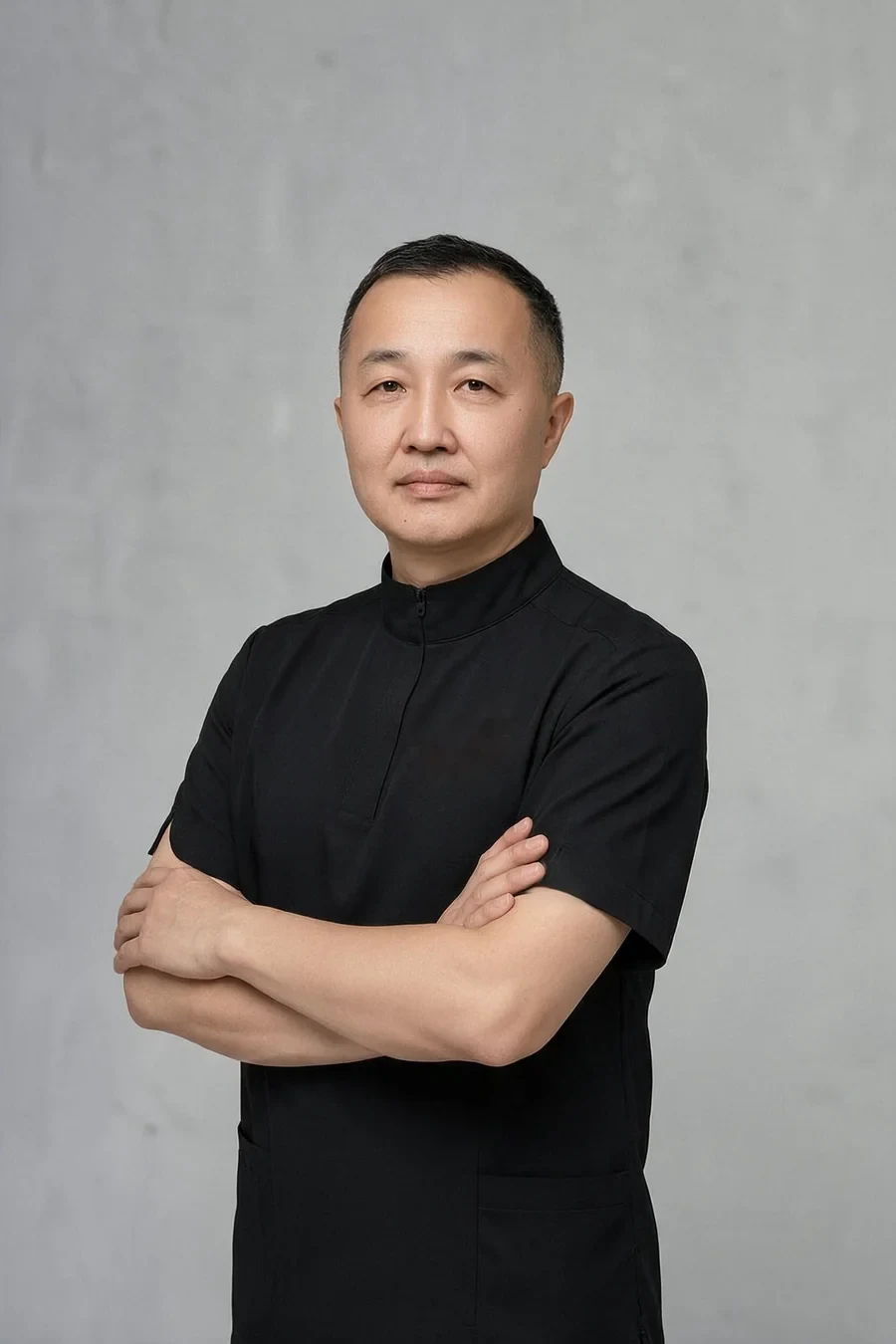
27 years of experience
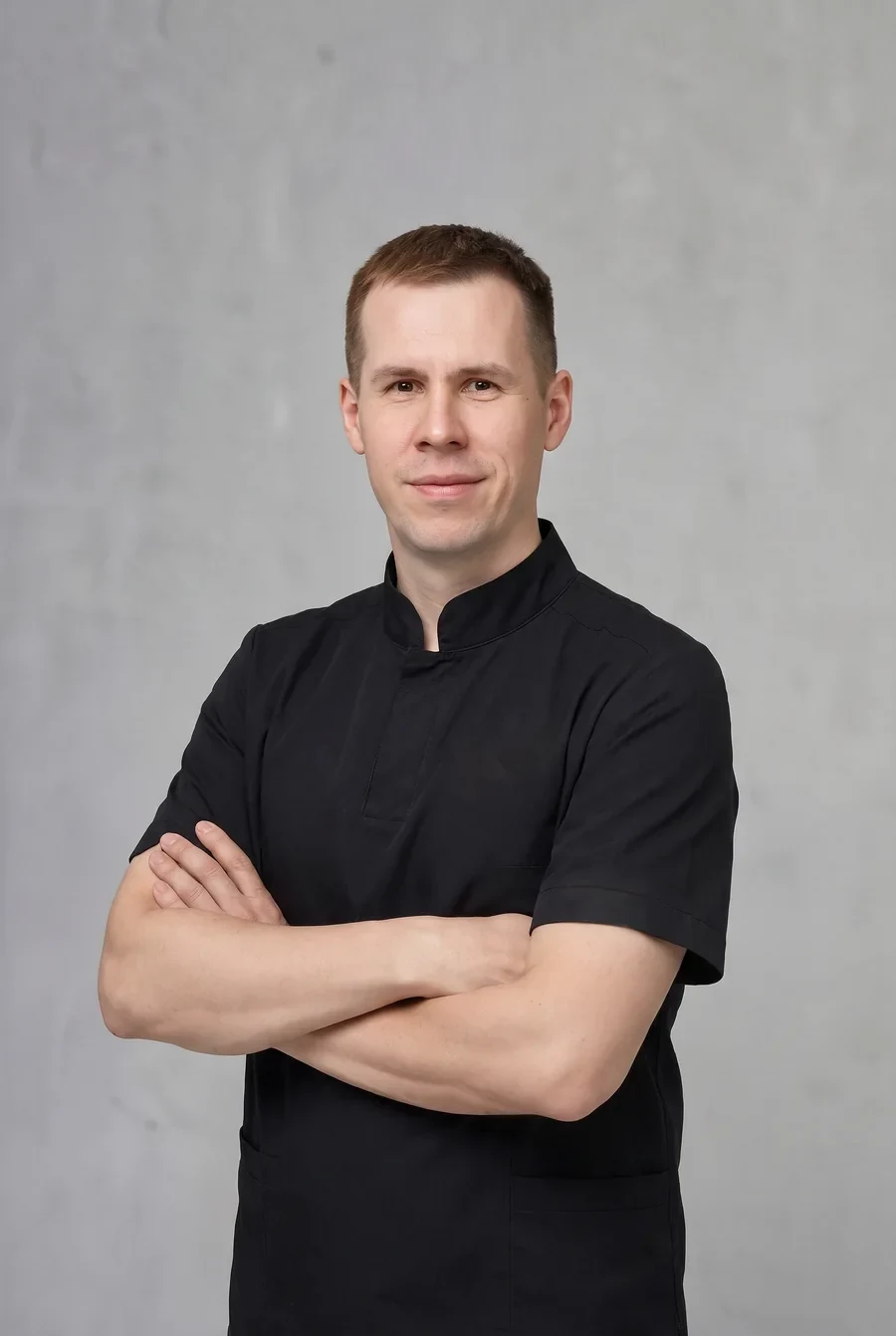
Chief bariatric surgeon
9 years of experience
Bariatric surgeon
Surgical oncologist
The surgeon operates and then follows you, from the very first consultation to the result.
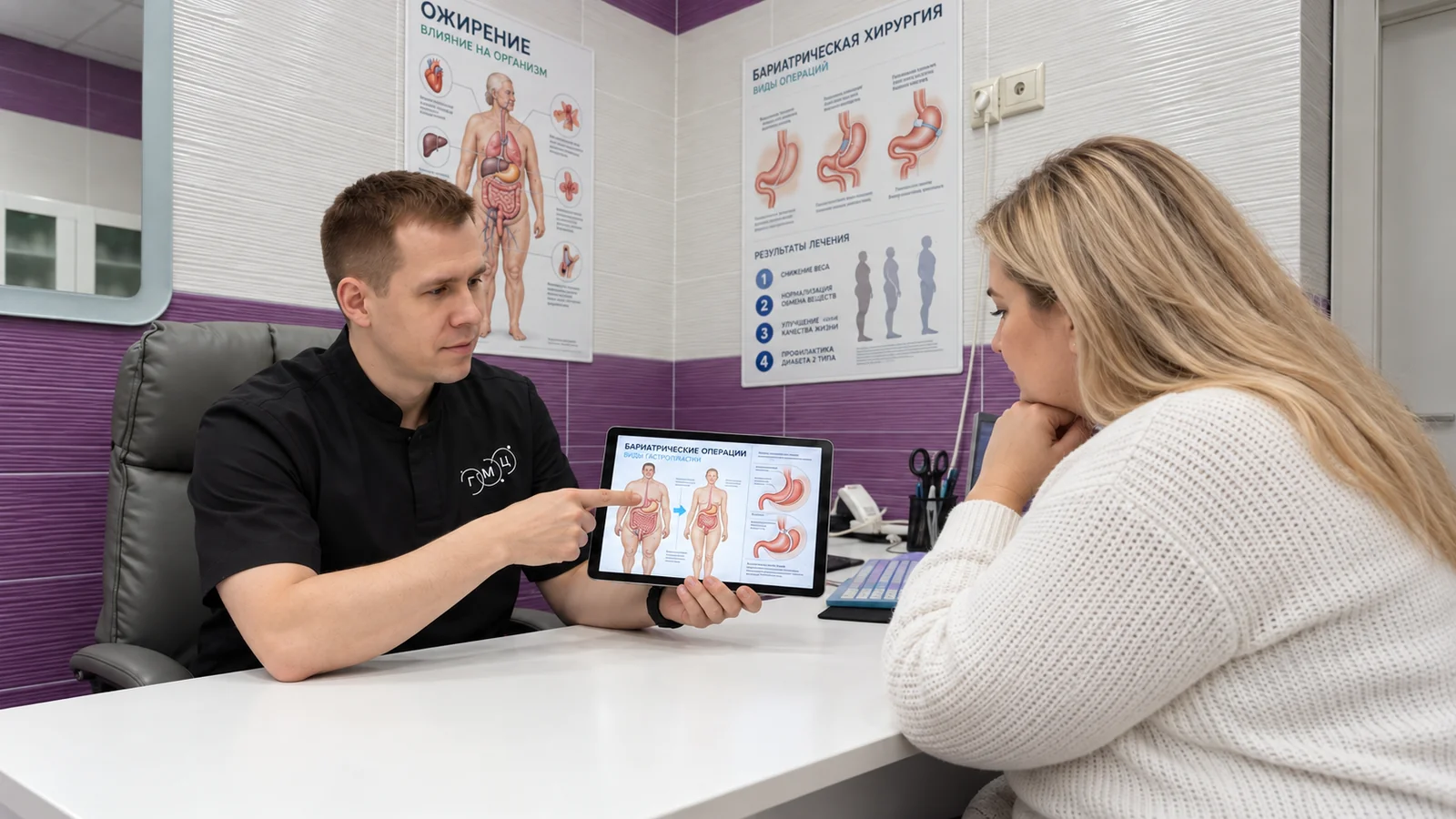
Your first consultation is with our patient care manager, who calculates your BMI, explains the methods and books you in with the surgeon. It is free of charge.
Book a consultationCoordinators
Support at every step of the way

From your first message to the consultation — your first contact at the clinic
Patient care specialist
Helps you choose a convenient date and answers your questions before the first consultation

With you before and during your stay — from booking to discharge
Patient care specialist
Helps prepare you for surgery and remains in touch during your stay at the clinic

Supports you through recovery — from discharge through to your last check-up
Patient care specialist
Stays in touch while you recover and books your follow-up visits with the surgeon
Advantages
We pick the best method for your health, lifestyle and goals, and our team is with you all the way.
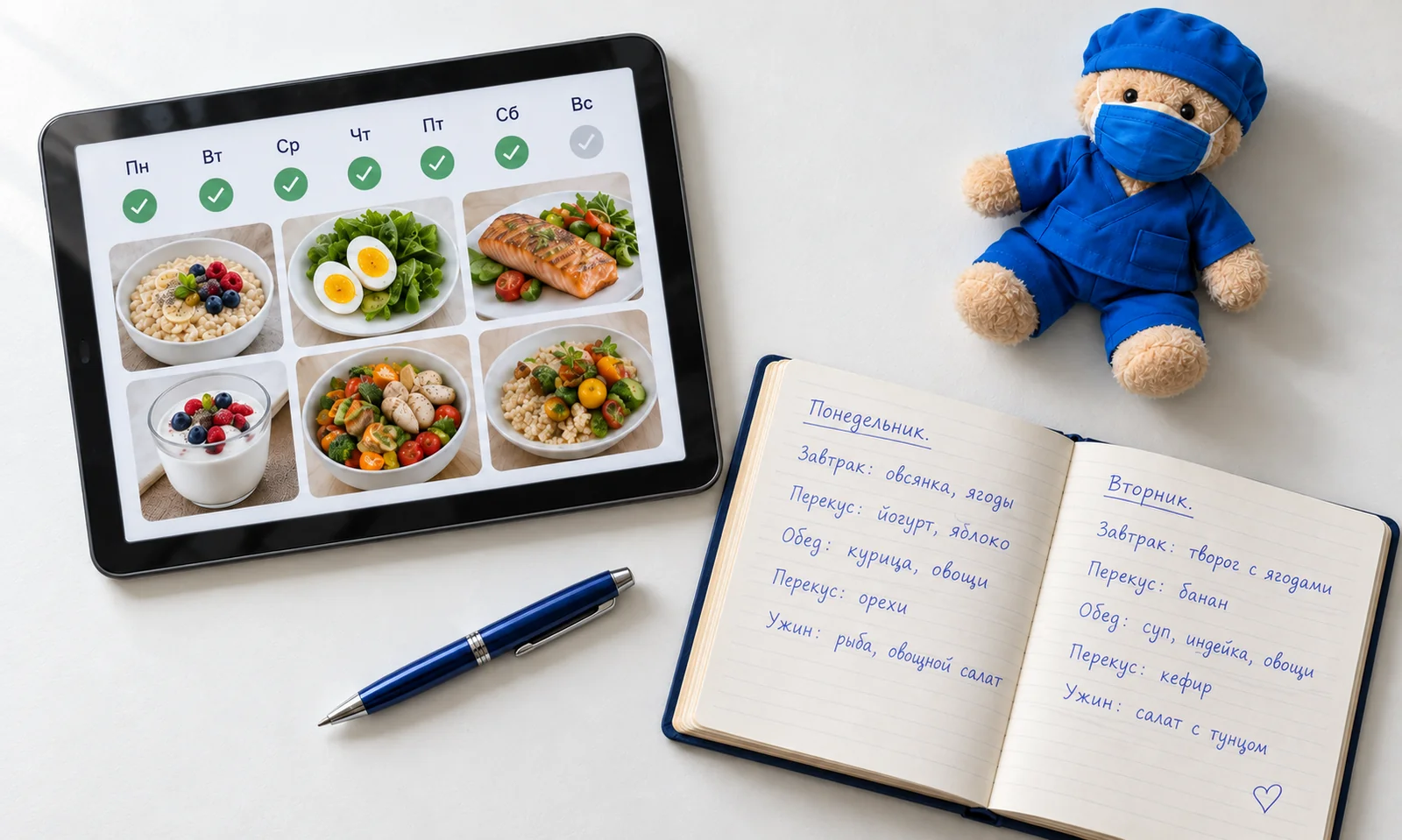
We help you track your results, keep them and adapt to new eating habits.
Consistent weight loss, better well-being and a higher quality of life.

We value your time: we are open 24/7, booking is easy and the approach is personal — we adapt to your pace.
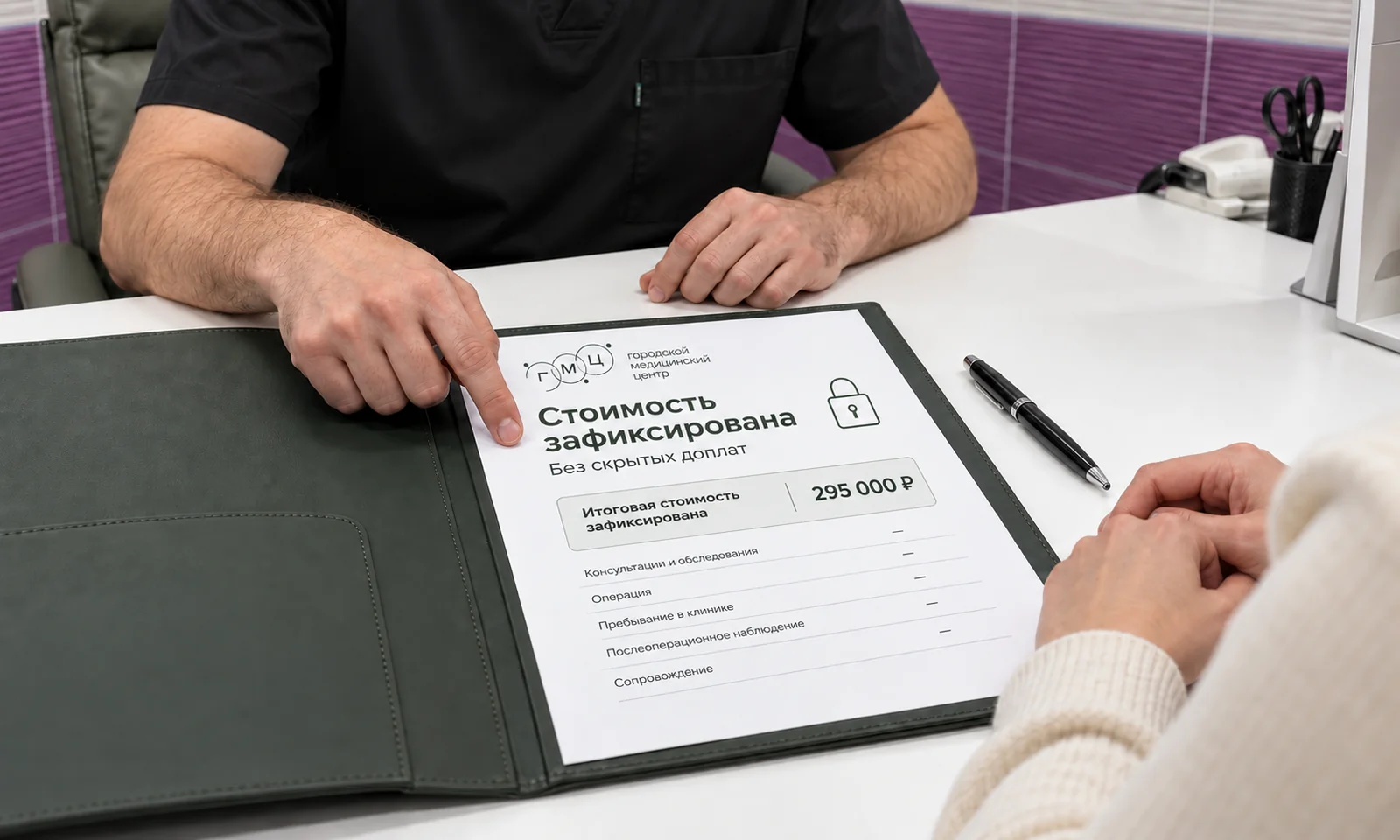
After the consultation you know the method the surgeon has chosen and the clear price, with no hidden fees and no surprises on the way to your result.
FAQ
Yes, bariatric surgery is the medical term for it. At City Medical Centre the main methods are sleeve gastrectomy (gastric sleeve) and gastric bypass; the surgeon chooses the method by your BMI and health.
Usually a BMI over 40, or over 35 with related health conditions. The surgeon confirms whether surgery suits you at the consultation.
At the clinic, experienced bariatric surgeons perform the bariatric operations:
Drop us a message and our coordinator will get back to you shortly to book your consultation. The bariatric surgeon consultation is free.
Surgery is prescribed only when clear criteria are met
Obesity is graded mainly by BMI, calculated as body weight (kg) over height squared (m²). A BMI above 40 usually justifies surgery, as does a BMI above 35 with serious related conditions. In certain cases surgery is considered at lower values too, if approaches without surgery have not succeeded.
Many people confuse them, but the goals are fundamentally different. Bariatric surgery is a medical way to treat obesity and related diseases. It changes how the digestive tract works, getting at the causes of excess weight and metabolism. Plastic surgery only reshapes the body's outer contours; it does not treat obesity or affect metabolism.
City Medical Centre performs four core types of bariatric surgery: sleeve gastrectomy, Roux-en-Y gastric bypass, mini gastric bypass (MGB) and SADI-S duodeno-ileal bypass. Selection is individual and takes into account BMI, related conditions and the patient's goals.
The operation uses modern laparoscopic technique, through 4 small punctures of 5 to 15 mm. We place cosmetic sutures, and after healing the marks become almost invisible.
The recovery timeline depends on your activity. Office work: after 2–4 weeks. Physical work: after 1.5 months. Sport and activity: swimming allowed from 30 days, other exercise added gradually as weight comes down. Travel and holidays: best planned at least a month after surgery.
Your diet changes step by step: from liquid food to soft and then to solid. The emphasis is on protein and on cutting high-calorie, fatty food.
Pregnancy after bariatric surgery can happen, though doctors advise holding off at least 12–18 months. In this period the body becomes stable, weight reaches target values and nutritional status normalizes.
Yes, after bariatric surgery vitamins are a must. The altered digestive anatomy reduces absorption of some nutrients, which makes regular vitamin and mineral supplements a permanent part of the patient's life.
Regain after bariatric surgery is possible, but very unlikely if you follow the doctor's advice. Proper nutrition, no high-calorie drinks and regular follow-up visits with City Medical Centre specialists make the difference.
Prices are in US dollars; the amount in brackets is an approximate conversion to EUR at the rate of 02.10.2026. The final price is fixed in your contract.
Prices start from $3,600 (≈ €3,250). The surgeon sets the final price at the free consultation, and it is fixed in the contract, with no hidden extras.
General anaesthesia, a personal coordinator from day one, monitoring in the hospital and support for one year.
The hospital stay is 1–5 days, depending on the method and how you feel. Office work is possible after 2–4 weeks.
Yes. The first consultation is free and does not oblige you to anything. You can start online by sending a message to the coordinator.
Message us on WhatsApp or Telegram using the buttons below. A coordinator will answer your questions and book a free consultation where the doctor names the exact price.
By messaging us, you agree to our Privacy Policy
Bariatric surgery is a medical treatment for obesity and related diseases. Unlike plastic surgery, it changes how the digestive tract works and addresses the causes of excess weight. For patients from Wuppertal, four main methods are available: sleeve gastrectomy, Roux-en-Y gastric bypass, mini gastric bypass and SADI-S. Each is chosen individually based on BMI, related conditions and personal goals.
The final result is reached in 1.5–2 years. Throughout the first year the team tracks weight loss, monitors tests and answers questions about diet and recovery, providing psychological and medical support at every stage. For patients in Wuppertal, regular follow-up with specialists and avoiding high-calorie drinks are the keys to keeping the result for good.
Everything needed for the result is combined in one package, with no hidden fees and no surprises. For patients from Wuppertal, it includes surgery by a dedicated team, round-the-clock care in the ward with meals and nursing, a doctor nearby 24/7 and a personal coordinator. The first step is a free 15-minute consultation with a bariatric surgeon.
Well-known people who spoke openly about this operation, in their own words.
 Al Roker and gastric bypass: twenty years of talking about it honestlyAl Roker had gastric bypass surgery in March 2002 and has talked about it for 20 years. His words, how the operation works and what recovery involves.
 Did Billy Gardell have bariatric surgery? Yes — and he says it saved his lifeThe Mike & Molly star had bariatric surgery in 2021 after a diabetes diagnosis. His quotes on the decision, the 100-pound loss and his children.
 Did Graham Elliot have weight-loss surgery? Yes, and he did it for his familyChef Graham Elliot had weight-loss surgery in 2013, saying it was what he needed to do for his family. His words, the operation and recovery.
 Did Mama June have a gastric sleeve? Yes — in her own wordsJune 'Mama June' Shannon had a gastric sleeve in May 2015. Her quotes on the 550-pound start, the regain and starting over.
 Did Randy Jackson have gastric bypass surgery? Yes, and he still talks about maintaining itRandy Jackson had gastric bypass surgery in 2003 and lost 114 pounds. His own words, how the operation works today and what recovery involves.
 Remi Bader and her weight-loss surgery: what she actually saidRemi Bader said in 2023 she had weight-loss surgery removing 80% of her stomach and lost 140 lbs. What she said, how the operation works, and recovery.
What patients write after this operation. Reviews are translated from the original language.
Irina, 26
For a long time I doubted whether to go ahead with surgery, but after the consultation I felt much calmer. Andrey Georgievich explained in detail how gastric bypass is done, what to expect after the operation and how recovery would go. I especially liked that they talked to me calmly and without pressure. I am now gradually getting used to my new way of life and I am very glad I took this step.
Bariatric surgery
Doctor: Andrey G. Ugay
Angelina, 22
For me the hardest part was deciding to have the operation. At the consultation Ruslan Sergeyevich answered all my questions in detail and explained the specifics of sleeve gastrectomy and recovery. After the operation I always understood what I was doing and why. Thank you to the doctor and the whole team for their attentiveness.
Bariatric surgery
Doctor: Ruslan S. Menzulin
Anna, 31
For a very long time I tried to deal with my excess weight on my own, but I did not get the result I wanted. After the consultation with Andrey Georgievich I finally understood what to do next. I came through the operation well, and my recovery was supervised by the doctors. It was important for me to feel that I was not left alone after surgery.
Bariatric surgery
Doctor: Andrey G. Ugay
Veronika, 25
Before the operation I had many fears, mostly of the unknown. Ruslan Sergeyevich explained every stage of treatment in detail and answered even the simplest questions. Thanks to that I felt much more confident. I keep following the recommendations and I am gradually seeing the changes I had the operation for.
Bariatric surgery
Doctor: Ruslan S. Menzulin
Valentina, 23
The decision to have bariatric surgery was not easy for me. I worried both about the operation itself and about how my life would change afterwards. At the consultation Andrey Georgievich explained everything in detail, so little by little my fear turned into confidence. What matters most to me now is the result and the chance to treat my health and lifestyle differently.
Bariatric surgery
Doctor: Andrey G. Ugay
Anna, 27
I am very grateful to Ruslan Sergeyevich for his attentiveness. Before the operation I had a huge number of questions, and I got a clear answer to every one of them. After the operation it was also clear which recommendations to follow and how to eat. It was important to me that the doctor stayed in touch and I felt supported at every stage.
Bariatric surgery
Doctor: Ruslan S. Menzulin
Page medically reviewed by Andrey G. Ugay, lead bariatric surgeon. Review date: .
Wuppertal has 357,243 residents (31 December 2025) on 168.39 km² in Nordrhein-Westfalen. The urban area as a whole has about 608,000 people. These numbers are useful because obesity figures are always measured across populations. Even a small share of adults with a BMI of 30 or above is a large group of real people in a city of this size. For a resident wondering whether bariatric treatment is relevant, the national data are the right starting point, because no figures exist for the city alone.
The German figures depend on how they are collected. In the Mikrozensus 2009 survey, 15.7% of men and 13.8% of women reported a BMI of 30 or above. In the measured DEGS study of 2008/11, the shares were 23.3% of men and 23.9% of women. People tend to report lower weight than a scale shows, so the surveys give lower values than the measurements. When you read a headline number about obesity, check whether anyone weighed the participants. If you estimate your own BMI from memory, weigh yourself on a scale before the first conversation. The doctor works with measured numbers, not recollections.
Surgical volumes are modest next to these shares. In 2014, a gastric bypass was performed in 4,083 cases on obesity patients in Germany. That is a small fraction of the adults living with obesity. Most people with a high BMI are never operated on. It also shows that the decision rests on medical criteria and not on the BMI figure alone.
The service itself is built on two core procedures, sleeve gastrectomy and gastric bypass. The clinic's wider programme names four methods: sleeve gastrectomy, Roux-en-Y gastric bypass, mini gastric bypass (MGB) and SADI-S duodeno-ileal bypass. The sleeve reduces stomach volume, so you feel full quickly. It is usually considered for obesity without marked reflux. The bypass reduces stomach volume and also changes the path of food. It is considered for obesity with diabetes or reflux, and it aims at weight loss with better metabolism. Which method fits you is decided at the consultation, based on your BMI, related conditions and goals.
About 92% of the German population is covered by statutory health insurance (GKV). As of 2024, about 88% of the working population is insured through statutory funds and about 11% privately. So almost every adult in Wuppertal has an insurer, and the first practical question is what that insurer will accept. For bariatric procedures the answer is more nuanced than a plain yes or no.
Bariatric surgery is not part of the regular benefit catalogue of the GKV, but it can be applied for in individual cases. Two conditions are named. First, you must prove that conservative weight-loss methods were exhausted over 6 to 12 months in a multimodal concept. Second, the Medizinischer Dienst (MD) must assess your case under its "Begutachtungsanleitung Adipositas-Chirurgie". So the application is a structured file. It is not a single form.
The medical thresholds behind it come from the German S3 guideline. Bariatric surgery is indicated from BMI 40 kg/m² even without comorbidities. It is indicated from BMI 35 kg/m² with an obesity-related comorbidity, once conservative therapy has failed. The clinic uses the same logic. Surgery is generally justified at a BMI above 40, or above 35 when serious related conditions are present. Sometimes it is also considered at lower values, when non-surgical methods have not worked. The related conditions in the clinic's list include hypertension, type 2 diabetes, sleep apnea, joint disease and fatty liver disease.
Cosmetic procedures follow different rules. Statutory insurance does not pay for cosmetic procedures done at the patient's request, and the patient bears the full cost, including lost income. After a medically not indicated procedure, insured persons must share in the costs of resulting complications, including sick pay. Insurers may restrict or refuse benefits under § 52 SGB V, and there is no entitlement to continued wage payment (Entgeltfortzahlung) in that case. This matters for bariatric patients because treatment of obesity and its consequences is medical, while reshaping the body's contours is not. The clinic explains the difference: bariatric surgery treats obesity and related illnesses by changing the digestive tract, while plastic surgery reshapes outer contours and does not treat obesity or affect metabolism. Keep that distinction in mind when you talk to your insurer, so the request is not mistaken for a cosmetic one.
The coordinators cannot decide for an insurer, and they do not promise a decision. What they can do is help you put the facts in order. You can ask your coordinator how the doctor's assessment, your BMI calculation and your test results can be assembled. The online consultation is free and does not commit you to surgery, so it costs nothing to learn whether your numbers meet the usual thresholds before you start paperwork.
Waiting is a separate question from coverage. A 2010 Commonwealth Fund survey found that 70% of Germans reported waiting less than 1 month for elective surgery. That figure is old and covers elective surgery in general, not bariatric operations. Do not read it as a promise about weight-loss procedures. In practice the long part of a statutory route is often the documented period of conservative treatment, which can run 6 to 12 months, plus the MD assessment. The operation itself is only the end of that sequence.
An online process looks different. After you send photos on WhatsApp or Telegram, you get a free doctor assessment and a price. Then you confirm the plan and dates before anything is booked. The price is named at the consultation and fixed in the contract. The first consultation does not require a decision. You can use it only to see whether your BMI and conditions are in the range where surgery is considered. Many people only need a clear yes or no and an explanation of which method would apply.
The treatment has six steps: consultation and plan, reserving the date, tests before surgery, the operation, the stay in hospital and recovery. Tests include blood and urine tests, an ECG, an ultrasound and a gastroscopy, plus visits to specialists. The doctor gives you the exact list at the consultation. Your coordinator reminds you about tests and check-ups, so you do not have to track the list yourself.
Timing the operation to your life is practical. Wuppertal has a university with about 21,000 students (winter semester 2024/25) and four institutions of higher education, including the University of Wuppertal, FOM and the Kirchliche Hochschule Wuppertal/Bethel. For students and staff, the academic calendar is a natural planning frame. The stay under observation is 1–5 days, and office work resumes after 2–4 weeks. Physical work takes about 1.5 months. If you teach, study or work at a desk, a semester break is easy to line up against those numbers. For example, you might discuss an operation in early 2027 and plan the weeks afterwards around your own schedule. The doctor confirms the real timing, because recovery varies with your anatomy and individual traits.
If your work is physical, plan for the longer period. The clinic's figures are averages for guidance only. Ask your coordinator to write down which numbers apply to your job, and discuss them at the consultation, not at the last minute.
The diet changes in stages, moving from liquid to soft to solid food. The main focus is protein, with restriction of high-calorie, fatty food. High-calorie drinks are singled out as something to avoid. There is no verified information in our materials about local dishes in Wuppertal or the Bergisches Land, so we do not claim anything about regional cooking. What you can do is take the clinic's staged plan and compare it with your own usual meals. Write down what you actually eat in an ordinary week, including drinks, and bring that list to the consultation. That makes the dietary advice specific.
Vitamins are essential after bariatric surgery. Because digestive anatomy changes, the body absorbs certain nutrients less well, so regular vitamin and mineral supplements become a lasting part of the patient's life. This is a routine part of the plan, not a sign that something went wrong. Plan how you will remember them: a weekly organiser is one simple option.
Weather and daylight shape habits in Wuppertal, so it is worth planning around them. The mean temperature is 18.7 °C in July and 3.1 °C in January, with an annual mean of 10.8 °C (DWD data 2015–2020). Annual precipitation was 1,025 mm in the 2015–2020 table. January is the wettest month at 125 mm, followed by December at 113 mm and November at 105 mm. April (50 mm) and May (53 mm) are driest. Longer-term figures in the same source are 1,116 mm in the valley and 1,183 mm on the heights. Sunshine averages 4.3 h/day over the year, with 6.6 h in June and 6.5 h in July but only 1.5 h in December and 1.9 h in January.
These numbers say nothing medical, but they matter for routine. In the dark, wet months, outdoor activity takes more effort, so indoor options should be settled early. Swimming is fine after 30 days according to the clinic, and other exercise gets added gradually as weight drops. The doctor tells you when each activity is appropriate, so ask before you start something new. In the brighter months of May to July, with a lot more daylight, walking is easier to build into the day.
The city's shape gives everyday movement a measurable form. The Wupper winds about 20 km through the city area. The southeastern part belongs to the Bergische Hochflächen, up to about 350 m. Elevation is 160 m above NHN in the infobox. The highest point is Lichtscheid at 350 m, and the lowest is at Müngsten at 101 m above NN. A difference of nearly 250 m between the lowest and highest points means many routes involve slopes. Climbing a slope is a simple personal test: as weight drops and fitness grows, you may find it easier. Do not use it as a medical measure, but it is an easy way to notice your own progress between check-ups.
The Schwebebahn suspension railway has operated since 1901. Its tracks run 8 m above the streets and 12 m above the Wupper. It is part of daily mobility, and the stations of a rail line like this encourage short walks. The Nordbahntrasse is a 22 km cycle route across the city. It is an obvious candidate when you and your doctor talk about adding exercise. Whether and when you start cycling is a question for the consultation and follow-up, not something to decide on your own. Start with short stretches of the 22 km and extend them gradually as the team advises.
Follow-up is the core of the long term. The final result is reached 18–24 months after surgery. During that time the clinic team supports you for 12 months. The package includes one coordinator from day one and remote progress checks by photos. After discharge you get advice on diet and recovery, plus scheduled check-ups of well-being, weight and test results. Because this is done online, living in Wuppertal does not limit it. You send photos and results by WhatsApp or Telegram, and coordinators answer round the clock, 24/7.
Weight regain is possible, but very unlikely if you follow the doctor's advice. Proper eating, avoiding high-calorie drinks and regular follow-up are the key points. In practice, that means treating the check-ups as fixed dates and not as optional extras. Wuppertal is due to host the Federal Horticultural Show (Bundesgartenschau) in 2031, long after the 18–24 months of the result period. For someone operated in 2027, that is a distant but concrete date to mark a long-term goal.
A good consultation begins with good preparation. Calculate your BMI by dividing your weight in kilograms by your height in metres squared. Write down your chronic conditions, medicines and earlier attempts to lose weight, with dates. If you are applying through statutory insurance, the record of a 6 to 12 month conservative programme is the most valuable document you can bring. Photos for the first assessment are sent on WhatsApp or Telegram. The coordinator will tell you which ones are needed.
Check the exclusion list too. The operation is not suitable under 18, with malignant tumours, during pregnancy, with blood clotting disorders, with severe chronic and mental illness, during acute illness or flare-ups of chronic disease, or less than six months after breastfeeding ended. If you are unsure which column describes you, the coordinator tells you whether bariatric surgery suits you.
On the technical side, the operation uses a laparoscopic technique through 4 small punctures of 5 to 15 mm. Cosmetic sutures are placed, so once healed the marks become almost invisible. Pregnancy after the operation can happen, though doctors advise holding off at least 12–18 months. Bring family-planning questions to the first conversation, so the timing can be built into the plan.
Not necessarily. In the Mikrozensus 2009 survey 15.7% of men and 13.8% of women reported a BMI of 30 or above, while measured data (DEGS 2008/11) showed 23.3% of men and 23.9% of women. The surveys give lower values than the measurements. The doctor will use your measured weight and height. Weigh yourself before the consultation, and do not rely on a number from memory.
Bariatric surgery is not part of the regular GKV benefit catalogue, but it can be applied for in individual cases. The conditions are proof that conservative weight-loss methods were exhausted over 6 to 12 months in a multimodal concept, and an assessment by the Medizinischer Dienst (MD). Cosmetic procedures done at the patient's request are different: the patient bears the full cost. The coordinator cannot decide for your insurer, but can help you organise the information.
The German S3 guideline names BMI 40 kg/m² even without comorbidities, and BMI 35 kg/m² with an obesity-related comorbidity, once conservative therapy has failed. The clinic's own criteria are consistent with this: usually a BMI over 40, or over 35 with related conditions. The doctor confirms at the consultation whether the operation suits you.
A recent start is usually not enough for the statutory route. The conditions mention a documented period of 6 to 12 months of conservative treatment in a multimodal concept. If you have not yet begun, it is useful to talk to the coordinator early. The free online consultation does not commit you to surgery, and it clarifies which steps are still missing.
In January the mean temperature is 3.1 °C, sunshine averages 1.9 h/day and precipitation is 125 mm, so outdoor activity takes more effort. Swimming is fine after 30 days, and other exercise is added gradually as weight drops. Ask the doctor which indoor activities fit your stage. The staged diet and vitamins do not depend on the season.
The numbers are workable. The stay under observation is 1–5 days, and office work resumes after 2–4 weeks. Physical work takes about 1.5 months. Wuppertal has about 21,000 university students (winter semester 2024/25), so many people plan around semesters. The doctor confirms your actual timing, since recovery varies with your anatomy and individual traits.
The Nordbahntrasse is a 22 km cycle route across the city, so it is a natural option to discuss. The clinic says that swimming is fine after 30 days and that other exercise is added gradually as weight drops. Ask the doctor or coordinator when you may begin cycling, and start with short stretches.
Support lasts 12 months. One coordinator is with you from day one, and progress is checked remotely by photos. Scheduled check-ups look at well-being, weight and test results. You write on WhatsApp or Telegram, and coordinators answer 24/7. The final result is reached 18–24 months after the operation.