City Medical Centre · multi-specialty surgery clinicOpen 24/7

Tummy tuck

Tummy Tuck with Diastasis Repair in Catania

Free consultation

from $2,400

The price is fixed in the contract before surgery

Message us on WhatsApp

Free online consultation · Reply within 15 minutes
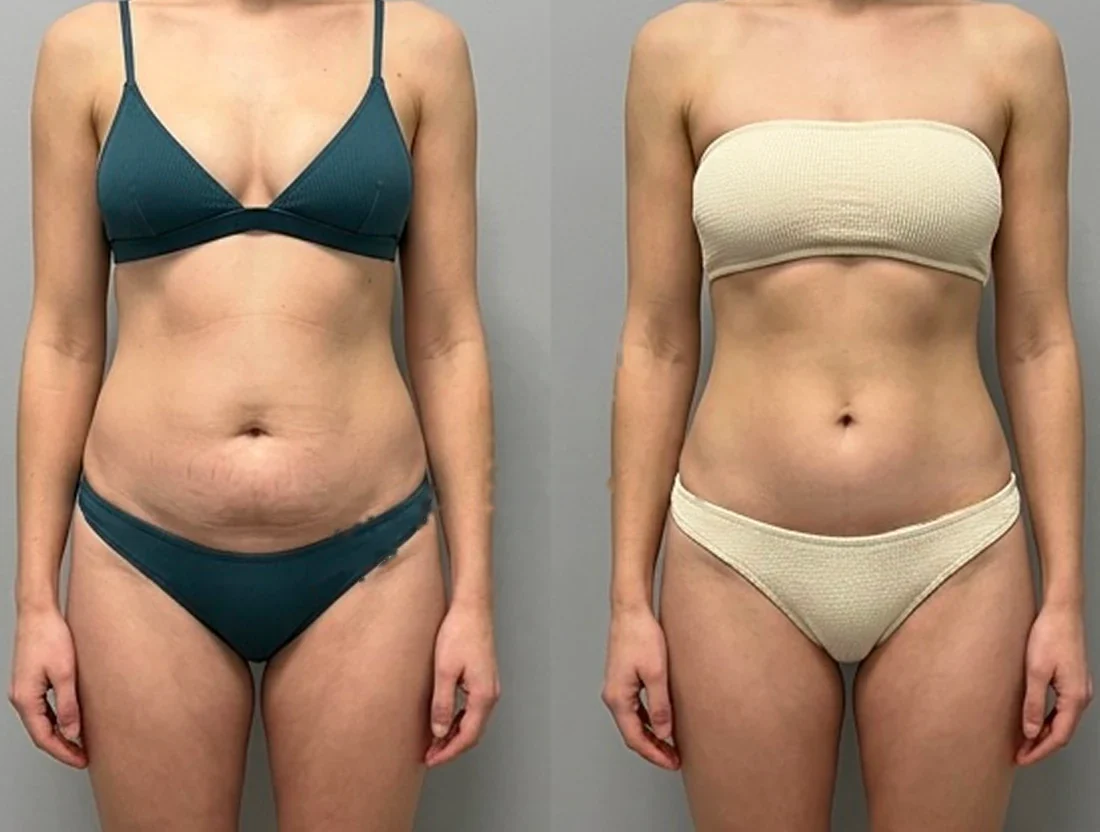
Real case
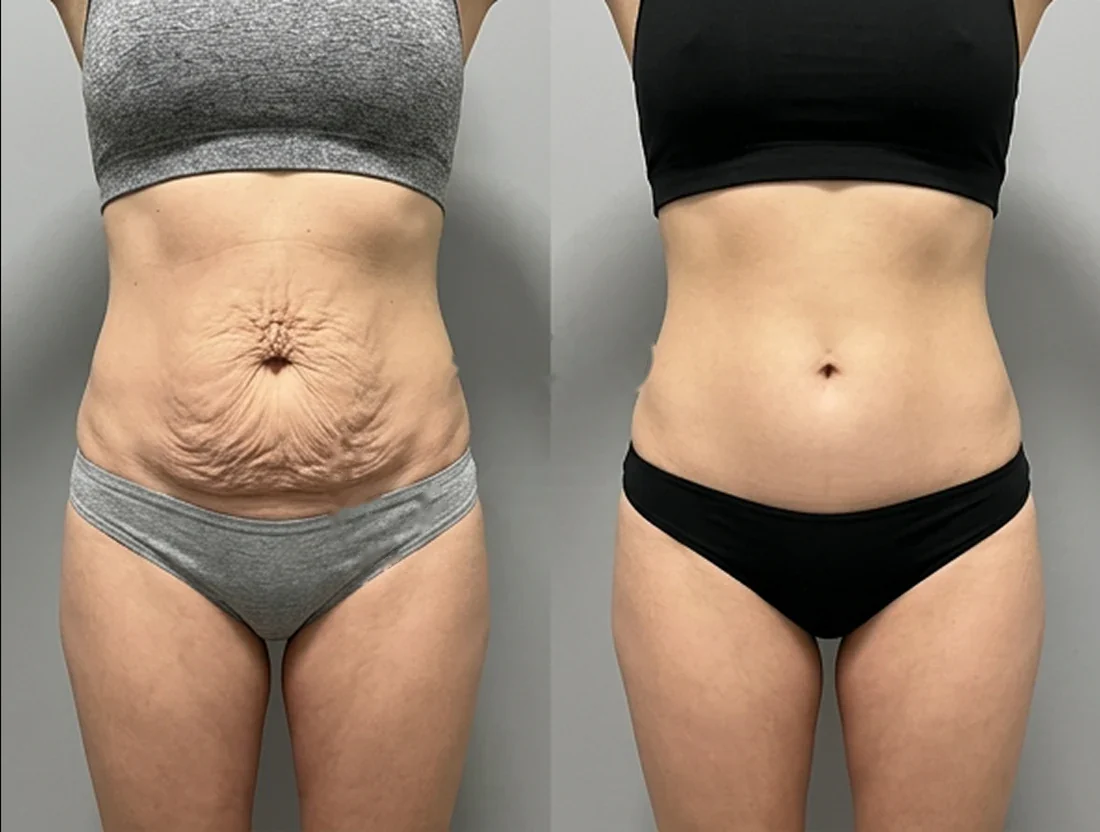
Tummy tuck: a patient's abdomen before and after surgery before after
A flat tummy and a toned silhouette in one operation. Your individual surgical plan and the expected result are discussed at the consultation

Message our coordinator

Free online consultation · Reply within 15 minutes

Message us on Telegram

By messaging us, you agree to our Privacy Policy

Tummy tuck (abdominoplasty) in Catania: price and key facts

Tummy tuck for patients from Catania at City Medical Centre: the price is named at the free online consultation and fixed in the contract with no hidden extra charges.

Duration
2–4 hours
Anesthesia
general
Stay
1–3 days
Recovery
back to work after 2–3 weeks
Final result
6–12 months after surgery
How it works
Send photos on WhatsApp or Telegram, get a free doctor assessment and the price, then confirm the plan and dates before anything is booked.

How it works · Tummy tuck prices

Information current as of 24 October 2026

Free online consultation on WhatsApp and Telegram

Results

Tummy tuck (abdominoplasty) results
of our patients

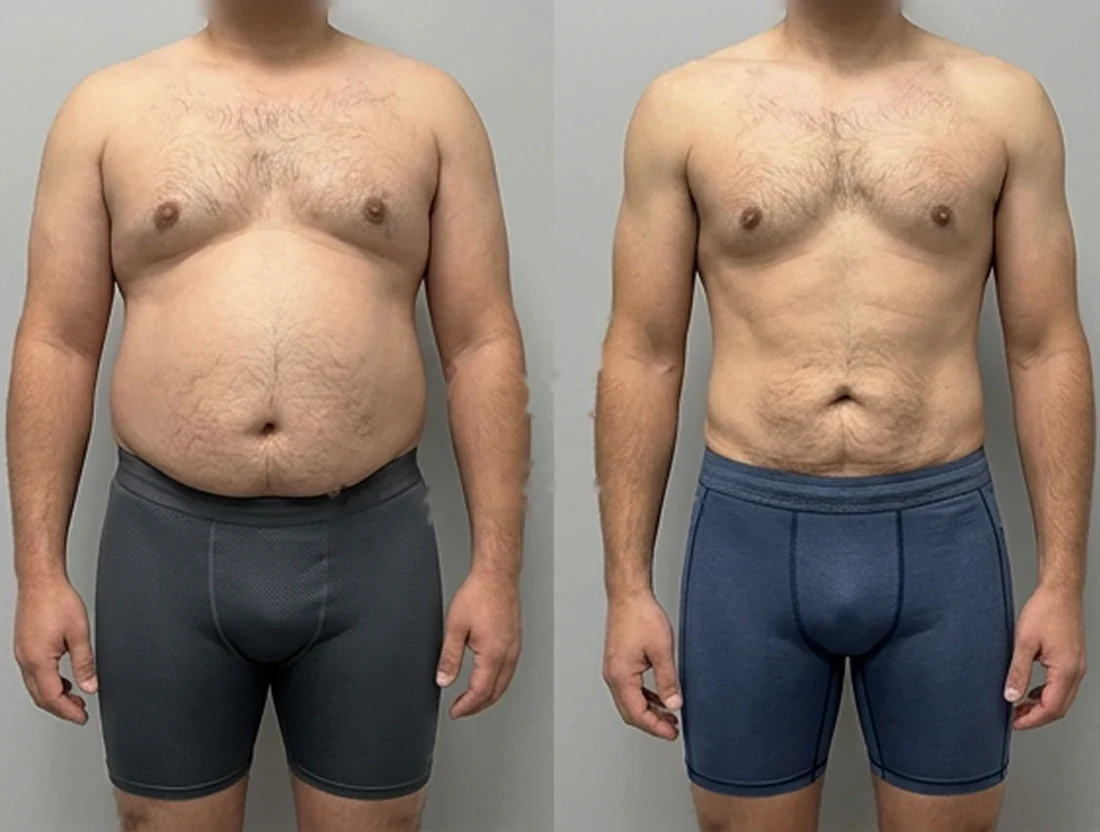
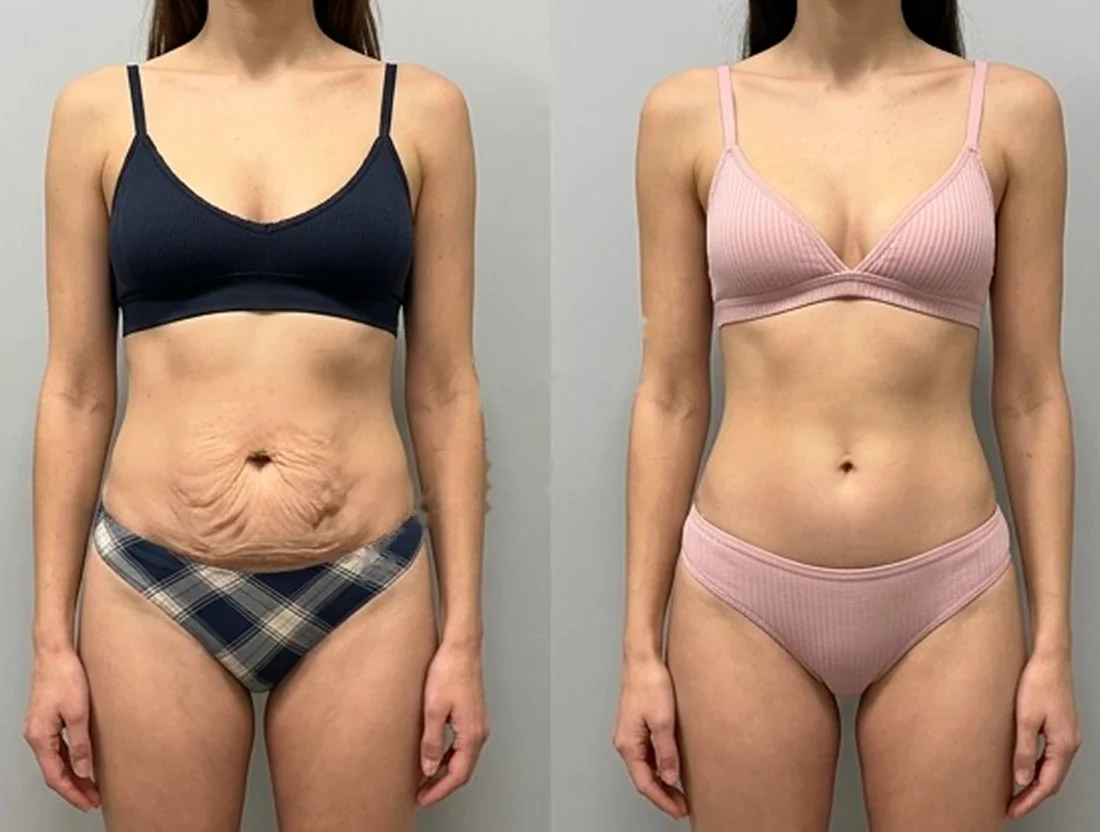
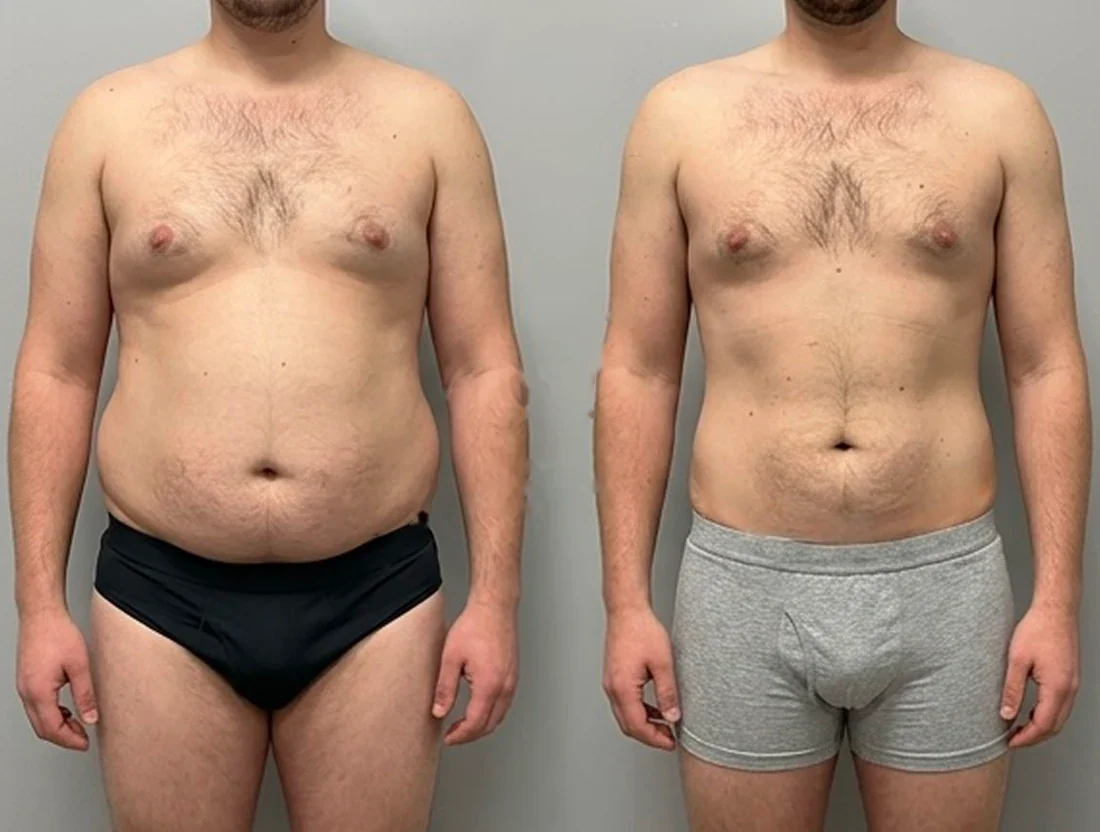
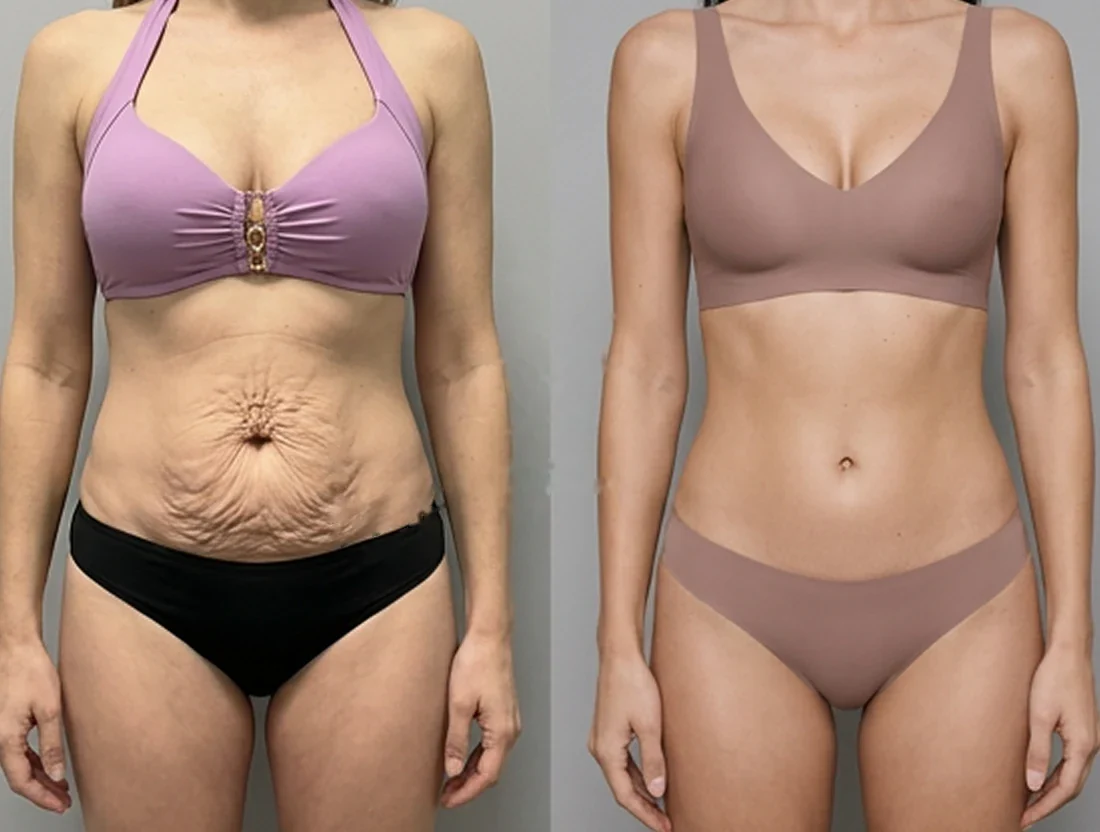
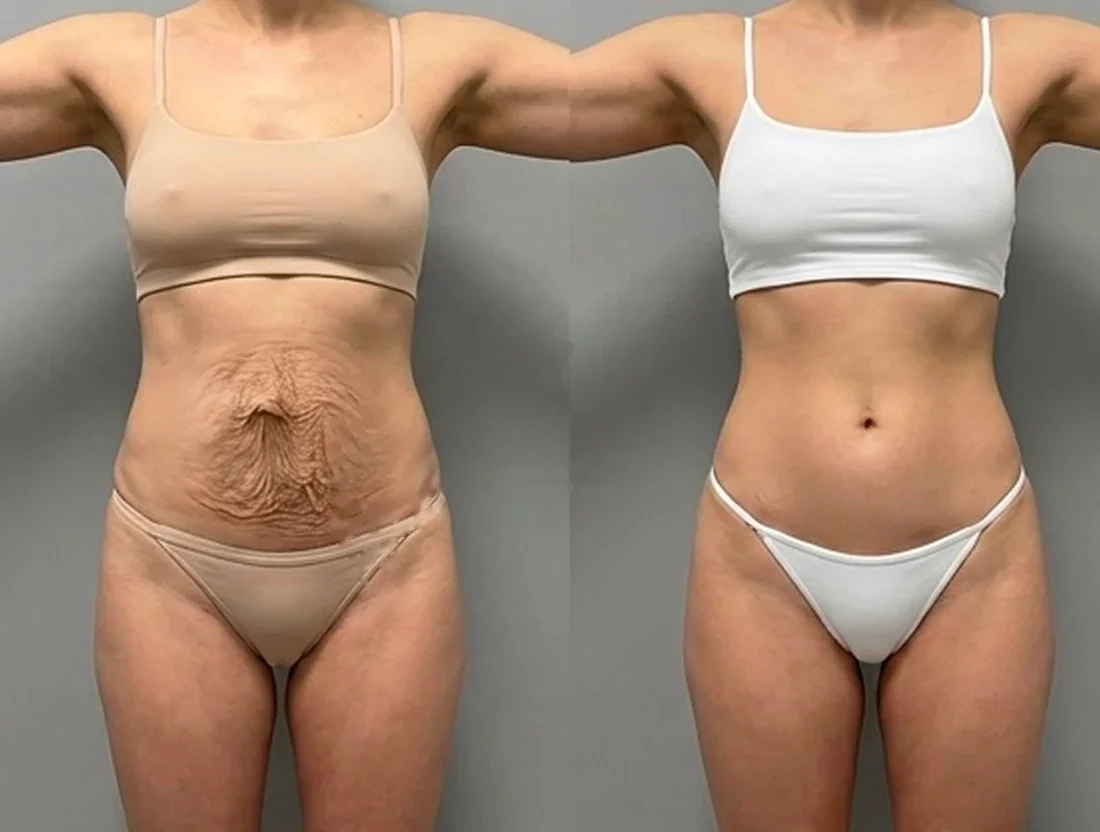
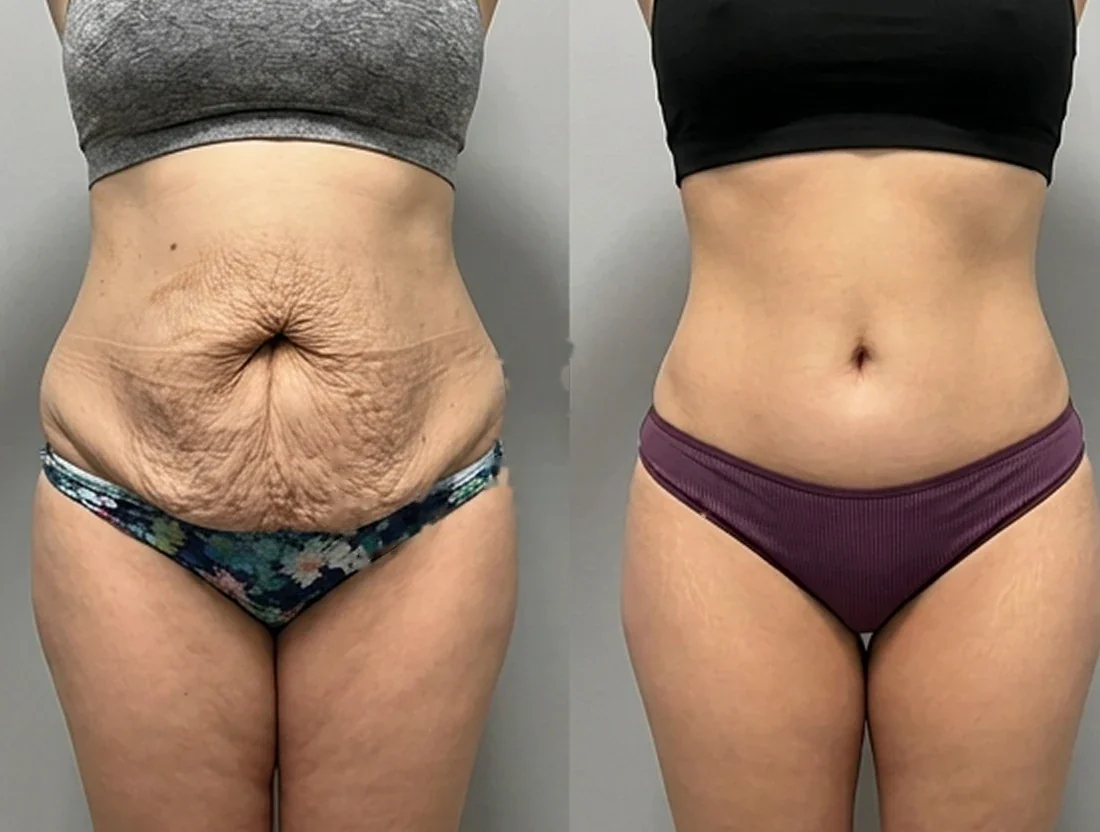
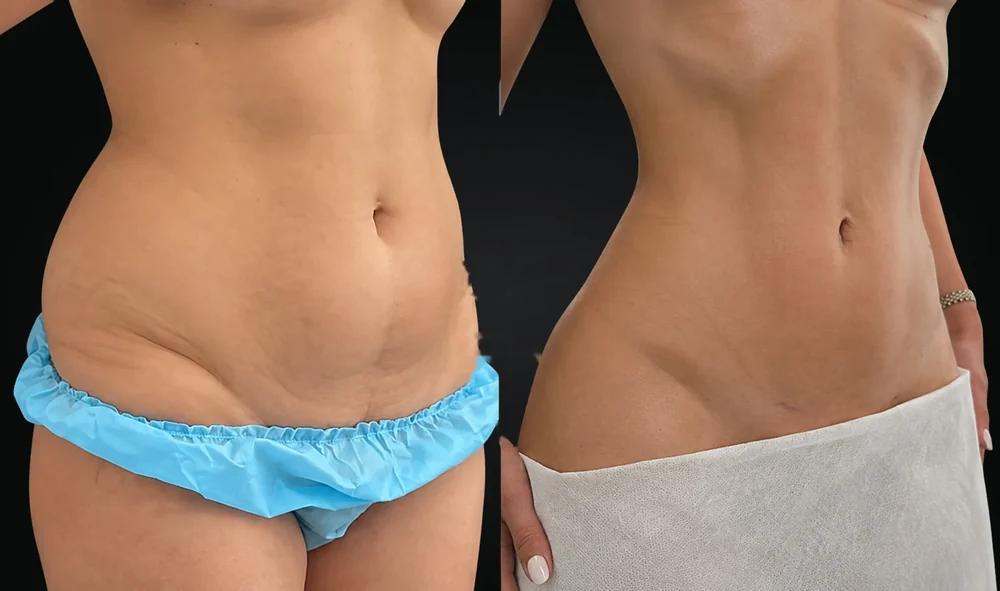
All cases are real patients. Faces and identifying details are hidden.

Tummy tuck: a female patient's abdomen before and after surgerybeforeafter
Tummy tuck: a male patient's abdomen before and after surgerybeforeafter
Tummy tuck: a female patient's abdomen before and after surgerybeforeafter
Tummy tuck: a male patient's abdomen before and after surgerybeforeafter
Tummy tuck: a female patient's abdomen before and after surgerybeforeafter
1 of 8

Comparison

Tummy tuck techniques

A tummy tuck is done as a full (classic) or mini operation, or combined with liposuction as lipoabdominoplasty. Compare the scope of surgery, the indications and the expected results to choose the right technique together with your surgeon.

Tummy tuck

Removal of excess skin, abdominal muscle tightening
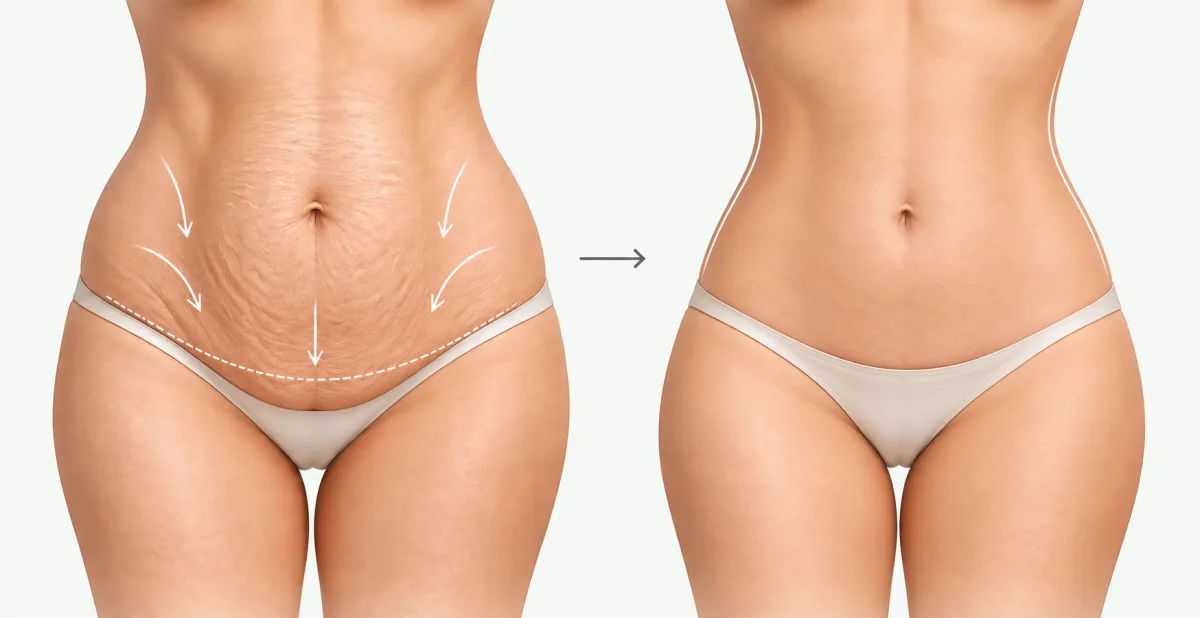
Tummy tuck diagram: the abdomen before surgery with the incision line, and the result
Main goal
Removal of excess skin, diastasis repair
When it is done
Excess skin after childbirth or weight loss
Anaesthesia and stay
General anaesthesia, up to 3 days in hospital

Lipoabdominoplasty

Tummy tuck with added liposuction
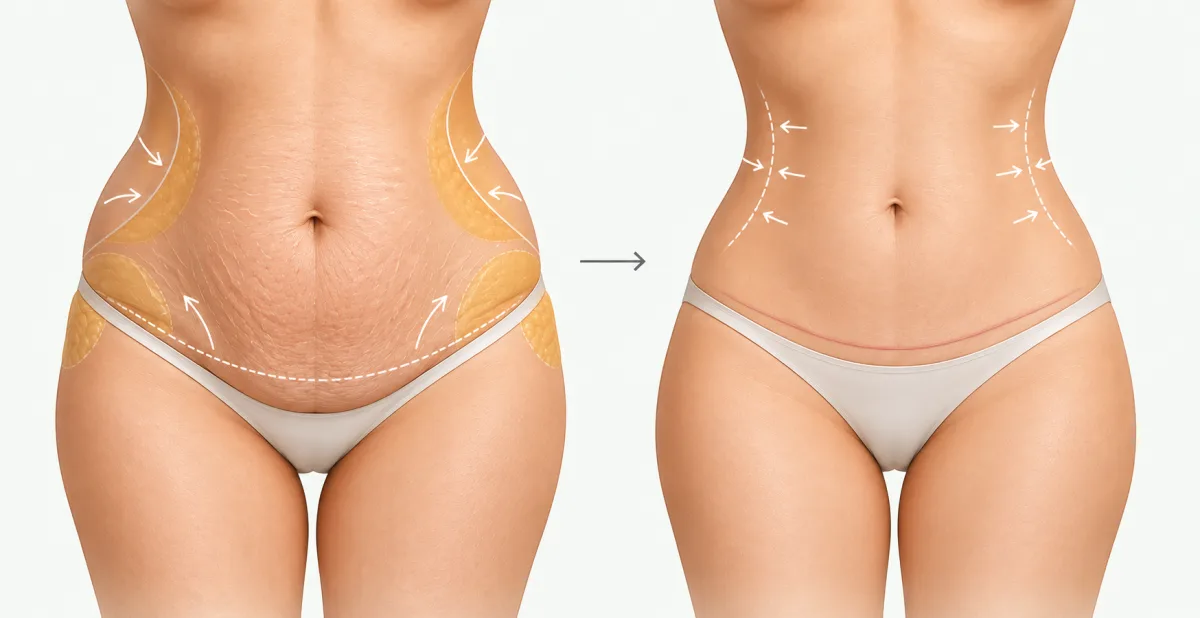
Lipoabdominoplasty diagram: the abdomen with fat on the flanks before surgery, and the result
Main goal
Tummy tightening and waist contouring
When it is done
For fat deposits on the flanks and waist
Anaesthesia and stay
General anaesthesia, up to 3 days in hospital

The benefits and recovery times shown are averaged for each technique and given for guidance: the scope of correction and rehabilitation depend on your anatomy and individual features, and the surgeon confirms them at the consultation.

At the consultation the surgeon draws up a plan for your case and explains how your tummy tuck will go.

Free, before surgery and with no obligation.

Book a consultation

Tummy tuck from the inside

About the clinic

A clinic where you can feel at ease

Modern equipment, comfortable rooms and care for every patient

A doctor and a patient in a clinic ward

Contact us the way that suits you

We will answer your questions and find a convenient time for a consultation

By messaging us, you agree to our Privacy Policy

A tummy tuck is not for everyone

If your case can be solved without surgery, the doctor will tell you so at the consultation — and you will not spend money for nothing.

Suitable

A surgeon shows a patient on a model and a monitor how the abdominal contour changes after a tummy tuck
  • Rectus abdominis diastasis
  • Skin folds after weight loss
  • Loose abdominal skin
  • Stretched skin after pregnancy
  • A distorted abdominal contour

Not suitable

A surgeon discusses the indications and contraindications for a tummy tuck with a patient
  • Acute infections
  • Serious heart, kidney or liver conditions
  • Blood coagulation disorders
  • Under the age of 18
  • Decompensated diabetes
  • Cancer
  • Skin inflammation in the surgical area
  • Pregnancy and nursing

Not sure the surgery is right for you?

Message us — the coordinator will ask for your photos in the messenger, and the surgeon will tell you whether a tummy tuck suits you. No surgery booking needed.

Find out if it suits me

A surgeon goes through a tummy tuck diagram with a patient at the consultation

Prices

You know the price
before surgery

The price is set at the consultation and fixed in the contract.

Other services

  • First consultationFree
  • Liposuction of the abdomen and flanksfrom $1,700
Book a consultation

Find out your tummy tuck plan and price

The surgeon assesses your abdominal skin and muscles, listens to your wishes and chooses the right correction technique.
The price is set at the consultation and fixed in the contract.
A nurse talks to a patient in a clinic ward

Message our coordinator

Free online consultation · Reply within 15 minutes

Message us on Telegram

By messaging us, you agree to our Privacy Policy
A patient's abdomen before a tummy tuck in the operating room

all inclusive

What the price includes

From preparation for surgery
to post-op check-ups.

  • All scheduled dressings
  • Scheduled post-op check-ups
  • A personal coordinator on call
  • Compression garments fitted on the day of surgery
  • A stay in a comfortable
    hospital ward with meals
  • Individual recommendations
    for recovery
  • Remote progress monitoring
    by photos

How it works

Three days at the clinic —
from preparation to discharge

An agreed correction plan, inpatient observation and post-op check-ups.

A doctor shows a patient a tummy tuck diagram on a monitor1

Consultation
and the surgical plan

The surgeon assesses your abdominal skin and muscles and checks for diastasis, listens to your wishes and chooses the right correction technique.

Paying the deposit by card at the clinic reception2

Booking the date
of surgery

We reserve a surgery date for you: the deposit can be paid by card at the clinic or online by bank transfer. The terms are fixed in the contract for medical services

A blood sample tube for tests before a tummy tuck3

Check-up before
surgery

Before surgery you complete a full lab check-up: blood tests, an ECG, a chest X-ray and reports from the required specialists.

The surgical team during the operation4

Surgery

The surgeon performs the tummy tuck with the chosen technique, repairs diastasis if needed and shapes a firmer abdominal contour.

A hospital ward at the clinic5

Inpatient stay

After surgery the patient stays for 1–3 days in a comfortable hospital ward with meals, under medical supervision.

A surgeon and a patient in the ward during recovery6

Recovery

After surgery you get a recovery programme. Check-ups at 7 days, 3 and 6 months help track your recovery.
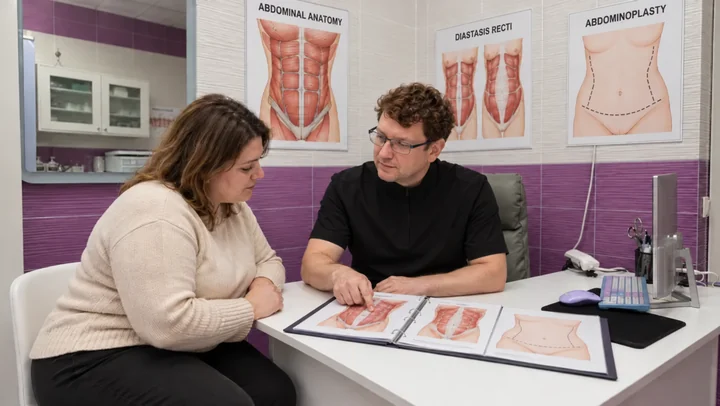
Book a free consultation — the surgeon will plan every step with you.

A doctor discusses the tummy tuck plan with a patient
Book a consultation
A doctor discusses the tummy tuck plan with a patient

How it really happens

Recovery after a tummy tuck

Right after surgery the patient spends 1–3 days in hospital under medical supervision. Drains usually come out after two days and stitches after 7 days. A compression binder is worn for 1.5–2 months to support the abdominal wall and shape a smooth contour. Most swelling goes within 30 days, and office work resumes after 2–3 weeks. Sports, sauna and heavy lifting are off-limits for 2–3 months; at first, sleeping on your back with bent knees is advised. By 12 months the scar is fully mature — it fades and is barely noticeable.

Post-op check-ups

After 7 days, at 3 months and at 6 months. Until the end of the year, get a post-surgery consultation with your surgeon to review results and get more information, at the clinic's expense

Advantages

Reasons to choose City Medical Centre

A surgeon discusses the tummy tuck plan with a patient at the consultation

Just find out — you lose nothing

At the consultation we discuss your wishes and assess your abdominal skin and muscles. The surgeon explains what changes are possible, chooses the correction technique and answers your questions.

A surgeon on a video call with a patient after surgery

We stay with you after surgery

The surgeon follows your recovery and the changing abdominal contour at check-ups after 7 days, 3 and 6 months. Check-ups, dressings and aftercare advice are already included in the price of surgery.

A surgeon shows a patient a model and tummy tuck diagrams

A beautiful contour that fits your figure

We choose the correction technique based on your skin, muscles and figure. Our aim is a harmonious abdominal contour that keeps the natural proportions of your body.

A patient writes down a convenient visit time in her planner

Your schedule is our priority

We respect your time: we work 24/7, with easy booking and a personal approach — we adapt to your pace.
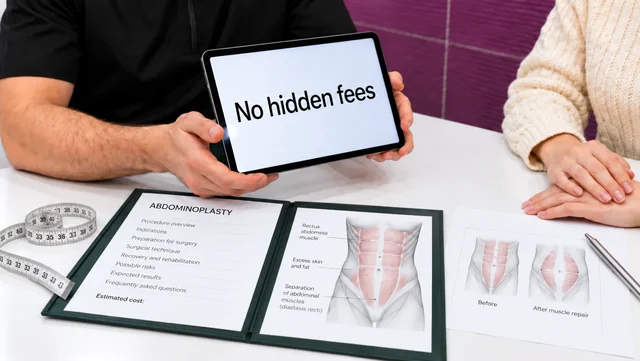
A surgeon shows a patient the fixed price of surgery with no extra charges

Fixed prices

After the consultation the surgeon defines the extent of correction, and you get a clear price for the surgery — no surprises on the way to the result you want.

A surgeon visits a patient in the hospital ward after surgery

Round-the-clock care after surgery

Recovery starts in a comfortable hospital ward under round-the-clock nursing care. The stay and meals are already included in the price.

FAQ

We answer what
people ask before booking

Tummy tuck in Catania: what you should know

A tummy tuck, or abdominoplasty, is surgical tightening of the front abdominal wall that removes excess stretched skin and fat. It is not a weight-loss method and does not replace diet or exercise. For patients from Catania, the goal is a flat abdominal contour: removing the overhanging skin-and-fat apron, repairing separated rectus muscles and, where needed, creating a new navel.

Pre-surgery tests should be completed in advance, not the day before. The surgeon gives the exact list at the consultation, and results are usually valid for 10–14 days. Seven to ten days before the operation, stop smoking, alcohol and medicines that affect blood clotting. Anyone in Catania preparing for a tummy tuck also sees a GP and an anaesthetist before the surgery date.

The price of a tummy tuck is set individually after a free consultation, because it depends on the technique and the scope of surgery. For patients from Catania, the figure is then fixed in the contract with no hidden extra charges. The clinic works under an official contract with a guarantee. Leave your name and phone number, and a coordinator will contact you to book the consultation.

Stories of well-known people

Well-known people who spoke openly about this operation, in their own words.

All stories about this operation →

Heat, humidity and a compression binder on the Ionian coast

Catania sits on the east coast of Sicily, on the Ionian Sea, at the foot of Mount Etna. For someone planning a tummy tuck, the first thing to consider is how long the warm season lasts. The 1991-2020 averages for Catania-Sigonella give a July mean high of 35.1 °C and a low of 21.4 °C, and August reaches 35.5 °C by day and 22.3 °C at night. The record is 46.7 °C, and 40 °C is passed a couple of times in most years. After surgery you wear a compression binder for 1.5–2 months. A garment that supports the abdominal wall and shapes the contour is also a layer of fabric pressed against your skin. In a Catania summer that layer matters, so it is worth thinking about before you choose a date.

Humidity adds to the heat. Annual relative humidity averages 70.3%, which is noticeable even when the thermometer is not extreme. Sweat does not evaporate quickly, and the skin under a binder stays damp for longer. This is a practical matter of comfort and hygiene, not a medical warning. The coordinators will go through it with you at the free online consultation. The usual approach is to plan the wardrobe in advance. That means loose cotton or linen tops that go over the garment without pressing on it, high-waisted skirts or soft trousers with no hard waistband, and enough spare garments to change into when one is damp. The compression garment is fitted on the day of surgery, and the doctor decides how it should sit. You do not need to improvise at home.

Winter in Catania is mild by comparison. The January mean high is 17.5 °C and the mean low 6.3 °C, and the annual mean high is 25.7 °C. Light snow fell on 9 February 2015, and the last snowfall recorded before that was on 17 December 1988, so winter here is not a season of deep cold. The cooler months bring other considerations. Rain is concentrated from autumn: December averages 78.5 mm and November 66.2 mm, against 7.8 mm in July and 9.8 mm in August. Over a year there are 50.7 days with at least 1 mm of rain, and July has only 0.4 such days. Wet pavements and slippery stone steps matter more in the first days at home. You move more slowly in that period, and a sudden twist to catch your balance is exactly the kind of movement the post-operative rules ask you to avoid.

So there is no single "right" season for a tummy tuck in Catania. Each one offers something different. Summer gives dry days and long light but needs more attention to sweat and sun. Winter is gentler on the body under a binder but brings damp, rain and the need to plan around holidays. The aim is to match the timing to your own working calendar and household rather than to the weather alone.

The stay itself is short and does not depend on the season: 1–3 days in a hospital room with meals and round-the-clock nursing care. The operation takes 2–4 hours under general anaesthesia. What depends on the season is what happens after discharge. You return to your own home and your own routine in the climate described above, and the doctor follows your recovery at check-ups after 7 days, at 3 months and at 6 months, with remote monitoring by photos in between. In a hot month, the first photos sent to the coordinator will show the binder and the dressings as well as the skin. The coordinator can reply on WhatsApp or Telegram at any hour if you are unsure whether something looks normal.

Choosing the month: from November rain to the Etna spring

Anyone planning surgery in Catania has a few fixed points on the calendar. Italy has national holidays on 1 January, 6 January, Easter Monday, 25 April, 1 May, 2 June, 15 August, 4 October, 1 November, 8 December, 25 December and 26 December, and every Sunday counts as a holiday. These are practical because most people get time off exactly then. The patient is asked to take 2–3 weeks before returning to office work, and a holiday week can reduce the number of days you need to ask for. But a holiday is also the time when relatives gather, meals are cooked in bulk and the house is full. You will need to think about whether you can really rest in that atmosphere or whether it will end up as the busiest time of the year for you.

Catania has its own date that is not on the national list: the Festival of Saint Agatha on 5 February, with the festivities beginning on 3 February. It is the patron saint's day, and this city celebrates it on a scale that fills the central streets. If you are in the first weeks after surgery during those days, you will not want to be in a dense crowd. Sudden jostling and pushing are exactly what the first 2–3 weeks of restricted movement are meant to avoid. If you want to attend, it is wiser to plan the operation so that the festival falls well after the early recovery, when the swelling has mostly subsided (most of it goes within 30 days). Alternatively, plan surgery shortly after the festival and use the quieter weeks that follow.

The cultural calendar offers similar points to weigh. The opera season at Teatro Massimo Bellini runs from December to May, and the Catania Jazz Festival continues over several winter months. These are evenings you might want to attend sitting down. Sitting in a theatre seat is not a problem in itself, but a long evening in a tight binder, with restricted bending, is something to evaluate with the doctor at your check-up. The doctor will say when this becomes realistic for you. There is no universal date, since the pace of recovery depends on your anatomy and on whether the plan included liposuction or diastasis repair as well.

University life is another part of the city's rhythm. The University of Catania, founded in 1434, had 40,287 students in 2024/2025, so a large number of residents are in the academic cycle, whether as students, staff or parents of students. If your own schedule follows an academic year, exam periods and term starts are natural constraints. A student, a lecturer or an administrator may prefer to book the operation at the end of a term. Office work resumes after 2–3 weeks, but sports, sauna and heavy lifting stay off-limits for 2–3 months, so a person who normally carries books or equipment should plan how to hand that over.

If the question is simply which month to choose, there are three approaches. Early autumn avoids the worst of the heat and comes before the wettest weeks, but the first days of recovery may still be warm. Late winter and early spring have a mild climate, but rain remains possible and the Saint Agatha festivities fall at the start of February. Early summer brings the highest sunshine totals, which matter for scar care (see below), and the heat of July and August is then close. The coordinators can help you set the date once they know your calendar and the doctor has assessed your case. The date is confirmed before anything is booked, and the terms are fixed in the contract for medical services.

Getting the home ready: lifting, bending and shared chores

The core of a tummy tuck recovery is the abdominal wall. In the first 2–3 weeks, physical exertion, heavy lifting and sudden movements are not allowed. For at least a month there is no sauna, steam bath, pool, tanning bed, alcohol or smoking. Heavy lifting and sports are off-limits for 2–3 months. At first, sleeping on your back with knees bent is advised. Drains are usually removed after two days and stitches after 7 days. These facts decide how a household should be arranged before the date, and in Catania the typical features of home life are worth thinking through one by one.

Think about the height of everything you use every day. Items that sit on the floor or in a low cupboard require bending, so move them to waist height in advance. Heavy pots, bottles of water and bags of shopping should be handed to someone else. Shopping is the obvious example: the weight of a full bag counts as heavy lifting even if it looks modest. If you live in an apartment building, think through each trip to a shopping point and each return, and who will carry what. A building with a lift is simpler. In one without, the number of steps you climb with a bag is the real issue, so plan help for the first weeks in advance, and ask that any bag be carried by someone else.

Family life is the second part. Where there are small children, the usual question is who lifts them. Picking up a toddler involves both the weight and the sudden pull on the abdomen. Plan in advance who will do bathing, lifting into a chair or a car seat, and carrying to bed. A spouse, a parent, an adult child or a friend can be named for each task, and it is better to agree on this before surgery than to negotiate it on the first evening home. If you are the person who usually organises the household, accept that for a few weeks you will direct tasks rather than perform them. Children can be involved in simple ways: they can bring you what you need, sit beside you and talk, or choose a book to read together. Sitting low on the floor to play is not advised in the early period.

The bed deserves special attention. The advice to sleep on your back with knees bent means a stack of pillows under the knees and one or two behind the back. Test the arrangement in the days before surgery, because it is awkward to build when you are tired. Place a small table at hand height with water, phone, charger, the garments, the dressing supplies and the medicines your doctor prescribed. Move slowly when changing position, and do it the same way each time: roll to the side, lower the legs, and push up with the arms, not with the abdominal muscles. If you are unsure how to do it, the coordinator can describe it in the individual recommendations for recovery.

The weeks before surgery matter too. Smoking, alcohol and medicines affecting blood clotting are stopped 7–10 days before the operation. The pre-surgery check-up covers blood tests, an ECG, leg vein ultrasound, and consultations with a GP and an anaesthetist, and it should be done in advance and not the day before. Tests are usually valid for 10–14 days, which means the sequence has to be arranged: do them too early and they expire, too late and the date is at risk. The coordinators help sequence this against your calendar.

Finally, the shared household includes work. Many people are able to return to the office after 2–3 weeks. If your work is physical, such as lifting stock, working with patients or carrying equipment, you cannot treat 2–3 weeks as your return date. Discuss it with the doctor at the consultation. Do not assume that "back to work" means the same thing for a desk job and a job on your feet.

Scars, sun and the light of the Ionian coast

A classic tummy tuck leaves an incision across the lower abdomen from hip to hip, below the underwear or swimsuit line. A mini tummy tuck leaves a much shorter one. A scar is the price of removing excess skin, and it fades and thins over time. By 12 months the scar is fully mature, and it is barely noticeable. The final result is assessed at 6–12 months, once the tissues have fully adapted. In Catania the question of the scar is largely a question of the sun.

The climate figures are plain. Catania has 3,225.9 hours of sunshine a year, 381.6 hours in June and 182.3 hours in December. Even the dullest month has a good deal of light, and the strongest months have a great deal. This is why the first year after surgery needs thought. The rules about tanning beds and sauna in the first month are fixed. Sun exposure over the whole maturing period is a separate matter and is best discussed with the doctor at check-ups, since your skin type affects how the scar behaves. What you can do from the start is plan clothing: a swimsuit or trunks that sit above or below the incision line so that it stays covered, a light shirt over the swimsuit on the beach, and shade rather than direct sun in the hours of strongest light. The binder is itself a layer of protection in the first 1.5–2 months, but it is not a substitute for judgement about sun.

The sea is a large part of the culture of a city on the Ionian coast, and many people want to know when swimming becomes possible. The service text sets a firm point: no pool for at least a month, and sports are limited for 2–3 months. That counts for pools and, by the same logic, for the sea. Swimming also means long exposure to sun and salt on a healing scar. Instead of fixing a date by yourself, ask the doctor at the 7-day check-up and again at 3 months. If you plan surgery in autumn or winter, the main summer season at the sea falls well after the first months, and the scar will be in a better state by then. If you plan surgery in spring, ask honestly whether you want to spend the first summer weeks under restrictions.

Photos are a practical tool here. Remote monitoring by photos is part of the follow-up, and in a city with this much light it is easy to take clear pictures by a window. Take them at the same time of day and the same distance, with the same posture, so that the changes from week to week are comparable. Send them to the coordinator on WhatsApp or Telegram. Shadows and the direction of light can change how a scar looks, so a single photo taken at an odd angle should not worry you. A series will tell the doctor much more.

The skin on the lower abdomen is rarely exposed to the sun in everyday life, and that makes the first summer special: it is the first time the new scar sees strong light. Suppose you have surgery in the cooler months and the first hot spell arrives when the scar is at about 3–6 months. The doctor can look at it at the 6-month check-up and say how it is maturing. By 12 months the scar is mature, and the doctor can then talk about how far it fades. Throughout, remember that the level of change varies between people, and that the final contour of the abdomen appears gradually: the first changes are seen about 2 weeks after surgery, the interim result at 1.5–2 months, and the final contours at 6–12 months.

Public health coverage, private surgery and the questions Sicilians ask

Italy's national health service, the SSN (Servizio Sanitario Nazionale), was established in 1978. It provides universal coverage to citizens and residents and is run on a regional basis under the Ministry of Health, which sets the national Essential Levels of Care (LEA). That is the framework behind every question about whether a tummy tuck can be covered in Catania. The honest answer depends on the reason for the operation.

Purely aesthetic surgery is not paid by the SSN. A money.it article from January 2024 describes it as "accessibile soltanto attraverso prestazioni private", available only through private care. The SSN does cover reconstructive surgery after trauma, burns and mastectomy, and defined functional cases, such as eyelid surgery when vision is reduced by at least 60% or nose surgery for severe septal deviation or breathing problems. The same article says that procedures needed to reduce the risks of severe obesity are reimbursable, including bariatric surgery, and it lists post-obesity abdominoplasty among them. That is a secondary source and should be treated as a pointer, not a ruling on your case. Whether your own situation qualifies is a question for the public health service in your region.

The criteria for bariatric surgery in Italy give a sense of how strict the framework is. They include a BMI of at least 40 kg/m², or a BMI of 35–39.9 with one or more obesity-related diseases. They also include type 2 diabetes with HbA1c above 8%, failed conservative therapy, adult age, and abstaining from alcohol, drugs and smoking for at least 6 weeks before surgery. These are not criteria for a tummy tuck, and the post-surgical situation of each person is judged individually. Someone who has lost a great deal of weight and is left with skin folds should ask their public specialist whether the skin removal can be considered functional. Someone who wants a private operation can use our free online consultation to get a plan and a price before deciding anything. The price is fixed in the contract and includes dressings, scheduled check-ups, a personal coordinator, a compression garment fitted on the day of surgery, and the hospital stay with meals.

Waiting times are part of the picture. English-language sources describe waits "usually up to a few months in the big public facilities" and up to a few weeks in private facilities contracted with the SSN. No official waiting-list figure was found, so treat this as a general impression. Co-payments, called tickets, apply to specialist visits without diagnostics and are waived for low-income patients, with exemptions by age, income or chronic illness. People in southern regions are also described as sometimes seeking care in the more prosperous north. Whatever the route you choose, a few questions are worth having in mind: what is the medical reason for the operation, who will pay, and who will follow the recovery?

The wider context matters for the decision. Healthcare spending in Italy was 9.7% of GDP in 2020, and life expectancy was 83.4 years in 2018, the fourth highest in the OECD. According to ISTAT 2023, 46.3% of adults aged 18 and over are overweight or obese: 34.6% overweight and 11.8% obese, up from 10.3% in 2013. And 35% of people aged 3 and over are sedentary. These are national figures with no regional split, and they say nothing about any individual. They do suggest why weight stability matters for planning. A tummy tuck is not a way to lose weight, and it is done at a stable weight. If your weight is still changing, first see a dietitian or endocrinologist.

Catania is also a city of size. It has 296,984 residents by the 2026 estimate (301,104 in the 2021 ISTAT count), and the Metropolitan City has 1,067,550 across 58 municipalities. The city covers 182.90 km² at an elevation of 7 m and is the second-largest in Sicily after Palermo. For people living in the surrounding municipalities, an online consultation means that the first steps (photos, assessment, plan, price) happen at home. The metro runs 8.8 km and the Circumetnea narrow-gauge railway runs 110 km around Etna, but nothing in the planning depends on them. The consultation is online, and the coordinators answer 24/7.

Should I avoid the hottest weeks of a Catania summer for a tummy tuck?

There is no rule that forbids it, but the climate figures explain why many people think twice. In July and August the mean highs are 35.1 °C and 35.5 °C, 40 °C is passed a couple of times in most years, and humidity averages 70.3% over the year. Under a compression binder worn for 1.5–2 months, that means more sweat and more attention to keeping the skin dry. If summer is the only time you can take leave, it is workable with loose clothing and spare garments. Ask the doctor at the free consultation how to arrange it for your case.

Can I attend the Festival of Saint Agatha in February if I have surgery in January?

It depends on how many weeks lie between the operation and 5 February, when the festival is celebrated (festivities begin on 3 February). In the first 2–3 weeks, physical exertion, heavy lifting and sudden movements are not allowed, and crowds make sudden jostling hard to avoid. Most swelling goes within 30 days, and the doctor sees you at the 7-day check-up. If the festival matters to you, it is simpler to place surgery well before it or shortly after it, and to agree your plan with the coordinator when you choose the date.

Does the national health service pay for a tummy tuck in Sicily?

Not for purely aesthetic reasons. A January 2024 article on money.it says aesthetic surgery is available only through private care. The SSN covers reconstructive surgery after trauma, burns and mastectomy, and defined functional cases. The same article lists post-obesity abdominoplasty among procedures related to severe obesity that can be reimbursable, but it is a secondary source and each case is assessed individually by the public service. Our online consultation is private, and the price is fixed in the contract before surgery.

How should I arrange my home in Catania for the first weeks of recovery?

Start with height and weight. Move daily items to waist level so you do not bend, ask someone else to carry shopping and water, and agree who lifts children. In the first 2–3 weeks, heavy lifting and sudden movements are not allowed, and for 2–3 months heavy lifting and sports are off-limits. Sleeping on your back with knees bent is advised at first, so prepare pillows in advance. Think about how many steps you climb with anything in your hands, and whether your building has a lift. The coordinator can send you individual recommendations for recovery.

When can I go to the sea after a tummy tuck?

The firm points are that for at least a month there is no sauna, steam bath, pool or tanning bed, and sports stay off-limits for 2–3 months. Swimming in the sea is not a separate rule in the plan, but the same reasoning of healing skin and strong sun applies. Ask the doctor at the 7-day check-up and again at 3 months. Catania gets 3,225.9 hours of sunshine a year, so ask specifically how to protect the scar while it matures over 12 months.

Does the rainy season in Catania affect recovery?

Indirectly. November averages 66.2 mm of rain and December 78.5 mm, and the year has 50.7 days with at least 1 mm of rain. Wet pavements and stone steps make slipping more likely, and a sudden twist to keep your balance is the kind of movement to avoid in the first weeks. Plan help for any walking outdoors in the early period, and keep everything you need within reach at home. There is no medical rule that links rainfall to the quality of healing.

Is a tummy tuck in Catania affected by my work schedule at the university or in an office?

The plan is built around 2–3 weeks before returning to office work. If you work in the academic year of the University of Catania, which had 40,287 students in 2024/2025, the end of a term is a natural moment. If your job involves lifting or standing for long hours, tell the doctor at the consultation, because heavy lifting remains off-limits for 2–3 months. The coordinators can help set the date against your calendar, and national holidays can shorten the leave you need.

How do I prepare for the tests when I live in a municipality around Catania?

Start by asking the coordinator for the exact list, since the doctor gives it at the consultation. It usually includes blood and urine tests, coagulation panel, biochemistry, infection tests, ECG, chest X-ray, leg vein ultrasound and a GP's report. Tests are usually valid for 10–14 days, so do them in the right window and not the day before surgery. Smoking, alcohol and medicines affecting blood clotting are stopped 7–10 days before. Send results by WhatsApp or Telegram for the doctor to review.