City Medical Centre · multi-specialty surgery clinicOpen 24/7

Liposuction in Murcia from $1,200 (≈ €1,100)

Free consultation

from $1,200

The price is fixed in the contract before surgery

Message us on WhatsApp

Free online consultation · Reply within 15 minutes
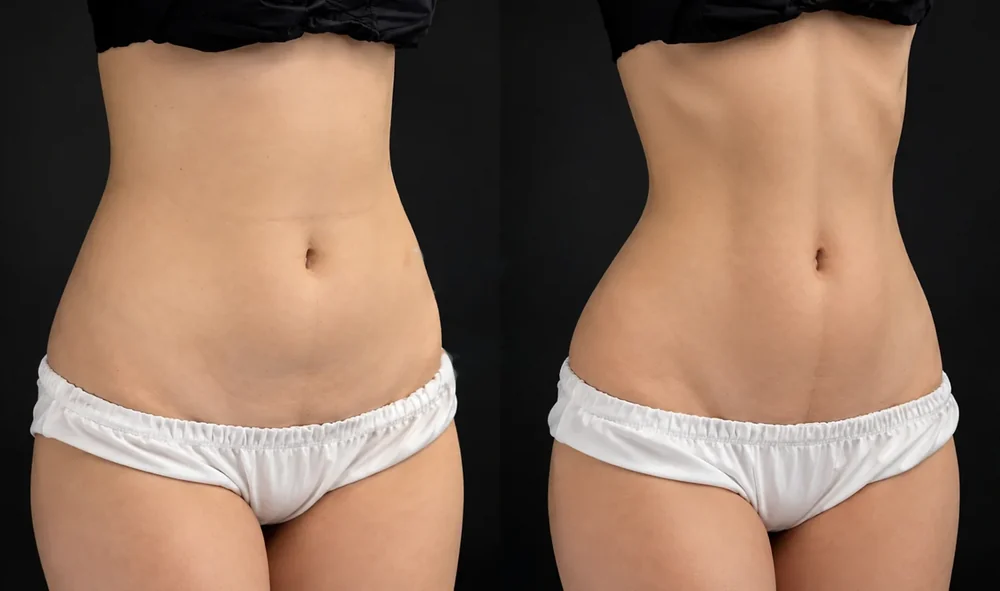
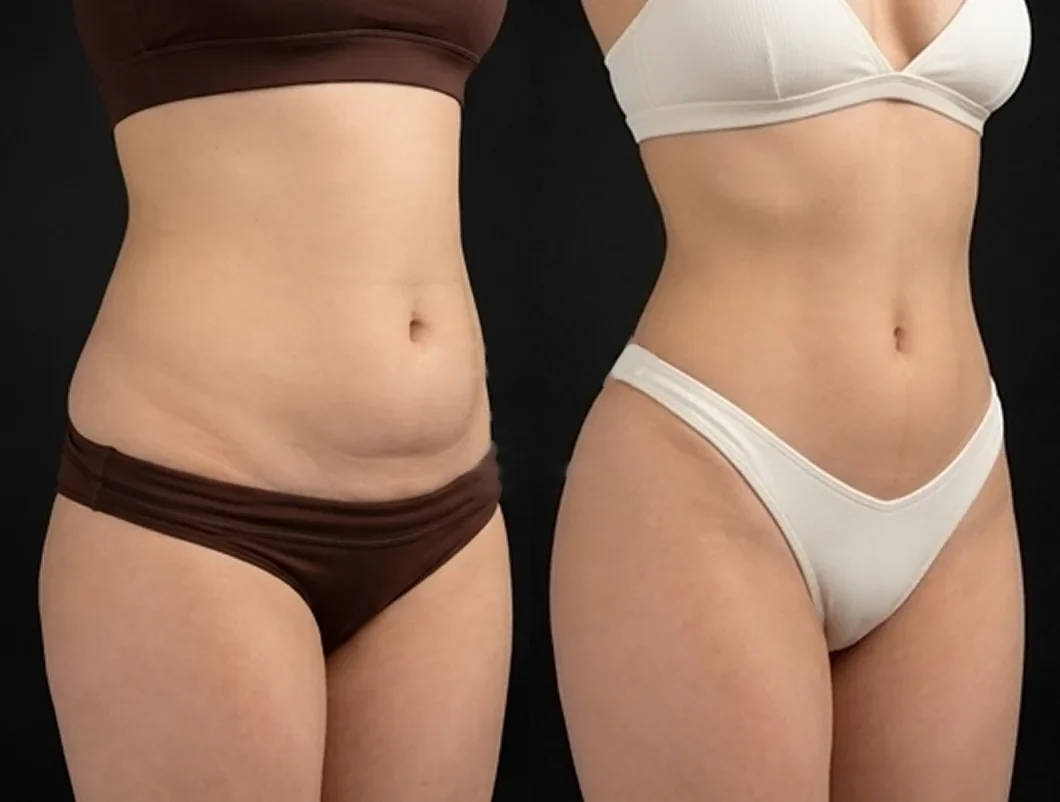
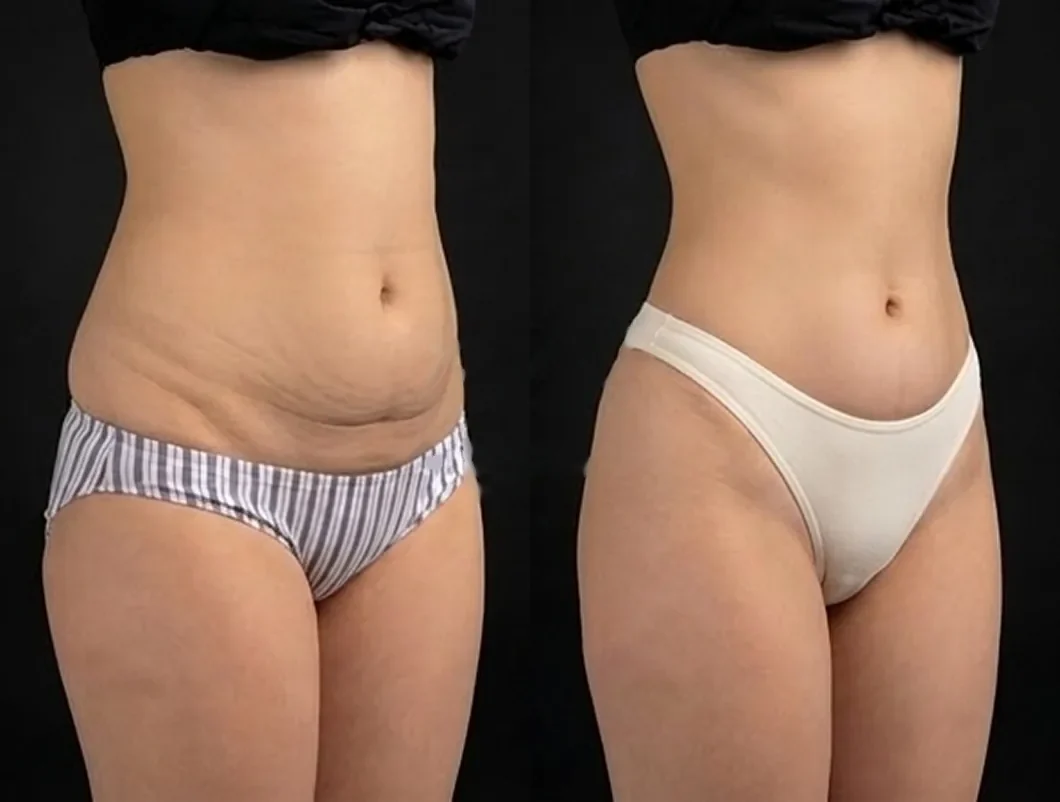
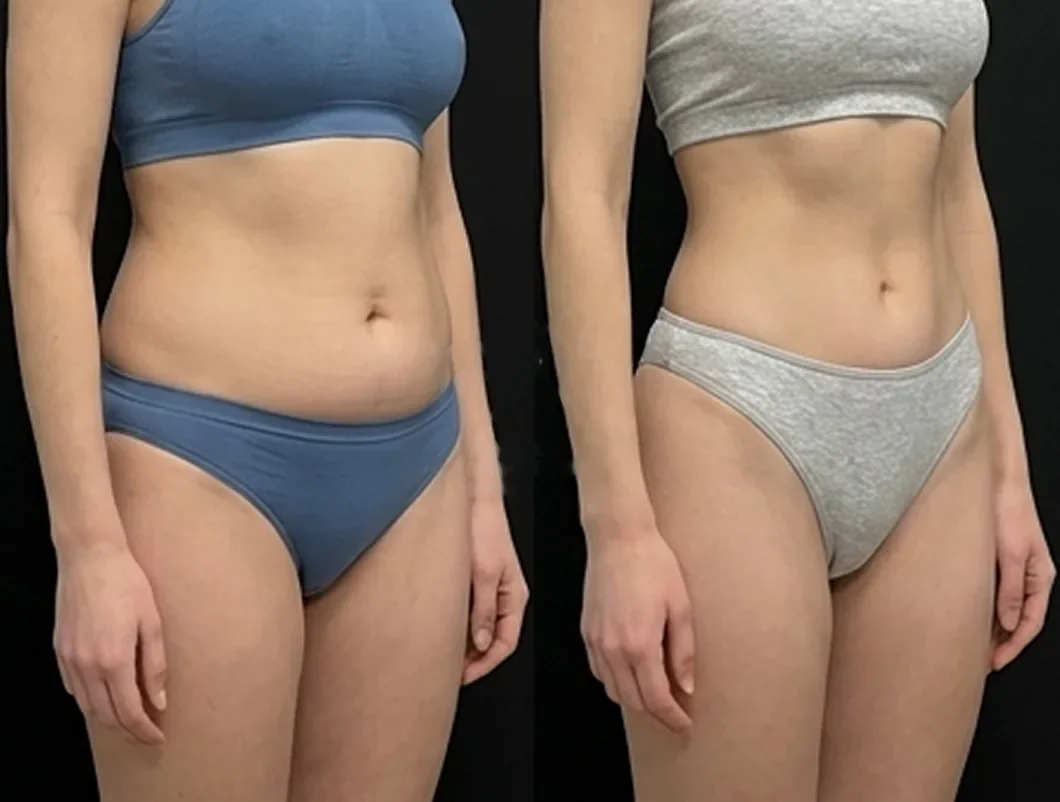
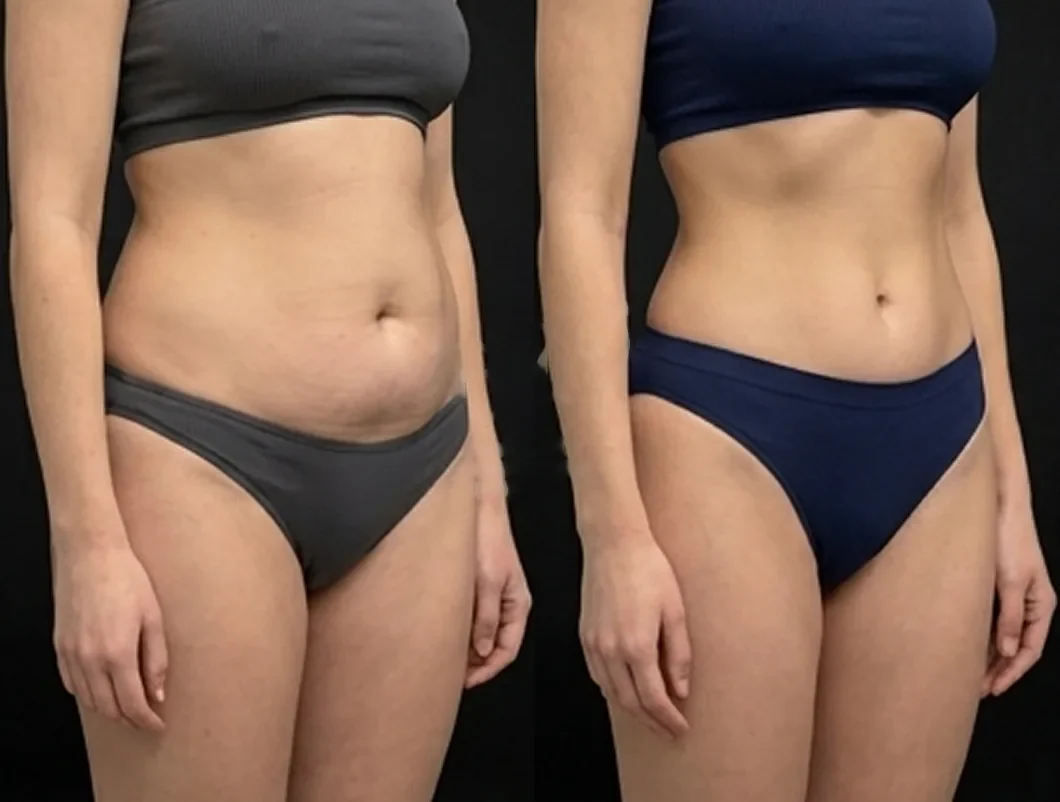
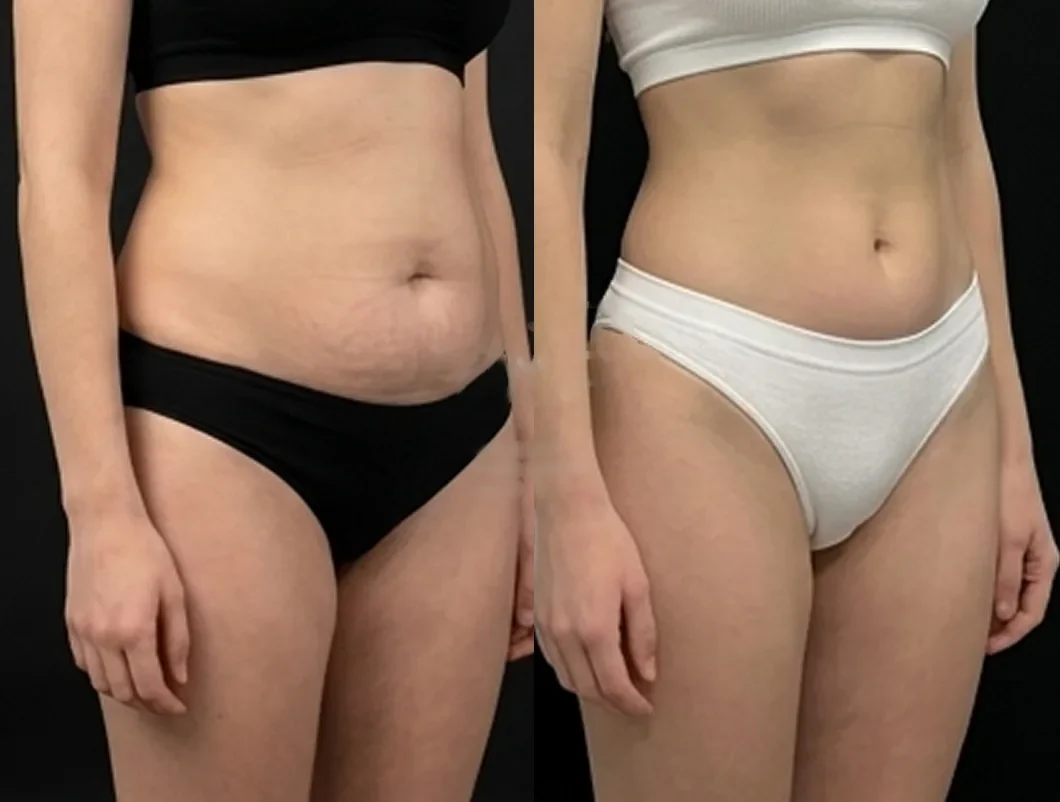
Real case
Liposuction: a patient's abdomen and flanks before and after surgery before after
Stubborn local fat that diet and exercise don't shift. Your plan is set at the consultation

Message our coordinator

Free online consultation · Reply within 15 minutes

Message us on Telegram

By messaging us, you agree to our Privacy Policy

Liposuction and fat removal in Murcia: price and key facts

Liposuction for patients from Murcia at City Medical Centre starts at €1,100 (from $1,200). The first online consultation is free; the doctor names the final price and it is fixed in the contract.

Price
€1,100 (from $1,200)
Duration
1–4 hours
Anesthesia
local or general
Stay
home the same day (local anesthesia) or after 1 day (general anesthesia)
Recovery
back to work after 7–10 days
Final result
3–6 months after surgery
How it works
Send photos on WhatsApp or Telegram, get a free doctor assessment and the price, then confirm the plan and dates before anything is booked.

How it works · Liposuction prices

Information current as of 24 October 2026

Free online consultation on WhatsApp and Telegram

Results

Liposuction and fat removal results
of our patients

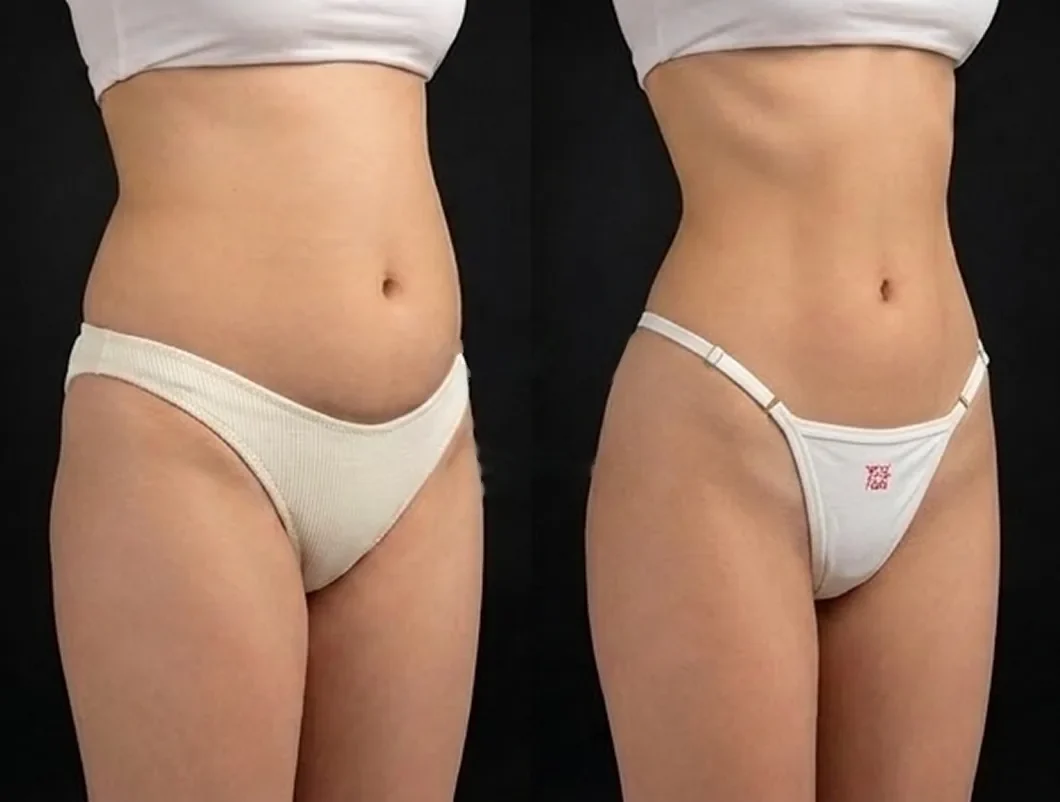
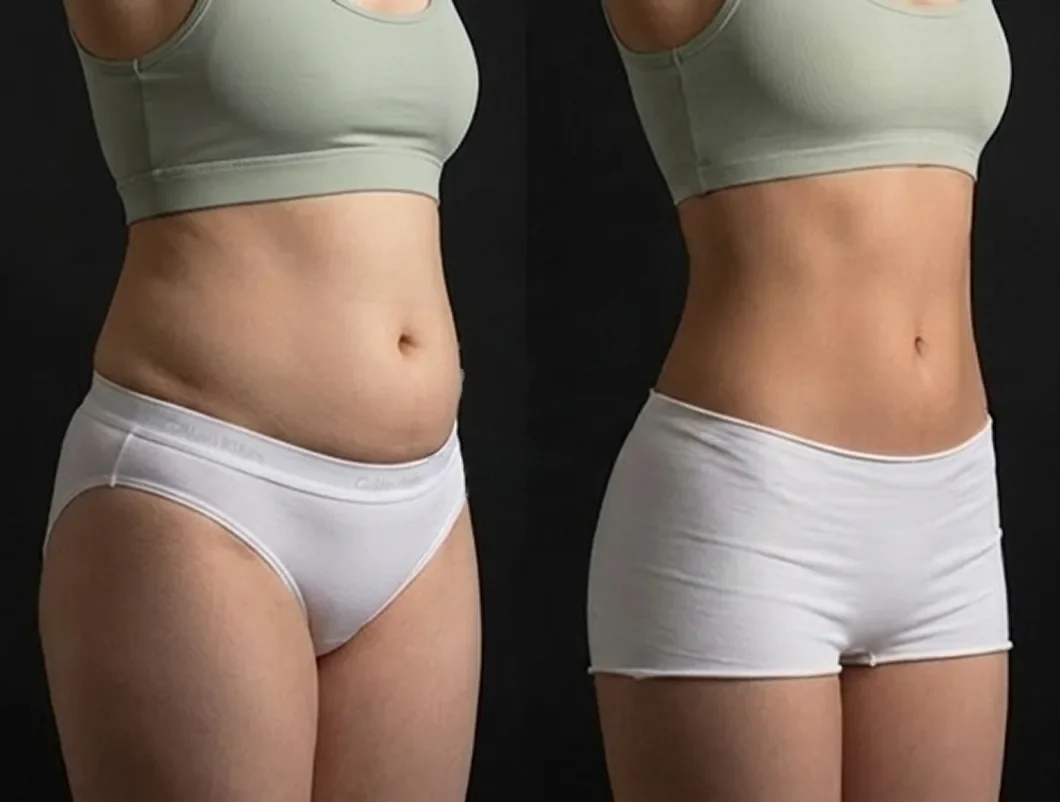
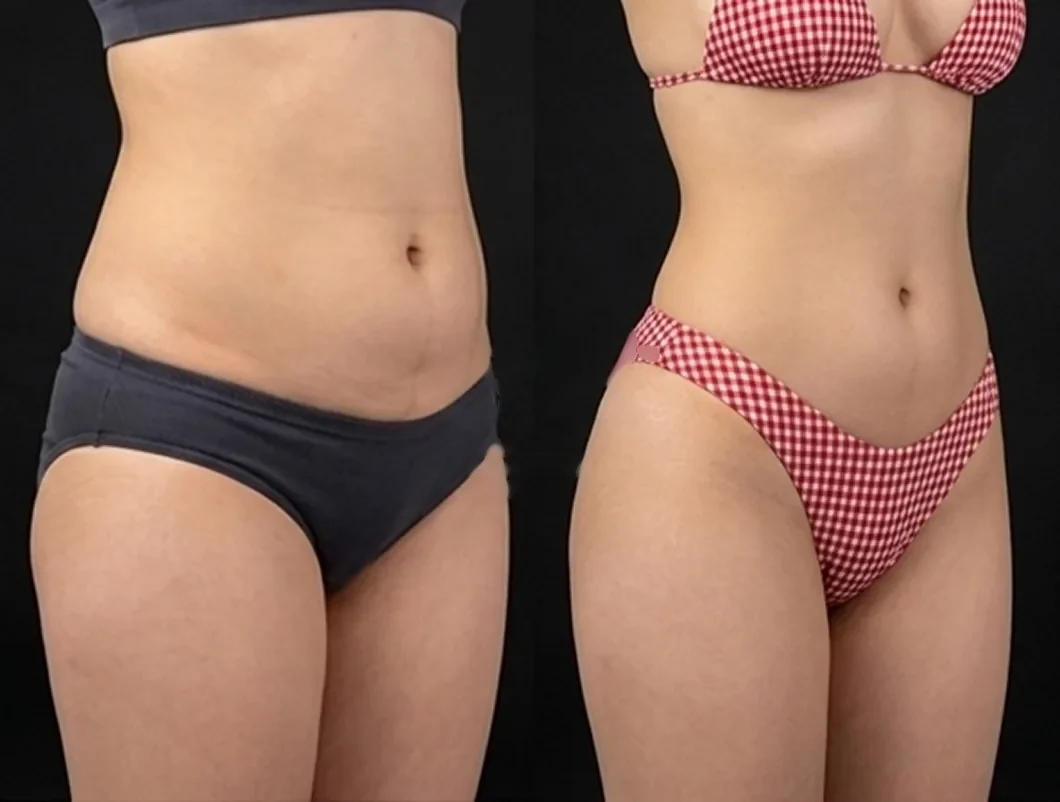
All cases are real patients. Faces and identifying details are hidden.

Belly and flanks

Liposuction of the abdomen and waist: before and after surgerybeforeafter
1 of 10

Comparison

Liposuction techniques

We use two liposuction techniques: tumescent (classic) and VASER (ultrasound). Compare the goal, the indications and the anaesthesia to choose the right technique together with your surgeon.

Tumescent liposuction

A special solution loosens fat for removal through a thin cannula
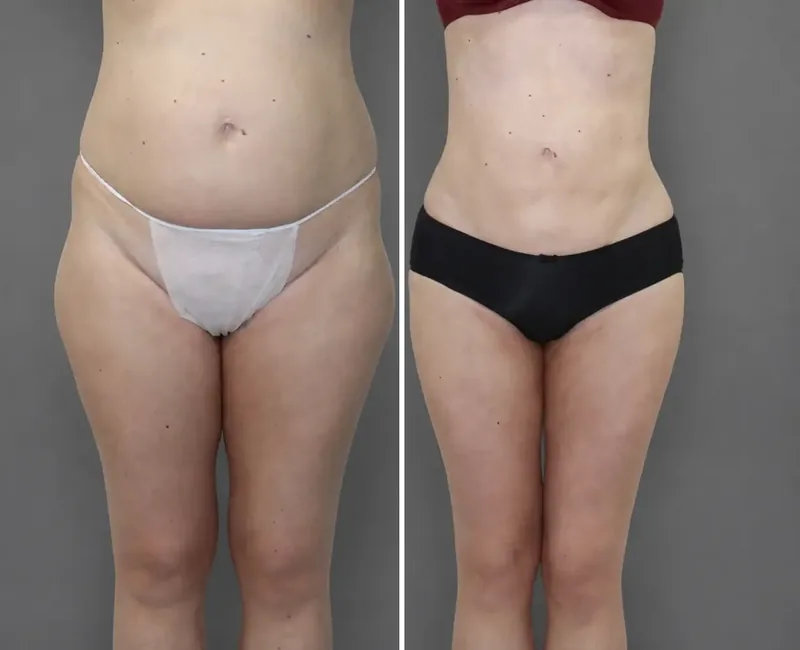
Tumescent liposuction: abdomen and thighs before and after surgery

from $1,200

Main goal
Removal of local fat with minimal blood loss
When it is done
Abdomen, flanks, thighs, back, arms, chin
Anaesthesia and stay
Local or general anaesthesia, home the same day or after 1 day

VASER liposuction

Ultrasound breaks down fat cells before vacuum removal
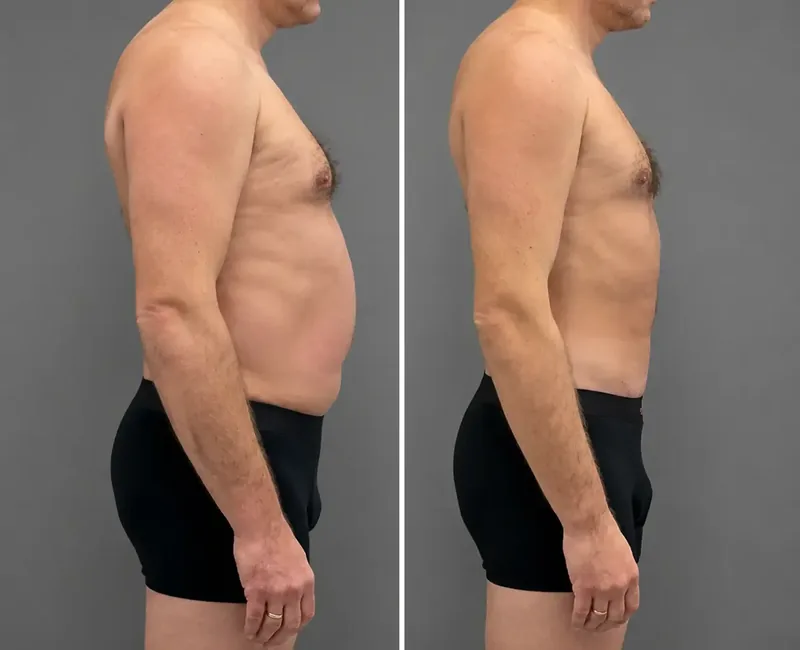
VASER liposuction: a male patient before and after surgery

Price at consultation

Main goal
Defined muscle relief and body contouring
When it is done
Athletic abs and delicate areas
Anaesthesia and stay
Local or general anaesthesia, 1–4 hours of surgery

The benefits and recovery times shown are averaged for each technique and given for guidance: the scope of correction and rehabilitation depend on your anatomy and individual features, and the surgeon confirms them at the consultation.

At the consultation the surgeon draws up a plan for your case and explains how your liposuction will go.

Free, before surgery and with no obligation.

Book a consultation

Areas covered by liposuction

One operation can cover several areas — you save on recovery time and on budget

  • Belly and flanks

    The most requested area for women and men, often combined with abdominoplasty

  • Thighs (outer and inner)

    Fat deposits exercise doesn't reach

  • Back and lower back area

    Back fat that spoils body contours

  • Upper arms and shoulders

    Noticeable in warm weather

  • Chin and neck

    A small volume with a fast result

  • Knees

    A delicate zone that calls for precision

  • Chest (for men)

    Fat-related gynecomastia and pseudogynecomastia

About the clinic

A clinic where you can feel at ease

Modern equipment, comfortable rooms and care for every patient

A doctor and a patient in a clinic ward

Contact us the way that suits you

We will answer your questions and find a convenient time for a consultation

By messaging us, you agree to our Privacy Policy

Request a free call

Liposuction is not for everyone

If your case can be solved without surgery, the doctor will tell you so at the consultation — and you will not spend money for nothing.

Suitable

A surgeon shows a patient on a model and a monitor how the body contour changes after liposuction
  • Local fat that resists diet and exercise
  • Uneven subcutaneous fat
  • Disrupted body proportions
  • Silhouette changes after childbirth or weight loss
  • Fat component of gynecomastia in men
  • Good skin tone and elasticity

Not suitable

A surgeon discusses the indications and contraindications for liposuction with a patient
  • Patients under 18
  • Pregnancy and the breastfeeding period
  • Endocrine obesity
  • Decompensated diabetes
  • Conditions affecting blood clotting
  • Serious heart, kidney or liver disease, cancer

Not sure the surgery is right for you?

Leave your number — the coordinator will call you back, and the surgeon will tell you whether liposuction suits you. No surgery booking needed.

Find out if it suits me

A surgeon goes through the treatment areas with a patient at the consultation

Prices

You know the price
before surgery

The final price is calculated individually after an examination and fixed in the contract.

Liposuction prices

  • First consultationFree
  • Flanks / waist liposuctionfrom $1,400
  • Thigh liposuction (outer)from $1,200
  • Thigh liposuction (inner)from $1,200
  • Torso liposuction: front abdominal wall, abdominal sides, lower backfrom $3,600
Book a consultation

Find out your liposuction plan and price

The surgeon assesses the fat deposits and skin tone, listens to your wishes and chooses the right technique.
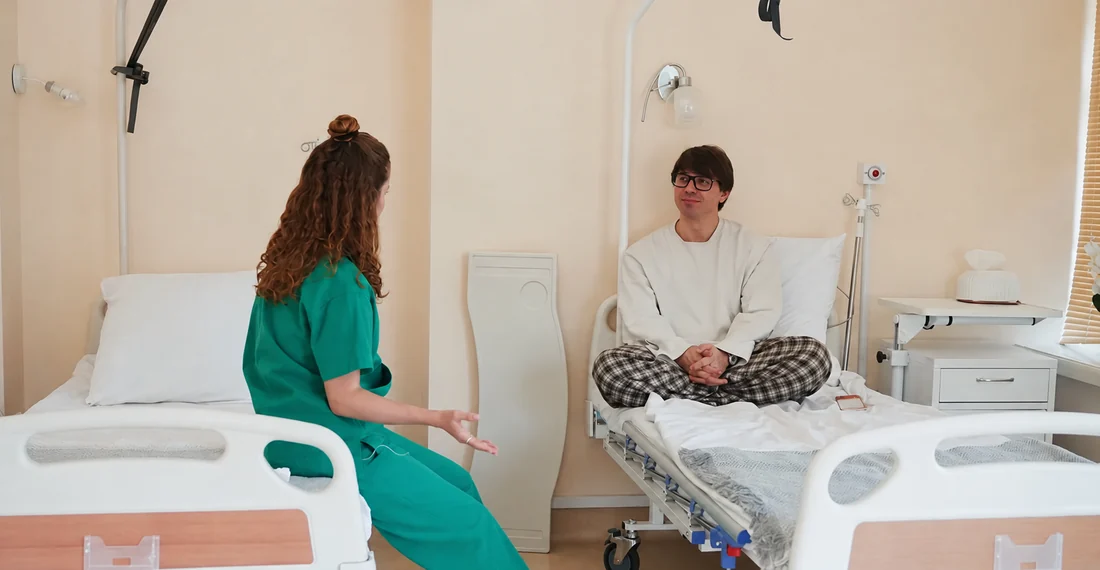
A nurse talks to a patient in a clinic ward

Message our coordinator

Free online consultation · Reply within 15 minutes

Message us on Telegram

By messaging us, you agree to our Privacy Policy
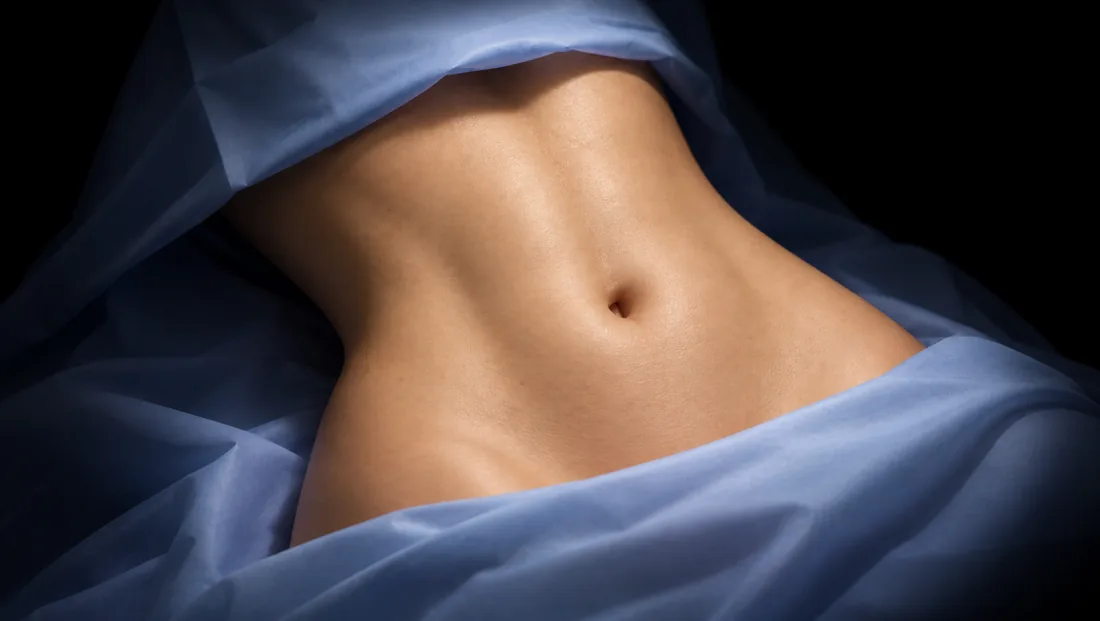
A patient before liposuction in the operating room

all inclusive

What the price includes

From preparation for surgery
to post-op check-ups.

  • All scheduled dressings
  • Scheduled post-op check-ups
  • A personal coordinator on call
  • Compression garments fitted on the day of surgery
  • A stay in a comfortable
    hospital ward with meals
  • Individual recommendations
    for recovery
  • Remote progress monitoring
    by photos

from $1,200

Book a consultation

How it works

From consultation —
to your new contour

An agreed treatment plan, careful monitoring after surgery and post-op check-ups.

A surgeon goes through the liposuction plan with a patient on a monitor1

Consultation
and the surgical plan

The surgeon listens to your wishes, assesses the fat deposits and skin tone and rules out contraindications. A hormonal screening is also ordered — it helps predict the long-term result.

Paying the deposit by card at the clinic reception2

Booking the date
of surgery

We reserve a surgery date for you: the deposit can be paid by card at the clinic or online by bank transfer. The terms are fixed in the contract for medical services

A blood sample tube for tests before liposuction3

Check-up before
surgery

Blood tests (complete count, coagulation panel, biochemistry, infections), an ECG, a chest X-ray and, if needed, a GP consultation. All tests can be done at the clinic with no waiting.

The surgical team during the operation4

Surgery

Marking the areas and fitting compression garments. Under local or general anaesthesia the surgeon removes fat through 3–5 mm micro-punctures — from 1 hour for small areas to 3–4 hours for a combined procedure.

A hospital ward at the clinic5

Waking up
and monitoring

With local anaesthesia you go home 3–4 hours after surgery; with general anaesthesia you stay one day in a comfortable ward under medical supervision.

A surgeon and a patient in the ward during recovery6

Recovery

Compression garments for 30–45 days. First changes show at 2 weeks, once swelling subsides; the final result forms in 3–6 months. Check-ups at 7 days, 3 and 6 months.
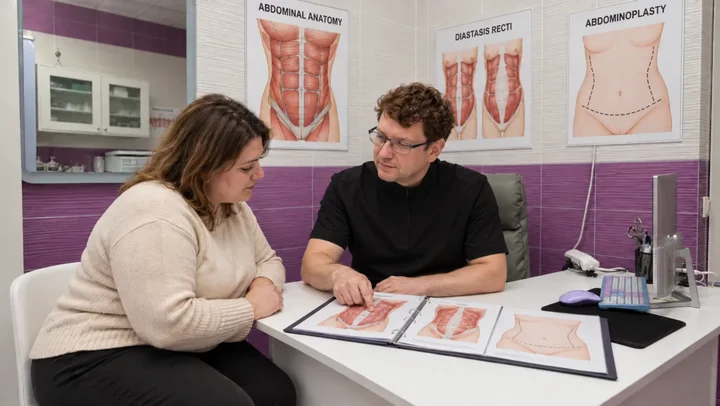
Book a free consultation — the surgeon will plan every step with you.

A doctor discusses the liposuction plan with a patient
Book a consultation
A doctor discusses the liposuction plan with a patient

Recovery after liposuction

After tumescent liposuction, recovery is much shorter than after a conventional procedure. Most patients return to work within 7–10 days. In the first week, mild swelling and a raised temperature are possible — a normal response to surgery. Compression garments are worn for 30–45 days: they fix the new contours and speed up tissue recovery. In the first month, bathhouse, sauna, pool and intense sport are off-limits. For the best result and faster recovery we recommend lymphatic drainage massage, pressotherapy and a gradual return to activity. First visible changes show 2 weeks after surgery, when the main swelling subsides; the final result forms in 3–6 months.

Post-op check-ups

After 7 days, at 3 months and at 6 months. Until the end of the year, get a post-surgery consultation with your surgeon to review results and get more information, at the clinic's expense.

Advantages

What makes patients choose City Medical Centre

A surgeon discusses the liposuction plan with a patient at the consultation

Just find out — you lose nothing

At the consultation we discuss your wishes and assess the fat deposits and skin tone. Before surgery an endocrinologist rules out hormonal causes of the fat deposits — this improves the long-term result.

A surgeon on a video call with a patient after surgery

We stay with you after surgery

The surgeon follows your recovery and the new body contour at check-ups after 7 days, 3 and 6 months. Check-ups, dressings and aftercare advice are already included in the price of surgery.

A surgeon shows a patient a model and body contouring diagrams

A beautiful contour that fits your figure

Tumescent and VASER techniques, micro-incisions of 3–5 mm and precise volume control. Our aim is a smooth contour that keeps the natural proportions of your body.

A patient writes down a convenient visit time in her planner

Your schedule is our priority

We respect your time: we work 24/7, with easy booking and a personal approach — we adapt to your pace.

A surgeon shows a patient a tablet: no hidden fees

Fixed prices

After the consultation the surgeon defines the areas and the scope of surgery, and you get a clear price fixed in the contract — no hidden extras.

A surgeon visits a patient in the hospital ward after surgery

Round-the-clock care after surgery

With general anaesthesia recovery starts in a comfortable hospital ward under round-the-clock nursing care. The stay and meals are already included in the price.

FAQ

We answer what
people ask before booking

Liposuction in Murcia: price and what is included

Prices are in US dollars; the amount in brackets is an approximate conversion to EUR at the rate of 02.10.2026. The final price is fixed in your contract.

How much does liposuction in Murcia cost?

Prices start from $1,200 (≈ €1,100) per area. The surgeon sets the final price at the free consultation, and it is fixed in the contract, with no hidden extras.

What is included in the price?

The operation under local or general anaesthesia and the surgeon's support throughout recovery. The price is per area and fixed in the contract.

How do I get my exact price?

Message us on WhatsApp or Telegram using the buttons below. A coordinator will answer your questions and book a free consultation where the doctor names the exact price.

By messaging us, you agree to our Privacy Policy

What Murcia residents ask about liposuction

Which zones can be treated? The abdomen and flanks are the most requested, for women and men alike. Thighs (outer and inner), back and lower back, arms and shoulders, chin and neck, knees and the male chest are also corrected. Several areas can be done in one operation, saving recovery time and budget, which is why patients from Murcia rarely limit themselves to a single zone.

Is it painful? No: the procedure is done under anaesthesia, local or general depending on scope. Afterwards mild discomfort is possible and is relieved with painkillers prescribed by the doctor. Most patients return to their usual routine in 7–10 days, while swelling and bruising resolve by weeks 4–5. That is the typical course for people in Murcia after liposuction.

The cost is built around your zones: from $1,200 (≈ €1,100) for the most compact area, rising for larger combinations such as the torso or the abdomen with flanks. Nothing is added later, because the contract fixes the price. Murcia residents can split payment into interest-free instalments and begin with a free surgeon consultation, booked through the form on the page.

Stories of well-known people

Well-known people who spoke openly about this operation, in their own words.

All stories about this operation →

Why a contouring plan in Murcia starts with everyday movement

Murcia is the seventh most populous municipality in Spain. In 2024 it had 471,982 inhabitants, and the metropolitan area was counted at 672,773 people in 2020. The municipality covers 881.86 km2 and is the capital of both the Region and the Province of Murcia. For someone considering liposuction, these numbers matter in one practical way: this is a large, spread-out territory where daily life is organised around moving between neighbourhoods, the old centre and the surrounding farmland. That movement shapes how you will recover.

The consultation is online, so the first conversation takes place from your own home. You send photographs on WhatsApp or Telegram, and the doctor assesses the fat deposits, the skin tone and the areas you want treated. Liposuction is meant for local fat that does not respond to diet and exercise. It is not a weight-loss method. People in a city with plenty of walking routes sometimes find that their general fitness is good, yet a stubborn area remains, such as the lower abdomen, the flanks or the outer thighs. That is the situation the procedure is designed for, and the doctor will say plainly if your case can be solved without an operation.

A useful habit before the first message is to write down what you do in a normal week. Note how often you walk, whether you cycle, whether you train indoors, and how steady your weight has been. The doctor can then plan realistically. Someone who walks to work every day and wants the waist line refined needs a different conversation from someone who has recently lost a lot of weight and notices uneven fat on the thighs.

The service offers two techniques. Tumescent (classic) liposuction uses a special solution that loosens the fat so it can be removed through a thin cannula. VASER uses ultrasound to break down fat cells before vacuum removal, and it is aimed at defined muscle relief and delicate areas. Which one suits you is decided at the consultation, together with the scope of the operation. A single operation can treat several areas at once, for example the abdomen and flanks, or the inner and outer thighs. That can save recovery time, because you go through one healing period instead of several.

The coordinators answer round the clock, 24/7, on WhatsApp and Telegram. The free online consultation promises a reply within 15 minutes. Because Murcia has people working in very different rhythms, including shift workers, students and families, being able to send photographs late in the evening and get a structured assessment is a real convenience. Nothing is booked until you confirm the plan and the dates.

Walking, cycling and the flat huerta: what the terrain means for recovery

The city sits at an altitude of 43 m. The Segura river crosses it from west to east in the middle of the huerta, with hills to the north and the Cordillera Sur beyond. To the south lies the Parque Regional de Carrascoy y El Valle, and the municipality's highest point, Morro de la Fuente in the sierra de Carrascoy, reaches 1,031 m. The lower part of the municipality, near the end of the Segura, drops to about 25 m. So the urban core is fairly level. That makes walking and cycling easy, and it is useful when you plan the weeks after liposuction.

Murcia has had a public bicycle system, MuyBici, since April 2015, designed for everyday journeys. For the first period after the operation, though, the doctor's advice from the service programme is clear: in the first 7 days avoid physical exertion and heavy lifting. For the first month, bathhouse, sauna, pool and intense sport are off-limits. Cycling is not specifically listed, but any activity that strains the treated area belongs in the "gradual return" category. Ask the doctor during the consultation when a short, gentle ride on level ground is reasonable for your case, and do not decide this alone.

A practical way to think about it is in stages.

- **First week:** rest, light walking around the home, no lifting. Mild swelling and a slightly raised temperature are possible and are described as a normal response to the operation.

- **Around 7 to 10 days:** most patients return to work and their normal routine. A desk job is easier than a job that involves carrying loads.

- **From about 2 weeks:** the first visible changes appear, once the main swelling subsides.

- **Weeks 4 to 5:** swelling and bruising disappear.

- **Around 1.5 to 2 months:** an interim result can be seen.

- **3 to 6 months:** the final contour forms as the tissues adapt.

Walking is the gentlest way to keep circulation moving during these weeks, and a flat route near the river or through the huerta is easier than a steep climb. The doctor also recommends lymphatic drainage massage, pressotherapy and a gradual return to activity for a better result and faster recovery. A student at one of the city's two universities, or an employee who normally cycles to work, can plan these first days with the coordinator so the calendar does not push an early return to effort.

Heat, sun and the compression garment: summer against winter

The compression garment is the most visible part of recovery. It is worn for 30 to 45 days. It is fitted on the day of the operation, and it fixes the new contours and speeds up tissue recovery. In a climate like Murcia's, the season in which you wear it makes a real difference to comfort.

The city has a hot semi-arid climate (BSh). According to the 1991–2020 normals, July and August are the warmest months, with average highs of 34.3 and 34.5 °C and average lows of 21.2 and 21.8 °C. The record is 46.2 °C, in August. January is the coldest month, with an average high of 17.2 °C and a low of 5.3 °C. Snow is almost nonexistent, at 0.1 days a year. The mean annual temperature is 19.1 °C.

What does this mean for a garment you wear day and night for several weeks?

**In summer**, a tight garment is warmer to wear. When the daily maximum is above 34 °C and nights stay above 21 °C, you will notice it more. That is no reason to remove it early, since the 30 to 45 days are part of the plan. It does mean planning the wear period carefully: staying in air-conditioned rooms during the hottest hours, keeping your skin clean and dry under the fabric, and avoiding long exposure to the sun. The doctor advises against alcohol and tanning beds for at least a month, and direct sun on treated skin is a point to raise in the consultation.

**In winter**, with daytime highs of around 17 °C in January and cold mornings, a garment under normal clothes is easier to tolerate and easier to hide. The same period also has fewer sun hours, with December averaging 180 hours against 366 in July. For many people, the cooler months make the first weeks more comfortable, and a loose layer of clothing over the garment is enough.

Neither season is wrong. If your calendar allows a choice, an operation planned for the cooler part of the year means wearing the garment through gentler temperatures. If you can only do it in summer, plan the first weeks around indoor routines and make sure your coordinator knows about the heat so that guidance on skin care and clothing can be tailored. The garments are included in what the programme provides and are fitted on the day of the operation.

Sun, dryness and skin: preparing the body for the first months

Murcia has about 3,077 hours of sun a year at the main climate record, and the Guadalupe observatory records 3,068. Average annual humidity is 57%, and annual rainfall is around 282 mm, spread over 34 days with at least 1 mm. July is the driest month at 1.2 mm, and September the wettest at 37.6 mm, followed by December at 32.5 mm. For skin, this means a long period of strong light and dry air in most of the year.

Why does this matter for liposuction? The doctor checks skin tone, elasticity and turgor before the operation. Good skin tightens by itself and adapts to the new contours. If tone is reduced or stretch marks are present, the specialists recommend preparatory treatments that improve the skin in advance. A person who has spent many summers in strong sun may have skin that is drier or less elastic in some areas. The doctor can see this on your photographs and in the consultation, and it affects the plan.

The treatment is done through punctures of only 3 to 5 mm, which usually need no stitches. Once healed, the marks are barely visible, and with proper care during recovery they fade completely. Sun on healing skin is something to discuss openly, since the first weeks are when the skin is most sensitive. Your coordinator can pass on individual recommendations for protecting the area when you go outdoors.

Before the operation, there is a routine of preparation. You give up smoking, alcohol and medications that affect clotting (aspirin, for example) 7 to 10 days before. Tests include blood work (complete count, coagulation panel, biochemistry, infections), an ECG, a chest X-ray and, if needed, a GP consultation, and an anaesthesiologist consultation is required. A hormonal screening is also ordered, because it helps predict the long-term result, and an endocrinologist rules out hormonal causes of the fat deposits. All instructions come after the first consultation.

Plan these steps in your weekly life. If you are used to taking an anti-inflammatory or aspirin occasionally for headaches or joint pain, mention it right away, so the doctor can tell you what to stop and when.

Weight stability and what the national health survey shows

Liposuction is judged against weight stability. It removes local fat deposits and reshapes contours; it does not treat obesity. The service's own list of contraindications includes endocrine obesity and decompensated diabetes, and it says that if your weight is unstable you should see a nutritionist or endocrinologist first.

Spain's European Health Survey of 2020 (INE) gives context. Obesity affected 16.0% of the population aged 18 and over: 16.5% of men and 15.5% of women. Overweight was 37.6%, and 53.6% of adults were above what is considered normal weight. The same survey ranks osteoarthritis as the third most commonly diagnosed chronic problem in people over 15 (14.4%), after high blood pressure (19.0%) and high cholesterol (15.3%), with lower back pain at 13.7%. These are national figures and not figures specific to Murcia, so they should not be read as a statement about the city. But they show why an honest conversation about weight is a normal part of planning. A body-contouring plan sits alongside questions about joints, back and blood tests, not apart from them.

In practice, the doctor will want to know:

1. Whether your weight has been steady over recent months.

2. Whether the fat you want treated is a local deposit or part of a general gain.

3. Whether any medical condition, such as diabetes or a coagulation disorder, affects safety.

4. Whether you have had changes after childbirth or significant weight loss that left an uneven contour.

The removed fat cells do not come back. The remaining ones can grow if you gain weight. A strict diet is not required after the operation, but nutrition matters for keeping the result. A balanced diet and regular physical activity are the recommendation. Because Murcia's terrain and public bicycle system make walking and cycling straightforward, a gradual return to regular movement is usually easy to build into the week once the doctor allows it. The final contour forms over 3 to 6 months, and it is during this period that your habits decide how stable the outcome remains.

Check-ups happen at 7 days, 3 months and 6 months, and progress is monitored remotely by photographs. Online contact fits this stage well: you send pictures, the coordinator passes them on, and the doctor adjusts the advice without you having to arrange an appointment slot.

Public healthcare and aesthetic procedures: what the Spanish rules say

Many people in Murcia first wonder whether the public health system might cover liposuction. The common portfolio of services of the national health system (Royal Decree 1030/2006, article 5.4.a.4) does not fund techniques whose purpose is "mere aesthetic or cosmetic improvement". Procedures with an aesthetic purpose that are not related to an accident, an illness or a congenital malformation are excluded from specialised care. In other words, cosmetic surgery sits outside public healthcare. The same decree includes breast prostheses and skin expanders as reparative implants, but not when they are used in aesthetic surgery unrelated to an accident, illness or congenital malformation.

So for body contouring in the usual sense, a private route is the normal one, and the question of waiting for a public appointment does not arise in the same way. It helps to know the context, though. At the end of 2025, the national health system had 853,509 patients on surgical waiting lists, with an average wait of 121 days, and 21.6% had waited more than 6 months. Plastic surgery was the specialty with the longest average wait, at 269 days. In the Region of Murcia, 34,197 patients were on the structural surgical waiting list (21.52 per 1,000 inhabitants), with an average wait of 103 days. Traumatology had 9,811 waiting patients and an average of 113 days. One note applies: an initial publication of the national figures was followed by a later correction concerning data from Castilla-La Mancha.

These figures are not a recommendation to avoid public care. They explain why people with cosmetic goals look for a plan with a defined timeline. In this service, the final amount is calculated individually after an examination and fixed in the contract before the operation. The programme includes the scheduled dressings, scheduled check-ups, a personal coordinator on call, compression garments fitted on the day, a stay in a comfortable ward with meals if you have general anaesthesia, individual recovery recommendations and remote monitoring by photographs. There are no hidden extras, and the details are agreed before anything is booked.

Another distinction concerns bariatric procedures. The decree includes the adjustable gastric band for adults with a BMI above 40 kg/m2, or above 35 with significant comorbidity, after conservative alternatives have failed. That is a medical treatment for severe obesity and is a different matter from liposuction. If your situation is closer to that category, the doctor will advise you at the consultation, and the centre also lists bariatric surgery among its other treatments.

Fiestas, university terms and the calendar around your procedure

Choosing a date is partly a personal calendar question. Murcia has a strong festive rhythm. The Fiestas de Primavera take place in the week after Easter Sunday, with the Bando de la Huerta on the Tuesday and the Entierro de la Sardina on the Saturday, both of International Tourist Interest. Holy Week is also of International Tourist Interest. The Feria de Septiembre, in the first half of September, is the most crowded celebration in the city, and the fiestas of the outlying districts (pedanías) concentrate in June and September. Two universities, the Universidad de Murcia (with origins in 1272) and the Universidad Católica San Antonio, bring about 50,000 students between them, which shapes the pace of the academic year.

How does that connect with liposuction? Think in terms of the recovery milestones and ask yourself which events you want to attend and in what condition.

- If you want to be back at work within 7 to 10 days, choose a date that leaves that period free of deadlines.

- If a celebration involves long hours standing, dancing, crowds and heat, remember that the first month excludes intense sport, pool and sauna, and that the compression garment is worn for 30 to 45 days.

- If you wish to see the final contour for an event, remember that the first changes show at 2 weeks, an interim result at 1.5 to 2 months, and the final shape at 3 to 6 months. A date too close to an event may mean it takes place while swelling is still settling.

For example, if you were thinking about an operation in January 2027, the garment would be worn largely through the cooler weeks, and the 3-month check-up would fall in the spring, around the time of the Fiestas de Primavera and Holy Week. You would then have your 6-month check-up as summer temperatures return. This is only an illustration of how to line up the stages; your actual plan is set by the doctor and the coordinator after the consultation.

A student can fit the first quiet week around a study break. An employee can agree days at home with the employer. The coordinator is available round the clock, so planning questions can be asked at any hour. Whatever the date, the sequence is the same: consultation and plan, booking of the date with terms fixed in the contract, pre-operative tests, the operation (from 1 hour for small areas to 3 to 4 hours for a combined procedure, under local or general anaesthesia), waking up and monitoring, and recovery. With local anaesthesia, you go home 3 to 4 hours after the operation; with general anaesthesia, you stay one day in a ward under supervision.

Does Murcia's heat change when I should plan liposuction?

It can influence comfort, not safety. The compression garment is worn for 30 to 45 days, and in July and August the average highs in Murcia are around 34 °C with nights above 21 °C, so wearing it is warmer than in January, when average highs are about 17 °C. Many people prefer the cooler months, but a summer date is possible with careful planning of air-conditioned rest, skin care and avoiding long sun exposure. Tell the coordinator your preferred season, and the doctor will give individual advice.

Can I walk or cycle in Murcia soon after the procedure?

Gentle walking is normally part of recovery, but the programme says to avoid physical exertion and heavy lifting during the first 7 days, and to avoid pool, sauna, bathhouse and intense sport for the first month. Cycling is not singled out, so ask the doctor when a short ride on level ground is suitable for your case. Murcia's centre is at about 43 m and fairly flat, which helps, but the decision depends on the treated area and how your healing goes.

Will the public health system pay for liposuction in the Region of Murcia?

Generally no, when the aim is aesthetic. The common portfolio of the national health system (Royal Decree 1030/2006) does not fund techniques aimed at mere aesthetic or cosmetic improvement, and aesthetic procedures not related to an accident, illness or congenital malformation are excluded from specialised care. If you think a medical reason may apply, discuss it with your own health professionals. The online consultation with the coordinator and doctor is free and gives you a plan and a fixed contract amount without any obligation.

Does my body weight need to be stable before I start?

Yes, stability is important. Liposuction removes local fat deposits and reshapes contours but is not a weight-loss method. Endocrine obesity and decompensated diabetes are listed as reasons it is not suitable, and if your weight fluctuates the advice is to see a nutritionist or endocrinologist first. The doctor will also order a hormonal screening because it helps predict the long-term result. Removed fat cells do not return, but the remaining ones can grow if you gain weight.

How common is excess weight in Spain, and does that affect my chances of being accepted?

The 2020 European Health Survey (INE) found obesity in 16.0% of adults aged 18 and over and overweight in 37.6%, so 53.6% were above normal weight. These are national figures. Acceptance is judged individually, not by statistics: the doctor looks at your photographs, skin tone, the fat deposits, your health and possible contraindications such as coagulation disorders or serious heart, kidney or liver disease. Send photographs and a short description of your weight history to start the assessment.

Which season is easier for the skin in Murcia after liposuction?

The first weeks require care in any season. Murcia has about 3,077 hours of sun a year, with July the sunniest month at 366 hours, so skin is often exposed to strong light. The doctor advises avoiding alcohol and tanning beds for at least a month, and the punctures of 3 to 5 mm need proper care to fade well. Cooler months make sun protection and clothing simpler, but in any season ask for individual guidance on covering and protecting the treated areas.

How do fiestas and holidays in Murcia fit with the recovery timeline?

Match the dates to the milestones. Most patients return to work in 7 to 10 days, intense activity is limited for the first month, the garment is worn for 30 to 45 days, and the final result forms in 3 to 6 months. If an event such as the Fiestas de Primavera, Holy Week or the Feria de Septiembre matters to you, tell the coordinator, who will help you choose a date that leaves enough time for swelling to settle. Do not expect the final contour at 2 weeks.

Can I do the whole process online if I live in Murcia?

The first consultation is online: you send photographs on WhatsApp or Telegram, get a free assessment from the doctor, and then confirm the plan and dates before anything is booked. Coordinators reply round the clock, and the programme includes remote monitoring by photographs after the operation. Pre-operative tests, the procedure itself and the check-ups at 7 days, 3 months and 6 months are arranged by the coordinator, who explains each step in advance.

What should I prepare in the weeks before the consultation?

Collect clear photographs of the areas you want treated, a note of your weight over recent months, and a list of medications, including anything that affects clotting such as aspirin. Write down previous operations, illnesses and allergies. Before the operation itself you will be asked to give up smoking, alcohol and clotting-affecting medication 7 to 10 days ahead, and to complete blood tests, an ECG, a chest X-ray and consultations as needed. The coordinator sends the full instructions after the first consultation.