City Medical Centre · multi-specialty surgery clinicOpen 24/7

Fat Removal Surgery in Bochum

Free consultation

from $1,200

The price is fixed in the contract before surgery

Message us on WhatsApp

Free online consultation · Reply within 15 minutes
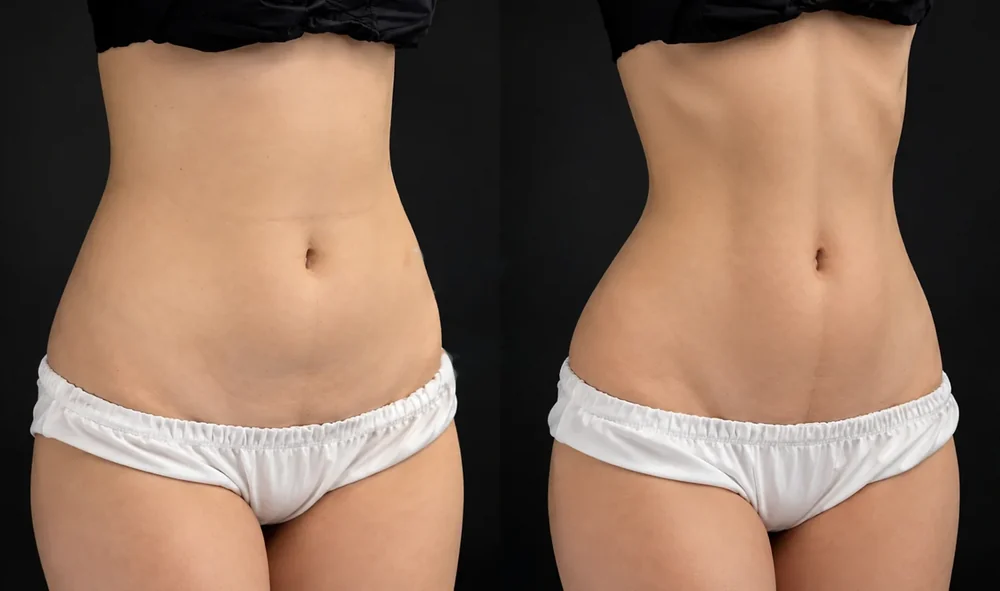
Real case
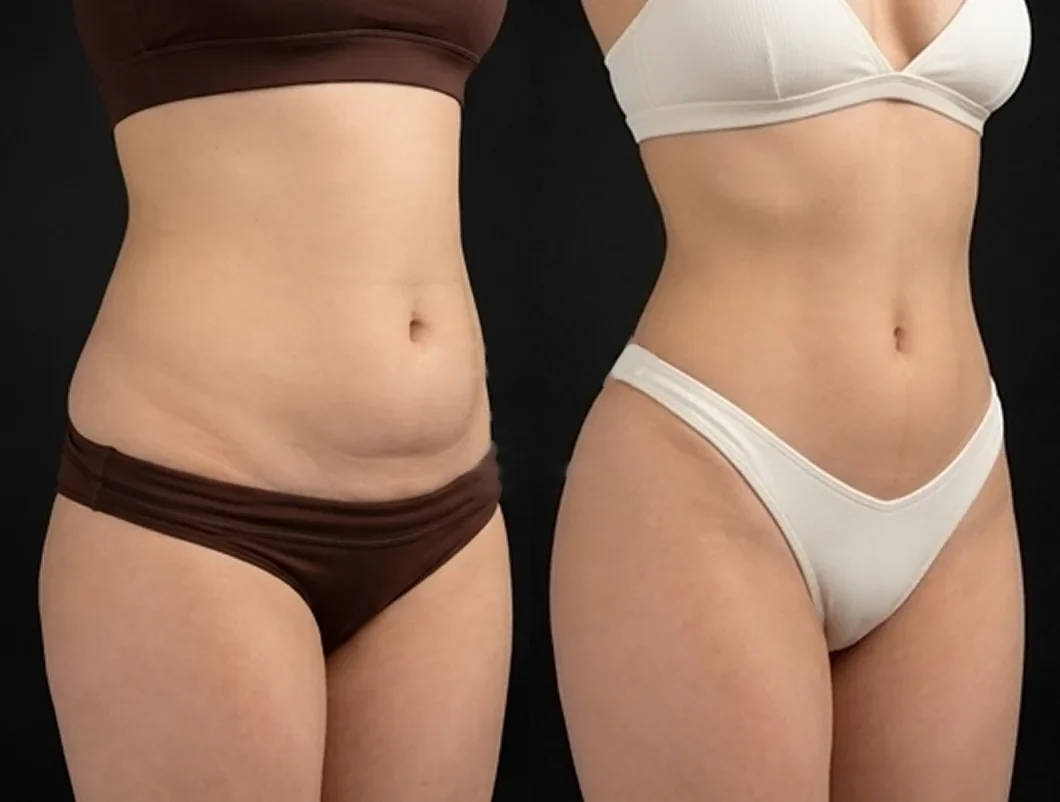
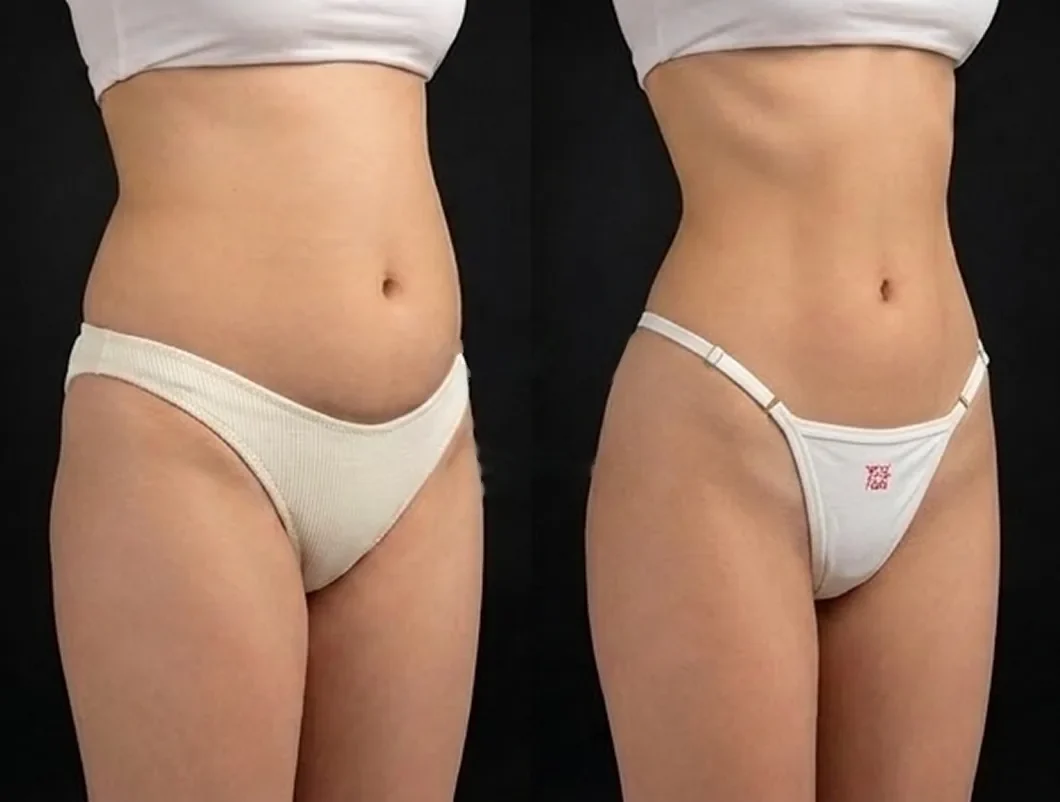
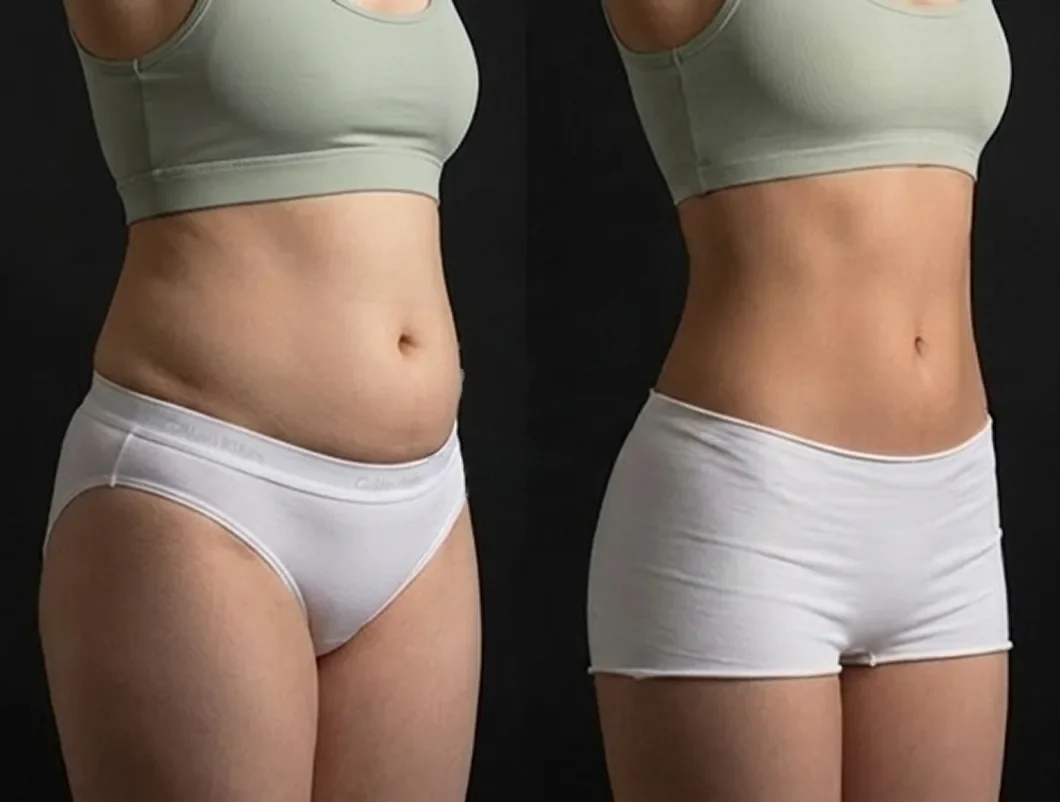
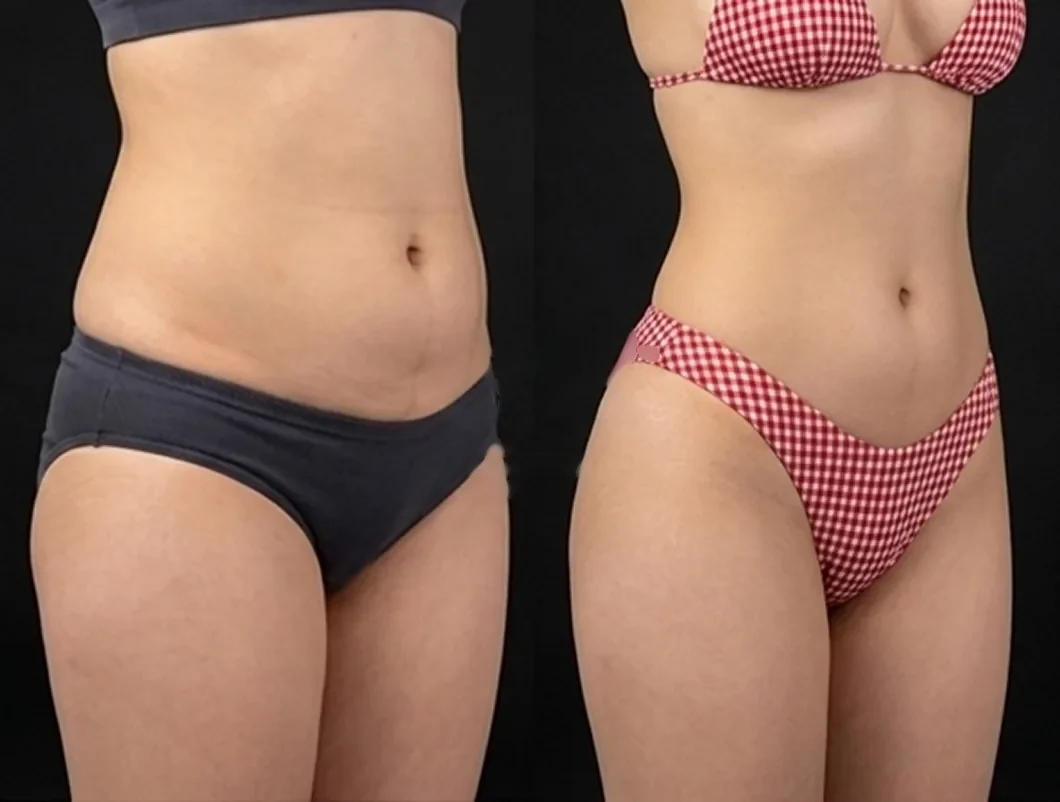
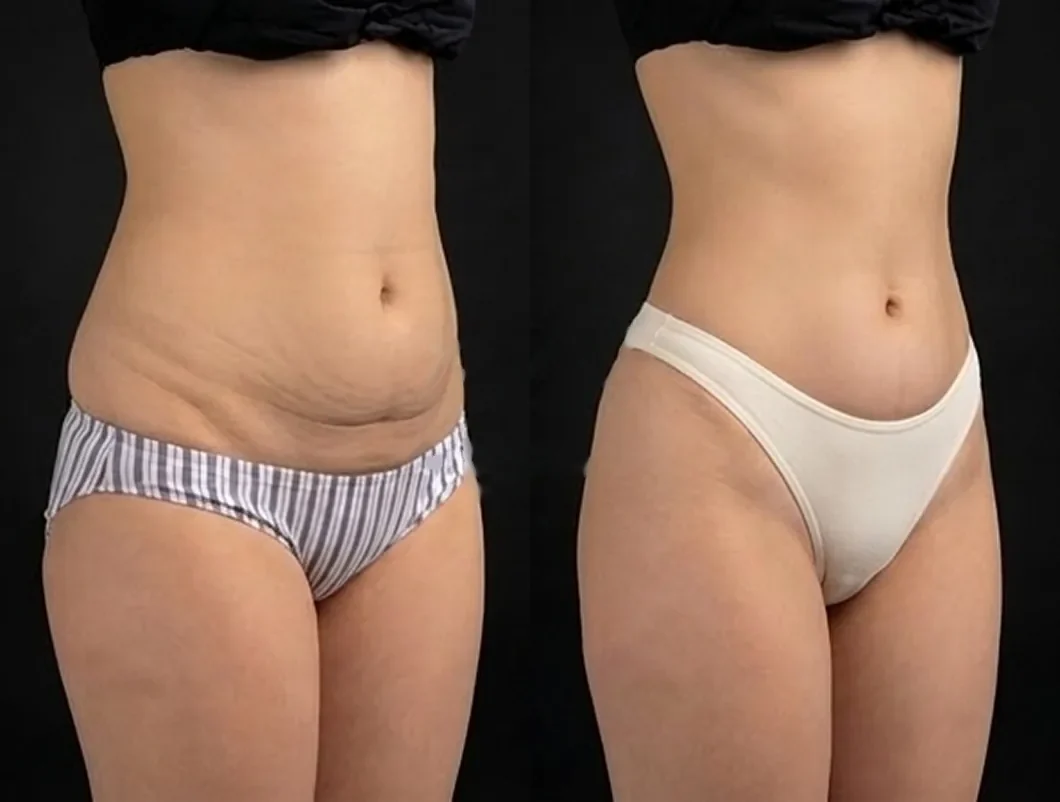
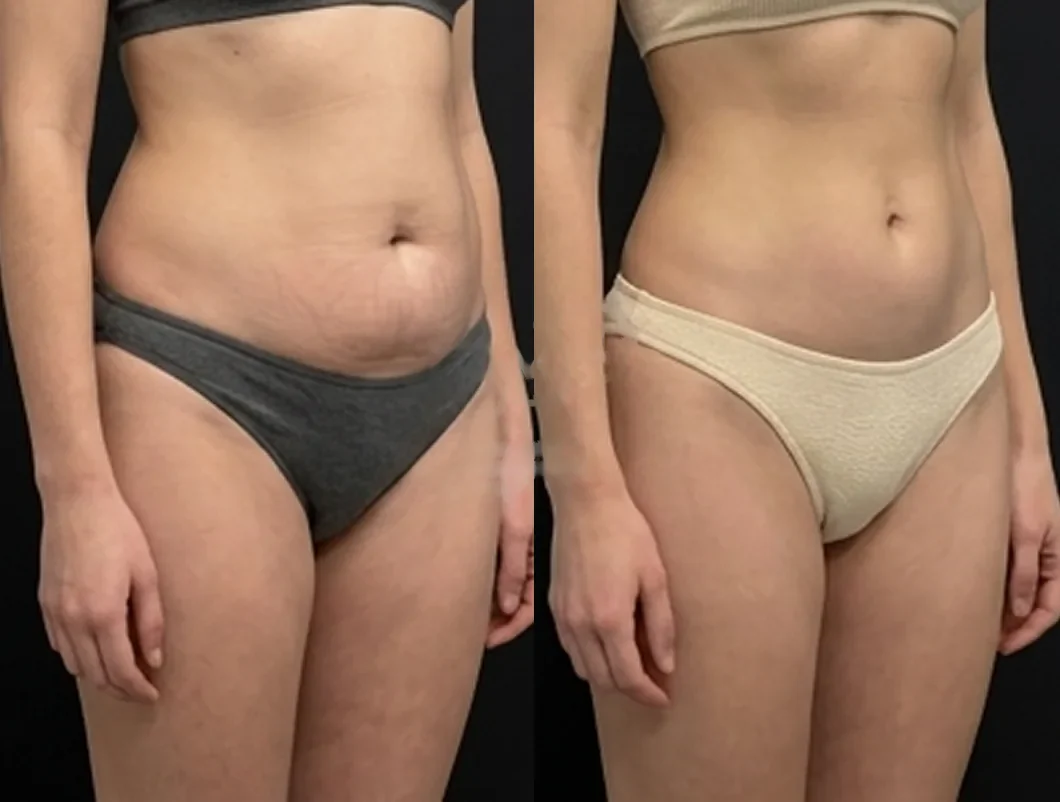
Liposuction: a patient's abdomen and flanks before and after surgery before after
Stubborn local fat that diet and exercise don't shift. Your plan is set at the consultation

Message our coordinator

Free online consultation · Reply within 15 minutes

Message us on Telegram

By messaging us, you agree to our Privacy Policy

Liposuction and fat removal in Bochum: price and key facts

Liposuction for patients from Bochum at City Medical Centre starts at €1,100 (from $1,200). The first online consultation is free; the doctor names the final price and it is fixed in the contract.

Price
€1,100 (from $1,200)
Duration
1–4 hours
Anesthesia
local or general
Stay
home the same day (local anesthesia) or after 1 day (general anesthesia)
Recovery
back to work after 7–10 days
Final result
3–6 months after surgery
How it works
Send photos on WhatsApp or Telegram, get a free doctor assessment and the price, then confirm the plan and dates before anything is booked.

How it works · Liposuction prices

Information current as of 24 October 2026

Free online consultation on WhatsApp and Telegram

Results

Liposuction and fat removal results
of our patients

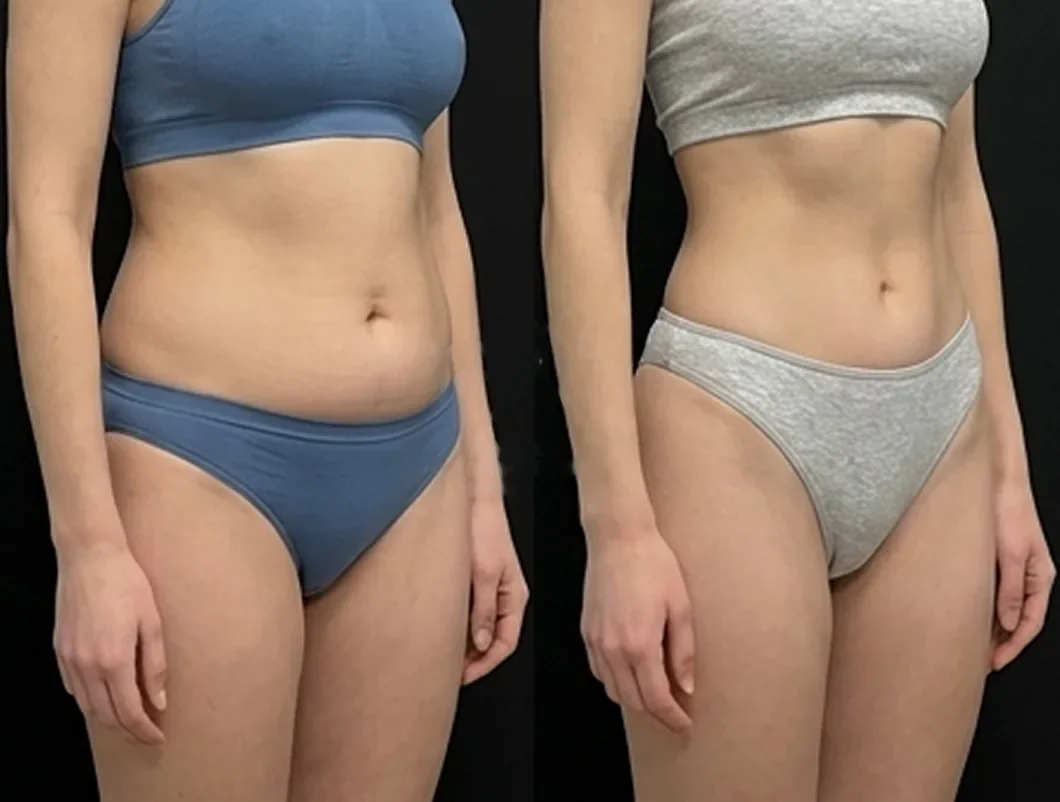
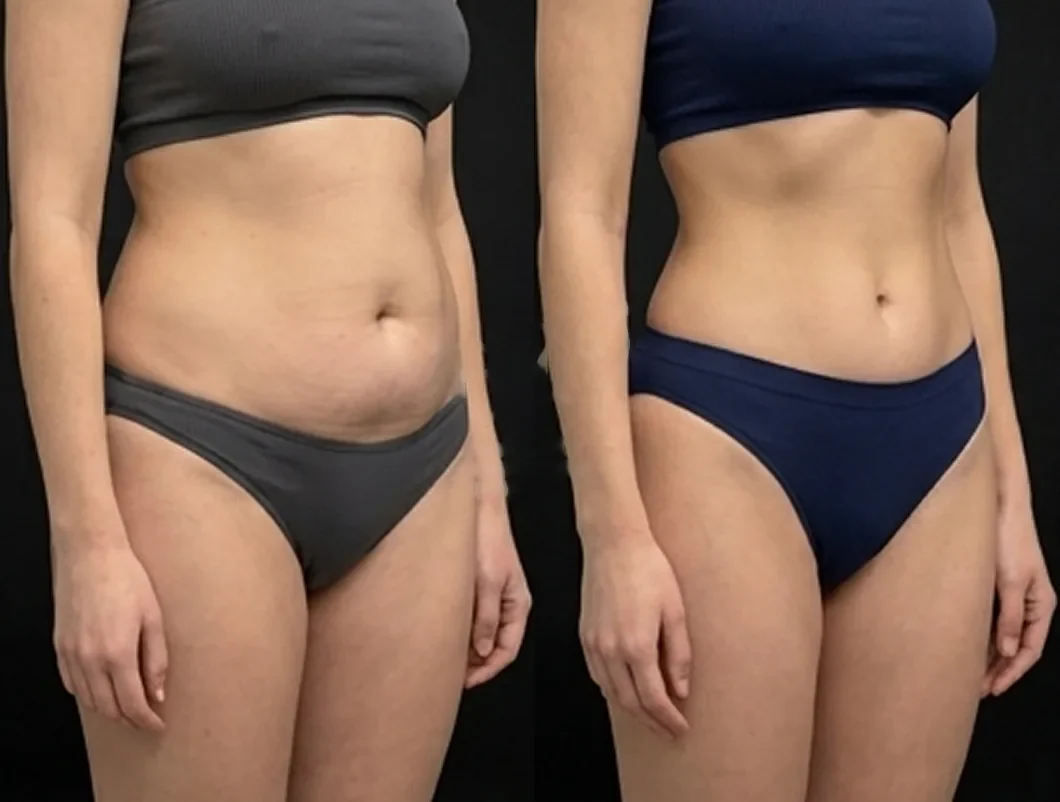
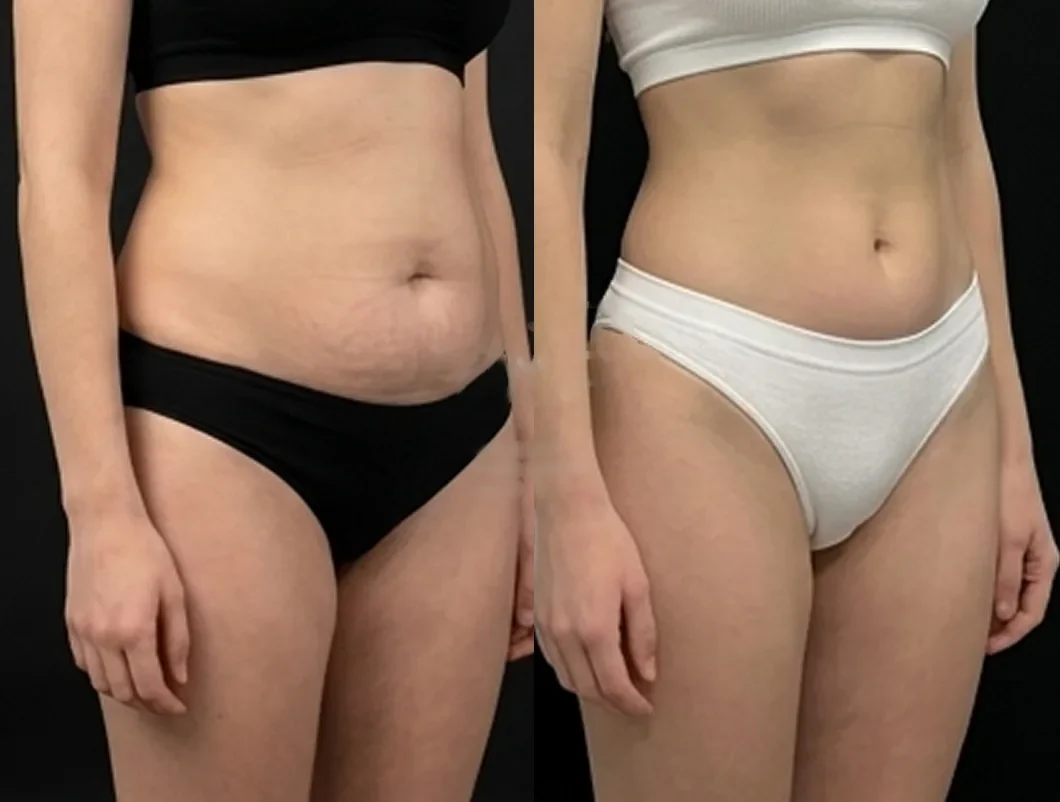
All cases are real patients. Faces and identifying details are hidden.

Abdomen and waist

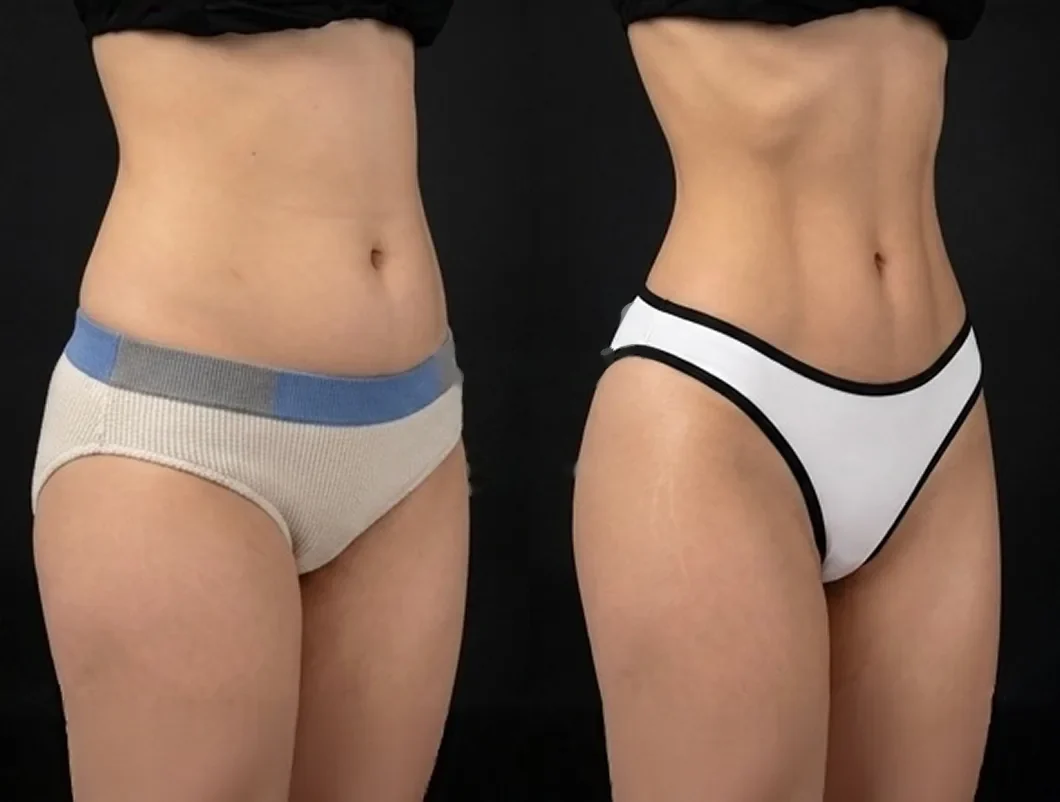
Liposuction of the abdomen and waist: before and after surgerybeforeafter
1 of 10

Comparison

Liposuction techniques

We use two liposuction techniques: tumescent (classic) and VASER (ultrasound). Compare the goal, the indications and the anaesthesia to choose the right technique together with your surgeon.

Tumescent liposuction

A special solution loosens fat for removal through a thin cannula
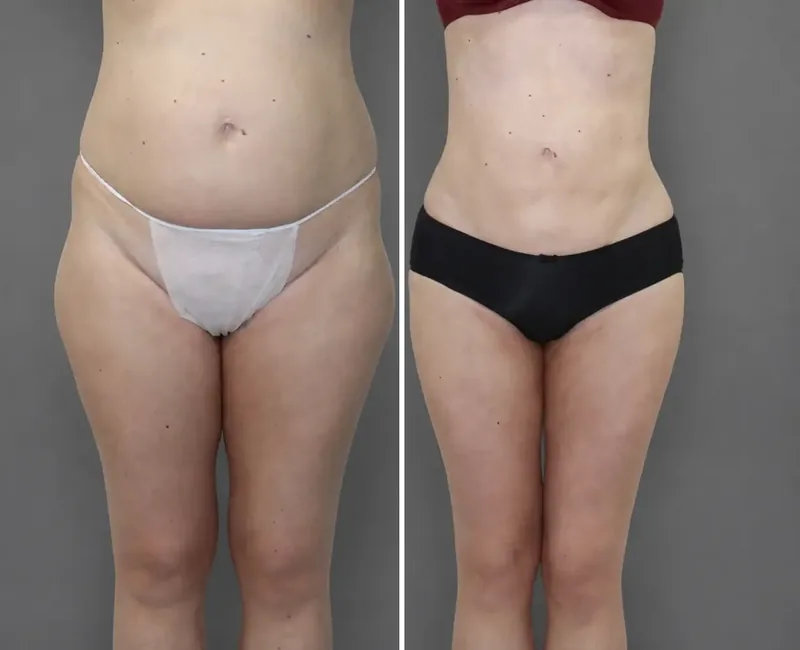
Tumescent liposuction: abdomen and thighs before and after surgery

from $1,200

Main goal
Removal of local fat with minimal blood loss
When it is done
Abdomen, flanks, thighs, back, arms, chin
Anaesthesia and stay
Local or general anaesthesia, home the same day or after 1 day

VASER liposuction

Ultrasound breaks down fat cells before vacuum removal
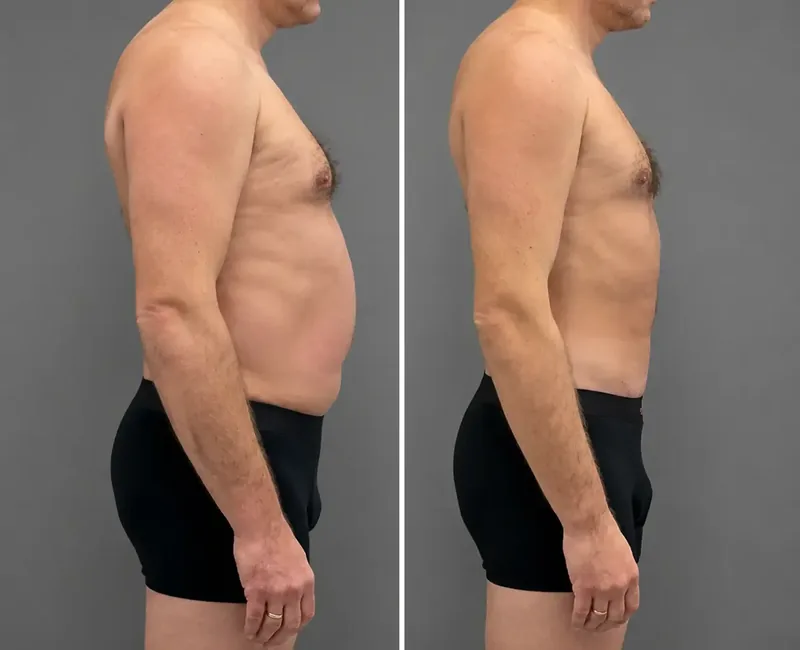
VASER liposuction: a male patient before and after surgery

Price at consultation

Main goal
Defined muscle relief and body contouring
When it is done
Athletic abs and delicate areas
Anaesthesia and stay
Local or general anaesthesia, 1–4 hours of surgery

The benefits and recovery times shown are averaged for each technique and given for guidance: the scope of correction and rehabilitation depend on your anatomy and individual features, and the surgeon confirms them at the consultation.

At the consultation the surgeon draws up a plan for your case and explains how your liposuction will go.

Free, before surgery and with no obligation.

Book a consultation

Areas we treat

You can treat several areas in one operation and save on both recovery time and cost

  • Abdomen and waist

    The most requested area for women and men, often combined with abdominoplasty

  • Thighs (outer and inner)

    Fat deposits exercise doesn't reach

  • Back and lower back area

    Rolls that affect the back's silhouette

  • Arms, including the shoulders

    Noticeable in warm weather

  • Chin and neck

    A small volume with a fast result

  • Knees

    A sensitive area requiring precise work

  • Chest (for men)

    Gynecomastia and pseudogynecomastia — the fat component

About the clinic

A clinic where you can feel at ease

Modern equipment, comfortable rooms and care for every patient
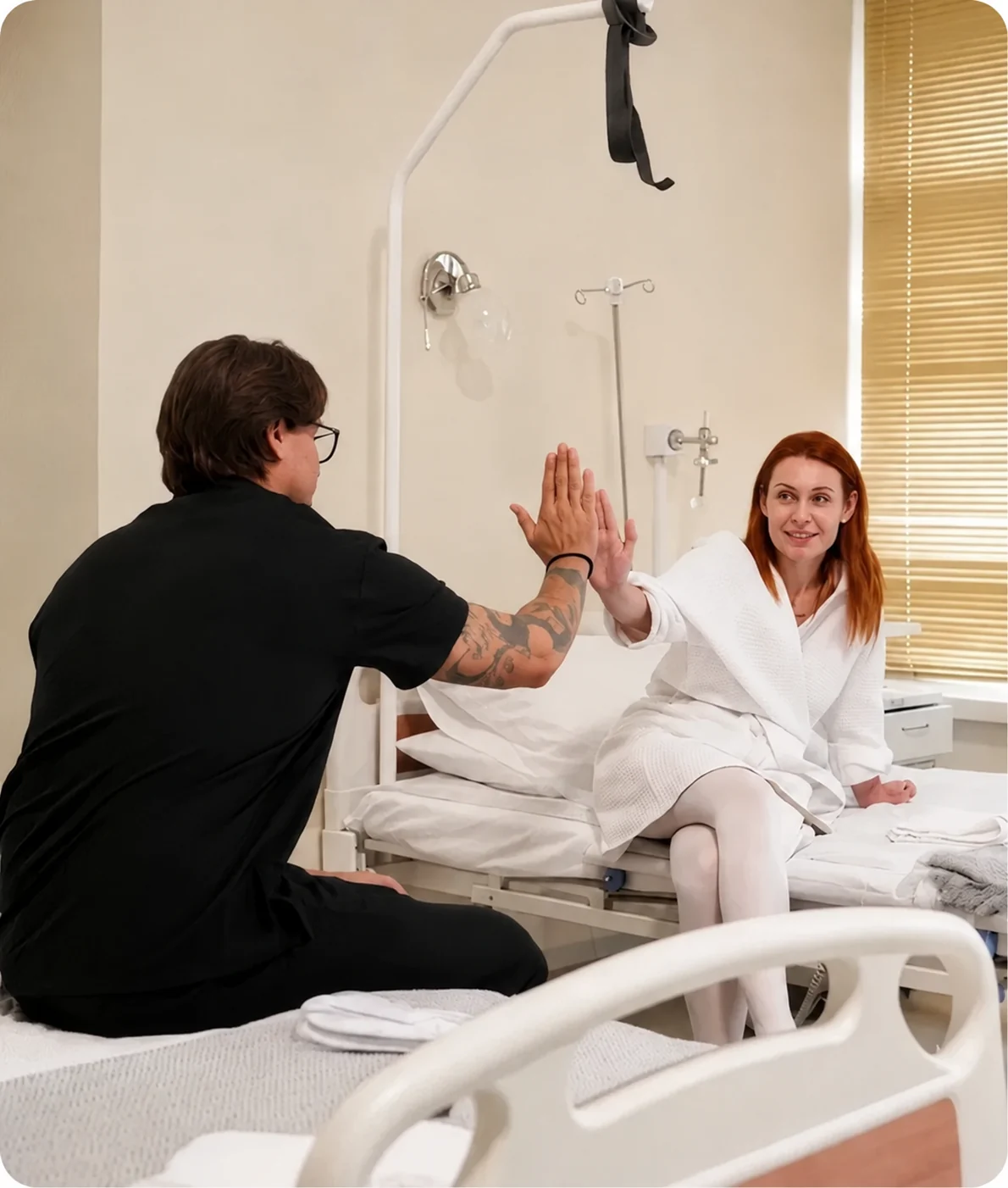
A doctor and a patient in a clinic ward

Contact us the way that suits you

We will answer your questions and find a convenient time for a consultation

By messaging us, you agree to our Privacy Policy

Request a free call

Liposuction is not for everyone

If your case can be solved without surgery, the doctor will tell you so at the consultation — and you will not spend money for nothing.

Suitable
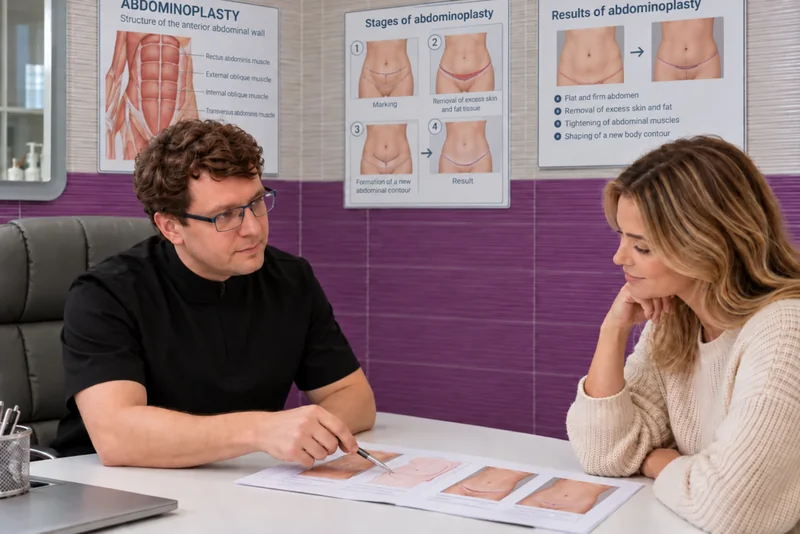
A surgeon shows a patient on a model and a monitor how the body contour changes after liposuction
  • Local fat that resists diet and exercise
  • Uneven subcutaneous fat
  • Disrupted body proportions
  • Silhouette changes after childbirth or weight loss
  • Fat component of gynecomastia in men
  • Good skin tone and elasticity

Not suitable
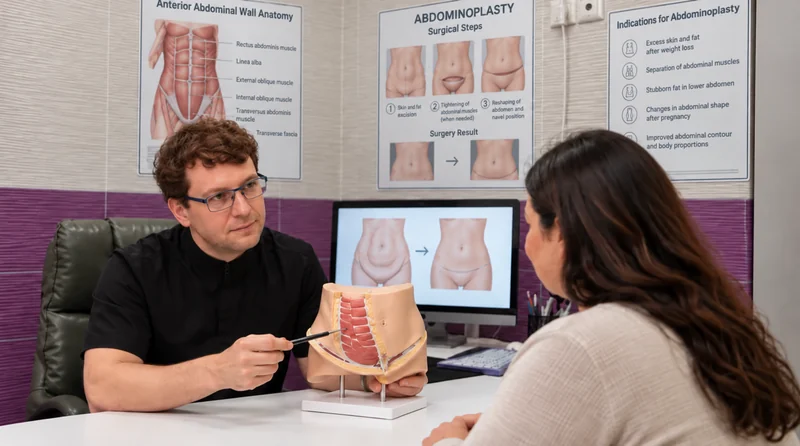
A surgeon discusses the indications and contraindications for liposuction with a patient
  • Being under 18
  • Expecting a baby or breastfeeding
  • Endocrine obesity
  • Decompensated diabetes
  • Disorders of blood clotting
  • Serious heart, kidney or liver disease, cancer

Not sure the surgery is right for you?

Leave your number — the coordinator will call you back, and the surgeon will tell you whether liposuction suits you. No surgery booking needed.

Find out if it suits me
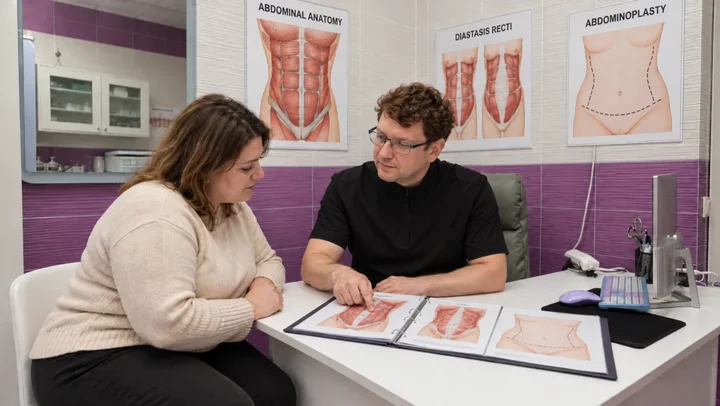
A surgeon goes through the treatment areas with a patient at the consultation

Prices

You know the price
before surgery

The final price is calculated individually after an examination and fixed in the contract.

Liposuction prices

  • First consultationFree
  • Flanks / waist liposuctionfrom $1,400
  • Thigh liposuction (outer)from $1,200
  • Thigh liposuction (inner)from $1,200
  • Torso liposuction — the front abdominal wall, sides of the belly, lower backfrom $3,600
Book a consultation

Find out your liposuction plan and price

The surgeon assesses the fat deposits and skin tone, listens to your wishes and chooses the right technique.
A nurse talks to a patient in a clinic ward

Message our coordinator

Free online consultation · Reply within 15 minutes

Message us on Telegram

By messaging us, you agree to our Privacy Policy
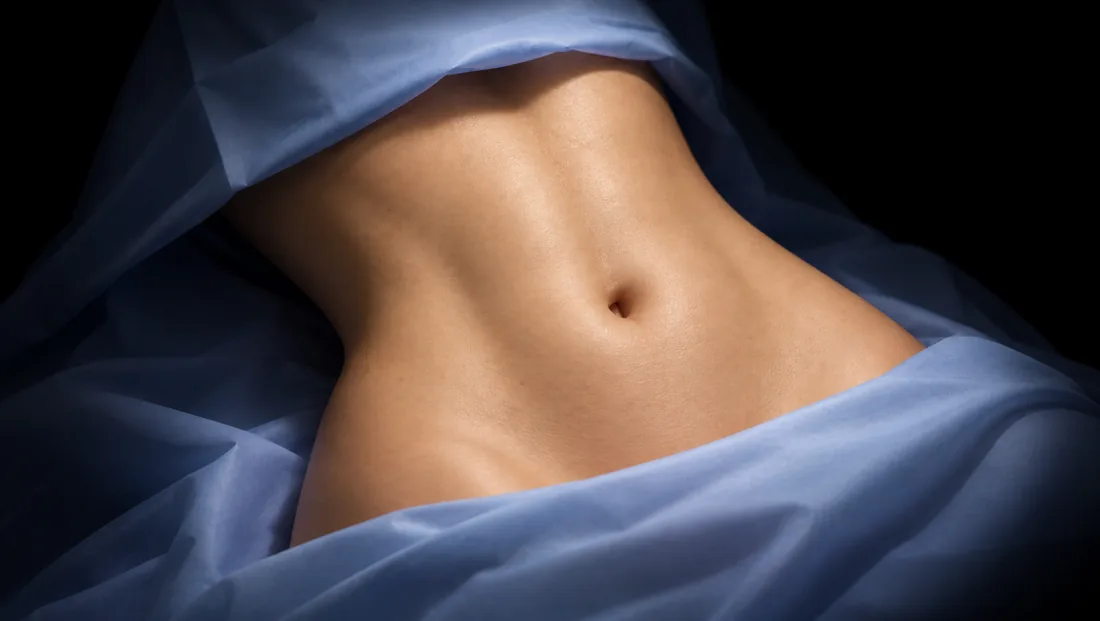
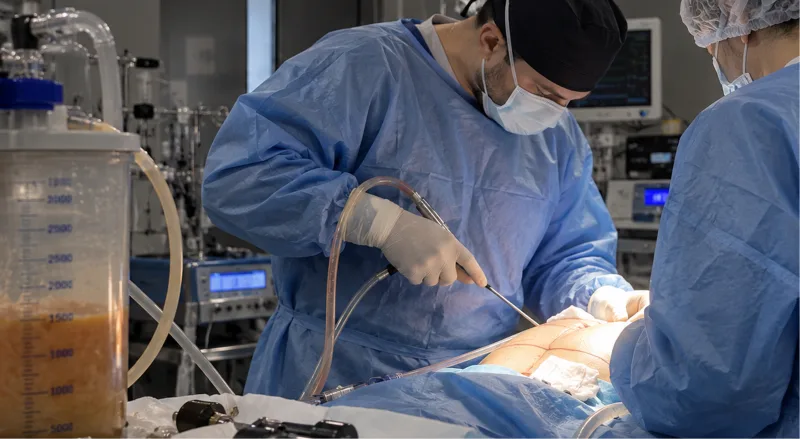
A patient before liposuction in the operating room

all inclusive

What the price includes

From preparation for surgery
to post-op check-ups.

  • All scheduled dressings
  • Scheduled post-op check-ups
  • A personal coordinator on call
  • Compression garments fitted on the day of surgery
  • A stay in a comfortable
    hospital ward with meals
  • Individual recommendations
    for recovery
  • Remote progress monitoring
    by photos

from $1,200

Book a consultation

How it works

From consultation —
to your new contour

An agreed treatment plan, careful monitoring after surgery and post-op check-ups.
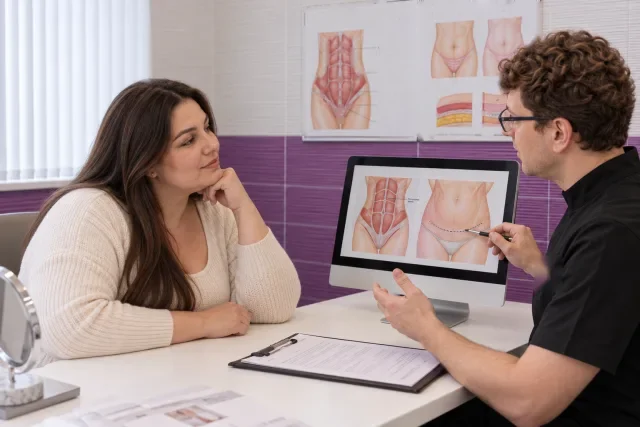
A surgeon goes through the liposuction plan with a patient on a monitor1

Consultation
and the surgical plan

The surgeon listens to your wishes, assesses the fat deposits and skin tone and rules out contraindications. A hormonal screening is also ordered — it helps predict the long-term result.

Paying the deposit by card at the clinic reception2

Booking the date
of surgery

We reserve a surgery date for you: the deposit can be paid by card at the clinic or online by bank transfer. The terms are fixed in the contract for medical services
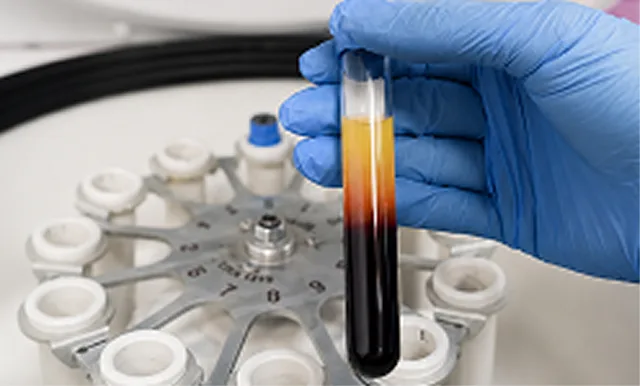
A blood sample tube for tests before liposuction3

Check-up before
surgery

Blood tests (complete count, coagulation panel, biochemistry, infections), an ECG, a chest X-ray and, if needed, a GP consultation. All tests can be done at the clinic with no waiting.
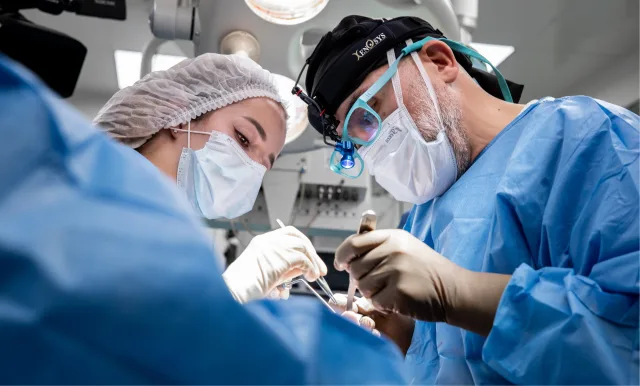
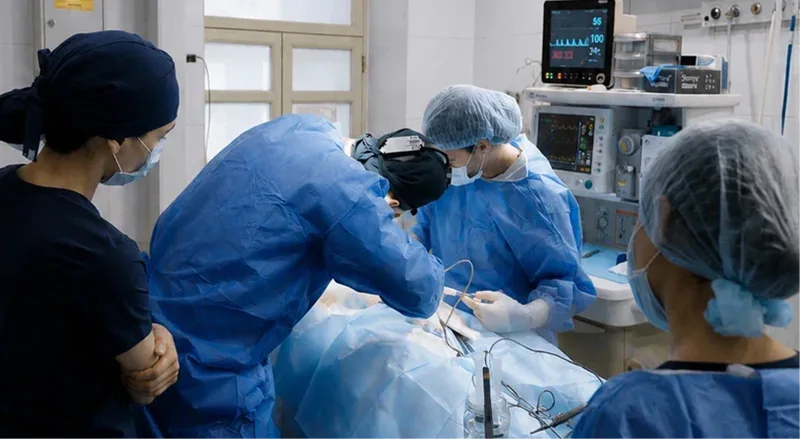
The surgical team during the operation4

Surgery

Marking the areas and fitting compression garments. Under local or general anaesthesia the surgeon removes fat through 3–5 mm micro-punctures — from 1 hour for small areas to 3–4 hours for a combined procedure.
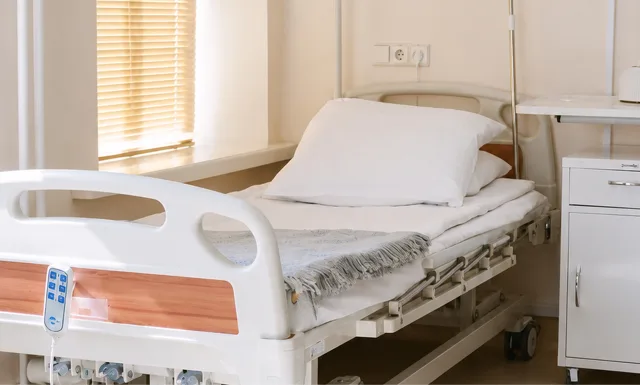
A hospital ward at the clinic5

Waking up
and monitoring

With local anaesthesia you go home 3–4 hours after surgery; with general anaesthesia you stay one day in a comfortable ward under medical supervision.
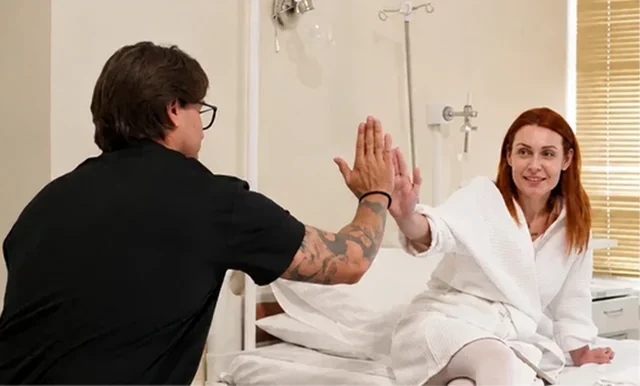
A surgeon and a patient in the ward during recovery6

Recovery

Compression garments for 30–45 days. First changes show at 2 weeks, once swelling subsides; the final result forms in 3–6 months. Check-ups at 7 days, 3 and 6 months.
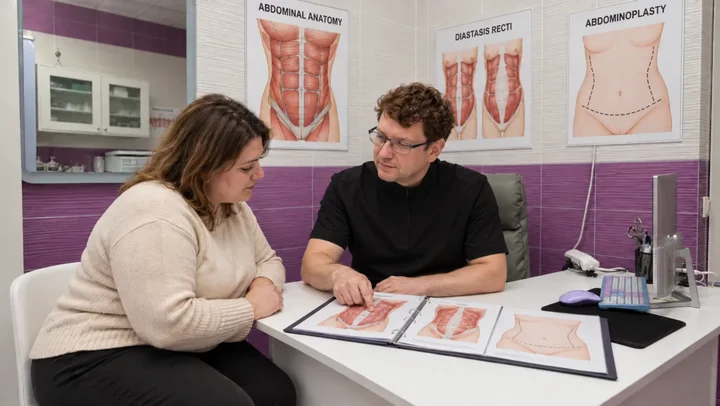
Book a free consultation — the surgeon will plan every step with you.

A doctor discusses the liposuction plan with a patient
Book a consultation
A doctor discusses the liposuction plan with a patient

Recovery following liposuction

After tumescent liposuction, recovery is much shorter than after a conventional procedure. Most patients return to work within 7–10 days. In the first week, mild swelling and a raised temperature are possible — a normal response to surgery. Compression garments are worn for 30–45 days: they fix the new contours and speed up tissue recovery. In the first month, bathhouse, sauna, pool and intense sport are off-limits. For the best result and faster recovery we recommend lymphatic drainage massage, pressotherapy and a gradual return to activity. First visible changes show 2 weeks after surgery, when the main swelling subsides; the final result forms in 3–6 months.

Post-op check-ups

After 7 days, at 3 months and at 6 months. Until the end of the year, get a post-surgery consultation with your surgeon to review results and get more information, at the clinic's expense.

Advantages

Reasons patients choose City Medical Centre
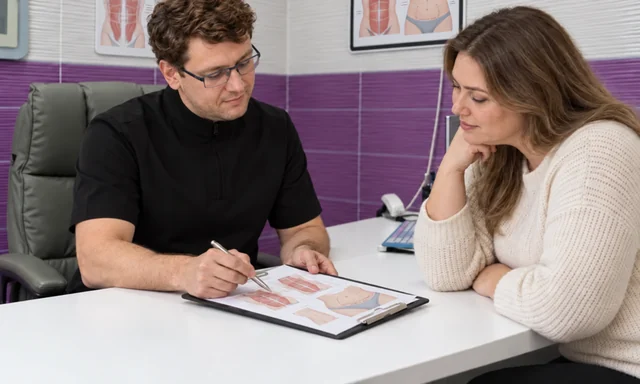
A surgeon discusses the liposuction plan with a patient at the consultation

Just find out — you lose nothing

At the consultation we discuss your wishes and assess the fat deposits and skin tone. Before surgery an endocrinologist rules out hormonal causes of the fat deposits — this improves the long-term result.
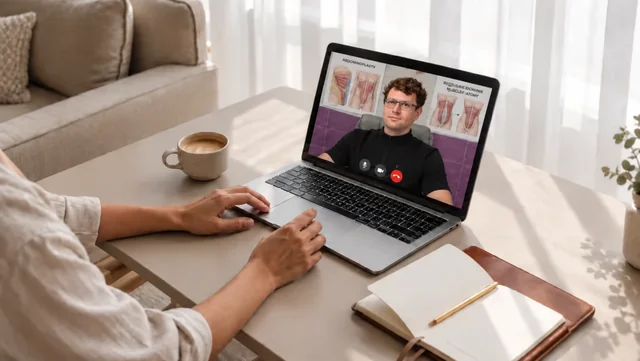
A surgeon on a video call with a patient after surgery

We stay with you after surgery

The surgeon follows your recovery and the new body contour at check-ups after 7 days, 3 and 6 months. Check-ups, dressings and aftercare advice are already included in the price of surgery.
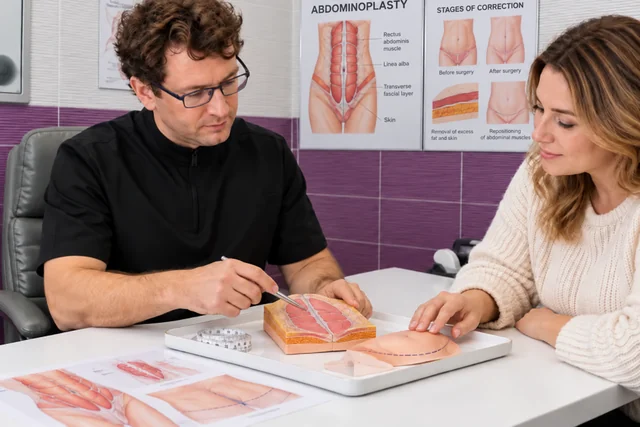
A surgeon shows a patient a model and body contouring diagrams

A beautiful contour that fits your figure

Tumescent and VASER techniques, micro-incisions of 3–5 mm and precise volume control. Our aim is a smooth contour that keeps the natural proportions of your body.

A patient writes down a convenient visit time in her planner

Your schedule is our priority

We respect your time: we work 24/7, with easy booking and a personal approach — we adapt to your pace.

A surgeon shows a patient a tablet: no hidden fees

Fixed prices

After the consultation the surgeon defines the areas and the scope of surgery, and you get a clear price fixed in the contract — no hidden extras.

A surgeon visits a patient in the hospital ward after surgery

Round-the-clock care after surgery

With general anaesthesia recovery starts in a comfortable hospital ward under round-the-clock nursing care. The stay and meals are already included in the price.

FAQ

We answer what
people ask before booking

Liposuction in Bochum: price and what is included

Prices are in US dollars; the amount in brackets is an approximate conversion to EUR at the rate of 02.10.2026. The final price is fixed in your contract.

How much does liposuction in Bochum cost?

Prices start from $1,200 (≈ €1,100) per area. The surgeon sets the final price at the free consultation, and it is fixed in the contract, with no hidden extras.

What is included in the price?

The operation under local or general anaesthesia and the surgeon's support throughout recovery. The price is per area and fixed in the contract.

How do I get my exact price?

Message us on WhatsApp or Telegram using the buttons below. A coordinator will answer your questions and book a free consultation where the doctor names the exact price.

By messaging us, you agree to our Privacy Policy

How liposuction works for Bochum residents

Before any decision on liposuction in Bochum, it helps to know how the clinic approaches it. An endocrinologist rules out hormonal causes of excess fat, which improves the long-term result. Surgery uses tumescent and VASER techniques and closed fat-harvesting systems with precise volume control. Liposuction can also be combined with other procedures, for example a tummy tuck for the abdomen.

It starts with a surgeon consultation: the doctor listens to your wishes, assesses the fat deposits and rules out contraindications, and a hormonal screening is ordered to predict the long-term result. Patients from Bochum then take pre-operative tests — blood count, coagulation panel, biochemistry, infection screening, ECG and chest X-ray — which can all be done at the clinic with no waiting.

What does the first step cost? Nothing: the plastic surgeon consultation is free. At it you learn whether liposuction suits you, which method fits your zones and what the final price will be, starting from $1,200 (≈ €1,100). People in Bochum can fill in the short form or write in any messenger, and the coordinator will get back to you shortly to arrange a convenient time.

Stories of well-known people

Well-known people who spoke openly about this operation, in their own words.

All stories about this operation →

A city of 358,880 people and a body-contouring question that is personal

Bochum has 358,880 residents as of the end of 2025. It covers 145.66 km² in Nordrhein-Westfalen, in the Regierungsbezirk Arnsberg, and it belongs to the Rhine-Ruhr metropolitan area, which counts 5,166,484 inhabitants. The city stretches 13.0 km from north to south and 17.1 km from west to east. Those numbers matter for liposuction in one practical way: whichever district you live in, the whole process up to the day of the operation can be handled from your phone. You send photos on WhatsApp or Telegram, a coordinator answers round the clock (24/7), and the first online consultation is free and carries no obligation to book anything.

Liposuction is aimed at stubborn local fat that does not respond to diet and exercise. Typical areas are the abdomen and waist, the outer and inner thighs, the back including the lower back, the arms, the chin and neck, the knees, and, for men, the fat component of the chest. One operation can combine several areas. The usual reason to combine them is to go through recovery once instead of several times. During the online consultation the doctor looks at your photos, asks about your wishes and health, assesses the fat deposits and skin tone, and proposes a scope. The price for that scope is fixed in the contract before the operation, so you know it in advance.

A large metropolitan region also means that very different lives meet in one consultation list. One person works shifts, another studies, a third is on parental leave. The medical content of the plan stays the same for everyone: a procedure lasting from 1 to 4 hours, local or general anaesthesia, instruments entering through punctures of 3–5 mm, and a final result that forms over 3–6 months. What differs is the calendar around it. The next sections show how Bochum's seasons, terrain, insurance rules and annual rhythm fit around that fixed medical core.

Your coordinator will not ask you to choose a technique on the first message. Two techniques are used. Tumescent (classic) liposuction loosens fat with a special solution and removes it through a thin cannula. VASER uses ultrasound to break down fat cells before vacuum removal and is usually chosen for defined muscle relief, athletic abdomen and delicate areas. The doctor will explain during the consultation which one suits the areas you want treated and your anatomy. You do not need to have an opinion in advance.

Summer heat, winter damp and the 30–45 days in a compression garment

The compression garment is the part of liposuction that people feel most in everyday life, and its length is fixed: 30–45 days. It is fitted on the day of the operation and it fixes the new contours and speeds up tissue recovery. Because the duration is the same all year, the useful question is what those weeks look like in Bochum's weather.

The local climate figures are moderate. Based on DWD data for 2015–2020, the mean daily maximum in July, the hottest month, is 24.7 °C, with 23.6 °C in August and 22.7 °C in June. Nights in July average 14.6 °C. A summer garment period therefore means wearing a close-fitting layer under light clothing on days that average roughly 25 °C at their peak, not in extreme heat. It is noticeable, but manageable. Choose loose, breathable outer clothing, and ask the coordinator about practical details of the garment. Many people also find that the bigger summer limitation is not the garment itself but the restrictions: in the first month the bathhouse, sauna, pool and intense sport are off-limits. A holiday plan built around swimming should not fall inside that month.

Winter looks different. In January the mean daily maximum is 5.6 °C and the mean minimum is 1.2 °C, with February minimums at 1.7 °C. The garment sits under layers of clothing, so it is less visible, and the first weeks of recovery pass in a season when staying at home is the normal thing to do. The trade-off is light and dampness. December receives only 1.3 hours of sunshine per day on average and January 1.5 hours, against 7.0 hours in July. Annual precipitation is 866 mm over 195 rainy days, December is the wettest month at 93 mm, and mean relative humidity is 77.7% over the year. None of this changes the medical plan. It does mean that a winter recovery asks for a little more deliberate planning of gentle activity, because the gradual return to movement is part of the recovery advice, and grey, wet days make it easy to postpone.

Here is a concrete example, counted only for orientation. If an operation took place on 16 November 2026, the 30–45 days in compression would end between 16 and 31 December 2026. First visible changes would appear around 2 weeks after the operation, once the main swelling subsides. The final result would form from mid-February to mid-May 2027. Another example: an operation on 2 March 2027 would mean a garment until about mid-April, and a final contour between early June and early September 2027, so a summer in which the shape is still settling. Neither season is medically better. The choice depends on what you need to wear, where you need to be, and which restrictions are easier for you to accept.

The check-ups follow the same pattern regardless of season: after 7 days, at 3 months and at 6 months. Remote monitoring by photos is part of the price, so the check-up rhythm does not depend on weather or on how convenient the week is. Your coordinator stays reachable on WhatsApp or Telegram throughout.

Hills, water and getting moving again

Bochum is not a perfectly flat city. It lies on the flat-hilly Bochumer Landrücken, also called the Ruhrhöhen. The Ruhr runs to the south of the city and the Emscher to the north. The Kemnader See is a dammed section of the Ruhr. The typical elevation is about 100 m above NHN. The lowest point is 43 m and the highest is 196 m, a spread of 153 m within the city boundaries. This is a gentle landscape, but it is not a table-top. If your usual walks or routes to work involve gradients, that is worth mentioning to the coordinator, because the early recovery advice is simple: skip physical exertion and heavy lifting in the first 7 days, then return to activity gradually.

Here is how that works in practice. In the first week, mild swelling and a raised temperature are possible, and this is a normal response to the operation. Most patients go back to work and their normal routine within 7–10 days. That does not mean sport has resumed. For 4–6 weeks the garment stays on, and the bathhouse, sauna, pool and active sport remain off-limits for the first month. Alcohol and tanning beds are avoided for at least a month. Swelling and bruising subside by weeks 4–5, and an interim result is visible at 1.5–2 months. If your habit is a long walk along the Ruhr or by the Kemnader See, a short, flat, easy walk is the sensible form of that habit in the first weeks, and the doctor's individual instructions after the operation tell you when to extend it. The service includes individual recommendations for recovery, so you do not have to guess at the schedule.

For better recovery and a faster return to normal activity, lymphatic drainage massage, pressotherapy and a gradual rise in activity are recommended. That is the medical reasoning behind gentle movement. Activity is not abolished, it is dosed. A person in a city with hills and open water will probably be tempted to rush back to a routine that feels normal, and the better plan is to treat the garment period as a build-up.

One more point concerns the body areas. The thighs, which resist exercise, and the abdomen and flanks, the most requested area, are the zones most often combined. Arms, including the shoulders, matter for those who notice the contour in light clothing in the months around July, when the daily maximum averages 24.7 °C. The chin and neck are a small area with a quick visible result. The knees need precision. For men, the fat component of gynecomastia and pseudogynecomastia can be treated. The doctor will tell you honestly at the consultation if your case can be solved without an operation.

Weight stability: what the German obesity figures say and what they do not

Liposuction is not a weight-loss method. It removes local fat deposits and reshapes contours, and the first thing the doctor looks at is whether your weight is stable. If it is not, the service text recommends seeing a nutritionist or endocrinologist first. This is worth stating plainly because the numbers on weight in Germany are sometimes quoted without explanation.

For adults in Germany with a body mass index of 30 or above, two kinds of data exist. The Mikrozensus survey of 2009, based on self-reported height and weight, gave 15.7% of men and 13.8% of women. The measured data from DEGS 2008/11, where height and weight were actually measured, gave 23.3% of men and 23.9% of women. Surveys therefore give lower values than measurements. The practical lesson is that self-assessment of weight tends to run lower than measurement, so if you are deciding whether liposuction fits your situation, you will need honest, measured figures and a doctor's assessment. If your weight is a major issue, the plan may start with a different path.

That different path exists and is described in the German context. Bariatric surgery is not part of the regular benefit catalogue of statutory health insurance but can be applied for in individual cases. The conditions include proof that conservative weight-loss methods were exhausted within a multimodal concept over a documented period, and an assessment by the Medizinischer Dienst. This is a separate medical route for a different problem, and the consultation can tell you honestly which question you are really asking. Liposuction suits local fat that resists diet and exercise, uneven subcutaneous fat, disrupted body proportions, silhouette changes after childbirth or weight loss, and the fat component of gynecomastia in men, with good skin tone and elasticity.

It does not suit people under 18, during pregnancy and breastfeeding, in endocrine obesity, decompensated diabetes, blood coagulation disorders, or serious heart, kidney or liver disease and cancer. Before the operation a hormonal screening is ordered, and an endocrinologist rules out hormonal causes of the fat deposits, which helps to predict the long-term result.

About maintenance: removed fat cells do not come back, but the remaining ones can grow if you gain weight. A strict diet is not required, but a balanced diet and regular physical activity keep the contour. Therefore the most useful preparation is not a crash diet, it is a few stable months at a weight you can hold. A reasonable approach is to treat the consultation as a check on stability. Bring your weight history in plain numbers, and ask about the areas where you expect to see change.

Skin also matters. Good skin tightens on its own and adapts to new contours. If tone is reduced or stretch marks are present, the specialists will recommend preparatory treatments that improve the skin in advance. Liposuction does not directly treat cellulite, because it does not change the skin structure behind it, although improved contours reduce its visible appearance.

Paying for a cosmetic procedure under German insurance rules

Most residents of Bochum are insured, and that is exactly why it is worth being precise about what insurance does and does not do here. About 92% of the German population is covered by statutory health insurance. As of 2024, about 88% of the working population is insured through statutory funds and about 11% privately.

Despite that near-universal coverage, cosmetic procedures done at the patient's own request are not paid for by statutory insurance. The reference text says plainly that there is no cost coverage in Germany by the Gesetzliche Krankenversicherung for them, and the patient bears the full cost, including lost income. Health insurers cover treatment costs with the exception of cosmetic surgery, for which the total costs are borne by the patient. Liposuction for body contouring belongs in this category when it is not medically indicated, so you should plan as a self-paying patient and not wait for approval.

There is a second, less obvious point. After a medically not indicated procedure, insured persons must share in the costs of resulting complications, including sick pay. Insurers may restrict or refuse benefits under § 52 SGB V, and in that case there is no entitlement to continued wage payment (Entgeltfortzahlung). For an employee in Bochum this has a concrete meaning: the 7–10 days before returning to work may need to be covered by holiday leave or by an agreement with your employer, not by a sick note. If your insurance matters to you, ask your insurer and employer in advance how they treat elective procedures. We cannot answer for them, and the rules above are the general picture.

On our side, the structure is meant to remove surprises. The price is calculated individually after an examination and fixed in the contract before the operation, with no hidden extras. It includes preparation, all scheduled dressings, scheduled post-op check-ups, a personal coordinator on call, compression garments fitted on the day of the operation, a stay in a comfortable hospital ward with meals when general anaesthesia is used, individual recovery recommendations and remote progress monitoring by photos. Because the booking deposit and terms are laid out in the medical services contract, you can read them calmly before agreeing.

One more German context point concerns waiting. A 2010 Commonwealth Fund survey found that 70% of Germans reported waiting less than one month for elective surgery. That is a general statement about the health system and not about this service, but it shows why many people expect quick scheduling. For liposuction, dates are agreed after the consultation, and nothing is booked until you confirm the plan and dates. The pre-operative tests, which include blood tests (complete count, coagulation panel, biochemistry, infections), an ECG, a chest X-ray and, if needed, a GP consultation, can be done at the clinic with no waiting.

Fitting the operation around Bochum's calendar

The city has a rhythm that is partly set by its universities. Ruhr-Universität Bochum has 37,653 students in the winter semester 2025/26, and the city has nine universities or branches of universities. For a student or a university employee, this means that there are semester periods and exam periods that are hard to move. Because most patients return to work or their routine within 7–10 days, a student might choose a quiet period between obligations. The restrictions that matter for a student are no heavy lifting in the first 7 days and no intense sport during the first month. Libraries and lectures do not conflict with those rules. Carrying heavy bags does.

Then there are the fixed events of the year. Bochum Total, a free open-air festival that began in 1986 with two stages, is usually held on the first July weekend. If you plan to attend, it is better not to schedule the operation so that this weekend falls in the first weeks, when the garment is worn and standing in crowds for hours is not a good idea. On the other side of the year, the Christmas market runs through December in the downtown area, and the musical Starlight Express, which opened in 1988, is part of the cultural calendar. Dates like these are good reference points for planning. A convenient method is to count 7–10 days for work, 30–45 days for the garment and 3–6 months for the final result from your preferred operation date, and then see which events fall in which phase.

Take the first July weekend as an example. If you want the garment already off by then, work backwards: with 45 days at most, the operation would need to be in mid-May or earlier. If you want a contour that has mostly settled for a summer holiday, count 3–6 months back. A operation at the start of the year, for instance in January 2027, leads to a final result between April and July 2027. In every case, the doctor confirms the real timeline at the consultation because the scope of correction and rehabilitation depend on your anatomy and individual features.

Think too about the quiet side of the calendar. Light is short in December and January, and the hours of sunshine are few, so a recovery at home in those months is easy to organise but may feel long. Check-ups are remote, by photo, so you do not have to go anywhere to stay in contact. Coordinators answer on WhatsApp and Telegram at any hour, which matters if a question comes up on a Sunday evening.

If you are unsure, send a message first. Photos, a short description of the areas that bother you and your preferred months are enough to begin. The consultation is free, you receive an assessment and a price, and nothing is booked until you confirm the plan.

Is there a better season in Bochum for liposuction, given the summer and winter weather?

Medically, no season is preferred, because the plan is the same all year: a garment for 30–45 days, a return to work in about 7–10 days and a final result after 3–6 months. The difference is practical. In July the mean daily maximum is 24.7 °C, so the garment goes under light clothing on mild days, but the ban on the pool and sauna in the first month can clash with summer plans. In January the mean maximum is 5.6 °C, the garment is covered by layers, but there are only about 1.5 hours of sunshine per day. Choose the season whose limits suit your life, and let the doctor confirm the timeline.

Will wearing the compression garment be uncomfortable in Bochum's July heat?

The July figures for Bochum are moderate: a mean daily maximum of 24.7 °C and a mean minimum of 14.6 °C, based on DWD data for 2015–2020. The garment must still be worn for 30–45 days, and it fixes the new contours and speeds up tissue recovery, so it should not be skipped on warm days. Loose, light outer clothing helps, and you can ask the coordinator about practical questions on the garment in advance. If a hot spell makes it hard, tell the coordinator, who can pass the question to the doctor, because the individual recommendations come from the doctor after the operation.

Does statutory health insurance pay for liposuction if I live in Bochum?

For body contouring done at your own request, no. In Germany, statutory health insurance does not cover cosmetic procedures of this kind, and the patient bears the full cost, including lost income. About 92% of the population is covered by statutory insurance, but that coverage is for medically indicated treatment. Because every case differs, ask your insurer directly about your situation. In our process, the price is set after the examination and fixed in the contract before the operation, so that you can plan your own payment calmly.

What happens with sick pay if I take time off after the operation?

This is a real point to clarify before you book. After a medically not indicated procedure, insured persons must share in the costs of resulting complications, including sick pay. Insurers may restrict or refuse benefits under § 52 SGB V, and there is no entitlement to continued wage payment (Entgeltfortzahlung) in that case. Since most patients return to work within 7–10 days, many plan the time as holiday leave or agree it with the employer beforehand. Please ask your employer and your insurer, as we cannot speak for them.

I like walking near the Ruhr and the Kemnader See. When can I go back to it?

A short, easy walk is a gentle way to restart movement, but the first 7 days are for rest: no physical exertion and no heavy lifting. After that, activity rises gradually. In the first month the bathhouse, sauna, pool and intense sport remain off-limits, and the garment stays on for 30–45 days. The terrain around the Ruhr and the Bochumer Landrücken is flat-hilly, so it is sensible to choose flat routes at first. The doctor gives individual instructions after the operation and confirms when you can extend your distance. Lymphatic drainage massage and pressotherapy are also recommended to support recovery.

Can I schedule the operation around Bochum Total on the first July weekend?

Yes, but plan backwards. Bochum Total is usually held on the first July weekend, and the weeks after the operation are not suited to long hours on your feet in a crowd. Count 7–10 days to return to routine, 30–45 days for the garment and 3–6 months for the final result. If you want the garment already off by that weekend, the operation would have to take place in mid-May or earlier. If you only want to be through the first week, a later date can work. Send your preferred dates to the coordinator, and the doctor will confirm what is realistic.

How do I fit liposuction around the December Christmas market period in Bochum?

The Christmas market runs through December in the downtown area, and December is also the wettest month at 93 mm, with only about 1.3 hours of sunshine per day. An operation in mid-November 2026 would put the end of the garment period between 16 and 31 December 2026, and first visible changes would appear around 2 weeks after surgery. Many people find the dark, damp month convenient for staying at home. But remember the restrictions: no heavy lifting in the first 7 days, and no alcohol for at least a month, which matters at seasonal gatherings.

I am a student at one of Bochum's universities. Is there a sensible time to have the operation?

With 37,653 students at Ruhr-Universität Bochum alone in the winter semester 2025/26, and nine universities or branches in the city, semester structure is a real planning factor. Because most patients return to normal routine within 7–10 days, a quiet window between teaching and exams is usually enough. Avoid carrying heavy loads in the first 7 days and skip intense sport for the first month. Check-ups are at 7 days, 3 months and 6 months and are done remotely by photos, so they do not conflict with lectures. Adults of 18 and over without contraindications are eligible.

Obesity figures in Germany look high. Should I lose weight before asking about liposuction?

Liposuction is not a weight-loss method, so stable weight matters more than a fast drop. For adults in Germany, measured data from DEGS 2008/11 showed obesity (BMI 30+) in 23.3% of men and 23.9% of women, while the Mikrozensus 2009 survey, based on self-reports, gave 15.7% and 13.8%. The difference shows why measured values matter. If your weight is unstable, the service text recommends seeing a nutritionist or endocrinologist first. If conservative weight loss has not worked and obesity is the main issue, bariatric treatment is a separate route with its own conditions in Germany. The consultation helps decide which question applies to you.

What should I send from Bochum for the first online assessment?

Send clear photos of the areas that bother you, taken in good light from the front and sides, and a short note on your wishes, your health and how stable your weight has been. Add your preferred months. The doctor assesses the fat deposits and skin tone, discusses the technique, tumescent or VASER, and rules out contraindications. Before the operation you will need tests, including blood tests, an ECG, a chest X-ray and, if needed, a GP consultation, and you will be asked to give up smoking, alcohol and clotting-affecting medications such as aspirin 7–10 days beforehand. All instructions come after the first consultation, and the coordinator answers on WhatsApp and Telegram 24/7.