



























Message our coordinator
Free online consultation · Reply within 15 minutes
Message us on TelegramMessage us on WhatsAppBy messaging us, you agree to our Privacy Policy




Facelift and neck lift in Las Palmas de Gran Canaria: price and key facts
Facelift for patients from Las Palmas de Gran Canaria at City Medical Centre starts at $2,400. The first online consultation is free; the doctor names the final price and it is fixed in the contract.
- Price
- $2,400
- Anesthesia
- general (inhalation)
- Recovery
- about 2 months to full recovery
- Final result
- 3–6 months after surgery
- How it works
- Send photos on WhatsApp or Telegram, get a free doctor assessment and the price, then confirm the plan and dates before anything is booked.
How it works · Facelift prices
Information current as of 24 October 2026

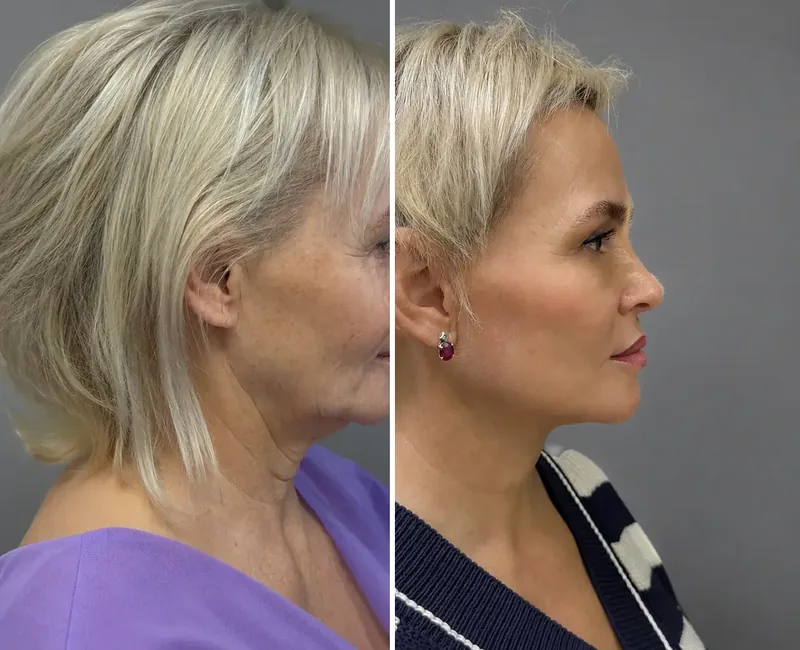

50 years
9 months

SMAS facelift
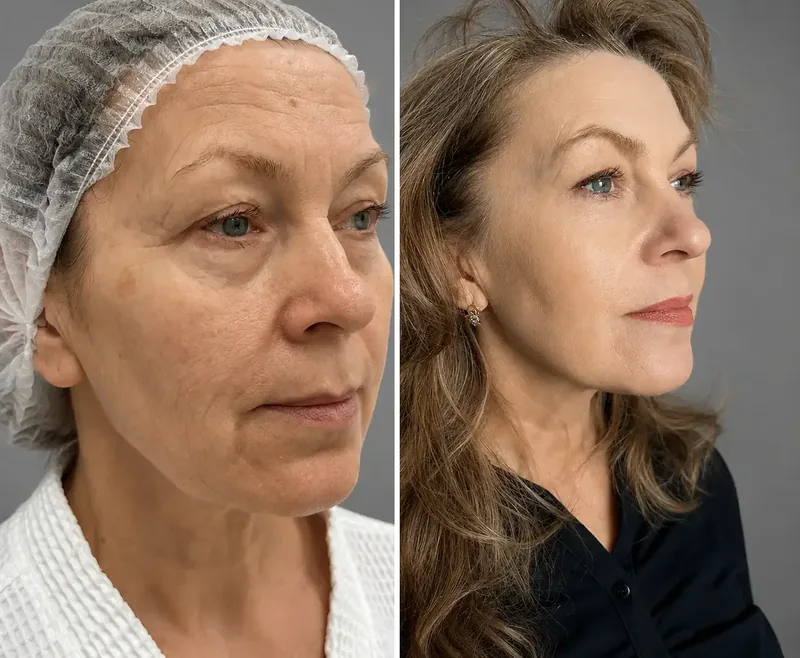
58 years
8 months
SMAS facelift
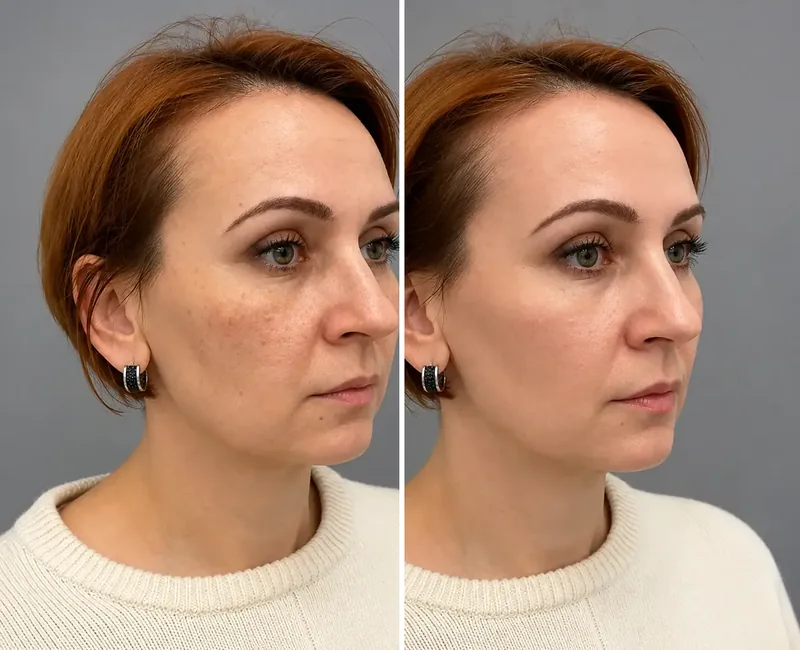
34 years
5 months
SMAS facelift
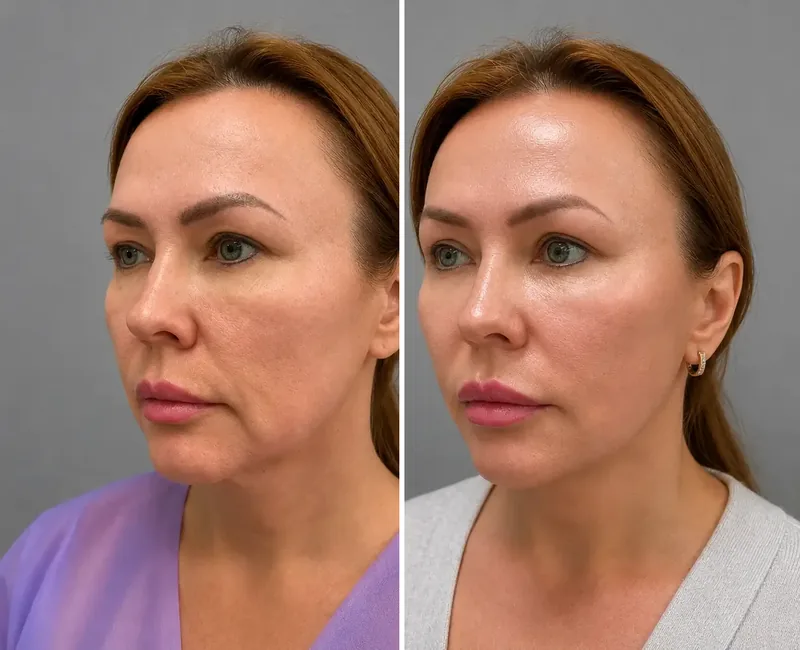
32 years
7 months
SMAS facelift
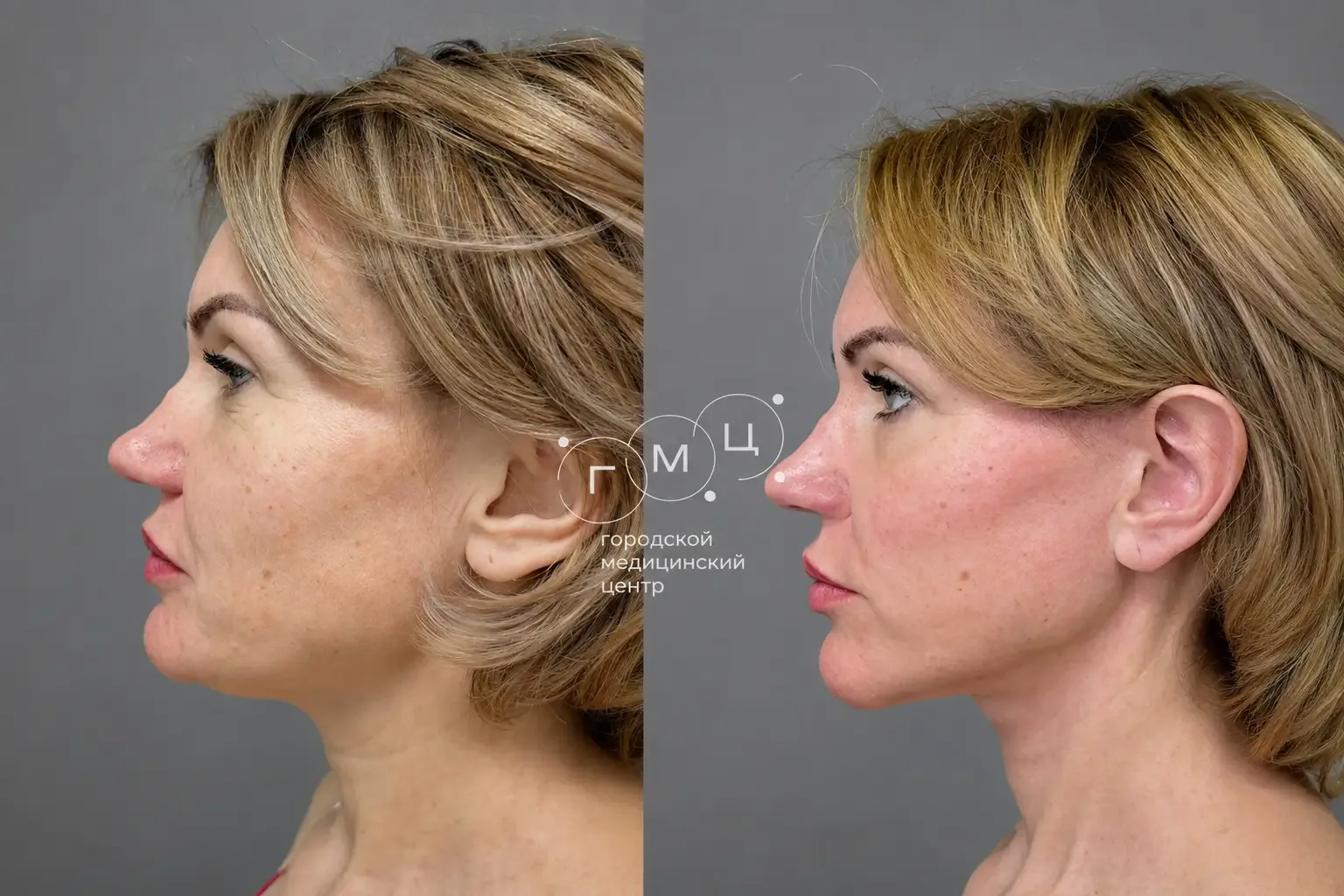
40 years
6 months
SMAS facelift
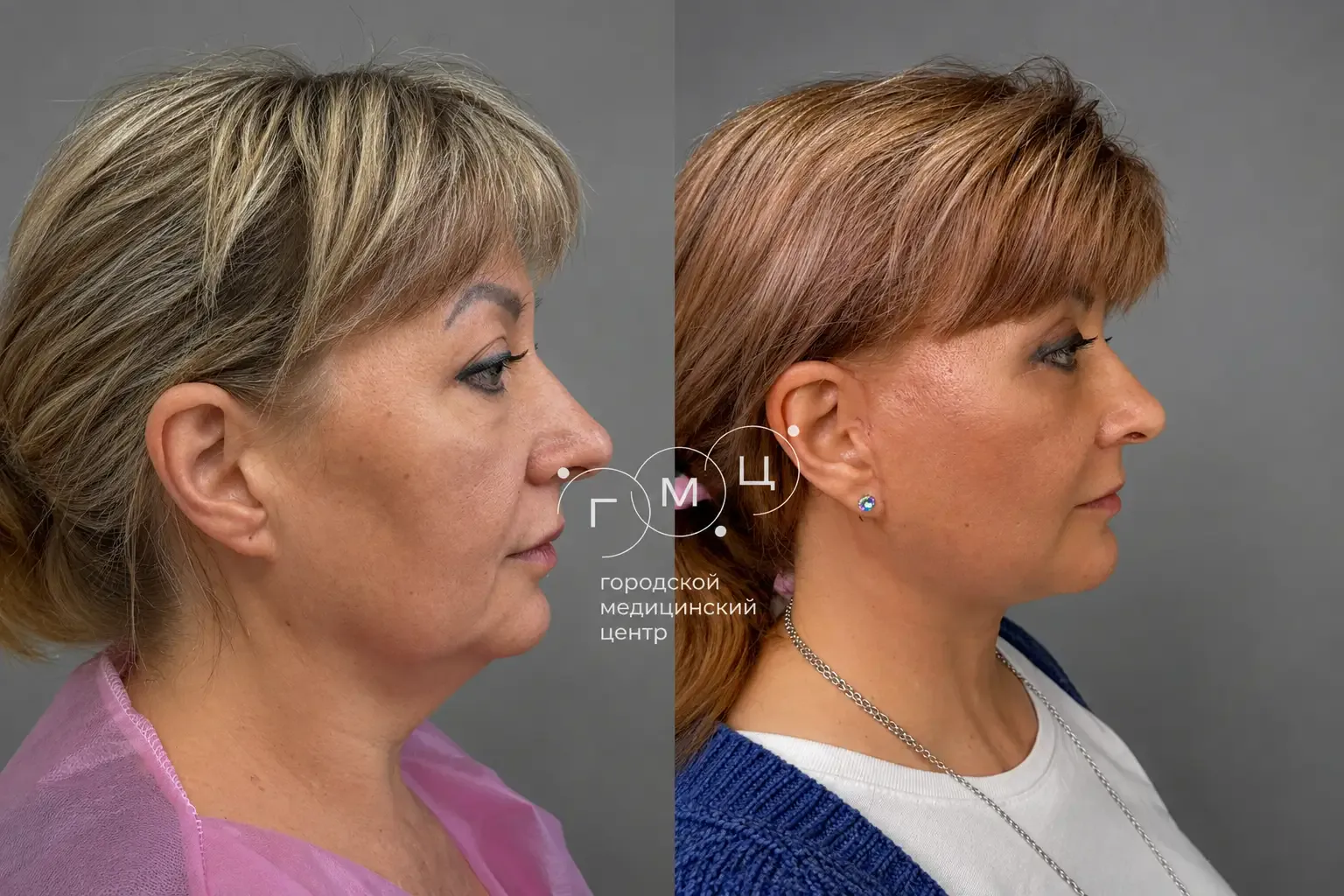
45 years
8 months
SMAS facelift
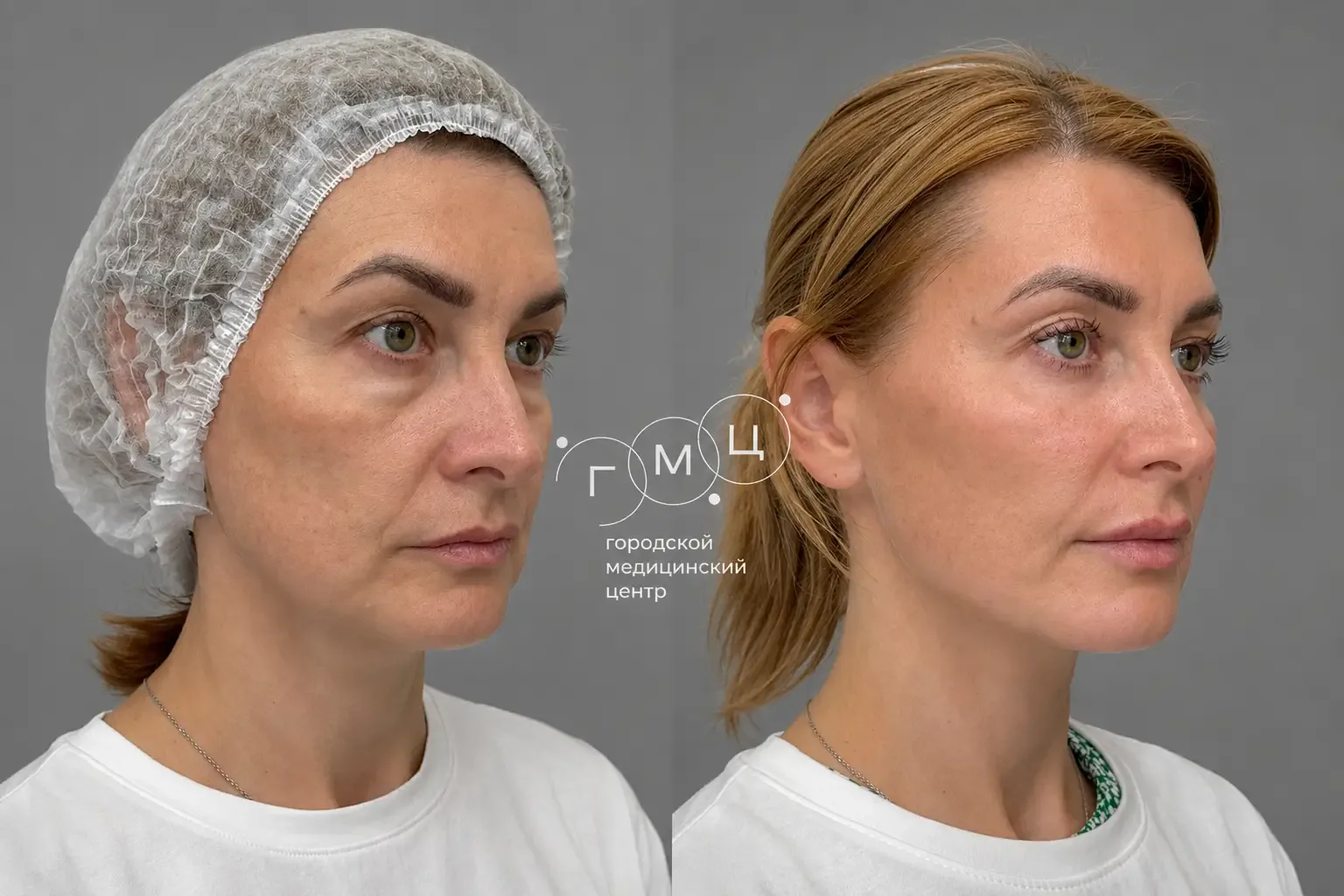
38 years
5 months
SMAS facelift
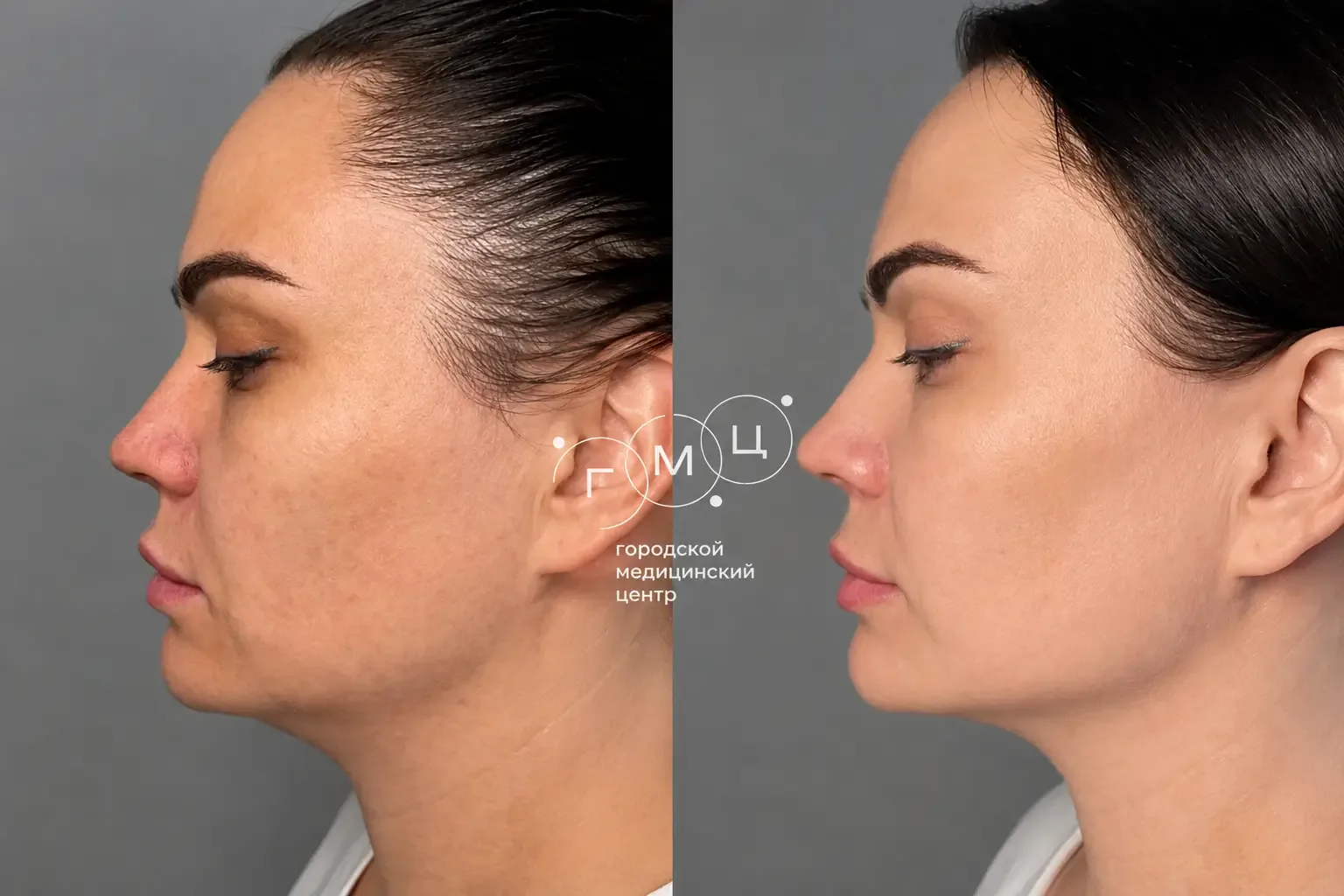
33 years
6 months
SMAS facelift
50 years
9 months
SMAS facelift
58 years
8 months
SMAS facelift
34 years
5 months
SMAS facelift
32 years
7 months
SMAS facelift
40 years
6 months
SMAS facelift
45 years
8 months
SMAS facelift
38 years
5 months
SMAS facelift
33 years
6 months
SMAS facelift
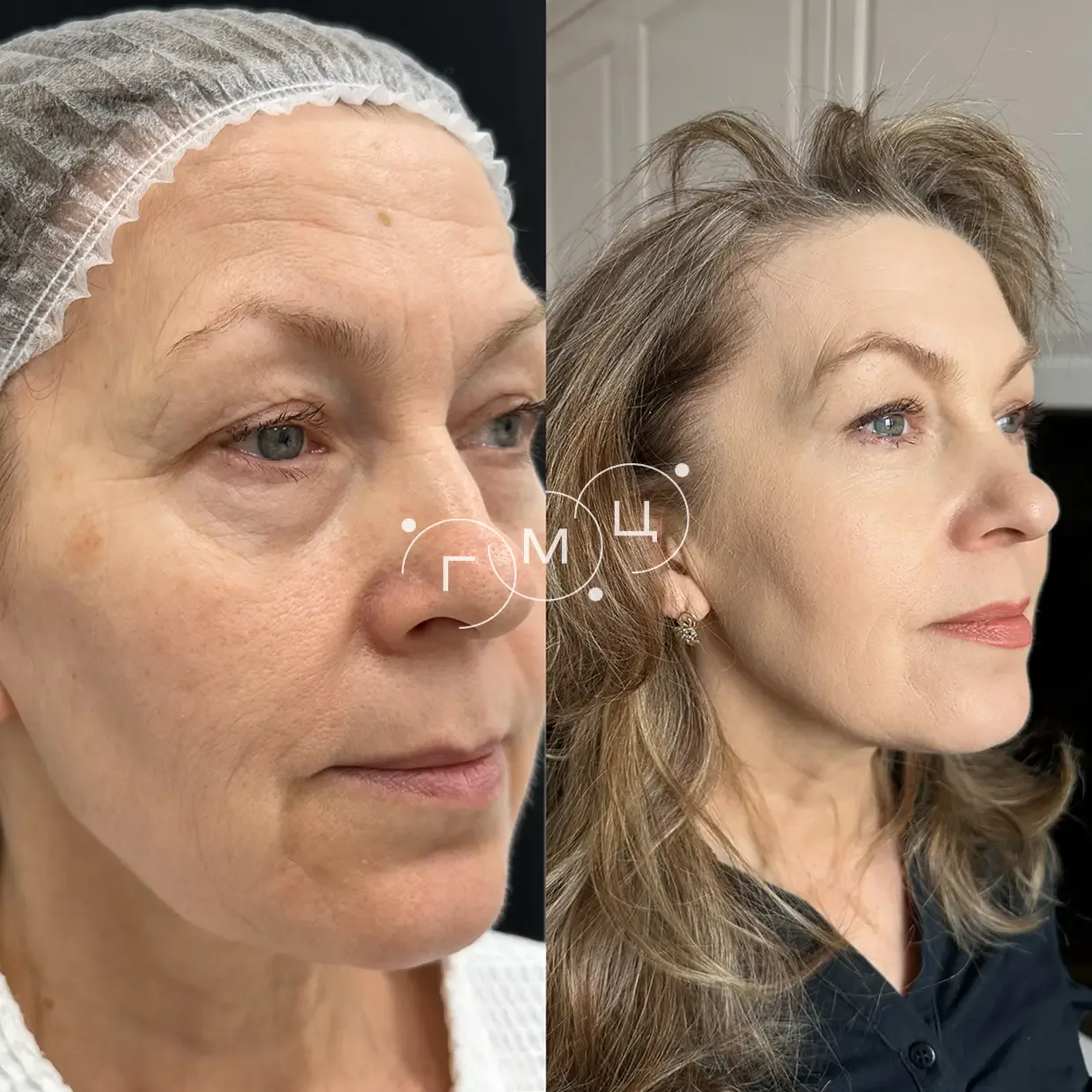

The face and neck show marked sagging
A loss of jawline definition, jowls
Double chin, loose skin on the neck
Deep nasolabial folds and marionette lines
Brows that droop, giving a heavy look
Noticeable loss of skin firmness after 40
Wish for a long-term result (7–10 years)

Under 30 years old
An acute skin inflammation
Being pregnant or breastfeeding
Serious cardiovascular disease
A blood-clotting disorder
Cancer
Decompensated diabetes
How a SMAS facelift works for Las Palmas de Gran Canaria residents
After 40–50 the skin gradually loses firmness: tissues sag, jowls form, the jawline blurs and the cheeks droop. A surgical SMAS facelift works deeper than cosmetology, repositioning the muscle and fascia layer so it treats the cause of sagging rather than its effects. For patients from Las Palmas de Gran Canaria, this gives a lasting result even when changes are significant, with the effect holding for 7–10 years.
Timing is easier to plan when you know the milestones: a week to ten days of rest, two to four weeks until swelling and bruising fade, about two months to full recovery and three to six months for the final look. The clinic offers flexible booking and a personal approach, so Las Palmas de Gran Canaria patients can fit the consultation, surgery and check-ups around a busy schedule.
What do you pay for? From $2,400 (≈ €2,150) covers the operation and everything around it: a one-to-one consultation, the medical team, anaesthesia, inpatient care with meals, 24/7 monitoring and twelve months of surgeon follow-up. The first consultation is free and comes with no pressure to decide. Anyone in Las Palmas de Gran Canaria can apply via the form or any messenger to arrange a convenient time.
Stories of well-known people
Well-known people who spoke openly about this operation, in their own words.
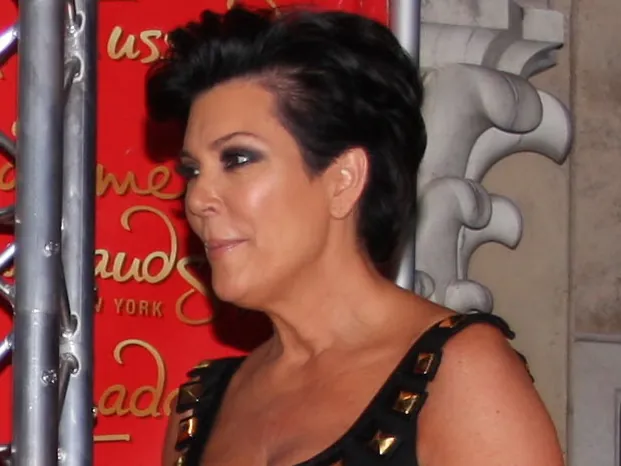 Kris Jenner’s facelift: “I love my facelift”Kris Jenner said she had a facelift about 15 years ago and a refresh before turning 70 — and that she loves it. How a SMAS facelift and recovery work.
 Did Vicki Gunvalson have a facelift? Yes, and she showed the result herselfVicki Gunvalson had a facelift in May 2018 after deciding fillers no longer looked like her. Her own words, how a facelift works and recovery.
 Keltie Knight’s facelift: why she decided to “just own it”Keltie Knight had a facelift in 2023 at 41 and chose to talk about it openly. What she said, how a SMAS facelift works and what recovery looks like.
 Did Linda de Mol have a neck lift? Yes, and she wrote about it herselfLinda de Mol wrote in LINDA. in 2025 that she had a neck lift. What she said, why she chose to be open, and how a face and neck lift works today.
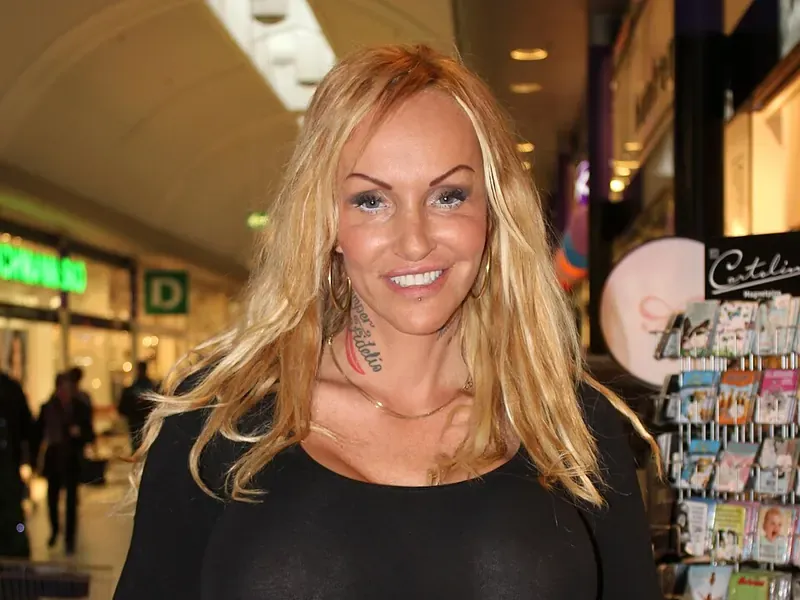 Linse Kessler and her facelifts: what she said herselfDanish reality star Linse Kessler has said openly that she has had several facelifts. Her words, how a modern facelift works and what recovery involves.
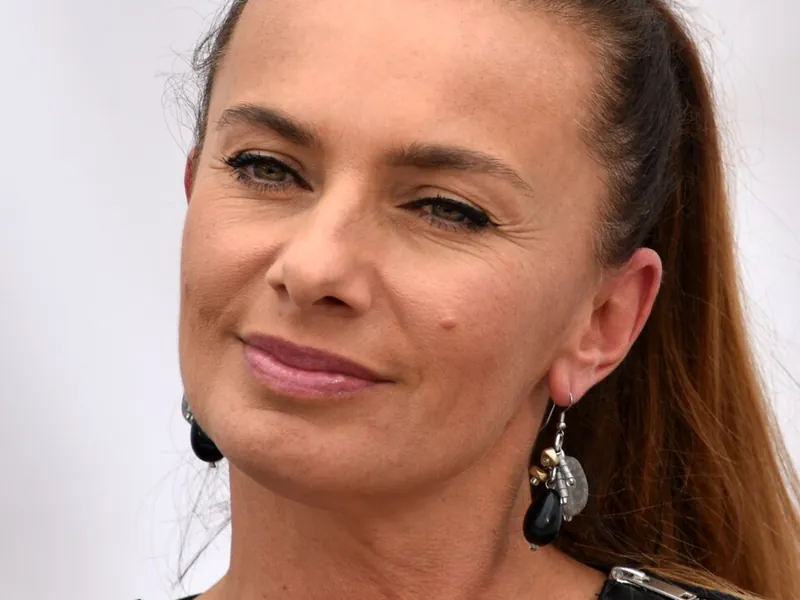 Did Alice Bendová have a facelift? Yes, and she explained why herselfAlice Bendová confirmed a deep plane facelift in September 2026. Her words, how a facelift works, who it suits and what recovery looks like.
Facelift in Las Palmas de Gran Canaria: price and what is included
Prices are in US dollars; the amount in brackets is an approximate conversion to EUR at the rate of 02.10.2026. The final price is fixed in your contract.
- Faceliftfrom $2,400 (≈ €2,150)
What is a SMAS facelift?
It is a face lift that tightens the deep SMAS layer under the skin, not only the skin itself, so the lower face, jawline and neck stay firmer for longer. The result lasts about 7–10 years.
How much does a facelift in Las Palmas de Gran Canaria cost?
Prices start from $2,400 (≈ €2,150). The surgeon sets the final price at the free consultation, and it is fixed in the contract, with no hidden extras.
What is included in the price?
A one-to-one consultation, the medical team, anaesthesia, inpatient care with meals, 24/7 monitoring and twelve months of follow-up by the surgeon.
How do I get my exact price?
Message us on WhatsApp or Telegram using the buttons below. A coordinator will answer your questions and book a free consultation where the doctor names the exact price.
By messaging us, you agree to our Privacy Policy
Skin, sunshine and humid Atlantic air
Las Palmas de Gran Canaria sits on the north-east coast of Gran Canaria, in the Atlantic Ocean, at roughly 150 km from the African coast. For skin, the key numbers are the sunshine totals. Climate normals show about 2,821 hours of sun a year, ranging from 308 hours in July to 179 hours in December. Average relative humidity is around 66 %. A facelift patient here is therefore planning around a place where bright light is the norm for most of the year, not just in summer.
This matters for a SMAS facelift because the operation lifts and redrapes the skin flap, redistributes fat in the cheeks and lower face, and repositions the muscle and fascia layer. The skin heals along the incisions, which are placed around the ears and in the frontal edge of the hair, depending on the type of lift chosen. Early on, the doctor will want that skin protected from strong light, and in a city with this much sun, planning for it is part of the preparation. The coordinator will ask when you are thinking of having the operation, so the first weeks of healing can be matched to the months with the fewest sunny hours. December is the dimmest month in the normals, and July the brightest.
Humidity works in your favour in one respect. Moist coastal air is gentler on the face than dry heating air, and the trade winds bring cool, humid air to the city. Even so, none of this replaces what the doctor prescribes after the operation. During the free online consultation you can send photos by WhatsApp or Telegram, and the doctor will look at your skin type, the degree of sagging and the areas to correct. Mention how much time you spend outdoors. If you walk, cycle or work in the open air, say so, because it affects how the first weeks are planned.
Temperature is mild enough that clothing is rarely a problem. The 1981–2010 normals give an annual average of 24.2 °C for the daily maximum and 18.0 °C for the minimum. August is the warmest month (27.5 °C maximum, 21.6 °C minimum) and January the coolest (20.8 °C maximum, 15.0 °C minimum). A recovering face does not need to cope with frost or a sharp winter chill, which is one practical advantage of the climate. What it does need is sensible shade, a loose collar that does not rub the neck, and patience while the swelling goes down.
Trade winds, rain and the first ten days
The first 7–10 days after a SMAS facelift are a quiet period: rest, a compression bandage and reduced physical activity. In Las Palmas the weather affects how comfortable that period feels. The trade winds are the defining feature of the local climate, bringing cool, humid air. On a breezy day, a seafront walk can feel fresh, but a face under a compression bandage is better kept out of strong wind, so the first days are best spent indoors or in a sheltered spot.
Rain is rare. Annual precipitation is about 151 mm spread over roughly 22 days. December is the wettest month, with 31 mm over about 4.5 days. From June to August there is practically no rain, with 0 mm in July. For someone planning a quiet recovery at home, that means you are unlikely to be kept in or forced out by bad weather. Short, gentle walks are more realistic here than in a city where weather often decides the day. Still, the doctor sets the limits on activity, and "reduced physical activity" means exactly that during the first 7–10 days.
A practical plan looks like this. Before the operation, the coordinator helps you put together a list of questions and photos for the doctor. After the operation, you stay under observation in the inpatient room, where medical staff monitor you round the clock. The service includes meals during your stay and dedicated support before and after the operation. After discharge, you rest at home. You keep in touch through WhatsApp or Telegram, where coordinators answer 24/7, and you can send photos of the healing area if something worries you.
In the first days, discomfort and a feeling of tightness are normal and are relieved with medication prescribed by the doctor. Swelling and bruising are expected and fade over 2–4 weeks. Do not judge the result on day three. The first clear changes appear after about 3–4 weeks, when the swelling goes down, and the final look of the face settles within 3–6 months.
If you live on a higher street of the city, remember that altitude within the municipality ranges from 8 m to 300 m above sea level. That has no medical significance for the operation, but it can affect how you plan your first outings, since a gentle flat route is easier in the early days than a steep one. Choose a calm route and keep it short.
Working backwards from Carnival and San Juan
Las Palmas has a busy social calendar, and a facelift is easier to plan when you work backwards from the dates you care about. The biggest event is Carnival, held every February. The main parade draws about 200,000 people along a 6 km route, and the Drag Queen Gala has been held since 1998. If you want to be at an event like this feeling comfortable in front of cameras, there is one question to settle first: how many weeks do you need before you feel presentable?
Take a concrete example. Suppose the operation took place in late November 2026. The first 7–10 days would be spent resting, so you would be back to ordinary calm routines by early December. Swelling and bruising typically fade in 2–4 weeks, which would bring you to somewhere between mid-December and the Christmas period. By the end of January 2027, about 2 months after the operation, the doctor would regard recovery as essentially complete. That makes a February Carnival realistic for a late-November start, though the face would still be settling toward its final look, which arrives 3–6 months after the operation. Individual healing varies, and the doctor confirms the timetable after examining you.
The same arithmetic works for another date. The Fiestas de San Juan are held in June and mark the anniversary of the founding of the city. If you want to feel fully at ease by then, you would plan the operation well before, leaving the full 3–6 months for the final result to emerge. An operation in the first weeks of December 2026 would put the 3–6 month mark between March and June 2027.
Everyone has their own sense of "presentable". Some people are comfortable at a family dinner once the bruising is gone; others want the face completely settled before a wedding or a work event. Tell the coordinator which date matters and why. The doctor can then say honestly whether the timeline is realistic, and if it is not, the dates can be moved before anything is booked. That is the point of the process: you send photos, receive a free assessment, and confirm the plan and dates before any booking is made.
The university is another feature of the city's rhythm. The University of Las Palmas de Gran Canaria was founded in 1989 and had about 20,000 students in the 2019/2020 academic year. If you work in teaching or administration there, or have a family connected to the academic calendar, the term dates may shape your leave. Choosing a quieter period in the working year can mean fewer days to explain.
The sea, the beach and when to be fully active again
Las Palmas is a beach city. Las Canteras, at 3,100 m, is the longest beach in the city; Las Alcaravaneras is a little over 800 m and La Laja about 1,200 m. For many residents the sea is part of normal life, so one natural question after a facelift is when you can return to it.
The honest answer is that the doctor decides, after seeing how you are healing. The service text gives the frame: 7–10 days of rest and reduced physical activity at the start, swelling and bruising fading over 2–4 weeks, and full recovery in about 2 months. Strenuous exercise, bright exposure and anything that raises pressure in the face belong at the later end of that timeline, and the doctor will say when each is appropriate. Do not decide on your own because the water looks inviting. Ask during the follow-up, which continues for the whole first year with your operating doctor.
Sea temperature gives a seasonal reference. The annual average is 21 °C, with a minimum of 19.1 °C in February and March and a maximum of 23.4 °C in September and October. The sea is therefore never very cold, but the seasonal swings are small, so water temperature should not drive your timing. Sun exposure and activity level matter much more than the water itself, and those are exactly the points to discuss in your consultation.
The plan is simple. In the first weeks, short quiet walks, shade and rest. After the first month, as the swelling subsides and the doctor agrees, you can gradually bring back your usual routine. By the time two months have passed, most patients are at the stage the doctor calls full recovery. After that, the face continues to refine over the next several months until the final result appears at 3–6 months.
The point of talking about the beach is realism. A city with so much outdoor life puts constant light and movement in front of the face. A SMAS facelift addresses the cause of sagging by working on the muscle and fascia layer, and the effect is designed to last 7–10 years. That is why the early weeks deserve patience: you are investing in a result measured in years, not in a few days of shortcuts.
Because the operation is carried out under general (inhalation) anaesthesia, you will not feel the operation itself. The days after are what you prepare for: a compression bandage, rest, and the medication the doctor prescribes.
Coverage, waiting lists and how the online route works
Many residents ask whether public healthcare covers a facelift. The national common services portfolio (Royal Decree 1030/2006) excludes techniques whose purpose is "mere aesthetic or cosmetic improvement". Procedures with an aesthetic purpose that are unrelated to an accident, illness or congenital malformation are excluded from specialised care. In plain terms, a facelift for rejuvenation is outside the public system, so planning it means choosing a private route from the start.
There is another reason to plan ahead. In the public system, plastic surgery is the specialty with the longest average wait: 269 days at 31 December 2025. In the Canary Islands, the average wait for structural surgical waiting-list patients was 106 days at the same date. Those figures concern reconstructive and medically indicated procedures, not facelifts, but they show why people who decide on a cosmetic operation look for a route where timing is agreed in advance.
City Medical Centre works online first. You write to a coordinator on WhatsApp or Telegram, who answer round the clock, and send photos. The doctor assesses the type and degree of ageing, explains what is realistic, and names the final price, which is then fixed in the contract. There is no obligation, and nothing is booked until you confirm the plan and dates. The first consultation is free.
Preparation is something you can start immediately. Collect clear photos of the face from the front and sides in natural light, and write down any chronic conditions, medication and allergies. This matters, because the contraindications include acute skin inflammation, pregnancy and breastfeeding, a severe cardiovascular condition, problems with blood clotting, cancer and decompensated diabetes. Age matters as well: surgery is generally recommended from 40 with marked sagging, in some cases from 35, and under 30 it is a contraindication. The recommendation is individual.
Health context in the islands is worth noting honestly. According to the national health survey for 2020, 64.6 % of people aged 15 and over in the Canary Islands rated their health positively, the lowest share among the autonomous communities. That does not predict anything about any individual patient, but it is a reason to be thorough and open about your medical history. If you have a chronic illness, say so at the first message, so the doctor can take it into account before any plan is made.
Finally, a facelift can be combined with other procedures such as eyelid surgery, rhinoplasty or double-chin liposuction. The scope is decided by the doctor at the consultation, and a combined plan changes the recovery plan, so raise the idea early.
Is the strong sun in Las Palmas a problem after a facelift?
The city has about 2,821 hours of sun a year, with July the brightest month at 308 hours. That does not rule out an operation, but it means shade and sun protection should be part of the plan for the first weeks while the skin heals. The doctor gives specific instructions after examining you. If the timing is flexible, you can schedule the healing period for a month with fewer sunny hours, such as December, which has about 179 hours.
Could I be ready for Carnival in February if I plan a facelift for late November 2026?
In principle it is realistic, but the doctor confirms it after the consultation. The first 7–10 days are for rest, swelling and bruising fade over 2–4 weeks, and recovery is complete in about 2 months, which would be around late January 2027. The final look of the face continues to settle for 3–6 months. If you want to be photographed at close range during Carnival, tell the coordinator and the dates can be adjusted before anything is booked.
Do the trade winds and the sea air affect healing?
The trade winds bring cool, humid air, and humidity averages around 66 %. This is not a barrier to recovery, but during the first days under a compression bandage it is better to stay out of strong wind and keep outings short and sheltered. The doctor sets the limits on activity. Sun, wind and sea exposure are best discussed at the consultation and again at the follow-up.
Is a facelift covered by public healthcare in Spain?
Generally not. The common services portfolio excludes techniques performed for mere aesthetic or cosmetic improvement, and aesthetic procedures unrelated to an accident, illness or congenital malformation are outside specialised public care. Whether a private insurance policy covers anything depends entirely on its terms, so ask your insurer directly before relying on it.
How long would I wait for a facelift compared with the public system?
Public waiting figures concern medically indicated procedures, not rejuvenation. For reference, plastic surgery had the longest average wait in the public system, 269 days at 31 December 2025. With City Medical Centre, the process is different: you send photos, receive a free assessment, and the doctor and the coordinator agree on dates with you before anything is booked.
When can I return to the beach and normal exercise?
The service timeline is 7–10 days of rest and reduced activity, swelling and bruising fading in 2–4 weeks, and full recovery in about 2 months. Swimming and strenuous exercise belong to the later part of that period, and the doctor decides when, based on how your healing looks. Ask at the follow-up rather than guessing.
What should I prepare before the first online consultation?
Take clear photos of the face from the front and sides in natural daylight, and write down your chronic conditions, medication and allergies. Also note the date of any event you want to be ready for. Contraindications include acute skin inflammation, pregnancy and breastfeeding, a severe cardiovascular condition, clotting problems, cancer and decompensated diabetes, so complete honesty helps the doctor give a safe recommendation.
I am under 40. Can I still ask about a facelift?
Yes, you can send photos and ask. The general recommendation is for patients aged 40 and over with marked sagging, and in some cases from 35. Under 30 is a contraindication. The doctor gives an individual recommendation after the examination, and may suggest that surgery is not yet needed.