


























 1
Consultation and scan review
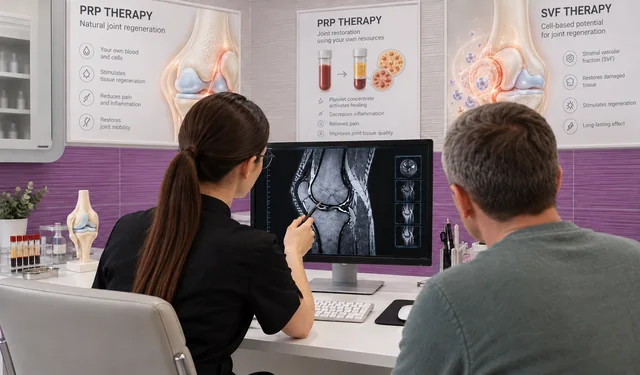
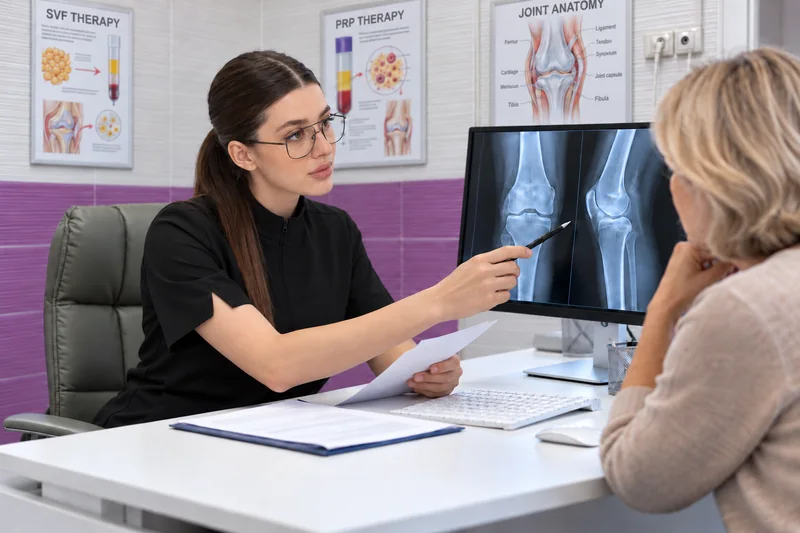
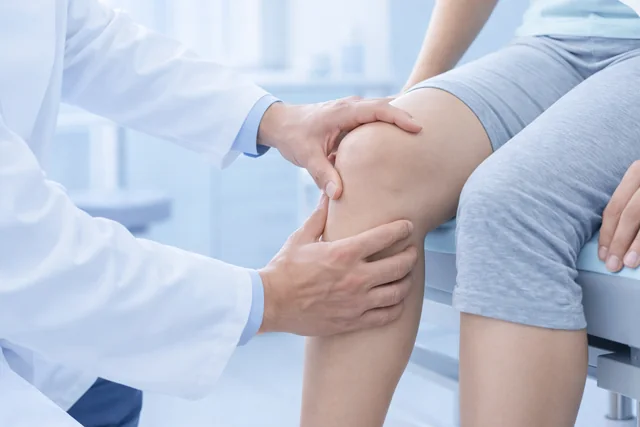
Examination of the joint plus a review of your X-rays, MRI or ultrasound tells the doctor whether the procedure is suitable. If you have scans already, you can send them before the appointment.
Knee, hip or another joint affected by arthrosis? SVF cell therapy and PRP, with a no-cost look at your X-rays or MRI to define the stage
Consultation and review of your scansFree
Message us on WhatsAppFree online consultation · Reply within 15 minutes
Message our coordinator
Free online consultation · Reply within 15 minutes
Message us on TelegramMessage us on WhatsAppBy messaging us, you agree to our Privacy Policy
What it is
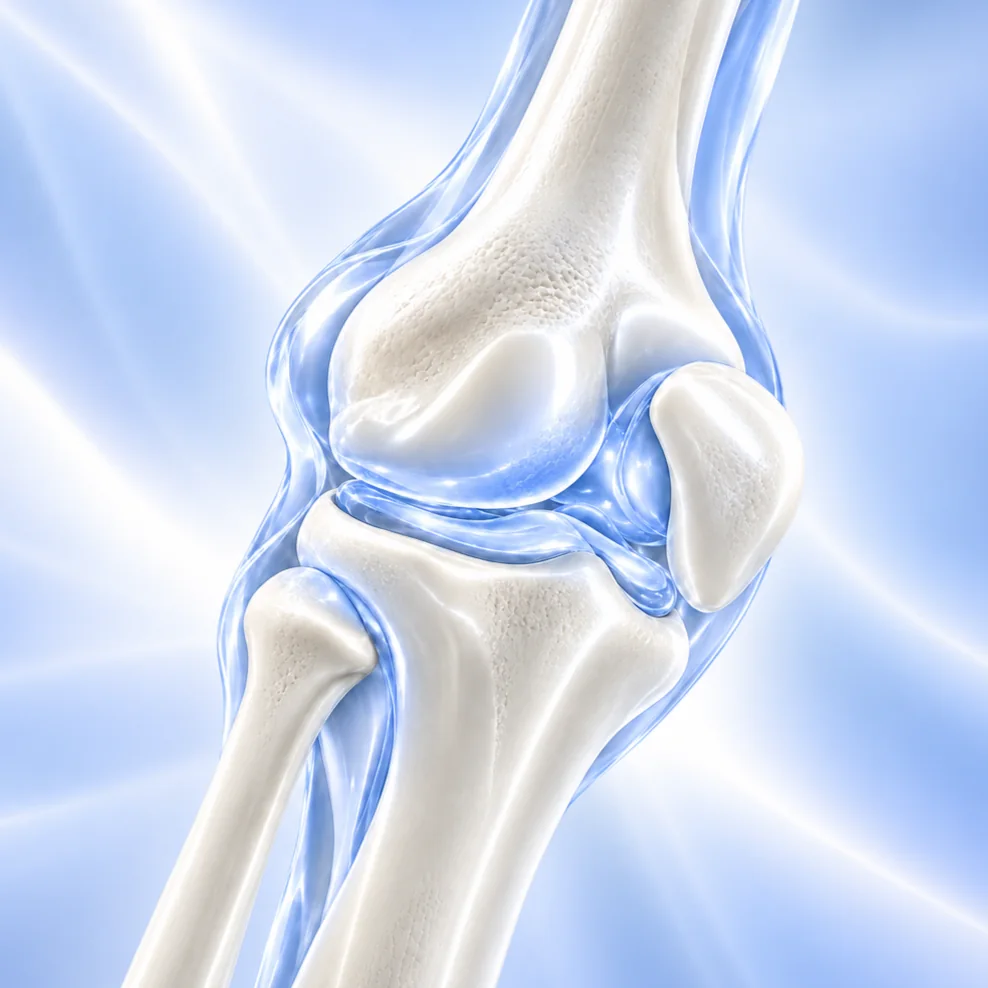
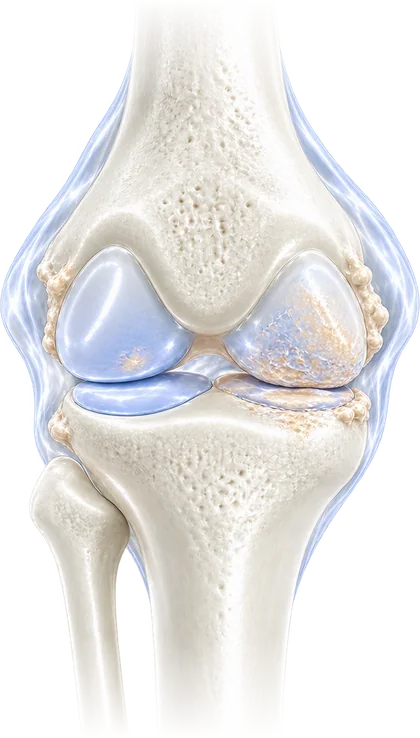
Arthrosis (osteoarthritis) means slow, chronic wear of the cartilage lining the joint. Healthy cartilage softens impact; when it thins, the bones rub on each other and the joint hurts, stiffens and moves less. Although flare-ups with swelling happen, this is a degenerative disease rather than an inflammatory one.
Typically the condition affects the joints that take the most strain — the knee (gonarthrosis) and hip (coxarthrosis), plus the ankle and small joints of the hand. It is most effective to treat at early and moderate stages, while the joint surfaces are not yet badly damaged; at a late stage the doctor will tell you openly whether joint replacement makes more sense.
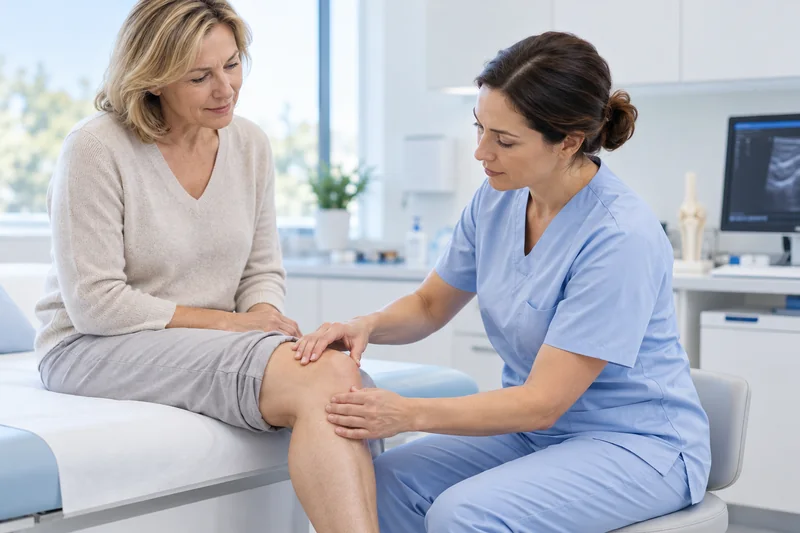
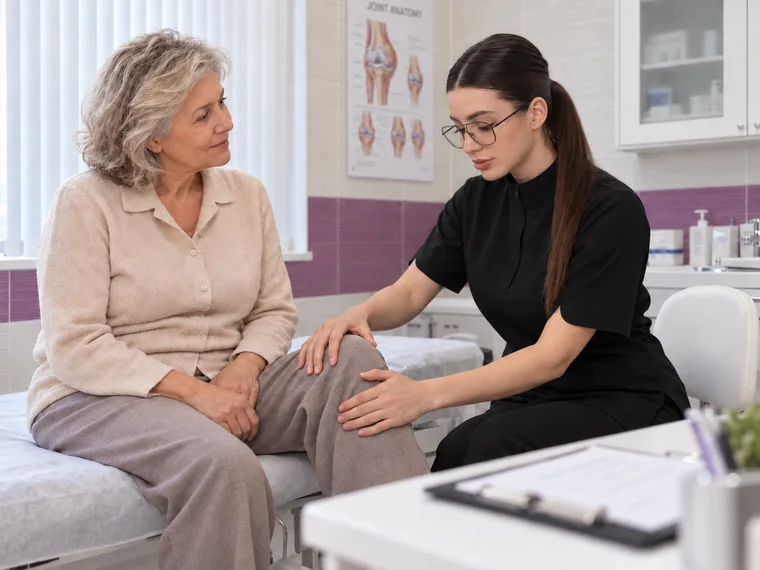
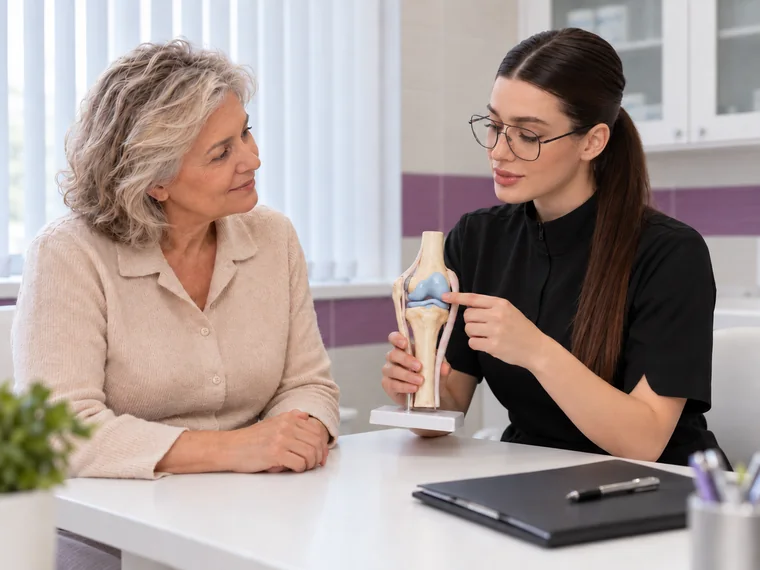
A doctor examines you, reviews your scans and then decides whether the treatment is suitable
Not sure the treatment is right for you?
Leave your number — the coordinator will ask for your scans (X-ray, MRI or ultrasound), and the doctor will tell you whether treatment without surgery suits you.
Find out if it suits meWhat we treat
 Arthritis
 Arthrosis
 Avascular necrosis
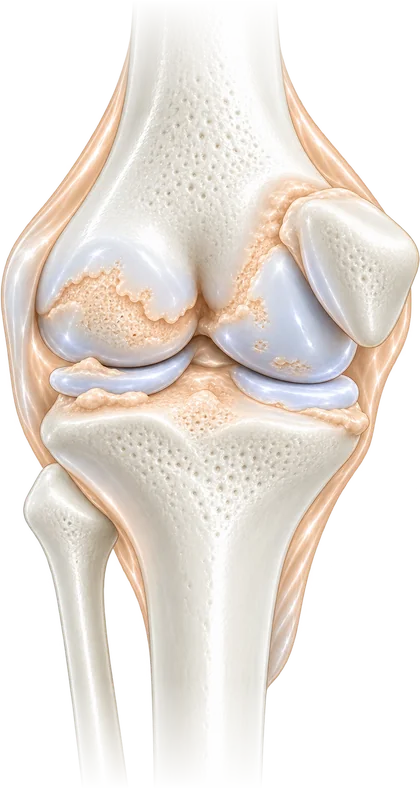 Osteoarthritis
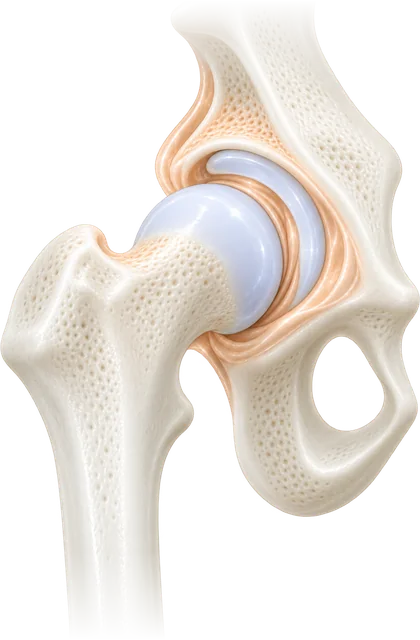 Coxarthrosis (hip osteoarthritis)
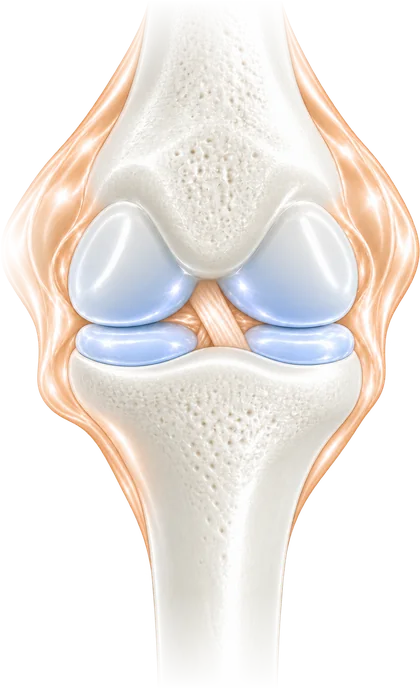
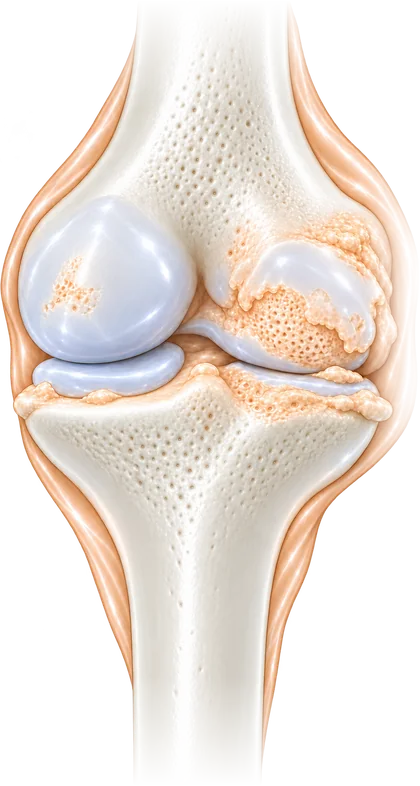 Gonarthrosis (knee osteoarthritis)
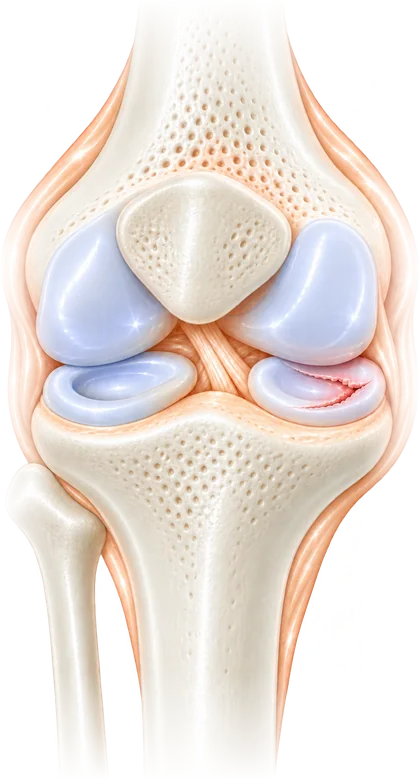 Meniscus pathology and injury
 Rehabilitation after injuries and surgery
 Inflammatory joint conditions
How it works
1Examination of the joint plus a review of your X-rays, MRI or ultrasound tells the doctor whether the procedure is suitable. If you have scans already, you can send them before the appointment.
 2
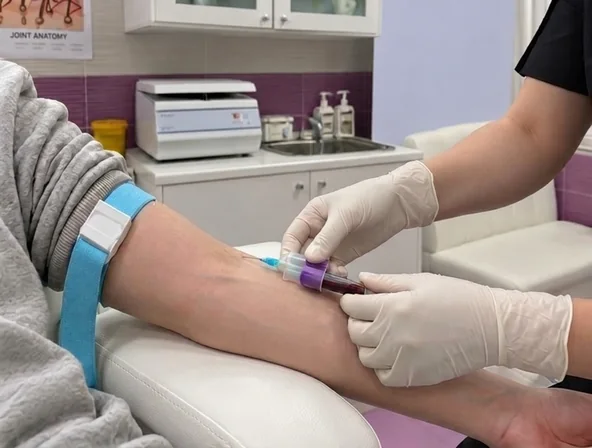
A small amount of venous blood is drawn, to be processed later into platelet-rich plasma with growth factors.
 3
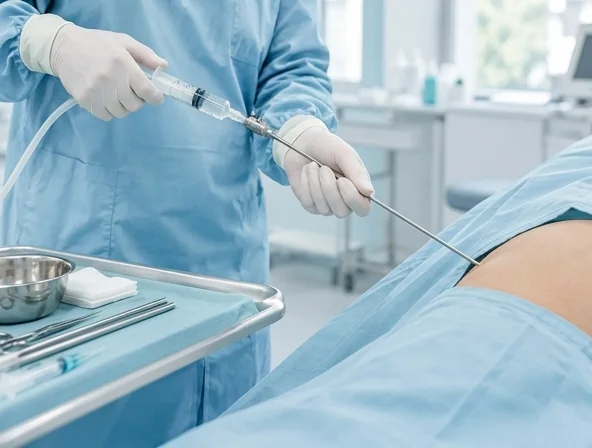
About 30 ml of adipose tissue is taken through a puncture in the abdomen or inner thigh, with local anaesthetic. The puncture needs no stitches.
 4
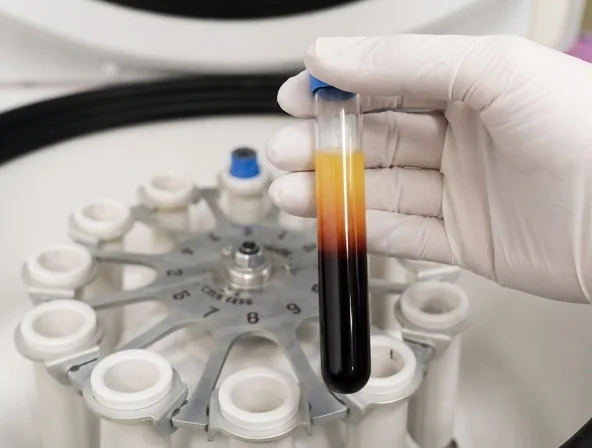
Spinning in a centrifuge splits the sample into layers, after which the stromal vascular fraction is isolated and mixed with the platelet-rich plasma.
 5
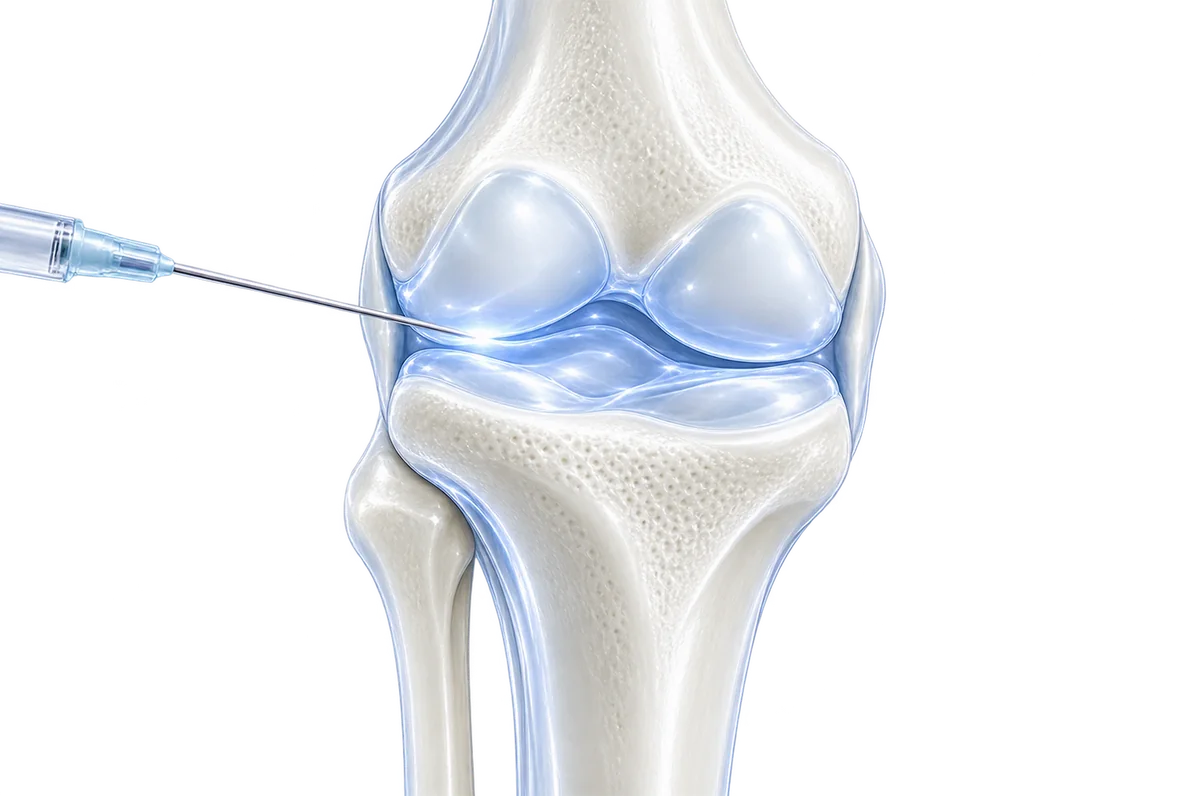
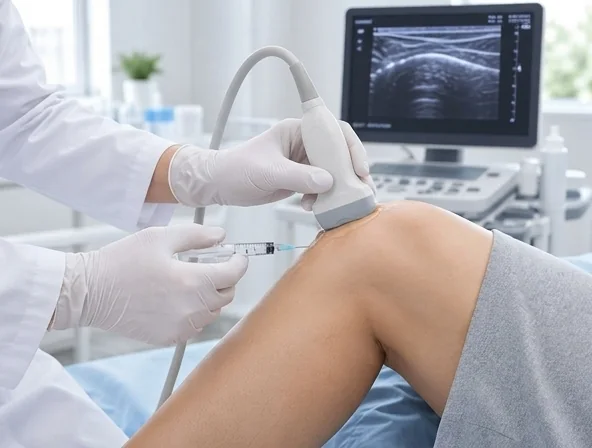
Directly into the affected joint, under ultrasound guidance — this is how the prepared material is injected for precise placement.
 6
Crutches and a hospital stay are not required. The doctor stays in touch after the procedure, following the joint's response.
Call or message us — our coordinator will contact you shortly and book your consultation

Results

The joint may ache a little more — this is an expected reaction.
The pain usually eases.
Mobility and activity improve.

The full effect develops.
How long it lasts differs from person to person and depends on the stage of the condition, body weight, activity and other factors — no one can promise a fixed result.
Comparison
We use your own adipose tissue and blood only, with no donor or synthetic material
We take a small sample of your adipose tissue and process it to isolate the stromal vascular fraction (SVF), a mix of cells that take part in tissue repair. It is combined with your own plasma and injected into the affected joint.
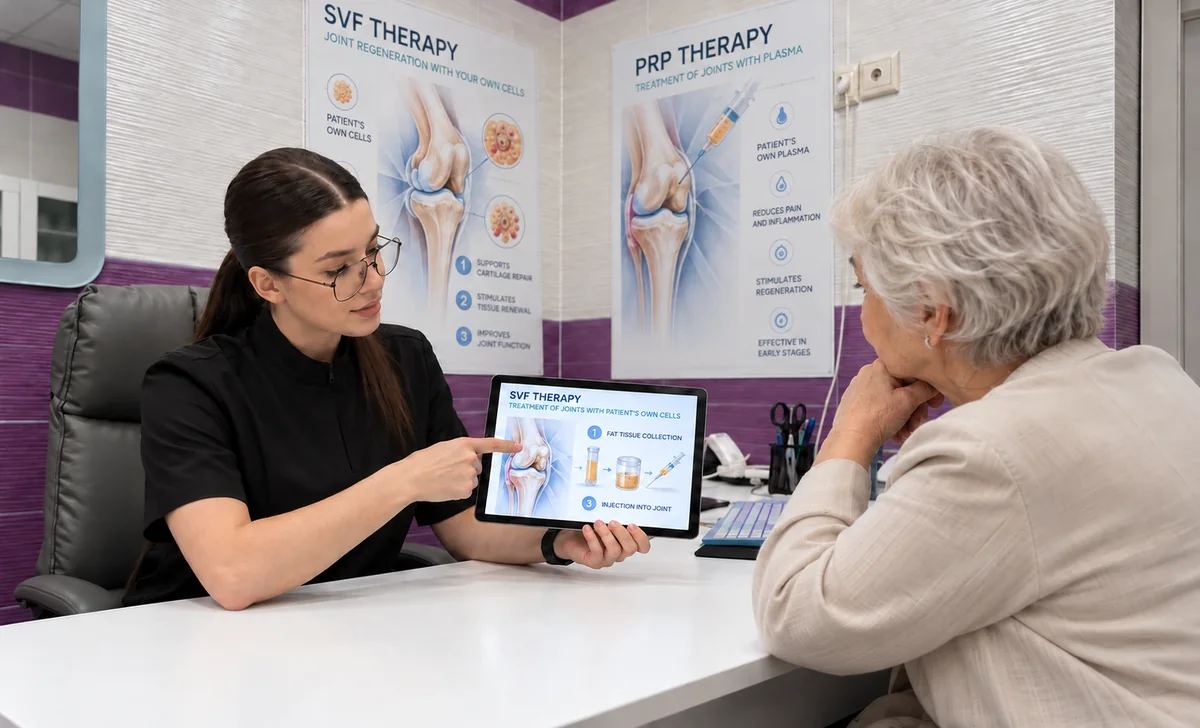
Its main use is at early and moderate stages of osteoarthritis, to slow the wear of cartilage and lessen friction between the joint surfaces.
A small blood sample provides plasma rich in platelets and growth factors; this is injected into the joint to help ease inflammation and create better conditions for the tissue to repair.
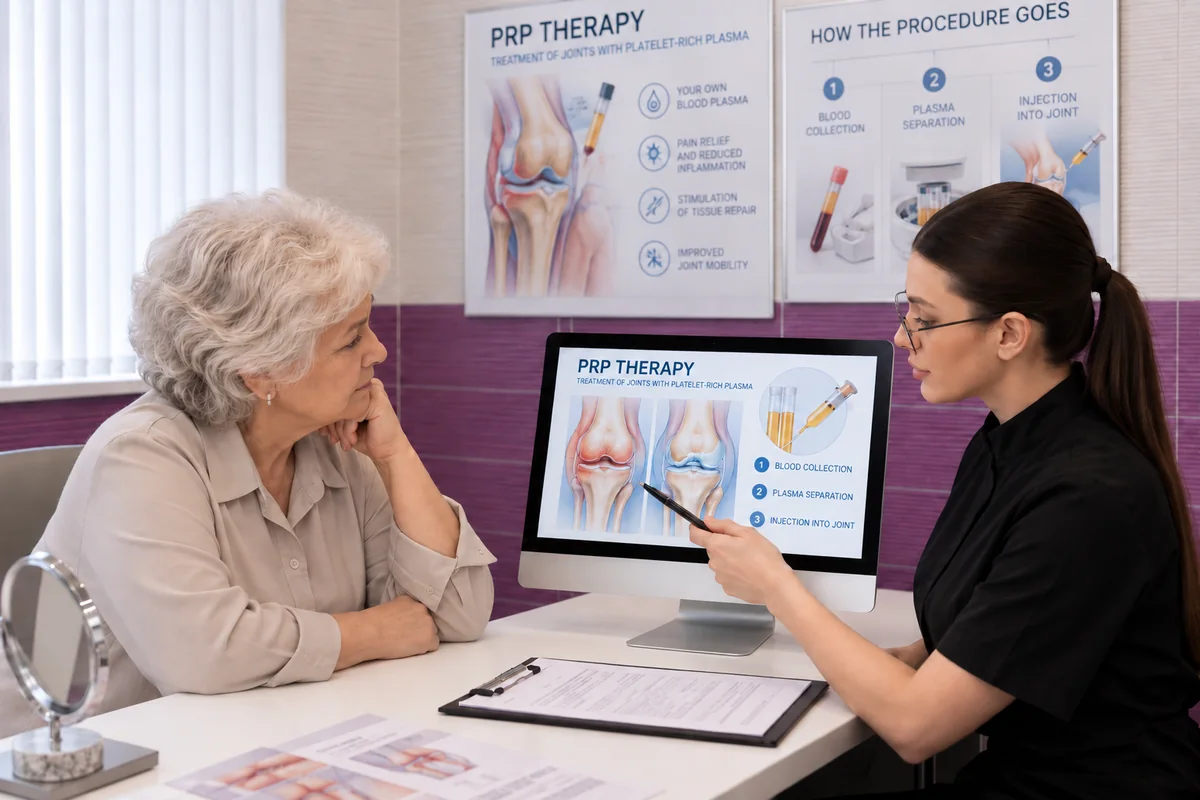
It is frequently used for mild osteoarthritis, and combined with SVF when a stronger effect is required.
The benefits and timings shown are averaged and given for guidance: the plan and recovery depend on your joint and individual features, and the doctor confirms them at the consultation.
At the consultation the doctor will review your scans and suggest a treatment plan
Free consultation
Joints
Large joints and small joints — having reviewed your scans, the doctor chooses which joint, which method and how many injections
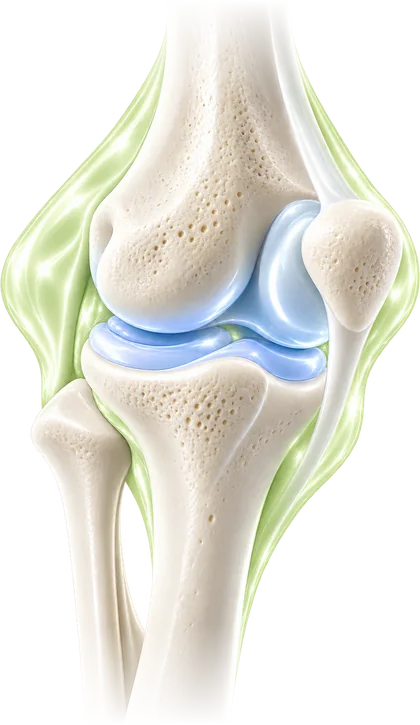 KneeCartilage wearing down, meniscus problems, pain on stairs and after a walk
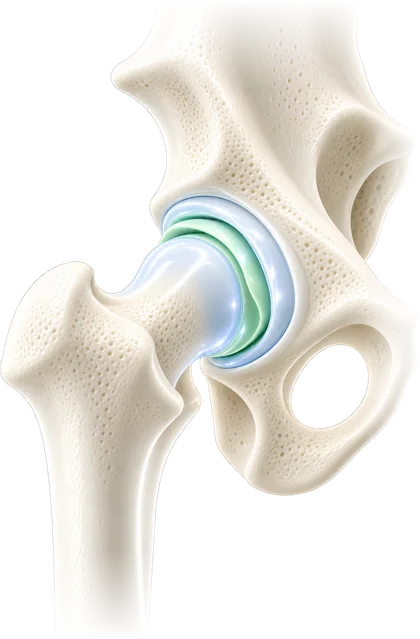 HipEarly hip osteoarthritis, groin pain, limited rotation
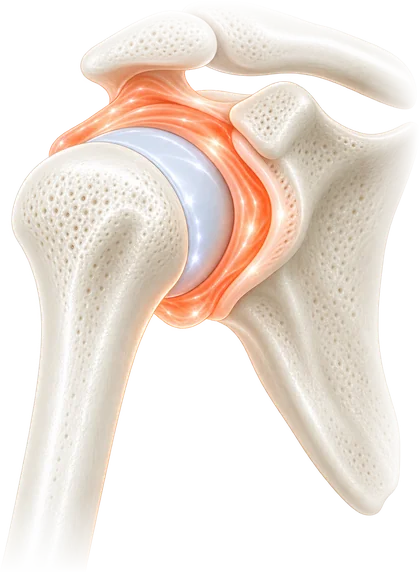
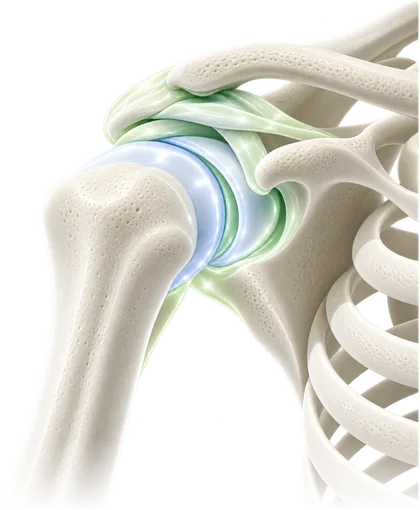 ShoulderPain while raising the arm and wear of the joint and its tendons
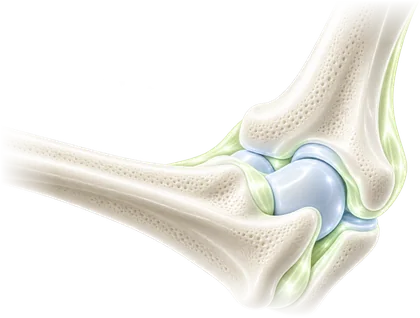 ElbowWear of the joint surfaces and pain after overuse or sports strain
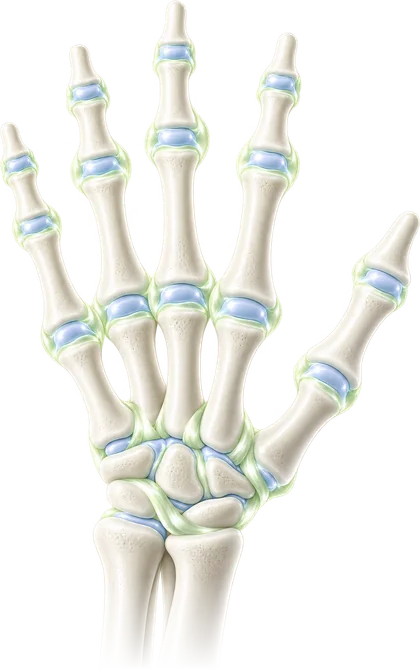 Hand and wrist jointsStiff, painful small joints in the fingers and the wrist
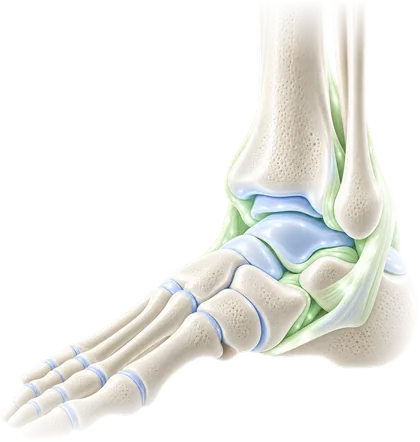 AnklePain and stiffness after sprains and old injuries
Advantages
Keeping your own joint instead of replacing it: that is the goal of treatment without surgery
We use your own adipose tissue and blood only, with no donor or synthetic material
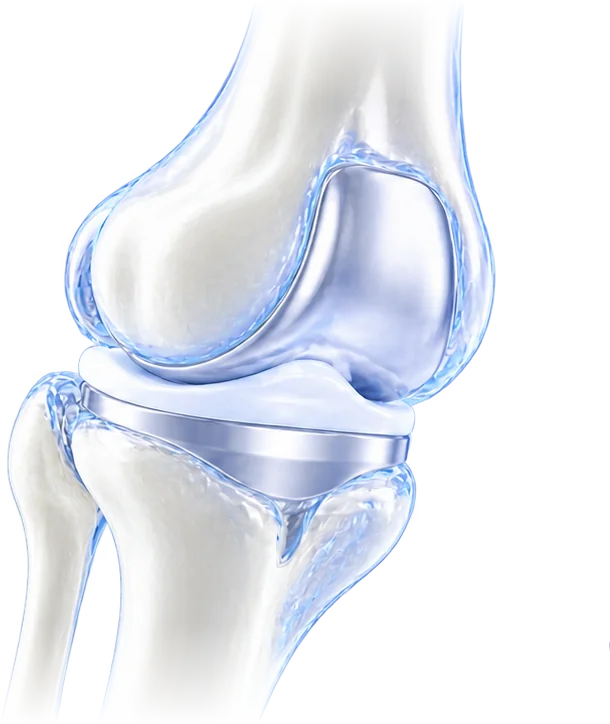
Local anaesthetic and small punctures in place of incisions — no long recovery programme or rehabilitation
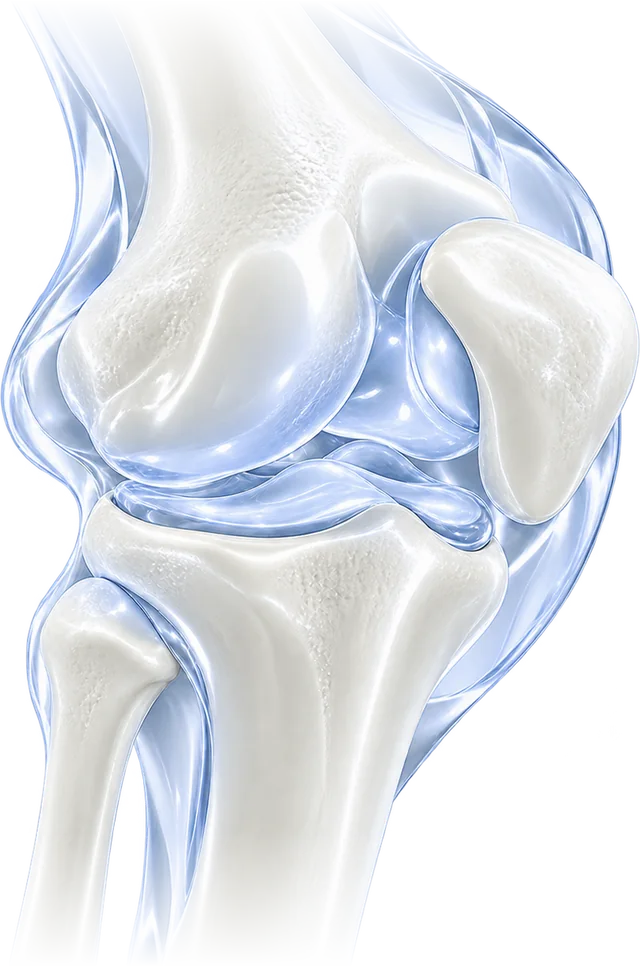
Free of charge, a doctor gives an independent assessment of the X-rays, MRI or reports you send
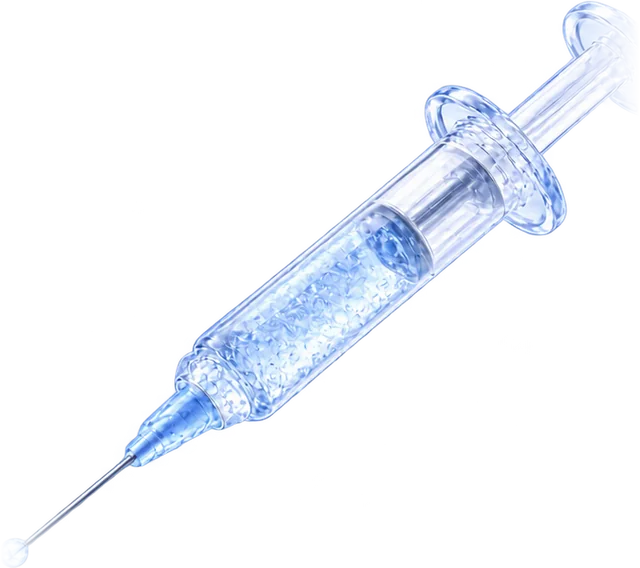
We keep in contact after the procedure and monitor the result, rather than stopping on the day of the injection
About the clinic
Modern equipment, comfortable rooms and care for every patient
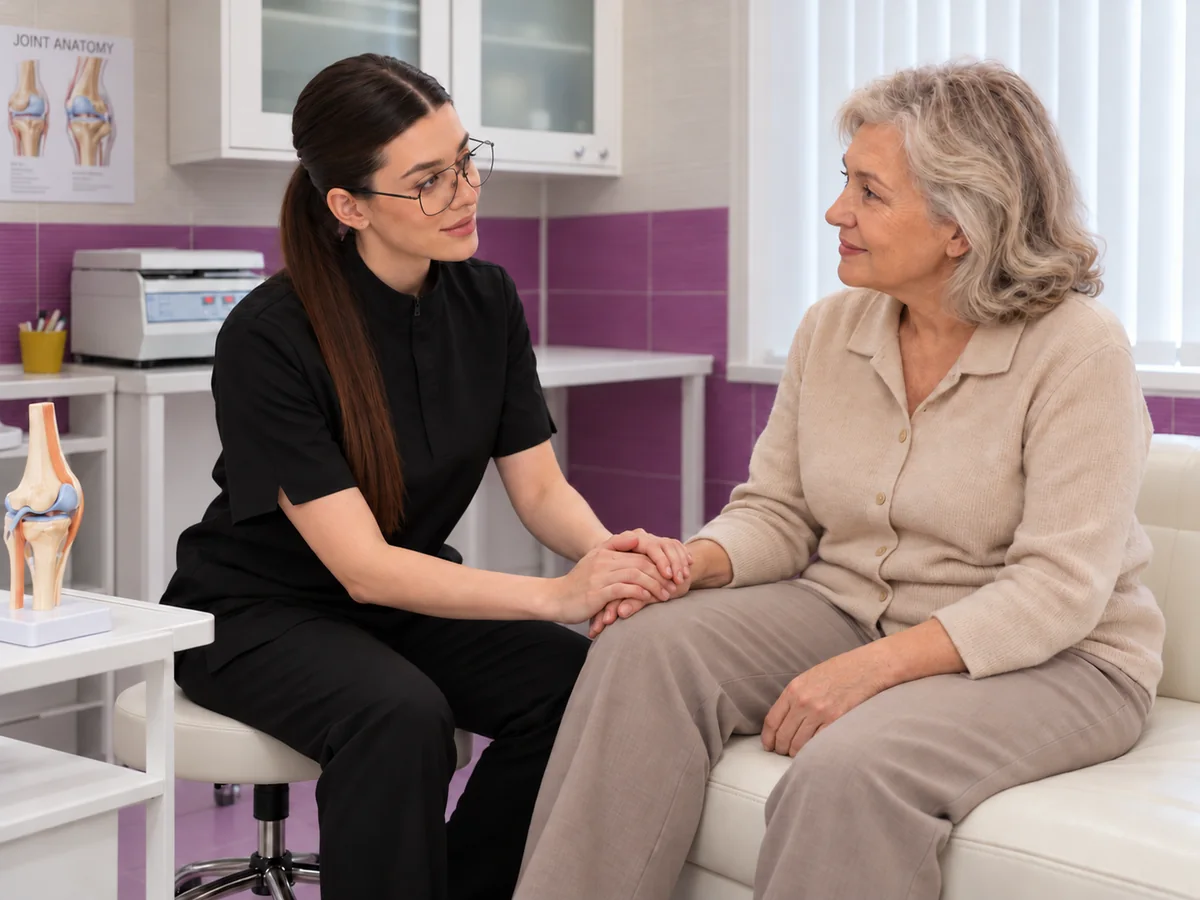
We will answer your questions and find a convenient time for a consultation
By messaging us, you agree to our Privacy Policy
Request a free callPrice
The price depends on the joint, the method and the stage of osteoarthritis, so the doctor gives it after the consultation
Free
Book — Consultation and review of your scansPrice at consultation
Book — PRP therapy (platelet-rich plasma)Price at consultation
Book — Cell therapy (SVF + PRP), one jointFAQ
Doctors usually describe four stages, from early thinning of the cartilage to severe wear. Injection treatment is most often considered in the early and middle stages; the doctor decides after reviewing your X-ray or MRI.
Put simply, the cartilage covering the bone ends in a joint wears down over time. Thin cartilage no longer cushions the joint, so the bones rub, causing pain, stiffness and crunching. It is a degenerative condition rather than an inflammatory one.
In many cases yes, if you start treatment on time. Injections of SVF and PRP are aimed at easing pain and supporting cartilage without an operation. The last option, joint replacement, is for joints already destroyed.
Many people notice early changes 2–3 weeks after the procedure, while a stable result forms over about six months and lasts from several months to several years depending on the person. Osteoarthritis is chronic, so an ongoing plan is needed rather than one injection.
Early and moderate stages are the target. Milder stages usually give a quicker and longer-lasting effect and may lower the need for regular hyaluronic acid injections. When the joint space has almost disappeared, at the most advanced stage, no lasting effect can be expected.
Load-bearing joints are most at risk: knees, hips, ankles — and also the spine and small hand joints. Regenerative treatment is used across all of these joints.
In most cases it progresses: the pain becomes constant, movement narrows, the joint may deform and walking can get difficult. A real difference comes from early diagnosis, weight control, exercise and working with a doctor.
An X-ray is the primary method, and it shows the stage. MRI details the cartilage and soft tissues, ultrasound shows joint fluid and inflammation, and blood tests help to rule out inflammatory conditions. If you already have test results, the doctor will review them free of charge.
Osteoarthritis means worn cartilage — aching pain when moving, crunching, stiffness after rest. Arthritis means inflammation — pain at night and at rest, swelling, redness, warmth over the joint. As the approach to treatment differs, the diagnosis comes first.
Yes, you can. Send the X-rays, MRI or test results; a doctor will review them free of charge, assess the osteoarthritis stage and recommend a non-surgical plan if suitable.
Yes, you should exercise. Correct activity strengthens the muscles that relieve the joint, improves cartilage nutrition and keeps you mobile. Swimming, cycling, water aerobics, yoga and Nordic walking are good; jumping, heavy lifting, sudden movements and running on hard surfaces are not.
About the conditions
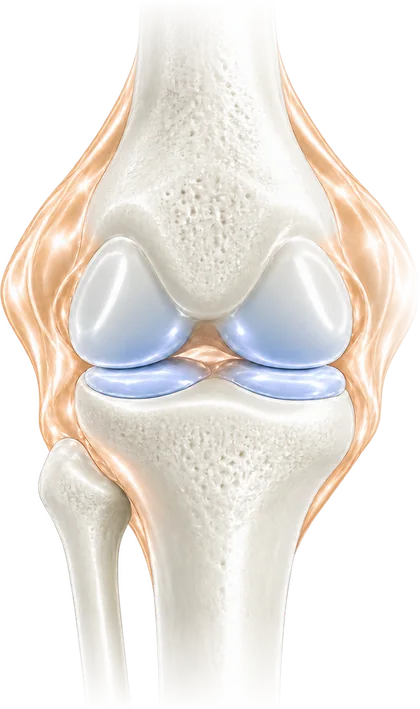
Arthritis is an inflammatory disease of the joints. Typical signs are pain at rest and at night, morning stiffness lasting more than 30 minutes, swelling, redness and warmth over the joint. Causes include autoimmune conditions such as rheumatoid arthritis, infections, gout and psoriasis.
At early stages, PRP or SVF injections combined with exercise therapy and physiotherapy can reduce pain and improve movement. If the joint is already badly damaged, replacement may be the more realistic option — the doctor will tell you honestly after seeing your scans.
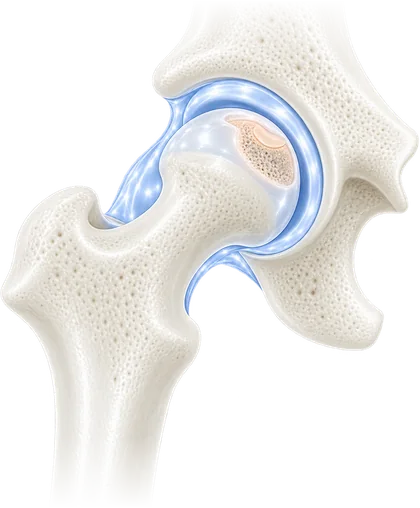
At early stages (1–2), SVF therapy may be considered to support blood supply to the femoral head and delay the need for joint replacement. At later stages surgery is usually required.
Osteoarthritis most often affects the joints that carry the most load: the knee (gonarthrosis) and the hip (coxarthrosis), as well as the ankle and the small joints of the hand. Patients from Espoo with any of these joints can have their scans reviewed free of charge.
Blood tests help rule out inflammatory conditions before treatment. If you are a patient from Espoo, the doctor tells you in advance which tests are needed so you can prepare.
Do not wait until the joint is destroyed. Book a free consultation in Espoo: early and moderate osteoarthritis responds best to treatment. The price is set individually.
Osteoarthritis is the slow, chronic wear of the cartilage that lines the ends of the bones in a joint. Healthy cartilage softens impact. When it thins, the bones start to rub, and the joint aches, stiffens and moves less. Because it develops over years, age structure is one of the first things worth looking at when you ask how common the problem may be in a place.
Espoo is the second largest municipality in Finland. At the end of 2025 it had 325,716 residents, and the population grew by 4,785 people (1.5%) in 2025, mostly through migration. People aged 65 and over make up 15.3% of residents, and 61.1% are aged 20-64. About 24% are under 20. The city estimates that it will reach 380,000 residents by 2033. The working-age group is the largest, and these are the years when joint pain often starts to affect work, sport and daily routines.
Knees (gonarthrosis) and hips (coxarthrosis) are affected most, because they carry the greatest load. The ankle and the small joints of the hand follow. Typical early signs are pain, crunching or stiffness in a joint, and painkillers that help only for a short time. If this sounds familiar, the first step is not a decision about a procedure. It is an assessment of the stage of the disease.
The doctor works with scans, so everything can start online. You send an X-ray, MRI or ultrasound that you already have, and the doctor reviews it free of charge. The doctor decides whether your case is early, moderate or advanced, and says frankly if a joint replacement looks more realistic than injections.
In the national Terve Suomi 2023 survey from THL, obesity (BMI of 30 or more) affected 30% of Finnish women and 27% of men, which is about 1.2 million adults. The figures are self-reported, and the share varies between wellbeing services counties, from 17 to 30% for men and from 20 to 28% for women. These numbers describe the country, not any single person. They are useful context because weight is one of the factors that decide how a joint copes.
The medical information we work with says directly that how long the effect of treatment lasts depends on the stage of the condition, body weight, activity and other factors. For that reason no one can promise a fixed result. Controlling weight, regular exercise and cooperation with a doctor make a real difference to how osteoarthritis develops. This holds with or without an injection.
Movement matters as well. Suitable activity builds the muscles that unload the joint, feeds the cartilage better and keeps you moving. Swimming, water aerobics, cycling, Nordic walking and yoga are gentle options. Running on hard surfaces, jumping, heavy lifting and sudden movements are best avoided when a joint is already worn.
Espoo has public swimming facilities, including the Leppävaara, Keski-Espoo, Espoonlahti and Tapiola pools and the Serena Waterpark. Water exercise is one of the options that spares the joints, and it is worth discussing with the doctor how to build it into your plan.
Winters in Espoo are clearly cold. In January the mean daily maximum is -2.3 °C and the minimum -6.5 °C. February is close to that, with -2.2 °C and -6.9 °C, and in March the figures are 1.6 °C and -4.8 °C. Snow usually first falls after Christmas and melts from late March to early April.
Sunshine is scarce from November to January, and day length falls to about 6 hours at midwinter, compared with about 19 hours at midsummer. We do not claim that cold weather causes osteoarthritis. The disease is degenerative, and the cartilage wears for other reasons. Still, many people with sore joints notice stiffness after rest, and short days and slippery ground can mean less movement. Less movement does not help a joint.
A practical approach is to keep a steady routine through the dark months. Indoor options include swimming, cycling or yoga. Nordic walking suits the outdoor season when the ground allows it. It also helps to keep notes on when the joint hurts: after a long walk, on stairs, after sitting, or at night. Pain at rest and at night, morning stiffness lasting more than 30 minutes, swelling, redness and warmth point more towards arthritis, which is an inflammatory disease. Aching pain on movement, crunching and stiffness after rest point towards osteoarthritis. The treatment approach differs, so diagnosis comes first.
Annual precipitation is about 659.8 mm, with August the wettest month and April the driest. For a patient, the practical point is simple. Consultations are online, so a snowy or rainy day does not prevent you from sending your scans and talking to the doctor.
High load on the joints, whether from sport or from physical work, is one of the situations in which injection treatment is considered. So is recovery after injuries and surgery. Espoo combines a large student and research environment with active sport. Aalto University, whose main campus is in Otaniemi, has about 16,000 students and 5,200 employees. Sports venues include the Tapiola and Leppävaara sports parks, and the Espoo Metro Areena will host the FIBA Women's EuroBasket in 2027.
These facts show how much activity there is around the city. They do not tell us how many people have joint problems, and we do not draw such conclusions. What matters medically is the type of load. Pain after overloading or sports strain can reflect wear of the joint surface in the elbow. Pain on stairs or after walking can come with cartilage wear and meniscus trouble in the knee. Groin pain and limited rotation are typical of early hip osteoarthritis.
The doctor treats small and large joints: knee, hip, shoulder, elbow, the joints of the hand and wrist, and the ankle. After looking at your scans, the doctor determines the joint, the method and the number of injections. Meniscus pathology, rehabilitation after injuries and surgery, and a second opinion on your scans are also part of the same consultation.
If you are not sure that treatment is right for you, leave your number. The coordinator will ask for your scans, and the doctor will tell you whether treatment without surgery suits you. Some conditions rule it out, including cancer, pregnancy, blood clotting disorders, acute infections (also in or near the joint) and a flare-up of a serious chronic illness. A raised temperature, a cold or flu, or inflamed skin above the joint are temporary reasons to wait.
Public health services in Finland are available to everyone resident in the country. Municipalities are responsible for organising them, and private care exists alongside. The most demanding care is given in five hospital districts, one of which is Helsinki. Espoo is part of the Helsinki Metropolitan Area, so residents can use both public and private routes for orthopaedic questions.
Kela, the national insurer, reimburses private care only when it is necessary treatment of illness, pregnancy or childbirth in line with accepted good practice. When judging necessity, Kela uses the Käypä hoito recommendations and the range of health-care services. Kela also states that it does not pay sickness-care reimbursement for the costs of aesthetic treatment. Osteoarthritis is a disease and not an aesthetic matter, but we do not promise that any particular procedure will be reimbursed.
The sensible approach is to ask Kela or your insurer about your own case before you decide. Our coordinator can provide a written summary of the plan after the consultation, which helps when you talk to them. The doctor quotes the cost only after the consultation, because it depends on the joint, the method and the stage of osteoarthritis.
The coordinators reply on WhatsApp and Telegram around the clock, and the first consultation with the review of your scans is free and carries no obligation to book surgery.
The treatment uses SVF (stromal vascular fraction from your own adipose tissue) and PRP (platelet-rich plasma from your own blood). Only your own blood and adipose tissue are used, with nothing donor or synthetic. First the doctor examines the joint and reviews your scans. A small amount of blood is then taken from a vein. Under local anaesthetic the doctor collects roughly 30 ml of adipose tissue through a puncture on the abdomen or the inner thigh, and stitches are not needed.
The samples are spun in a centrifuge, the stromal vascular fraction is isolated and blended with the platelet-rich plasma. The material is injected directly into the affected joint under ultrasound guidance. The whole procedure is done in one day. There are no crutches and no hospital stay.
After the procedure the joint may ache a little more for about a week, which is an expected reaction. Pain usually eases at about a month, and mobility and activity improve at around three months. The full effect develops at about six months. These timings are averages given for guidance, and the doctor confirms the plan for your joint. Osteoarthritis is chronic, so it needs an ongoing plan and not a one-off injection.
We cannot say that cold weather causes or worsens the disease. Osteoarthritis is degenerative, and the cartilage wears over time. Winter in Espoo is cold, with a January mean daily minimum of -6.5 °C, and daylight shrinks to about 6 hours at midwinter. Many people move less in those months and notice more stiffness after rest. Keep up gentle activity such as swimming, cycling or yoga, and tell the doctor how your symptoms change through the year.
Yes. The consultation is online and free, and the coordinators answer on WhatsApp and Telegram around the clock. You can send an X-ray, MRI or ultrasound that you already have. The doctor reviews it, assesses the stage and says whether treatment without surgery looks suitable.
We cannot promise that. Kela reimburses private care only when it is necessary treatment of illness in line with accepted good practice, and it uses the Käypä hoito recommendations when judging necessity. It does not reimburse aesthetic treatment. Ask Kela or your insurer about your own case, and ask our coordinator for a written summary of the plan to support that conversation.
Yes. How long the effect lasts depends on the stage of the condition, body weight, activity and other factors, so no fixed result can be promised. Controlling weight, exercise and cooperation with a doctor make a real difference to how osteoarthritis develops.
Swimming, water aerobics, cycling, Nordic walking and yoga are gentle options. Espoo has public pools in Leppävaara, Keski-Espoo, Espoonlahti and Tapiola for water exercise. Avoid running on hard surfaces, jumping, heavy lifting and sudden movements. The doctor can adjust the advice to your joint and stage.
High load on the joints is one of the situations in which treatment is considered. The doctor looks at which joint carries the load, what your scans show and how advanced the wear is. The doctor then decides the method and the number of injections. In advanced cases, the doctor will tell you frankly if a joint replacement is more realistic.
An X-ray remains the main method and shows the stage. MRI gives a detailed picture of cartilage and soft tissues, and ultrasound shows inflammation and fluid. Blood tests help rule out inflammatory diseases. If you do not have recent scans, the coordinator will explain what is useful, and existing results are reviewed free of charge.
A raised temperature, a cold or flu, and inflamed skin above the target joint are temporary reasons to wait. Acute infection in or near the joint rules treatment out until it has cleared. With the long winter season in mind, tell the coordinator about any recent illness when you book.