


























Osteoarthritis treatment6 min read
Post-Traumatic Osteoarthritis After a Fracture or Injury
Post-traumatic osteoarthritis is joint wear that develops after an injury: a fracture that reached the joint surface, a torn ligament, a damaged meniscus or a dislocation. It can appear months or even many years after the injury seemed to have healed, often in people who are younger and more active than typical osteoarthritis patients. This article explains how an injury leads to arthrosis, which symptoms to watch for, how the condition is diagnosed and which treatment options exist, from rehabilitation and injections of your own cells to surgery.

The main points in 30 seconds
- Post-traumatic osteoarthritis develops after fractures, ligament tears, meniscus damage or dislocations.
- Symptoms can appear months or many years after the injury, often at a younger age.
- The knee, ankle, hip, shoulder, elbow and wrist are most often affected.
- At early and moderate stages, rehab, PRP and SVF from your own tissue can ease pain.
- At an advanced stage, surgery may be the more realistic option.
What post-traumatic osteoarthritis is
Osteoarthritis is gradual wear of the cartilage that covers the ends of the bones in a joint. When it is caused by an earlier injury rather than by age and load alone, it is called post-traumatic osteoarthritis. The joint damage follows the same path as ordinary osteoarthritis: the cartilage thins, the joint loses its cushioning, and pain, stiffness and a smaller range of movement appear.
Post-traumatic osteoarthritis accounts for a noticeable share of all osteoarthritis cases and is especially common in the ankle and knee. Because injuries often happen in sport, at work or in accidents, it tends to affect people in their thirties, forties and fifties. More about non-surgical options is on our osteoarthritis treatment page.
How a fracture or injury leads to arthrosis
Several mechanisms can start the process, and they often act together:
- Damage to the cartilage at the moment of injury. Cartilage heals poorly, so even a small defect can grow over time.
- A fracture through the joint surface. If the fragments heal with a small step or gap, pressure is spread unevenly and wears the cartilage faster.
- Instability. A torn ligament, such as the anterior cruciate ligament in the knee, lets the joint move abnormally and overloads certain areas.
- Loss of the meniscus. The meniscus acts as a shock absorber in the knee; when it is torn or partly removed, the load on the cartilage rises.
- Changed alignment. A bone that healed slightly bent after a fracture can shift the load onto one side of the joint.
Inflammation inside the joint after the injury also plays a part, which is why early and proper treatment of the original injury matters.
Symptoms that appear months or years later
Many people feel fine for a long time after the injury and only later notice:
- pain in the injured joint after walking, stairs, running or long standing;
- stiffness in the morning or after rest that eases with movement;
- swelling after activity;
- clicking, crunching or a feeling that the joint catches;
- reduced range of movement or a feeling of instability.
The time between injury and symptoms varies widely: after a fracture into the ankle or knee joint, changes can appear within a few years, while after a ligament or meniscus injury they may take ten years or more.

Diagnosis and scans
The doctor asks about the original injury and its treatment, examines the joint, checks its stability and range of movement, and reviews scans:
- X-ray
- Joint space narrowing, bone spurs, the position of healed fragments and alignment
- MRI
- Cartilage, meniscus, ligaments and early changes not visible on X-ray
- Ultrasound
- Fluid in the joint, soft tissues and tendons around it
- CT
- Detailed bone anatomy after complex fractures
The results help to define the stage of osteoarthritis, which guides the choice of treatment.
Non-surgical treatment: PRP, SVF and rehab
At early and moderate stages, the aim is to reduce pain, keep the joint moving and slow further wear:
- Rehabilitation. Exercises to strengthen the muscles around the joint, improve balance and restore range of movement are the foundation of treatment.
- Weight and load control. Less load on the joint means less pain and slower wear.
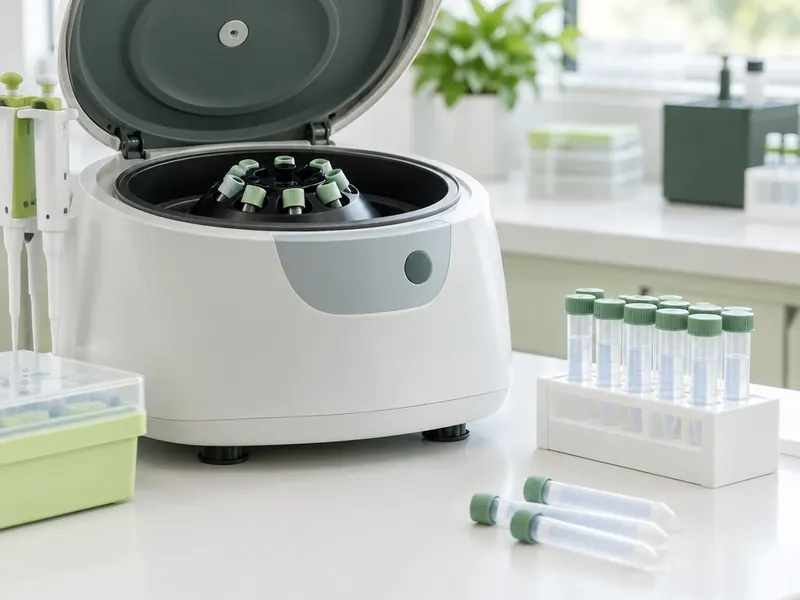
- PRP. Platelet-rich plasma from your own blood, injected into the joint, can calm inflammation and ease pain.
- SVF cell therapy. Cells from a small sample of your own fat tissue, combined with PRP, are injected into the joint when a stronger effect is needed.
- Other measures. Braces, insoles, pain relief and other injections are chosen by the treating doctor.
Injections are placed under ultrasound guidance so the material reaches the right place. The effect builds gradually over several months, and no method can promise a fixed result.
When injections are not enough
If the cartilage is badly worn, the joint is deformed or there is marked instability, injections may bring little relief. Depending on the joint and the patient, surgical options include arthroscopy, ligament reconstruction, osteotomy to correct alignment, joint fusion or joint replacement.
These operations are general information here; an honest assessment of whether non-surgical treatment still makes sense is part of the consultation.
Getting a personal plan at City Medical Centre
City Medical Centre works with international patients and treats osteoarthritis without surgery with two methods: PRP from your own blood and SVF cell therapy from your own fat tissue combined with PRP. It is used for the knee, hip, shoulder, elbow, ankle and small joints of the hand, including pain after old injuries and meniscus problems. The procedure is done in one day under local anaesthetic, injections are placed under ultrasound guidance, and there are no crutches or hospital stay.
The clinic does not perform joint surgery; it is described in this article as general information.
The first consultation and the review of your scans are free and can be done online: send your X-rays, MRI or reports and describe the old injury and your symptoms. The doctor assesses the stage, tells you whether PRP or SVF makes sense in your case and names the cost, which is then fixed in the contract. Follow-up visits take place after one, three and six months, and a personal coordinator answers questions by Telegram. More details are on the osteoarthritis treatment page.
Sources
Frequently asked questions
Can an old injury cause osteoarthritis?
Yes. A fracture that reached the joint, a torn ligament, meniscus damage or a dislocation can change how the joint is loaded and damage the cartilage. Over time this can lead to post-traumatic osteoarthritis, even if the injury seemed to heal well. Pain, stiffness or swelling in a joint that was once injured is a reason to see a doctor.
How long after a fracture can arthritis develop?
It varies widely. After a fracture that entered the joint surface, signs of osteoarthritis can appear within a few years. After ligament or meniscus injuries, it may take ten years or more. The risk depends on the type of injury, how well the joint surfaces healed, the load on the joint and body weight.
Does PRP help post-traumatic arthritis?
At early and moderate stages, PRP from your own blood can help calm inflammation and ease pain for many people, and SVF with PRP is used when a stronger effect is needed. The effect builds gradually over several months and varies from person to person. At an advanced stage, injections are less likely to help.
Which joints are most affected after injury?
The ankle and knee are affected most often, because fractures, sprains, ligament tears and meniscus injuries are common there. Post-traumatic osteoarthritis can also develop in the hip after fractures or dislocations, and in the shoulder, elbow and wrist after fractures or instability.
Can post-traumatic osteoarthritis be prevented?
The risk can be reduced, though not removed. Proper treatment of the original injury, restoring joint stability, full rehabilitation, keeping a healthy weight and strengthening the muscles around the joint all help. Regular check-ups allow changes to be noticed early, when non-surgical treatment has the best chance.
Have a question about your case? Get a free consultation
Message a coordinator on Telegram: we reply right in the chat, and you can send photos and questions there too.
- The first consultation is free, online consultations are available
- The doctor names the cost after the assessment, and it is fixed in the contract
- A personal coordinator guides you from the first message to recovery
Message our coordinator on Telegram
We reply right in the chat — you can send photos
Message us on TelegramBy sending a message, you agree to the privacy policy
Read also
 Osteoarthritis treatment
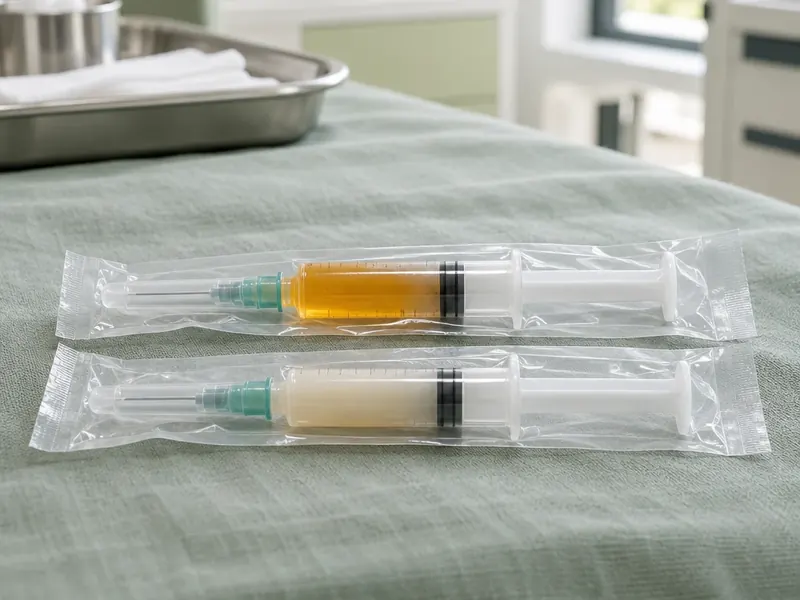
PRP or SVF therapy for knee osteoarthritis: how the two methods compare
PRP or SVF cell therapy for knee osteoarthritis: how each is prepared, which stage it suits, what to expect and when, contraindications and recovery.
 Osteoarthritis treatment
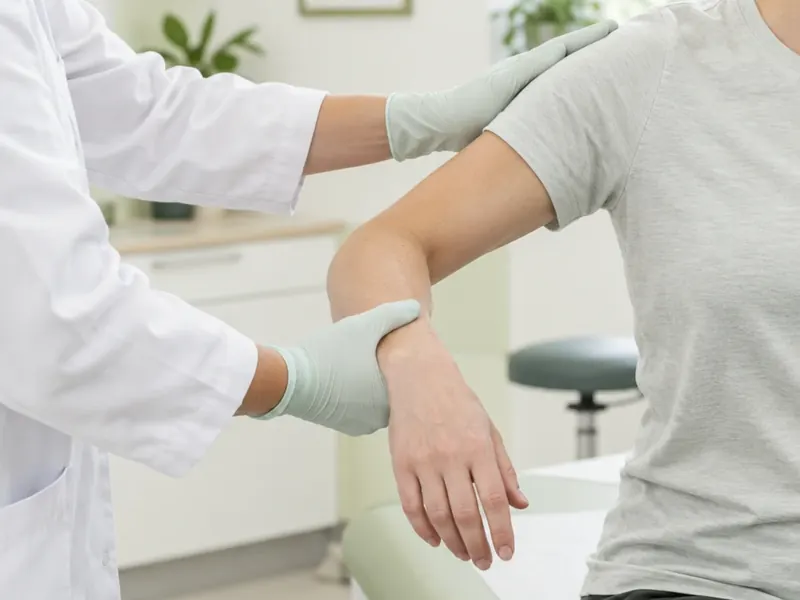
Shoulder osteoarthritis: symptoms, stages and treatment options
Shoulder osteoarthritis explained: why the cartilage wears, typical symptoms and stages, which scans are needed, and how exercise, PRP and SVF can help.
 Bariatric surgery
Pregnancy after bariatric surgery: when it is safe to plan a baby
How obesity affects fertility, why doctors advise waiting 12–18 months after bariatric surgery, and what nutrition, vitamins and contraception involve.