


























Osteoarthritis treatment6 min read
Shoulder osteoarthritis: symptoms, stages and treatment options
Shoulder osteoarthritis usually announces itself slowly: a deep ache when you reach for a high shelf, clicking when you lift the arm, pain that wakes you when you roll onto that side. It is less common than knee or hip arthrosis, but it can make everyday tasks such as dressing, driving or washing your hair surprisingly hard. This guide explains what happens inside the joint, how the disease progresses, how it is diagnosed and which treatments can help at each stage.
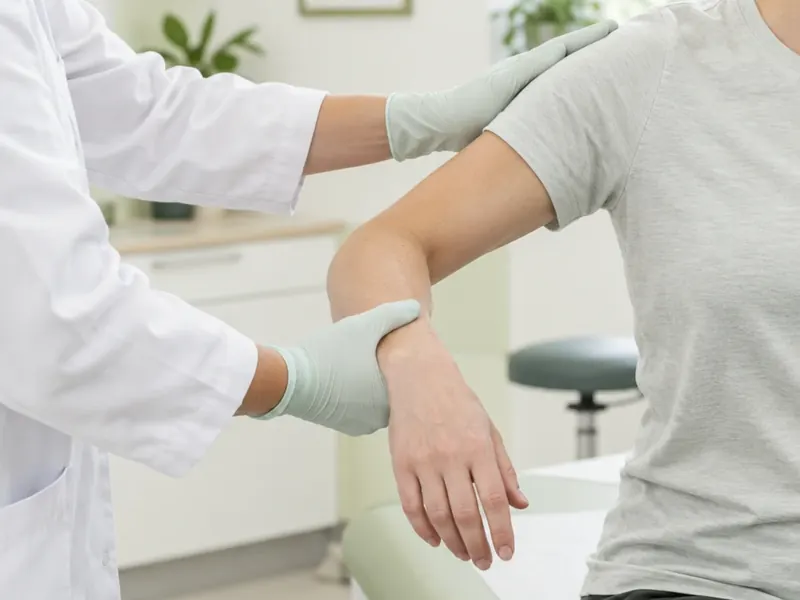
The main points in 30 seconds
- Shoulder osteoarthritis is gradual wear of the cartilage in the ball-and-socket joint.
- Typical signs are a deep ache, night pain, stiffness and clicking when you lift the arm.
- X-rays show the stage; ultrasound and MRI show tendons, cartilage and soft tissues.
- Exercise is the base of treatment; PRP and SVF injections can support it at early stages.
- At an advanced stage shoulder replacement may be discussed with an orthopaedic surgeon.
Shoulder osteoarthritis: what it is
Osteoarthritis, also called arthrosis, is a chronic condition in which the smooth cartilage covering the ends of the bones gradually thins and wears away. In the shoulder this happens mostly in the main ball-and-socket joint, where the head of the upper arm bone meets the shallow socket of the shoulder blade. A second, smaller joint on top of the shoulder, where the collarbone meets the shoulder blade, can also wear out and causes pain at the top of the shoulder rather than deep inside it.
As cartilage is lost, the bones start to rub, small bony spurs form around the edges and the joint lining can become irritated. The result is pain, stiffness and a shrinking range of movement. Osteoarthritis is a degenerative rather than an inflammatory disease, although flare-ups with swelling and warmth do happen.
Why shoulder arthrosis develops
The shoulder does not carry body weight, so its cartilage usually wears for other reasons. The most common are:
- Age and long-term wear: the risk rises after about 50.
- Old injuries: dislocations, fractures near the joint or repeated instability can damage the cartilage and lead to post-traumatic arthrosis years later.
- A large, long-standing rotator cuff tear: without the tendons that keep the ball centred, the joint wears unevenly.
- Heavy overhead work or sport, such as construction work, weightlifting or throwing sports.
- Previous joint inflammation, for example after rheumatoid arthritis or an infection.
- Genetics, which influence how resilient cartilage is.

Symptoms and stages
Typical signs of shoulder osteoarthritis include:
- a deep ache in the shoulder that gets worse with use and eases with rest at first;
- pain at night, especially when lying on the affected side;
- stiffness and a gradually smaller range of movement, for example when reaching behind your back;
- clicking, grinding or catching when you move the arm.
Doctors usually describe the disease in stages based on symptoms and X-rays:
Early
- What is happening
- Cartilage starts to thin, X-rays may look almost normal
- How it feels
- Occasional ache after effort
Moderate
- What is happening
- The joint space narrows, first bony spurs appear
- How it feels
- Regular pain, morning stiffness, some loss of movement
Advanced
- What is happening
- Little cartilage is left, bones rub, spurs are large
- How it feels
- Pain at rest and at night, marked stiffness
Non-surgical treatment works best at early and moderate stages, while there is still cartilage to protect.
Diagnosis and choosing the right specialist
Shoulder pain has many causes, and tendon problems are often mistaken for arthrosis and vice versa. That is why a proper examination matters. An orthopaedic doctor or a doctor experienced in joint treatment will check movement and strength, and then usually order:
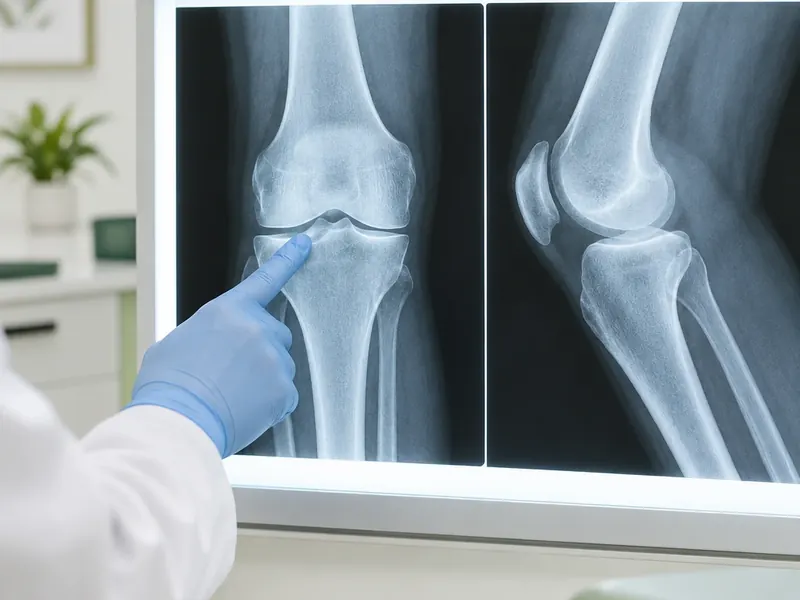
- X-rays, which show the joint space, bony spurs and the stage;
- ultrasound, which shows the tendons, fluid and inflammation around the joint;
- MRI, when the doctor needs detail about the cartilage, the rotator cuff and other soft tissues.
Blood tests may be added if an inflammatory type of arthritis is suspected. The treatment plan depends on what the scans show, so it is worth keeping them together and bringing them to the consultation.
Treatment options: exercise, PRP and SVF
Treatment aims to reduce pain, keep the shoulder moving and slow further wear. It usually combines several steps:
- Exercise and physiotherapy: gentle movement and strengthening of the muscles around the shoulder blade and the rotator cuff are the base of treatment.
- Changing daily loads: avoiding long periods of overhead work and adapting sports.
- Short courses of pain relief, such as anti-inflammatory painkillers, chosen by a doctor.
- PRP (platelet-rich plasma) from your own blood, injected into the joint to calm inflammation and support tissue repair. It is often used for mild osteoarthritis.
- SVF cell therapy: cells from a small sample of your own adipose tissue, combined with PRP and injected into the joint. It is used mainly at early and moderate stages when a stronger effect is needed.
Other injections, such as corticosteroids, are sometimes used to settle a flare-up, but their effect is usually short-lived. You can read more about PRP and SVF on our osteoarthritis treatment page.
Can shoulder osteoarthritis be cured?
Worn cartilage does not grow back fully, so osteoarthritis cannot be reversed. What treatment can do is reduce pain, improve movement and slow the progression of the disease. Many people with early or moderate shoulder arthrosis keep an active life for years with a combination of exercise, sensible loads and, where appropriate, injections.
How long the effect of injections lasts differs from person to person and depends on the stage, activity and other factors. No one can promise a fixed result, and an honest doctor will tell you what is realistic for your shoulder.
When injections are not enough
At an advanced stage, when little cartilage is left, injections may bring only limited relief. Signs that surgery may need to be discussed include:
- constant pain at rest and at night despite treatment;
- severe loss of movement that makes everyday tasks impossible;
- major destruction of the joint visible on X-rays.
In these cases shoulder replacement is the usual option, and the decision is made together with an orthopaedic surgeon, taking into account age, health and goals. An honest assessment of the stage is part of good care: injections should not delay an operation that is really needed.
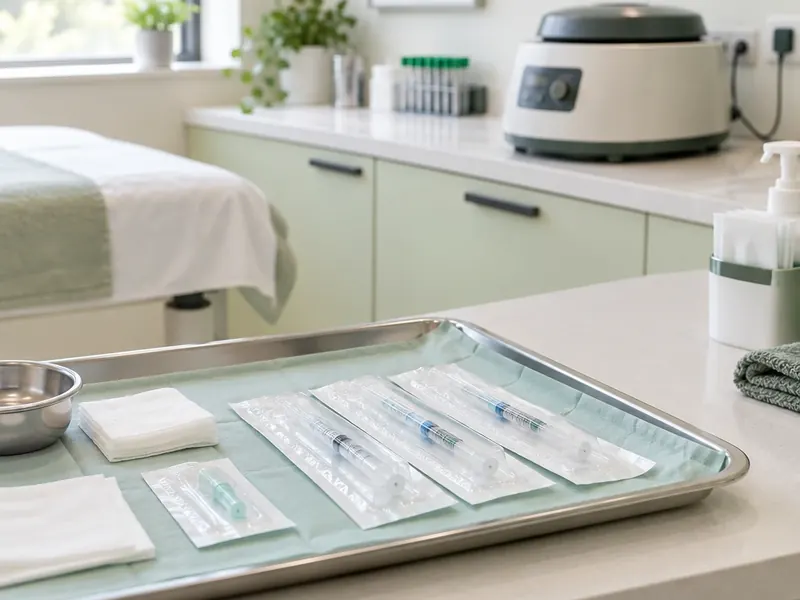
Getting a personal plan at City Medical Centre
City Medical Centre treats shoulder osteoarthritis without surgery. The doctor offers two methods: PRP therapy from your own blood, and cell therapy with SVF from your own adipose tissue combined with PRP. Every injection is given under ultrasound guidance, most people go home the same day, and follow-up visits after one, three and six months let the doctor adjust the plan.
City Medical Centre does not perform shoulder replacement surgery; physiotherapy programmes, other injections and joint replacement are described in this article as general information.
The first consultation is free and can be held online. Send your X-rays, MRI or reports, and the doctor will assess the stage and tell you honestly whether treatment without surgery makes sense. The cost is named after the assessment and fixed in the contract. A personal coordinator stays with you from your first message to the end of treatment, and scans and questions can be sent by Telegram. More details are on our osteoarthritis treatment page.
Sources
Frequently asked questions
Can shoulder osteoarthritis be cured completely?
No. Worn cartilage does not grow back fully, so the disease cannot be reversed. Treatment can reduce pain, improve movement and slow progression, and many people with early or moderate shoulder arthrosis stay active for years with exercise, sensible loads and, where appropriate, injections.
Do injections help shoulder osteoarthritis?
They can, especially at early and moderate stages. PRP from your own blood can calm inflammation and support tissue repair, and SVF combined with PRP is used when a stronger effect is needed. Injections work best together with exercise, and at an advanced stage their effect is limited.
Which doctor treats shoulder arthrosis?
Usually an orthopaedic doctor or a doctor who specialises in joint treatment. They examine the shoulder, review X-rays, ultrasound or MRI, and choose between exercise, injections or a referral for surgery. A physiotherapist then helps with the exercise programme.
What are the stages of shoulder osteoarthritis?
At the early stage the cartilage starts to thin and pain appears only after effort. At the moderate stage the joint space narrows, bony spurs form and stiffness increases. At the advanced stage little cartilage remains, and pain is present at rest and at night.
How long does shoulder PRP treatment take?
The procedure itself takes a short time, and most people go home the same day. The pain usually eases over the first month, movement improves over about three months, and the full effect develops over around six months. Follow-up visits help the doctor adjust the plan.
Have a question about your case? Get a free consultation
Message a coordinator on Telegram: we reply right in the chat, and you can send photos and questions there too.
- The first consultation is free, online consultations are available
- The doctor names the cost after the assessment, and it is fixed in the contract
- A personal coordinator guides you from the first message to recovery
Message our coordinator on Telegram
We reply right in the chat — you can send photos
Message us on TelegramBy sending a message, you agree to the privacy policy
Read also
 Joint treatment
Shoulder joint pain: treatment without surgery and the signs that an operation is needed
Most shoulder pain settles without an operation. Learn the common causes, which scans help, how physiotherapy, PRP and SVF are used and when surgery is needed.
 Osteoarthritis treatment
Osteoarthritis stages explained: what can be done at each stage
The four stages of osteoarthritis in plain words: early signs, pain and stiffness, deformity, what helps at each stage and when injections are no longer enough.
 Facelift
Skin care after a facelift: a practical guide to the first weeks and months
How to care for your skin after a facelift: incisions, swelling, food and medicines, sun protection, when to return to skincare and make-up, and warning signs.