
























Facelift6 min read
Skin care after a facelift: a practical guide to the first weeks and months
How you look after your skin in the weeks after a facelift affects how comfortable recovery feels, how the scars heal and how the result looks in the end. The good news is that aftercare is mostly simple: gentle cleansing, patience with swelling, careful sun protection and a few firm restrictions. This guide explains what to do and what to avoid, stage by stage, and which signs mean you should contact your surgeon.

The main points in 30 seconds
- In the first days rest with the head raised and keep the bandage clean and dry.
- Care for incisions only as advised; let crusts fall off on their own.
- Take only medicines approved by your surgeon and avoid nicotine.
- Protect scars from the sun for months to prevent darker marks.
- Light make-up is often allowed after about two weeks on healed skin.
Key facts about the procedure
- Main healing2 months
- Final result3–6 months
- AnaesthesiaGeneral
- Pricefrom $2,400
The first days after a facelift
The first two or three days are about rest and protection. A supportive bandage usually covers the face and neck, and the skin feels tight, swollen and partly numb. Numb skin does not feel heat, cold or pressure well, so it is easy to injure without noticing.
In these days it usually helps to:
- rest with the head raised on two or three pillows, including at night;
- keep the bandage clean and dry and wear it exactly as instructed;
- avoid touching or rubbing the incisions;
- keep the face out of hot showers, saunas and direct sun;
- move gently, without bending down sharply or turning the head abruptly.
Your surgeon or nurse will usually check the wounds and change the dressing before discharge and explain how to care for the incisions at home.
Wound and incision care
The incisions lie along the hairline, around the ears and sometimes under the chin. Their care is simple but should be done exactly as your team advises. Common recommendations include:
- washing your hands before touching the area;
- cleaning the incision lines only with the solution or method your surgeon recommends;
- keeping crusts in place and letting them fall off on their own;
- washing the hair only when allowed, with a mild shampoo and lukewarm water;
- avoiding hair dryers on a hot setting, hair dye and styling products near the incisions until the surgeon agrees.
Stitches are usually removed within one to two weeks, depending on the area. After that, scar care may begin: gentle massage or silicone products, if your surgeon recommends them, and consistent protection from the sun. Scars typically look pink at first and fade gradually over many months.
Managing swelling and discomfort
Swelling and bruising are normal and usually peak in the first days before slowly settling. Many people are surprised that the face looks uneven or puffy for a while; this is part of healing.
- Sleeping with the head raised
- Sleeping face down or on the side early on
- Cool compresses, if allowed, wrapped in a clean cloth
- Ice directly on numb skin
- Gentle walking from the first days
- Heavy exercise, lifting and bending
- Wearing the bandage as instructed
- Removing the bandage early on your own
- Drinking enough water and limiting salt
- Alcohol and very salty food
Mild pain and tightness are usually controlled with the medicines prescribed by your doctor. Pain that becomes severe, especially on one side, is not normal and needs a call to your surgeon.
Diet and medication
In the first days, soft food that does not need much chewing is often more comfortable, because the jaw and cheeks may feel stiff. A balanced diet with enough protein, fruit and vegetables supports healing, and enough water helps with swelling.
When it comes to medicines:
- take only the medicines your surgeon has prescribed or approved, following their instructions;
- do not start new medicines, herbal remedies or supplements without checking, as some of them increase bleeding;
- tell your surgeon about any regular medicines you take for other conditions;
- avoid alcohol for the period advised, as it can increase swelling and interact with medicines.
Smoking and nicotine in any form should be avoided before and after surgery, because they reduce blood flow to the skin and slow healing.
Sun protection and pigmentation
Healing skin and fresh scars are very sensitive to ultraviolet light. Sun exposure in the first months can make scars darker and may cause patches of pigmentation on bruised areas.
To protect the result:
- avoid direct sun and tanning for the period your surgeon recommends, usually at least several weeks;
- wear a wide-brimmed hat and sunglasses outdoors;
- once the skin has healed, use a broad-spectrum sunscreen with high protection every day, including on the scars;
- avoid solariums altogether during recovery.
Good sun protection is also one of the best ways to keep the skin looking fresh for years after a facelift.
When to resume skincare and make-up
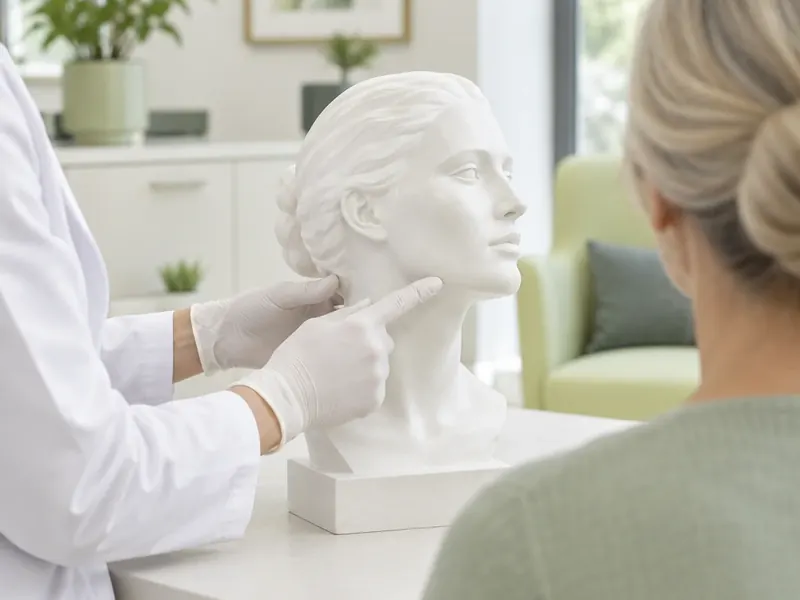
At first, less is more. Gentle, fragrance-free products usually suit healing skin best. A typical approach looks like this, although your surgeon’s advice always comes first:
- First days: clean the face carefully as instructed, avoiding the incisions; no creams on the wounds.
- After the stitches are out: a mild cleanser and a simple, fragrance-free moisturiser on intact skin.
- Around two weeks: light make-up is often allowed on skin that has healed, but not on the incision lines until they are fully closed.
- Later: stronger active ingredients such as exfoliating acids or vitamin A derivatives, and cosmetic procedures such as peels or laser treatments, only after your surgeon agrees.
Use clean brushes and sponges, remove make-up gently without rubbing, and stop any product that stings or causes redness.
Restrictions and warning signs
For the period your surgeon advises, usually several weeks, it is best to avoid:
- heavy exercise, lifting and bending with the head down;
- saunas, steam rooms, hot baths and swimming pools;
- sleeping on the face;
- massage of the face other than what your surgeon recommends;
- earrings that pull on the earlobes and tight clothing pulled over the head.
Contact your surgeon at once if you notice swelling that suddenly increases on one side, severe pain, a hard and growing lump under the skin, darkening skin, a wound that opens, fever, discharge with an unpleasant smell or new weakness of facial movement. Calf pain, chest pain or shortness of breath need emergency care.
Aftercare support at City Medical Centre
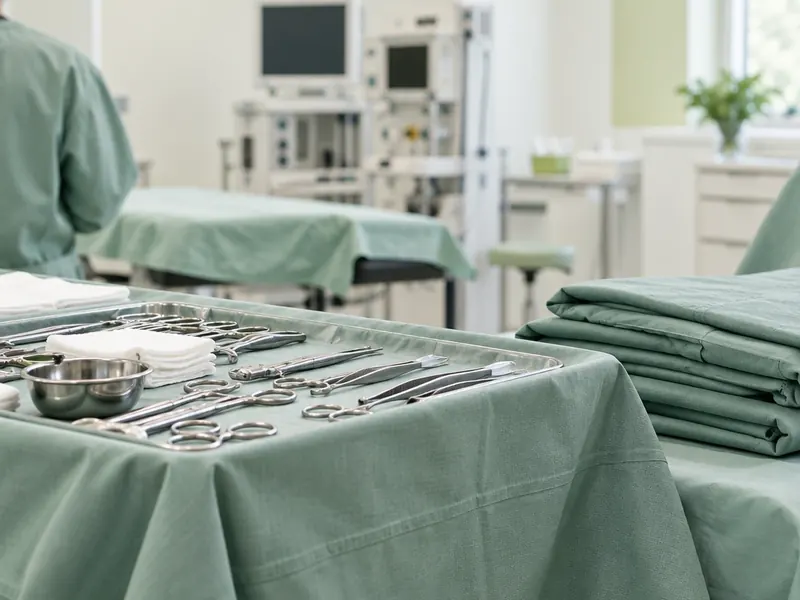
City Medical Centre performs surgical facelifts only: the SMAS facelift, the full (circular) facelift, the neck and lower face lift and the endoscopic brow and temple lift. After surgery you stay in the clinic’s inpatient unit under round-the-clock monitoring, receive written aftercare instructions and are followed up by your operating surgeon for a year.
City Medical Centre does not offer cosmetic skin procedures such as peels, laser treatments or injections; the surgeon advises when such treatments elsewhere would be safe. Read more on the facelift page.
International patients can start with a free online consultation by sending photos of the face from the front and side. The cost is named after the assessment and fixed in the contract. A personal coordinator supports you from the first message to the end of recovery, and photos and questions about healing can be sent by Telegram at any time.
Sources
Frequently asked questions
When can I wash my face after a facelift?
Most surgeons allow careful cleansing of the face within the first days, avoiding the incisions, and full hair washing once the bandage is removed and the team agrees. Use lukewarm water and a mild product, pat the skin dry and follow your surgeon’s exact instructions.
When can I use skincare products again?
A gentle cleanser and a simple, fragrance-free moisturiser can usually be used on intact skin once the stitches are out. Stronger active ingredients, such as exfoliating acids or vitamin A derivatives, are usually postponed for several weeks and started only after your surgeon agrees.
How do I reduce swelling after a facelift?
Sleep with your head raised, wear the bandage as instructed, walk gently, drink enough water and limit salt and alcohol. Cool compresses may help if your surgeon allows them. Swelling usually peaks in the first days and then settles gradually over weeks.
When can I wear makeup?
Light make-up is often allowed after about two weeks on skin that has healed, but not on the incision lines until they are fully closed. Use clean tools, remove make-up gently and stop any product that stings or causes redness.
How long should I avoid the sun?
Direct sun and tanning are usually avoided for at least several weeks, and fresh scars should be protected for many months. Wear a wide-brimmed hat outdoors and, once the skin has healed, use a high-protection broad-spectrum sunscreen every day.
Have a question about your case? Get a free consultation
Message a coordinator on Telegram: we reply right in the chat, and you can send photos and questions there too.
- The first consultation is free, online consultations are available
- The doctor names the cost after the assessment, and it is fixed in the contract
- A personal coordinator guides you from the first message to recovery
Message our coordinator on Telegram
We reply right in the chat — you can send photos
Message us on TelegramBy sending a message, you agree to the privacy policy
Read also
 Facelift
Facelift recovery timeline: what to expect from the first day to six months
Facelift recovery week by week: the first days, swelling and bruising, stitches, sleep, return to work and sport, flying home and when the result shows.
 Facelift
Facelift risks and complications: what can happen and how to lower the chances
Facelift risks explained: normal swelling and numbness, rarer haematoma, nerve injury and scarring, who is at higher risk and how surgeons reduce complications.
 Bariatric surgery
Sleeve gastrectomy explained: how the operation works and who it suits
Gastric sleeve explained: how the operation is done, who it suits, expected weight loss, sleeve vs bypass, risks, recovery and conversion options later.