























Facelift8 min read
Facelift recovery timeline: what to expect from the first day to six months
A facelift takes a few hours in the operating room, but recovery unfolds over months. Knowing what is normal at each stage makes it easier to plan time off, travel and social plans. This guide walks through the first day, weeks one to four and months two to six, and explains swelling, scars, sleep, flying home and the warning signs that need attention.
The main points in 30 seconds
- Swelling and bruising are strongest on days 3–7; keep your head raised, rest and avoid bending or heavy lifting.
- Stitches come out between day 7 and day 14, and many people return to office work after two to four weeks.
- Recovery is largely complete by about two months, while the face settles into its final look over three to six months.
- Health guidance advises not flying for about seven to ten days, so plan to stay near the clinic for at least a week.
- Call your surgeon about fast one-sided swelling, fever, a wound that opens or new facial weakness; calf or chest pain is an emergency.
Key facts about the procedure
- Main healing2 months
- Final result3–6 months
- AnaesthesiaGeneral
- Pricefrom $2,400
Facelift recovery timeline at a glance
Recovery after a facelift is gradual. The first week is about rest and protecting the wound, the second and third weeks are about swelling and bruising settling, and the following months are about the face slowly taking on its final shape.
The table below shows a typical course after a surgical SMAS facelift. Every patient heals at their own pace, and your surgeon will give you a plan based on the scope of your operation.
Day 1–2
- What usually happens
- Tightness, swelling, a bandage around the face and neck, sometimes drains
- What you do
- Rest in the clinic, head raised, regular checks by staff
Days 3–7
- What usually happens
- Swelling and bruising are at their most visible
- What you do
- Rest at home or in a hotel, gentle walking, compression garment
Days 7–14
- What usually happens
- Stitches are removed or dissolve, swelling starts to go down
- What you do
- Check-up with the surgeon, short walks, no strenuous activity
Weeks 3–4
- What usually happens
- Most bruising has faded, the first clear changes appear
- What you do
- Many people return to office work and social life
Month 2
- What usually happens
- Recovery is largely complete, residual swelling and numbness
- What you do
- Gradual return to sport as agreed with the surgeon
Months 3–6
- What usually happens
- The face settles into its final look, scars keep fading
- What you do
- Follow-up visits, sun protection for scars
The first 24–48 hours after surgery
A facelift is done under general anaesthesia, so you feel nothing during the operation. When you wake up, the face and neck feel tight and slightly numb, and a supportive bandage is usually in place. Some surgeons also leave thin drains for a day or so to remove excess fluid.
Most patients spend the first night in the clinic under observation. This is the period when staff watch for early problems such as bleeding under the skin, so it is safer to be close to your surgical team. Discomfort is usually moderate and is controlled with medication prescribed by your doctor.
- Keep your head raised on two or three pillows, even when resting.
- Do not bend forward, lift anything heavy or turn your head sharply.
- Avoid showering and getting the bandage wet for the first couple of days unless your surgeon says otherwise.
- Have someone with you: you will not be able to drive for several days.
Weeks 1 and 2: swelling peaks and stitches come out
Swelling and bruising usually increase over the first two to three days and then begin to ease. The cheeks, jawline and neck may look puffy and uneven, and bruises can spread down towards the neck and collarbones. This is expected and usually temporary, even if it looks alarming in the mirror.
For the first seven to ten days the priority is rest. You wear a compression garment or bandage as instructed, keep physical activity low and take short, gentle walks to support circulation. Chewing may feel stiff, so soft food is easier at first.
Between day seven and day fourteen stitches are removed, unless dissolvable stitches were used. At this visit the surgeon checks how the wounds are healing and tells you what you can do next. By the end of the second week many people feel well enough to go for walks outside and handle light tasks, although the face may still look swollen.

Weeks 3–4 to month 6: when you see the result
Around weeks three and four most of the visible bruising has gone and swelling has clearly reduced. This is when the first real changes become noticeable: a sharper jawline, lifted cheeks and a cleaner neck line. Make-up can usually cover what remains.
By about two months recovery is largely complete for everyday life. Some firmness under the skin, mild swelling in the morning and patches of reduced sensation are still common at this stage and gradually settle.
The face takes on its final look over three to six months. Small refinements, especially along the jaw and in the neck, can continue even a little longer, so it is too early to judge the outcome in the first weeks. Photos taken at the same angle every month help you see the steady progress. Read more about the types of lift on our facelift page.
Swelling, bruising, numbness and scars
Swelling and bruising
Bruising is usually visible for at least two weeks and fades within two to four weeks in most people. Swelling goes down more slowly: the obvious part settles in the first month, while mild residual swelling can come and go for several months, often worse in the morning or after a salty meal.
Numbness and tightness
A feeling of numbness around the cheeks and ears is common after a facelift and can last weeks or months while the small skin nerves recover. A stiff feeling in the face and around the mouth usually improves within about six weeks.
Scars
Incisions are placed along the hairline and around the ears, so they are hidden in natural folds. At first the scars are pink and slightly raised; over many months they usually become paler and flatter, though they do not disappear completely. Protect them from the sun, avoid tension on the wounds and follow your surgeon's advice on scar care.
Sleep
Sleep on your back with your head raised for the first one to two weeks. This reduces swelling and protects the wounds. Many patients find a travel pillow helpful to stop them turning onto their side at night. Your surgeon will tell you when side sleeping is safe.
Back to work, social life and sport
- Office or remote work: usually after two to four weeks, once bruising has faded.
- Social events: most people feel comfortable being seen at about three to four weeks, with make-up if needed.
- Driving: not for several days, and only when you can turn your head freely and are not taking medication that makes you drowsy.
- Walking: from the first days, gently and often.
- Sauna, massage and strenuous activity: avoided for at least two weeks, often longer.
- Gym and sport: usually a gradual return after about a month, with full intensity after about two months, as agreed with your surgeon.
- Smoking and alcohol: avoided during healing, as smoking slows wound healing and raises the risk of complications.
Flying home after a facelift abroad
Air travel and major surgery both raise the risk of a blood clot. Official health guidance recommends not flying for about seven to ten days after facial cosmetic surgery. In practice this means planning to stay near the clinic for at least the first week, so that you can attend the check-up and have stitches removed before you travel.
On the flight, drink plenty of water, walk along the aisle when you can and keep your compression garment on if advised. Take your discharge notes with you and agree in advance how you will stay in touch with your surgeon once you are home.
Warning signs: when to contact your surgeon
Most recoveries go smoothly, but any operation carries risks such as bleeding, infection, blood clots, poor wound healing and, rarely, nerve injury. Contact your surgeon or coordinator straight away if you notice:
- swelling that increases quickly on one side, or sudden severe pain;
- a tense, hard area under the skin that keeps growing;
- fever, redness spreading around the wound, or discharge with an unpleasant smell;
- darkening skin or a wound that opens;
- new weakness of facial movement, for example in the smile or eyebrow;
- pain or swelling in the calf, chest pain or shortness of breath, which need emergency care.
It is always better to send a photo and ask than to wait and worry.
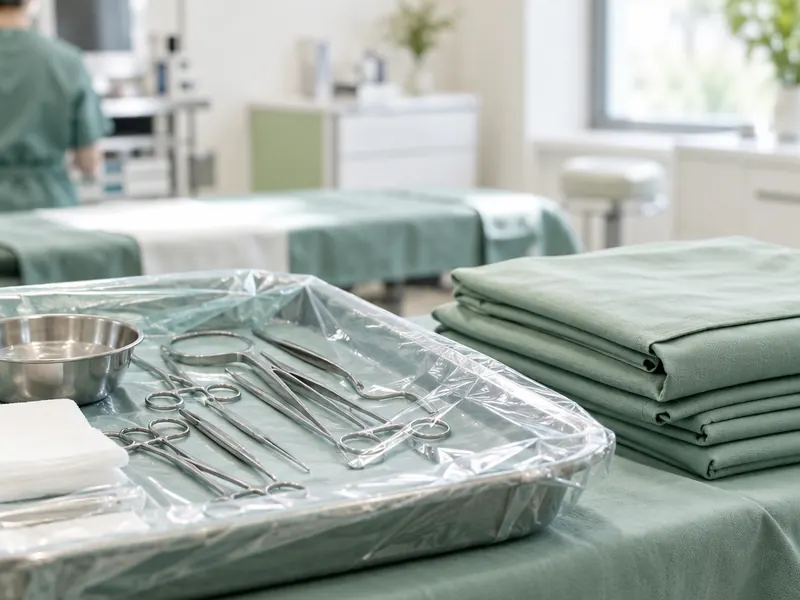
Recovery support at City Medical Centre
City Medical Centre works with international patients and plans recovery as part of the treatment, not as an afterthought. The first consultation is free and can be held online: send photos of your face from the front and side, describe what you would like to change and ask how long you should plan to stay. The surgeon assesses your case, recommends the type of lift and names the cost, which is then fixed in the contract.
After surgery you stay in the clinic's inpatient unit under round-the-clock monitoring, and your operating surgeon follows you up for the whole first year. A personal coordinator stays with you from your first message to the end of recovery, and photos and questions can be sent by Telegram at any stage. Find out more on the facelift page.
Sources
Frequently asked questions
How long does it take to recover from a facelift?
Most people need about two to four weeks before they feel comfortable returning to work and social life. Recovery for everyday activities is largely complete after about two months, and the face takes on its final look over three to six months as residual swelling settles.
When do swelling and bruising go away after a facelift?
Swelling and bruising are usually most visible in the first week. Bruising typically fades within two to four weeks. Mild swelling can come and go for several months, especially in the morning, and gradually disappears as the tissues settle.
How should I sleep after a facelift?
Sleep on your back with your head raised on two or three pillows for the first one to two weeks. This helps reduce swelling and protects the incisions. Avoid lying on your side or face until your surgeon confirms it is safe.
When can I fly home after a facelift abroad?
Health guidance recommends not flying for about seven to ten days after facial cosmetic surgery because of the risk of blood clots. It is sensible to stay near the clinic for the first week so the surgeon can check the wounds and remove stitches before you travel.
When will I see the final result of a facelift?
The first clear changes usually appear after three to four weeks, once bruising and the main swelling have gone. The final look develops over three to six months. Scars continue to fade for longer, so the outcome should not be judged in the first weeks.
What symptoms after a facelift need urgent attention?
Contact your surgeon at once if swelling increases quickly on one side, pain becomes severe, you develop fever or a wound discharge, the skin darkens or facial movement weakens. Calf pain, chest pain or breathlessness need emergency care.
Have a question about your case? Get a free consultation
Message a coordinator on Telegram: we reply right in the chat, and you can send photos and questions there too.
- The first consultation is free, online consultations are available
- The doctor names the cost after the assessment, and it is fixed in the contract
- A personal coordinator guides you from the first message to recovery
Message our coordinator on Telegram
We reply right in the chat — you can send photos
Message us on TelegramBy sending a message, you agree to the privacy policy
Read also
 Facelift
Facelift or thread lift: how long each lasts and who each one suits
A thread lift gives a short-lived lift with little downtime; a surgical facelift works on deeper tissues for longer. Compare results, risks and who each suits.
 Facelift
Full (circular) facelift: what it corrects, who it suits and what recovery involves
What a full circular facelift corrects, who it suits and who it does not, how the operation and the first weeks with a face bandage go, and how long results last.
 Facelift
Facelift risks and complications: what can happen and how to lower the chances
Facelift risks explained: normal swelling and numbness, rarer haematoma, nerve injury and scarring, who is at higher risk and how surgeons reduce complications.