















Bariatric surgery5 min read
Sleeve gastrectomy explained: how the operation works and who it suits
Sleeve gastrectomy, often simply called a gastric sleeve, is one of the most widely performed bariatric operations in the world. It is technically simpler than a bypass and does not reroute the intestine, yet it can lead to substantial weight loss. This article explains what a sleeve is, how it is performed, who it suits best, what results are realistic, how it compares with a bypass, which risks to know about and what happens if a second operation is ever needed.
The main points in 30 seconds
- A sleeve turns the stomach into a narrow tube; the intestine is not rerouted.
- It is often considered with a BMI of about 35 to 45.
- In studies, average excess weight loss is about 60–70%.
- Reflux may appear or worsen; a bypass is often preferred with heartburn.
- A sleeve is not reversible but can be converted to a bypass or SADI-S.
Key facts about the procedure
- Back to work2–4 weeks
- Stay in clinic1–5 days
- Final result18–24 months
- Price
$4,800from $3,600
What sleeve gastrectomy is
In a sleeve gastrectomy the surgeon removes the larger, stretchy part of the stomach and leaves a narrow tube, or sleeve, roughly the shape of a banana. Most of the stomach is removed, so the new stomach holds far less food.
The operation works in two ways:
- Smaller volume: you feel full after small portions.
- Hormonal effect: the removed part of the stomach produces most of the hunger hormone ghrelin, so appetite usually falls.
Unlike a bypass, the route food takes through the intestine stays the same, and the stomach keeps its normal outlet.
How the operation is performed
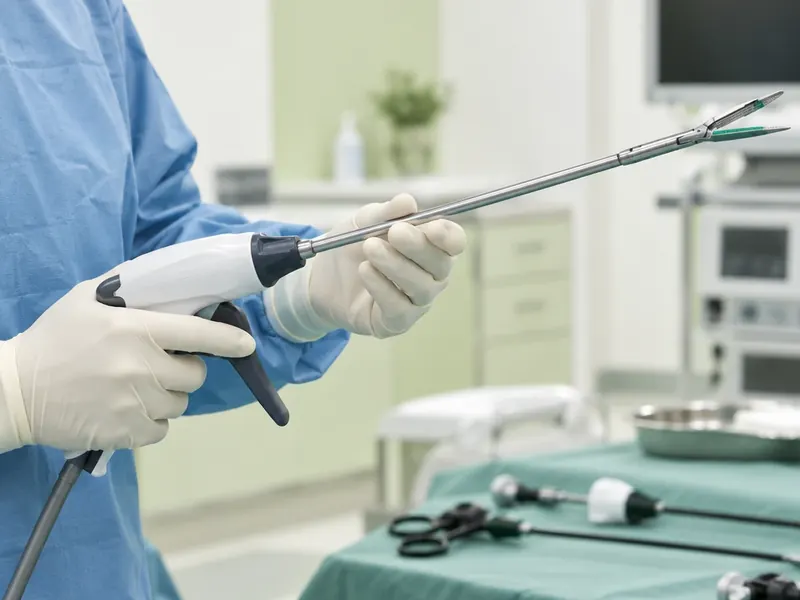
A sleeve is done under general anaesthetic by keyhole (laparoscopic) surgery through several small cuts. The surgeon uses a stapling device to divide the stomach along its length and removes the separated part. The staple line is then checked for leaks.
The operation usually takes about one to two hours. Most patients walk within hours, start sipping water the same evening or the next day and go home after one to three days. The diet then moves step by step from liquids to purées, soft food and finally normal textures over several weeks.

Who a sleeve suits best
The choice of operation is always made by the surgeon after an examination, but a sleeve is often considered for:
- people with a BMI of about 35 to 45, the range in which the clinic describes the method as most suitable;
- patients who prefer not to have the intestine rerouted;
- people who take medicines that need normal absorption;
- patients with a higher surgical risk, where a shorter operation is an advantage;
- as a first stage before a second operation in some people with a very high BMI.
A sleeve is usually less suitable with significant reflux or a large hiatal hernia, because it can make heartburn worse.
Expected weight loss
Weight loss is usually described as the share of excess weight that is lost. After a sleeve, patients lose on average around 60 to 70 percent of their excess weight, with most of the loss in the first year to eighteen months. Individual results vary and depend on starting weight, eating habits, activity and follow-up.
Weight-related conditions such as type 2 diabetes, high blood pressure and sleep apnoea often improve as weight falls. The result is not guaranteed: weight can return, especially if high-calorie drinks and liquid snacks become regular again.
Sleeve vs bypass: key differences
Both operations are performed at City Medical Centre, and the surgeon helps to choose between them. The table gives a simplified comparison.
What changes
- Sleeve gastrectomy
- Stomach made into a narrow tube
- Roux-en-Y gastric bypass
- Small stomach pouch joined to the small intestine
Intestine rerouted
- Sleeve gastrectomy
- No
- Roux-en-Y gastric bypass
- Yes
Average excess weight loss
- Sleeve gastrectomy
- About 60–70%
- Roux-en-Y gastric bypass
- About 75–85%
Reflux
- Sleeve gastrectomy
- May appear or worsen
- Roux-en-Y gastric bypass
- Often improves
Type 2 diabetes
- Sleeve gastrectomy
- Often improves
- Roux-en-Y gastric bypass
- Often preferred with diabetes
Supplements
- Sleeve gastrectomy
- Usually lifelong
- Roux-en-Y gastric bypass
- Lifelong
More details on all four methods, including mini gastric bypass and SADI-S, are on the bariatric surgery page.
Risks and side effects
Serious complications are uncommon, but it is important to know them:
- Leak from the staple line: rare but serious; the long staple line is the main early risk of this operation.
- Bleeding and blood clots: reduced by careful technique, early walking and preventive treatment.
- Reflux: heartburn can appear or worsen after a sleeve.
- Nutritional deficiencies: smaller meals mean fewer vitamins and minerals, so supplements and regular blood tests are needed.
- Gallstones during rapid weight loss, and weight regain in the long term.
Converting a sleeve later if needed
A sleeve cannot be reversed, because the removed part of the stomach is taken out. It can, however, be converted into another operation if there is a medical reason. The most common reasons are:
- severe reflux that does not respond to treatment;
- not enough weight loss or significant regain;
- diabetes that is still hard to control.
In such cases a sleeve can be converted into a gastric bypass or into SADI-S, which the clinic describes as an option after an ineffective sleeve. A second operation is more complex, so the decision is made carefully after examination.
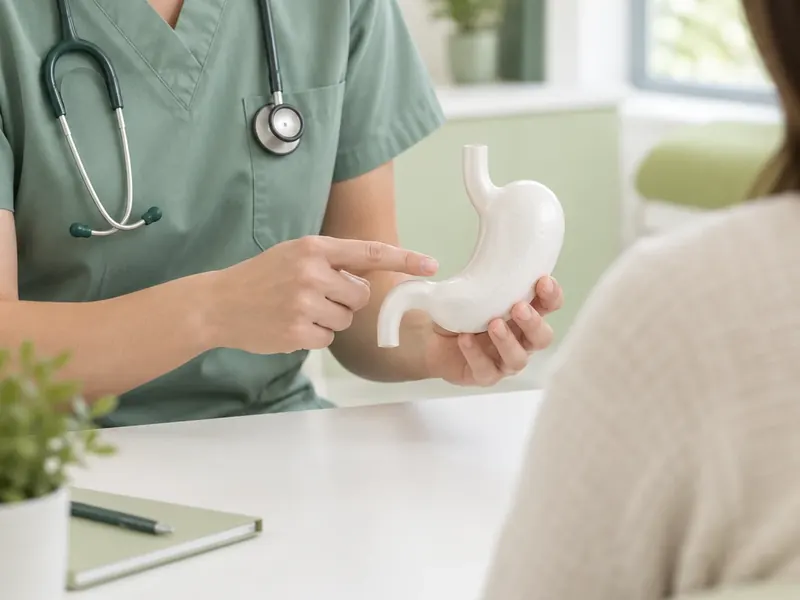
Sleeve gastrectomy at City Medical Centre
City Medical Centre works with international patients and performs sleeve gastrectomy, Roux-en-Y gastric bypass, mini gastric bypass (MGB) and SADI-S. Before surgery you have a full check-up, and the surgeon explains whether a sleeve or another method suits you better. The first consultation is free and can be held online: share your height, weight, weight history, conditions and any test results.
The cost is named after this assessment and fixed in the contract, and a personal coordinator stays with you from the first message to the end of recovery. Documents and questions can be sent by Telegram. Learn more on the bariatric surgery page.
How recovery usually goes
- First hoursYou may sit up, stand and drink fluids
- 1–5 daysObservation at the clinic, depending on the extent of surgery
- 2–4 weeksReturn to office work; physical work after about 1.5 months
- 1–2 monthsStaged diet from liquids to solids to let the stomach adapt
- Every monthOn average 10% of excess weight lost per month
- 1.5–2 yearsFinal result, stable eating habits prevent the weight from returning
Sources
Frequently asked questions
How much weight will I lose after a gastric sleeve?
In studies, patients lose on average around 60 to 70 percent of their excess weight, mostly in the first year to eighteen months. Individual results vary with starting weight, eating habits, activity and follow-up, and they are not guaranteed.
Is sleeve gastrectomy reversible?
No. The larger part of the stomach is removed during the operation, so it cannot be put back. A sleeve can, however, be converted into another operation, such as a gastric bypass or SADI-S, if there is a medical reason.
Is a sleeve safer than a bypass?
Both have low rates of serious complications. A sleeve is technically simpler and does not reroute the intestine, while a bypass avoids some sleeve problems such as worsening reflux. The safest option depends on your health, and the surgeon recommends it after examination.
Can a sleeve be converted to a bypass?
Yes. If severe reflux, insufficient weight loss or regain develops, a sleeve can be converted into a gastric bypass or into SADI-S. This is a more complex operation, so it is planned carefully after a full examination.
How long is recovery after a sleeve?
Most people go home after one to three days. The diet moves from liquids to normal food over several weeks, and a return to usual activities typically takes four to six weeks. Supplements and regular check-ups continue long term.
Have a question about your case? Get a free consultation
Message a coordinator on Telegram: we reply right in the chat, and you can send photos and questions there too.
- The first consultation is free, online consultations are available
- The doctor names the cost after the assessment, and it is fixed in the contract
- A personal coordinator guides you from the first message to recovery
Message our coordinator on Telegram
We reply right in the chat — you can send photos
Message us on TelegramBy sending a message, you agree to the privacy policy
Read also
 Bariatric surgery
Tests and check-ups before bariatric surgery: what is needed and why
Which tests are needed before bariatric surgery: blood work, gastroscopy, ultrasound, heart and lung checks, extra tests and findings that can delay surgery.
 Bariatric surgery
Types of bariatric surgery compared: sleeve, gastric bypass, mini bypass and SADI-S
Sleeve, bypass, mini bypass and SADI-S compared: how each works, expected weight loss, effect on diabetes, risks, and why balloons and bands are used less.
 Facelift
SMAS facelift: what it is, how it works and what to realistically expect
What the SMAS layer is, how a surgical SMAS facelift lifts the face and neck, how it differs from ultrasound lifting, who it suits, recovery and results.