Types of bariatric surgery compared: sleeve, gastric bypass, mini bypass and SADI-S
Bariatric surgery is not one operation but a family of procedures that work in different ways. Some make the stomach smaller, others also change the route food takes through the intestine. This guide compares the main operations, explains who each one usually suits, how they affect type 2 diabetes, what their drawbacks are, why balloons and bands are used less today and whether the weight can come back.
Bariatric surgery types at a glance
All modern bariatric operations are usually done through small incisions (laparoscopy) under general anaesthesia. They help people lose weight in two main ways: by reducing how much the stomach can hold, and by changing gut hormones and digestion so that hunger falls and fewer calories are absorbed. The choice depends on your BMI, related conditions, eating habits and previous operations.
| Operation | How it works | Typical loss of excess weight | Often considered for |
|---|---|---|---|
| Sleeve gastrectomy | Most of the stomach is removed, leaving a narrow tube | Often around half to two thirds | BMI of about 35 to 45, no severe reflux |
| Roux-en-Y gastric bypass | A small stomach pouch is joined to the small intestine | Often around two thirds or more | Higher BMI, type 2 diabetes, reflux |
| Mini gastric bypass (MGB) | A longer pouch with a single connection to the intestine | Comparable to Roux-en-Y bypass | Similar indications to bypass |
| SADI-S | A sleeve plus a single bypass of a long segment of intestine | Among the highest | Very high BMI, severe diabetes, second stage after a sleeve |
These are typical figures from studies, not a promise. Results depend on the operation, your starting weight and, above all, on how you eat and move afterwards.
Sleeve gastrectomy
In a sleeve gastrectomy the surgeon removes about three quarters of the stomach along its outer curve. What remains is a narrow tube about the size of a banana. Portions become much smaller, and because the removed part produces most of the hunger hormone ghrelin, appetite usually drops.
The sleeve is the most common bariatric operation worldwide. It keeps the normal route of food through the intestine, so vitamin absorption is less affected than after a bypass. Its main drawbacks are that it cannot be reversed and that it can cause or worsen acid reflux, so people with severe reflux are often advised to have a bypass instead.
Roux-en-Y gastric bypass
In a Roux-en-Y bypass the surgeon creates a small pouch at the top of the stomach and connects it directly to a loop of the small intestine. Food bypasses most of the stomach and the first part of the intestine. This limits portion size, reduces absorption and has a strong effect on gut hormones that regulate blood sugar and appetite.
Bypass is well studied over decades. It often leads to remission or improvement of type 2 diabetes, high blood pressure and reflux. In return, it requires lifelong vitamin and mineral supplements and regular blood tests, and some people experience dumping syndrome, discomfort after sugary or fatty food.
Mini gastric bypass (MGB)
A mini gastric bypass, also called one-anastomosis gastric bypass, uses a longer, narrow stomach pouch connected to the small intestine with a single join instead of two. The operation is technically simpler and often shorter, and weight loss and effect on diabetes are generally comparable to a Roux-en-Y bypass.
Its specific risk is bile reflux, when bile from the intestine flows back into the stomach pouch. For this reason surgeons assess reflux symptoms carefully before choosing it. Like any bypass, it needs lifelong supplements and monitoring.
SADI-S
SADI-S (single anastomosis duodeno-ileal bypass with sleeve) combines a sleeve gastrectomy with a bypass of a long part of the small intestine. Food leaves the sleeve and joins the intestine much further down, so fewer calories and fats are absorbed.
It is one of the most powerful operations and is usually considered for very high BMI, severe type 2 diabetes or as a second stage when a sleeve has not given enough result. Because absorption is reduced more, the risk of vitamin and protein deficiencies is higher, and careful lifelong follow-up is essential. More about the operations we perform is on our bariatric surgery page.
Balloons and bands: why they are less used
An intragastric balloon is placed in the stomach through an endoscope and removed after several months. It involves no surgery, but the effect is temporary and much of the weight often returns after removal. It is sometimes used before an operation to reduce risk.
The adjustable gastric band was popular in the past. It is placed around the top of the stomach and can be removed, but many bands had to be taken out or replaced because of slipping, erosion or poor weight loss. For these reasons, most surgeons today prefer the sleeve or a bypass.
Can the weight come back?
Yes, partly, and it is important to know this in advance. Most people lose the most weight in the first one to two years. After that, some regain part of it, especially if they drift back to grazing, sweet drinks or high-calorie liquid food, which pass easily through a small stomach.
What helps keep the result:
- eating small protein-first meals and chewing slowly;
- avoiding sugary and fizzy drinks;
- regular physical activity;
- taking the prescribed supplements and attending follow-up;
- support from a dietitian and, if needed, a psychologist.
If weight does return, a revision is possible in some cases, for example converting a sleeve to a bypass or SADI-S. This is a separate decision made after a full assessment.
Choosing the right operation at City Medical Centre
City Medical Centre performs sleeve gastrectomy, Roux-en-Y bypass, mini gastric bypass and SADI-S and works with international patients. The section on balloons and bands is general information: these methods are not among the operations we list, and the suitable option is chosen at the consultation. The first consultation is free and can be held online: send your height, weight, list of conditions and medicines, and any previous operations, and the surgeon will explain which options suit you and why.
The final choice is made after a full check-up, including blood tests and gastroscopy. The cost is named after the assessment and fixed in the contract. A personal coordinator stays with you from your first message through surgery and recovery, and questions can be sent by WhatsApp. Find out more on the bariatric surgery page.
Sources
Results of our patients
Real before and after photos of City Medical Centre patients. Results are individual.
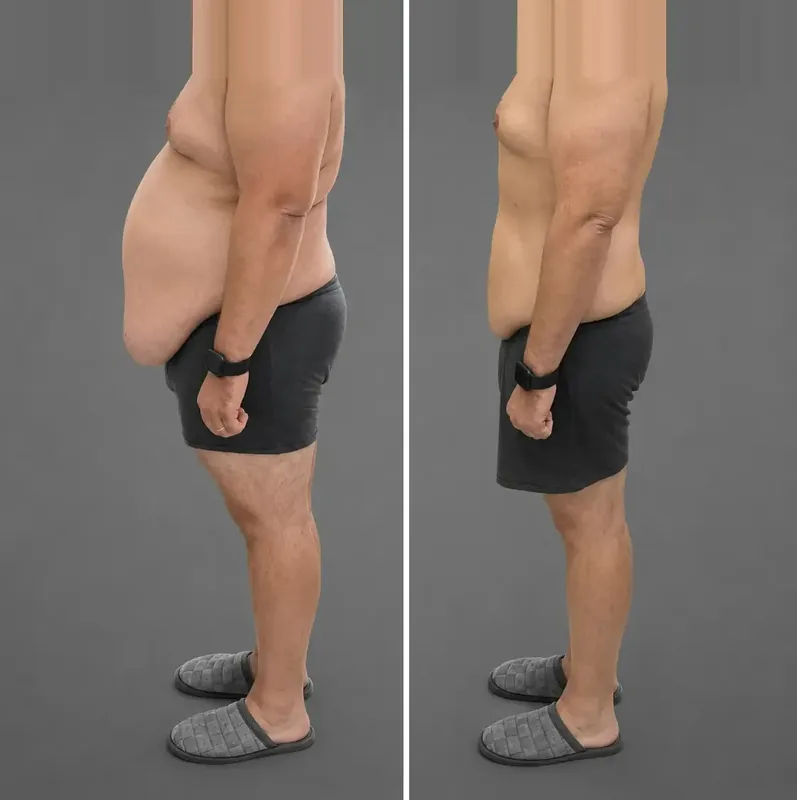 BeforeAfter
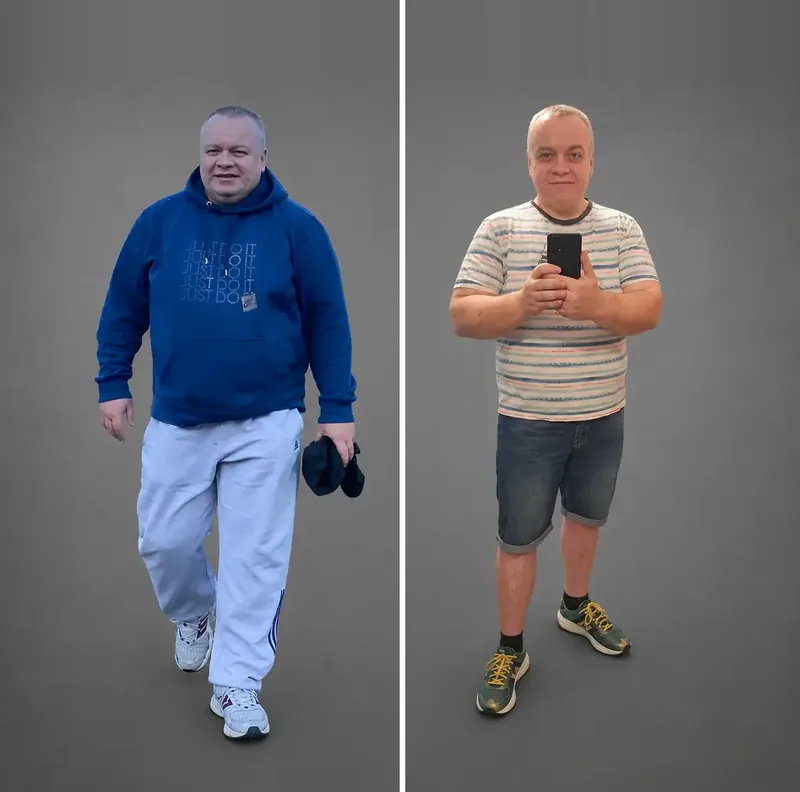 BeforeAfter
 BeforeAfter
Frequently asked questions
Which bariatric surgery is most effective?
In studies, bypass operations and SADI-S usually lead to greater and more lasting weight loss than a sleeve, and SADI-S is among the most powerful. But the most effective operation for you depends on your BMI, related conditions, reflux and eating habits. The surgeon weighs these factors and the risks before recommending a method.
What is the difference between sleeve and bypass?
A sleeve makes the stomach smaller but keeps the normal route of food through the intestine. A bypass creates a small pouch and connects it directly to the small intestine, so food skips part of the digestive tract. Bypass usually has a stronger effect on diabetes and reflux but needs lifelong supplements.
Which operation is best for diabetes?
Operations that reroute the intestine, such as Roux-en-Y bypass, mini gastric bypass and SADI-S, generally have the strongest effect on type 2 diabetes, and many people reduce or stop their diabetes treatment under a doctor's supervision. A sleeve also helps, often to a lesser degree. Remission is common but not guaranteed.
Can weight come back after bariatric surgery?
Some weight regain is possible, usually starting two or more years after surgery, especially with frequent snacking, sweet drinks and little activity. Following dietary advice, exercising regularly and attending follow-up help keep the result. In some cases a revision operation can be considered.
Is bariatric surgery reversible?
It depends on the operation. A sleeve cannot be reversed because part of the stomach is removed. Bypass operations can technically be reversed, but this is rarely done and is a major operation. A gastric band can be removed and a balloon is always temporary. Surgery should be seen as a lifelong decision.
Have a question about your case? Get a free consultation
Send your name and phone number, and a coordinator will call you back. You can also send photos and questions on WhatsApp.
- The first consultation is free, online consultations are available
- The doctor names the cost after the assessment, and it is fixed in the contract
- A personal coordinator guides you from the first message to recovery
Read also
- Bariatric surgery
Who qualifies for bariatric surgery: BMI criteria, contraindications and tests
Who qualifies for bariatric surgery: BMI criteria from the 2022 guidelines, related conditions, contraindications, tests before surgery and readiness for life after.
- Bariatric surgery
Diet after gastric sleeve surgery: stages from liquids to solid food
Diet after gastric sleeve surgery: liquid, purée, soft and regular food stages, protein and water, portions, foods to avoid, vitamins and long-term habits.
- Hair transplant
What are grafts in hair transplantation, and how are they handled?
What a hair graft is, which types exist, how grafts are extracted, kept and implanted, and why careful handling matters for the result of a hair transplant.