
























Bariatric surgery6 min read
Pregnancy after bariatric surgery: when it is safe to plan a baby
Many women who consider bariatric surgery also hope to have children, and the two plans often meet. Weight loss after surgery can make pregnancy easier to achieve and safer to carry, but timing matters: the body needs time to settle, and a growing baby depends on steady nutrition. This article explains how obesity affects fertility, how long doctors usually advise waiting, what changes for nutrition and vitamins, how the type of operation plays a role and why contraception is important in the first months.

The main points in 30 seconds
- Doctors usually advise waiting 12–18 months after surgery before pregnancy.
- Fertility can return quickly, so reliable contraception matters early on.
- Deficiencies should be corrected before conception; vitamins are set by a doctor.
- After bypass, MGB and SADI-S, nutrition is watched more closely in pregnancy.
- Tell your surgeon at the first consultation if you plan to have children.
Key facts about the procedure
- Back to work2–4 weeks
- Stay in clinic1–5 days
- Final result18–24 months
- Price
$4,800from $3,600
How obesity affects fertility
Excess weight can influence fertility in several ways. Fat tissue takes part in hormone balance, so a very high body weight can disturb ovulation and make cycles irregular. Conditions often linked with obesity, such as polycystic ovary syndrome and type 2 diabetes, can make it harder to conceive. Obesity is also associated with lower success rates of fertility treatment, and some clinics set a BMI limit before they start it.
Once a pregnancy begins, obesity raises the chance of certain complications. Health services list gestational diabetes, high blood pressure and pre-eclampsia, blood clots, a larger baby and a higher likelihood of caesarean birth. For the baby, the risks include being born early and, less often, more serious problems. Most pregnancies in women with obesity still end with a healthy baby, but the risks are real enough that doctors take them into account when a woman plans a family.
Why weight loss can improve the chance of pregnancy
When weight falls, hormone balance often improves, and for many women regular cycles return. That is why fertility may increase after bariatric surgery, sometimes sooner than expected. Women who were told they were unlikely to conceive easily can become pregnant within months of the operation if they do not use contraception.
Weight loss can also reduce the risk of some pregnancy complications linked with obesity, such as gestational diabetes and high blood pressure, and improve conditions like type 2 diabetes before a pregnancy starts. Results differ from person to person, and surgery does not guarantee pregnancy or a problem-free one. It changes the starting point, and the rest depends on timing, nutrition and good medical follow-up.
How long to wait after surgery
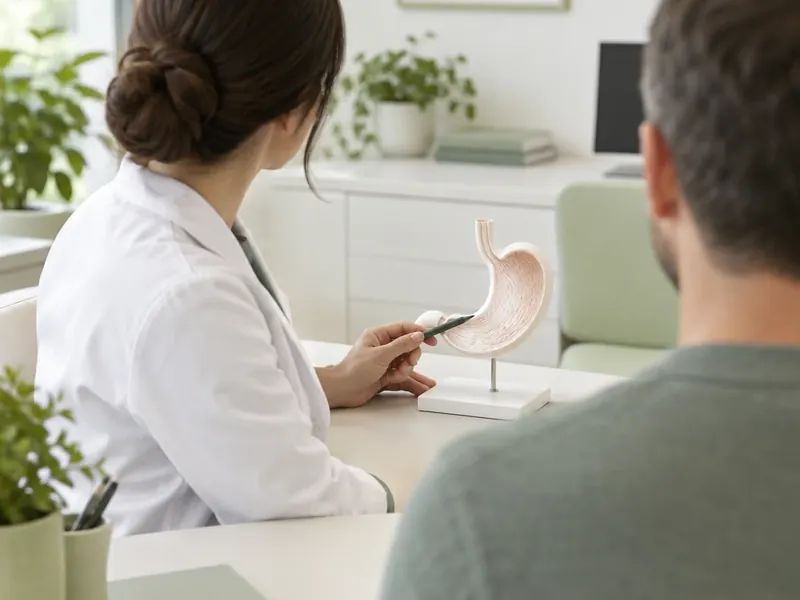
The usual advice is to avoid pregnancy for about 12 to 18 months after bariatric surgery, until weight has stabilised. City Medical Centre gives the same guidance on its bariatric surgery page. There are several reasons for this pause:
- Rapid weight loss: the first year after surgery is the time of fastest weight loss, when the body takes in little food and uses its own reserves.
- Nutrition is still adjusting: eating habits, portion sizes and supplements are still being tuned, and deficiencies can appear during this period.
- Healing: the operated stomach and intestine need time to recover fully.
- Clear results: after 12–18 months it is easier to see where weight has settled and whether any problems need attention first.
If a pregnancy starts earlier than planned, this is not a reason to panic. Contact your surgeon and your pregnancy team as soon as possible so they can check your nutrition and adjust follow-up.
Nutrition and vitamins during pregnancy
After bariatric surgery, vitamin and mineral supplements are needed long term, and during pregnancy the needs of the mother and baby both grow. Iron, folate, vitamin B12, calcium and vitamin D are particularly important, as is enough protein. A deficiency that would be minor at other times can matter more during pregnancy.
- Before conception: have your blood tests checked and deficiencies corrected before you start trying to conceive.
- Supplements: your doctor decides which products and amounts you need during pregnancy. Some standard pregnancy vitamins are not suitable after surgery, so do not change your plan on your own.
- Regular checks: blood tests are usually repeated during pregnancy to catch changes early.
- Tell your pregnancy team: your midwife or obstetrician should know you have had surgery and which type. For example, the usual sugary drink test for gestational diabetes may cause unpleasant symptoms after a bypass, and another method may be chosen.
Weight gain in pregnancy after bariatric surgery is expected and healthy. The goal is not to keep losing weight while pregnant but to eat enough good-quality food in small portions, as your team advises.
Pregnancy after sleeve vs bypass
Pregnancy is possible after all the operations City Medical Centre performs, but they affect nutrition differently:
- Sleeve gastrectomy: the intestine is not rerouted, so absorption is less affected. The main issues are small portions and reduced stomach acid, which can lower iron and vitamin B12.
- Roux-en-Y gastric bypass and mini gastric bypass (MGB): part of the small intestine is bypassed, so deficiencies of iron, calcium, vitamin D and B12 are more common, and closer monitoring is needed during pregnancy.
- SADI-S: absorption is reduced further, including of fat and fat-soluble vitamins, so nutrition and protein are watched especially carefully.
After a bypass, severe or new abdominal pain during pregnancy should always be checked quickly, because rare internal hernias can cause similar symptoms. Your surgeon can explain what to watch for after your specific operation.
Contraception in the first months
Because fertility can return quickly after surgery, reliable contraception is important in the first 12–18 months. Many women are surprised by an unplanned pregnancy during the period of fastest weight loss.
The choice of method deserves a conversation with a doctor. After operations that change absorption, and in the first weeks when vomiting or diarrhoea may occur, contraceptive tablets may not be absorbed reliably. For this reason, methods that do not depend on the stomach and intestine are often recommended after bariatric surgery. Your gynaecologist or family doctor will help you choose a method that suits your health and plans.

Family planning advice at City Medical Centre
City Medical Centre works with international patients and performs sleeve gastrectomy, Roux-en-Y gastric bypass, mini gastric bypass (MGB) and SADI-S. The clinic does not operate during pregnancy or earlier than six months after the end of breastfeeding, and the pre-operative assessment for women includes a consultation with a gynaecologist. If you plan to have children, tell the surgeon at the first consultation: this helps choose the operation and plan the timing, supplements and blood tests.
Pregnancy itself is managed by your own doctor and obstetric team, and a personal coordinator stays in touch from the first message to the end of recovery. The first consultation is free and can be held online; the price is named after assessment and fixed in the contract. More details on the bariatric surgery page.
How recovery usually goes
- First hoursYou may sit up, stand and drink fluids
- 1–5 daysObservation at the clinic, depending on the extent of surgery
- 2–4 weeksReturn to office work; physical work after about 1.5 months
- 1–2 monthsStaged diet from liquids to solids to let the stomach adapt
- Every monthOn average 10% of excess weight lost per month
- 1.5–2 yearsFinal result, stable eating habits prevent the weight from returning
Sources
Frequently asked questions
How long after bariatric surgery can I get pregnant?
Doctors usually advise waiting about 12 to 18 months, until weight has stabilised and nutrition is settled. If you become pregnant earlier, contact your surgeon and pregnancy team promptly so they can check your nutrition and adjust follow-up.
Does bariatric surgery improve fertility?
For many women, yes. Weight loss often improves hormone balance and makes cycles more regular, so fertility may rise, sometimes within months. It is not guaranteed, and the effect differs from person to person.
Is pregnancy after gastric bypass safe?
Many women have healthy pregnancies after a gastric bypass. It needs planning: waiting the recommended time, correcting deficiencies before conception, taking supplements as prescribed and telling your pregnancy team about the surgery, since blood tests and some checks are adapted.
Do I need extra vitamins during pregnancy?
Usually yes. Needs for iron, folate, vitamin B12, calcium, vitamin D and protein grow during pregnancy, and absorption after surgery may be lower. Your doctor decides the products and amounts; do not choose them yourself.
Can I have bariatric surgery if I am planning IVF?
Often yes, but timing matters. Pregnancy is a contraindication to surgery, and the usual advice is to wait 12–18 months after it before conceiving, including through IVF. Discuss your plans with both the surgeon and your fertility specialist.
Have a question about your case? Get a free consultation
Message a coordinator on Telegram: we reply right in the chat, and you can send photos and questions there too.
- The first consultation is free, online consultations are available
- The doctor names the cost after the assessment, and it is fixed in the contract
- A personal coordinator guides you from the first message to recovery
Message our coordinator on Telegram
We reply right in the chat — you can send photos
Message us on TelegramBy sending a message, you agree to the privacy policy
Read also
 Bariatric surgery
Vitamins and minerals after bariatric surgery: why they are needed for life
Why vitamins and minerals are needed for life after bariatric surgery: key nutrients, sleeve vs bypass differences, risks of skipping them and blood tests.
 Bariatric surgery
Heartburn and reflux after bariatric surgery: why it happens and what to do
Why heartburn and reflux can appear after a gastric sleeve, which symptoms matter, how reflux is prevented and treated, and when to see your surgeon.
 Tummy tuck
Pregnancy after a tummy tuck: what happens to the result and how to plan
Can you get pregnant after a tummy tuck, what pregnancy does to the skin, muscles and scar, how long to wait and how to plan surgery around a family.