



























Message our coordinator
Free online consultation · Reply within 15 minutes
Message us on TelegramMessage us on WhatsAppBy messaging us, you agree to our Privacy Policy




Facelift and neck lift in Bonn: price and key facts
Facelift for patients from Bonn at City Medical Centre starts at €2,150 (from $2,400). The first online consultation is free; the doctor names the final price and it is fixed in the contract.
- Price
- €2,150 (from $2,400)
- Anesthesia
- general (inhalation)
- Recovery
- about 2 months to full recovery
- Final result
- 3–6 months after surgery
- How it works
- Send photos on WhatsApp or Telegram, get a free doctor assessment and the price, then confirm the plan and dates before anything is booked.
How it works · Facelift prices
Information current as of 24 October 2026



50 years
9 months

SMAS facelift

58 years
8 months
SMAS facelift

34 years
5 months
SMAS facelift

32 years
7 months
SMAS facelift

40 years
6 months
SMAS facelift

45 years
8 months
SMAS facelift

38 years
5 months
SMAS facelift

33 years
6 months
SMAS facelift
50 years
9 months
SMAS facelift
58 years
8 months
SMAS facelift
34 years
5 months
SMAS facelift
32 years
7 months
SMAS facelift
40 years
6 months
SMAS facelift
45 years
8 months
SMAS facelift
38 years
5 months
SMAS facelift
33 years
6 months
SMAS facelift


The face and neck show marked sagging
A loss of jawline definition, jowls
Loose skin on the neck, a double chin
Deep marionette lines and nasolabial folds
Drooping brows and a heavy look
A significant drop in skin firmness after 40
Looking for a result that lasts (7–10 years)

Under 30 years old
An acute skin inflammation
Pregnancy or the breastfeeding period
A severe cardiovascular condition
Impaired blood clotting
Cancer
Decompensated diabetes
How a SMAS facelift works for Bonn residents
What changes after a facelift? The lower-face contour becomes crisp, the cheeks are lifted, the chin line is clean without a double chin and nasolabial folds soften. Brows rise and the eyes look more open. The aim for patients from Bonn is a younger, fresher look without an overdone effect or a mask-like appearance. One surgery gives a complete result, and a full lift keeps it for up to 10 years.
Is a SMAS facelift painful? No: the surgery is done under general inhalation anaesthesia, so you feel nothing. Afterwards, discomfort and tightness are possible for a few days and are eased with prescribed medication. A compression bandage and reduced activity help the tissues settle in the first 7–10 days. That is the typical course for people in Bonn after surgery.
A facelift costs from $2,400 (≈ €2,150). For patients from Bonn, the price includes a one-to-one consultation, a highly experienced medical team, combined inhalation anaesthesia, a stay in comfortable inpatient rooms, 24/7 monitoring by medical staff, meals during your stay, personal support before and after surgery and a year of follow-up by your plastic surgeon. Start with a free consultation.
Stories of well-known people
Well-known people who spoke openly about this operation, in their own words.
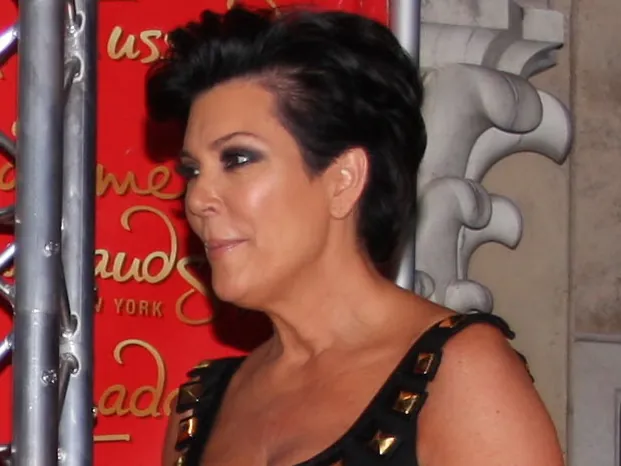 Kris Jenner’s facelift: “I love my facelift”Kris Jenner said she had a facelift about 15 years ago and a refresh before turning 70 — and that she loves it. How a SMAS facelift and recovery work.
 Did Vicki Gunvalson have a facelift? Yes, and she showed the result herselfVicki Gunvalson had a facelift in May 2018 after deciding fillers no longer looked like her. Her own words, how a facelift works and recovery.
 Keltie Knight’s facelift: why she decided to “just own it”Keltie Knight had a facelift in 2023 at 41 and chose to talk about it openly. What she said, how a SMAS facelift works and what recovery looks like.
 Did Linda de Mol have a neck lift? Yes, and she wrote about it herselfLinda de Mol wrote in LINDA. in 2025 that she had a neck lift. What she said, why she chose to be open, and how a face and neck lift works today.
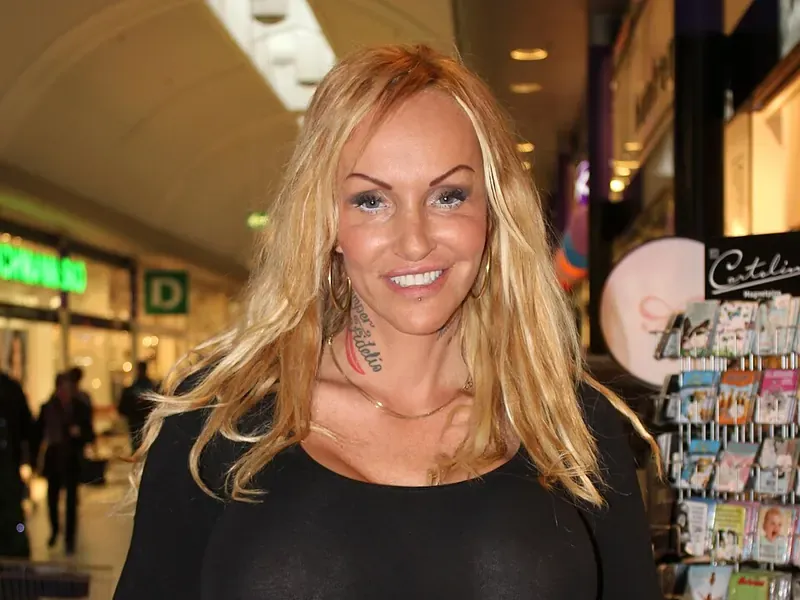 Linse Kessler and her facelifts: what she said herselfDanish reality star Linse Kessler has said openly that she has had several facelifts. Her words, how a modern facelift works and what recovery involves.
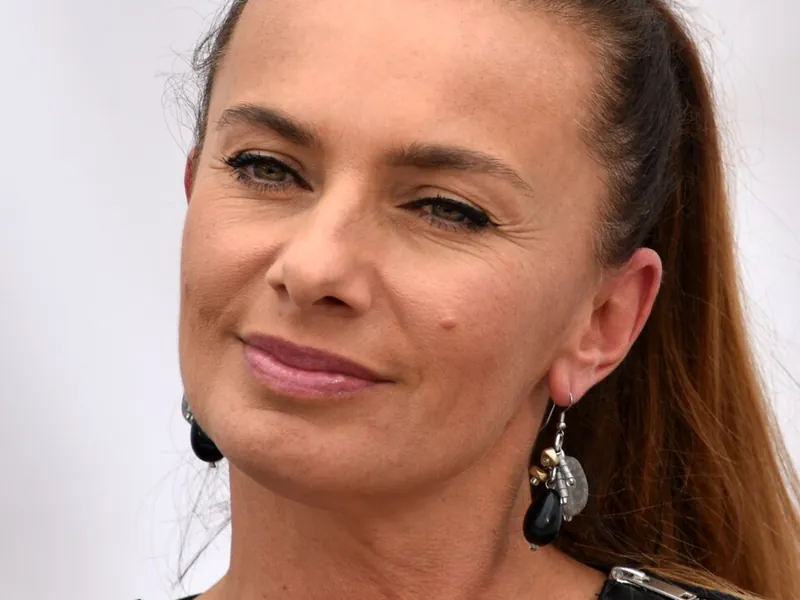 Did Alice Bendová have a facelift? Yes, and she explained why herselfAlice Bendová confirmed a deep plane facelift in September 2026. Her words, how a facelift works, who it suits and what recovery looks like.
Facelift in Bonn: price and what is included
Prices are in US dollars; the amount in brackets is an approximate conversion to EUR at the rate of 02.10.2026. The final price is fixed in your contract.
- Faceliftfrom $2,400 (≈ €2,150)
What is a SMAS facelift?
It is a face lift that tightens the deep SMAS layer under the skin, not only the skin itself, so the lower face, jawline and neck stay firmer for longer. The result lasts about 7–10 years.
How much does a facelift in Bonn cost?
Prices start from $2,400 (≈ €2,150). The surgeon sets the final price at the free consultation, and it is fixed in the contract, with no hidden extras.
What is included in the price?
A one-to-one consultation, the medical team, anaesthesia, inpatient care with meals, 24/7 monitoring and twelve months of follow-up by the surgeon.
How do I get my exact price?
Message us on WhatsApp or Telegram using the buttons below. A coordinator will answer your questions and book a free consultation where the doctor names the exact price.
By messaging us, you agree to our Privacy Policy
Skin in a city with 7 hours of summer sun and 1 hour in December
Bonn's light changes more over the year than most people expect, and this matters for a facelift. According to the climate figures for the city, sunshine averages 4.5 hours a day across the year. From May to August it rises to about 7 hours a day, and in December it falls to roughly 1 hour. January and November sit at about 2 hours. For skin that has just been through a SMAS lift, the summer plateau is the demanding part of the calendar, because the face spends several weeks healing while the daylight is at its strongest.
The doctor will discuss this during the online consultation, which is why the first conversation is about your calendar as much as your face. A surgical SMAS facelift repositions the muscle and fascia layer, then the doctor redrapes the skin flap and removes the excess. Healing skin is not meant to be pushed into strong sun during the weeks of visible swelling and bruising. The service information gives 2–4 weeks for swelling and bruising to fade, and about 2 months for full recovery. In Bonn, a procedure planned for early summer would place those weeks under the longest days of the year. A procedure planned for late autumn would place them under light that is far gentler.
This does not mean winter is automatically better. It simply means you choose consciously. Some patients prefer the dim months because a hat, a scarf and a high collar are normal in the city, and the face can stay covered without drawing attention. Others prefer to finish the first stage of recovery before the sunniest months so the skin settles before the strongest light arrives. Either choice works. The coordinator can lay out both timelines against your own plans, and the doctor assesses your skin type and type of ageing from the photos you send on WhatsApp or Telegram.
The photos are worth taking in daylight, ideally near a window and without filters. Flat, even light shows the jawline, jowls, cheeks and neck more honestly than a bathroom mirror. Send a straight front view and a view from each side, with the hair pulled back from the face and ears. The incisions in a standard SMAS lift run along the frontal edge of the hair and around the ears, so the doctor needs to see that area clearly.
The facts about age and indications are specific. A surgical facelift is generally advised from 40 with marked sagging of the tissues, and in some cases from 35. Contraindications include being under 30, acute skin inflammation, pregnancy and breastfeeding, a severe cardiovascular condition, problems with blood clotting, cancer and decompensated diabetes. If you have a chronic illness, say so at the very start.
Wind off the Rhine, cold mornings and the first weeks of healing
Bonn lies on the Rhine, and almost three-quarters of the city is on the left bank of the river. The Siebengebirge rises to the south-east. Open ground by a river is where wind is felt most, and in the colder months wind and low temperatures are the practical side of recovery. The mean daily maximum in January is 5.4 °C, the mean temperature is 3.0 °C, and the mean daily minimum in January and February is around 0.4–0.5 °C. These are not extreme numbers, but they mean that anyone walking to a pharmacy or a follow-up video call in the first week is going out into cold air.
The recovery notes for the procedure call for 7–10 days of rest, a compression bandage and reduced physical activity at the start. In those days the plan is simple: stay in, keep warm, keep the head comfortable, and follow the instructions the doctor gives. Cold, dry air is not the issue indoors. The issue is the short walk outside when the face is still swollen and tight. A soft scarf, a hat that does not press on the bandage, and a loose collar are more useful than any product. Ask the coordinator to confirm with the doctor what is allowed near the incision areas, because instructions about washing, covering and pressure come from the doctor, not from general advice.
Rain also belongs to the picture. Annual precipitation in Bonn is 645 mm. June is the wettest month at 78 mm, followed by August at 70 mm. October is the driest at 30 mm, and April is also dry at 35 mm. A rainy day matters less for the face than for the logistics. Plan your first week so that you do not need to go anywhere, and arrange for groceries and medication to be delivered or collected by a relative or friend.
The altitude is mild. The city's elevation is 60 m above sea level, the highest point is Paffelsberg at 195.3 m, and the lowest is Kemper Werth at 45.6 m. There is no mountain-air factor to account for, and nothing in the geography that complicates the first weeks. The annual mean temperature of 11.1 °C reflects a temperate, changeable climate rather than a harsh one, and the doctor's advice does not need to be adjusted to extremes.
What the weather does affect is mood and routine during the long indoor days. If you are recovering in December, daylight is around 1 hour a day on average, and the swelling phase can feel longer than it is. Keep a simple log: a photo in the same spot at the same time every few days. The first clear changes show after 3–4 weeks as swelling goes down, and the final look of the face arrives within 3–6 months. A log protects you from judging the result too early.
Planning around the city's social calendar
Every city has moments when you want to look rested, and Bonn's calendar is distinctive. The Beethovenfest takes place every year in September with about 70 concerts. It was first held in 1845 and has been annual since 1999. Bonn is also described as a centre of Rhenish carnival. The city has a large university community as well: Universität Bonn, founded on 18 October 1818, had 31,501 students and 6,575 doctoral candidates in December 2024. And Bonn hosts 20 United Nations institutions, the highest number in Germany, which means a professional calendar of conferences and meetings.
None of this means the calendar is empty or full at a given time, and we do not claim to know your plans. What it does mean is that the recovery timeline can be laid against events that matter to you. The service information gives a clear sequence. In the first 7–10 days you rest. Swelling and bruising fade over 2–4 weeks. The first clear changes appear after 3–4 weeks. Full recovery takes about 2 months. The final look arrives within 3–6 months.
Use that sequence as a planning tool. If a concert in September is important to you, count backwards from it. Two months before the date gives you a margin for full recovery, and a longer margin is better still, since the final result needs 3–6 months. A procedure in early November 2026 would reach about two months of recovery around the beginning of January, with the final look settling in the months after. A procedure planned later in the winter would mean visible swelling has passed well before spring.
A work event or a conference is a different kind of deadline than a social one. If you work in an international organisation, a university or a research institute, you may be able to take the first 7–10 days away from the office and join meetings by video later. Even then, expect the face to look different in the second and third weeks, with residual swelling and bruising that can usually be seen on camera. The doctor can tell you in the consultation what the stages typically look like, using the photo examples as reference.
Carnival deserves its own mention, because costumes, make-up and crowds are not compatible with a healing face. Make-up on or near incision areas, close contact in a crowd and strong sun or wind are all things to ask the doctor about in advance. Do not decide this on your own, and do not rely on a friend's experience with a different procedure.
How cosmetic procedures are treated by German insurance
This is a point where planning ahead saves frustration. In Germany, statutory health insurance (GKV) does not pay for cosmetic procedures done at the patient's request. The patient bears the full cost, including lost income. The wording in German reference material is direct: there is no cost coverage by the statutory health insurance in Germany for such procedures. Health insurers cover treatment costs, with the exception of cosmetic surgery, and for cosmetic surgery the total costs are borne by the patient.
There is a second consequence that people often overlook. If a procedure is not medically indicated and complications follow, insured persons must share in the costs of those complications, including sick pay. Insurers may restrict or refuse benefits under § 52 SGB V, and there is no entitlement to continued wage payment (Entgeltfortzahlung) in that case. In practice, it is sensible to speak with your insurer and your employer before you set a date, rather than after. The coordinator cannot give you legal or insurance advice, but can tell you what documentation the doctor provides, and you can use it in your conversations.
For context, about 92% of the German population is covered by statutory health insurance. As of 2024, about 88% of the working population is insured through statutory funds and about 11% privately. That means most readers in Bonn are in the statutory system, and the rules above apply to most of them. If you have private insurance, the terms of your own contract matter and should be read directly.
The service itself is arranged differently from an insurance-funded treatment. The first online consultation is free, the doctor names the final cost, and it is fixed in the contract. The package includes one-to-one consultation, combined inhalation anaesthesia, inpatient rooms, round-the-clock monitoring by medical staff, meals during the stay, and post-surgery care from the operating plastic specialist for a year until the final result. In-house instalments without bank interest are also available. Ask the coordinator for the exact terms in writing.
Preparing the consultation, the photos and the weeks around the procedure
The online consultation is the stage where most of the useful work happens. You send photos on WhatsApp or Telegram, a doctor assesses them, and you get an indication of the plan and the cost. Nothing is booked until you confirm the plan and the dates. There is no pressure to decide on the same day.
Prepare a short list before you write. Note your age, any chronic conditions, medications, previous procedures, and whether you smoke. Mention pregnancy, breastfeeding, any history of clotting problems, cardiovascular disease, diabetes or cancer, because these are contraindications listed in the service information. Be exact about what bothers you. The doctor works with named areas: jowls, a blurred jawline, drooping cheeks, a double chin, loose skin on the neck, deep nasolabial folds, marionette lines or heavy-looking brows.
Four main options exist, and the doctor chooses with you. A standard SMAS facelift treats the mid and lower face, and results last 7–10 years. A full (circular) facelift covers the forehead, temples, mid and lower face and neck, with results lasting up to 10 years. A lift for the neck and lower face addresses a double chin, jowls and loose skin on the neck through small incisions. An endoscopic brow and temple lift uses tiny punctures and an endoscope to reposition the brows and smooth forehead and frown lines. A facelift can also be combined with eyelid surgery, rhinoplasty or double-chin liposuction, and the doctor decides on combined scope in the consultation.
Plan your home as well. For the first 7–10 days you will rest and wear a compression bandage, so set up a place to sleep comfortably, arrange help with shopping and meals, and keep medication within reach. A relative or friend should be reachable by phone. The coordinator answers around the clock on WhatsApp and Telegram, and you can send photos of how you are healing throughout the follow-up year.
Work out the practical side with your employer early. Since German reference material notes there is no entitlement to continued wage payment after a medically not indicated procedure, discuss leave as an arrangement rather than assuming sick pay. Annual leave or unpaid leave is the typical solution, and a clear plan will make the weeks after the procedure calmer.
Finally, give the result time. The first clear changes show after 3–4 weeks, and the final look takes 3–6 months. A single procedure gives a complete result, and a repeat after 7–10 years is possible if you wish.
Which season in Bonn is easier for healing after a facelift?
Neither season is automatically better; it depends on what you want to avoid. Bonn averages about 7 hours of sunshine a day from May to August and about 1 hour in December, so summer healing means more strong daylight during the weeks of swelling and bruising, which fade over 2–4 weeks. Winter healing means cold air, since the mean daily minimum in January and February is around 0.4–0.5 °C. The doctor will advise on sun and wind protection for your own skin during the consultation.
Will the January cold affect my recovery?
The mean daily maximum in January is 5.4 °C, so the cold is moderate rather than extreme. The first 7–10 days are meant for rest, a compression bandage and reduced activity, so you will mostly be indoors anyway. After that, a soft scarf and a hat that does not press on the bandage help on short outings. Ask the doctor what is allowed near the incision areas before you go out.
Does German statutory health insurance pay for a facelift?
No. Statutory health insurance (GKV) does not pay for cosmetic procedures done at the patient's request, and the patient bears the full cost, including lost income. If complications follow a procedure that is not medically indicated, insured persons must share in the costs, and insurers may restrict or refuse benefits under § 52 SGB V. There is also no entitlement to continued wage payment in that case. Speak to your insurer and employer before choosing a date.
How should I time the procedure around the Beethovenfest or carnival?
Count backwards from the event. Swelling and bruising fade in 2–4 weeks, the first clear changes appear after 3–4 weeks, full recovery takes about 2 months, and the final look arrives within 3–6 months. The Beethovenfest takes place every year in September, so a longer margin before it is sensible. Carnival involves crowds, costumes and make-up, which should be discussed with the doctor in advance.
Can I do the whole consultation online while living in Bonn?
Yes. You send photos on WhatsApp or Telegram, the doctor assesses them and names the price, and you confirm the plan and dates before anything is booked. Coordinators answer round the clock, and a reply usually comes within 15 minutes. Take your photos in even daylight, with a straight front view and a view from each side, and the hair pulled back from the face and ears.
I work at a university or an international organisation. How much time off should I plan?
Plan for at least the first 7–10 days of complete rest, then a period when swelling and bruising are still visible, which lasts 2–4 weeks in total. Full recovery takes about 2 months. Video meetings may be possible earlier, but the face can still look different on camera. Agree the leave with your employer in advance, because there may be no continued wage payment for a procedure that is not medically indicated.
Is a facelift suitable if I am in my mid-thirties?
Generally, a surgical facelift is advised from 40 with marked sagging, and in some cases from 35. Being under 30 is a contraindication. The recommendation is individual and follows an examination, so send photos and the doctor will assess your type and degree of ageing during the free consultation.
How long do results last, and will I need a second procedure?
With a surgical SMAS facelift the effect lasts 7–10 years, and a full (circular) facelift can last up to 10 years. A complete result is achieved in one procedure, and a repeat after 7–10 years is possible if the patient wishes. The operating plastic specialist follows your progress for the first year.