



























Message our coordinator
Free online consultation · Reply within 15 minutes
Message us on TelegramMessage us on WhatsAppBy messaging us, you agree to our Privacy Policy
Facelift and neck lift in Bielefeld: price and key facts
Facelift for patients from Bielefeld at City Medical Centre starts at €2,150 (from $2,400). The first online consultation is free; the doctor names the final price and it is fixed in the contract.
- Price
- €2,150 (from $2,400)
- Anesthesia
- general (inhalation)
- Recovery
- about 2 months to full recovery
- Final result
- 3–6 months after surgery
- How it works
- Send photos on WhatsApp or Telegram, get a free doctor assessment and the price, then confirm the plan and dates before anything is booked.
How it works · Facelift prices
Information current as of 24 October 2026

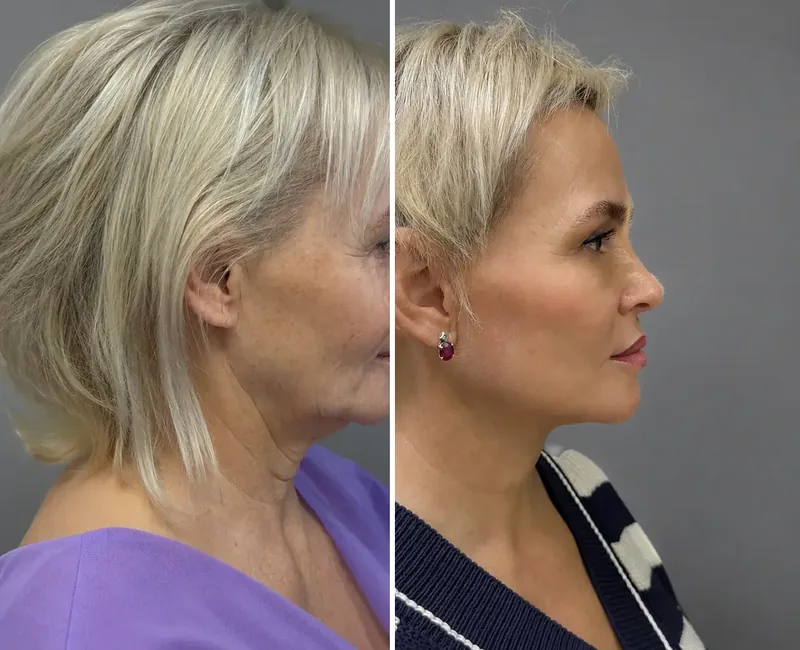
50 years
9 months
SMAS facelift
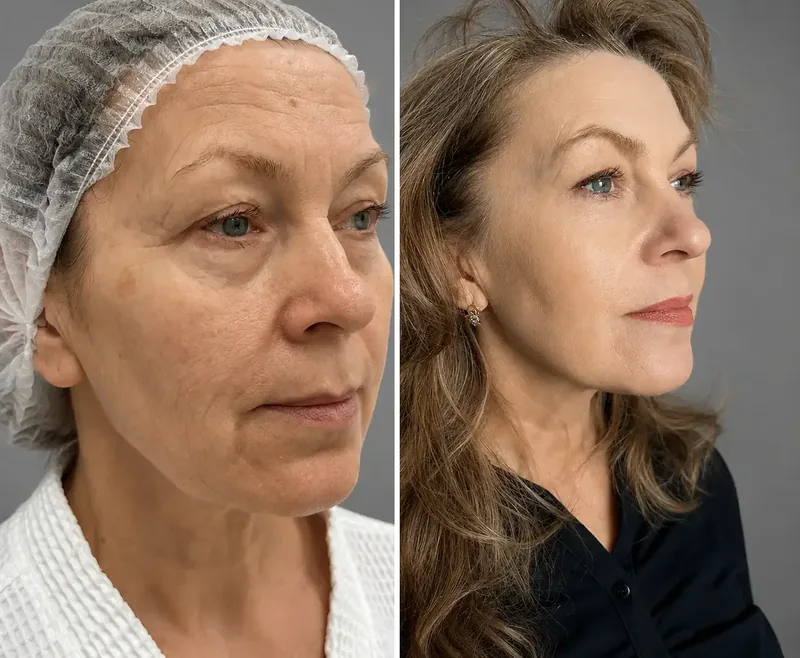
58 years
8 months
SMAS facelift
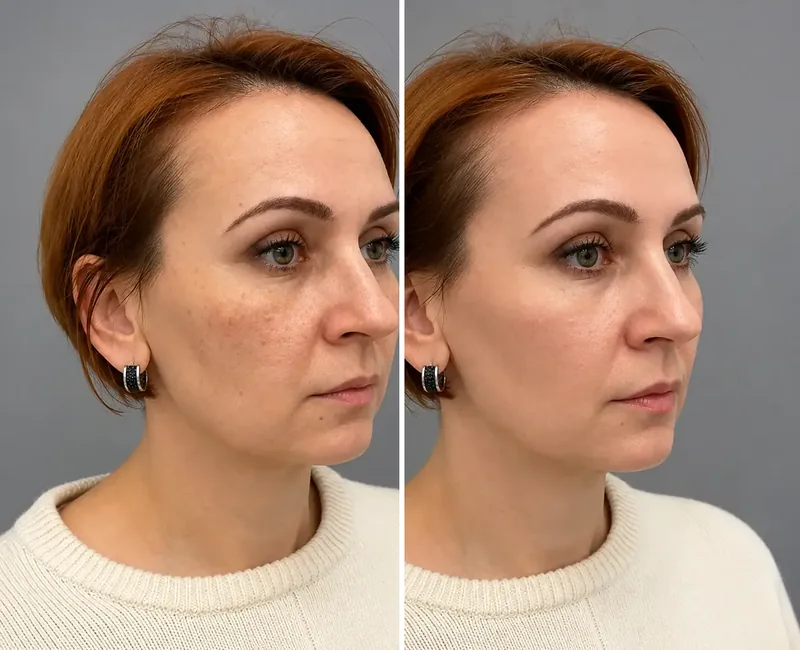
34 years
5 months
SMAS facelift
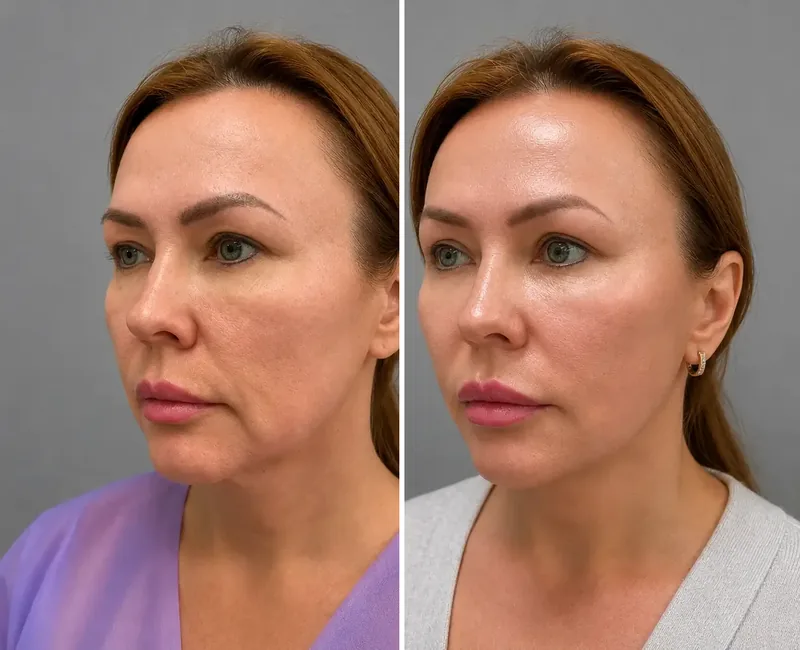
32 years
7 months
SMAS facelift
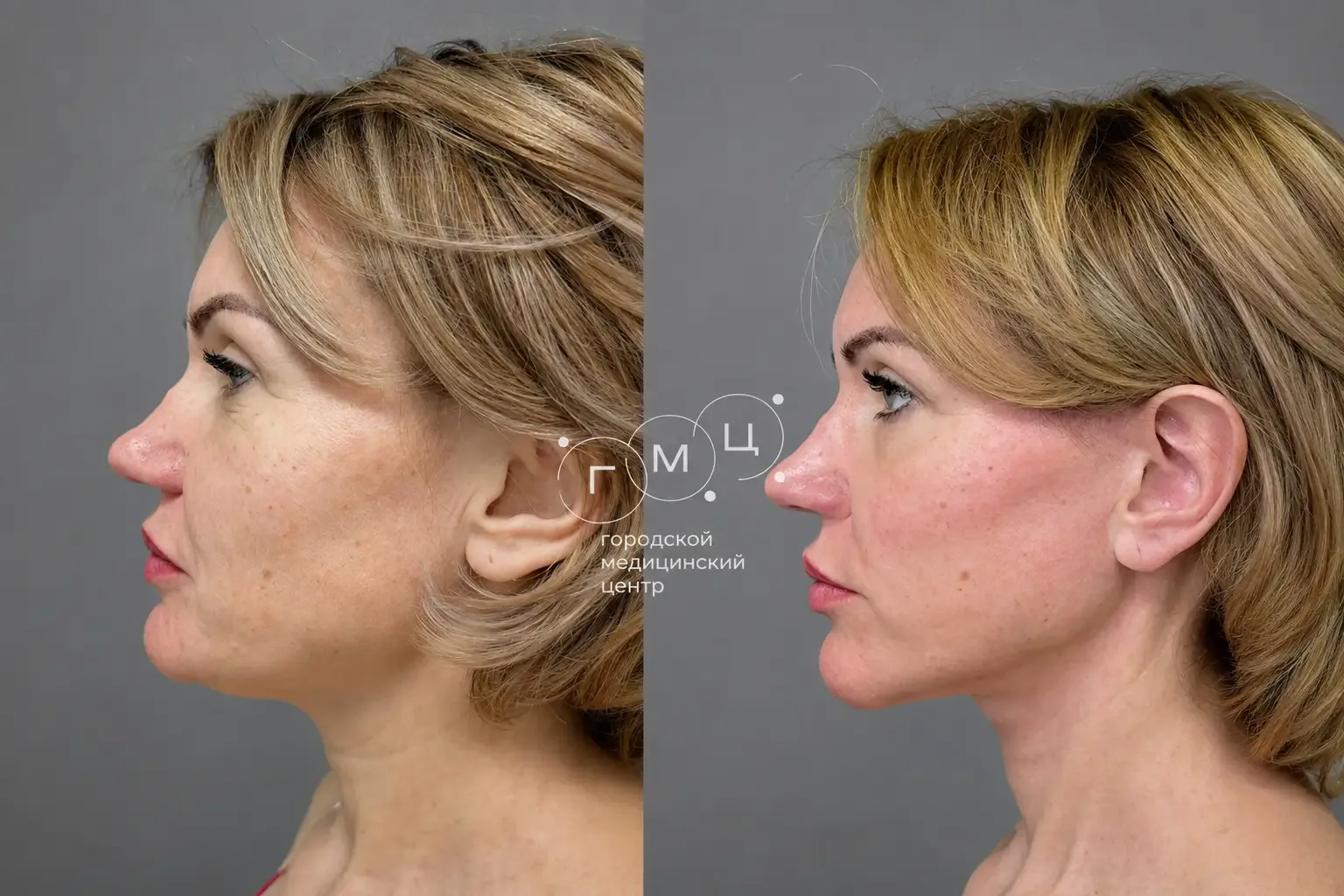
40 years
6 months
SMAS facelift
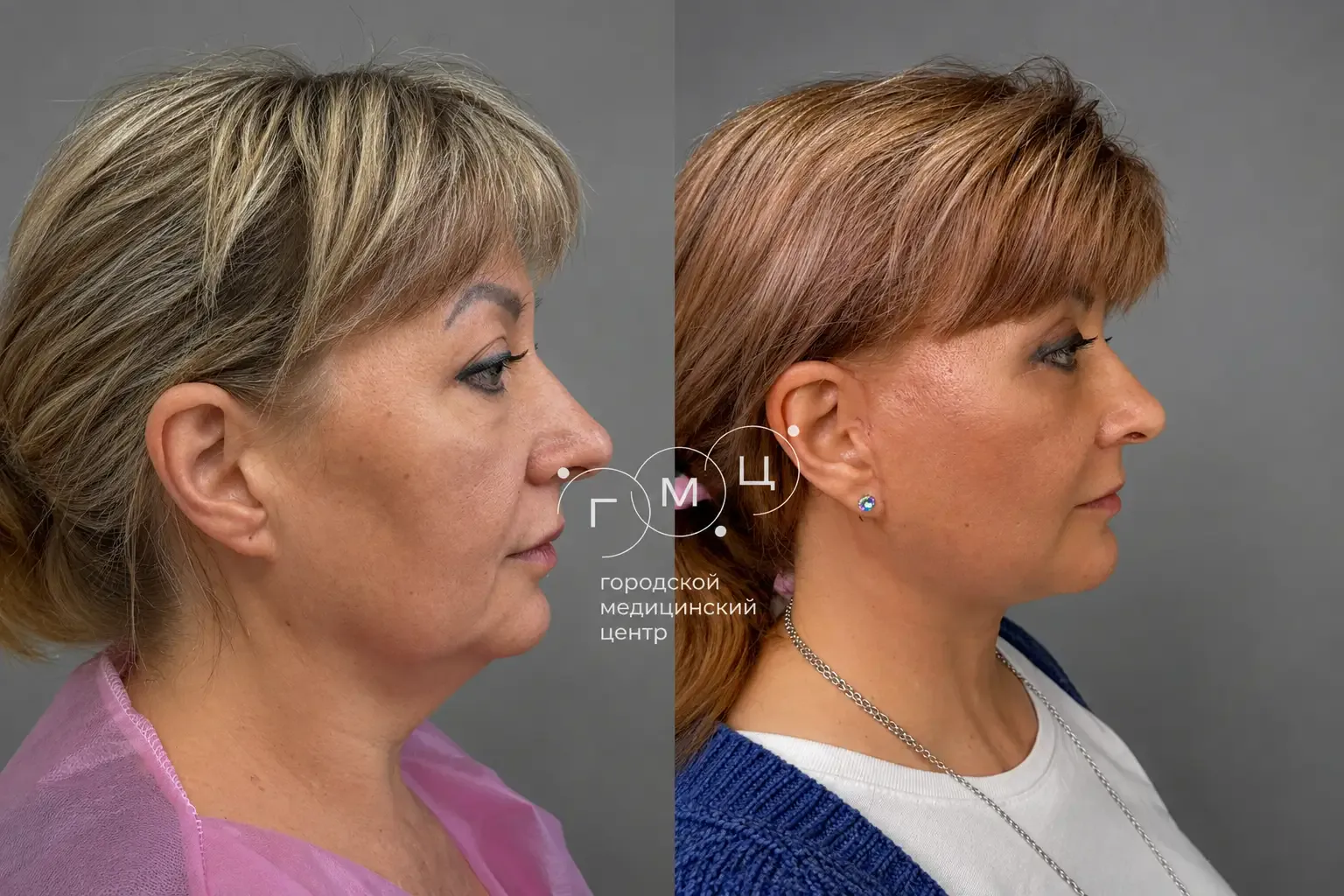
45 years
8 months
SMAS facelift
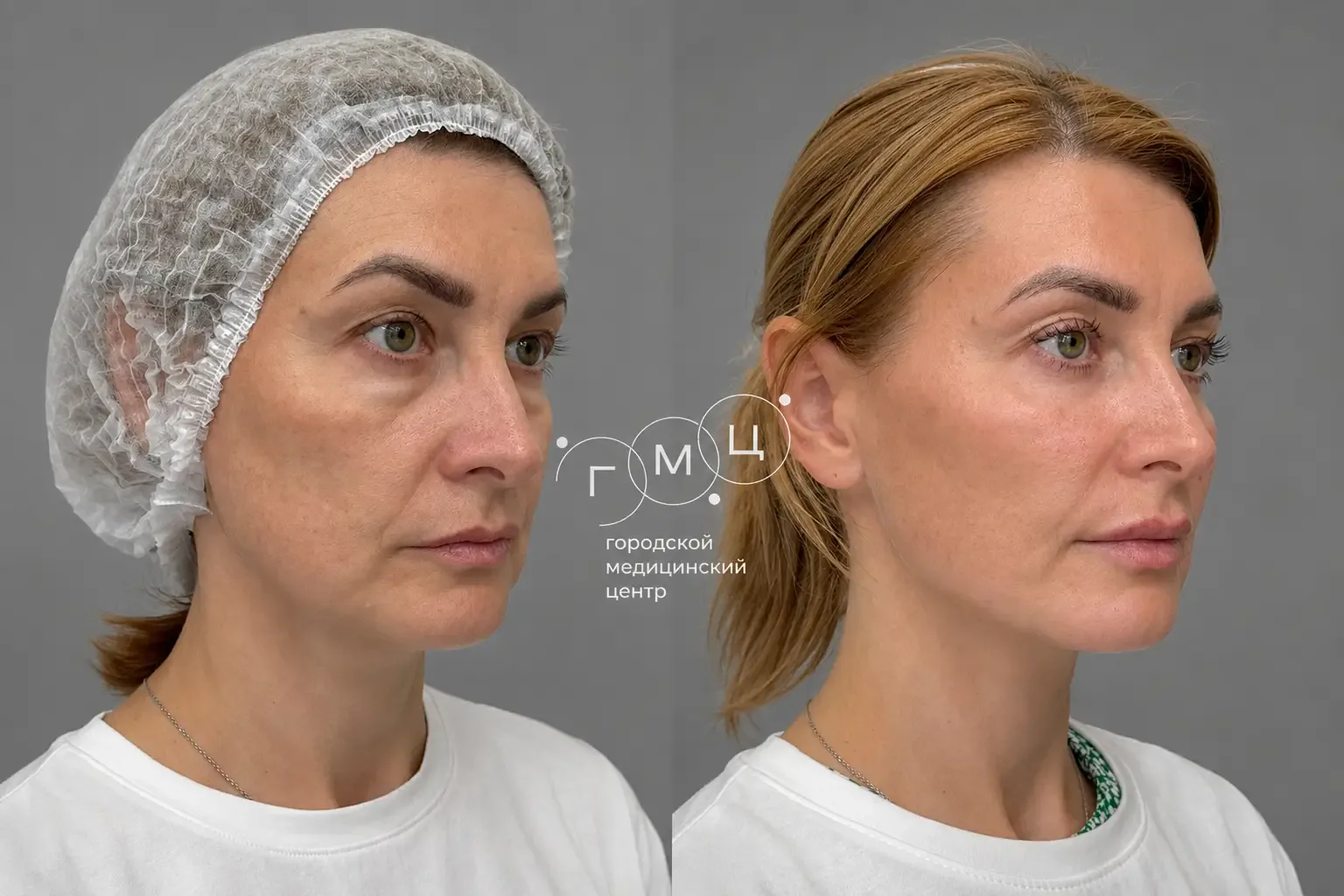
38 years
5 months
SMAS facelift
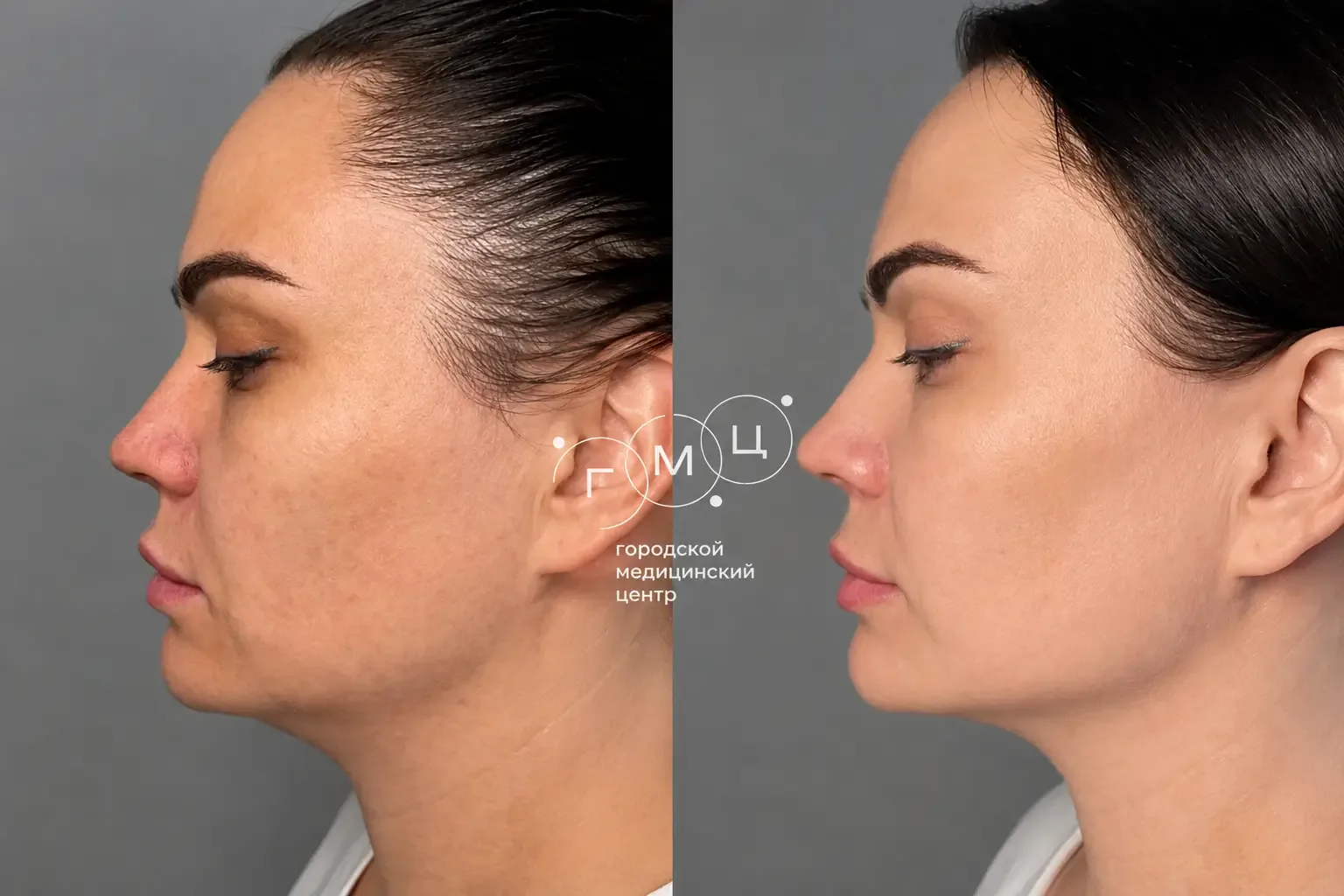
33 years
6 months
SMAS facelift
50 years
9 months
SMAS facelift
58 years
8 months
SMAS facelift
34 years
5 months
SMAS facelift
32 years
7 months
SMAS facelift
40 years
6 months
SMAS facelift
45 years
8 months
SMAS facelift
38 years
5 months
SMAS facelift
33 years
6 months
SMAS facelift
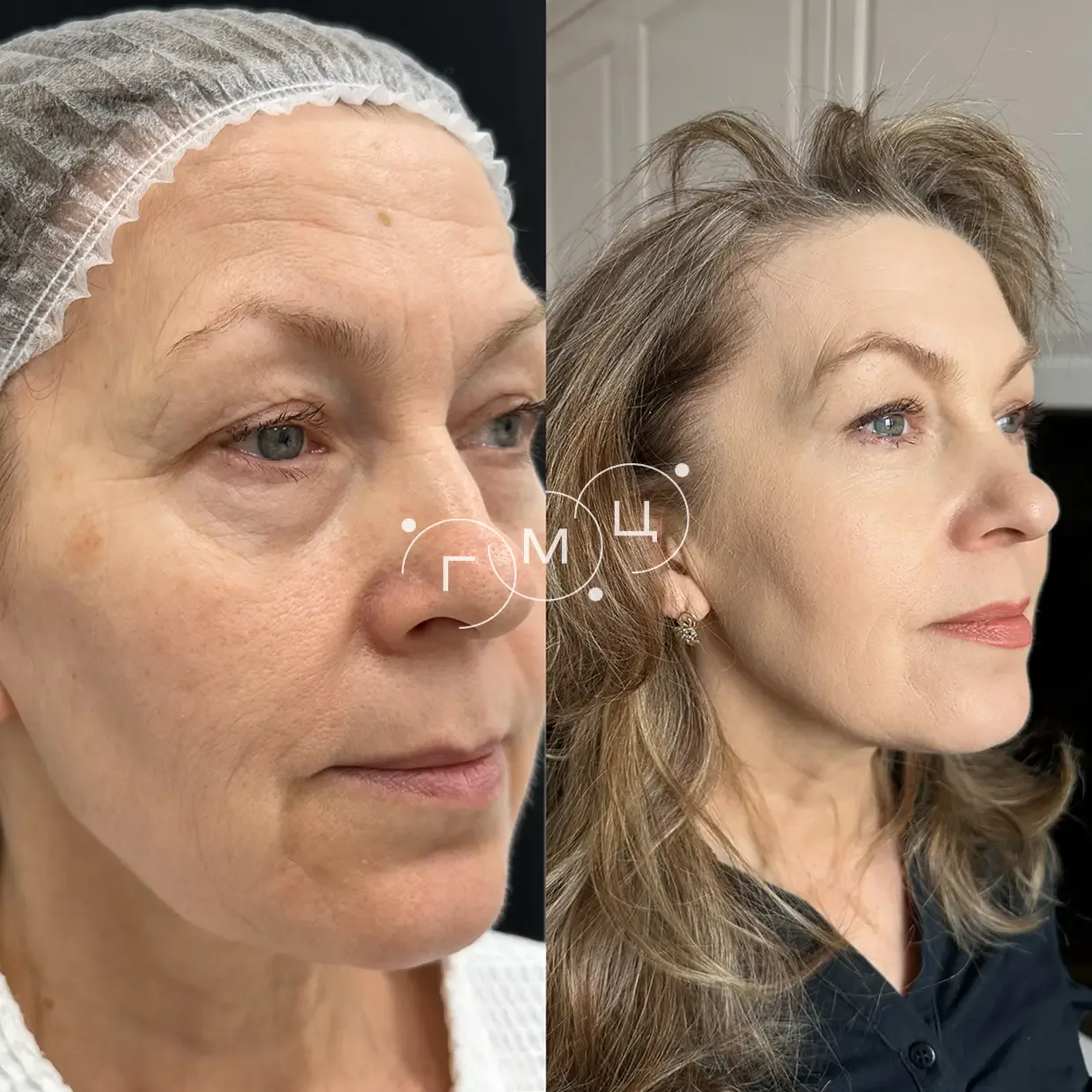

The face and neck show marked sagging
The jawline is blurred, with jowls
Loose neck skin and a double chin
Deep nasolabial folds and marionette lines
A heavy, tired look from drooping brows
Noticeable loss of skin firmness after 40
Wish for a long-term result (7–10 years)

Being under 30
Acute inflammation of the skin
Being pregnant or breastfeeding
Severe cardiovascular disease
Problems with blood clotting
Cancer
Decompensated diabetes
Facelift in Bielefeld: what you should know
City Medical Centre performs surgical facelifts only, and the scope is tailored at the consultation. Indications include marked sagging of the face and neck, a blurred jawline and jowls, a double chin or loose neck skin, deep nasolabial folds and marionette lines, and drooping brows that make the look heavy. People in Bielefeld who want a long-term result rather than a temporary fix are typical candidates.
Discomfort and tightness in the first few days are normal and are relieved with medication prescribed by the doctor. Your operating surgeon then follows you up for the whole first year, until the final result. For those in Bielefeld, this means the same surgeon who performed the operation monitors how the face settles, answers questions along the way and assesses the outcome at the end.
If you are comparing facelift prices in Bielefeld, check what each offer includes and how long the result lasts. Here the price starts from $2,400 (≈ €2,150) and covers anaesthesia, the stay, meals, 24/7 monitoring and a year of follow-up, while a surgical SMAS lift holds for 7–10 years. The final amount is fixed at the consultation. Book yours for free via the form.
Stories of well-known people
Well-known people who spoke openly about this operation, in their own words.
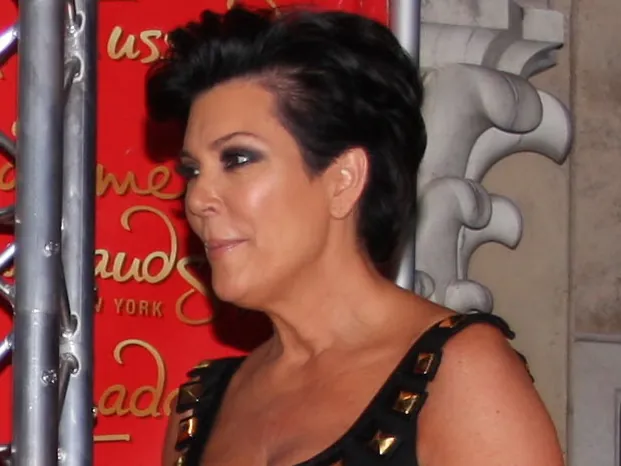 Kris Jenner’s facelift: “I love my facelift”Kris Jenner said she had a facelift about 15 years ago and a refresh before turning 70 — and that she loves it. How a SMAS facelift and recovery work.
 Did Vicki Gunvalson have a facelift? Yes, and she showed the result herselfVicki Gunvalson had a facelift in May 2018 after deciding fillers no longer looked like her. Her own words, how a facelift works and recovery.
 Keltie Knight’s facelift: why she decided to “just own it”Keltie Knight had a facelift in 2023 at 41 and chose to talk about it openly. What she said, how a SMAS facelift works and what recovery looks like.
 Did Linda de Mol have a neck lift? Yes, and she wrote about it herselfLinda de Mol wrote in LINDA. in 2025 that she had a neck lift. What she said, why she chose to be open, and how a face and neck lift works today.
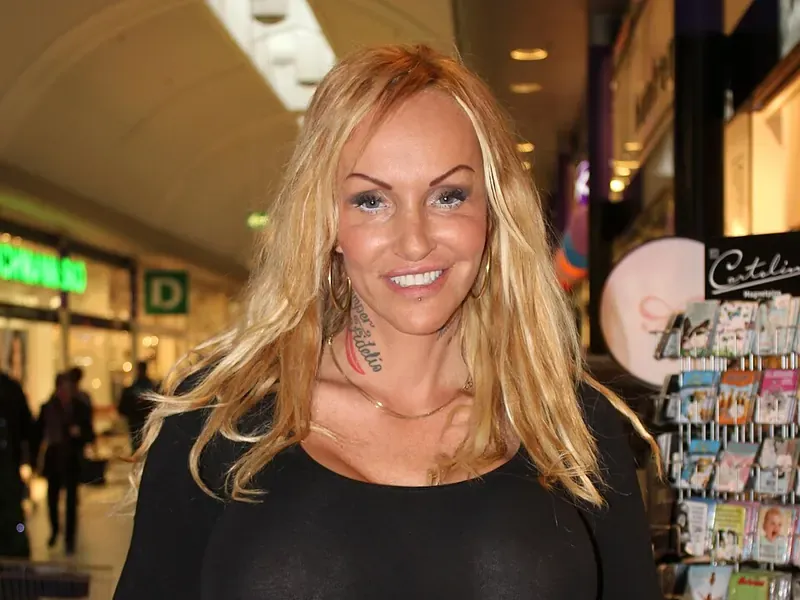 Linse Kessler and her facelifts: what she said herselfDanish reality star Linse Kessler has said openly that she has had several facelifts. Her words, how a modern facelift works and what recovery involves.
 Did Alice Bendová have a facelift? Yes, and she explained why herselfAlice Bendová confirmed a deep plane facelift in September 2026. Her words, how a facelift works, who it suits and what recovery looks like.
Facelift in Bielefeld: price and what is included
Prices are in US dollars; the amount in brackets is an approximate conversion to EUR at the rate of 02.10.2026. The final price is fixed in your contract.
- Faceliftfrom $2,400 (≈ €2,150)
What is a SMAS facelift?
It is a face lift that tightens the deep SMAS layer under the skin, not only the skin itself, so the lower face, jawline and neck stay firmer for longer. The result lasts about 7–10 years.
How much does a facelift in Bielefeld cost?
Prices start from $2,400 (≈ €2,150). The surgeon sets the final price at the free consultation, and it is fixed in the contract, with no hidden extras.
What is included in the price?
A one-to-one consultation, the medical team, anaesthesia, inpatient care with meals, 24/7 monitoring and twelve months of follow-up by the surgeon.
How do I get my exact price?
Message us on WhatsApp or Telegram using the buttons below. A coordinator will answer your questions and book a free consultation where the doctor names the exact price.
By messaging us, you agree to our Privacy Policy
Pale winter light and a bright June: what the sunshine figures mean for healing skin
A facelift changes how the skin sits over the deeper tissues, and the weeks that follow are largely about letting that skin settle. Sunlight is one of the few external factors that varies a great deal over the year in Bielefeld, so it is worth looking at the numbers before choosing a month. Sunshine averages 4.5 hours a day over the year, but the spread is wide: 7.8 hours a day in June and 7.1 hours in May, against only 1.1 hours in December and 1.2 hours in January.
The gap between years is also large. Annual sunshine has ranged from 1,418.4 hours in 2013 to 1,918.3 hours in 2022. A spring or summer period can therefore be much brighter than the long-term average suggests. For a patient whose face is still swollen and bruised, a very bright week is not a neutral background. This is one reason the doctor asks, during the online consultation, how much of your day is spent outdoors and what your work looks like.
In the dim months, from December to January, the sun puts little load on the skin. That makes the early recovery calmer in this respect. The trade-off is that daylight is short, and a face that is still changing is easier to judge in good light. Many patients like to compare photos taken in the same spot, at the same time of day, because it makes the progress over the first weeks easier to follow. Send those photos to the coordinator on WhatsApp or Telegram. The coordinator passes them to the doctor.
If your operation falls in the brightest part of the year, ask the doctor at the consultation how to protect the healing skin and for how long. The doctor gives instructions for your case after assessing your skin and the type of lift planned. We do not give a blanket rule, because the scope of surgery is tailored to each person and the aftercare follows from it.
Cold snaps, rain and a hilly city: dressing a recovering face
Bielefeld has a temperate, damp climate. The mean temperature is 2.7 °C in January and 18.4 °C in July, with an annual mean of 10.4 °C (station Bielefeld-Deppendorf, November 2016 to October 2021). Extremes happen too: the record high is 39.0 °C (25 July 2019) and the record low is −21.3 °C (13 February 2021). A recovery period can therefore fall in very different weather depending on the month you choose.
Precipitation adds to this. Annual rainfall is 822 mm over 194 rainy days, with December (102 mm) and January (93 mm) the wettest months and April (33 mm) the driest. From year to year it ranges from 652.6 mm in 2018 to 1,466.2 mm in 2023. In practice, a winter recovery means many grey, damp days on which there is little reason to go out anyway. That suits the first 7–10 days, when the plan is rest, a compression bandage and reduced physical activity.
The terrain is part of the picture. The Teutoburger Wald runs through the city, and the height above sea level varies from 71 m at the lowest point (Brake) to 320 m at the highest (Auf dem Polle, Lämershagen). The Rathaus stands at 114 m. If you live on higher ground, expect more exposure to wind than in the lower districts. Whether you may wear a scarf or hat over the healing area, and when, is a question for the operating doctor, who knows where the incisions are and how the dressing is arranged.
Cold air and wind can make a face that is still swollen feel tight and uncomfortable. Plan the first outdoor walks for a sheltered time of day, and keep to the activity limits the doctor gives you. Any strenuous exercise has to wait for the doctor's permission. Ask about this at the consultation instead of guessing, and write the answer down so that you can check it against your calendar.
Swelling, bruising and the calendar: a worked timeline
Recovery after a SMAS facelift has stages, and the stages are the best tool for planning when you will feel comfortable being seen. The figures below come from the medical information we give every patient. For the first 7–10 days the plan is rest, a compression bandage and reduced physical activity. Swelling and bruising fade over 2–4 weeks. The first clear changes in the face appear after 3–4 weeks, when the swelling goes down. Full recovery takes about 2 months, and the final look arrives 3–6 months after the operation.
Here is an example with dates. Suppose the operation takes place on 12 January 2027. The rest period with the bandage would then run to roughly 22 January. Swelling and bruising would be fading between about 26 January and 9 February. The first clear changes would show in the first days of February. Full recovery would come around mid-March, and the final look would settle somewhere between mid-April and mid-July. These are guide dates, not promises; every face heals at its own pace, and the doctor may adjust the picture after seeing your photos.
Incisions for a standard SMAS lift are hidden in the hair and around the ears, and the endoscopic brow and temple lift uses tiny punctures with scars hidden in the hair. This matters for planning, because the marks are in places that hair can cover once the doctor allows it. Having the hair longer or shorter before the operation is a question to settle with the doctor beforehand, so do not cut or colour it without asking.
The operation is done under general inhalation anaesthesia, so there is no pain during it. In the first days you may feel discomfort and tightness, which the doctor relieves with prescribed medication. Because of the pattern above, most people choose a date that leaves a clear stretch of about two weeks with no commitments. Use the free online consultation to work backwards from your important dates; the coordinator replies round the clock and the plan and dates are confirmed before anything is booked.
Fitting recovery around a university city's rhythm and an active outdoor life
Bielefeld is a university city. Universität Bielefeld, founded in 1969, had 24,453 students in the winter semester 2022/23, and the applied sciences university offers 21 courses in 8 departments. For someone who teaches, works in administration or simply lives in a city organised around semesters, the academic calendar can be a useful planning tool. The quieter weeks between teaching periods are one natural candidate for a recovery window, though your own job and obligations decide this, not the city.
Outdoor activity is another part of the picture. The Hermannsweg hiking trail runs 156 km along the Teutoburg Forest ridges, and the city has the Radrennbahn Bielefeld bike racing track. If you hike, cycle or train, tell the doctor at the consultation. Reduced physical activity is part of the first 7–10 days, and the doctor will explain when you can return to your usual exercise. Do not plan a long outing in the first weeks and count on it; plan it as a goal once the doctor confirms you are ready.
It helps to sort your calendar into three groups. The first group is events you cannot move, such as a work presentation, a family occasion or an exam you are supervising. The second group is events that you could attend if necessary but would rather not while the face is swollen. The third group is events that are easy to skip. Put the operation date so that group one falls well after the end of visible swelling, ideally after the first clear changes at 3–4 weeks.
Some patients also combine the facelift with other procedures. A surgical facelift can be, and often is, combined with eyelid surgery, rhinoplasty or double-chin liposuction. A combined plan is decided by the doctor at the consultation, and it can change how you should think about the calendar. Mention any such wish early, so that the timeline you are given matches the full plan.
Insurance, sick leave and planning from home
In Germany, about 92% of the population is covered by statutory health insurance (GKV). That is a very high share, but it does not apply to this procedure. Cosmetic procedures done at the patient's request are not paid for by the GKV: the patient bears the full cost, including lost income. The German reference text on cosmetic surgery states that there is no cost coverage by the statutory health insurance.
There is a second point that is easy to miss. After a medically not indicated procedure, insured persons must share in the costs of resulting complications, including sick pay. Insurers may restrict or refuse benefits under § 52 SGB V, and in that case there is no entitlement to continued wage payment (Entgeltfortzahlung). In plain terms: do not assume that your employer or your insurer will cover time off after an elective facelift. Many patients plan paid leave or agreed time off in advance. Read your own insurance terms or ask your insurer directly.
Here is how the process works in practice. You write to the coordinator on WhatsApp or Telegram and send photos. The doctor gives a free online assessment and names the price, which is fixed in the contract. Only after you confirm the plan and dates is anything booked. The coordinators answer round the clock, so you can ask about dates in the evening or at the weekend. After the operation, the operating doctor follows your progress for the whole first year.
Before the consultation, prepare a short list: your age, any chronic illnesses, medication you take, earlier operations and the areas of the face that bother you most. Contraindications include age under 30, acute skin inflammation, pregnancy and breastfeeding, a severe cardiovascular condition, problems with blood clotting, cancer and decompensated diabetes. If you have a chronic condition, the doctor will want to know about it first. A surgical facelift is generally advised from 40 with marked sagging, and in some cases from 35, but the recommendation is individual and follows an examination.
Which months in Bielefeld are the easiest for the first two weeks of recovery?
It depends on what matters to you. December and January have only 1.1 and 1.2 hours of sunshine a day on average, so the healing skin is hardly exposed to the sun, but these are also the wettest months (102 mm and 93 mm) and the mean temperature in January is 2.7 °C. May and June are bright, at 7.1 and 7.8 hours a day, which asks for more care with sun protection. The doctor gives skin instructions for your case at the consultation.
Do I need to worry about the cold when the compression bandage is on?
The bandage belongs to the first 7–10 days, when the plan is rest and reduced physical activity. In Bielefeld January averages 2.7 °C and the record low is −21.3 °C (13 February 2021), so a cold spell is possible in winter. Ask the doctor whether you may cover the area with a hat or scarf and when you may go out. Do not decide this on your own.
Will my statutory health insurance pay for a facelift?
No. In Germany the GKV does not pay for cosmetic procedures carried out at the patient's request; the patient bears the full cost. If complications arise after a medically not indicated procedure, the insured person may also have to share in their costs, including sick pay, under § 52 SGB V. Check the details with your insurer.
Will my employer continue to pay my wages while I recover?
Not necessarily. After a medically not indicated procedure there is no entitlement to continued wage payment (Entgeltfortzahlung) in the case of complications. Many patients therefore agree time off or use paid leave. Discuss this with your employer before booking a date.
If I work in a university setting, when is a good moment for the operation?
Semester rhythm can help you see where free weeks fall. The university has 24,453 students (winter semester 2022/23), so teaching periods are busy. Count about 7–10 days of rest at the start, 2–4 weeks for swelling and bruising to fade, and about 2 months for full recovery. Choose a date that keeps your fixed commitments after the early stages.
I hike on the Hermannsweg and cycle. When can I go back?
The first 7–10 days involve rest and reduced physical activity. After that, the return to sport is set by the operating doctor, not by a fixed rule. The Hermannsweg is 156 km long and can be done in sections, so you can start with a short, flat stretch once you are cleared. Tell the doctor about your activities at the consultation.
How should I prepare my photos for the online consultation if the light in winter is so dim?
Take them in daylight near a window, at the same time of day, with a plain background and without filters. Front view and both sides are the usual set. Because winter sunshine averages only 1.1–1.2 hours a day, use a bright room in the middle of the day, and send them to the coordinator on WhatsApp or Telegram.
Is the result the same whatever month I choose?
The final look of the face arrives 3–6 months after the operation, and a surgical SMAS facelift lasts 7–10 years. The month affects the comfort of the early weeks, not the long-term outcome. Weather, sunshine and your calendar influence how pleasant the first weeks are, so choose the date for those reasons.