


























Suture-based method
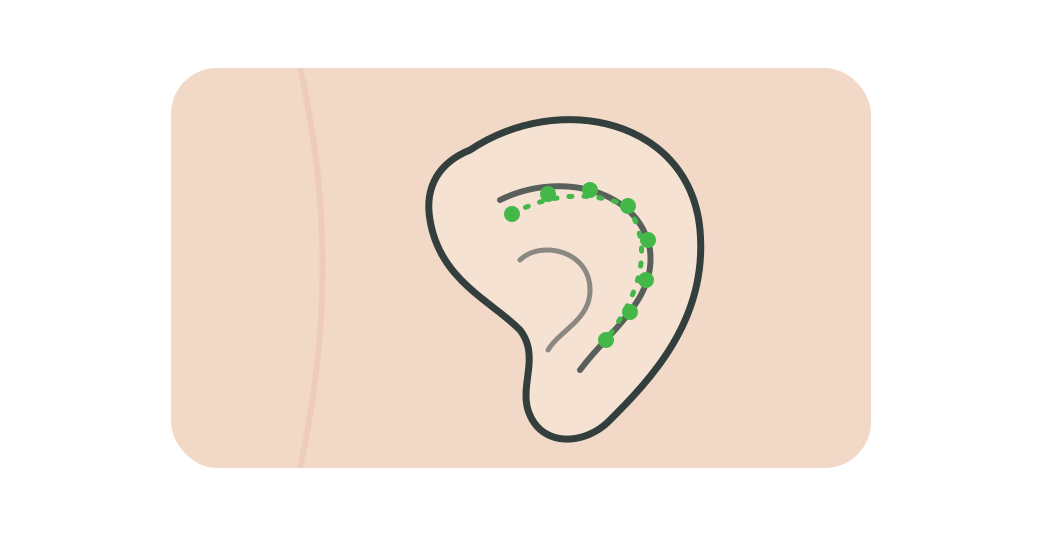
Reshapes cartilage without cutting it away
Price at consultation
- Main goal
- Bring the ears closer and form the fold
- Best suited when
- The cartilage can be shaped with stitches alone
- Approach
- Permanent stitches hold the new shape
Price confirmed after your consultation
Your case is assessed by the surgeon, who then confirms the price ahead of your booking.
Message our coordinator
Free online consultation · Reply within 15 minutes
Message us on TelegramMessage us on WhatsAppBy messaging us, you agree to our Privacy Policy
Comparison
There is no single standard otoplasty. A suture-based approach and one that also works on the cartilage itself change different things. At the consultation, once your ears have been examined, the surgeon helps you choose.
Reshapes cartilage without cutting it away
Price at consultation
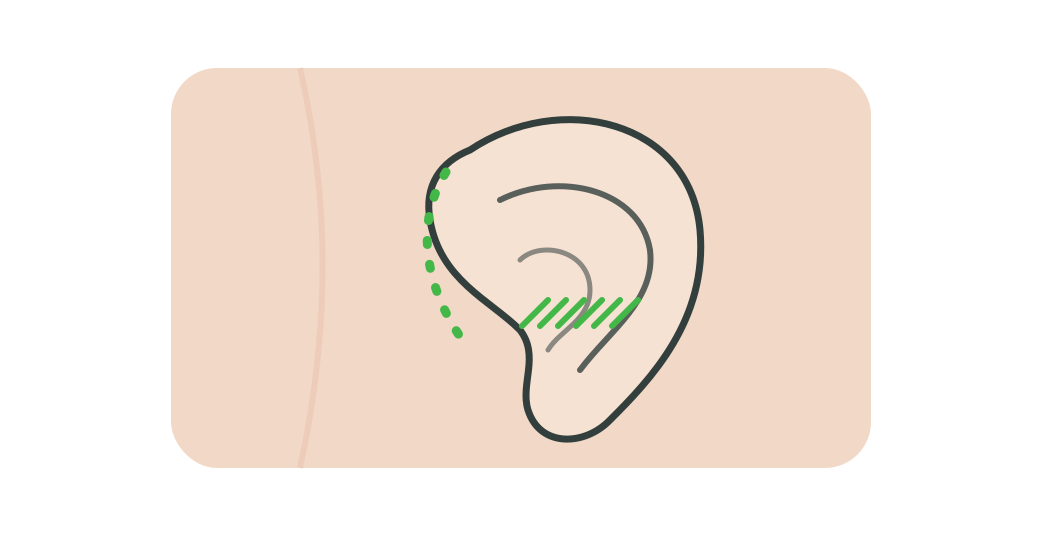
Also incises, scores or reduces cartilage
Price at consultation
What you read here about the methods is general. The extent of surgery and your recovery vary from patient to patient, and the surgeon confirms them after an examination of your ears and a discussion of your wishes.
The surgeon draws up a plan for your case at the consultation and explains the chosen method.
Free, before surgery and with no obligation.
About the clinic
Modern equipment and comfortable rooms, with care given to every patient
We will answer your questions and find a convenient time for your consultation
By messaging us, you agree to our Privacy Policy
Request a free callShould your concern be solvable without surgery, the surgeon will say so. They advise the operation only when it suits your ears, your health and your expectations.
Photos of your ears, sent to a coordinator in Telegram or WhatsApp, are reviewed by the surgeon, who gives an opinion. There is no commitment to surgery.
Send photos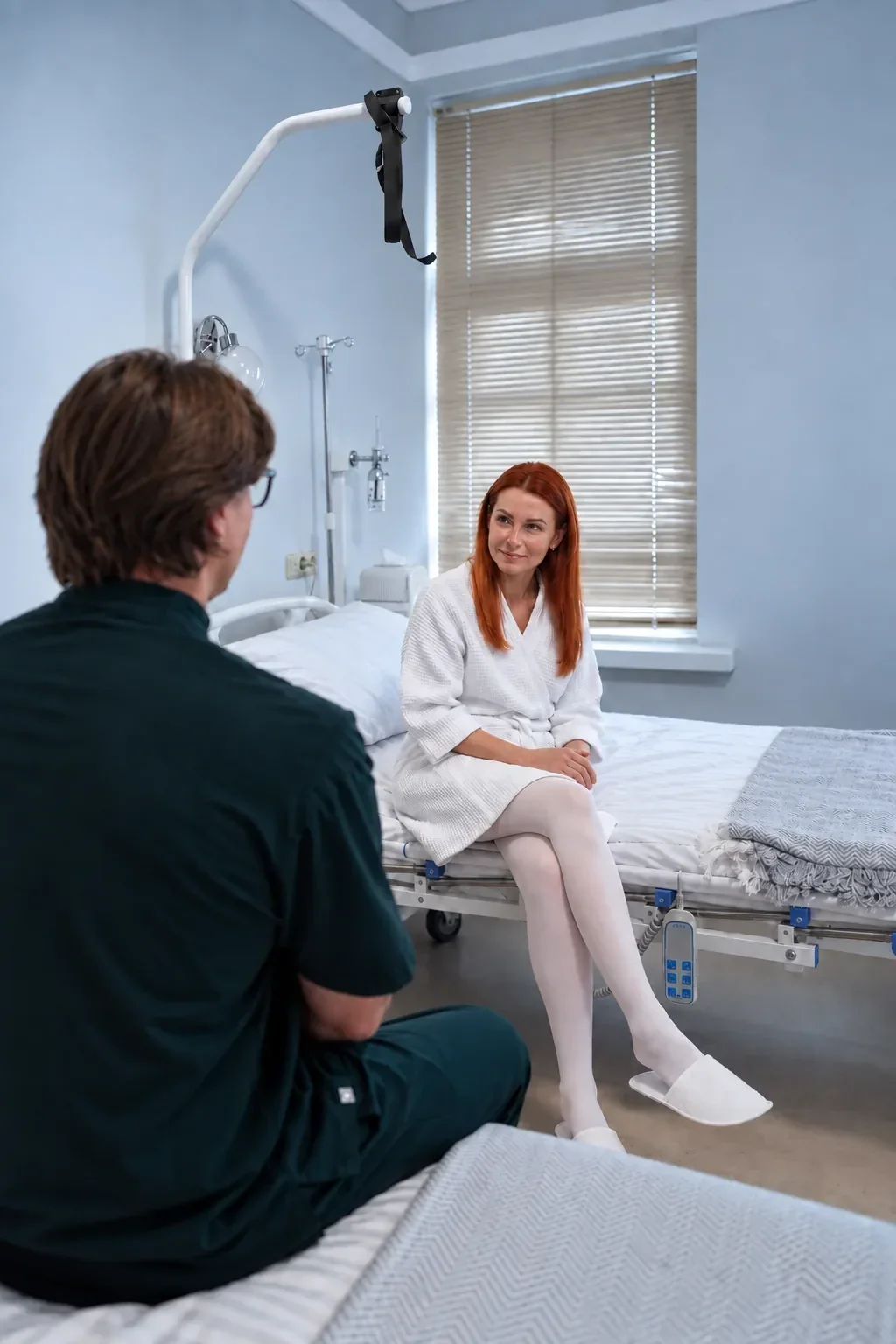
Process
Your coordinator stays in contact with you from beginning to end, and you know what each stage involves before it starts.
You send your photos and speak online with the surgeon, who examines your case and discusses what can and cannot be changed. A plan with the price is then proposed.

Only after the surgeon has confirmed everything do you book. Before that, once you are happy with the plan and price, you choose a suitable date with your coordinator.
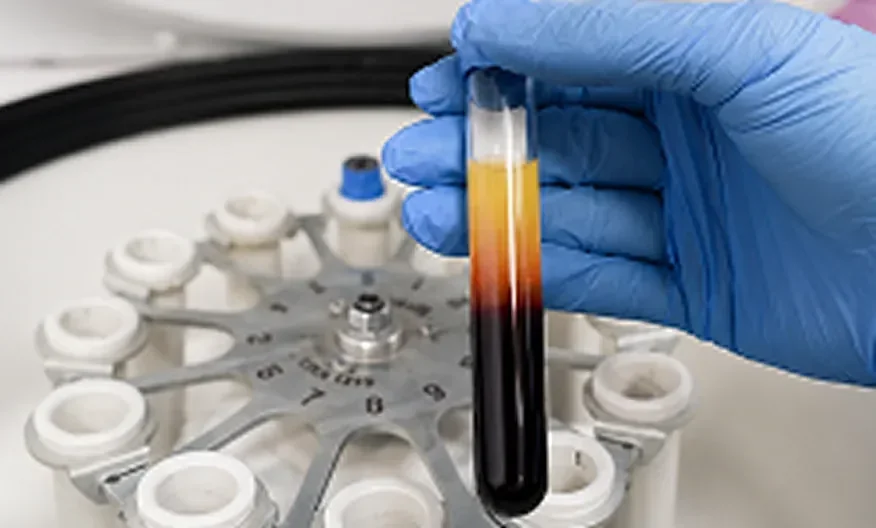
Standard tests are arranged as needed, and the surgeon reviews your medical history and medicines and takes photographs. You stop blood-thinning medicines only on the surgeon's instructions.
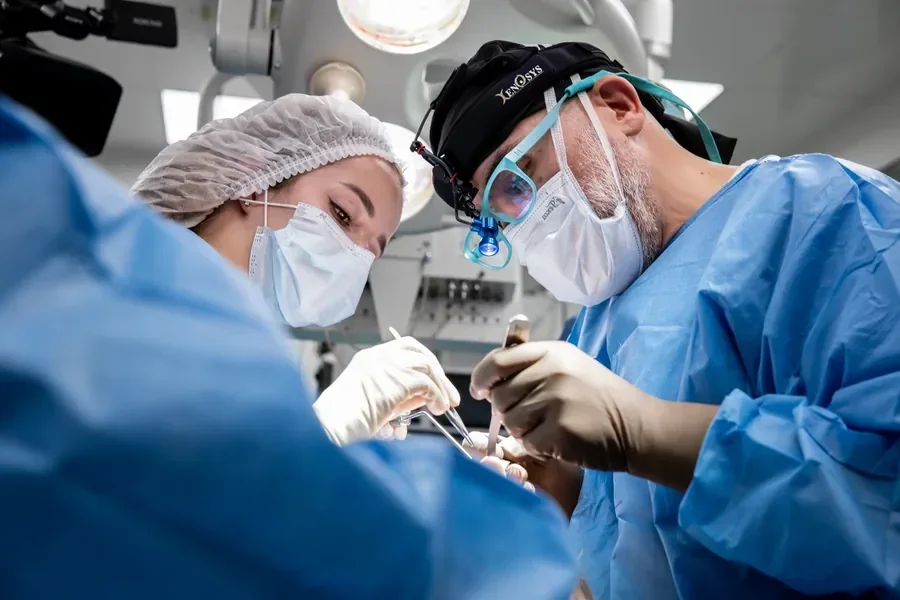
For adults and older teenagers, local anaesthesia is usual, with sedation if needed, while younger children often have general anaesthesia. The incision is usually made behind the ear, and permanent stitches reshape the cartilage.
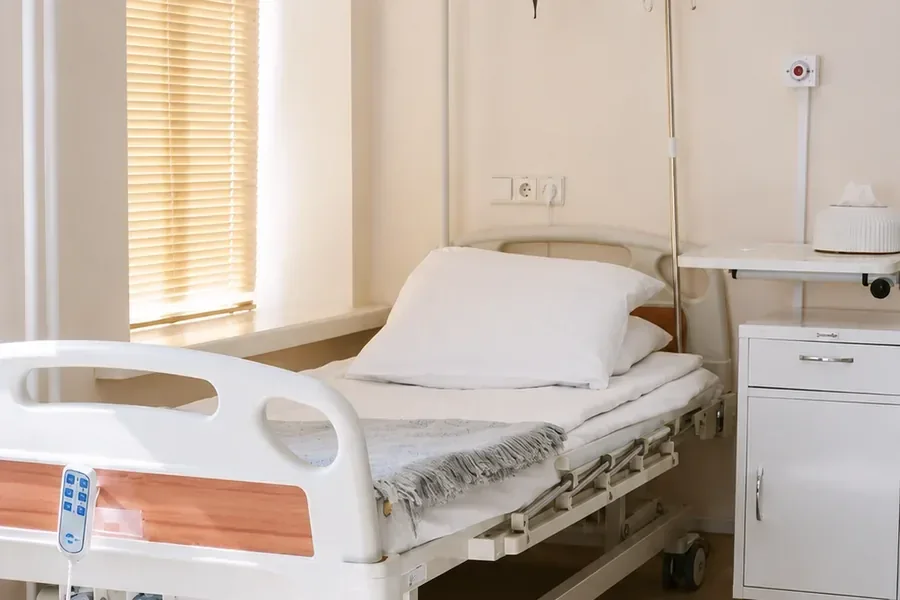
In the first days a head dressing stays in place. The team describes how to sleep, on your back and without pressure on the ears, and what to watch for.
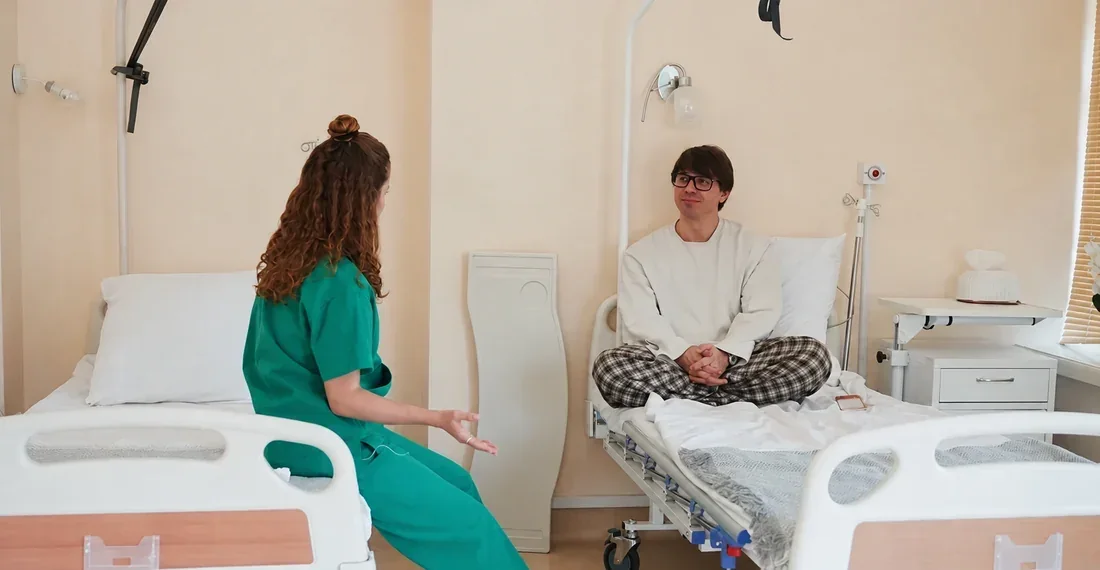
The surgeon instructs you to wear a soft headband day and night for the first weeks, then at night. Swelling and bruising settle over several weeks, and the surgeon schedules your follow-up.
Free, before surgery and with no obligation.
Discuss my planBenefits
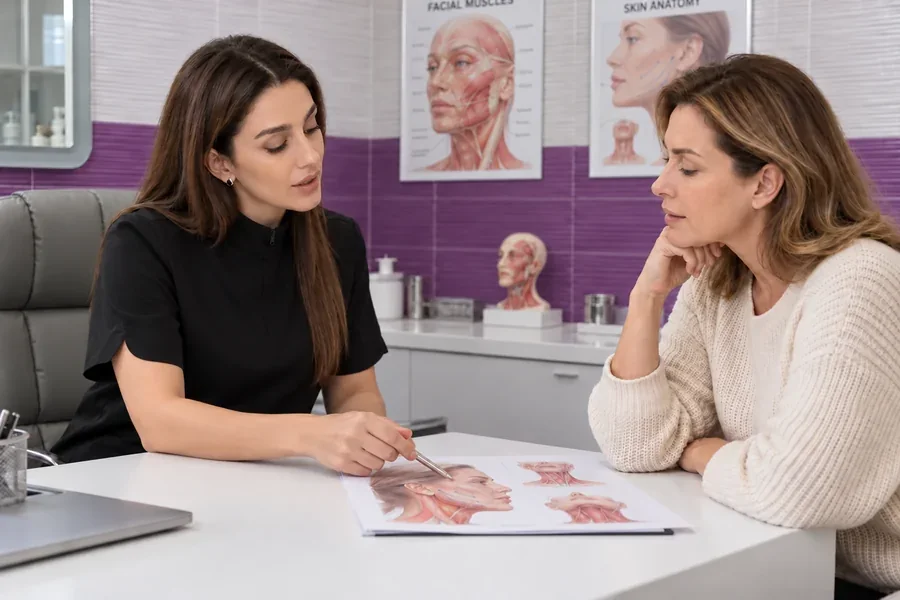
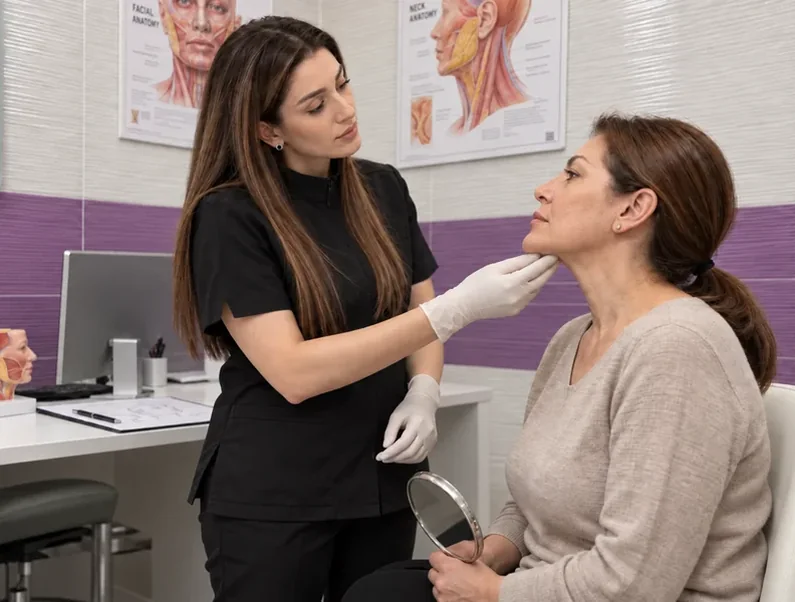
The surgeon examines your ears and your wishes before proposing anything. The method and extent of surgery are chosen for your case, not taken from a template.
Before you book, the surgeon explains recovery, activity limits and possible risks in plain language. You know what to expect and are free to ask anything.
Send your photos by messenger, then talk with the surgeon online. The first consultation costs nothing and does not bind you to surgery.
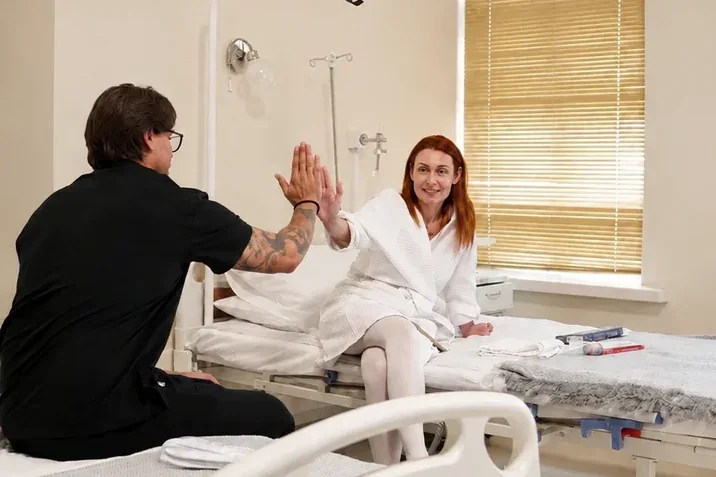
You can write on Telegram or WhatsApp at any hour and receive an answer. The consultation time is flexible and fits around your schedule.

No price is confirmed until the surgeon has assessed your case. You then see it before you book, which avoids surprises later.
Free online consultation · Reply within 15 minutes
Message us on TelegramMessage us on WhatsAppBy messaging us, you agree to our Privacy Policy
Frequently asked questions
Write to a coordinator on Telegram or WhatsApp and send clear photos of your ears. The first consultation is free. The surgeon looks at the photos, speaks with you online and puts forward a plan.
Through an incision that is usually behind the ear, the surgeon reshapes the cartilage. Permanent stitches are used, along with thinning or scoring where needed. Adults often have local anaesthesia, and younger children often have general anaesthesia.
For the first days you wear a head dressing, and after that a soft headband for the first weeks. Many adults and children go back to work or school after about a week. Pressure on the ears, contact sports and swimming are avoided for several weeks.
Hiding the scar is the reason the incision usually goes in the fold behind the ear. Still, scarring is individual, and visible or thickened scars are possible. The surgeon explains the point and asks about your own scarring tendency.
Prior to the operation, the surgeon explains the risks to you. They include bleeding or a blood collection under the skin, infection, asymmetry, visible or thickened scars, changed skin sensation and partial relaxation of the correction with time.
Surgery might be unsuitable, or need to be cleared beforehand, where there are blood clotting disorders, active infection of the ear or skin, uncontrolled chronic illness, a keloid scarring tendency or unrealistic expectations, or during pregnancy until the surgeon confirms timing.
The new shape of the ears is kept once they have healed. It is normal for the two ears to differ slightly, and in a small number of cases the correction may ease back somewhat. The surgeon discusses this with you before surgery.
The surgeon's assessment comes first, and the price is confirmed after it, before you book. It depends on your individual case and the plan the surgeon proposes, so you know it before any decision.
The word otoplasty covers several ways of correcting the ears. What they share is work on the cartilage: bringing prominent ears nearer the head, reducing ears that are oversized, or improving shape and symmetry. For a patient in Seville, the first step is simply to find out which of these applies to your ears.
Nothing is fixed at the first contact. You share photos from Seville, we talk, and the surgeon examines and confirms the plan. Local anaesthesia, with sedation if needed, is common in adults and older teenagers, while general anaesthesia is often chosen for younger children. The surgeon and anaesthetist decide together.
Send a short message on Telegram or WhatsApp and a coordinator will reply, day or night. From Seville you can arrange the free online consultation, share your photographs and ask your questions. Price is confirmed only after the surgeon has assessed your ears, and always before booking.