












Rhinoplasty6 min read
Osteotomy in rhinoplasty: when the nasal bones need reshaping
Many people fear that rhinoplasty means “breaking the nose”. In reality, the surgeon only makes controlled, precise cuts in the nasal bones when the bony part of the nose needs to be narrowed, straightened or closed after hump removal. This step is called osteotomy. This article explains when it is needed and when it is not, which types exist, how the operation goes and what to expect during recovery.
The main points in 30 seconds
- Osteotomy is a controlled cut in the nasal bones, not a random break.
- It is needed to narrow a wide bridge, close the roof after hump removal or straighten the bones.
- Tip-only corrections usually do not require osteotomy.
- Bruising fades within 10–14 days; the bones become stable after about 6 weeks.
- At CMC the surgeon decides on osteotomy after examination and a 3D forecast.
Key facts about the procedure
- Operation time1.5–3 hours
- Main healing4 months
- Stay in clinic1 day
- Price
$6,000from $4,200
What osteotomy is and why it is done
The upper third of the nose is formed by two small nasal bones; the lower part is made of cartilage. Cartilage can be trimmed, stitched and reshaped with fine instruments, but bone cannot simply be bent. When the width or position of the bony vault has to change, the surgeon makes precise cuts in the nasal bones so that they can be moved into the right position. This is osteotomy.
It is not a random “break”. The lines of the cuts are planned in advance, the bones are moved by millimetres and then held in place by a splint while they heal. Osteotomy is one of the steps inside rhinoplasty, not a separate operation.
The main goals are:
- to narrow a wide bony bridge;
- to close the “open roof” that appears after a large hump is removed;
- to straighten a bony part that is shifted to one side, for example after an injury;
- to make the bony and cartilage parts of the nose look like one smooth line.
Indications and contraindications
Osteotomy is not needed in every rhinoplasty. It is usually considered in the following situations:
- Large bony hump
- Often: after hump removal the bones are brought together
- Wide nasal bridge
- Yes: narrowing the bony vault requires it
- Nose deviated after an injury
- Often, together with work on the septum
- Only the tip needs correction
- Usually not
- Small cartilage hump, narrow bones
- Usually not
The general contraindications to rhinoplasty apply: age under 18, infectious diseases, cancer, decompensated chronic diseases, blood clotting problems, mental health disorders, and skin damage or inflammation in the area of surgery. Surgeons are also more cautious about osteotomy when the nasal bones are very short or thin, because they are harder to control, and in people with a history of repeated nasal fractures.
Types of osteotomy
Surgeons combine several types depending on the goal. This is general information about the techniques that exist:
- Lateral osteotomy. Cuts along the sides of the nose, where it meets the cheek. It is the most common type and is used to narrow the bridge and close an open roof.
- Medial osteotomy. Cuts near the midline between the nasal bones. It helps move thick or wide bones more precisely.
- Intermediate osteotomy. An additional line on one or both sides, used for a curved or very wide bony vault.
- Transverse (root) osteotomy. A short cut at the top of the nasal bones that completes the lateral cut.
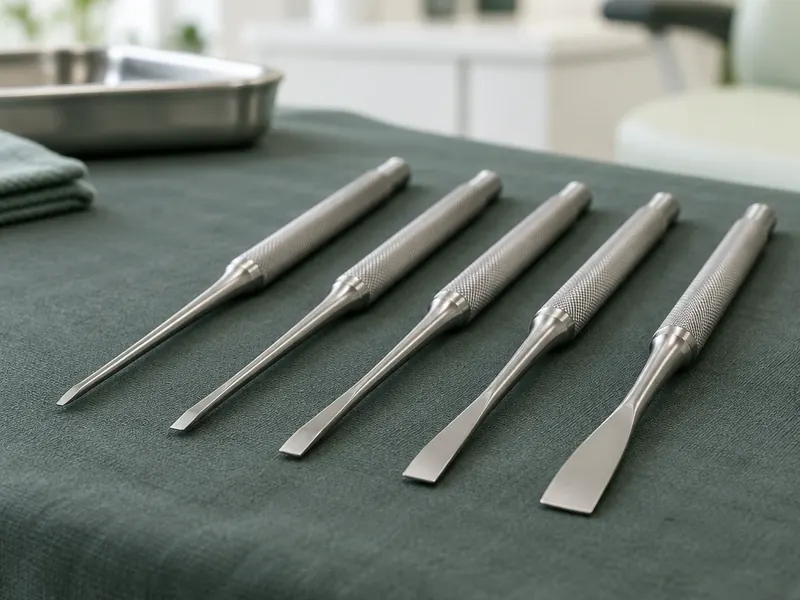
The cuts can be made from inside the nose or through tiny punctures of the skin at the side of the nose, which heal almost invisibly. Instruments differ: fine chisels (osteotomes), saws or ultrasonic (piezo) devices. The choice depends on the anatomy and on the surgeon’s experience, and it is discussed at the consultation.
How full rhinoplasty with osteotomy is performed
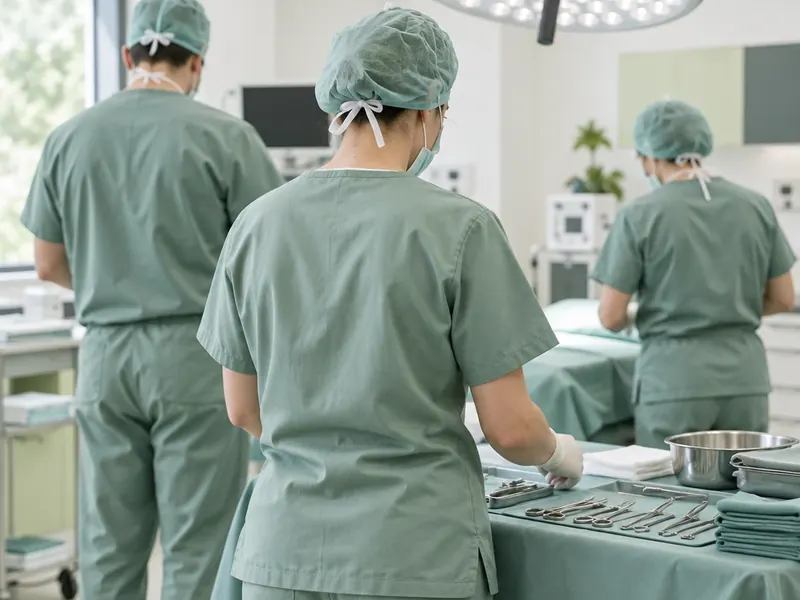
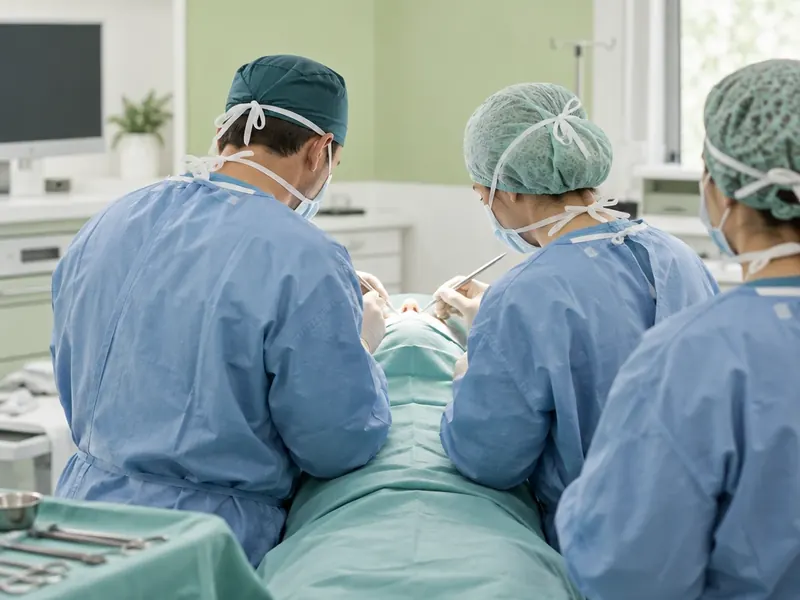
Rhinoplasty with osteotomy is carried out under general anaesthesia. The usual sequence is:
- access through incisions inside the nose (closed technique) or with an additional small incision on the columella (open technique);
- correction of the septum if it is deviated and breathing is impaired;
- removal of the bony and cartilage hump, if there is one;
- osteotomy to narrow or straighten the bones and close the open roof;
- shaping of the tip with the cartilage;
- closing the incisions and fixing the result with an external splint.
Before surgery, patients complete a set of tests: blood count, biochemistry, a coagulation panel, infection tests, a chest X-ray and an X-ray of the sinuses. A week before, you stop smoking and drinking alcohol and, as agreed with the doctor, stop medicines that affect blood clotting. The last food and drink are taken at least 6 hours before surgery.
Recovery: bruising, swelling and cast
Osteotomy adds bruising and swelling around the eyes, because the bones and the tissue near them are moved. The usual course is:
- First 2–3 days: swelling and bruising are greatest; cold compresses and a raised head help.
- About 7 days: the external splint and stitches are removed at the first check-up.
- 10–14 days: most bruising fades, and many people return to office work.
- About 6 weeks: the nasal bones become stable; until then the nose must be protected from knocks and pressure, including heavy glasses.
- 12–18 months: the final shape is judged when residual swelling of the tip has gone.
Pain after osteotomy is usually moderate and is controlled with painkillers prescribed by the doctor. The main discomfort in the first days comes from swelling and blocked nasal breathing. Sport, sauna and bending forward are avoided for several weeks, as the surgeon specifies.

Getting a personal plan at City Medical Centre
City Medical Centre works with international patients. The clinic performs closed and open rhinoplasty, revision rhinoplasty, rhinoseptoplasty and reconstructive rhinoseptoplasty, including correction of a wide bridge, a pronounced hump and a nose changed by injury. Whether osteotomy is needed and which type suits you is decided by the surgeon after examination.
Whether ultrasonic (piezo) rhinoplasty suits you and whether it is performed at the clinic is clarified at the free consultation; it is mentioned here as general information. The operation is done under general anaesthesia with a one-day hospital stay.
The first consultation is free and can be held online. Send photos of your nose from the front, the sides and below, and the surgeon will assess the bones and cartilage, prepare a plan with a 3D forecast and name the cost, which is fixed in the contract. Check-ups are planned at 7 days, 3 and 6 months, and for a year consultations with your surgeon are free. A personal coordinator stays with you from the first message to the end of recovery, and photos and questions can be sent by Telegram. More details are on the rhinoplasty page.
Sources
Frequently asked questions
Is breaking the nose necessary in rhinoplasty?
Not always. The nasal bones are cut in a controlled way only when the bony part needs to be narrowed, straightened or closed after hump removal. If only the tip or a small cartilage hump is corrected, osteotomy is usually not needed.
Does osteotomy cause more bruising?
Usually yes, because the bones and the tissue near the eyes are moved. Bruising is greatest in the first 2–3 days and mostly fades within 10–14 days. Cold compresses, a raised head and following the surgeon’s instructions help it pass faster.
How long does bone healing take after rhinoplasty?
The nasal bones become stable after about 6 weeks. The external splint is removed after about a week, but until the bones have healed the nose must be protected from knocks and pressure, including heavy glasses. The final shape is judged after 12–18 months.
Is osteotomy needed for a wide nose?
If the width comes from the bony bridge, yes: narrowing the bones requires osteotomy. If the nose looks wide because of a broad tip or wide nostrils, the surgeon works on the cartilage and soft tissue instead, and bone cuts may not be necessary.
Is rhinoplasty with osteotomy painful?
The operation is done under general anaesthesia, so you feel nothing during it. Afterwards the pain is usually moderate and is controlled with painkillers prescribed by the doctor. Most discomfort comes from swelling and blocked nasal breathing in the first days.
Have a question about your case? Get a free consultation
Message a coordinator on Telegram: we reply right in the chat, and you can send photos and questions there too.
- The first consultation is free, online consultations are available
- The doctor names the cost after the assessment, and it is fixed in the contract
- A personal coordinator guides you from the first message to recovery
Message our coordinator on Telegram
We reply right in the chat — you can send photos
Message us on TelegramBy sending a message, you agree to the privacy policy
Read also
 Rhinoplasty
How rhinoplasty is performed: from consultation to cast removal
The full path of rhinoplasty: consultation and 3D forecast, tests and preparation, types of surgery, the day of the operation, hospital stay and cast removal.
 Rhinoplasty
Nose hump removal: how rhinoplasty corrects a dorsal hump
How a nose hump forms and how rhinoplasty removes it: what the surgeon does, limits of non-surgical options, recovery and avoiding an over-reduced bridge.
 Facelift
Platysmaplasty: how neck bands and a loose neck are corrected
What platysmaplasty is, why vertical neck bands and a loose neck appear, how the neck muscle is tightened, recovery, results and what shapes the cost.