
















Rhinoplasty7 min read
Nose hump removal: how rhinoplasty corrects a dorsal hump
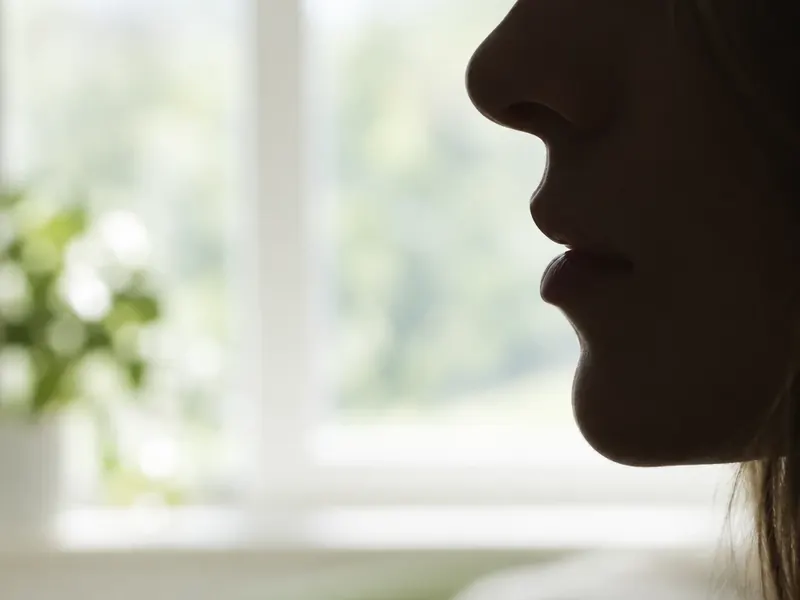
A hump on the bridge of the nose is one of the most common reasons people consider rhinoplasty. Seen in profile, it can make the nose look longer or larger than it is, and many people have noticed it in photos since their teenage years. This guide explains why a dorsal hump forms, how a surgeon removes it, what non-surgical options can and cannot do, and what recovery looks like.
The main points in 30 seconds
- A hump is usually inherited or caused by an injury, and is made of bone, cartilage or both.
- The surgeon lowers the hump and then narrows, supports and refines the nose so the profile stays balanced.
- Injections cannot remove a hump; they only mask it temporarily.
- The cast comes off after about two weeks; the final profile settles over one to one and a half years.
- Careful planning avoids an over-reduced or uneven bridge.
Key facts about the procedure
- Operation time1.5–3 hours
- Main healing4 months
- Stay in clinic1 day
- Price
$6,000from $4,200
How a dorsal hump is removed
The bridge of the nose, or dorsum, is made of bone in its upper part and cartilage in its lower part. A hump is a bulge where these two meet or where one of them is more prominent than the rest of the profile. To remove it, the surgeon carefully lowers the excess bone and cartilage and then makes sure the bridge stays smooth, narrow enough and well supported.
Hump reduction is rarely an isolated step. Once the hump is lowered, the surgeon often needs to adjust the width of the bones, refine the tip so that it matches the new profile, and check the septum and breathing. The aim is not simply a straight line, but a bridge that fits the rest of the face.
Why a nose hump forms
Most humps are inherited. The shape of the nasal bones and cartilage is largely set by genetics, and a hump often becomes more visible during adolescence, when the face grows. In other people it appears after an injury: a broken nose can heal with extra bone or a shifted cartilage that creates a bump.
Some humps are partly an illusion. A tip that sits low or lacks projection can make a normal bridge look humped, and a small chin can make the whole nose look more prominent. That is why a surgeon looks at the entire profile, not only the bump itself.
Mainly bony
- Typical cause
- Inherited shape of the nasal bones
- What usually helps
- Lowering the bone and narrowing the bridge
Mainly cartilaginous
- Typical cause
- Prominent septal cartilage
- What usually helps
- Trimming the cartilage and supporting the middle vault
After injury
- Typical cause
- Healed fracture or displaced cartilage
- What usually helps
- Reshaping plus correction of the septum if breathing is affected
Apparent hump
- Typical cause
- Low tip or weak chin
- What usually helps
- Tip refinement, sometimes a smaller hump reduction
Surgical hump reduction: what the surgeon does
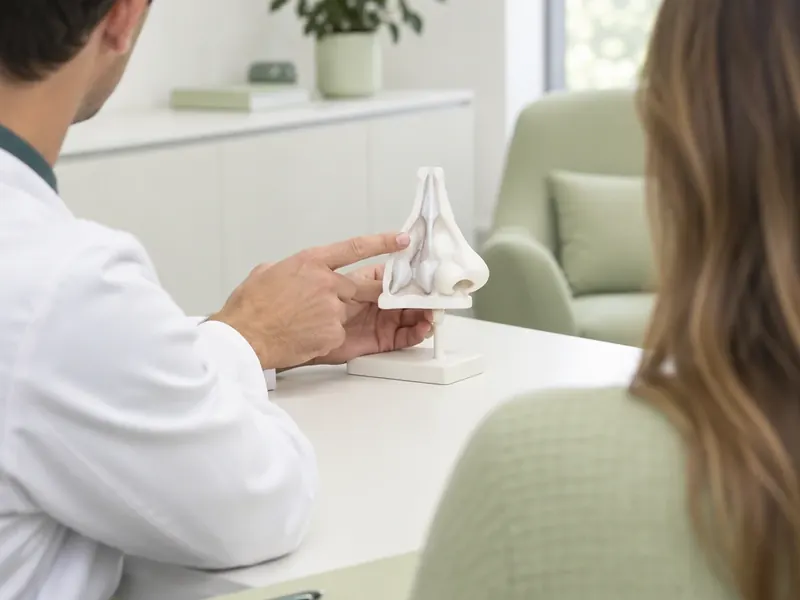
The operation is performed under general anaesthesia. The surgeon accesses the framework either through incisions inside the nose (closed rhinoplasty) or through an additional small incision across the skin between the nostrils (open rhinoplasty). A moderate hump can often be removed with a closed approach; a large hump, a crooked nose or a tip that needs detailed work may be better handled with an open one.
The main steps usually include:
- lowering the bony part of the hump with fine instruments;
- trimming the cartilaginous part so that the profile line is even;
- narrowing the nasal bones if the bridge would otherwise look too wide or flat on top;
- supporting the middle part of the nose so that it does not collapse and breathing stays open;
- adjusting the tip and, if needed, the septum.
If the septum is deviated and breathing is impaired, hump removal can be combined with septum correction in one operation, known as rhinoseptoplasty. The surgeon decides on the approach after examining your nose.
Fillers and other non-surgical options: limits
You may have heard of a "non-surgical nose job", where a filler is injected above and below the hump to straighten the profile line. This is general information: at City Medical Centre the hump is corrected surgically, and any option is discussed and chosen at the consultation.
It helps to understand what injections can and cannot do:
- they add volume and cannot make a nose smaller or remove a hump;
- the effect is temporary and has to be repeated;
- they do not change the width of the bones or improve breathing;
- injections in the nose carry their own risks, including rare but serious problems with blood supply to the skin.
For a person who wants the hump actually reduced, surgery is the method that changes the framework itself.
Recovery after hump removal
At City Medical Centre rhinoplasty usually involves a one-day stay at the clinic. For the first days you breathe mainly through your mouth, because splints sit in the nostrils; they are usually removed on about day seven. A cast protects the new bridge and is removed together with the stitches on about day fourteen.
Swelling and bruising around the eyes are common in the first one to two weeks. The first visible improvement usually appears after two to three weeks, when the main swelling goes down. For about a month, sport, saunas, pools, sun and wearing glasses are avoided, and you sleep on your back with your head raised. The profile keeps refining for months, and the final result can be judged after one to one and a half years.

Avoiding an over-reduced or uneven bridge
Removing too much is a bigger problem than removing too little. An over-reduced bridge can create a scooped or "saddle" look, a shadow on the side of the nose or a narrowed airway. Other possible issues include a small residual bump, an open roof where the bones are not brought together, or an uneven line that shows once swelling settles.
To reduce these risks, surgeons plan the new profile in relation to the forehead, tip and chin, remove tissue gradually, support the middle vault and check the result from several angles during surgery. Following the recovery rules also matters: pressing on the nose, wearing heavy glasses or a knock in the first weeks can shift the healing framework. If a correction is needed later, revision rhinoplasty is performed no earlier than a year after the first operation.
Getting a personal plan at City Medical Centre
City Medical Centre performs closed and open rhinoplasty, revision rhinoplasty, rhinoseptoplasty and reconstructive rhinoseptoplasty; a pronounced hump is one of the most common reasons patients come. City Medical Centre does not perform non-surgical nose correction with fillers. The operation is done under general anaesthesia and usually lasts 1.5 to 3 hours.
Follow-up visits take place at about seven days, three months and six months, and for a year after surgery consultations with your surgeon are free.
The clinic works with patients from abroad. The first consultation is free and can be held online: send photos of your nose from the front, both sides and below. The surgeon assesses the hump, the tip and your breathing, explains which approach suits you and names the cost, which is then fixed in the contract; at an in-person consultation you can also see a 3D model of your future profile. A personal coordinator stays with you from your first message to the end of recovery, and questions can be sent via Telegram. Read more on our rhinoplasty page.
Sources
Frequently asked questions
Can a nose hump be removed without surgery?
No. Injections can only add volume above and below the hump to make the line look straighter for a while; they cannot remove bone or cartilage, the effect is temporary and they carry their own risks. This is general information: to actually reduce a hump, the framework is corrected surgically.
Is hump removal done with closed rhinoplasty?
Often, yes. A moderate hump can usually be removed through incisions inside the nose. A large hump, a crooked nose or a tip that needs detailed work may be better handled with open rhinoplasty. The surgeon chooses the approach after examining your nose.
Can a hump come back after rhinoplasty?
A removed hump does not grow back. Occasionally a small irregularity becomes visible as swelling goes down, or a bump forms after a new injury. The final profile is judged after one to one and a half years, and a correction, if needed, is done no earlier than a year after surgery.
Do nasal bones need to be broken to remove a hump?
Not always. After a larger hump is lowered, the bridge can look wide or flat on top, and the surgeon then carefully narrows the nasal bones in a controlled way. For small humps this is often not needed. The surgeon explains the plan at the consultation.
How long is recovery after nose hump removal?
Splints are usually removed after about a week and the cast after about two weeks. Most people return to office work after one to two weeks, once bruising fades. Sport, saunas and glasses wait about a month, and the final shape settles over one to one and a half years.
Have a question about your case? Get a free consultation
Message a coordinator on Telegram: we reply right in the chat, and you can send photos and questions there too.
- The first consultation is free, online consultations are available
- The doctor names the cost after the assessment, and it is fixed in the contract
- A personal coordinator guides you from the first message to recovery
Message our coordinator on Telegram
We reply right in the chat — you can send photos
Message us on TelegramBy sending a message, you agree to the privacy policy
Read also
 Rhinoplasty
Open vs closed rhinoplasty: how the approaches differ and which one suits you
Open or closed rhinoplasty? How the two approaches differ in scars, swelling and recovery, which suits complex and revision cases, and how surgeons choose.
 Rhinoplasty
Osteotomy in rhinoplasty: when the nasal bones need reshaping
What osteotomy in rhinoplasty is, when the nasal bones need reshaping, the main types, how the operation goes and what recovery with bruising and a splint looks like.
 Bariatric surgery
Obesity classes and BMI: how doctors measure obesity
How BMI is calculated, which values mean overweight and obesity classes 1–3, when BMI misleads and why waist size and lab tests complete the picture.