
















Rhinoplasty7 min read
How rhinoplasty is performed: from consultation to cast removal
Many people considering nose surgery know what they want to change but not what actually happens along the way. This guide walks through the whole path step by step: the consultation and planning, tests and preparation, the main types of operation, the day of surgery, the hospital stay and the removal of the splints and cast. Knowing the steps in advance makes the process calmer and easier to plan, especially if you are travelling for surgery.
The main points in 30 seconds
- Rhinoplasty starts with a consultation, 3D forecast and a full set of tests.
- The operation is done under general anaesthesia and takes about 1.5–3 hours.
- Patients usually stay in the clinic for one day after surgery.
- Splints come out around day 7; the cast and stitches by about day 14.
- Fillers can only mask small flaws; they cannot replace surgery.
Key facts about the procedure
- Operation time1.5–3 hours
- Main healing4 months
- Stay in clinic1 day
- Price
$6,000from $4,200
How rhinoplasty is performed: overview
Rhinoplasty is an operation that changes the shape of the nose and, when needed, improves breathing. The surgeon works on the framework of the nose: the bones of the upper part, the cartilage of the lower part and the septum inside. The skin then settles over the new framework as the nose heals.
The whole path usually looks like this:
Consultation
- What happens
- Examination, goals, 3D forecast, plan and price
- Typical timing
- Weeks or months before
Preparation
- What happens
- Tests, stopping smoking and some medicines
- Typical timing
- From about three weeks before
Surgery
- What happens
- Operation under general anaesthesia
- Typical timing
- About 1.5 to 3 hours
Hospital stay
- What happens
- Observation after surgery
- Typical timing
- Usually one day
Splints and cast
- What happens
- Inner splints, then the cast and stitches removed
- Typical timing
- Around day 7 and up to day 14
Follow-up
- What happens
- Check-ups as swelling settles
- Typical timing
- Up to a year and beyond
Consultation, 3D forecast and tests
Everything starts with a consultation. The surgeon examines the nose from the outside and inside, assesses the skin, the septum and breathing, and looks at the proportions of the whole face. You explain what bothers you and what result you hope for.
Photos of the face are often used to build a 3D model of the future nose. It helps you and the surgeon agree on the goal and see what is realistic for your anatomy. A forecast is a planning tool, not a promise: the final result depends on healing and on how the skin settles.
At the consultation the surgeon also checks for reasons to postpone or avoid surgery, such as an active infection, poorly controlled chronic disease, bleeding problems, skin damage in the area or inflammation of the ear, nose or throat. Surgery is usually planned for adults, and the optimal age is often given as 18 to 45, although older patients can be operated on if their health allows.
Preparing for surgery
Preparation usually begins about three weeks before the operation. It includes a set of tests so that the anaesthetist and surgeon can confirm it is safe to operate:
- blood tests, including a complete blood count, biochemistry and clotting tests;
- infection tests and blood group;
- an ECG and a chest X-ray;
- a CT scan of the sinuses to assess the inside of the nose;
- a physician’s report confirming there are no contraindications, and specialists’ reports if you have chronic conditions.
About a week before surgery you stop smoking and alcohol, limit salty and spicy food, avoid peels and other procedures that damage the facial skin, and agree with your doctor which medicines affecting clotting should be paused. On the day of surgery you do not eat or drink for at least six hours beforehand.
Operation types: open, closed, tip, septum, revision
The type of operation depends on your anatomy and on what needs to be changed.
- Closed rhinoplasty. All incisions are inside the nostrils, so there is no external scar. It suits moderate changes, for example removing a small hump.
- Open rhinoplasty. A small incision across the skin between the nostrils lets the surgeon lift the skin and see the framework directly. It is often chosen for complex tip work, grafts and revision cases.
- Tip rhinoplasty. Work limited to the lower part of the nose, such as refining a bulbous or asymmetric tip.
- Rhinoseptoplasty. The septum is straightened in the same operation as the reshaping, to improve both breathing and appearance.
- Revision rhinoplasty. A repeat operation to correct an earlier result, usually no earlier than a year after the first surgery. Cartilage grafts, sometimes from a rib, may be needed to rebuild support.
What happens on the day of surgery
On the day of the operation you arrive at the clinic having fasted. The anaesthetist checks your health once more, and the surgeon marks the plan and answers any last questions. Compression stockings are usually worn to protect the veins of the legs.
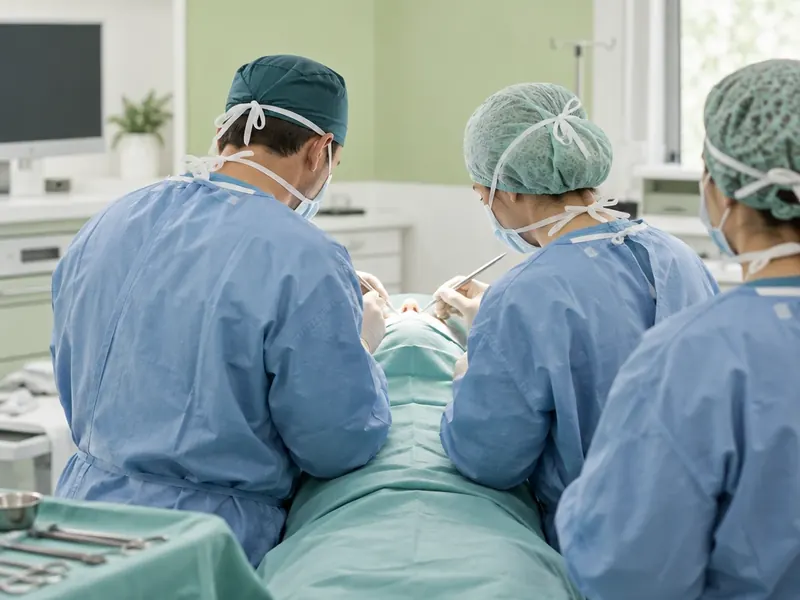
Rhinoplasty is performed under general anaesthesia and usually takes from about 1.5 to 3 hours, depending on its complexity. The surgeon reshapes the bone and cartilage according to the plan, straightens the septum if needed, and closes the incisions. Soft splints are placed inside the nostrils and a light external cast is fitted over the nose to protect the new shape.
You wake up in the recovery area with the nose blocked, so you breathe through your mouth. Mild pain, a feeling of pressure and some swelling are expected and are managed by the medical team.
Hospital stay and cast removal
After surgery you usually stay in the clinic for one day under observation. The team checks bleeding, pain and your general condition before discharge and explains the rules for the first weeks.
- Days 1–7. Breathing is through the mouth while the splints are in. Swelling and bruising reach their peak in the first days. Avoid bending over, touching the nose and wearing glasses.
- Around day 7. The inner splints are removed and breathing through the nose starts to return.
- Up to day 14. The external cast is worn for up to two weeks and removed together with the stitches.
- After the cast. The nose still looks swollen. For a month, avoid sport, saunas, pools, hot baths and the sun, and sleep on your back with the head raised.
The first improvement shows after two to three weeks, but the final shape is judged after 12 to 18 months.
Why non-surgical nose correction has limits
Non-surgical nose correction with fillers is sometimes offered as an alternative. It can mask a small hump or lift the tip slightly by adding volume, but it cannot make a nose smaller, narrow wide bones, reduce a bulbous tip or straighten the septum. The effect is temporary, and injections in the nose carry their own risks, including damage to blood vessels.
This is general information: City Medical Centre does not offer non-surgical nose correction. If your goal can be reached without surgery, or if surgery is not right for you, the surgeon will tell you so at the consultation.
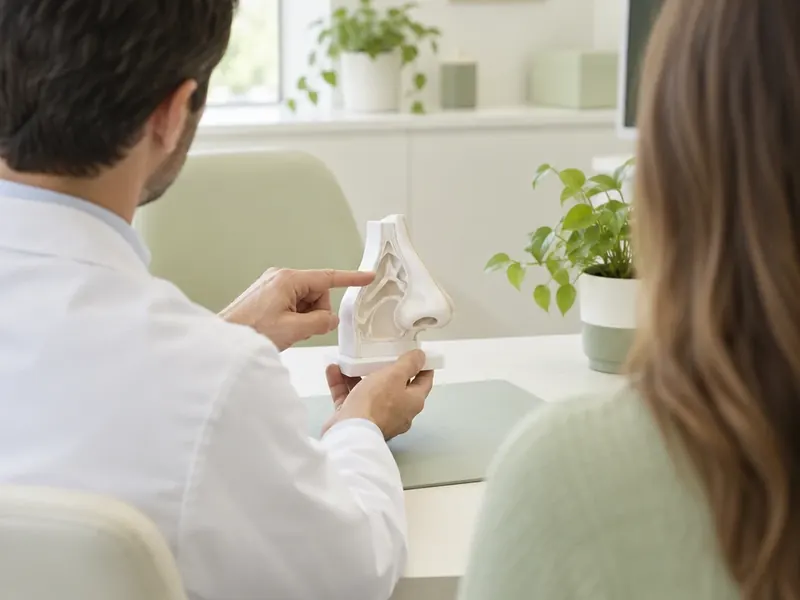
Getting a personal plan at City Medical Centre
City Medical Centre works with international patients. The clinic performs closed and open rhinoplasty, revision rhinoplasty, rhinoseptoplasty and reconstructive rhinoseptoplasty, including with a rib cartilage graft. The operation is done under general anaesthesia with a one-day hospital stay, and after it you receive a recovery programme.
The first consultation is free and can be held online. Send photos of your nose from several angles, and the surgeon will assess your anatomy, prepare a personal plan with a 3D forecast and name the cost, which is fixed in the contract. Consultation and preparation can be organised in one trip. After surgery, check-ups are planned at 7 days, 3 and 6 months, and for a year consultations with your surgeon are free. A personal coordinator stays with you from the first message to the end of recovery, and photos and questions can be sent by Telegram. More details are on the rhinoplasty page.
Sources
Frequently asked questions
How long does rhinoplasty surgery take?
The operation usually takes from about 1.5 to 3 hours. Simple closed procedures are shorter, while open rhinoplasty, combined work on the septum or revision surgery take longer. The surgeon gives an estimate for your case after planning the operation at the consultation.
Is rhinoplasty done under general anaesthesia?
Yes, rhinoplasty is usually performed under general anaesthesia, so you are asleep and feel no pain during the operation. Before surgery the anaesthetist reviews your tests and health, and after it you are observed in the clinic until you are ready to go home.
How long do I stay in hospital after rhinoplasty?
Most patients stay in the clinic for one day after surgery. During this time the team monitors bleeding, pain and your general condition, then explains the rules for the first weeks. International patients usually stay nearby until the splints and cast are removed.
When is the nasal cast removed?
The inner splints are usually removed around the seventh day. The external cast is worn for up to two weeks and taken off together with the stitches. After that the nose still looks swollen, and the shape keeps refining for many months.
Can filler replace rhinoplasty?
Only in a limited way. Fillers can mask a small hump or lift the tip slightly, but they cannot reduce the nose, narrow the bones or improve breathing, and the effect is temporary. City Medical Centre does not offer filler correction of the nose; the surgeon explains the options at the consultation.
Have a question about your case? Get a free consultation
Message a coordinator on Telegram: we reply right in the chat, and you can send photos and questions there too.
- The first consultation is free, online consultations are available
- The doctor names the cost after the assessment, and it is fixed in the contract
- A personal coordinator guides you from the first message to recovery
Message our coordinator on Telegram
We reply right in the chat — you can send photos
Message us on TelegramBy sending a message, you agree to the privacy policy
Read also
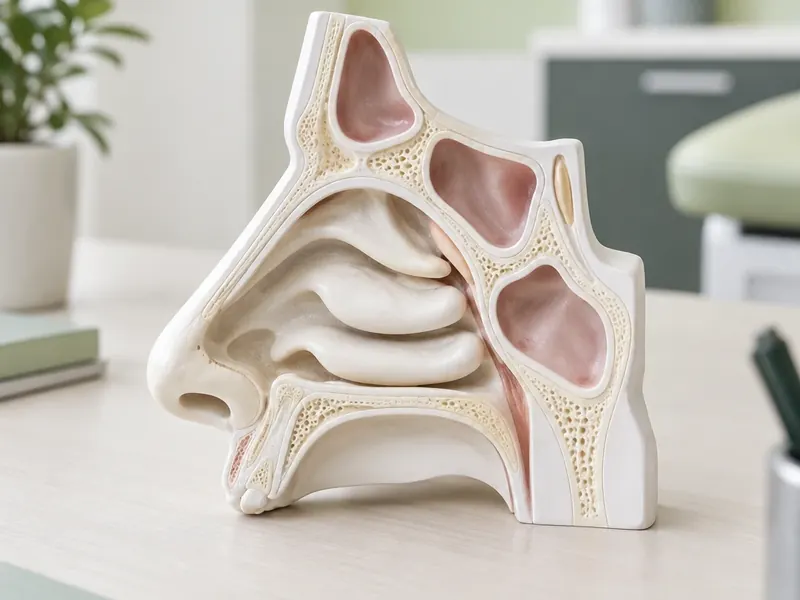 Rhinoplasty
Nose Anatomy and Function: What a Surgeon Must Preserve in Rhinoplasty
How the nose is built from bone, cartilage, septum and skin, what it does for breathing, filtering, smell and voice, and why rhinoplasty must keep function intact.
 Rhinoplasty
Nose hump removal: how rhinoplasty corrects a dorsal hump
How a nose hump forms and how rhinoplasty removes it: what the surgeon does, limits of non-surgical options, recovery and avoiding an over-reduced bridge.
 Hair transplant
How to choose a hair transplant clinic and surgeon: what to check before you decide
How to choose a hair transplant clinic and surgeon: qualifications, before-and-after photos, methods, a personal plan, transparent pricing and aftercare.