


















Rhinoplasty5 min read
Nose Anatomy and Function: What a Surgeon Must Preserve in Rhinoplasty
The nose is not only a feature of the face. It warms, moistens and filters the air we breathe, carries the sense of smell and shapes the sound of the voice. Every change in its shape affects the structures that do this work. This article explains what the nose is made of, what its main functions are, how anatomical problems affect health, and why a good rhinoplasty changes the appearance while keeping, and sometimes improving, how the nose works.
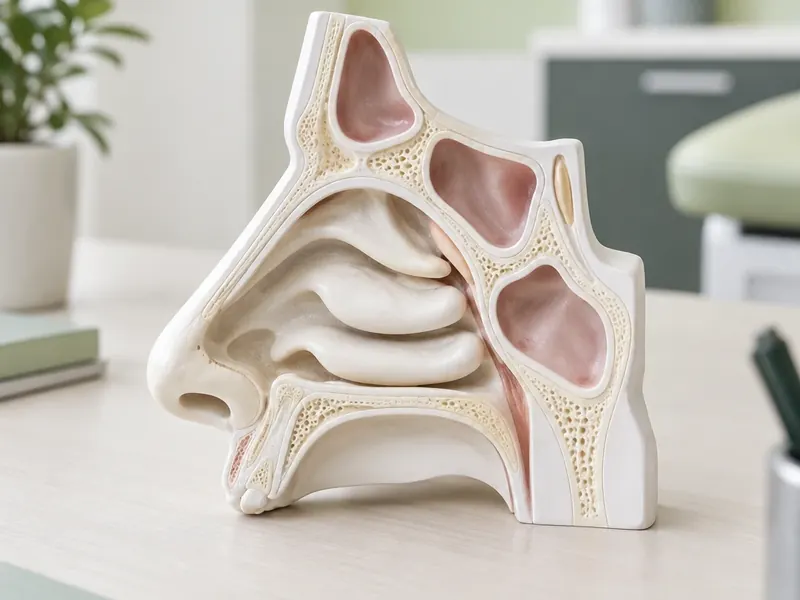
The main points in 30 seconds
- The nose is built from bone at the top, cartilage below, the septum inside and skin outside.
- It warms, moistens and filters air, carries smell and shapes the voice.
- A deviated septum, weak valves or large turbinates can block breathing.
- Rhinoplasty must keep the support structures and airway, not only change the shape.
- Often shape and breathing are corrected together in one operation, rhinoseptoplasty.
Key facts about the procedure
- Operation time1.5–3 hours
- Main healing4 months
- Stay in clinic1 day
- Price
$6,000from $4,200
What a surgeon must preserve in rhinoplasty
A nose can look perfect in photographs and still breathe poorly. For this reason, experienced surgeons plan rhinoplasty around two goals at once: a shape that suits the face, and a nose that keeps working. In practice this means preserving enough cartilage support so the tip does not droop and the sides do not collapse, keeping the internal airway open, protecting the lining that humidifies the air, and correcting problems such as a deviated septum when they are present.
Removing too much tissue can make a nose look good for a year and then cause breathing problems as it settles. That is why modern rhinoplasty often reshapes and repositions structures rather than simply removing them. More about the operations performed at our clinic is on our rhinoplasty page.
Nose structure: bones, cartilage, septum and skin
Nasal bones
- Where it is
- Upper third, the bridge
- What it does
- Form the bony vault and protect the upper airway
Upper lateral cartilages
- Where it is
- Middle third
- What it does
- Support the side walls and form the internal nasal valve
Lower lateral cartilages
- Where it is
- Tip and nostrils
- What it does
- Shape the tip and keep the nostrils open
Septum
- Where it is
- Inside, dividing the nose into two sides
- What it does
- Supports the bridge and tip and guides airflow
Turbinates
- Where it is
- Side walls inside the nose
- What it does
- Warm, moisten and direct the air
Skin and soft tissue
- Where it is
- Outside
- What it does
- Cover the framework; thickness affects how visible changes are
Inside, the nose is lined with a mucous membrane rich in blood vessels. At the top of the nasal cavity lies a small area of smell receptors.
Main functions: breathing, filtering, smell, voice
- Breathing. The nose is the main route for air at rest. Breathing through the nose is more efficient and comfortable than breathing through the mouth, especially during sleep.
- Warming and humidifying. Within a fraction of a second, the lining and turbinates bring inhaled air close to body temperature and humidity, protecting the lower airways.
- Filtering. Hairs and mucus trap dust, pollen and microbes, which are then moved towards the throat by tiny moving hairs on the lining.
- Smell. Odour molecules reach the receptors at the top of the nose. Smell also shapes taste.
- Voice. The nasal cavity acts as a resonance chamber and contributes to the sound of speech.
How anatomy problems affect health
When the structure is out of balance, function suffers:
- a deviated septum narrows one side and can cause one-sided blockage, snoring and dryness;
- weak nasal valves let the sides collapse on deep breaths, especially after previous surgery;
- enlarged turbinates can block airflow, often together with allergies;
- injuries and fractures can leave the bridge crooked and the airway narrowed.
Chronic mouth breathing can lead to dry mouth, poor sleep, snoring and daytime tiredness. Some causes, such as allergies or sinus disease, are treated without surgery; others need the structure to be corrected.

Why reshaping must keep function intact
Every step of rhinoplasty affects function. Reducing a hump can open the bony vault and weaken the middle third if it is not rebuilt. Narrowing the tip can weaken the cartilages that hold the nostrils open. For this reason, surgeons use techniques that preserve or reinforce support, such as cartilage grafts from the septum, and assess breathing before the operation.
When a deviated septum or other internal problem is found, it is usually corrected in the same operation. This combined procedure, rhinoseptoplasty, changes the shape and restores the airway at once. A careful plan helps avoid the most common reason for revision surgery: a nose that looks better but breathes worse.
Getting a personal plan at City Medical Centre
City Medical Centre performs rhinoseptoplasty and reconstructive rhinoseptoplasty for a deviated septum, as well as closed, open and revision rhinoplasty. Before surgery, tests include a CT scan of the sinuses, and the surgeon examines both breathing and the outer shape of the nose. The operation takes place under general anaesthesia with a one-day stay at the clinic.
Follow-up visits take place at about seven days, three months and six months, and for a year after surgery consultations with your surgeon are free. City Medical Centre does not perform isolated septoplasty: the septum is corrected as part of rhinoseptoplasty.
The clinic works with patients from abroad. The first consultation is free and can be held online: describe your breathing symptoms, send photos of your nose from several angles and any previous scans. The surgeon explains whether rhinoseptoplasty suits your case and names the cost, which is then fixed in the contract; at an in-person consultation you can also see a 3D model of the planned shape. A personal coordinator stays with you from your first message to the end of recovery, and questions can be sent via Telegram. Read more on our rhinoplasty page.
Sources
Frequently asked questions
What is the nose made of?
The upper part of the nose is built from paired nasal bones, and the lower part from cartilages that shape the middle and the tip. Inside, the septum made of cartilage and bone divides the nose into two passages. The turbinates on the side walls, the mucous lining and the skin complete the structure.
Can rhinoplasty affect sense of smell?
A temporary change in smell is common in the first weeks because of swelling and blocked passages. Lasting loss of smell after rhinoplasty is rare, because surgery does not work in the area of smell receptors at the top of the nose. If smell does not return as swelling settles, tell your surgeon.
Can rhinoplasty make breathing worse?
It can if too much support is removed or the internal valves become narrower. That is why surgeons preserve or reinforce cartilage and check breathing before the operation. When a deviated septum or other internal problem is present, it is usually corrected at the same time, so breathing often improves rather than worsens.
What conditions affect nasal function?
Common causes of poor nasal breathing include a deviated septum, weak nasal valves, enlarged turbinates, allergies, chronic sinus inflammation, nasal polyps and the effects of injuries. Some of these are treated with medication or other non-surgical methods, while structural problems may need surgical correction.
Why is the septum important in nose surgery?
The septum supports the bridge and tip and divides the airflow between the two sides. If it is deviated, it can block breathing, and if it is weakened during surgery, the nose can lose support. It is also a common source of cartilage for grafts. For these reasons, surgeons assess the septum before every rhinoplasty.
Have a question about your case? Get a free consultation
Message a coordinator on Telegram: we reply right in the chat, and you can send photos and questions there too.
- The first consultation is free, online consultations are available
- The doctor names the cost after the assessment, and it is fixed in the contract
- A personal coordinator guides you from the first message to recovery
Message our coordinator on Telegram
We reply right in the chat — you can send photos
Message us on TelegramBy sending a message, you agree to the privacy policy
Read also
 Rhinoplasty
Open vs closed rhinoplasty: how the approaches differ and which one suits you
Open or closed rhinoplasty? How the two approaches differ in scars, swelling and recovery, which suits complex and revision cases, and how surgeons choose.
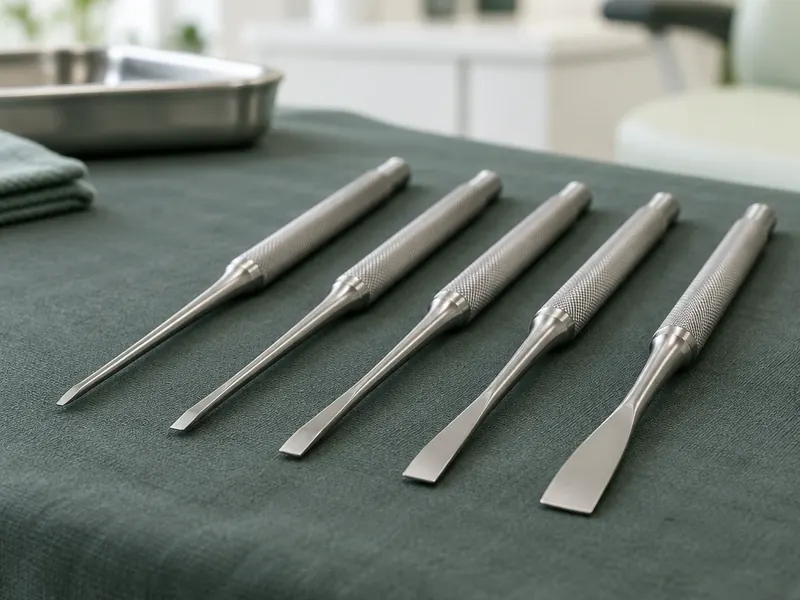 Rhinoplasty
Osteotomy in rhinoplasty: when the nasal bones need reshaping
What osteotomy in rhinoplasty is, when the nasal bones need reshaping, the main types, how the operation goes and what recovery with bruising and a splint looks like.
 Rhinoplasty
Nose hump removal: how rhinoplasty corrects a dorsal hump
How a nose hump forms and how rhinoplasty removes it: what the surgeon does, limits of non-surgical options, recovery and avoiding an over-reduced bridge.