


























Facelift6 min read
Facelift side effects: what is normal after surgery and what is not
After a facelift, swelling, bruising, numbness and a tight feeling in the face are normal and usually temporary. Rare complications also exist, and knowing the difference helps you stay calm when recovery is going well and act quickly when it is not. This article lists the common side effects, the risks named by medical sources and the warning signs that need a call to your surgeon.
By messaging us, you agree to our Privacy Policy
The main points in 30 seconds
- Swelling, bruising, numbness and tightness are normal and usually temporary.
- Bruising and swelling often last 2 to 3 weeks; minor tightness can last up to a year.
- Hematoma is the most common complication and needs a prompt call.
- Hair changes at the temples and incisions are possible, so ask about incision planning.
- Know before surgery who to call and how to reach them from home.
Key facts about the procedure
- Main healing2 months
- Final result3–6 months
- AnaesthesiaGeneral
- Pricefrom $2,400
Normal side effects in the first weeks
Every facelift causes some reaction in the tissues. The NHS lists the common side effects as a swollen or numb face lasting a few weeks or months, a stiff face and mouth that usually eases within six weeks, bruising lasting a few weeks, pain, and low mood for a few days.
Facelift Dublin, Facelift Manchester — price and consultation.
Price in your country — message us on WhatsApp
WhatsAppThe American Society of Plastic Surgeons (ASPS) explains that bruising and swelling usually peak around days 3 and 4 and may last several more weeks. Between days 7 and 14 some swelling and bruising remain, and numbness, tingling and tightness can occur and are considered common.
None of this means that something has gone wrong. The face is healing after incisions and deeper tissue work, and the first mirror view is rarely flattering.
Low mood is also listed by the NHS among the usual effects, typically for a few days. It helps to plan ahead: arrange for someone to stay with you, keep a short list of questions for the follow-up visit and remember that by the end of week two many people, according to ASPS, already feel like themselves and can walk and do light activities.
Swelling, bruising and tightness: how long they last
Cleveland Clinic says bruising and swelling last about two to three weeks on its treatment page, and 10 to 14 days for a basic facelift in its patient FAQ. The NHS says bruising may be visible for at least two weeks. The figures differ because the operation and the person differ, so treat them as a range rather than a deadline.
More on this topic: Facelift, Neck Lift (Platysmaplasty), Deep Plane Facelift, Face and Neck Lift in Calgary, Facelift in San Jose.
ASPS notes that very minor swelling, bruising, tightness and numbness can take up to a year to resolve and are usually noticeable mainly to you. Cleveland Clinic suggests it could take two to three months before your face feels back to normal.
- Sleep with your head raised, as your surgeon advises.
- Keep dressings dry until you are told otherwise.
- Avoid strenuous exercise; Cleveland Clinic suggests at least three weeks.
- Attend every follow-up visit, even if you feel well.
Facelift abroad: choose a city and clinic
Prices, the clinic and a free online consultation for each city:
Numbness, hair and scars
Changes in skin sensation are common after facial surgery. The NHS lists a swollen or numb face as a usual side effect, and ASPS lists numbness or other changes in skin sensation among the possible risks.
The NHS also mentions a raised hairline or sideburns and reduced hair growth at the temples. ASPS lists temporary or permanent hair loss at the incisions. The scars fade but do not completely disappear, according to the NHS. Ask your surgeon how the incisions will be planned around your hairline, because that determines how visible the scars will be.
Rare complications that medical sources list
ASPS describes the risks of a facelift as rare, and its list includes anaesthesia risks, bleeding, deep vein thrombosis and cardiac or pulmonary complications, facial nerve injury with weakness, fluid accumulation, infection, persistent pain, poor wound healing and skin loss, prolonged swelling, skin irregularities and discolouration, and unfavourable scarring. Sutures may also surface through the skin and need removal.
Cleveland Clinic calls a hematoma, a collection of blood under the skin, the most common complication. It describes infection, scarring and nerve injury as possible but extremely rare. In rare cases of extreme swelling a second, immediate operation may be needed.
- Swelling and bruising
- Expected, fades over weeks
- Numbness and tightness
- Expected, can last weeks or months
- Hematoma
- Uncommon, needs prompt attention
- Nerve injury with weakness
- Rare, needs assessment
- Infection
- Rare, needs treatment
Warning signs: when to call your surgeon
Cleveland Clinic lists the signs that need a call to your surgeon without delay:
- bleeding that soaks through the bandage;
- extreme swelling;
- fever;
- pus or other abnormal discharge from the incisions;
- extreme pain;
- sutures coming out before they are due to be removed.
The NHS adds that you should contact the clinic promptly for severe pain or unexpected symptoms. If you cannot reach your surgeon and you feel seriously unwell, seek emergency care where you are. This is why you should know, before surgery, who to call and how to reach them.
How to lower the chance of problems
No surgery is risk-free, but some choices help. The NHS suggests being certain of your reasons, avoiding a rushed decision and asking the surgeon how many facelifts they have performed where complications occurred. It also suggests asking what follow-up you can expect.
Tell your surgeon about your health history and the medicines you take, follow the instructions on rest and dressings, and do not skip check-ups. The general surgical risks named by the NHS, such as excessive bleeding, blood clots in a vein, infection and an allergic reaction to the anaesthetic, are discussed at every proper consultation. You will also sign consent forms, and ASPS says the risks will be fully discussed before you do. Read the technique overview on our facelift page before the consultation.
Asking about safety at City Medical Centre
City Medical Centre works with international patients. The first consultation is free and can be held online, so you can ask about side effects, recovery and aftercare before you decide anything. The price is named by the doctor after the assessment and fixed in the contract.
A personal coordinator stays with you from your first message to the end of recovery, and photos and questions can be sent by Telegram. Start on the facelift page and request your free consultation.
Sources
- NHS - Facelift (rhytidectomy)
- ASPS - Facelift safety
- Cleveland Clinic - Facelift (rhytidectomy)
- Cleveland Clinic - How long does a facelift last and other FAQs
- ASPS - Your facelift recovery explained from day 1 to day 30
Medical disclaimer. This article is for general information only and is not medical advice. It does not replace a consultation with a doctor. Every procedure has contraindications and risks. Read more · How we prepare and review medical content
Frequently asked questions
Is numbness after a facelift normal?
Yes. The NHS lists a swollen or numb face as a usual side effect that can last a few weeks or months, and ASPS counts numbness and tingling as common in the second week. Tell your surgeon if numbness is spreading, painful or accompanied by weakness of the face.
What is a hematoma after a facelift?
A hematoma is a collection of blood under the skin. Cleveland Clinic calls it the most common complication. Extreme swelling, severe pain or bleeding through the bandage needs an urgent call to your surgeon, because prompt treatment protects the skin and surrounding tissues.
How long does swelling last?
Bruising and swelling usually last about two to three weeks, and the face may feel back to normal after two to three months, according to Cleveland Clinic. ASPS says very minor swelling and tightness can take up to a year to disappear, mostly noticeable only to you.
Can a facelift cause hair loss?
It can. ASPS lists temporary or permanent hair loss at the incisions, and the NHS mentions reduced hair growth at the temples and a raised hairline or sideburns. Ask your surgeon how the incisions will be placed in your hairline.
When should I call my surgeon?
Call right away for bleeding that soaks through the bandage, extreme swelling, fever, pus-like discharge, extreme pain or sutures coming out early, as listed by Cleveland Clinic. The NHS also advises contacting the clinic promptly for severe pain or unexpected symptoms.
Have a question about your case? Get a free consultation
Message a coordinator on Telegram: we reply right in the chat, and you can send photos and questions there too.
- The first consultation is free, online consultations are available
- The doctor names the cost after the assessment, and it is fixed in the contract
- A personal coordinator guides you from the first message to recovery
Message our coordinator
We reply right in the chat — you can send photos
Message us on TelegramMessage us on WhatsAppBy messaging us, you agree to our Privacy Policy
Read also
 Facelift
Full (circular) facelift: what it corrects, who it suits and what recovery involves
What a full circular facelift corrects, who it suits and who it does not, how the operation and the first weeks with a face bandage go, and how long results last.
 Facelift
How long a facelift lasts, and when it can be repeated
How many years a facelift usually lasts, why the face keeps ageing after surgery, when a repeat lift may make sense and which habits help keep the result longer.
 Facelift
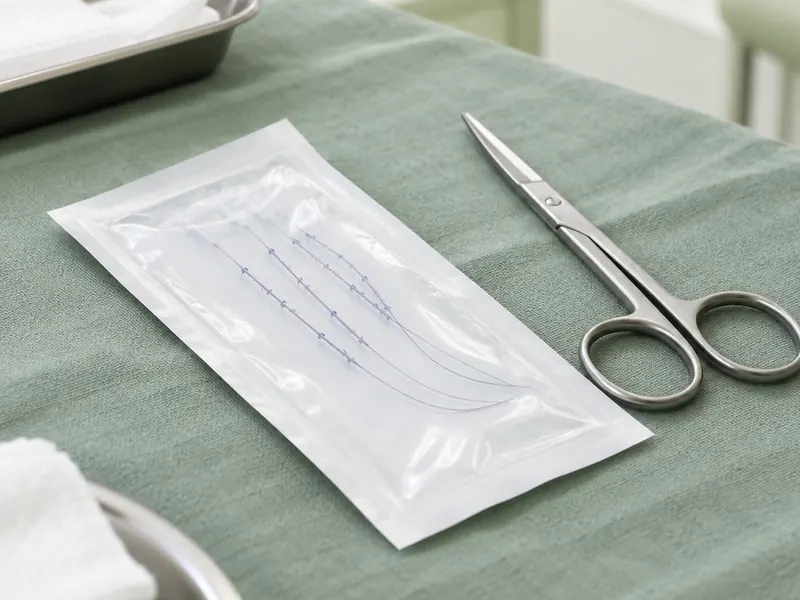
 or thread lift: how long each lasts and who each one suits
A thread lift gives a short-lived lift with little downtime; a surgical facelift works on deeper tissues for longer. Compare results, risks and who each suits.