


























Message the clinic coordinator
Free online consultation · Reply within 15 minutes
Message us on TelegramMessage us on WhatsAppBy messaging us, you agree to our Privacy Policy



Facelift and neck lift in El Paso: price and key facts
Facelift for patients from El Paso at City Medical Centre starts at $2,400. The first online consultation is free; the doctor names the final price and it is fixed in the contract.
- Price
- $2,400
- Anesthesia
- general (inhalation)
- Recovery
- about 2 months to full recovery
- Final result
- 3–6 months after surgery
- How it works
- Send photos on WhatsApp or Telegram, get a free doctor assessment and the price, then confirm the plan and dates before anything is booked.
How it works · Facelift prices
Information current as of 5 November 2026

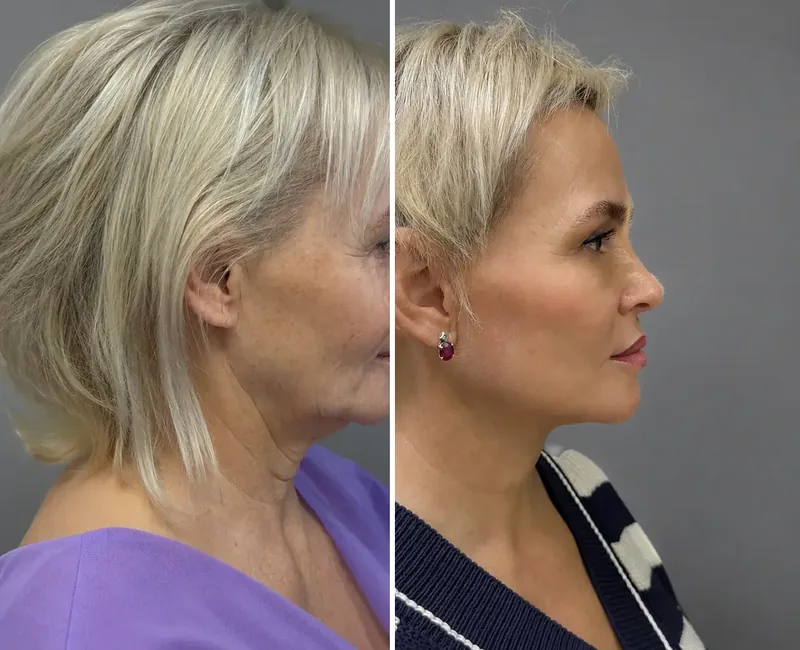

50 years
9 months

SMAS facelift
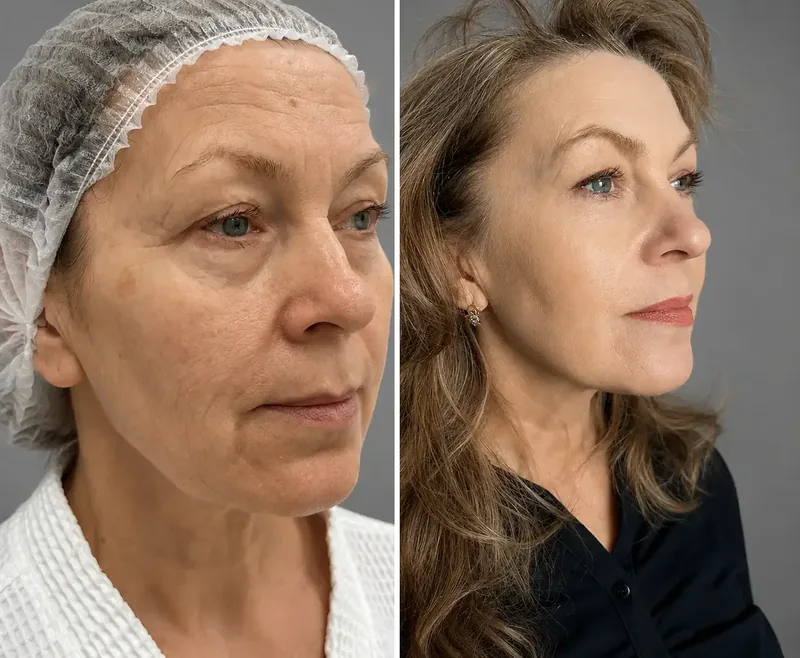
58 years
8 months
SMAS facelift
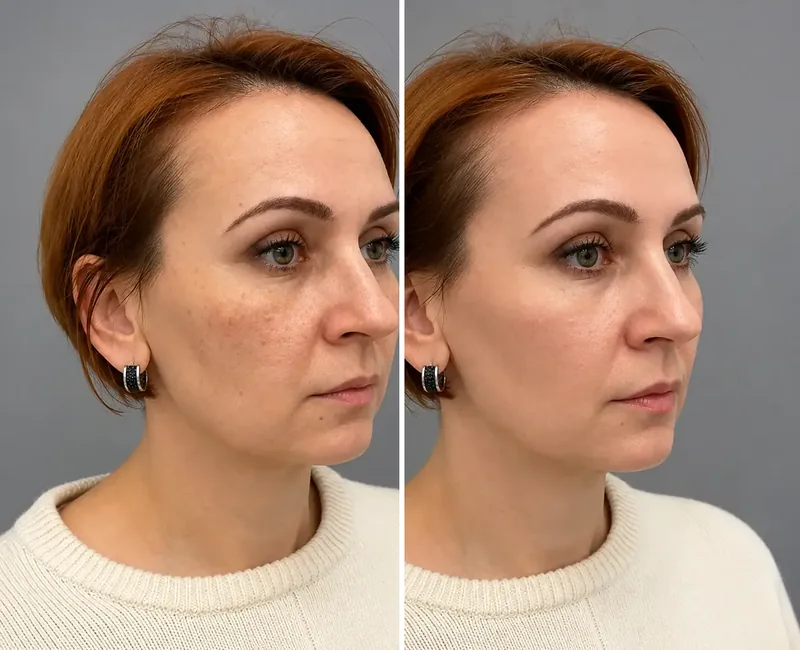
34 years
5 months
SMAS facelift
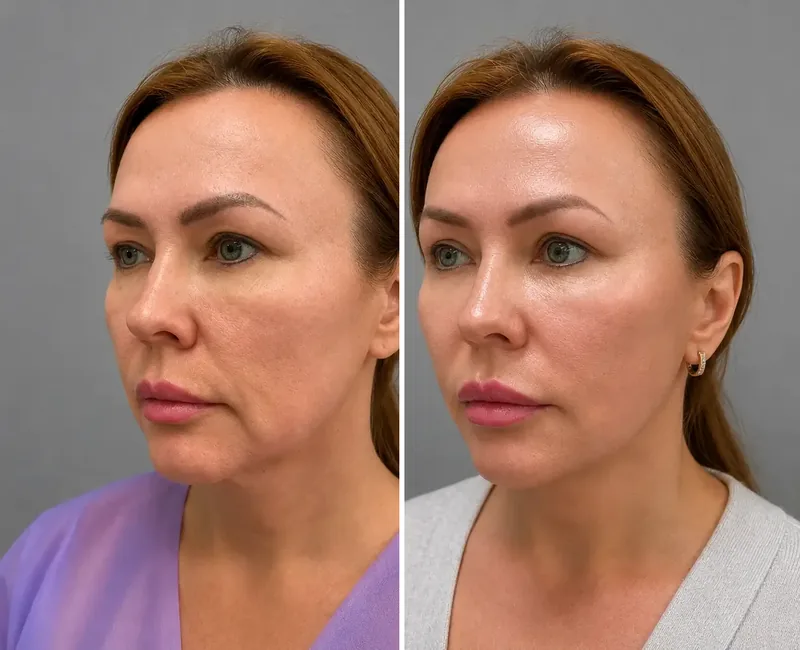
32 years
7 months
SMAS facelift
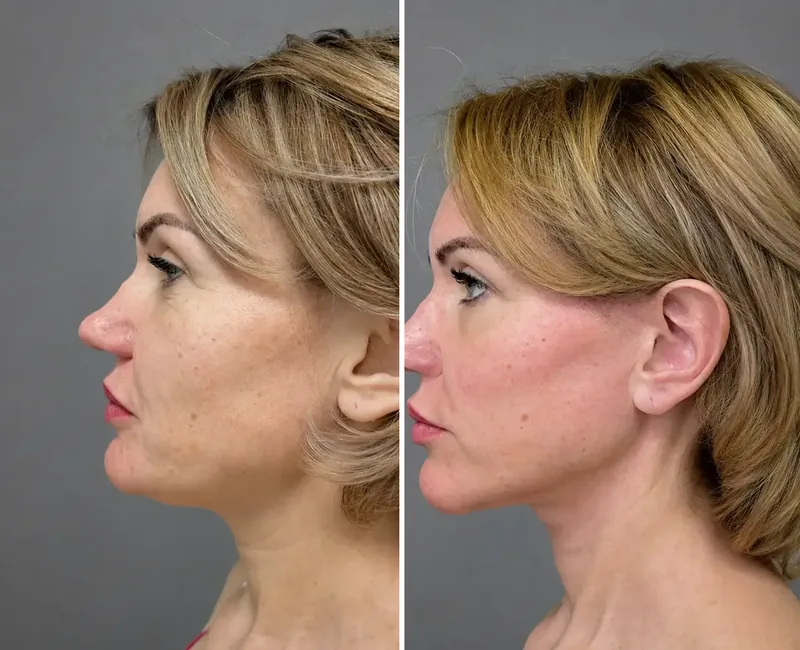
40 years
6 months
SMAS facelift
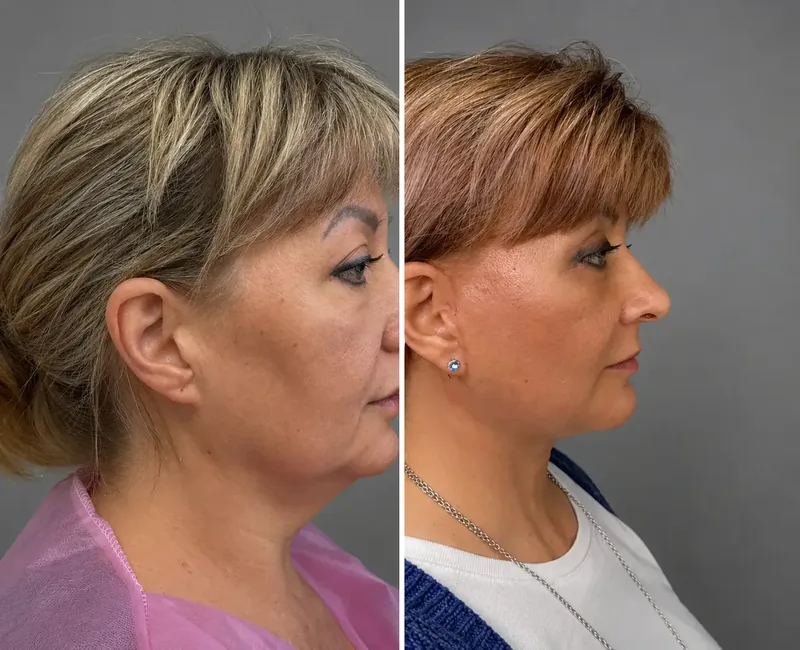
45 years
8 months
SMAS facelift
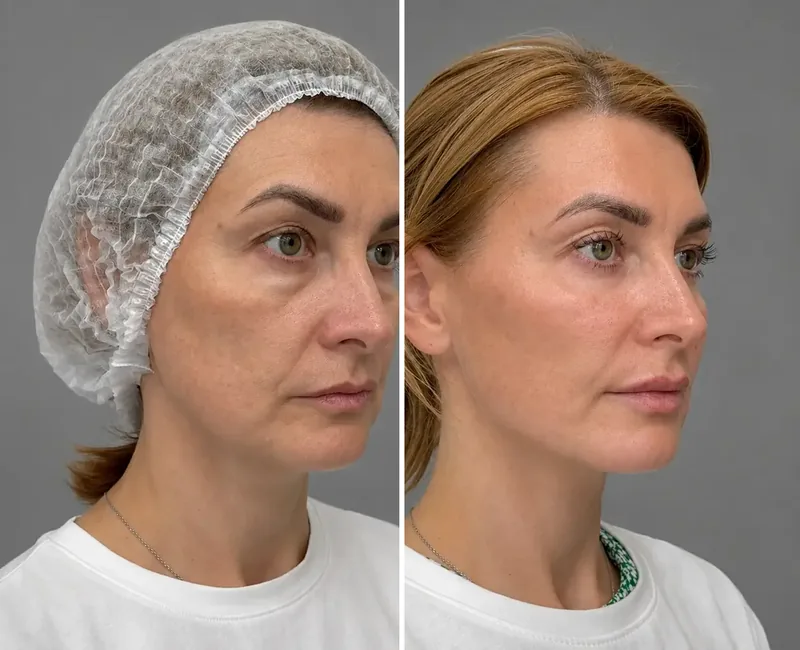
38 years
5 months
SMAS facelift
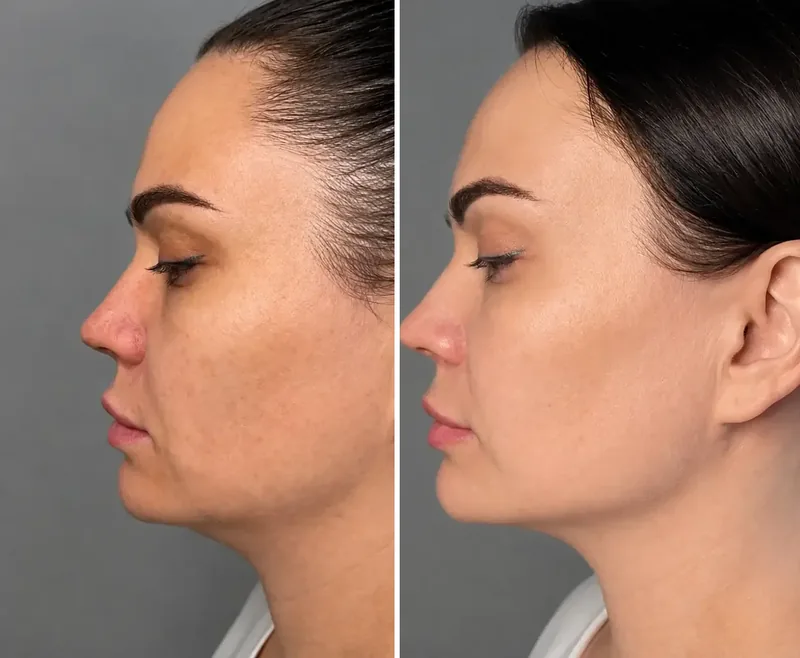
33 years
6 months
SMAS facelift
50 years
9 months
SMAS facelift
58 years
8 months
SMAS facelift
34 years
5 months
SMAS facelift
32 years
7 months
SMAS facelift
40 years
6 months
SMAS facelift
45 years
8 months
SMAS facelift
38 years
5 months
SMAS facelift
33 years
6 months
SMAS facelift
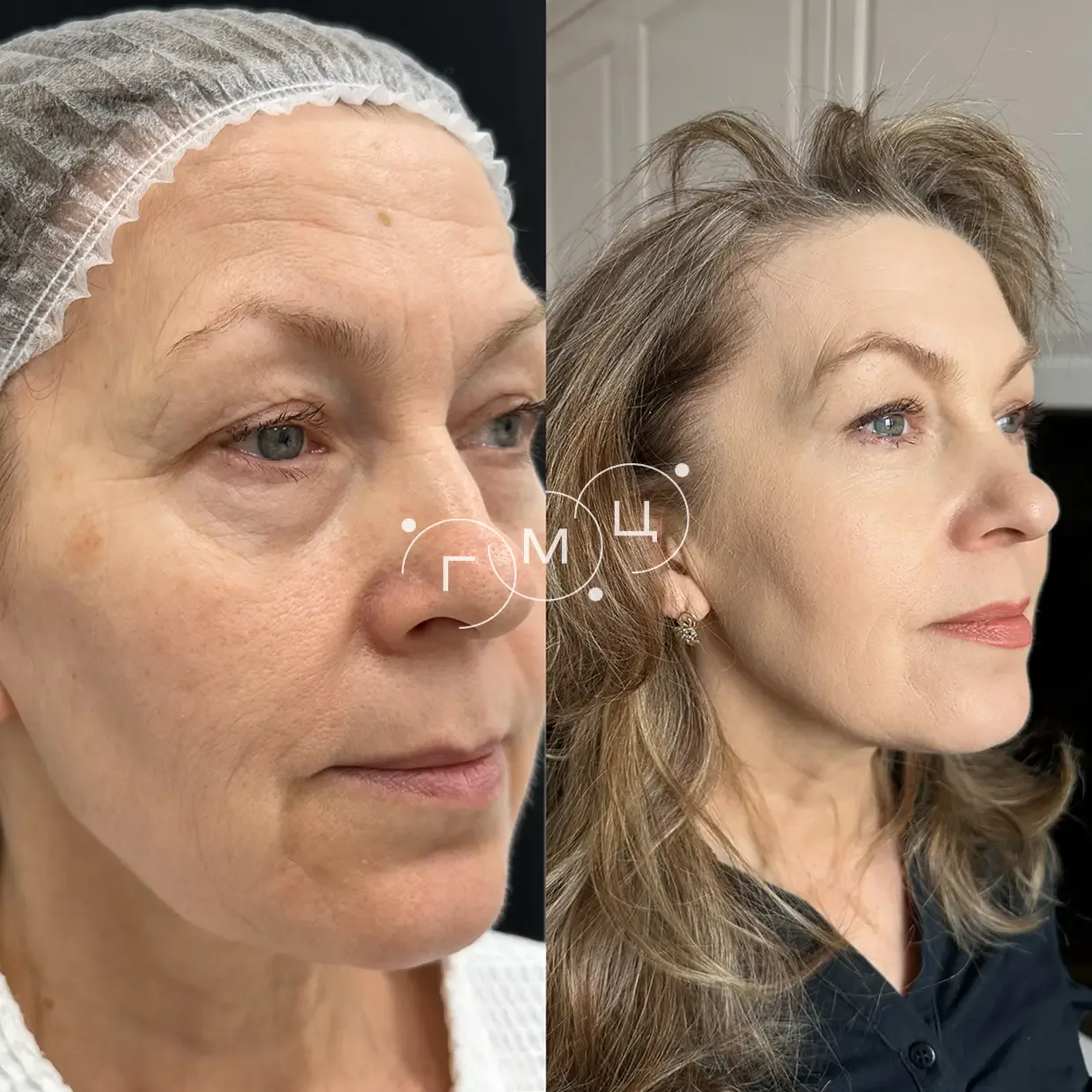

Noticeable sagging of the face and neck
The jawline is blurred, with jowls
A double chin with loose skin on the neck
Deep nasolabial folds and marionette lines
A heavy look caused by drooping brows
A marked loss of skin firmness after 40
Wanting a long-term result (7–10 years)

Patients under the age of 30
Acute inflammation of the skin
Being pregnant or breastfeeding
A severe disease of the cardiovascular system
Blood clotting disorders
Cancer
Decompensated diabetes
Facelift in El Paso step by step
What is the difference between a standard and a SMAS facelift? A skin-only lift affects just the top layer and gives a short-lived effect. A SMAS facelift is deeper surgery: the surgeon lifts and secures the facial muscle and fascia layer, addressing weakened ligaments and descended muscles. For anyone researching a facelift in El Paso, that depth is what makes the outcome natural and long-lasting.
The endoscopic brow and temple lift is the gentlest option: the surgeon uses an endoscope through tiny punctures, repositions the brows and smooths forehead and frown lines, with scars hidden in the hairline. A neck and lower face lift also uses small incisions, keeping scars barely visible. For people in El Paso, the choice of access depends on which zones need correction and how marked the sagging is.
Budget matters, so the price is fixed upfront: the surgeon gives you the final figure at the consultation, and nothing is added later. A facelift starts from $2,400, and the all-inclusive option is priced on request. In-house 0% instalments are available. The clinic works under an official contract with a guarantee. To begin, people from El Paso simply leave a phone number.
Stories of well-known people
Well-known people who spoke openly about this operation, in their own words.
El Paso's desert sun and dust: what they mean for a healing facelift incision
El Paso sits in the Chihuahuan Desert with a hot desert climate — summer highs regularly above 38°C with low humidity, mild winters, and a modest annual rainfall of under 9 inches concentrated in the June-to-September monsoon months, when sudden dust storms can roll through the city with little warning. That dryness and intense sun matter directly for a facelift incision, which sits around the ears and hairline and needs protection from UV exposure while it's still healing and pink.
During the stretch when a compression bandage and genuine rest are the priority — the better part of the first ten days — sitting in air-conditioned rooms isn't a hardship in El Paso; it's simply avoiding the same midday sun most residents already dodge without thinking about it. Once walking around outside resumes afterward, a hat and a conscious habit of staying shaded matter more here than somewhere milder, since UV hitting a fresh scar tends to darken it and stretch out the fading process.
A sudden dust storm is also worth planning around in a different sense — not for the incision itself, but because reduced visibility and blowing dust can make a drive to a follow-up appointment less predictable than usual during the monsoon season specifically.
El Paso's elevation, roughly 1,140 metres above sea level at the base of the Franklin Mountains, also means noticeably cooler nights than the daytime highs suggest, even in summer — a detail that surprises people packing for the desert heat and expecting no relief after dark. Staying ahead of dehydration matters here too, since dry desert air draws moisture out of the body faster than most people realize, separate from anything specific to the healing process.
A border city of nearly 679,000, and why size alone doesn't pick a surgeon
The 2020 U.S. Census counted El Paso's population at 678,815, making it one of the largest cities in Texas and a major regional hub for West Texas and southern New Mexico. A city that size supports a meaningful number of private surgical practices, which widens choice but says nothing about how many facelifts any specific surgeon has personally performed.
That distinction is worth raising directly at the first consultation: how many SMAS facelifts the surgeon has done, how a result that falls short of expectations gets handled, and who manages the full year of follow-up visits that typically comes with this kind of surgery.
El Paso also sits along what's long been called the Pass of the North, the historic gap between the Franklin Mountains and the Rio Grande that gave the city its name and its role as a regional crossroads for centuries before any hospital or clinic existed there — an old geographic fact that explains the city's layout far more than it explains any individual surgeon's track record.
The Mission Trail south of downtown links three of the oldest continuously used religious sites in the United States, dating back to the 1600s — a detail locals bring up often, and one more sign of how much regional history sits within the city limits well beyond anything medical.
The mountains also give El Paso one of the largest urban parks in the United States lying completely within city limits: Franklin Mountains State Park covers about 24,000 acres, run by Texas Parks and Wildlife, and its North Franklin Mountain peak reaches 7,192 feet. Its trails are where many residents walk and hike, and that is the kind of activity to reintroduce gradually after a facelift. Gentle walking on flat ground helps circulation in the first weeks, while steep climbs, heavy exertion and hours of exposed sun at altitude wait until the surgeon confirms that swelling has settled and the scars are mature enough for strong UV.
Ysleta, in the city's lower valley, is home to the Ysleta del Sur Pueblo, one of only three federally recognized Native American tribes in Texas, and its mission there is considered one of the oldest continuously inhabited settlements in the state — a detail that sits alongside the Mission Trail churches further north as one more layer of the region's long pre-hospital history.
Checking a surgeon's license through the Texas Medical Board
One lookup settles the basic question of whether a doctor may legally practise medicine in Texas at all: the Texas Medical Board's public register, which confirms current license status in a couple of minutes, free of charge, regardless of how established or polished a clinic's own marketing looks.
What that register can't settle is facelift-specific experience, since no single protected title in U.S. medicine is reserved exclusively for it. That's a question for the room, not the register: how many SMAS facelifts has this surgeon personally performed, how do they handle a result that misses the mark, and who's responsible for the follow-up visits spread across the year after surgery.
Why insurance and Medicare don't typically cover a cosmetic facelift
Federal Medicare rules carve out a narrow exception for cosmetic procedures — congenital deformity, accidental-injury repair — and a facelift aimed at softening the visible effects of ageing simply doesn't fall under either one, a line most private U.S. insurers draw the same way. Texas compounds that with no state law of its own requiring paid sick leave, so there's no statutory safety net to lean on for time taken around a chosen, planned surgery.
What that leaves is a straightforward practical arrangement: the days off get negotiated directly with an employer, mapped against the clinic's own recovery milestones rather than against any insurance or leave entitlement.
How the recovery unfolds, independent of the desert heat outside
Rest and a compression bandage define the opening stretch — call it a week to ten days — with tightness and discomfort as the main complaints, usually manageable with whatever the surgeon prescribes. Bruising and puffiness don't disappear overnight after that; they fade gradually over the following few weeks, and most patients consider themselves essentially back to normal by around the two-month point, with the surgeon still checking in periodically through the rest of that first year.
Patience matters most with the outcome: a month or so in, once the early puffiness has cleared, the change starts looking like something rather than just swelling going down, but the face doesn't settle into its lasting look until somewhere in the three-to-six-month range. A SMAS lift's depth — working the muscle and connective tissue layer rather than only the skin — is why the result it produces tends to hold for roughly a decade rather than fading within a couple of years.
Can someone in El Paso get an initial opinion before booking an in-person consultation?
Nothing requires waiting for office hours — messages to the coordinator on Telegram or WhatsApp get answered day or night, so photos and early questions can be worked through long before a specific appointment is set.
Does El Paso's monsoon season affect scheduling around the recovery period?
The healing timeline itself doesn't change, but sudden dust storms during the June-to-September monsoon are worth building a little flexibility around when getting to a follow-up visit.
How do I confirm a surgeon is properly licensed in Texas?
Check the surgeon's name through the Texas Medical Board's public lookup before committing to a consultation, rather than relying only on a clinic's own marketing.
Will insurance or Medicare pay for a facelift?
Generally no, since Medicare and most private plans exclude cosmetic surgery except for congenital or accidental-injury repair, and a facelift addressing visible ageing falls outside that exception.
When will the final result of a facelift be visible?
Expect a month before anything looks like progress rather than just fading bruising, and a further two to five months beyond that before the face has settled into its lasting shape.
How long does a SMAS facelift's effect typically last?
Around a decade on average — the depth of the lift, reaching the muscle layer rather than stopping at the skin, is what gives it that staying power compared with a more superficial lift.
Can a facelift be combined with other procedures in the same surgery?
It's common to pair it with eyelid surgery, rhinoplasty or liposuction under the chin, but which combination makes sense gets worked out at the consultation, after the surgeon has looked at the face in question.
Is there a state law that provides paid leave for this kind of elective surgery in Texas?
No — Texas has no state-mandated paid sick leave law, so recovery time off work is arranged directly with an employer rather than claimed under a statutory entitlement.
Sources and further reading
- NHS — Facelift
- American Society of Plastic Surgeons — Facelift
- MedlinePlus — Face lift
- PubMed / NCBI — Systematic Review and Comparative Analysis of Reconstructive Rhytidectomy (Cureus, 2024)
- PubMed / NCBI — Rhytidectomy: current concepts, controversies and the state of the art (2012)
How we prepare and review medical content · Medical disclaimer
Page last updated:
Facelift in El Paso: price and what is included
Prices are in US dollars and fixed in your contract. Message us to get your exact price.
- Faceliftfrom $2,400
What is a SMAS facelift?
It is a face lift that tightens the deep SMAS layer under the skin, not only the skin itself, so the lower face, jawline and neck stay firmer for longer. The result lasts about 7–10 years.
How much does a facelift in El Paso cost?
Prices start from $2,400. The surgeon sets the final price at the free consultation, and it is fixed in the contract, with no hidden extras.
What is included in the price?
A one-to-one consultation, the medical team, anaesthesia, inpatient care with meals, 24/7 monitoring and twelve months of follow-up by the surgeon.
How do I get my exact price?
Message us on WhatsApp or Telegram using the buttons below. A coordinator will answer your questions and book a free consultation where the doctor names the exact price.
By messaging us, you agree to our Privacy Policy
Questions from patients in El Paso
How long is recovery after a facelift?
Plan the first 7–10 days for rest and the compression bandage, then the follow-up visits the doctor sets.
How long before a wedding or holiday should a facelift be done?
Swelling and bruising fade in 2–4 weeks and the first changes show after 3–4 weeks, so leave at least that much time; the final look settles over 3–6 months.
How can I get a facelift estimate without visiting the clinic?
Send the coordinator front, side and three-quarter photos of your face and neck without filters, your age and earlier procedures. The surgeon reviews them and the price is fixed in the contract.
Can I choose the date of my facelift consultation from El Paso?
Yes. Write to us with the dates that suit you. You can start the free first consultation online, so you can do it from home: after the doctor reviews your details, the clinic offers its nearest free dates.
How do I start planning a facelift from El Paso?
Write to us on WhatsApp or Telegram or leave a request on this page. The coordinator asks for the photos and health details the doctor needs, and the doctor gives you a free assessment and a price.