



























Message the clinic coordinator
Free online consultation · Reply within 15 minutes
Message us on TelegramMessage us on WhatsAppBy messaging us, you agree to our Privacy Policy
Facelift and neck lift in Albuquerque: price and key facts
Facelift for patients from Albuquerque at City Medical Centre starts at $2,400. The first online consultation is free; the doctor names the final price and it is fixed in the contract.
- Price
- $2,400
- Anesthesia
- general (inhalation)
- Recovery
- about 2 months to full recovery
- Final result
- 3–6 months after surgery
- How it works
- Send photos on WhatsApp or Telegram, get a free doctor assessment and the price, then confirm the plan and dates before anything is booked.
How it works · Facelift prices
Information current as of 5 November 2026

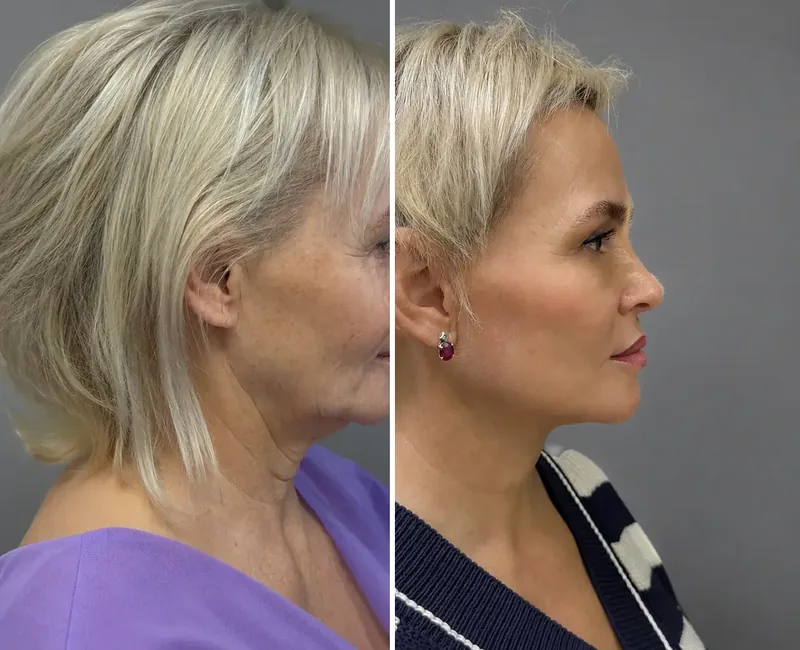
50 years
9 months
SMAS facelift
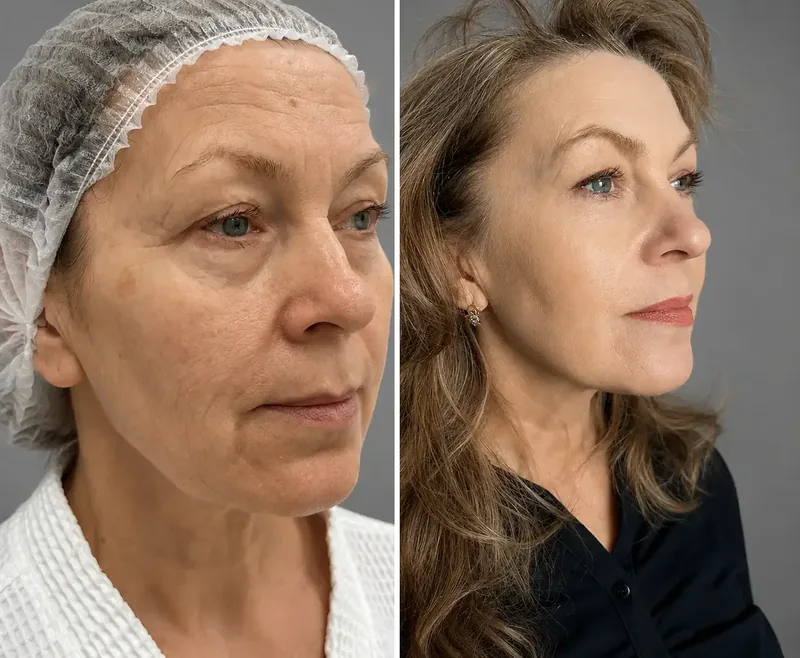
58 years
8 months
SMAS facelift
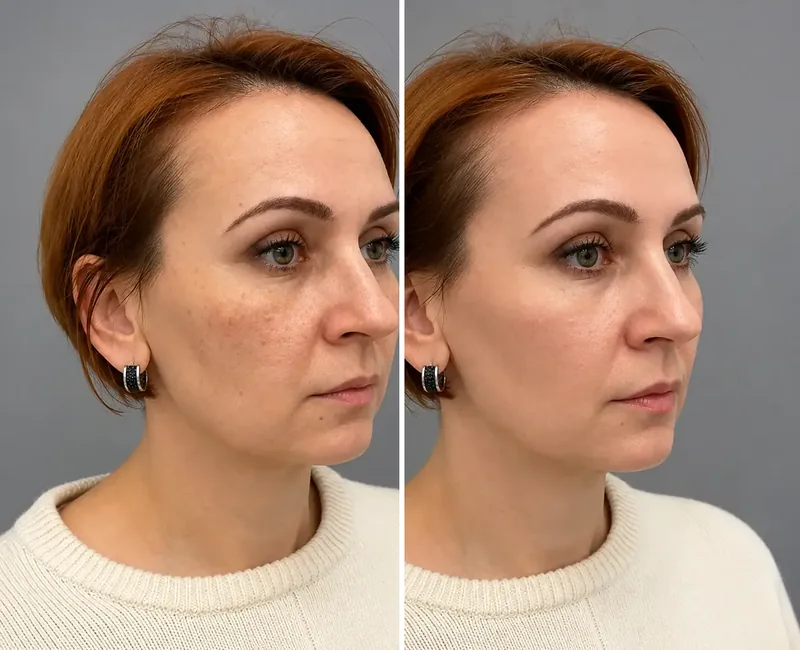
34 years
5 months
SMAS facelift
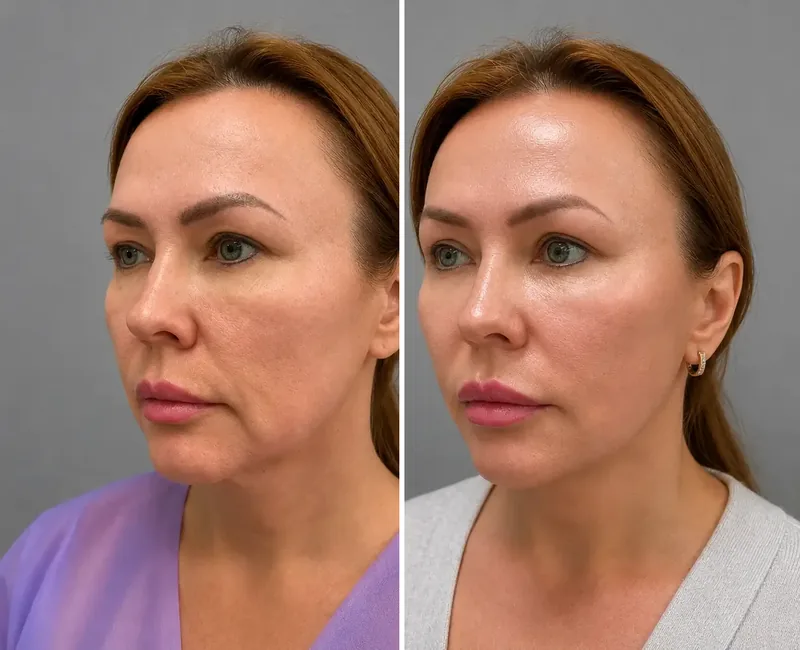
32 years
7 months
SMAS facelift
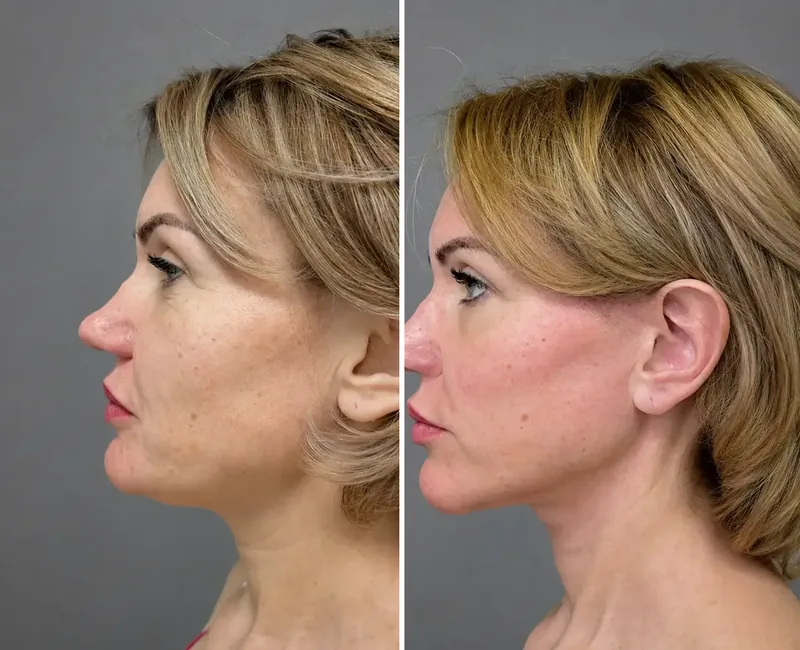
40 years
6 months
SMAS facelift
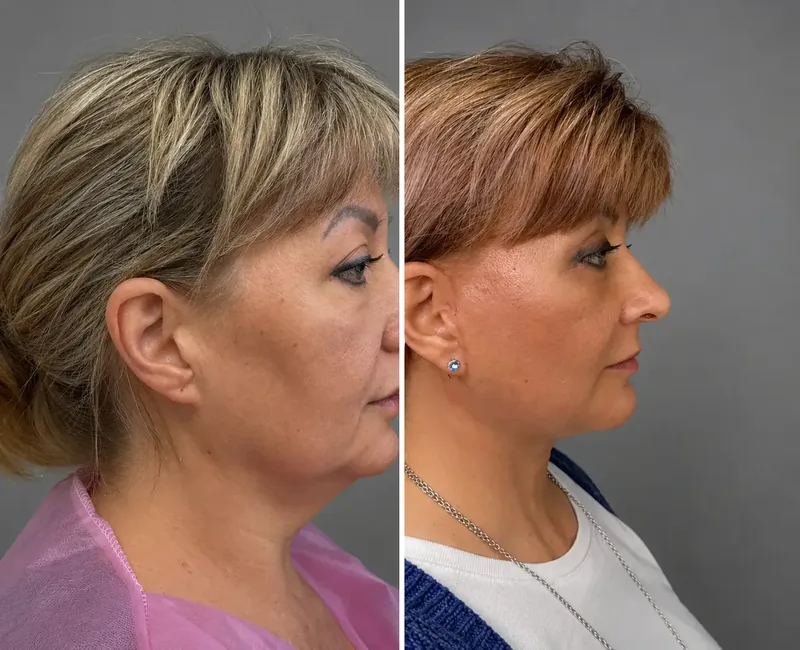
45 years
8 months
SMAS facelift
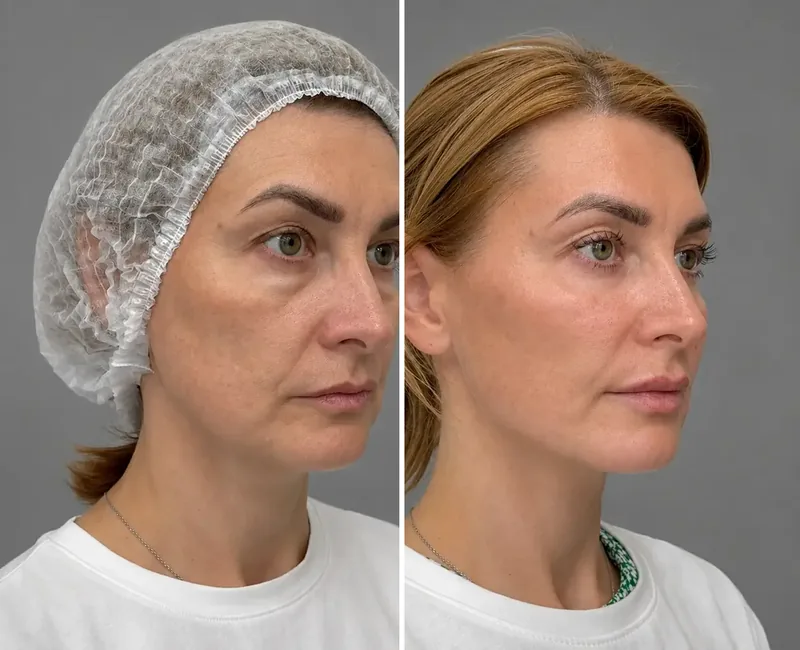
38 years
5 months
SMAS facelift
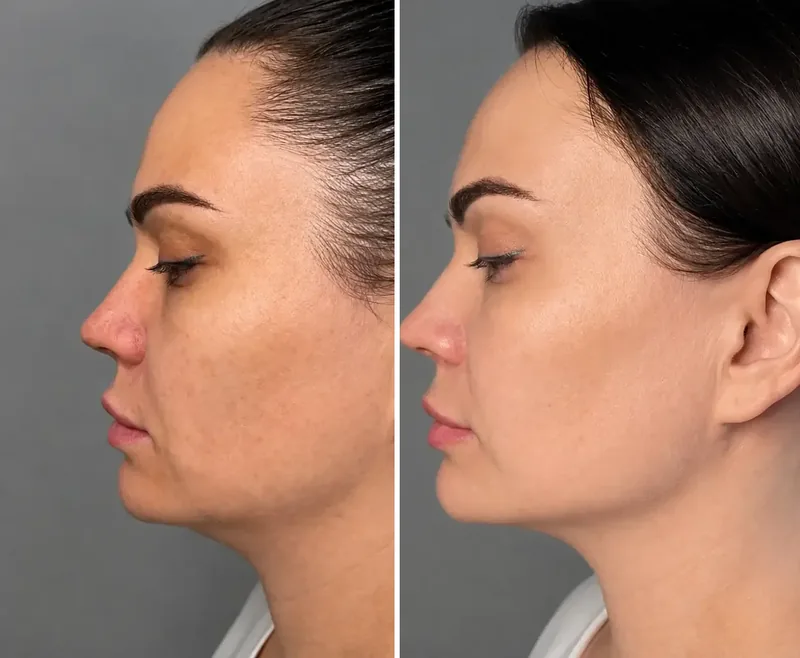
33 years
6 months
SMAS facelift
50 years
9 months
SMAS facelift
58 years
8 months
SMAS facelift
34 years
5 months
SMAS facelift
32 years
7 months
SMAS facelift
40 years
6 months
SMAS facelift
45 years
8 months
SMAS facelift
38 years
5 months
SMAS facelift
33 years
6 months
SMAS facelift
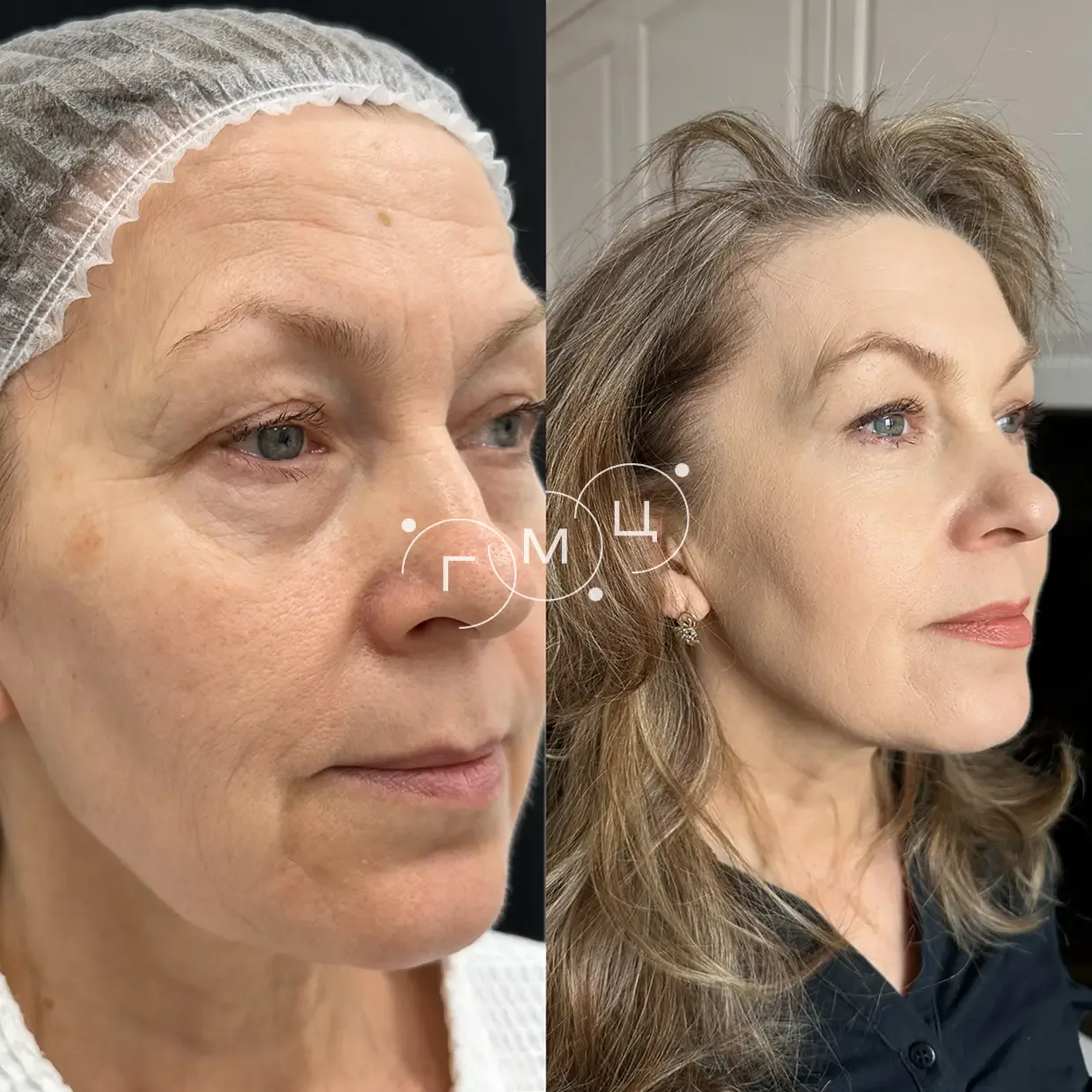

Noticeable sagging of the face and neck
A blurred jawline, jowls
A double chin and loose neck skin
Pronounced nasolabial folds and marionette lines
Drooping brows and a heavy look
Noticeable loss of skin firmness after 40
Looking for a result that lasts (7–10 years)

Age under 30
An acute skin inflammation
Pregnancy or the breastfeeding period
Severe cardiovascular disease
Blood clotting disorders
Cancer
Decompensated diabetes
Everything about facial rejuvenation in Albuquerque
City Medical Centre performs surgical facelifts only, and the scope is tailored at the consultation. Indications include marked sagging of the face and neck, a blurred jawline and jowls, a double chin or loose neck skin, deep nasolabial folds and marionette lines, and drooping brows that make the look heavy. People in Albuquerque who want a long-term result rather than a temporary fix are typical candidates.
Discomfort and tightness in the first few days are normal and are relieved with medication prescribed by the doctor. Your operating surgeon then follows you up for the whole first year, until the final result. For those in Albuquerque, this means the same surgeon who performed the operation monitors how the face settles, answers questions along the way and assesses the outcome at the end.
Budget matters, so the price is fixed upfront: the surgeon gives you the final figure at the consultation, and nothing is added later. A facelift starts from $2,400, and the all-inclusive option is priced on request. In-house 0% instalments are available. The clinic works under an official contract with a guarantee. To begin, people from Albuquerque simply leave a phone number.
Stories of well-known people
Well-known people who spoke openly about this operation, in their own words.
High desert, thin dry air: what Albuquerque's elevation means for a facelift scar
Sitting at roughly 5,312 feet where the Rio Grande cuts through the city, Albuquerque has a cold semi-arid high-desert climate — abundant sunshine nearly year-round, low humidity, and a wide swing between daytime warmth and nighttime cold, especially outside the short July-to-September monsoon window when afternoon storms are common. That dryness reaches a healing facelift incision directly: thin, dry mountain air tends to pull moisture out of skin faster than it would at lower, more humid elevations.
A simple fragrance-free moisturizer around the incision line, used as the surgeon recommends, matters more here than it would in a muggier city, since overly dry skin at the edge of a healing scar can slow things down rather than speed them up. The near-constant sunshine also means sun protection isn't a seasonal afterthought — it applies through the first weeks whenever outdoor activity resumes, not just on obviously bright days.
Albuquerque's elevation isn't just a climate footnote — at over a mile above sea level, the air itself carries noticeably less oxygen than at sea level, and anaesthesiologists routinely factor a patient's altitude and general fitness into their planning as a standard part of any pre-operative assessment, not a special concern unique to cosmetic surgery here.
For everyday recovery, the practical effect is milder: some patients notice they tire a little more easily during the first week of rest than they might at lower elevation, which is simply a reason to lean into the recommended downtime rather than push through it. Staying well hydrated matters more here too, since the combination of dry air and altitude dehydrates people faster than they tend to notice.
A city of 564,559, and verifying a surgeon through the New Mexico Medical Board
The 2020 U.S. Census put Albuquerque's population at 564,559, making it New Mexico's largest city and the clear regional hub for healthcare across the state. That concentration brings a meaningful number of private surgical practices into one metro area, but a wide choice of clinics says nothing about how many facelifts any specific surgeon has personally carried out — that gets answered at the consultation, by directly asking how many SMAS facelifts the surgeon has performed, how a disappointing outcome gets handled, and who's responsible for the year of follow-up visits that typically comes with the procedure.
Many of Albuquerque's private surgical practices sit along the Nob Hill and Uptown corridors, or further north near the Journal Center area, rather than clustered downtown — a spread that reflects where office space is newer and parking is easier, not where the most experienced facelift surgeons happen to practise.
One register answers the basic legal question in New Mexico: the New Mexico Medical Board, part of the state's Regulation and Licensing Department, keeps the official record of who's currently allowed to practise medicine, and looking a name up there costs nothing and takes just a couple of minutes.
That record stops short of saying anything about facelift experience specifically, since American medicine draws no separate protected line around who may perform one. The gap gets closed in person, at the consultation — case count, how a disappointing outcome is handled, and who stays on for the follow-up visits spread across the year afterward.
New Mexico's paid sick leave law, and what insurance covers
New Mexico breaks from most of its neighbours on one point: the Healthy Workplaces Act, running since July 1, 2022, makes it one of the few states requiring every employer, regardless of size, to let staff accrue paid leave over time. The catch is that the law is written around illness, not a procedure someone books themselves — so rather than assuming it applies, it's worth asking an employer directly how a planned facelift recovery fits into that accrued time.
Separately, the insurance picture looks the same here as almost everywhere else in the country: Medicare and most private plans carve out cosmetic surgery entirely except for congenital or accidental-injury repair, and a facelift aimed at softening visible ageing doesn't qualify for either carve-out — the real planning happens around cost and schedule directly, not around a claim.
From a 1706 Spanish outpost to Route 66's biggest city
Albuquerque was founded in 1706 as a Spanish colonial outpost, named for a Spanish duke, and grew for centuries around its position along the Rio Grande before Route 66 later ran straight through its heart in the 20th century, leaving a strip of mid-century motels and diners that's still visible along Central Avenue today.
The Sandia Mountains rise sharply along the city's eastern edge, and early October belongs to the International Balloon Fiesta: a nine-day event held in the first full week of the month since 1975, which grew from 13 balloons in 1972 to more than 500 and draws hundreds of thousands of visitors. For a facelift patient that week is worth planning around — the pre-dawn launches, crowds, wind and strong high-desert sun are hard on a face in its first weeks of healing, so many locals either schedule surgery well before the Fiesta or simply watch the mass ascension from home that year.
A tramway running up the western face of the Sandias is, by some measures, among the longest aerial tramways anywhere, lifting visitors from desert scrub at the base to pine forest near the crest in under twenty minutes — a dramatic shift in scenery that locals treat as an ordinary afternoon outing rather than anything remarkable.
The recovery arc, regardless of how dry or sunny it is outside
Nothing about the first ten days is subtle: a compression bandage stays on, real rest is non-negotiable, and a tight, sore feeling is the main thing patients report, eased with whatever the surgeon has prescribed. The bruising that follows doesn't vanish on a fixed schedule — it fades, week by week, until most people feel like themselves again around the two-month point, with occasional check-ins from the surgeon continuing well beyond that, through the rest of the first year.
The real result takes longer to show than people expect: a first hint of improvement appears around the one-month point as early puffiness clears, but the face only settles into its lasting look somewhere between three and six months out. A SMAS lift's depth, reaching the muscle and connective-tissue layer rather than stopping at the skin, is why that result commonly holds for around a decade rather than fading within just a couple of years.
Can someone in Albuquerque get an initial opinion before booking an in-person consultation?
Messages to the coordinator on Telegram or WhatsApp get answered at any hour, so photos and early questions can be worked through long before a specific appointment is set.
Does Albuquerque's dry climate affect how I should care for the healing scar?
Yes in a practical sense — the thin, dry high-desert air pulls moisture from skin faster than at lower, more humid elevations, so a fragrance-free moisturizer used as directed matters more here than elsewhere.
How do I confirm a surgeon is licensed to practise in New Mexico?
Check the surgeon's name through the New Mexico Medical Board's register before committing to a consultation, rather than relying only on a clinic's own description.
Does New Mexico's paid sick leave law cover a facelift?
The Healthy Workplaces Act provides accrued paid leave for illness, but a scheduled cosmetic procedure isn't automatically the same thing — it's worth confirming directly with an employer how planned time off is treated.
When is the final result of a facelift visible?
Nothing dramatic shows in the first few weeks beyond less bruising; the outcome takes shape gradually and isn't fairly judged until somewhere in the three-to-six-month range.
How long does a SMAS facelift's effect typically last?
Patients commonly get seven to ten good years out of it — longer than a lift that only tightens skin, because this one repositions the deeper muscle layer that causes sagging.
Can a facelift be combined with other procedures in Albuquerque?
Yes, blepharoplasty and rhinoplasty are among the procedures regularly done alongside it, with the exact combination left to the surgeon's judgment once they've examined the patient.
Will Medicare or private insurance pay for a facelift?
Not typically — coverage for either is limited to congenital conditions or injury repair, and a facelift done to soften ordinary signs of ageing doesn't meet that bar.
Sources and further reading
- NHS — Facelift
- American Society of Plastic Surgeons — Facelift
- MedlinePlus — Face lift
- PubMed / NCBI — Systematic Review and Comparative Analysis of Reconstructive Rhytidectomy (Cureus, 2024)
- PubMed / NCBI — Rhytidectomy: current concepts, controversies and the state of the art (2012)
How we prepare and review medical content · Medical disclaimer
Page last updated:
Facelift in Albuquerque: price and what is included
Prices are in US dollars and fixed in your contract. Message us to get your exact price.
- Faceliftfrom $2,400
What is a SMAS facelift?
It is a face lift that tightens the deep SMAS layer under the skin, not only the skin itself, so the lower face, jawline and neck stay firmer for longer. The result lasts about 7–10 years.
How much does a facelift in Albuquerque cost?
Prices start from $2,400. The surgeon sets the final price at the free consultation, and it is fixed in the contract, with no hidden extras.
What is included in the price?
A one-to-one consultation, the medical team, anaesthesia, inpatient care with meals, 24/7 monitoring and twelve months of follow-up by the surgeon.
How do I get my exact price?
Message us on WhatsApp or Telegram using the buttons below. A coordinator will answer your questions and book a free consultation where the doctor names the exact price.
By messaging us, you agree to our Privacy Policy
Facelift in Albuquerque: questions patients ask
How do I start planning a facelift from Albuquerque?
Write to us on WhatsApp or Telegram or leave a request on this page. The coordinator asks for the photos and health details the doctor needs, and the doctor gives you a free assessment and a price.
What do I need to send to get a facelift quote?
Front, profile and three-quarter photos of your face and neck in daylight, without make-up or filters, plus your age and any earlier procedures such as fillers, threads or surgery. The surgeon assesses the degree of sagging from them before naming the price.
How far ahead should I plan a facelift before an event?
Leave at least 3–4 weeks before the date: swelling and bruising fade in 2–4 weeks and the first visible changes come after 3–4 weeks. The face reaches its final look in 3–6 months.
How do I book a facelift for a date that suits me?
Message the coordinator with your preferred dates. The first consultation is free, and you can start it online; the clinic then confirms which dates are open, and only after that is anything booked.
How long is recovery after a facelift?
Plan the first 7–10 days for rest and the compression bandage, then the follow-up visits the doctor sets.