


























 beforeafter
SMAS facelift
50 years9 months
from €2,150 (≈ $2,400)
The price is fixed in the contract before surgery
Free online consultation · Reply within 15 minutes

Message our coordinator
Free online consultation · Reply within 15 minutes
Message us on TelegramMessage us on WhatsAppBy messaging us, you agree to our Privacy Policy
Facelift in Dublin: price and key factsFacelift for patients from Dublin at City Medical Centre starts at €2,150 (from $2,400). The first online consultation is free; the doctor names the final price and it is fixed in the contract.
How it works · Facelift prices
Information current as of 3 November 2026
Results
Facelift before and after photos of real patients of the clinic.
beforeafter50 years9 months
 beforeafter
58 years8 months
 beforeafter
34 years5 months
beforeafter32 years7 months
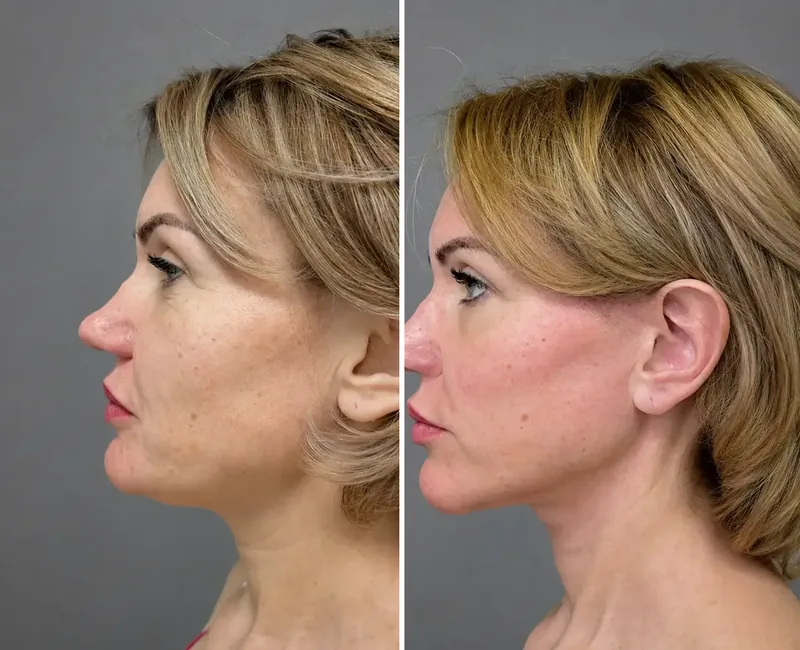 beforeafter
40 years6 months
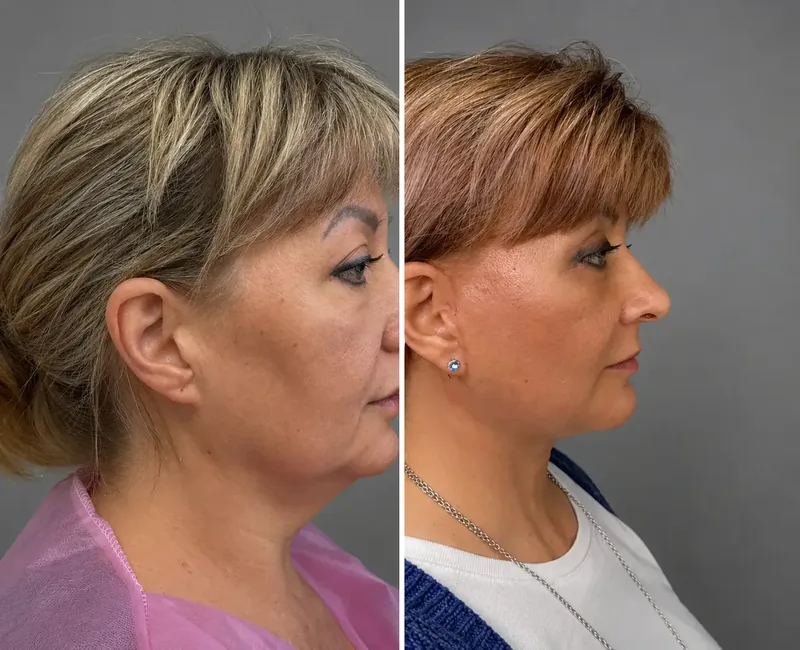 beforeafter
45 years8 months
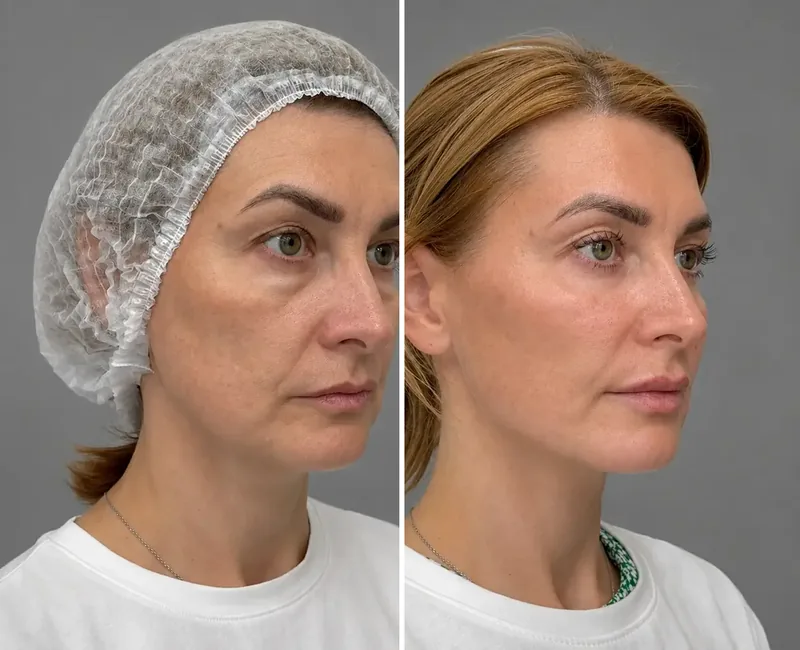 beforeafter
38 years5 months
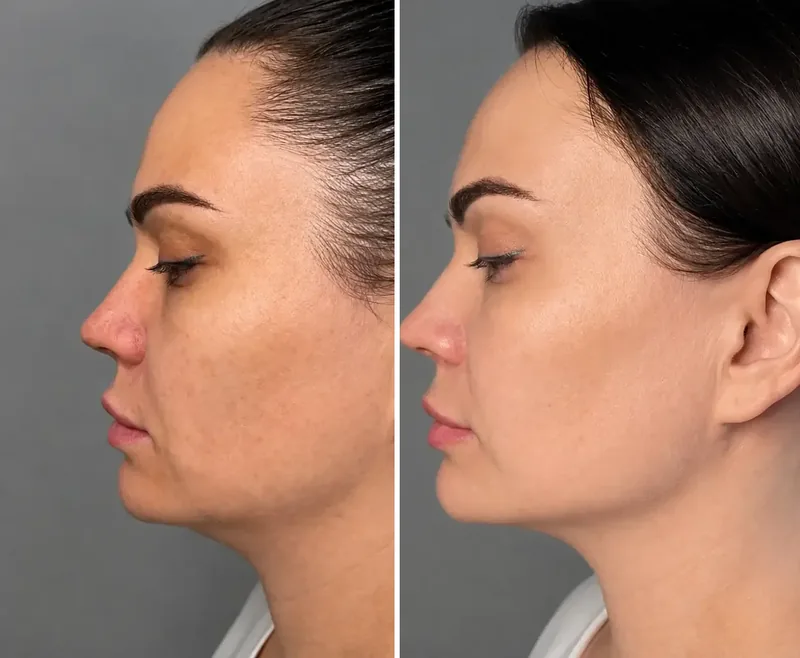 beforeafter
33 years6 months
Comparison
The scope of a SMAS facelift depends on your anatomy and how much correction is needed. Compare two options — the surgeon will help you choose the right one at the consultation.
Incisions hidden along the hairline and ears
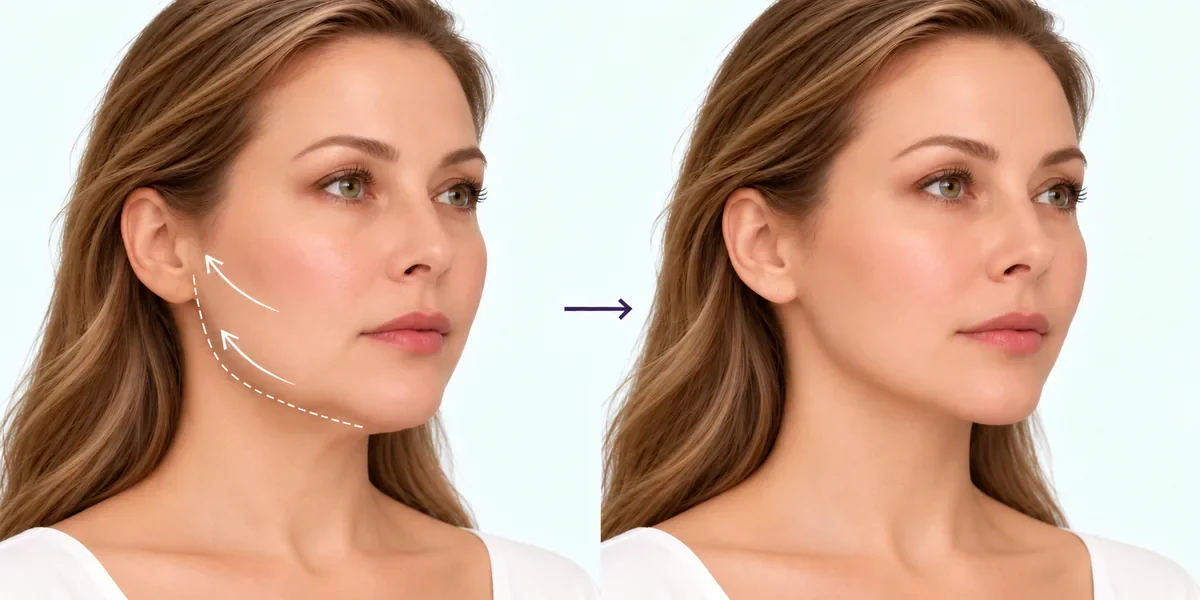
from $2,400
Focused on the lower face, chin and neck
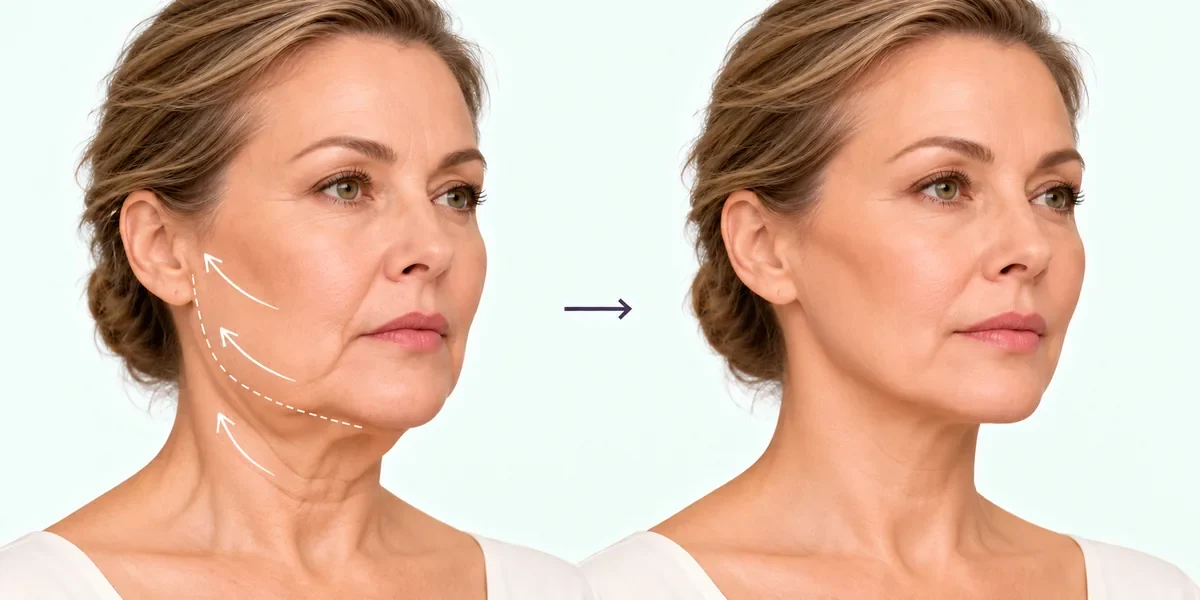
from $2,400
The benefits and recovery times shown are averaged for each technique and given for guidance: the scope of correction and rehabilitation depend on your anatomy and individual features, and the surgeon confirms them at the consultation.
At the consultation the surgeon draws up a plan for your case and explains how your SMAS facelift will go.
Free, before surgery and with no obligation.
About the clinic
Modern equipment, comfortable rooms and care for every patient
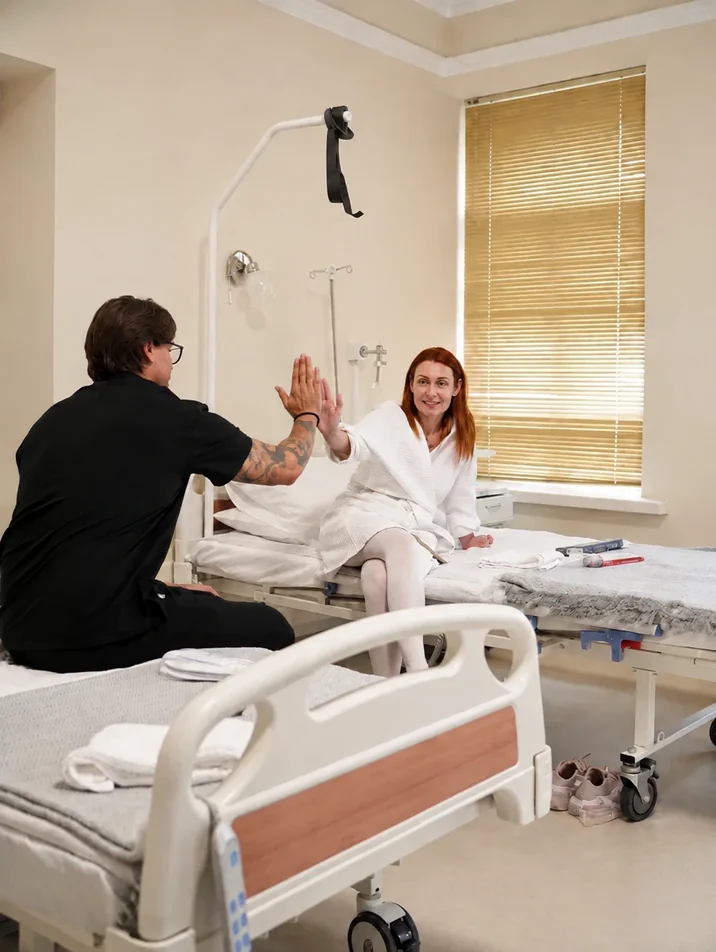
We will answer your questions and find a convenient time for a consultation
By messaging us, you agree to our Privacy Policy
Get a free consultationIf your case can be solved without surgery, the doctor will tell you so at the consultation — and you will not spend money for nothing.
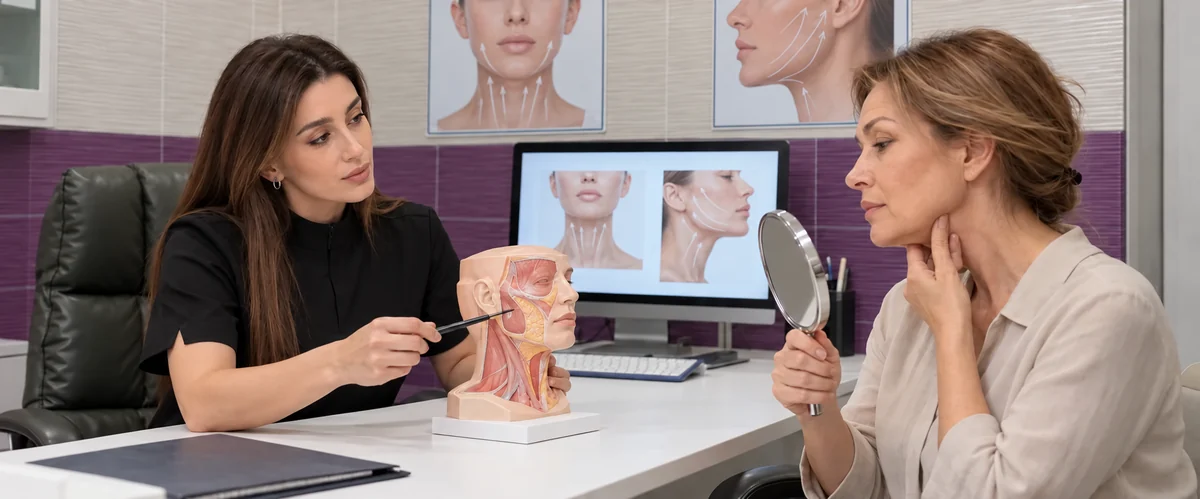
A SMAS facelift solves
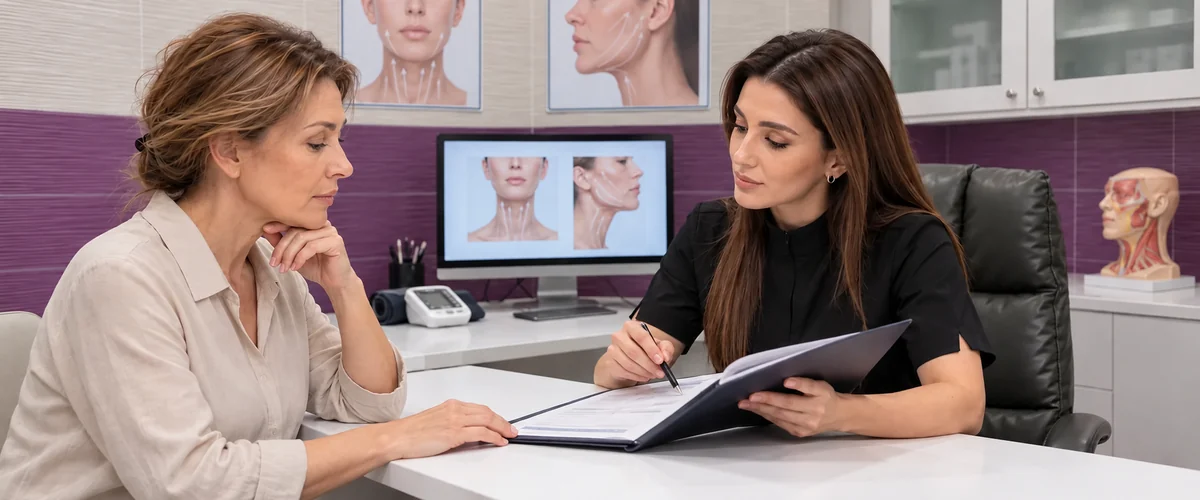
Message our coordinator — you can send photos, and the surgeon will tell you whether a facelift suits you. No surgery booking needed.
Find out if it suits me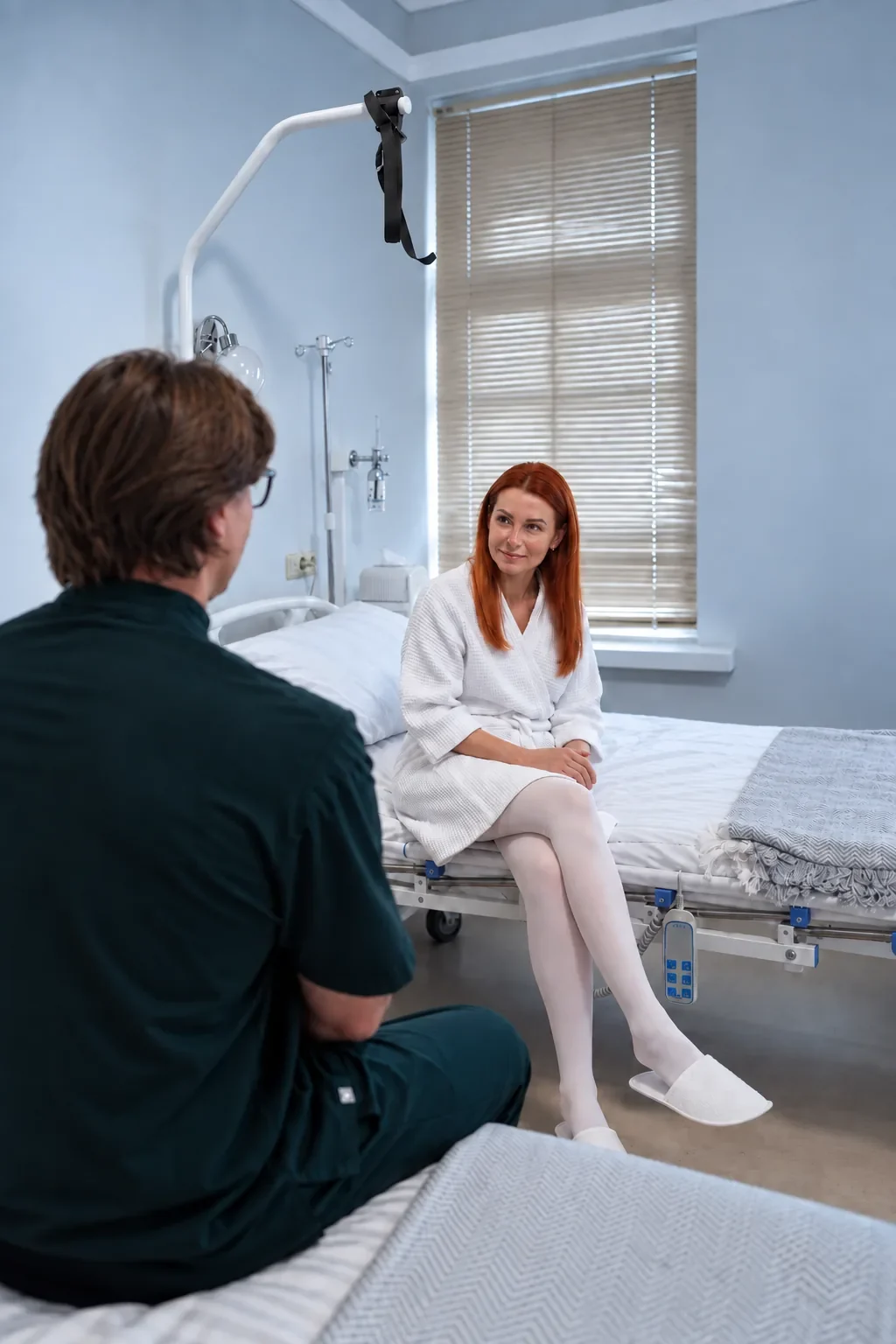
Prices
Individual calculation of the final cost after an examination
Jowls, sagging cheeks and deep nasolabial folds
Double chin, jowls and loose neck skin
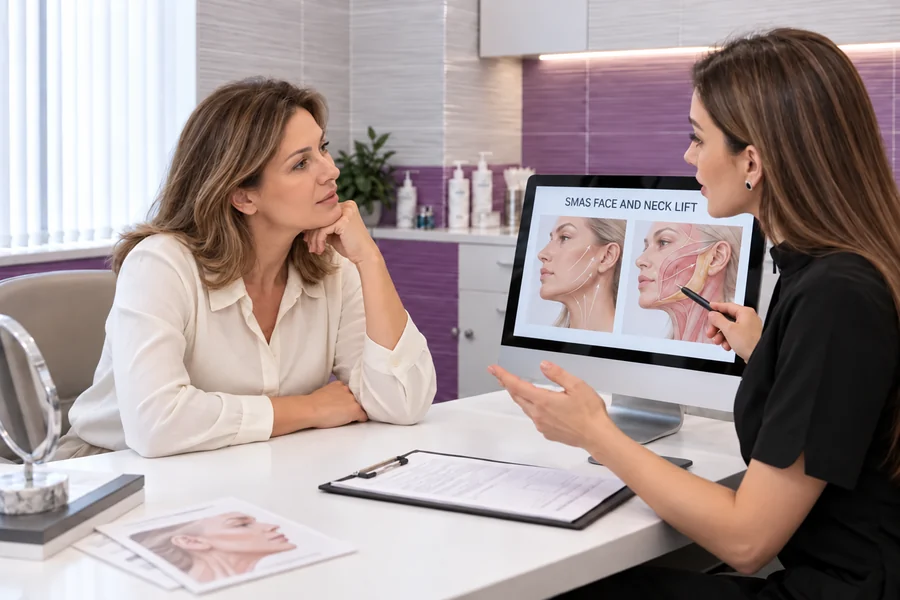
The surgeon assesses your skin and the soft tissues of the face and neck, listens to your wishes and defines the scope of your SMAS facelift.
Message our coordinator
Free online consultation · Reply within 15 minutes
Message us on TelegramMessage us on WhatsAppBy messaging us, you agree to our Privacy Policy
all inclusive
From preparation for surgery to a year of follow-up.
from $2,400
Book a consultationHow it works
An agreed surgical plan, inpatient monitoring and follow-up by your surgeon for a year.
 1
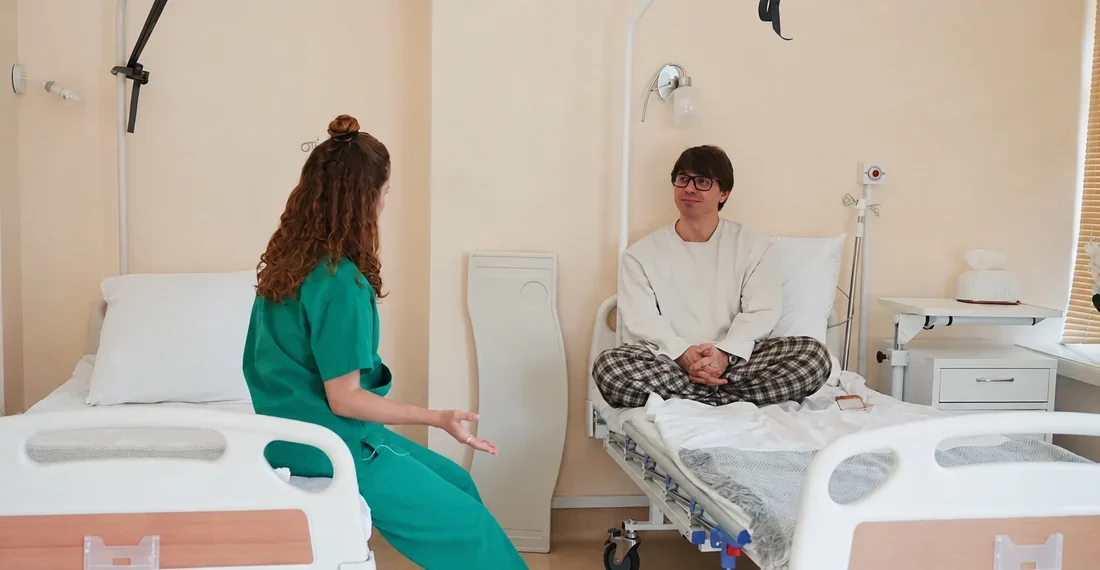
The surgeon examines you, assesses the degree of sagging and the areas to correct, and explains the surgery and recovery. The first consultation is free and can start online.
 2
We book a date that suits you. The scope of surgery and the final price are fixed in the contract — no hidden extras.
 3
You complete the check-up prescribed by the surgeon and see the anaesthetist. The specialists assess your health and readiness for surgery.
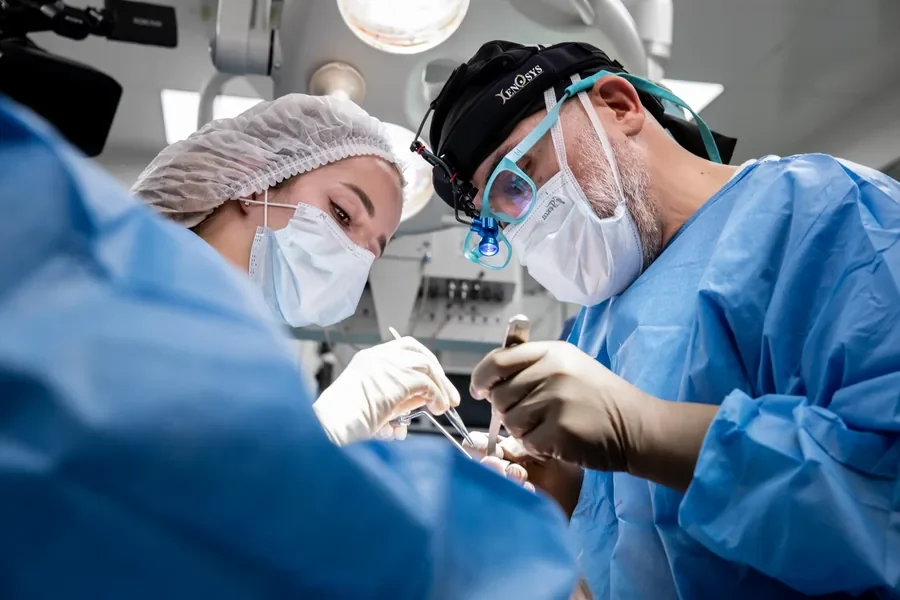 4
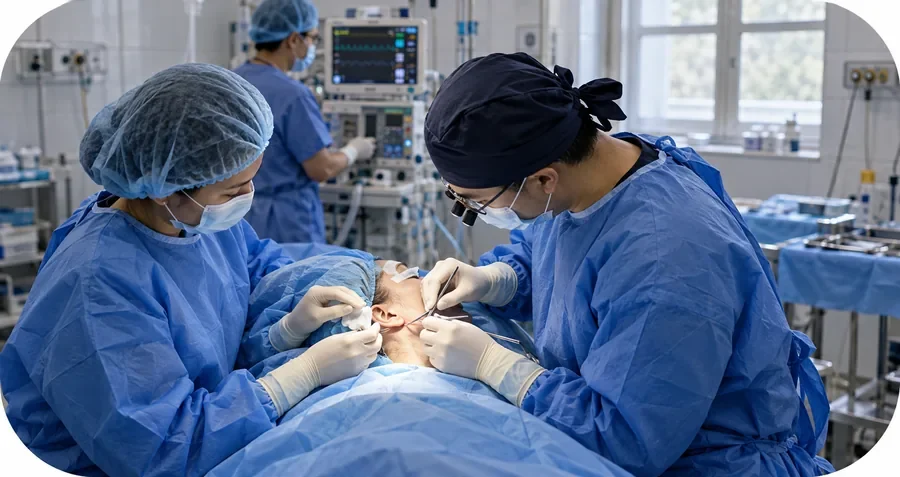
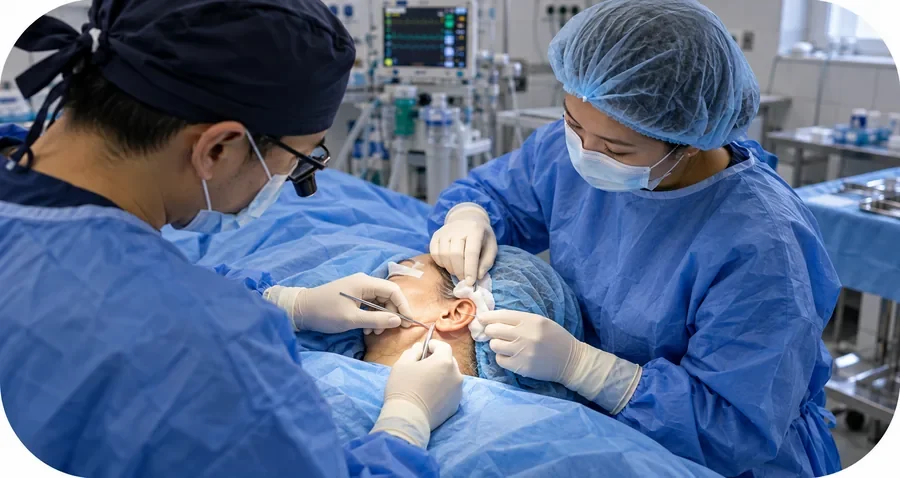
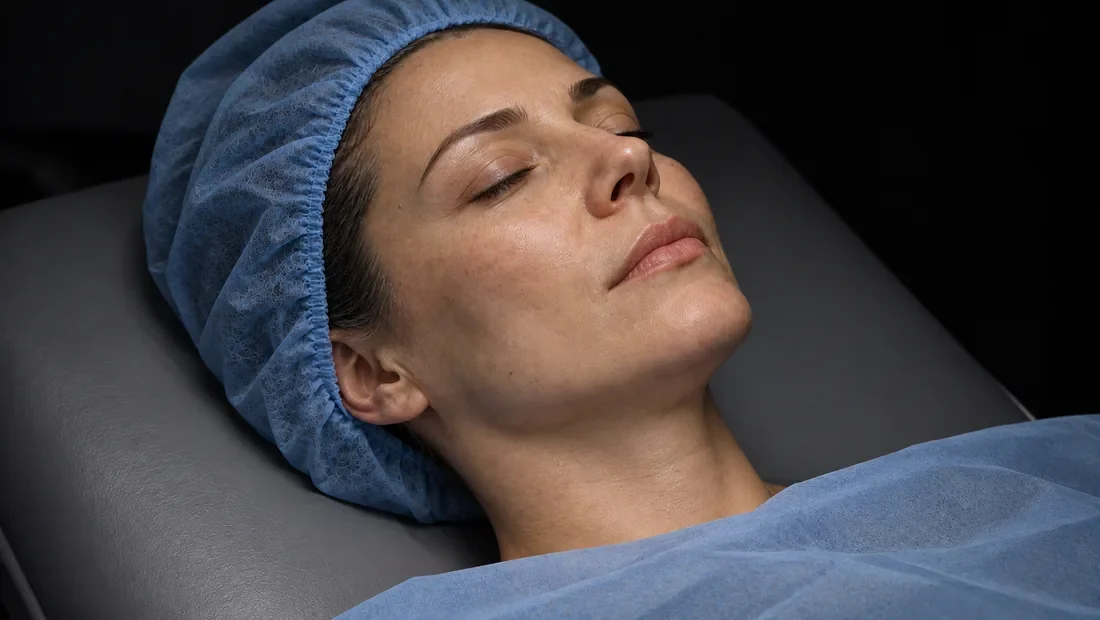
Under general (inhalation) anaesthesia the surgeon lifts and secures the SMAS layer, redrapes the skin and removes the excess. Incisions are hidden along the hairline and around the ears.
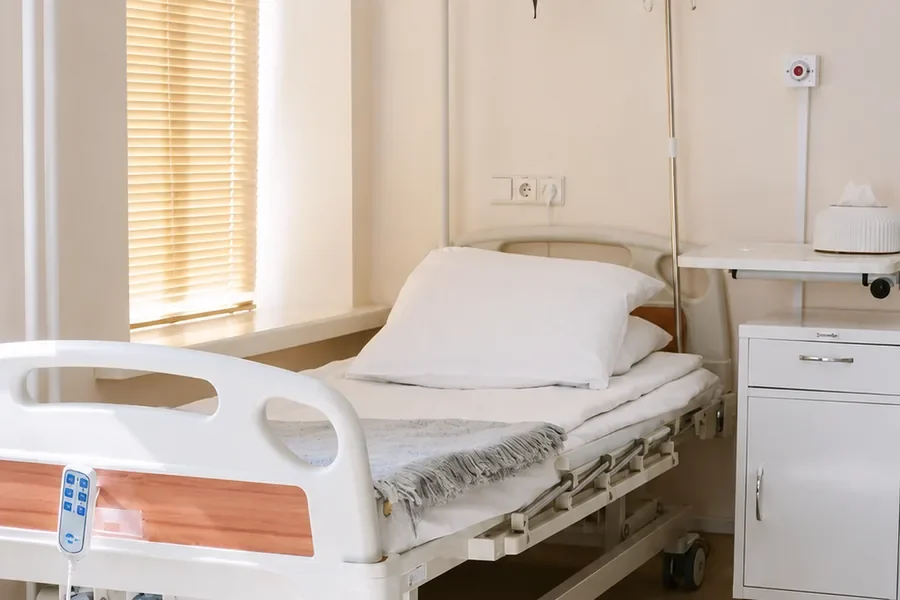 5
After surgery you stay in a comfortable inpatient room with meals, under 24/7 monitoring by medical staff.
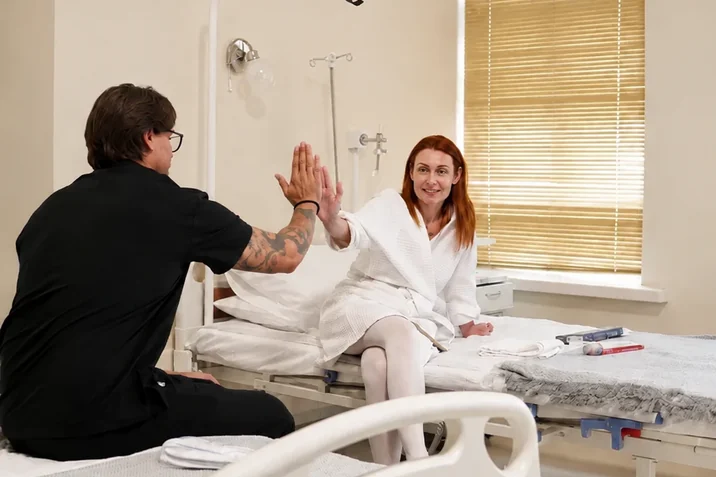 6
For the first 7–10 days — rest, a compression bandage and reduced physical activity. Your operating surgeon follows you up for the whole first year.

For the first 7–10 days you need rest, a compression bandage and reduced physical activity. For the first few days you may feel discomfort and tightness, which are relieved with medication prescribed by your doctor.
Swelling and bruising fade in 2–4 weeks, and full recovery takes about 2 months. The first clear changes appear once the swelling goes down, after 3–4 weeks; the face takes on its final look within 3–6 months. Your operating surgeon follows you up for the whole first year.

Advantages

Certified plastic surgeons only, all with real surgical practice. We work honestly — no surgery where it isn't needed, and nothing extra prescribed.

The surgeon examines you, determines the degree of sagging and the areas to correct, and walks you through surgery and recovery. There is no pushing and no pressure.

An inpatient unit of our own with an accredited operating suite. Our work is carried out under our licence and national healthcare standards.

The price is fixed in the contract before surgery, with no hidden extras.

We fit around your busy schedule: open 24/7, flexible booking and a personal approach — we adapt to you
FAQ
It is a face lift that tightens the deep SMAS layer under the skin, not only the skin itself, so the lower face, jawline and neck become firmer. The result is long-term, while natural skin ageing continues.
Surgery is performed under general (inhalation) anaesthesia, so you won’t feel any pain. In the first few days you may feel discomfort and tightness, relieved with medication prescribed by your doctor.
The first clear changes appear once the swelling goes down, after 3–4 weeks. The face takes on its final look within 3–6 months. The result of a surgical SMAS facelift is long-term, while natural skin ageing continues.
Yes. Rest, a compression bandage and reduced physical activity are needed for the first 7–10 days. In 2–4 weeks swelling and bruising fade, and full recovery takes around 2 months. Your operating surgeon monitors you for the entire first year.
Yes. A surgical facelift is often combined with blepharoplasty (eyelid surgery), rhinoplasty or double-chin liposuction. The scope of a combined procedure is decided by the surgeon at the consultation.
Payment is made in full before the procedure. If you would like to spread the cost, you can take out a loan with your own bank and pay the full amount with it.
Only the top layer of skin is affected by a standard (skin-only) lift, which gives a short-lived effect. A SMAS facelift is surgery at a deeper level — on the facial muscle and fascia layer — lifting tissues at the cause rather than the effect. The outcome is natural and lasting.
One surgery gives a complete result. Whether a repeat correction is ever needed is individual and is decided by the surgeon at an examination.
As a rule, patients aged 40+ with marked tissue sagging are recommended surgery, and in some cases from 35. The recommendation is individual and follows an examination.
Book a free consultation — the surgeon examines you, assesses your type and degree of ageing, explains the expected result and answers all your questions.
City Medical Centre performs surgical facelifts only. The surgeon tailors the scope of surgery at the consultation, after assessing the changes and explaining every stage. The skin, subcutaneous fat and the SMAS layer (muscles and ligaments) are corrected layer by layer, so the face looks natural, without an “overdone” effect, and the result is long-term — while natural skin ageing continues.
Beyond 40–50 the skin gradually loses firmness: noticeable sagging, jowls, a blurred jawline and drooping cheeks. A surgical SMAS facelift works deeper than cosmetology by repositioning the muscle and fascia layer; it treats the cause of sagging, not its effects, and delivers a lasting result even with significant changes.
See also: SMAS facelift Calgary

City Medical Centre performs surgical facelifts only: work on the SMAS layer treats the cause of sagging rather than its effects
Skin, subcutaneous fat and the muscle and fascia layer are corrected layer by layer — a natural look with no “mask” effect
Incisions are hidden along the hairline and around the ears, so once healed the scars are barely visible
Prices are shown in EUR, converted at the rate of 02.10.2026; the amount in brackets is the base price in US dollars. The final price is fixed in your contract.
Prices start from €2,150 (≈ $2,400). The surgeon sets the final price at the free consultation, and it is fixed in the contract, with no hidden extras.
A one-to-one consultation, the medical team, anaesthesia, inpatient care with meals, 24/7 monitoring and twelve months of follow-up by the surgeon.
Message us on WhatsApp or Telegram using the buttons below. A coordinator will answer your questions and book a free consultation where the doctor names the exact price.
By messaging us, you agree to our Privacy Policy
A facelift can also be part of a broader plan. It is often combined with blepharoplasty (eyelid surgery), rhinoplasty or double-chin liposuction, and the scope of a combined procedure is set by the surgeon at the consultation. This lets patients from Dublin address several concerns in one combined procedure. The surgeon never suggests surgery where it is not needed and never prescribes anything extra.
Inside the operating room the SMAS facelift runs through three levels of correction. First the skin flap is lifted and redraped, and excess skin removed. Next, fat in the cheeks and lower face is redistributed. Finally the muscle and fascia layer is lifted and secured, treating weakened ligaments and descended muscles. This is how the operation goes for patients from Dublin.
Budget matters, so the price is fixed upfront: the surgeon gives you the final figure at the consultation, and nothing is added later. A facelift starts from €2,150 (≈ $2,400), and the all-inclusive option is priced on request. The clinic works under an official contract with a guarantee. To begin, people from Dublin simply leave a phone number.
Dublin has a mild oceanic climate: Met Éireann's long-term figures put a typical summer day around 18-20°C and a winter day around 8°C, with rain and wind a near-constant feature rather than an occasional one. None of that is extreme, but the wind is worth planning around specifically for a facelift, since the incision lines sit close to the ear and hairline.
During the first 7-10 days of rest with a compression bandage, that's not an issue indoors. It matters more in the following 2-4 weeks, when swelling and bruising are fading and a walk outdoors is tempting: a scarf that's loosely wrapped rather than tight, and a route that avoids the sharpest coastal gusts, is a simple way to protect healing skin without wearing anything that presses on the area.
The HSE, Ireland's public health service, funds care that's medically necessary; a facelift carried out for cosmetic reasons sits outside that remit and is arranged and paid for privately rather than through a public pathway. Private health insurance in Ireland is generally built the same way, covering treatment for illness and injury rather than elective cosmetic surgery, so it's worth confirming directly with your own insurer rather than assuming any general surgical cover applies here.
Before any of that, the first and most useful check is simply who is operating: doctors practising in Ireland are recorded on the register kept by the Medical Council, and asking a clinic for a surgeon's name and registration number is a normal, expected question.
Ireland's population is getting older on average, and the CSO's figures show life expectancy continuing to rise, which is part of why so many people considering a facelift today are also still working, socialising and expecting to stay visibly active well past the age their parents might have slowed down at. That's reflected in how often the timing question comes up: people want the recovery to fit around a working life, not the other way round.
The practical answer sits in the numbers already set out above — a first clear change after 3-4 weeks, the settled look by 3-6 months — so the planning is less about picking a good year and more about picking a few genuinely quiet weeks.
Dublin's buses, the DART line and plenty of walking make up most people's daily routine here, none of which is a problem during a facelift recovery. The first 7-10 days are about rest rather than staying home entirely, and a short trip by bus or on foot is fine as soon as it feels comfortable; what matters more is avoiding a packed rush-hour carriage where a bag or elbow could easily catch the healing area by accident.
Makeup can usually cover the last of the fading bruising once a couple of weeks have passed, which is often the point people feel ready to be back among colleagues or out around the city without thinking about it. Anyone planning a specific event or return-to-work date is better off asking the surgeon directly, since the pace of settling varies a little from one person to the next.
Yes — send clear photos through the chat and the surgeon can talk you through what's realistic for your face before any date is set.
Not for the operation itself, which is unaffected by the weather outside. It's only the weeks of outdoor walking during recovery that are easier to plan around a calmer stretch of weather, mainly for comfort rather than any medical reason.
Ask the clinic for the doctor's name and registration number and check it against the register kept by the Medical Council of Ireland.
Most people are comfortable in low-key settings once the obvious bruising has faded, usually within 2-4 weeks, with the fully settled look following over the next few months, as your surgeon will confirm at your check-ups.
Yes, short trips are no problem once you feel up to it; the only thing worth avoiding is a crowded carriage where you might get knocked near the healing area by accident.
How we prepare and review medical content · Medical disclaimer
Page last updated: