After assessing your case, the surgeon confirms the price, and only then do you book.
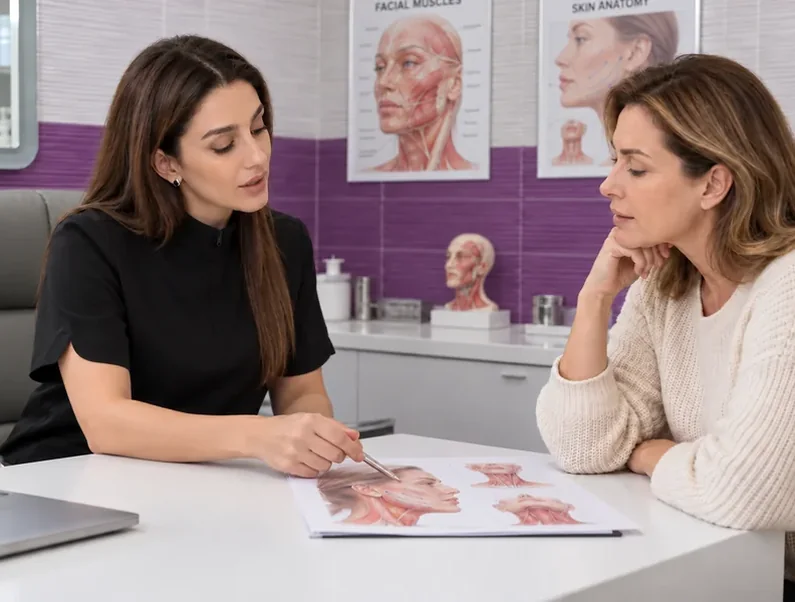
Start by sending a coordinator a few photos, and discuss your questions online. The first consultation is free and without obligation, and you decide on surgery only afterwards.
Message our coordinator
Free online consultation · Reply within 15 minutes
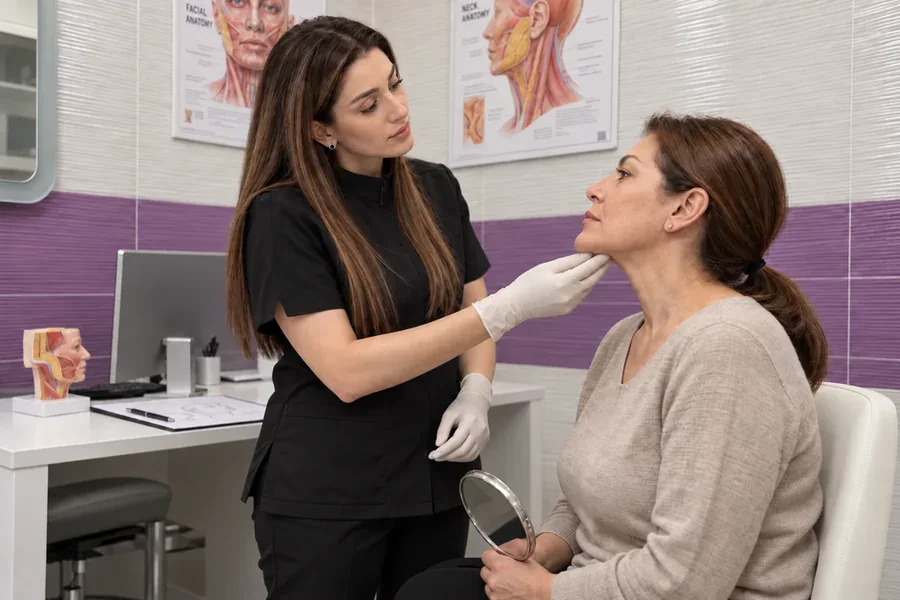
In blepharoplasty, one operation may cover the upper eyelids, the lower eyelids, or both. Approaches vary by incision placement. The choice is made with the surgeon at the consultation, after your lids are examined.
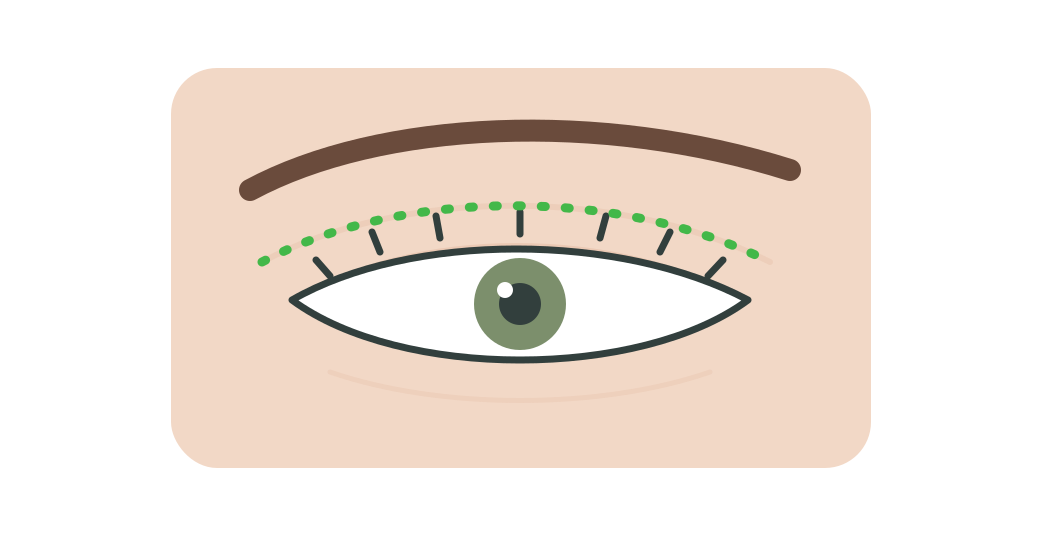
Upper blepharoplasty
Incision in the natural eyelid crease
Price at consultation
Main goal
Remove excess skin of the upper lids
Best suited when
Lids feel heavy, or skin folds rest on the lashes
Approach
Scar is hidden in the crease when the eye is open
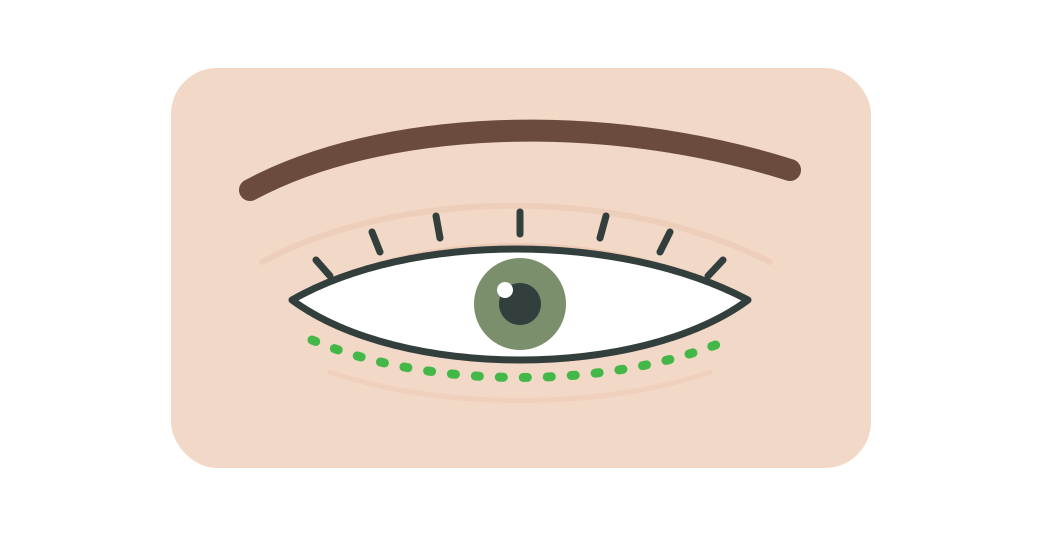
Lower blepharoplasty
Incision below the lash line or inside the lid
Price at consultation
Main goal
Treat under-eye bags and loose lower-lid skin
Best suited when
There is puffiness, or loose skin under the eyes
Approach
Inside-the-lid approach has no skin incision, for fat
The methods are described only in general terms. How much surgery is needed and how recovery goes depend on the individual, and the surgeon confirms both for you after examining you.
Your plan is built by the surgeon at the consultation, together with an explanation of each step.
You will hear honestly from the surgeon if your concern can be solved without surgery. The operation is an option only when it suits your health and goals.
Suitable
Heavy or drooping upper eyelids
Eyes that look tired or smaller than you feel
Skin folds resting on the lashes
Narrowed upper field of vision from skin folds
Puffiness or bags under the eyes
Loose skin of the lower eyelids
A wish for a calmer, more rested look
Not suitable
Uncontrolled high blood pressure or diabetes
Blood clotting disorders
Severe dry-eye disease
Active eye or skin infection
Unstable thyroid eye disease
Serious heart or lung disease
Pregnancy, breastfeeding, or under 18
Not sure which column applies to you?
Photos can be sent to a coordinator through Telegram or WhatsApp. The surgeon looks at them and offers an opinion, and you are not committing to surgery by doing so.
Each part of the process is talked through beforehand, so you are aware of what follows and who to ask.
1
Online consultation and plan
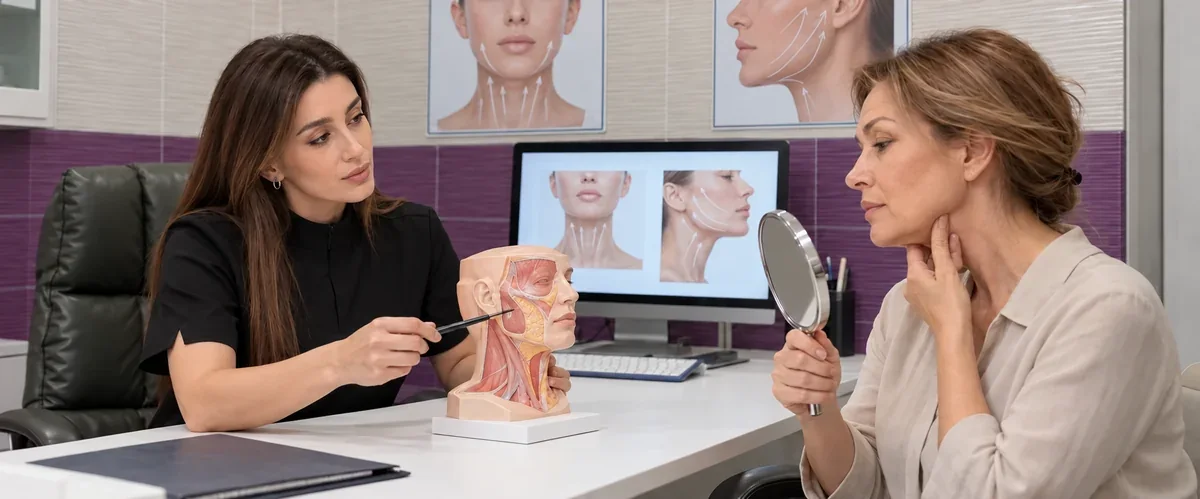
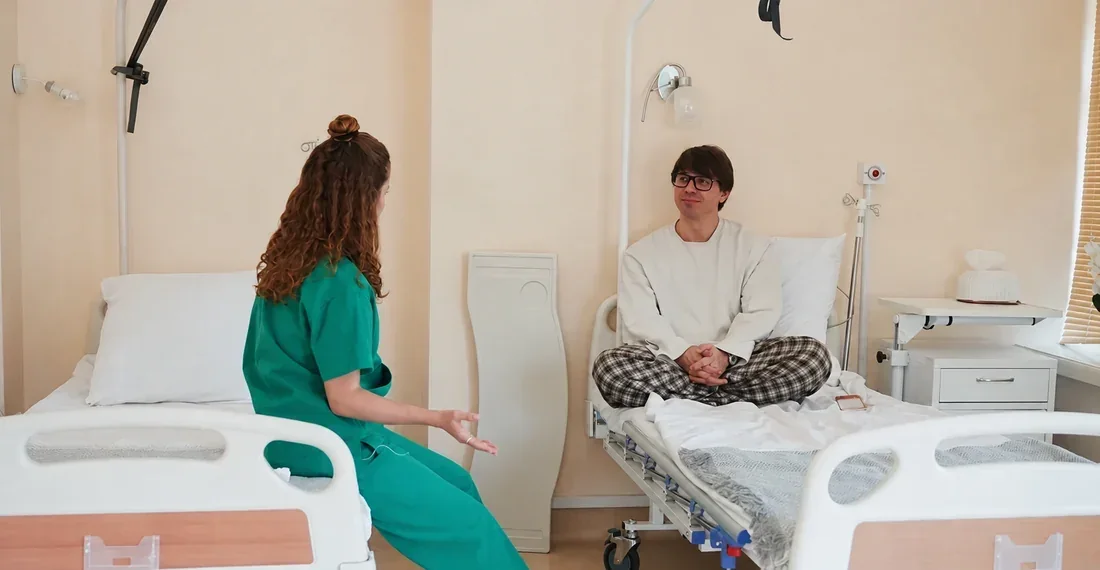
After you send photos, you speak with the surgeon online. What you want is discussed together, and the surgeon sketches out a plan for either upper lids, lower lids, or both.
2
Choosing and booking the date
With the plan and price confirmed, you select a date that works for you. A coordinator, reachable at any hour, answers questions and helps you arrange things.
3
Pre-operative preparation and tests
Preparation covers a review of your history and medicines by the surgeon, an eye assessment, photographs and standard tests. The surgeon alone instructs when blood-thinning medicines and supplements are stopped, and smoking should stop as advised.
4
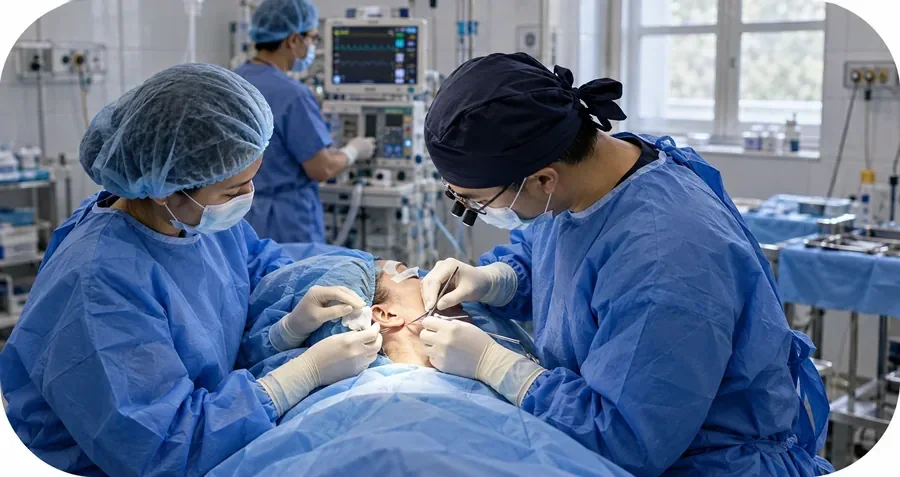
The operation
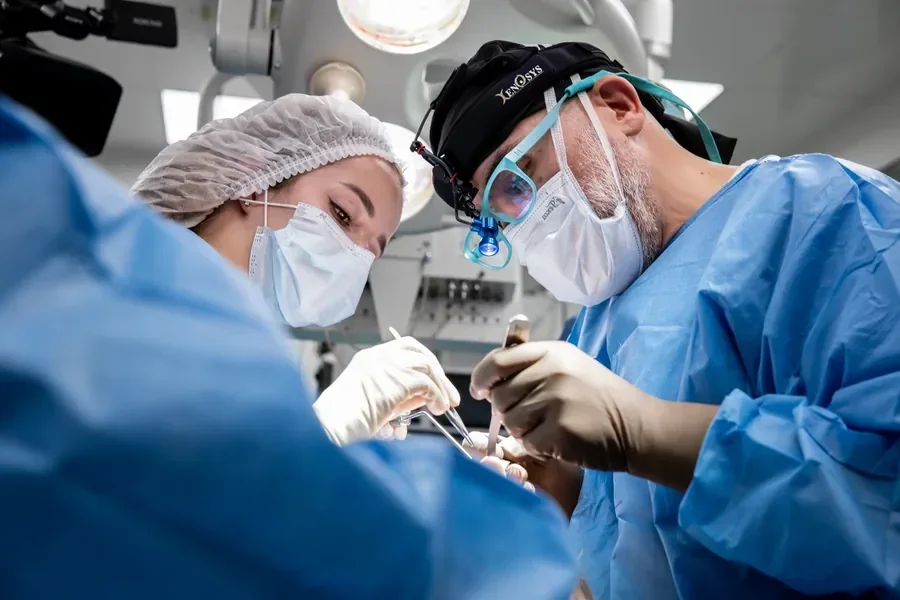
The operation takes place under local anaesthesia with sedation or general anaesthesia, whichever the surgeon and anaesthetist select. Excess skin is removed by the surgeon, along with a repositioning or removal of small amounts of fat where needed.
5
The first hours and days
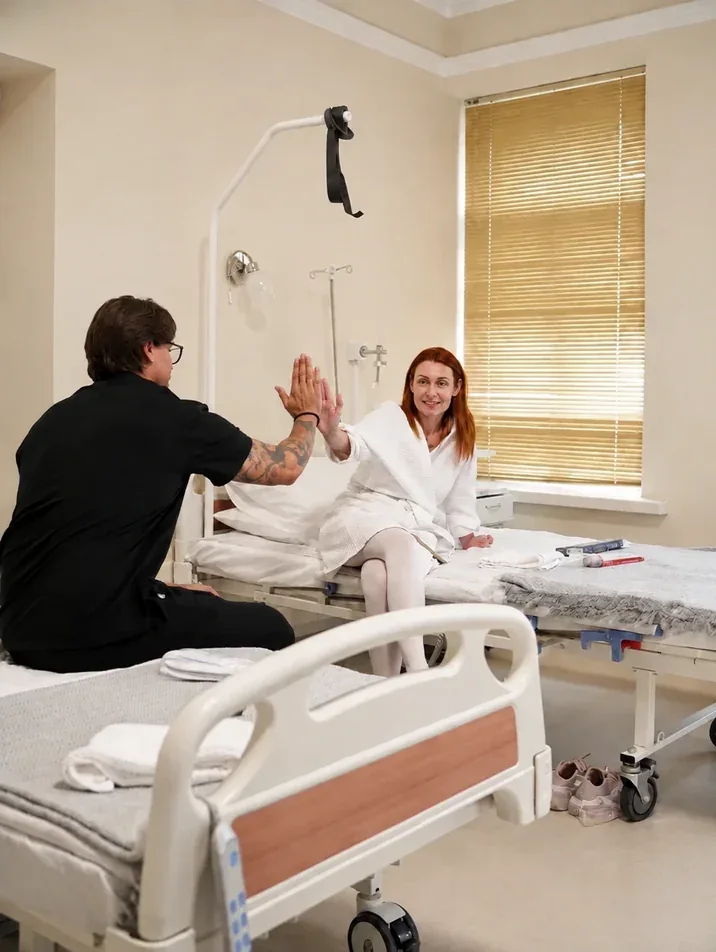
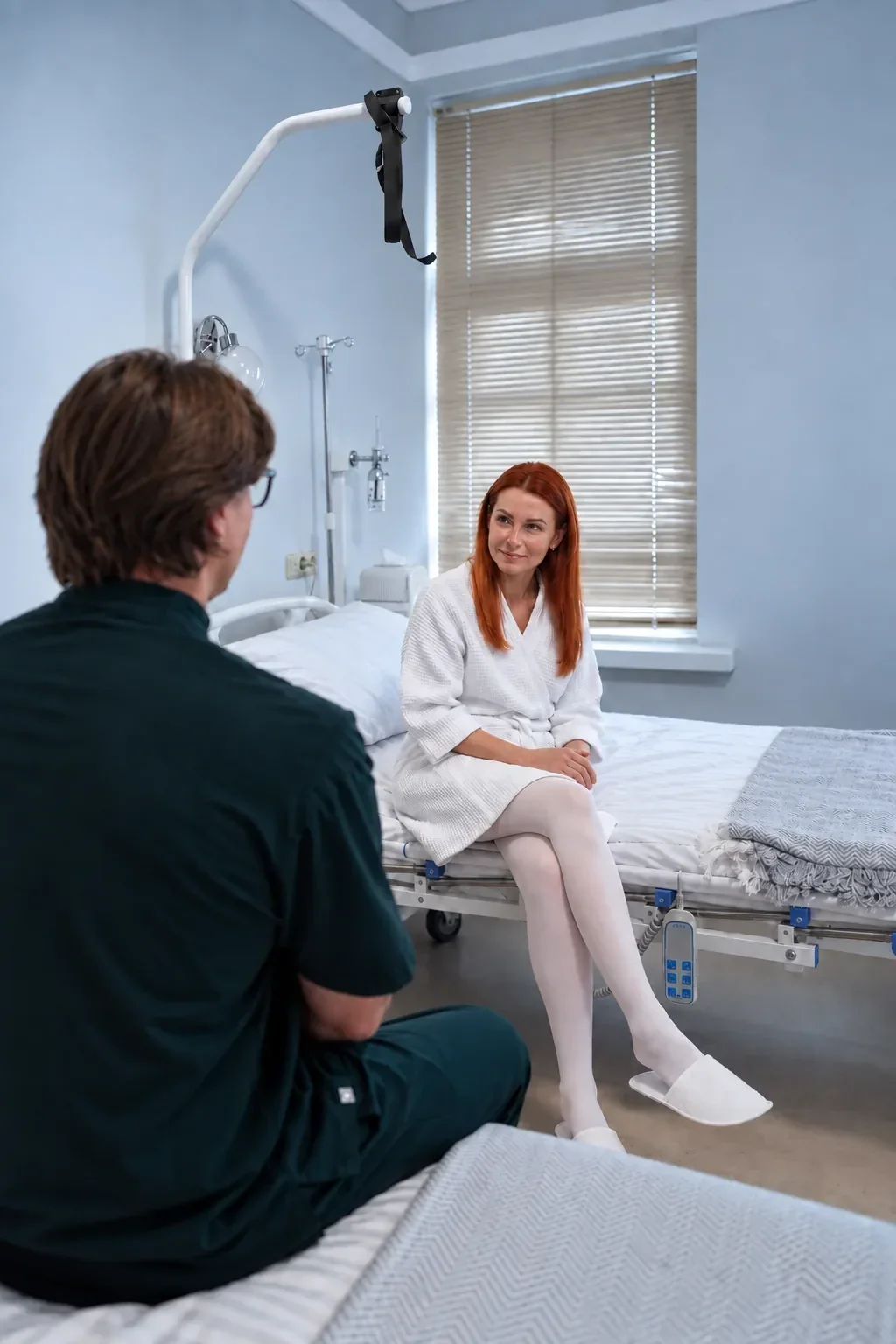
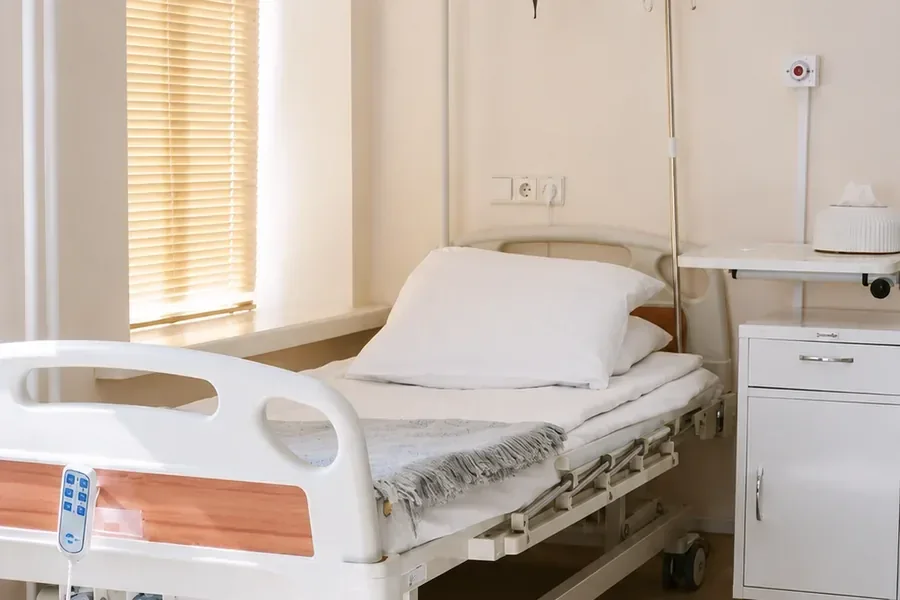
It is normal to have swelling and bruising around the eyes. Cold compresses and sleeping with your head raised help, and an overnight stay is decided individually.
6
Recovery and follow-up
Several months are needed for the final contour to settle, while swelling settles over the first couple of weeks. The surgeon schedules follow-up checks, and stitches, if not dissolving, are usually removed within the first week.
The surgeon will describe, at the consultation, the way the operation would be carried out in your case.
Send a few photos with a message to a coordinator on Telegram or WhatsApp. Your first consultation costs nothing and obliges you to nothing, and the surgeon will look at your case and sketch a plan online.
Skin that is in excess is removed by the surgeon, who, where needed, also repositions or removes small amounts of fat and sometimes tightens muscle. Your anaesthesia, local with sedation or general, is chosen by the surgeon and anaesthetist.
It is normal to have swelling and bruising, which settle over the first couple of weeks. Many people are back at desk work after one to two weeks. Follow the advice to avoid contact lenses, eye make-up, strenuous exercise and heavy lifting; every recovery is individual.
The scar of an upper blepharoplasty is hidden when the eye is open, because the incision lies in the natural eyelid crease. For the lower lids, the incision is either just below the lash line or inside the lid, leaving no skin incision.
Before surgery, the surgeon explains the risks: temporary dryness or irritation of the eyes, bruising, asymmetry, infection and scarring. Changes in vision or difficulty closing the eyes fully occur rarely.
The following may rule surgery out or need to be cleared first: uncontrolled high blood pressure or diabetes, clotting disorders, severe dry-eye disease, active infection, unstable thyroid eye disease, serious heart or lung disease, pregnancy, or being under 18.
Do not expect the operation to lift the eyebrows or cheeks, remove pigmentation dark circles, or erase fine wrinkles. The final contour settles over several months; the result is long-lasting, but natural ageing continues.
The extent of surgery you need, whether upper, lower or both lids, and the anaesthesia chosen, both play a part. You will have the price confirmed after the surgeon's assessment and before you book.
Blepharoplasty is a surgical procedure on the eyelids. The surgeon takes away excess skin and, where needed, repositions or removes small amounts of fat. For lower lids, the cut is made just below the lash line, or inside the lid when the problem is mainly fat. Patients in Rome can have this explained in detail before deciding.
Before any decision, the surgeon reviews your photographs and medical history. Patients in Rome take part in a free online consultation, and the plan is written for you individually. Preparation includes a review of your medicines, an eye assessment and standard tests. Blood-thinning medicines and supplements are stopped only on the surgeon's instructions.
Our coordinators work 24/7 on Telegram and WhatsApp, so a question from Rome never has to wait for office hours. Send your photographs, take part in the free first consultation and hear the surgeon's view. The price is confirmed after the surgeon's assessment, before you book.