
























Breast augmentation5 min read
Seroma After Breast Augmentation: Causes, Signs and Treatment
A seroma is a collection of clear fluid that can build up around a breast implant after surgery. Small seromas are common in the first weeks and often go away on their own; larger ones cause swelling and tightness and may need to be drained. This article explains why seromas form, who is more likely to get one, which symptoms to watch for, how doctors diagnose and treat them, and what helps lower the risk.
The main points in 30 seconds
- A seroma is clear fluid that collects around the implant after surgery.
- Small seromas often resolve on their own; larger ones may be drained with a needle.
- Warning signs: one-sided swelling, heaviness, a sloshing feeling or a change in shape.
- A late seroma months or years later always needs an examination.
- Compression, drains when needed and following aftercare advice help lower the risk.
Key facts about the procedure
- Operation time1.5–3 hours
- Back to work7–14 days
- Stay in clinic1 day
- Fixed price$4,700
What a seroma is
After any operation the body responds to tissue injury with inflammation, and the wound produces a clear, straw-coloured fluid called serous fluid. Normally this fluid is absorbed within days. When more fluid is produced than the tissues can absorb, it collects in a pocket. Around a breast implant, that pocket is the space the surgeon created for the implant, and the fluid collection is called a seroma.
A seroma is not pus and is not the same as a haematoma, which is a collection of blood. It is one of the more frequent early events after breast surgery, and most seromas are small and harmless. They matter because a large or persistent collection can stretch the tissues, delay healing and, if left untreated, raise the risk of infection or later capsule problems. For a general overview of the operation, see our breast augmentation page.
Who is more likely to get one
A seroma can happen after any breast operation, but some factors make it more likely:
- larger implants or a large pocket, which leave more space for fluid to collect;
- combined operations, such as a lift with implants, or surgery after weight loss, where more tissue is separated;
- too much movement too early, especially lifting the arms, heavy lifting or intense exercise in the first weeks;
- not wearing compression garments as advised;
- a higher body weight, smoking and some chronic conditions that slow healing.
Implant surface may also play a role: a few studies have linked textured implants with late seromas. Late seromas are rare, but they need a specific check-up, described below.
Early symptoms to recognise
Some swelling is normal after augmentation and usually goes down over the first two to three weeks. Contact your surgeon if you notice:
- swelling that increases instead of settling, especially on one side;
- a feeling of heaviness, tightness or pressure in one breast;
- a sloshing or fluid sensation when you move;
- a change in the shape or position of the breast compared with the other side;
- redness, warmth, fever or increasing pain, which may mean infection.
A seroma that appears months or years after surgery, when the breast had been stable, is called a late seroma. It should always be examined, because doctors want to rule out rarer causes, including a rare lymphoma linked to breast implants.
How seroma is diagnosed and treated
The surgeon first examines the breast and compares both sides. An ultrasound scan confirms whether there is fluid, shows how much and where it sits, and helps guide treatment.
- Small seroma, no symptoms
- Observation, compression, reduced activity; the body often absorbs it
- Larger or growing seroma
- Drainage with a fine needle, often under ultrasound guidance
- Fluid that keeps returning
- Repeated drainage or a temporary drain; sometimes a revision operation
- Late seroma
- Drainage with laboratory testing of the fluid
- Signs of infection
- Urgent review and treatment chosen by the doctor
Needle drainage is a short outpatient procedure, and many people feel relief straight away. Only the doctor should drain fluid; trying to press it out or ignoring a growing swelling can make things worse.
How to lower the risk
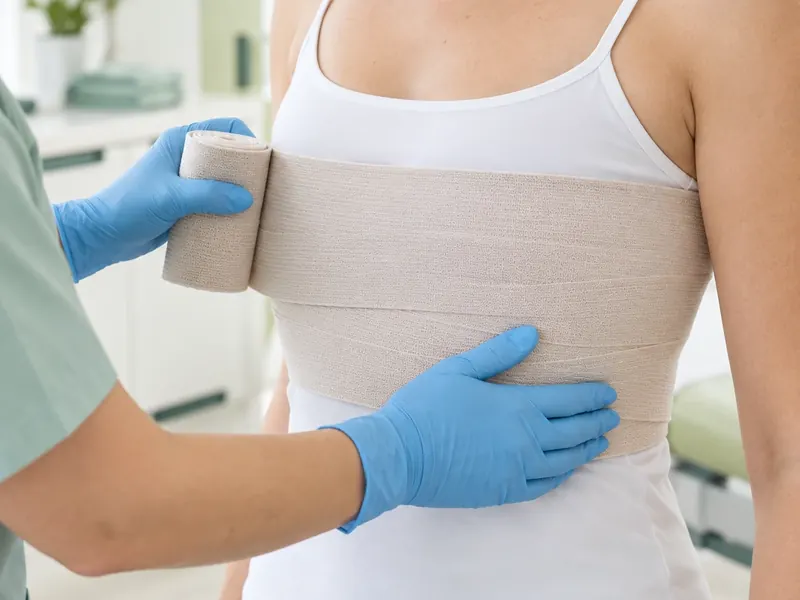
- Follow the compression plan. Garments hold the tissues together and reduce the space where fluid can collect.
- Limit arm movement at first. Avoid raising your arms above shoulder level and lifting heavy objects for the period your surgeon advises.
- Return to sport gradually. Intense training too early is a common trigger for fluid build-up.
- Keep drains as instructed. If the surgeon placed drains, they remove excess fluid during the first days.
- Stop smoking before surgery and keep a stable weight, which supports healing.
- Attend follow-up visits so that a seroma is spotted early, while it is still small.
Follow-up care at City Medical Centre
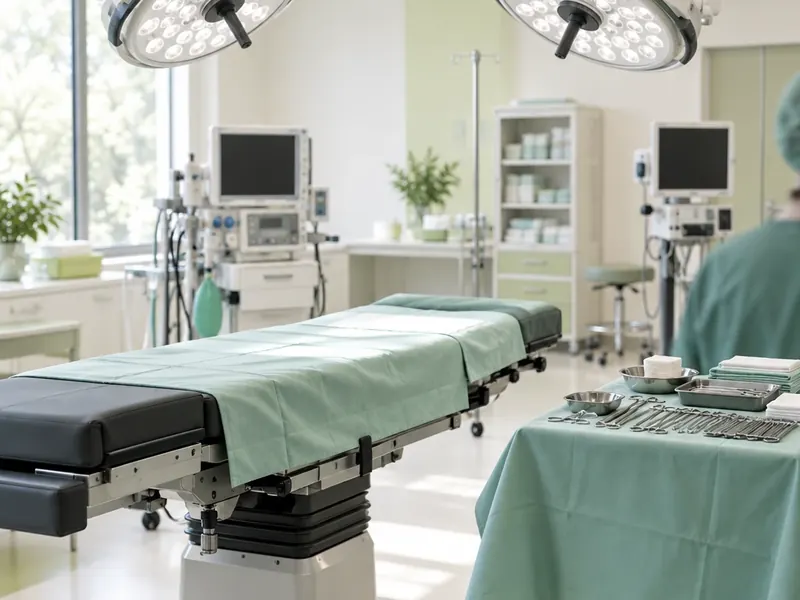
City Medical Centre works with international patients and performs breast augmentation with implants, breast lift with or without implants, breast reduction, implant removal and breast reconstruction. The operation is done under general anaesthesia in an inpatient setting, and drains are placed when needed. After surgery you stay in the clinic for a day, and compression garments are fitted before you leave.
Dressings and check-ups with the plastic surgeon continue for a full year after the operation, so swelling or fluid is assessed and treated early. The first consultation is free and can be held online: send photos by Telegram, and the doctor will review your case, name the cost, which is then fixed in the contract, and a personal coordinator will support you until the end of recovery. Learn more on our breast augmentation page.
How recovery usually goes
- 7–14 daysReturn to work without physical exertion
- 3 weeksPost-op swelling disappears; scars form; no lifting over 3 kg, no raising arms above shoulder level
- 1 monthThe swelling subsides and the breasts take on a natural shape and softness
- 4–6 weeksFitness, swimming, pool and sea; compression garments worn for 4–6 weeks
- 3 monthsDiscomfort disappears; inflammatory changes resolve and a pocket forms around the implant; strength training
Sources
Frequently asked questions
Is seroma after breast augmentation dangerous?
Most seromas are small and harmless and are absorbed by the body within a few weeks. A large or growing seroma should be treated, because it can stretch the tissues, delay healing and increase the risk of infection or capsule problems. A seroma that appears months or years later always needs an examination.
How do I know if I have a seroma?
Typical signs are swelling that grows instead of settling, often on one side, a feeling of heaviness or pressure, a sloshing sensation and a change in breast shape. Only an examination can confirm it, usually with an ultrasound scan. If you notice these signs, contact your surgeon rather than waiting.
Does a seroma go away on its own?
Small seromas often do. With compression, rest and reduced arm movement, the body gradually absorbs the fluid over a few weeks. Larger or growing collections usually need drainage, and fluid that keeps returning may need a temporary drain or, rarely, a further operation.
How is fluid drained after surgery?
The doctor numbs a small area of skin and removes the fluid with a fine needle, often guided by ultrasound. The procedure is short and does not require a hospital stay. If fluid keeps coming back, a thin temporary drain may be placed. Compression is usually continued afterwards.
Can compression prevent seroma?
Compression garments do not guarantee that a seroma will not form, but they reduce the space where fluid can collect and support the tissues while they heal. Wearing them as advised, limiting arm movement and returning to exercise gradually all lower the risk.
Have a question about your case? Get a free consultation
Message a coordinator on Telegram: we reply right in the chat, and you can send photos and questions there too.
- The first consultation is free, online consultations are available
- The doctor names the cost after the assessment, and it is fixed in the contract
- A personal coordinator guides you from the first message to recovery
Message our coordinator on Telegram
We reply right in the chat — you can send photos
Message us on TelegramBy sending a message, you agree to the privacy policy
Read also
 Breast augmentation
Tuberous Breasts: Causes and Surgical Correction
What tuberous breasts are, why they develop, how the grades differ, and how surgery with implants, areola reduction and asymmetry correction helps.
 Breast augmentation
Types of breast surgery: augmentation, lift, reduction and correction explained
Augmentation, lift with or without implants, reduction, reconstruction, implant removal and asymmetry correction: what each breast operation does and for whom.
 Arthritis treatment
Shoulder arthritis: causes, diagnosis and treatment
Shoulder arthritis explained: causes, main types, symptoms and stages, how it is diagnosed, where PRP and SVF can help and when injections are no longer enough.