


























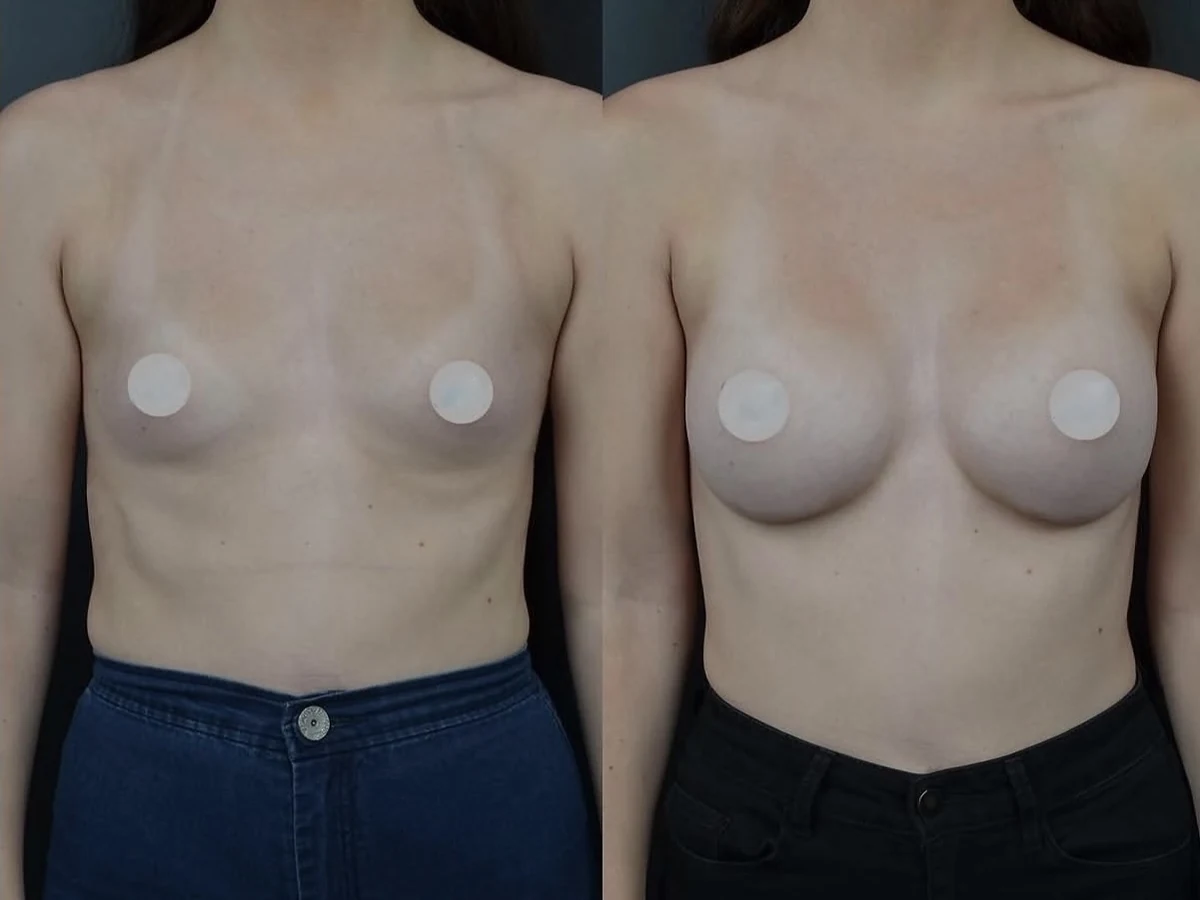
 beforeafter
Mammoplasty
Method: implants
Breast augmentation
$4,700
$5,900 · First consultation — Free
Free online consultation · Reply within 15 minutes
Message our coordinator
Free online consultation · Reply within 15 minutes
Message us on TelegramMessage us on WhatsAppBy messaging us, you agree to our Privacy Policy
Breast augmentation for patients from Ibadan at City Medical Centre starts at ₦6,300,000 (from $4,700). The first online consultation is free; the doctor names the final price and it is fixed in the contract.
How it works · Breast augmentation prices
Information current as of 5 November 2026
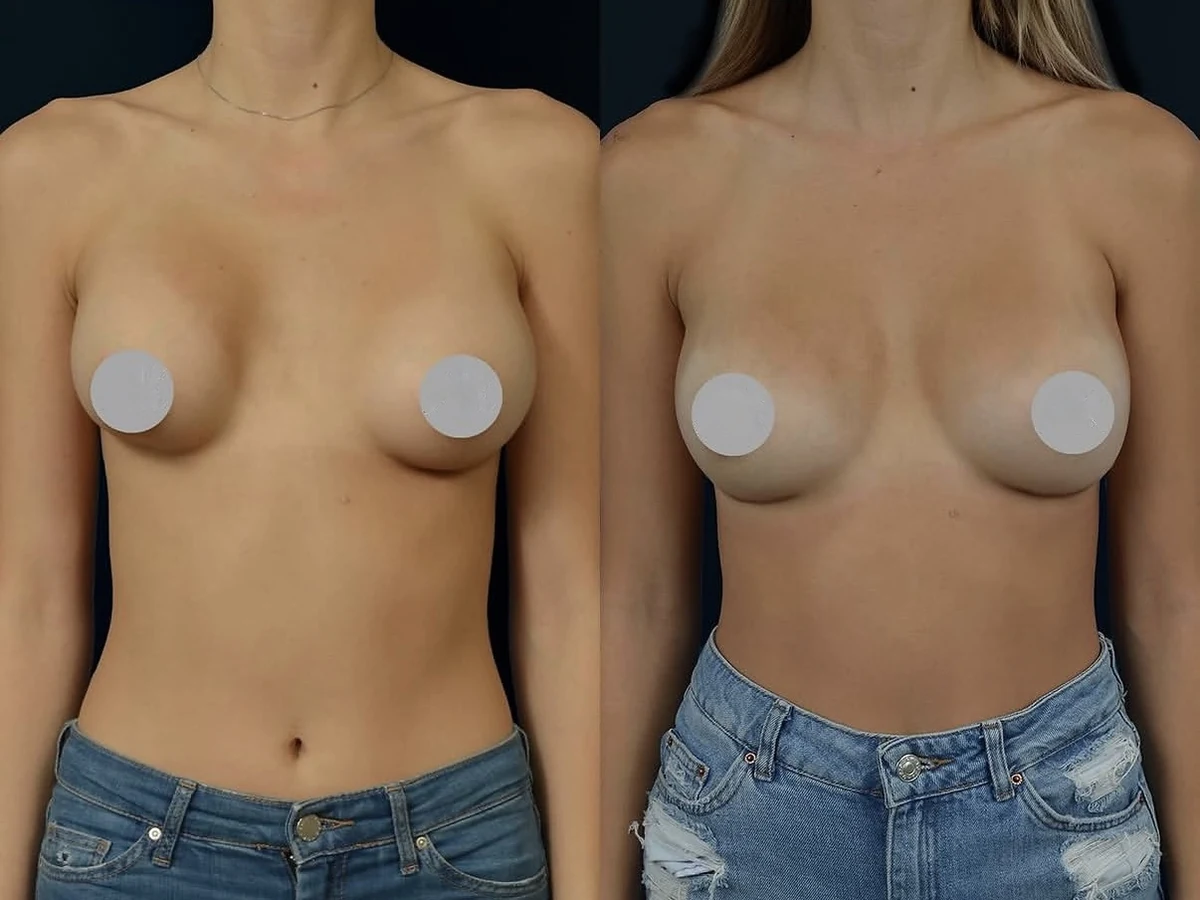
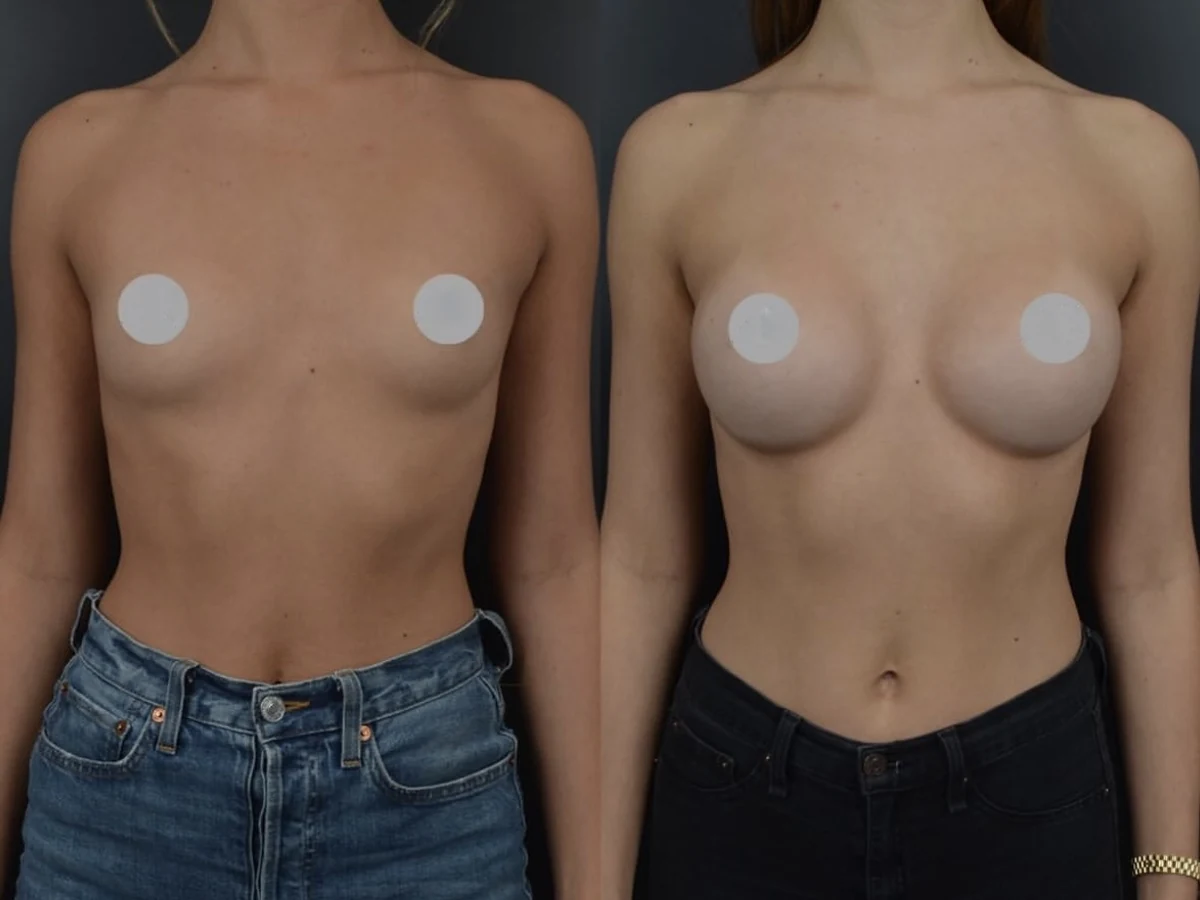
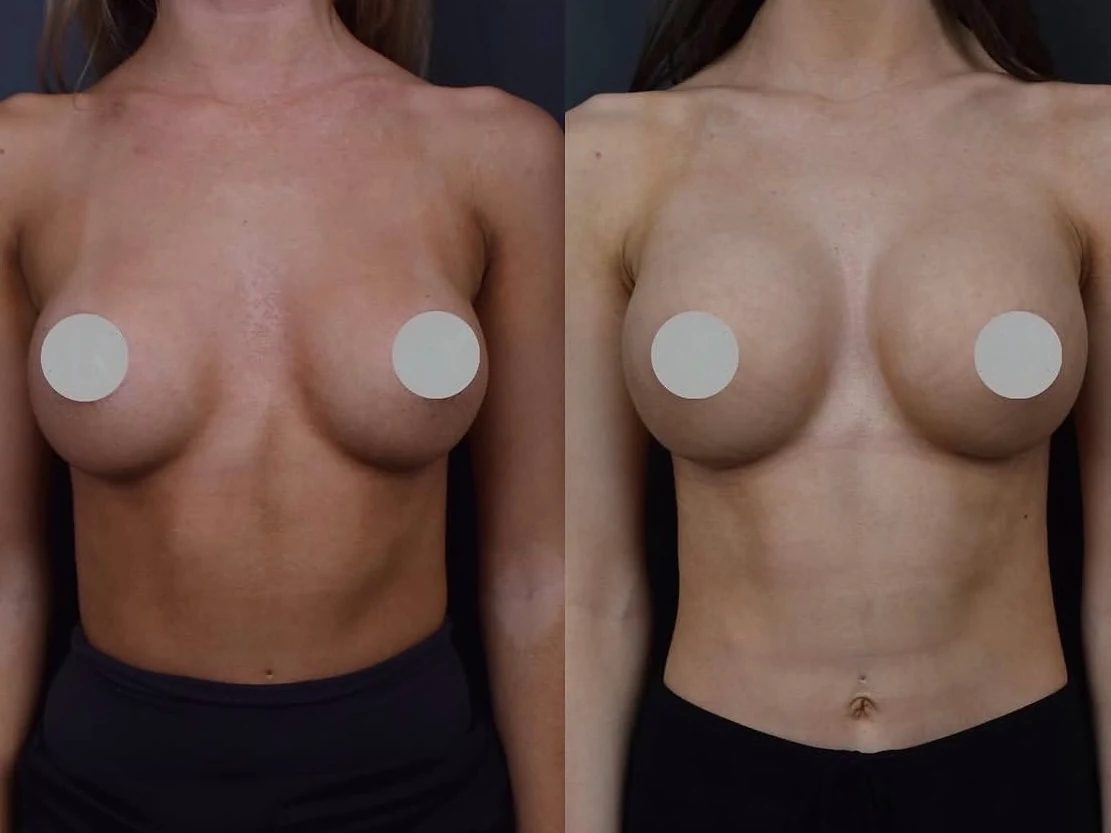
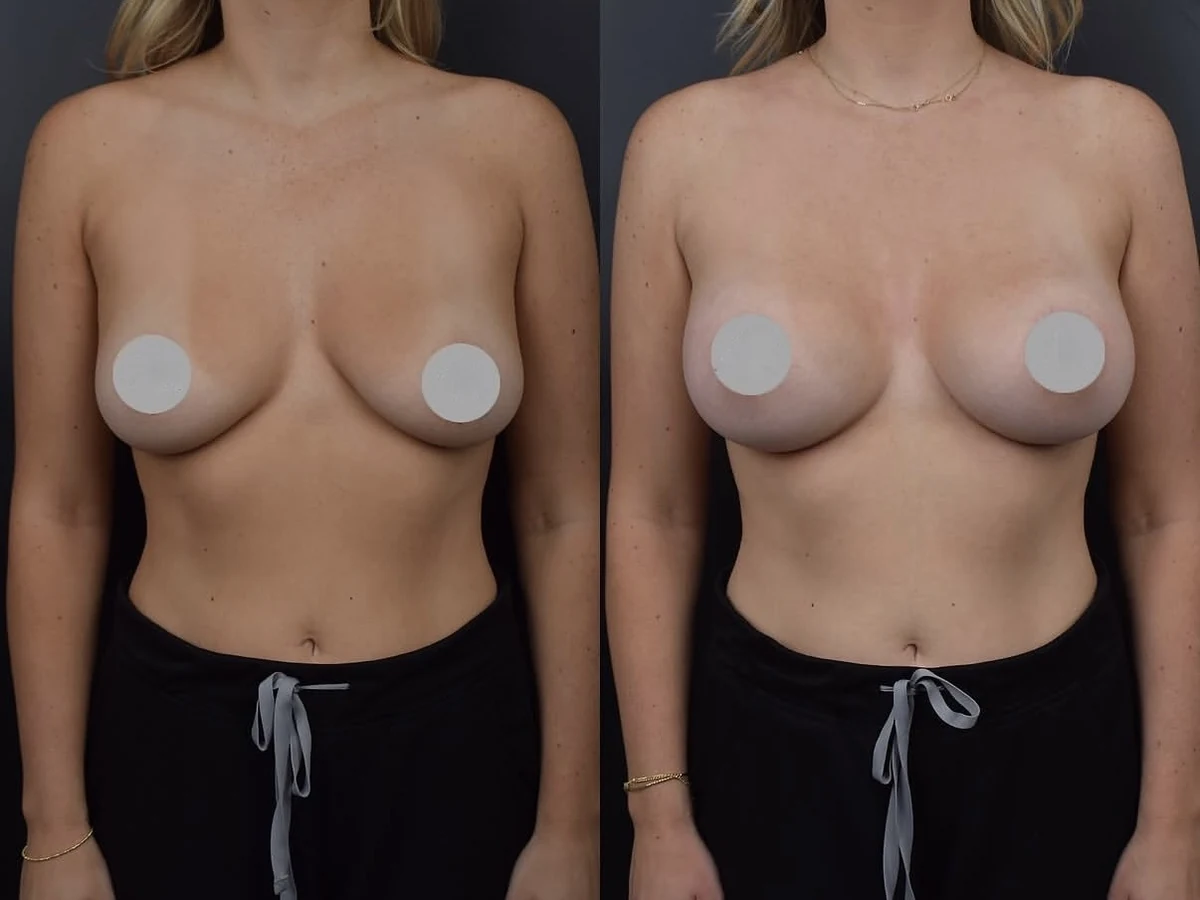
Results
These are real patients of the clinic, with faces and identifying details hidden.
beforeafterMethod: implants
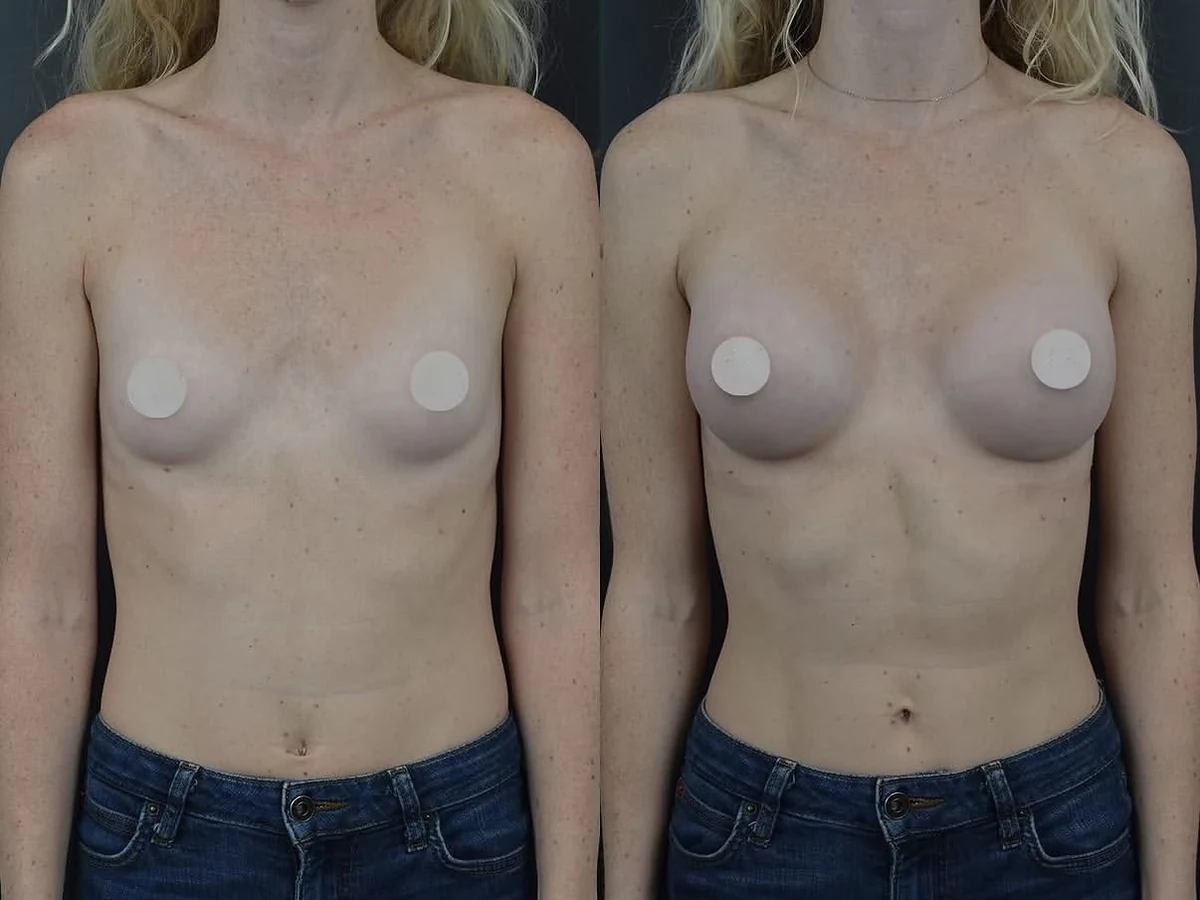 beforeafter
Method: implants
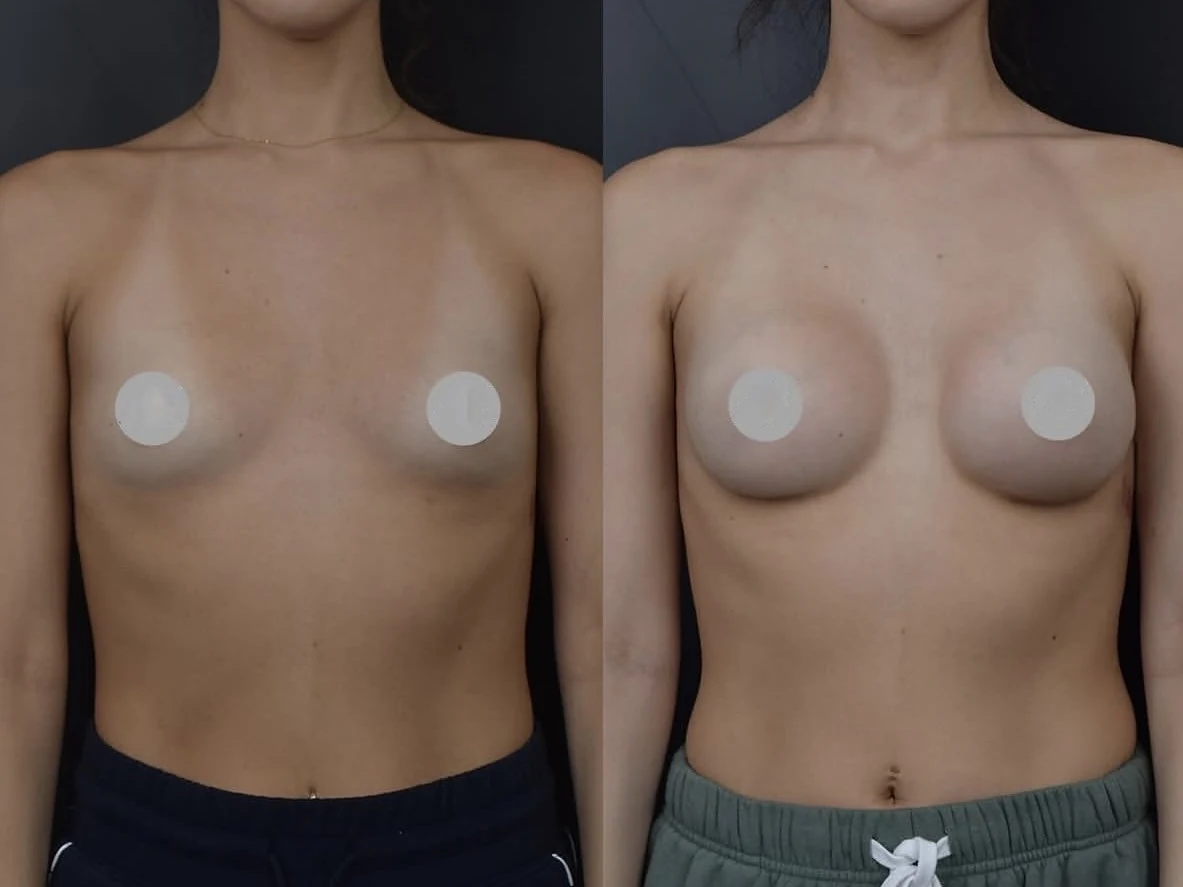 beforeafter
Method: implants
 beforeafter
Method: implants
 beforeafter
Method: implants
 beforeafter
Method: implants
 beforeafter
Method: implants
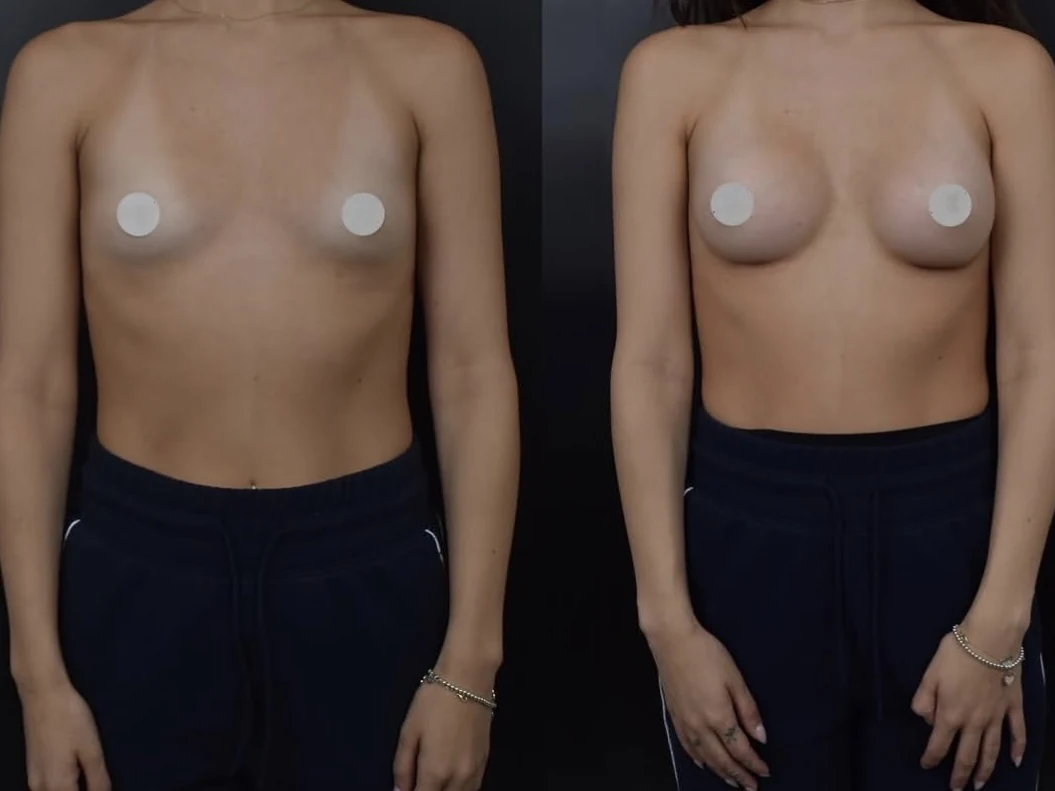 beforeafter
Method: implants
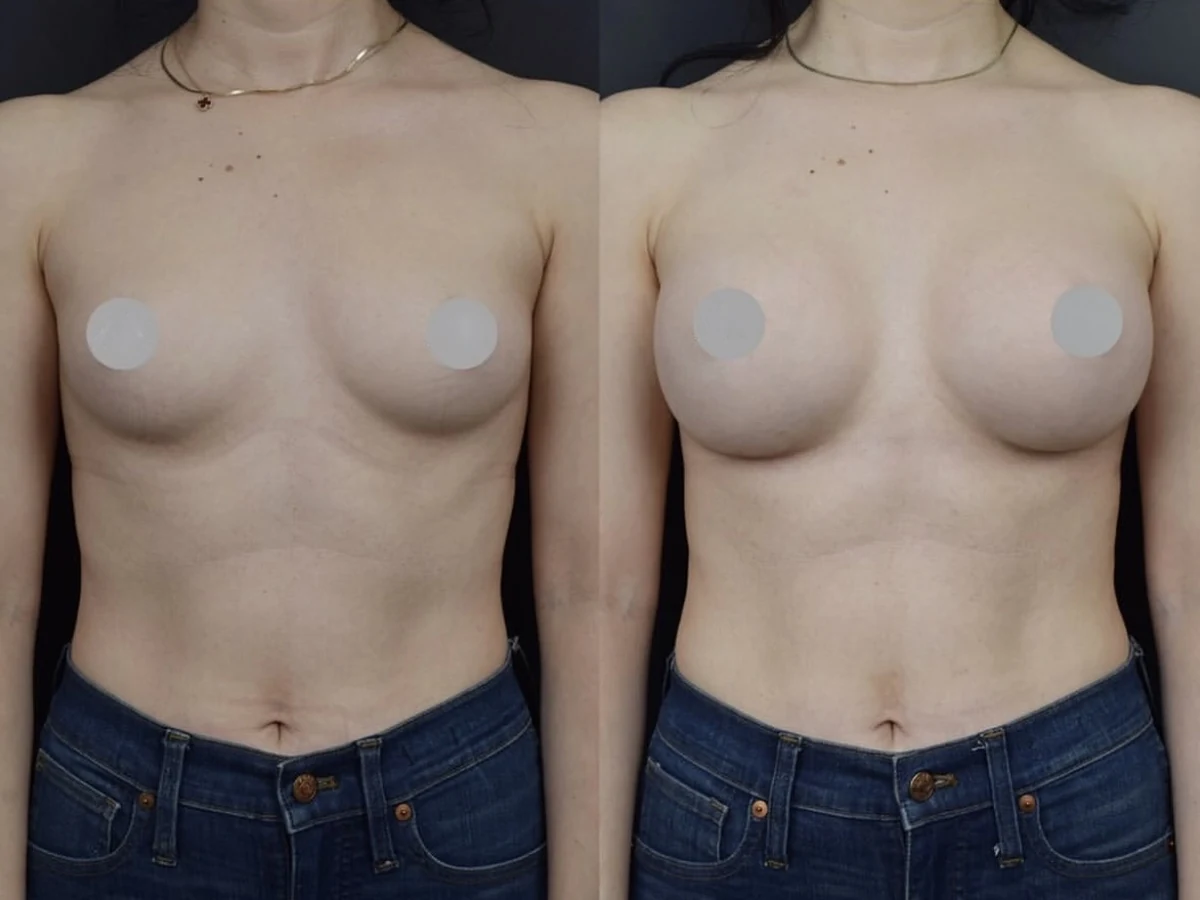 beforeafter
Method: implants
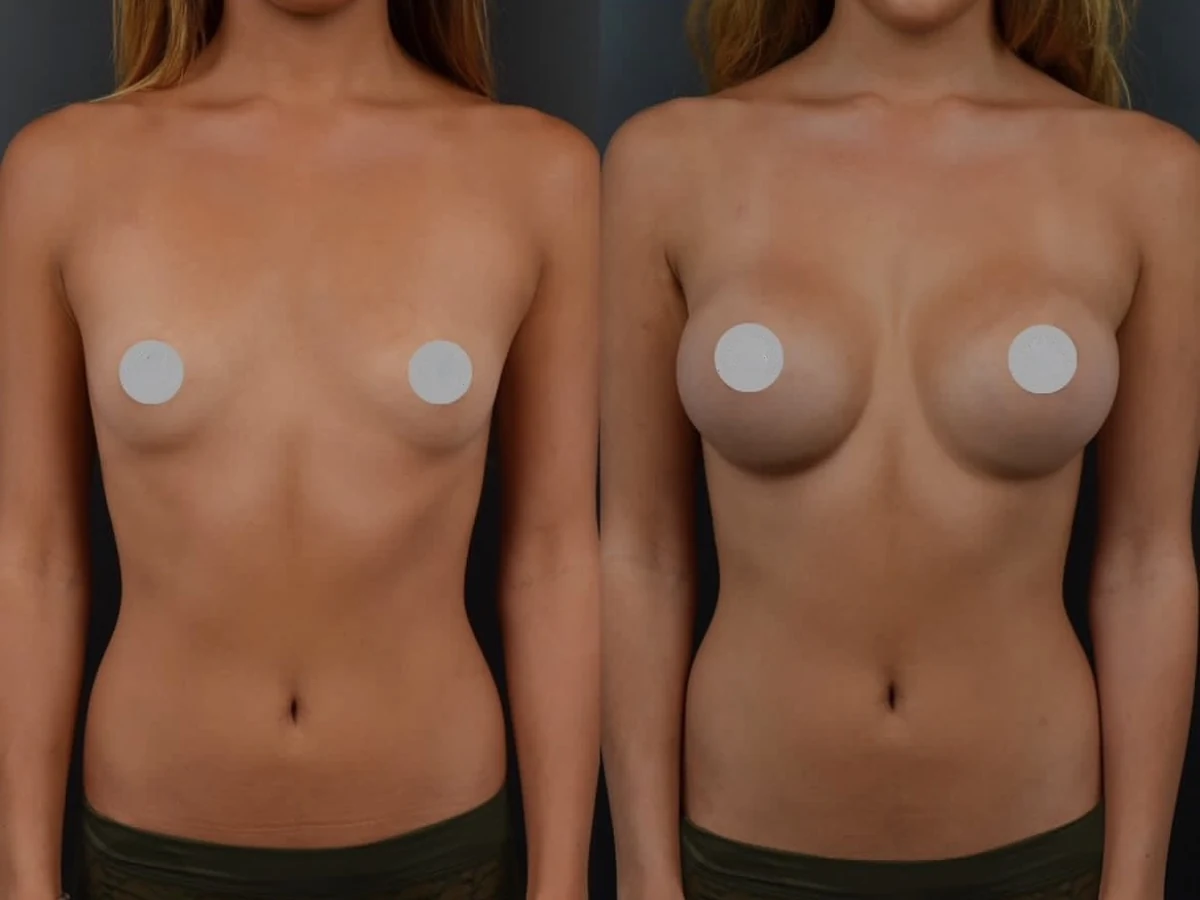 beforeafter
Method: implants
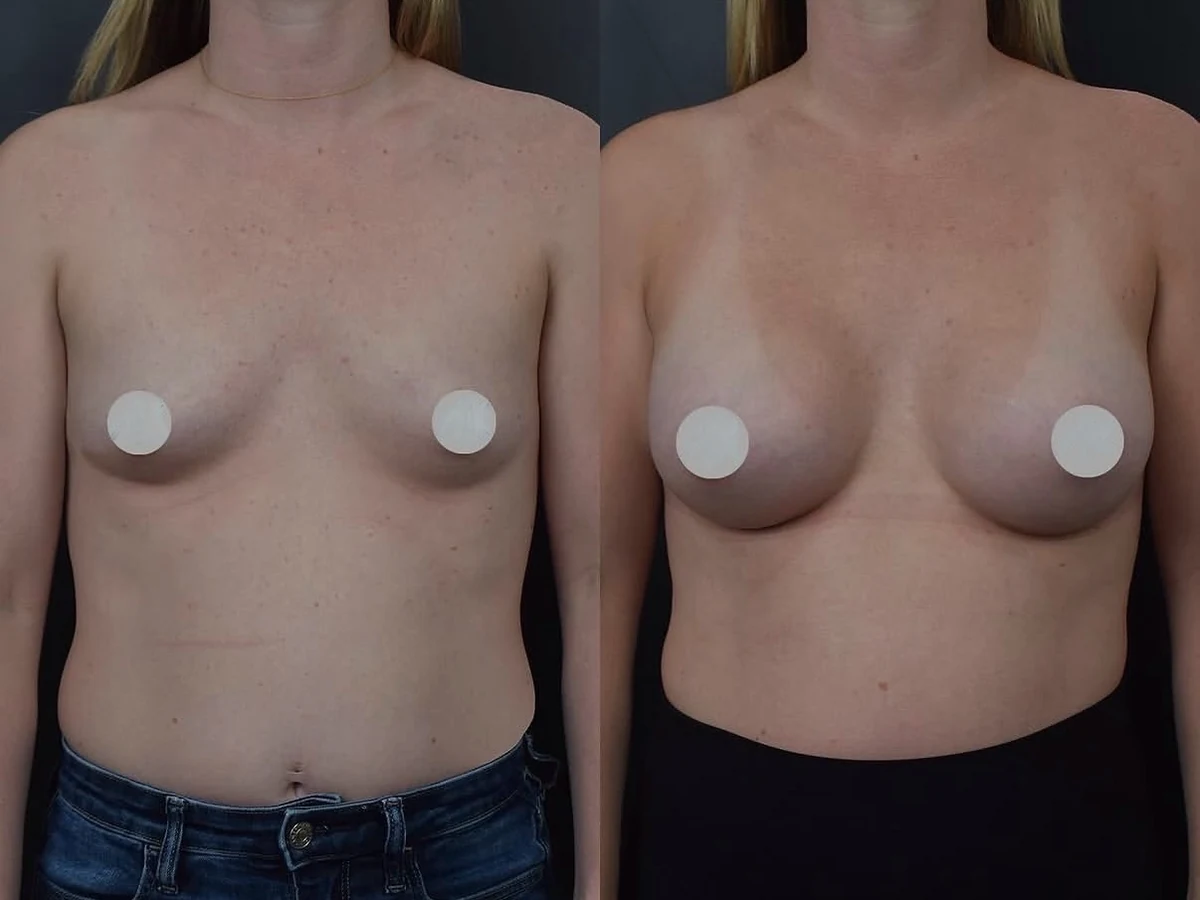 beforeafter
Method: implants
Comparison
We work with two main breast correction methods: augmentation and reduction. Compare the main goal, the precision of correction and the indications to choose your method with confidence.
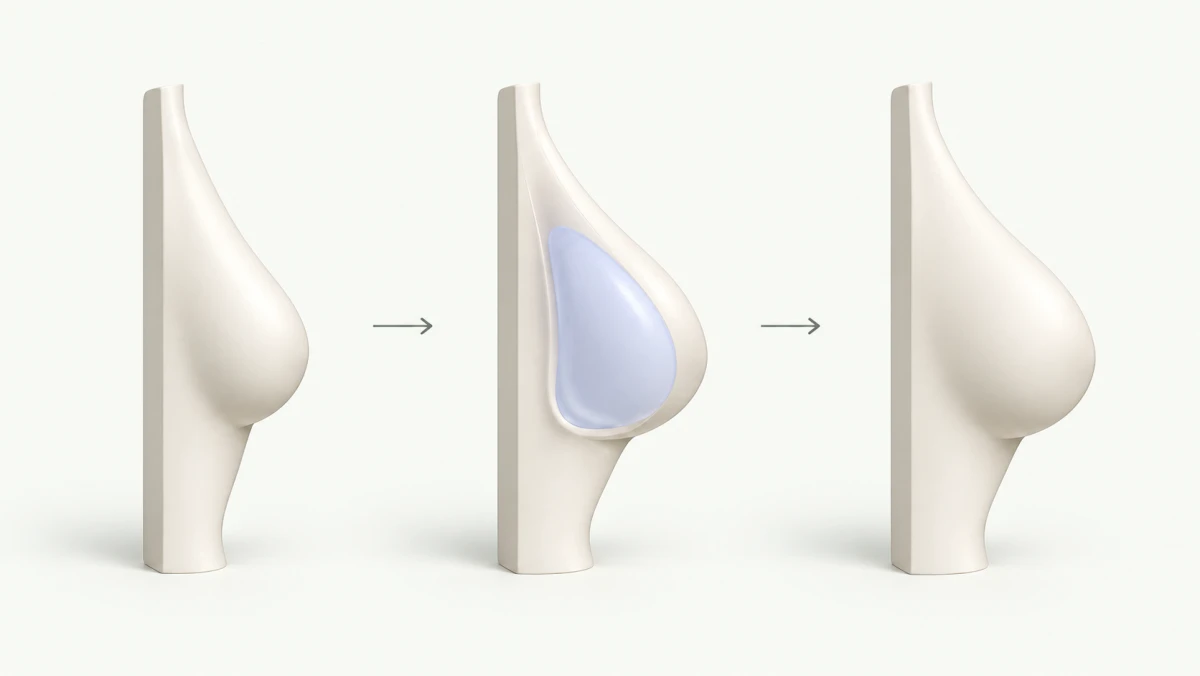
Size and shape correction with implants
Discounted price
$4,700 $5,900
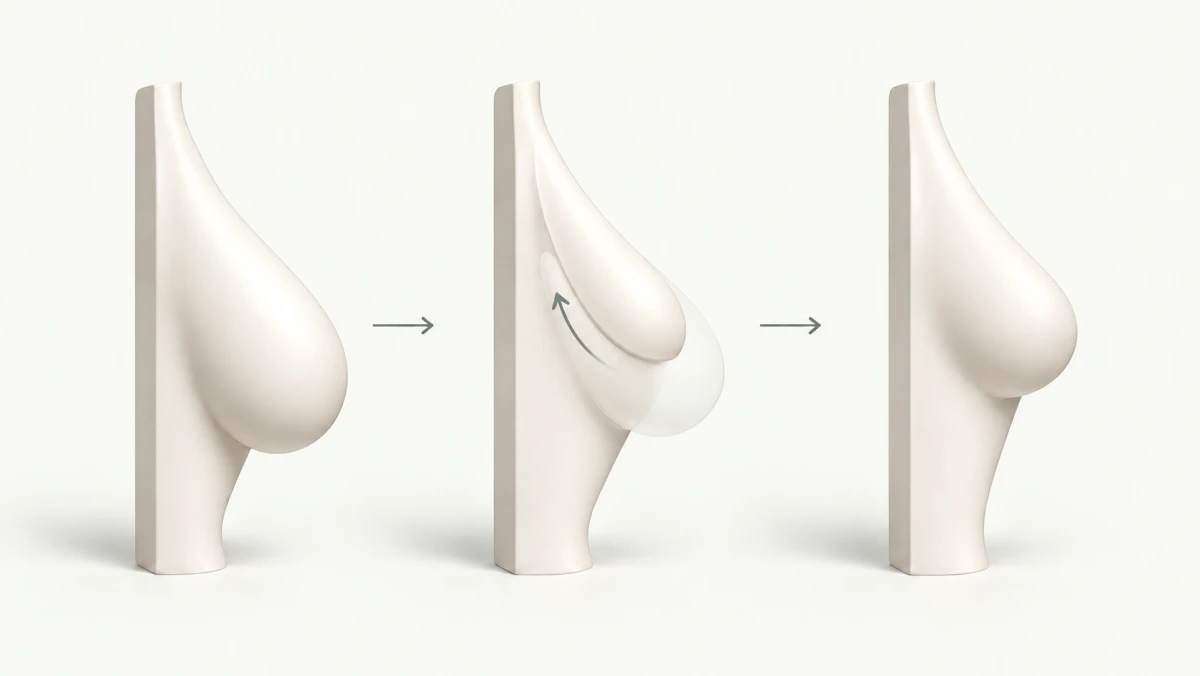
Breast size correction: making the breasts smaller and lighter
Discounted price
$4,700 $5,900
During the consultation the surgeon evaluates the shape and proportions of your breasts, listens to your wishes and selects the most suitable type of mammoplasty.
The consultation is free, before surgery and with no commitment.
Comparison
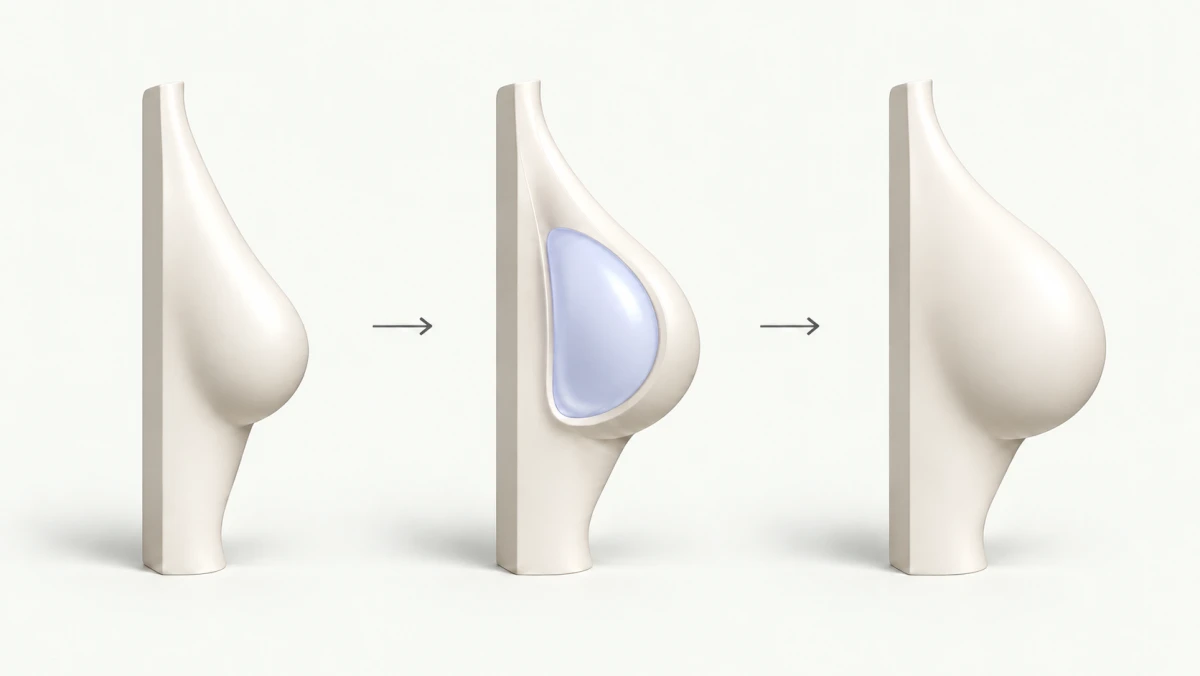
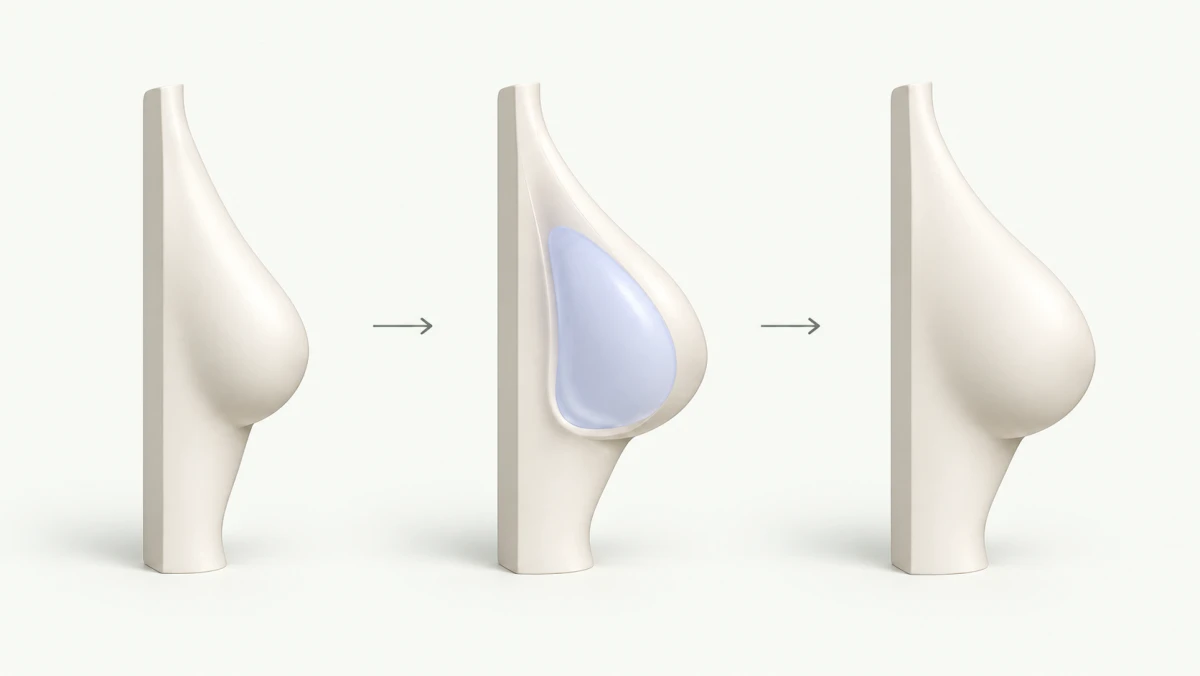
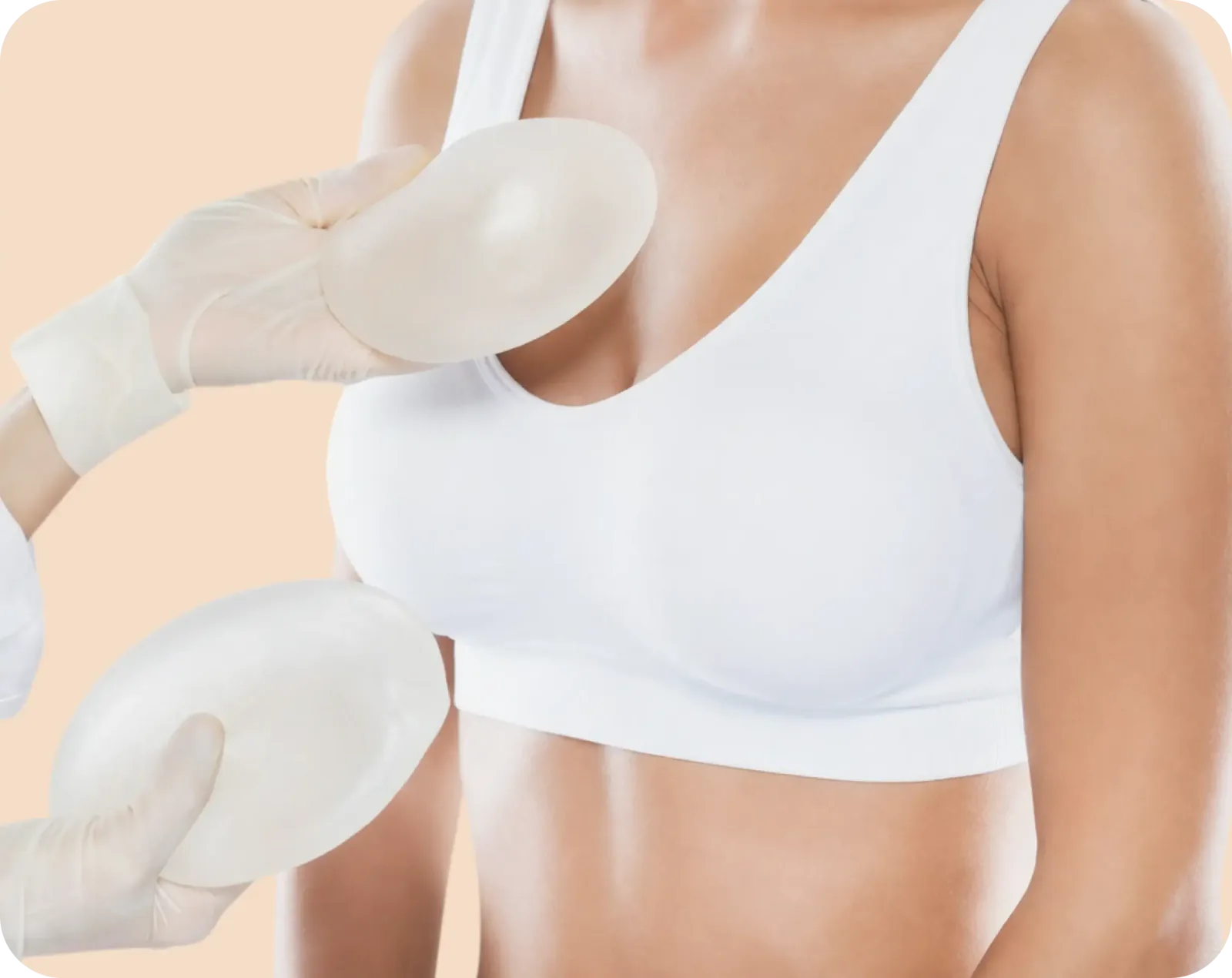
There are two main types of implants we place: round and anatomical. Both enlarge and reshape the breasts, while their form and the resulting look are different.
A fuller upper pole with even volume
A soft teardrop shape with a natural slope
The surgeon will help you choose the implant shape and volume.
About the clinic
Each patient gets care, comfortable rooms and modern equipment
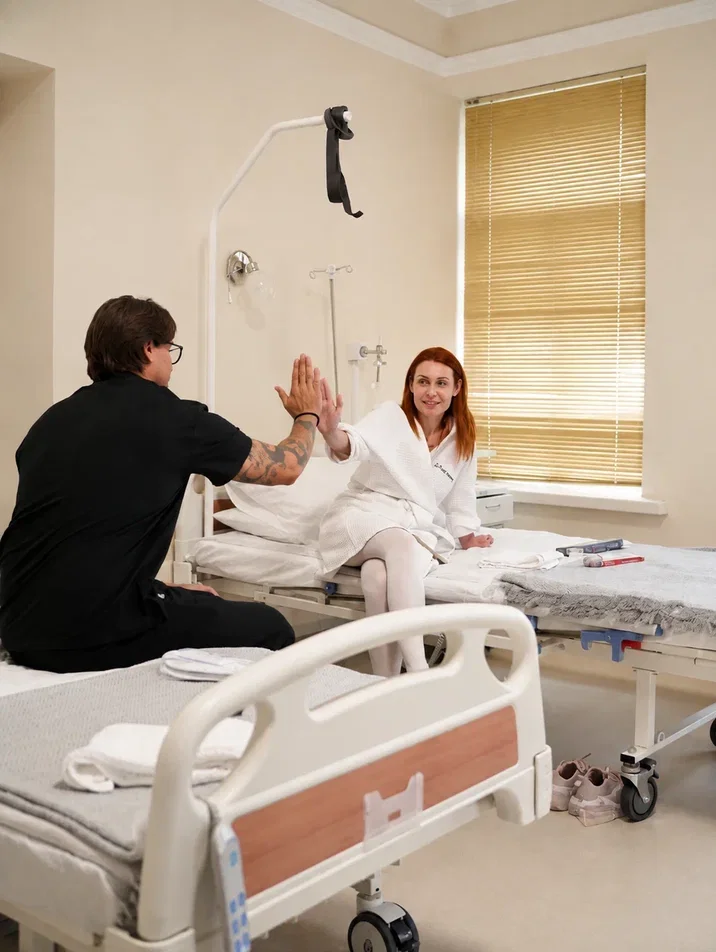
You get answers to your questions and a consultation slot that fits your schedule
By messaging us, you agree to our Privacy Policy
When surgery is not needed, the doctor tells you honestly at the consultation — and you avoid spending money on an unnecessary operation.


Unsure whether surgery suits your case?
Write to us: your coordinator will request photos in a messenger, and the surgeon will review them and tell you whether mammoplasty suits you.
Find out if it suits me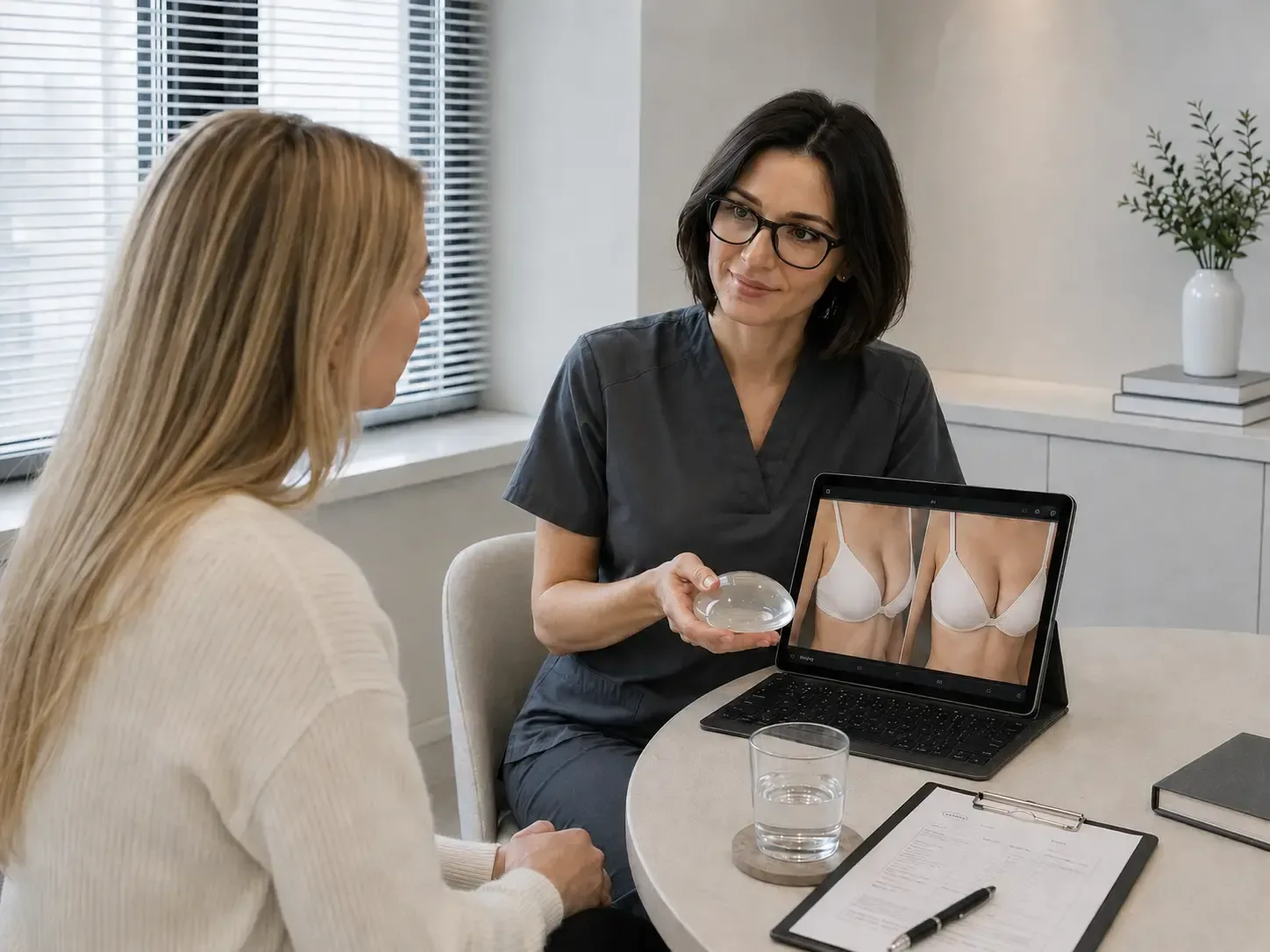
Prices
The price is set at the consultation and fixed in the contract.
Discounted price
Size and shape correction with implants
$4,700$5,900
Discounted price
Reducing the volume and weight of the breasts
$4,700$5,900
Breast restoration after mastectomy
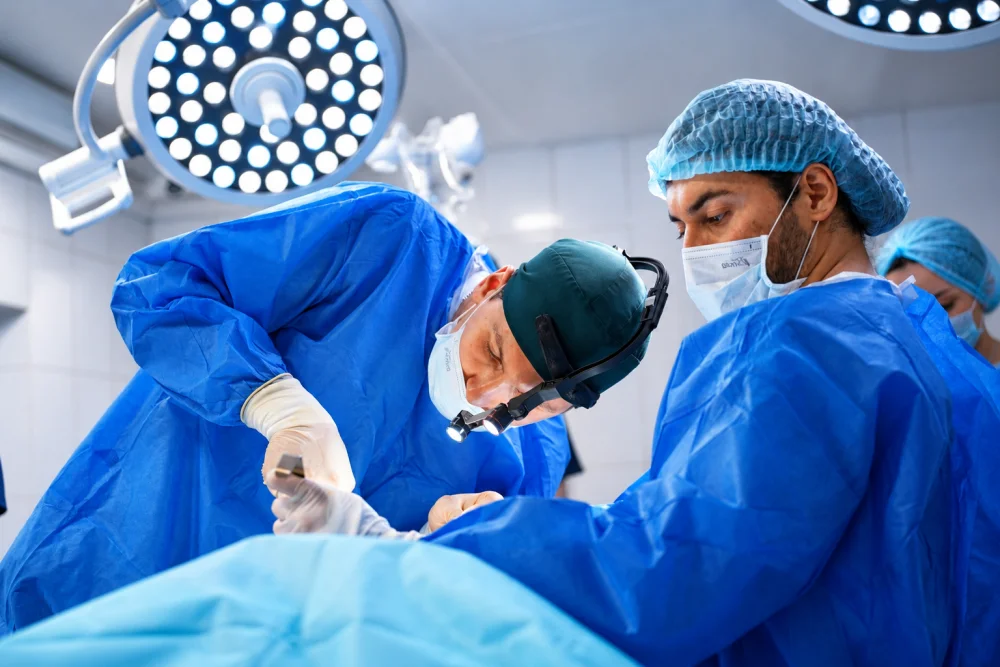
The surgeon assesses the anatomy and proportions of your breasts, listens to your wishes and chooses the right correction method.
The price is set at the consultation and fixed in the contract.
Message our coordinator
Free online consultation · Reply within 15 minutes
Message us on TelegramMessage us on WhatsAppBy messaging us, you agree to our Privacy Policy

all inclusive
Starting with preparation for surgery
and ending with support for 12 months.
Discounted price
$4,700$5,900
The process
A correction plan agreed with you, inpatient observation and a year of follow-up.
 1
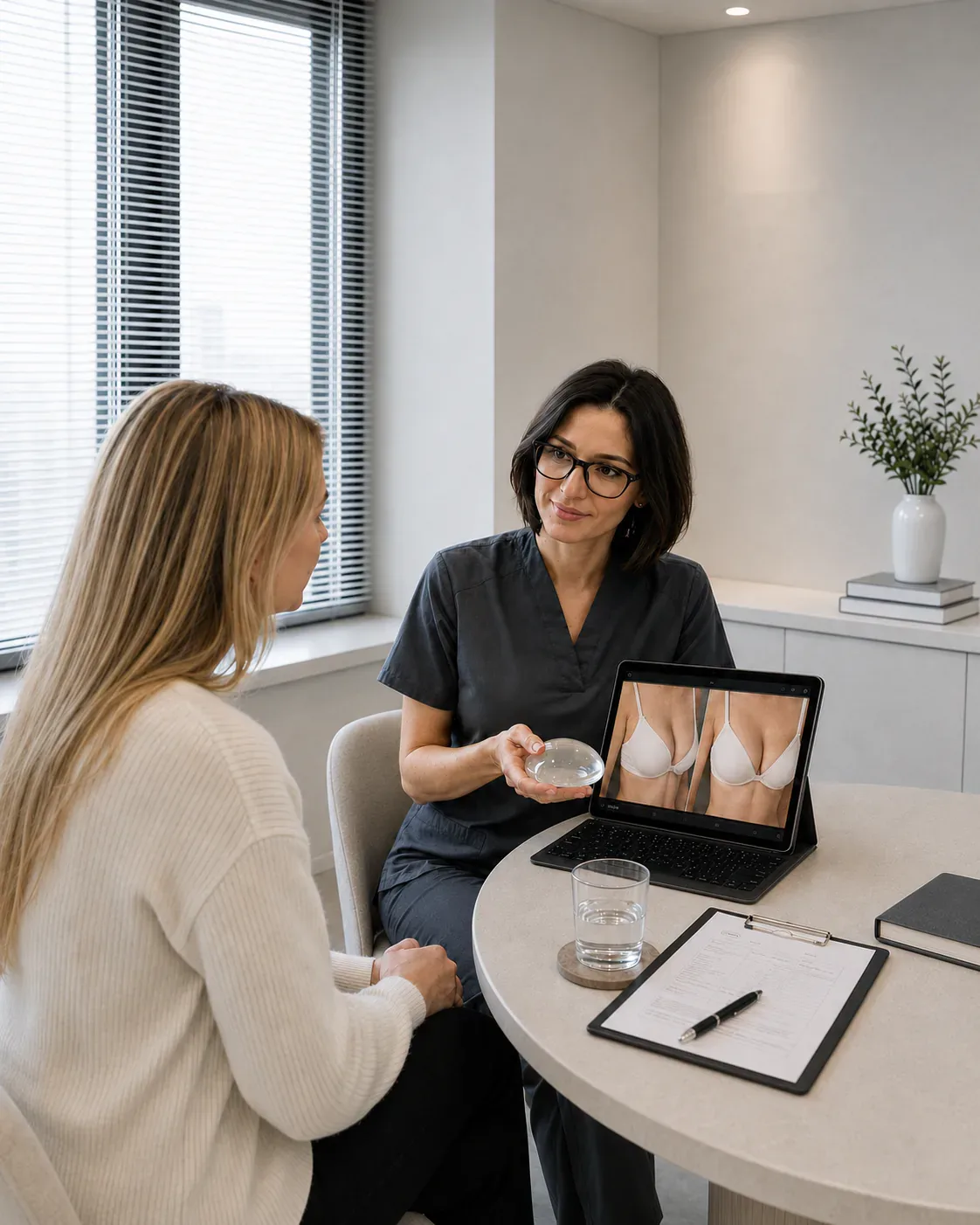
The surgeon assesses your figure, discusses your wishes and chooses the best volume, shape and correction method.
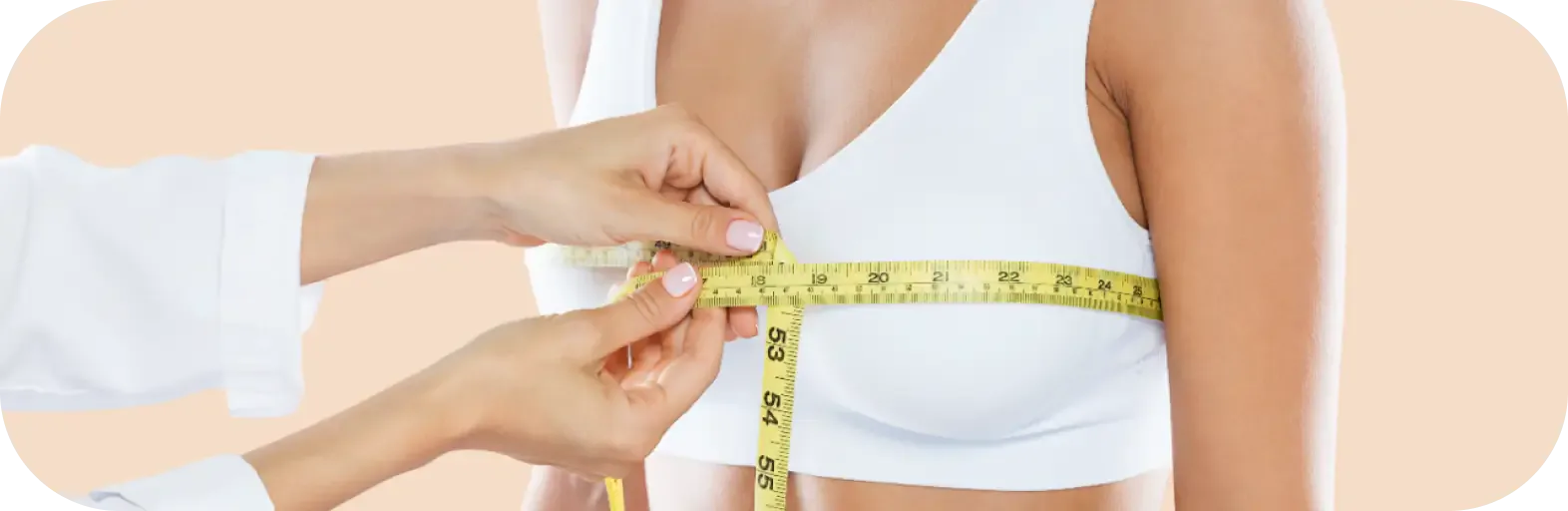 2
We hold a surgery date for you. You can pay the deposit by card at the clinic or online by bank transfer; all terms are set out in the contract for medical services
 3
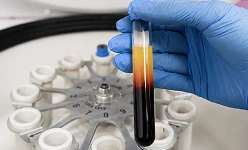
Before surgery you complete a full set of tests: blood tests, an ECG and other examinations prescribed by the doctor.
 4
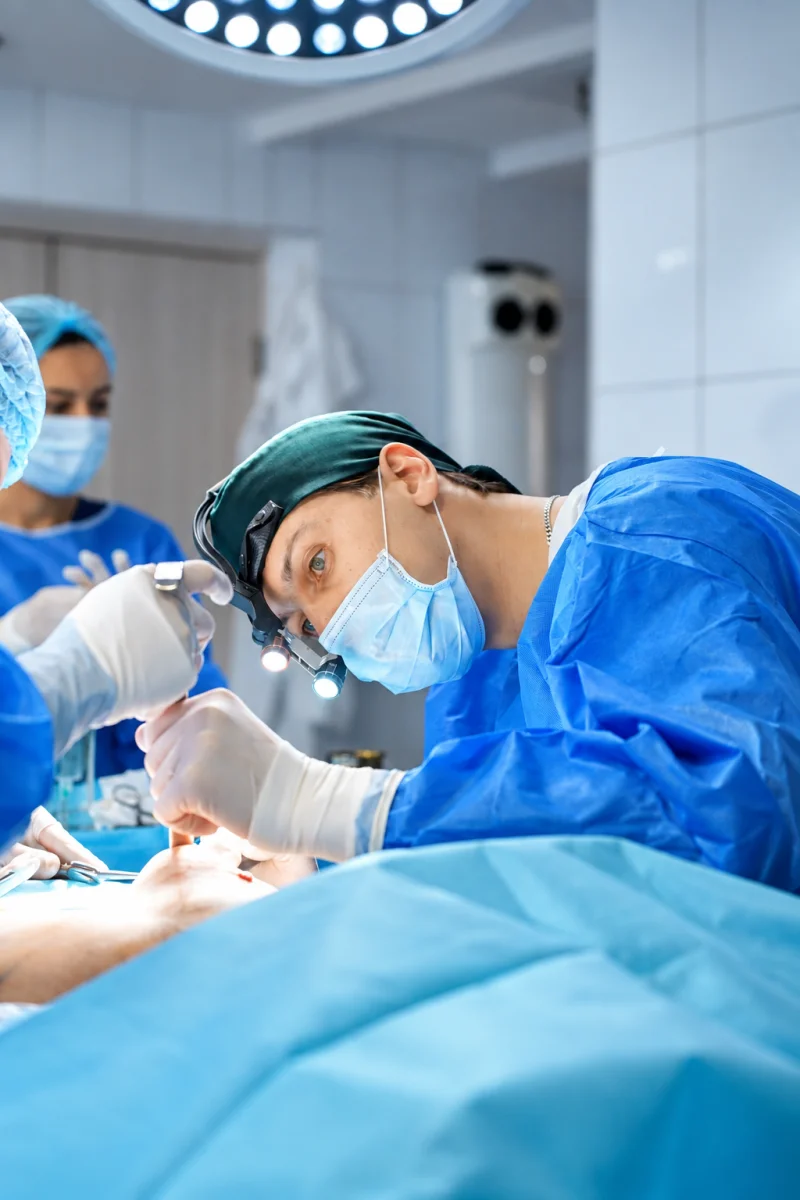
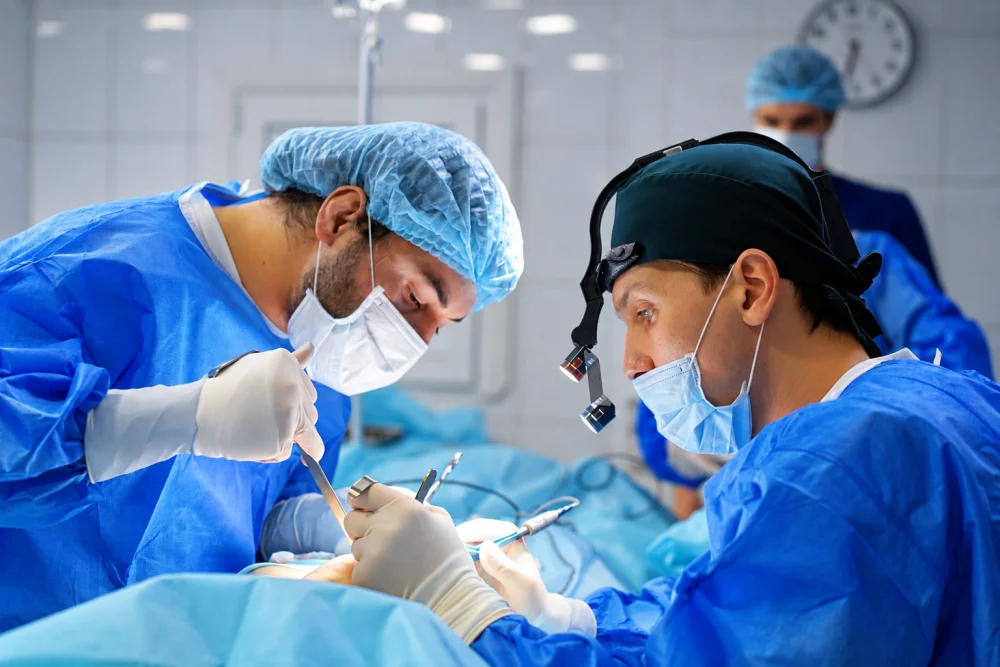
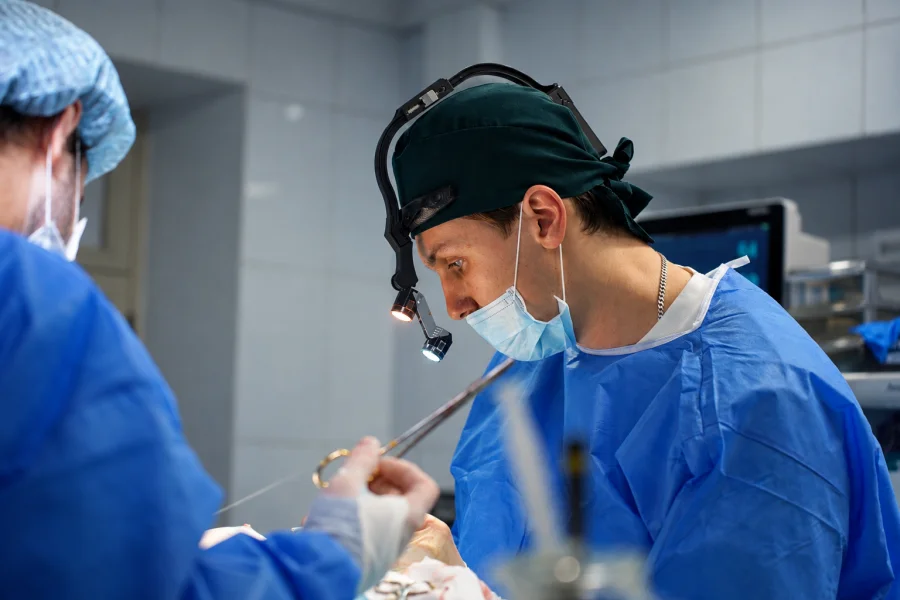
The surgeon performs mammoplasty according to your individual plan. The operation takes place under general anaesthesia with continuous patient monitoring.
 5
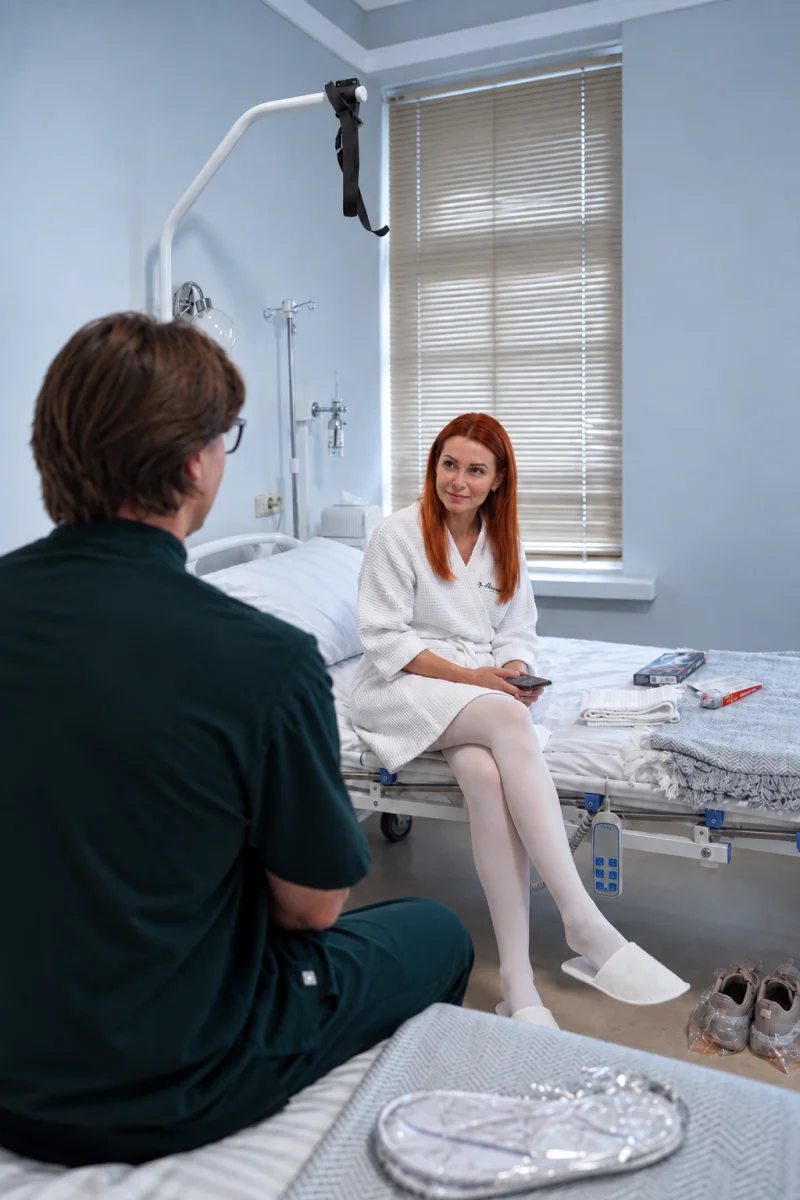
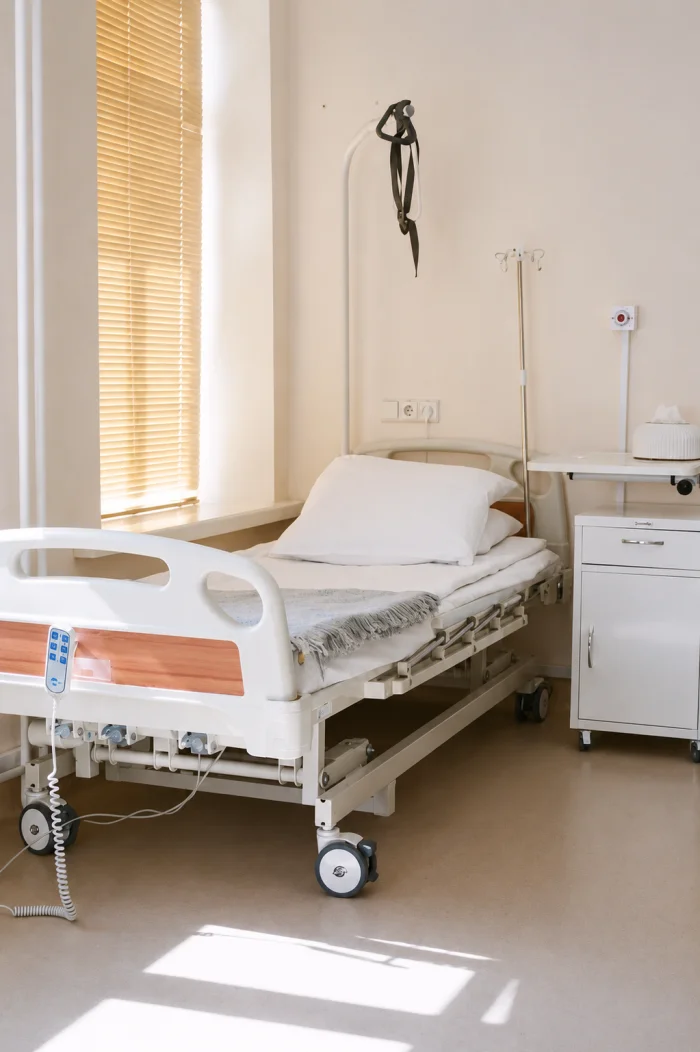
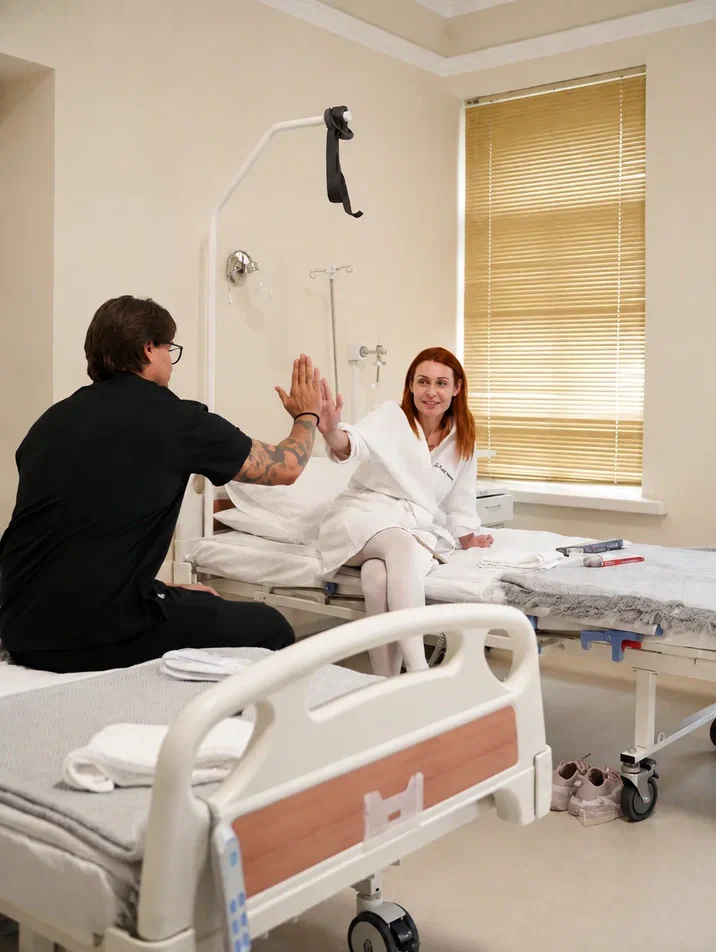
After surgery you stay in the clinic's comfortable inpatient ward under the care of the medical team until discharge.
 6
A recovery programme is prescribed after surgery. Check-ups at 7 days, 3 and 6 months follow your recovery, and for a year after surgery you consult your surgeon for free.
In the run-up to surgery, follow simple advice: keep work and rest in healthy balance, sleep more, avoid stress, anxiety and emotional strain, and ease off physical activity.
Hormonal birth control pills must be discontinued a month or more before surgery
Before surgery, come off aspirin-containing drugs, steroids and any hormonal medications for chronic conditions
Have your tests done a week before surgery
Post-op swelling disappears after 3 weeks
Within 3 weeks, scars form
Avoid exertion (lifting over 3 kg)
No lifting arms above shoulder height — 3 weeks
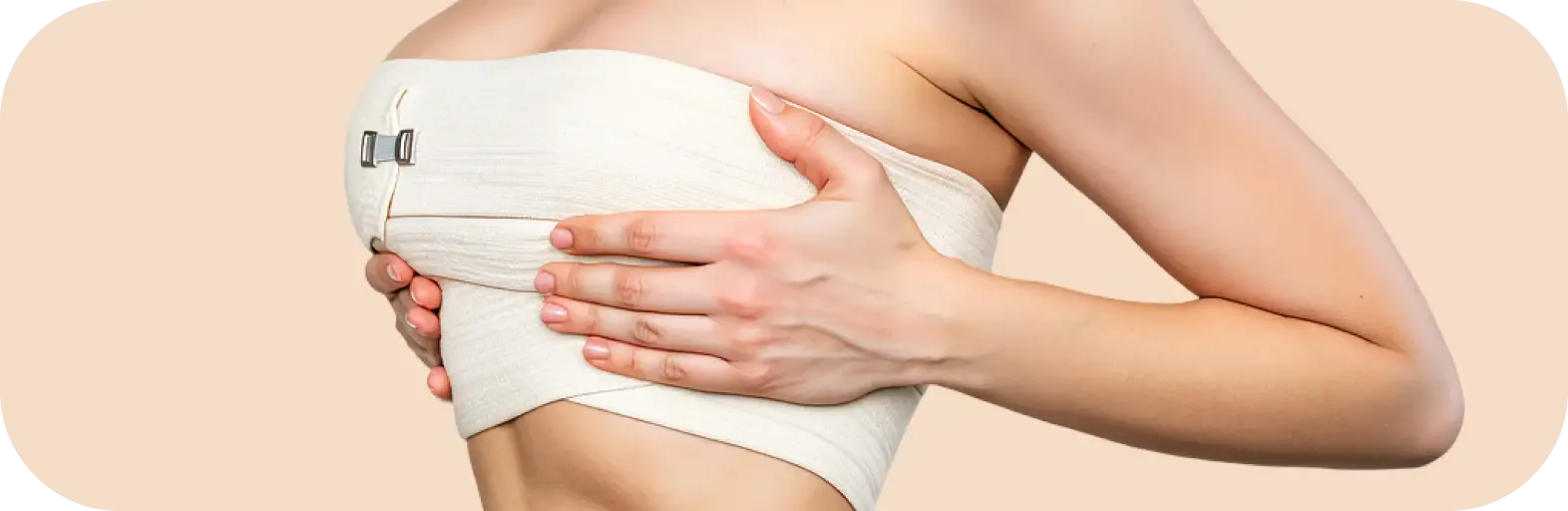
After the correction, recovery involves 1–1.5 months of compression garments
For up to 40 days, avoid hard gym workouts and very active aerobics; after a month you may do light cardio. Keep an eye on your diet and meals.
Discomfort disappears after 3 months
Baths and saunas are off-limits up to three months, as is physiotherapy
Within 3 months, the tissue is free of inflammatory changes and a “pocket” surrounds the implant
Doctors
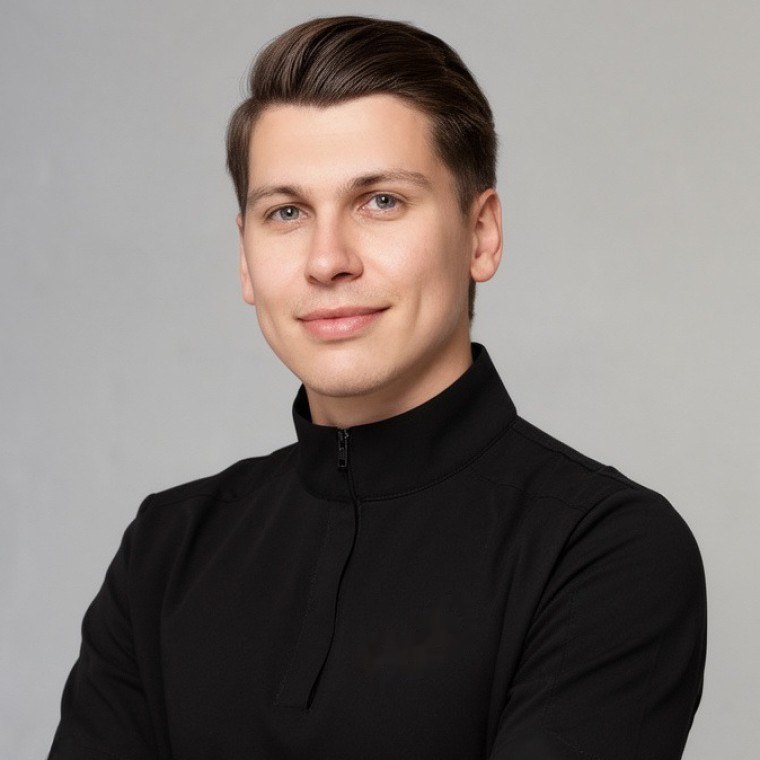
7 years of experience
Plastic surgeon
Plastic surgery residency at the Petrovsky National Research Centre of Surgery. Focuses on aesthetic and reconstructive surgery of the breast and body.
At the consultation, you talk directly to your operating surgeon
An experienced plastic surgeon who cares about patients' beauty and health
Book a consultationAdvantages
During the consultation we discuss your wishes and model the planned changes. The surgeon explains what surgery can achieve, so you know exactly what result to expect.
For a year the surgeon monitors your recovery and how your breast shape settles. Check-ups and dressings are already included in the price.
Shape, volume and correction method are chosen to match your anatomy and wishes. For augmentation, the implant size and profile are selected individually.

Your time matters to us: we work 24/7, booking is easy, and our personal approach adapts to your pace.
Once the surgeon has defined the extent of correction at the consultation, you get a clear surgery price — no surprises on the way to your result.

Your recovery begins in a comfortable inpatient ward, with nurses on hand day and night. The price already covers your stay and meals.
FAQ
Yes. Boob job is the everyday name for breast augmentation. At City Medical Centre it is done with round or anatomical implants that the surgeon chooses with you at the consultation.
Breast enlargement adds volume with implants. A breast lift (mastopexy) raises sagging breasts and removes excess skin. Which one suits you is decided at the free consultation.
There are several types of mammoplasty: augmentation (bigger volume with implants), reduction (removal of excess tissue and skin), mastopexy (a lift for sagging), reconstruction (after mastectomy) and correction of asymmetry. The best approach is chosen individually, considering your wishes and the surgeon's recommendation.
Message us — our coordinator will get back to you shortly and book your consultation. The plastic surgeon consultation is free.
Complications rarely happen when all recommendations are respected. Possible ones are hematoma or seroma, wound infection, reduced or increased sensitivity of the nipple, capsular contracture, aesthetic asymmetry, wound separation and tissue necrosis.
The effect of mammoplasty lasts for years: about 10–15 years after augmentation (until the implants are replaced) and 5–10 years after a lift or reduction. Duration depends on weight, pregnancy, skin aging and gravity. Supportive underwear and a stable weight help the result last.
Breastfeeding after mammoplasty is determined by the type of surgery. Augmentation through an under-breast or armpit incision, with the implant under the muscle, usually preserves lactation, since the glandular tissue is left undamaged. The risk is higher after a lift or reduction because ducts may be cut. Talk to your surgeon about it in advance.
Implant choice is based on material (silicone gives the most natural appearance, saline is used more rarely), shape (round or anatomical teardrop), surface (smooth or textured), size and profile. Your surgeon will pick the best one for your anatomy and goals.
The operation is done under general anaesthesia, so the patient feels nothing. Over the first 1–3 days moderate discomfort may occur and is eased with painkillers. By day 5–7 pain drops noticeably, and by weeks 2–3 the discomfort has gone. If the pain is severe, let your doctor know at once.
A return to work (no physical exertion) is possible after 7–14 days. Easy walks from 1–2 weeks. Fitness and swimming from 4–6 weeks; strength training from 3 months. Pool and sea from 4–6 weeks. Compression garments for 4–6 weeks. Precise timing depends on your individual recovery.
There is no scientific proof linking mammoplasty to a higher breast cancer risk. Implants do not cause cancer. Continue regular screening after surgery, including self-exams, mammography and ultrasound, and always inform the examining doctor about your implants.
After a caesarean section, mammoplasty is possible once full recovery is complete. At least 6–12 months must pass after the birth and after breastfeeding ends. A surgeon's consultation and check-up must take place before surgery.
There are scars after mammoplasty, though a skilled surgeon keeps them minimal. The incisions go in discreet areas, such as under the breast, around the areola or in the armpit. Early on the scars are reddish, but over 6–12 months they fade and are almost unnoticeable.
During the first weeks after the operation, slight asymmetry is normal, since swelling and healing are uneven. If a size or shape difference continues after 3–6 months, see your surgeon for an exam to find its cause.
Sensitivity in the nipples and breasts may shift temporarily after mammoplasty, decreasing or increasing, because the nerve endings are irritated. It returns within 3–12 months in most cases. If it has not improved after a year, go see your surgeon.
Hormonal drugs (contraceptives, hormone replacement therapy) have no direct effect on implants, but they can cause swelling or changes in breast tissue volume that temporarily alter appearance. Always tell your surgeon about such medications before surgery.
Prices are in US dollars; the amount in brackets is an approximate conversion to NGN at the rate of 02.10.2026. The final price is fixed in your contract.
Prices start from $4,700 (≈ ₦6,300,000). The surgeon sets the final price at the free consultation, and it is fixed in the contract, with no hidden extras.
The surgical team's work, anaesthesia, the inpatient stay with meals, dressings and follow-up visits for twelve months.
Message us on WhatsApp or Telegram using the buttons below. A coordinator will answer your questions and book a free consultation where the doctor names the exact price.
By messaging us, you agree to our Privacy Policy
What exactly changes with augmentation? Volume grows and the bust gains a rounder or a more natural teardrop profile, depending on the implant selected. If you are researching breast augmentation in Ibadan, keep in mind that implants come smooth or textured and are selected for each body. With an under-breast or armpit incision and the implant placed under the muscle, lactation is usually preserved.
Step one is a meeting with the plastic surgeon to choose size, shape and profile. Step two is a full medical check-up with lab tests, instrumental examinations and, if indicated, a GP, gynecologist or breast specialist. On the day itself, the surgeon marks incisions, places the implant and closes the wound in layers with self-absorbing cosmetic sutures. This is how augmentation goes for Ibadan patients.
If you are comparing breast augmentation prices in Ibadan, check what each offer includes. Here the all-inclusive rate from $4,700 (≈ ₦6,300,000) already covers anaesthesia, the clinic stay, meals, dressings and a year of check-ups with the plastic surgeon. Apply before the end of the year and your consultation is at the clinic's expense. Fill in the form or message the coordinator.
Public accounts from well-known people about the operation: breast augmentation.
Written by Dmitry S. Kuznetsov, plastic surgeon
How we prepare and review medical content · Medical disclaimer
Page last updated:
The University of Ibadan began in 1948 as a college of the University of London, and with an estimated 3,861,000 residents in 2025 the city ranks third in Nigeria by population. A famous institution is a fine thing to live beside, but its name is not the licence of a surgeon, and the two should never be confused when you are choosing who will operate.
Oversight of medical and dental practice in Nigeria belongs to the Medical and Dental Council, which was formed in 1963. It holds the register of practitioners and grants practising licences year by year; its website is mdcn.gov.ng. In practice the routine is brief. Get the surgeon's complete name and registration particulars, check them with the Council, and file what comes back.
The words year by year deserve a second look. A licence has to be renewed annually, so ask what the surgeon holds for the current period and which specialty is registered, rather than relying on something true long ago. The clinic's operating surgeon is a plastic surgeon with residency training, concentrating on aesthetic and reconstructive work on the breast and body, and the person at the consultation is the person at the table.
Add the clinic's papers to that file. The clinic publishes its medical licence number, and you can ask to see the physicians' diplomas and certificates before any payment. A team that hands these over readily shows how it wishes to be judged.
An Act signed on 19 May 2022 set up the National Health Insurance Authority. Its homepage speaks of employees together with a spouse and as many as four biological children, of informal-sector workers and of vulnerable groups, and it mentions a 10 per cent co-payment on drugs. Cosmetic procedures do not appear. Silence of that sort is no promise, so do not take an aesthetic operation for covered.
Do the sensible thing and ask your insurer, in writing, a question with two parts: is this operation covered, and would a complication after it be? Keep the answer in the same folder as the contract. If the insurer is vague, treat the cost as your own and plan accordingly.
At the clinic, the surgeon names the price during the free consultation and it is entered in the contract together with an itemised list. A deposit holds the date; settle it with a card at the clinic or through an online bank transfer, and the contract for medical services sets out the terms.
A quote read well is half of the decision. Place it beside the list of inclusions and tick each line: the consultation and result modelling, the medical team, the anaesthetic, the ward and meals, dressings and check-ups for a full year, and round-the-clock monitoring. A line that is missing is not necessarily a problem, but it is a question, and it should be asked before the deposit and not after.
Mammoplasty runs under general anaesthesia, with your condition watched throughout, and an augmentation brings a single day in the inpatient ward. Among the items the clinic lists are combined inhalation anaesthesia, a comfortable ward, meals, dressings, and supervision by medical staff day and night. Use each of these as a prompt for a question.
Who administers the anaesthetic, and what must the anaesthetist know about you in advance? Which examinations come first? The clinic names blood tests, an ECG and whatever else the doctor prescribes, all finished seven days ahead. What must be stopped, and from when? Aspirin-containing preparations, steroids and hormonal medicines for chronic conditions go first; hormonal oral contraceptives are stopped a month or more before.
Then the night. Who is on the ward, how is a worry passed on, how does a nurse get hold of the surgeon? Moderate discomfort in days one to three is expected and controlled with painkillers; what you want to hear is a calm and exact answer about the hours after dark.
Tell the surgeon about every medicine you take, including those bought without a prescription and those taken for a chronic illness. Mention too any earlier operation, any bleeding problem and any plan for pregnancy. A complete list on paper is easier to check than a conversation remembered afterwards.
The clinic works with two shapes. Round implants fill evenly, add fullness in the upper part and have a symmetrical outline; anatomical ones follow a gentle teardrop. On material, silicone is described as giving the most natural look and saline as rarer, and surfaces come smooth or textured. Shape and volume are chosen with the surgeon, size and profile case by case.
At the consultation the clinic models the planned result. Use that modelling as a conversation tool, not as a promise: ask what it shows reliably and what it cannot show. Then ask the surgeon to translate your own proportions into the proposed size, in plain words, and to say what would change if you chose a different one.
If you are unsure which operation describes you, the family of procedures is wider than augmentation. Reduction lowers volume and weight; a lift raises sagging breasts, with or without implants; reconstruction follows mastectomy; asymmetry can be corrected. Photographs sent to a coordinator in WhatsApp or Telegram, where the reply arrives within 15 minutes at any hour, let the surgeon say which of them is right for you.
Sizing deserves a full paragraph of its own in your notes. Write down the way you want to feel and move, not just a look: whether you exercise, what you wear, what bothers you now. These details help the surgeon propose a volume that fits your life. Then ask for the proposal in writing, with the shape, size and profile named, and compare it with what the contract says on the day of signing.
Review visits are set for day 7, month 3 and month 6, with talks with the surgeon free for a year. Swelling fades in roughly three weeks, discomfort in three months. Later the habits are long-term ones. There is no scientific proof that mammoplasty raises the risk of breast cancer, and implants do not cause it. Continue self-examination, mammography and ultrasound, and tell each examiner about your implants.
The result of augmentation lasts roughly 10 to 15 years, until the implants are replaced, and weight, pregnancy, skin ageing and gravity all influence how long. This is the point of the implant record: a sheet from the surgeon with the manufacturer, model, size and serial number, kept with your medical papers. When a radiologist or a new surgeon asks, the answer will be on paper.
Put everything into a single folder: the contract, the Council check, the insurer's reply, test results, the preparation instructions, photographs of the same views taken on the same dates, and your coordinator's contacts. Surgery is a day; the folder is how you manage the years.
Plan the first weeks at home with the written limits in front of you: arms are kept below shoulder level for three weeks, nothing heavier than 3 kg is lifted for up to three months, the compression garment is worn for 1 to 1.5 months, and baths and saunas wait for up to three months. Decide in advance who will help with the tasks that these limits make awkward, and tell your employer about the days of work you will need to take.
The Medical and Dental Council, formed in 1963. It holds the register of practitioners and issues practising licences yearly; see mdcn.gov.ng.
Because it is renewed each year. Ask for the surgeon's registration details and confirm with the Council that they are current, and record the date on which you checked.
No. The National Health Insurance Authority homepage describes cover for employees, informal-sector workers and vulnerable groups, and does not mention cosmetic procedures. Ask your insurer in writing.
Who is on duty, how a worry is passed on and how the nurse reaches the surgeon. The clinic mentions supervision by medical staff at all hours.
Blood tests, an ECG and any further examination the doctor orders, finished a week ahead of the date.
No. Treat it as a tool for discussion and ask what it shows reliably and what it cannot show. The surgeon chooses size and profile individually.
Request a sheet from the surgeon naming the maker, model, size and serial number of what was placed, and file a copy with your medical papers for later examinations.