


















Rhinoplasty6 min read
Septoplasty recovery: what to expect and how to heal well
Surgery on the nasal septum is done to make breathing easier, but in the first weeks the nose often feels more blocked than before. That is a normal stage of healing. This article explains who needs septum surgery, how the first days and weeks usually go, what to avoid and what helps the nose recover, so that you know what is normal and when to call your surgeon.
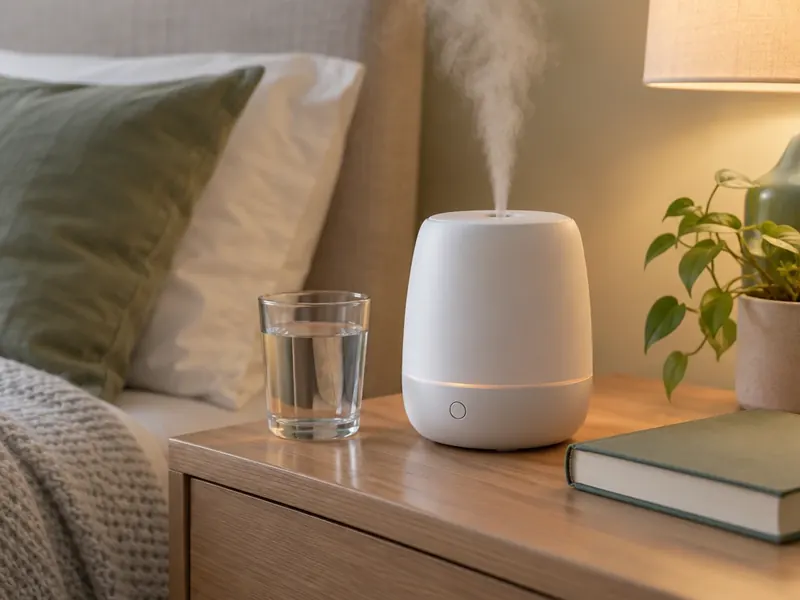
The main points in 30 seconds
- Septoplasty straightens the nasal septum to make breathing easier.
- A blocked nose, crusts and mild bleeding are normal in the first days.
- Most people return to office work after about one to two weeks.
- Avoid blowing the nose, sport, heat and flying until the surgeon allows it.
- City Medical Centre corrects the septum within rhinoseptoplasty.
Key facts about the procedure
- Operation time1.5–3 hours
- Main healing4 months
- Stay in clinic1 day
- Price
$6,000from $4,200
Septoplasty recovery: what to expect
Septoplasty is an operation that straightens the nasal septum, the wall of cartilage and bone that divides the nose into two passages. It is done through the nostrils, so there are usually no visible scars. The goal is function: easier breathing through the nose.
Recovery is gradual. The first days are the least comfortable, most people feel much better after one to two weeks, and the lining of the nose continues to heal for several weeks after that. The benefit for breathing is usually judged once the swelling inside the nose has settled.
- Days 1–2
- Blocked nose, mouth breathing, slight bleeding and discharge
- Days 2–7
- Packing or splints removed, swelling inside the nose starts to go down
- Weeks 1–2
- Crusts, some congestion, first follow-up visit, return to light activity
- Weeks 3–4
- Breathing becomes noticeably easier, most restrictions end
- Months 2–3
- The lining heals fully, the final effect on breathing becomes clear
Who needs septoplasty and how it is done
A slightly off-centre septum is very common and often causes no symptoms. Surgery is considered when the deviation is marked and gets in the way of daily life, for example:
- constant difficulty breathing through one or both sides of the nose;
- mouth breathing, especially at night, and snoring linked to nasal blockage;
- repeated sinus problems or nosebleeds associated with the deviation;
- a deviation after an injury to the nose.
The operation is usually done under general anaesthesia, sometimes under local anaesthesia, and typically takes about an hour to an hour and a half. The surgeon lifts the lining of the septum, straightens, repositions or removes the bent parts of cartilage and bone, and puts the lining back. Soft splints or packing may be placed in the nostrils to support the septum.
When a patient is also unhappy with the shape of the nose, the septum can be corrected together with the outer nose in one operation, called septorhinoplasty or rhinoseptoplasty.
Hospital stay and the first days
Many patients go home on the day of surgery or the next day. After a combined operation on the septum and the shape of the nose, an overnight stay is common.
In the first one to two days you can expect:
- a blocked nose and breathing through the mouth, which dries the mouth and throat;
- a small amount of bleeding and blood-stained discharge, usually for 24 to 48 hours;
- a dull headache or a feeling of pressure in the face;
- mild swelling of the nose and sometimes the upper lip.
Packing, if used, is usually removed within one to two days. Soft internal splints may stay a little longer, often around a week. Pain is usually moderate and can be controlled with the medicines your doctor prescribes. Sleeping with the head raised and drinking enough water make these days easier.
Weeks 1 to 4: breathing, crusts and check-ups
After the splints come out, many people feel an immediate difference, but the lining of the nose is still swollen. It is normal for breathing to go up and down during the first weeks.
- Crusts form inside the nose as the lining heals. Do not pick them out; your doctor will explain how to rinse or moisten the nose.
- Congestion may come and go, especially in the morning and in dry air.
- Sense of smell may be reduced for a while and usually returns as swelling settles.
- Check-ups let the surgeon clean the nose if needed, check the septum and make sure healing is on track.
Most people return to office work and daily routines after about one to two weeks. By the end of the first month breathing is usually clearly easier, although the inside of the nose may take two to three months to heal completely.

What to avoid during recovery
These rules protect the septum while it heals. Your surgeon may adjust them for your case.
- Blowing your nose forcefully for the first weeks. If you need to sneeze, do it with your mouth open.
- Bending over and heavy lifting, which raise pressure in the head and can cause bleeding.
- Sport and strenuous exercise for about three to four weeks; contact sports longer.
- Saunas, hot baths, swimming pools and strong sun for about a month.
- Smoking and alcohol, which slow healing and irritate the lining.
- Medicines and supplements that affect clotting unless your doctor has approved them.
- Flying until your surgeon allows it, usually after the splints are out and the first check-up is done.
Call your surgeon at once if you have heavy bleeding that does not stop, a high temperature, increasing pain, or swelling and pain inside the nose that get worse rather than better.
How to heal faster
Healing takes its own time, but good habits make it smoother and lower the risk of problems:
- sleep with your head raised on an extra pillow for the first week;
- keep the air in your room humid and drink enough water;
- rinse or moisten the nose exactly as your doctor recommends;
- eat light meals, and avoid very hot, spicy and salty food in the first days;
- walk gently from the first days to support circulation, but avoid strain;
- do not stop or start any medicine on your own;
- attend every follow-up visit, even if you feel well.

Getting a personal plan at City Medical Centre
City Medical Centre works with international patients. The clinic performs rhinoseptoplasty, a combined operation that corrects a deviated septum and the shape of the nose at the same time, as well as closed and open rhinoplasty, revision rhinoplasty and reconstructive rhinoseptoplasty, including with a rib cartilage graft. Isolated septoplasty without any change to the outer nose is described in this article as general information, and the right option for you is chosen at the consultation.
The first consultation is free and can be held online. Send photos of your nose and describe your breathing problems, and the surgeon will assess whether surgery is needed and which type suits you. Before surgery a set of tests is done, including a scan of the sinuses. The cost is named after the assessment and fixed in the contract, and after surgery check-ups are planned at 7 days, 3 and 6 months. A personal coordinator stays with you from the first message to the end of recovery, and photos and questions can be sent by Telegram. More details are on the rhinoplasty page.
Sources
Frequently asked questions
How long does septoplasty recovery take?
Most people feel much better after one to two weeks and return to office work in that time. Breathing is usually clearly easier by the end of the first month. The lining of the nose may take two to three months to heal completely, and the final effect is judged after that.
When can I breathe normally after septoplasty?
Breathing through the nose often improves once the packing or splints are removed, but swelling inside the nose can cause congestion for several weeks. For most people breathing becomes noticeably easier within three to four weeks and keeps improving as the lining heals.
When can I fly after septoplasty?
Flying is usually allowed once the splints are out and the surgeon has checked the nose, often after about one to two weeks. Pressure changes in the cabin can cause discomfort or bleeding earlier. The exact timing depends on your healing and is set by your surgeon.
Is septoplasty recovery painful?
Most people describe the first days as uncomfortable rather than very painful: a blocked nose, pressure in the face and a dull headache. Pain is usually well controlled with the medicines your doctor prescribes and eases noticeably after the splints are removed.
When can I exercise after septoplasty?
Gentle walking is fine from the first days. Strenuous exercise is usually postponed for about three to four weeks, and contact sports that risk a blow to the nose for longer. Your surgeon will tell you when it is safe to return to training.
Have a question about your case? Get a free consultation
Message a coordinator on Telegram: we reply right in the chat, and you can send photos and questions there too.
- The first consultation is free, online consultations are available
- The doctor names the cost after the assessment, and it is fixed in the contract
- A personal coordinator guides you from the first message to recovery
Message our coordinator on Telegram
We reply right in the chat — you can send photos
Message us on TelegramBy sending a message, you agree to the privacy policy
Read also
 Rhinoplasty
Swelling after rhinoplasty: how long it lasts, month by month
How long swelling lasts after rhinoplasty, why the tip settles last, what changes week by week and month by month, and how to ease swelling and bruising.
 Rhinoplasty
Upturned or short nose: how rhinoplasty can correct it
What makes a nose upturned or short, when correction is advised, how surgeons lengthen the tip with cartilage grafts, the risks and the recovery timeline.
 Breast augmentation
Seroma After Breast Augmentation: Causes, Signs and Treatment
What a seroma after breast augmentation is, who is more likely to get one, early signs, how it is diagnosed and drained, and how to lower the risk.