




Rhinoplasty6 min read
Swelling after rhinoplasty: how long it lasts, month by month
Swelling is the part of rhinoplasty recovery that tests patience most. The nose looks bigger and less defined at first, and it changes slowly for many months. This guide explains why swelling appears, how it usually develops from the first days to the end of the first year, what helps it settle and when lasting swelling is a reason to see your surgeon.
The main points in 30 seconds
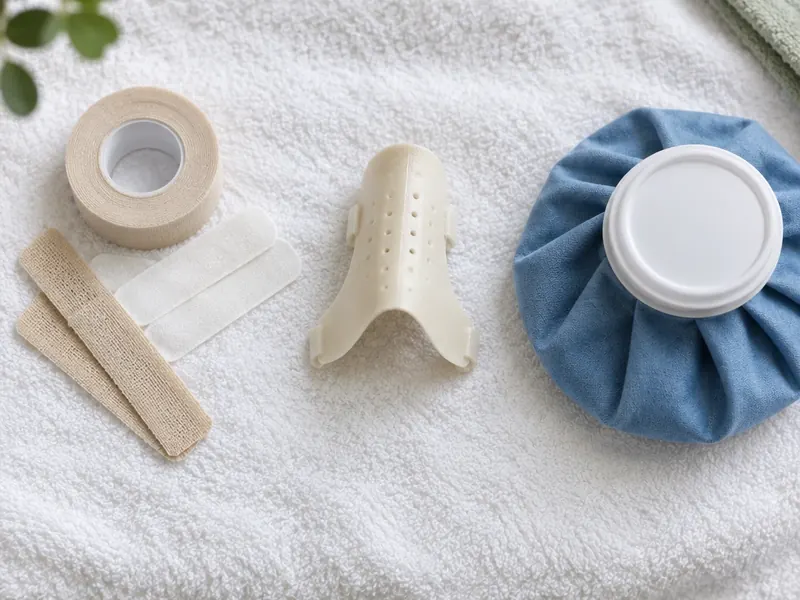
- Most visible swelling goes down within three to four weeks after rhinoplasty.
- Swelling peaks in the first two to three days, together with bruising.
- The tip refines last; with thick skin this can take a year or longer.
- Raised head, less salt, no heat or exertion help swelling settle.
- Sudden new swelling, fever or pain are reasons to contact the surgeon.
Key facts about the procedure
- Operation time1.5–3 hours
- Main healing4 months
- Stay in clinic1 day
- Price
$6,000from $4,200
How long swelling lasts after rhinoplasty
Swelling after nose surgery goes down in stages. Most of it settles within the first few weeks, so that friends and colleagues no longer notice anything. The remaining swelling is subtle and disappears slowly, and the tip of the nose is usually the last area to refine.
As a rough guide, the first clear improvement is visible after two to three weeks. The shape keeps changing for months, and the final result is usually judged only after 12 to 18 months. The exact pace depends on the extent of surgery, the thickness of the skin and how the body heals.
- Days 1–3
- Swelling peaks, bruising around the eyes, breathing through the mouth
- Days 7–14
- Splints and cast removed, bruising fades, the nose still looks full
- Weeks 3–4
- Most visible swelling has gone, the bridge becomes clearer
- Months 2–6
- The nose slowly refines, the tip remains slightly full
- Months 6–18
- The tip settles, the final shape becomes visible
Why swelling appears and where
Swelling is the body’s normal response to surgery. During rhinoplasty, the skin is lifted from the framework of the nose and the cartilage and bone are reshaped. Small blood and lymph vessels are disturbed, fluid collects in the tissues, and it takes time for drainage to recover.
Swelling is not the same everywhere:
- The cheeks and eyelids swell in the first days, especially if the nasal bones were reshaped.
- The bridge usually settles relatively early, because the skin there is thinner.
- The tip has thicker skin with more glands and is furthest from good drainage, so it stays full the longest.
- The inside of the nose swells too, which is why breathing feels blocked in the first weeks.
The first days: bruising and peak swelling
Swelling usually increases for the first two to three days and then begins to go down. Bruising under the eyes may appear or spread during this time, and the face can look puffy in the morning.
For the first 24 hours the patient is usually observed at the clinic. Splints inside the nostrils mean breathing through the mouth for the first days, and an external cast protects the new shape. A dry mouth, a dull headache and a feeling of pressure are common. Keeping the head raised, resting and following the surgeon’s instructions make this stage easier.
Weeks 2 to 4: what changes
At the end of the first week the inner splints are usually removed, and breathing through the nose gradually returns. The external cast is typically worn for up to two weeks and taken off together with the stitches.
When the cast comes off, many patients are surprised that the nose looks wider or more upturned than expected. This is normal: the tissues are still swollen and the skin has not yet shrunk onto the new framework. Bruising fades to yellow and then disappears. By the third or fourth week most people look presentable, although the nose may feel stiff and the tip numb.
During the first month avoid physical exertion, saunas, swimming pools, hot baths and the sun, and sleep on your back with your head raised.

Months 1 to 12: the tip settles last
After the first month the changes become slower and less visible from day to day. It helps to compare photos taken a month apart rather than looking in the mirror every morning.
- Months 1–3. The bridge becomes more defined. A slight feeling of congestion may remain for a month or a little longer. Swelling may return briefly after exercise, salty food or a warm day.
- Months 3–6. The tip starts to refine and the nose looks more natural in photos. Sensation in the tip gradually returns.
- Months 6–12 and beyond. The last swelling in the tip goes, especially with thick skin. The final shape is usually assessed at 12 to 18 months.
After open rhinoplasty, or when a lot of work was done on the tip, this final stage often takes longer.
How to reduce swelling and bruising
Swelling cannot be switched off, but these habits help it settle more comfortably:
- sleep on your back with the head raised for the first weeks;
- apply cool compresses around the eyes (not on the nose itself) in the first days if your surgeon approves;
- limit salty, spicy and fatty food, which can hold fluid in the tissues;
- avoid alcohol and smoking for at least a month;
- avoid bending over, heavy lifting and sport until the surgeon allows them;
- stay out of saunas, hot baths and strong sun;
- do not wear glasses on the bridge and do not rub the nose;
- keep the air in the room humid.
The surgeon may also recommend a course of physiotherapy, such as microcurrent or ultrasound therapy, to support recovery. Any medicine should be taken only as prescribed by your doctor.
When persistent swelling needs a doctor
Slow swelling of the tip over months is expected. Some signs, however, are not part of normal healing and should be reported to your surgeon without delay:
- swelling that suddenly increases after it had been going down;
- swelling on one side only, with pain or a feeling of pressure inside the nose;
- redness, warmth, fever or discharge with an unpleasant smell;
- heavy bleeding or a change in the shape of the nose after a knock;
- breathing that becomes worse rather than better over time.
If the tip still looks noticeably full after several months without other symptoms, discuss it at your follow-up visit. The surgeon will check whether it is ordinary slow swelling, often linked to thick skin, or something that needs treatment.
Getting a personal plan at City Medical Centre
City Medical Centre works with international patients. The clinic performs closed and open rhinoplasty, revision rhinoplasty, septorhinoplasty and reconstructive rhinoseptoplasty, including with a rib cartilage graft. The operation is done under general anaesthesia with a one-day hospital stay, and after it you receive a recovery programme.
Check-ups are planned at 7 days, 3 months and 6 months, and for a year after surgery consultations with your surgeon are free. The first consultation is free and can be held online: send photos of your nose from several angles, and the surgeon will explain what recovery may look like in your case and name the cost, which is fixed in the contract. A personal coordinator stays with you from the first message to the end of recovery, and photos and questions can be sent by Telegram. More details are on the rhinoplasty page.
Sources
Frequently asked questions
How long does nose swelling last after rhinoplasty?
Most visible swelling goes down in the first three to four weeks. Subtle swelling then settles over several months, and the tip is usually the last to refine. The final shape is typically judged 12 to 18 months after surgery, depending on the skin and the extent of the operation.
Why is the nose tip still swollen months later?
The skin on the tip is thicker, has more glands and drains fluid less efficiently than the bridge. The tip is also often where most of the reshaping is done. For these reasons it refines last, and with thick skin this can take a year or longer.
Is swelling worse after open rhinoplasty?
Swelling of the tip often lasts longer after open rhinoplasty, because the skin is lifted more widely and the tip is usually worked on more. Overall recovery follows the same stages. Your surgeon chooses the approach based on your anatomy and goals.
How can I reduce bruising after rhinoplasty?
Keep your head raised, rest in the first days, use cool compresses around the eyes if your surgeon allows it, avoid alcohol, smoking, heat and exertion, and do not bend over. Bruising usually fades within one to two weeks.
When can I return to work after rhinoplasty?
Many people return to office work after one to two weeks, once the cast is off and bruising has faded. Physical work and sport usually need to wait at least a month. The surgeon gives personal advice based on how your recovery is going.
Have a question about your case? Get a free consultation
Message a coordinator on Telegram: we reply right in the chat, and you can send photos and questions there too.
- The first consultation is free, online consultations are available
- The doctor names the cost after the assessment, and it is fixed in the contract
- A personal coordinator guides you from the first message to recovery
Message our coordinator on Telegram
We reply right in the chat — you can send photos
Message us on TelegramBy sending a message, you agree to the privacy policy
Read also
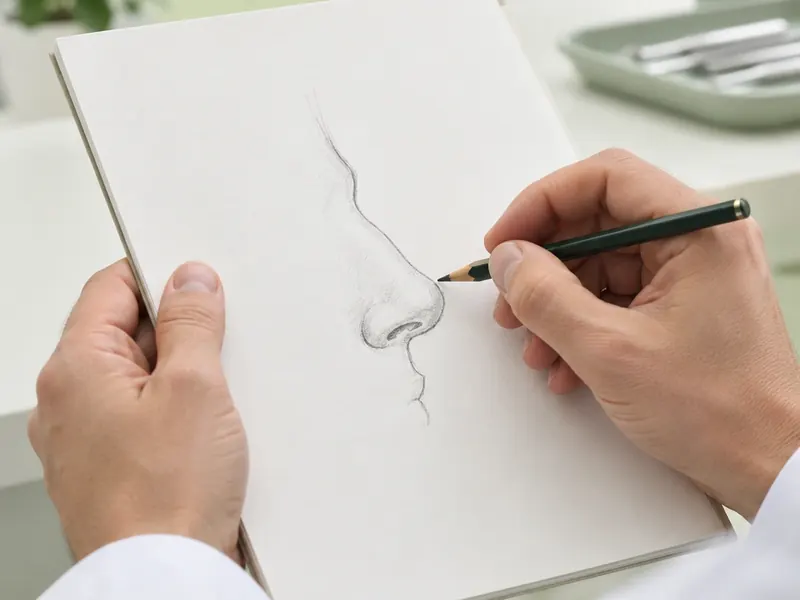 Rhinoplasty
Upturned or short nose: how rhinoplasty can correct it
What makes a nose upturned or short, when correction is advised, how surgeons lengthen the tip with cartilage grafts, the risks and the recovery timeline.
 Rhinoplasty
How to choose the right nose shape for your face
How to choose a nose shape that suits your face: proportions and angles, assessing each zone of the nose, 3D forecasts, realistic goals and long-term results.
 Bariatric surgery
Tests and check-ups before bariatric surgery: what is needed and why
Which tests are needed before bariatric surgery: blood work, gastroscopy, ultrasound, heart and lung checks, extra tests and findings that can delay surgery.