




















Bariatric surgery6 min read
SADI-S surgery explained: how it works and who needs this type of bypass
SADI-S is one of the newer and more powerful weight loss operations. It combines a sleeve gastrectomy with a bypass of a large part of the small intestine, using a single connection. This guide explains what SADI-S is, how it differs from other bypass operations, who it is usually recommended for, what it does for weight and type 2 diabetes and what lifelong care it requires.

The main points in 30 seconds
- SADI-S combines a sleeve gastrectomy with a bypass of much of the small intestine.
- It uses a single intestinal connection and keeps the pylorus valve.
- It is usually considered for a BMI around 50 or more, severe diabetes or after a sleeve.
- Weight loss and effects on type 2 diabetes are often strong and lasting.
- Daily supplements and regular blood tests are needed for life.
Key facts about the procedure
- Back to work2–4 weeks
- Stay in clinic1–5 days
- Final result18–24 months
- Price
$4,800from $3,600
What SADI-S is
SADI-S stands for single anastomosis duodeno-ileal bypass with sleeve gastrectomy. The name describes the two parts of the operation. First, the surgeon turns the stomach into a narrow tube, as in a sleeve gastrectomy. Then the first part of the small intestine, just after the stomach, is divided and joined directly to a lower loop of the intestine called the ileum.
- The sleeve reduces stomach volume and removes the part that produces most of the hunger hormone ghrelin.
- The bypass means food travels a shorter distance through the gut before meeting the digestive juices, so fewer calories and fats are absorbed.
- Single anastomosis means there is only one new connection in the intestine, which makes the operation simpler than the classic duodenal switch.
The valve at the outlet of the stomach, the pylorus, is kept. This helps control how fast food leaves the stomach.
How it differs from other bypass operations
SADI-S belongs to the duodenal switch family of operations. Compared with the more familiar gastric bypass, it acts more strongly on absorption. The table summarises the main differences.
Roux-en-Y gastric bypass
- Stomach
- Small pouch, rest of stomach left in place
- Connections in the gut
- Two
- Pylorus
- Bypassed
- Effect on absorption
- Moderate
- Nutritional follow-up
- Lifelong
Mini gastric bypass (MGB)
- Stomach
- Long narrow tube, rest left in place
- Connections in the gut
- One
- Pylorus
- Bypassed
- Effect on absorption
- Moderate to strong
- Nutritional follow-up
- Lifelong
SADI-S
- Stomach
- Sleeve, part of stomach removed
- Connections in the gut
- One
- Pylorus
- Preserved
- Effect on absorption
- Strong
- Nutritional follow-up
- Lifelong and especially careful
Because the pylorus is preserved, the risk of certain problems typical of gastric bypass, such as dumping after sugary food, may be lower. On the other hand, the longer bypassed segment means a higher risk of nutritional deficiencies.
Who SADI-S is recommended for
SADI-S is not a first choice for everyone. It is usually considered when a strong and lasting effect is needed. The surgeon makes the decision after a full work-up. You can read about the methods offered on our bariatric surgery page.
- People with a very high BMI, usually 50 or more, sometimes called super obesity.
- People with severe or long-standing type 2 diabetes.
- People who had a sleeve gastrectomy but lost too little weight or regained weight; SADI-S can be done as a second stage.
- People who are able to take supplements every day and attend regular blood tests for life.
SADI-S is usually not suitable for people who cannot commit to lifelong follow-up, have certain bowel diseases or have a BMI at which a simpler operation would be enough.
Effects on weight and type 2 diabetes
SADI-S is one of the most effective bariatric operations for weight loss. Many patients lose a large share of their excess weight, often more than after a sleeve alone, and the result tends to be durable. Individual outcomes depend on starting weight, habits and adherence to follow-up.
The operation also has a strong effect on metabolism. In many people with type 2 diabetes, blood sugar improves significantly, sometimes within weeks, and medication can often be reduced under a doctor’s supervision. High blood pressure, high blood fats and sleep apnoea frequently improve as well. These are typical outcomes, not guarantees.
When results appear and how long they last
Weight loss starts immediately after surgery and is fastest during the first six months. Most of it happens in the first 12 to 24 months, after which weight usually stabilises.
- First weeks: a staged diet from liquids to purées and soft foods, with rapid initial weight loss.
- First year: steady weight loss and, often, improvement in diabetes and blood pressure.
- Long term: results are usually stable, although some regain is possible if eating habits slip.
Because SADI-S changes absorption, its effect tends to be more durable than that of purely restrictive operations.

Side effects and lifelong supplements
SADI-S is a major operation and carries the general risks of bariatric surgery, such as bleeding, leaks from the staple line or the connection, infection and blood clots. The specific trade-offs of this operation relate to digestion and nutrition.
- More frequent and looser bowel movements, sometimes with a strong smell, especially after fatty meals.
- Risk of deficiency in protein, vitamins and minerals, including fat-soluble vitamins, iron and calcium.
- Need for daily supplements prescribed by the doctor, for life.
- Regular blood tests, usually several times in the first year and then at least once a year.
Most problems can be prevented or corrected when patients take their supplements, eat enough protein and attend follow-up visits. Skipping them is the main cause of serious deficiencies.
SADI-S at City Medical Centre
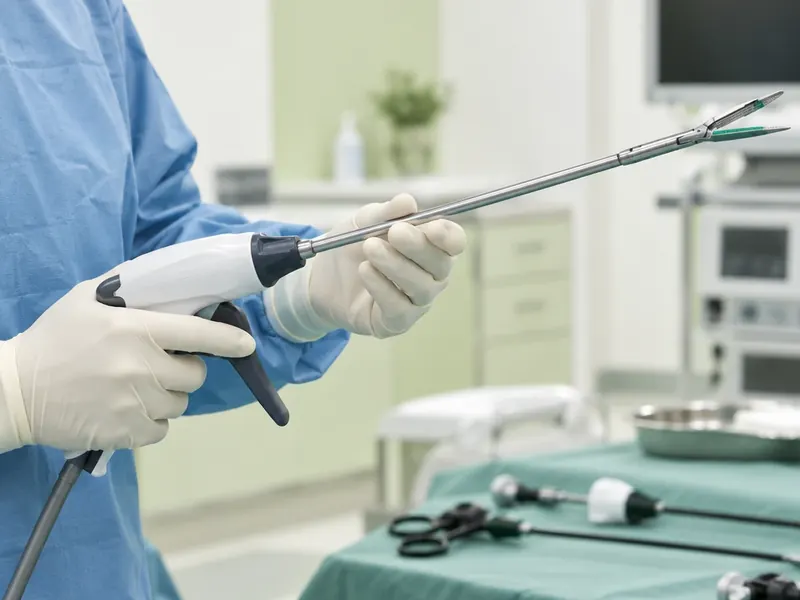
City Medical Centre works with international patients and performs SADI-S alongside sleeve gastrectomy, Roux-en-Y gastric bypass and mini gastric bypass (MGB). The operations are laparoscopic, and the full diagnostic work-up, from blood tests to gastroscopy, can be done in one building. After surgery patients stay under observation for one to five days, and during the first year specialists follow weight loss, test results and nutrition.
The first consultation is free and can be held online: send your height, weight and medical history by Telegram, and the surgeon will explain whether SADI-S or another operation suits you. The doctor names the cost after the assessment, and it is fixed in the contract. A personal coordinator stays with you from your first message to the end of recovery. Learn more on the bariatric surgery page.
How recovery usually goes
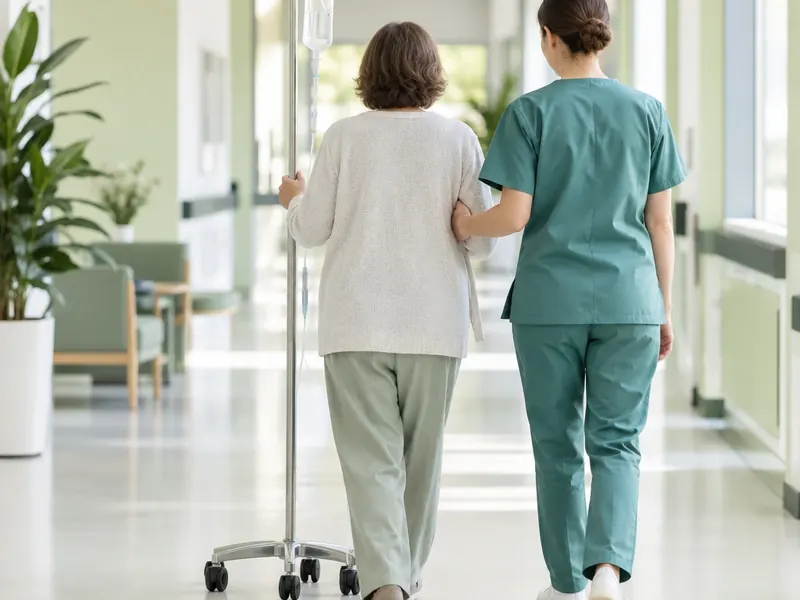
- First hoursYou may sit up, stand and drink fluids
- 1–5 daysObservation at the clinic, depending on the extent of surgery
- 2–4 weeksReturn to office work; physical work after about 1.5 months
- 1–2 monthsStaged diet from liquids to solids to let the stomach adapt
- Every monthOn average 10% of excess weight lost per month
- 1.5–2 yearsFinal result, stable eating habits prevent the weight from returning
Sources
Frequently asked questions
What does SADI-S stand for?
SADI-S stands for single anastomosis duodeno-ileal bypass with sleeve gastrectomy. The stomach is turned into a narrow sleeve, and the first part of the small intestine is joined directly to a lower loop, so food bypasses a large part of the gut. Only one new connection is made.
Who is a candidate for SADI-S?
SADI-S is usually considered for people with a BMI of around 50 or more, severe type 2 diabetes, or insufficient weight loss after a sleeve. Candidates must be willing to take supplements and have blood tests for life. The surgeon decides after a full examination.
Is SADI-S better than gastric bypass?
SADI-S often gives greater and more lasting weight loss, especially at a very high BMI, and a strong effect on diabetes. It also carries a higher risk of nutritional deficiencies. Gastric bypass has a longer track record and a more moderate effect on absorption. The better choice depends on the individual.
Do I need vitamins after SADI-S?
Yes. After SADI-S, supplements of vitamins and minerals are needed every day for life, as prescribed by the doctor, together with enough protein. Regular blood tests check that levels stay normal. Skipping supplements can lead to serious deficiencies.
Can SADI-S be done after a sleeve?
Yes. SADI-S is often used as a second stage for people who had a sleeve gastrectomy but lost too little weight or regained it. Because the sleeve is already in place, the surgeon adds the intestinal bypass. Suitability is assessed individually.
Have a question about your case? Get a free consultation
Message a coordinator on Telegram: we reply right in the chat, and you can send photos and questions there too.
- The first consultation is free, online consultations are available
- The doctor names the cost after the assessment, and it is fixed in the contract
- A personal coordinator guides you from the first message to recovery
Message our coordinator on Telegram
We reply right in the chat — you can send photos
Message us on TelegramBy sending a message, you agree to the privacy policy
Read also
 Bariatric surgery
Sleeve gastrectomy explained: how the operation works and who it suits
Gastric sleeve explained: how the operation is done, who it suits, expected weight loss, sleeve vs bypass, risks, recovery and conversion options later.
 Bariatric surgery
Tests and check-ups before bariatric surgery: what is needed and why
Which tests are needed before bariatric surgery: blood work, gastroscopy, ultrasound, heart and lung checks, extra tests and findings that can delay surgery.
 Facelift
Sagging face after weight loss: how to restore facial contours
Why the face sags after fast weight loss, how to protect your skin, options for mild, moderate and marked sagging and when to plan a facelift after weight loss.