






Rhinoplasty6 min read
Cosmetic and medical rhinoplasty: indications and contraindications
People come to rhinoplasty for different reasons. Some want to change the shape of the nose, others cannot breathe properly after an injury or because of a deviated septum, and many have both concerns at once. The reason matters: it shapes the plan of the operation, what the surgeon focuses on and what result you can realistically expect. This article explains how medical and cosmetic rhinoplasty differ, which problems each one addresses, who should not have nose surgery, which types of operation exist and what preparation and recovery involve.
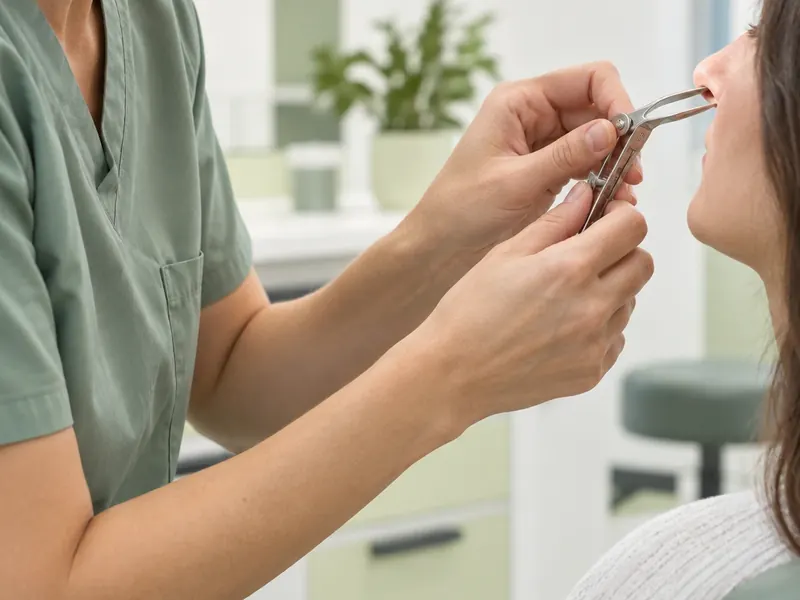
The main points in 30 seconds
- Cosmetic rhinoplasty changes shape; medical rhinoplasty restores breathing or repairs injury.
- Many operations combine both goals, so the airway is always assessed.
- Surgery is not done under 18 or with infections, clotting problems or uncontrolled illness.
- Rhinoseptoplasty fixes the septum and the shape of the nose in one operation.
- The final shape settles over 1–1.5 years; check-ups help track healing.
Key facts about the procedure
- Operation time1.5–3 hours
- Main healing4 months
- Stay in clinic1 day
- Price
$6,000from $4,200
Medical vs cosmetic rhinoplasty: key differences
Rhinoplasty is surgery on the bone and cartilage framework of the nose. When the main aim is to change how the nose looks, it is called cosmetic or aesthetic rhinoplasty. When the aim is to restore function, most often breathing, or to repair damage after an injury, the reasons are medical. In practice the line is often blurred: a crooked nose after a fracture looks different and breathes worse at the same time.
Main goal
- Cosmetic rhinoplasty
- Shape and proportions of the nose
- Medical rhinoplasty
- Breathing, repair after injury, septum
Typical reasons
- Cosmetic rhinoplasty
- Hump, wide bridge, bulbous tip, asymmetry
- Medical rhinoplasty
- Deviated septum, nasal injury, obstructed airflow
How success is judged
- Cosmetic rhinoplasty
- Harmony with the face and your expectations
- Medical rhinoplasty
- Easier breathing and a stable structure
Assessment
- Cosmetic rhinoplasty
- Examination, photos, result modelling
- Medical rhinoplasty
- Examination plus imaging of the nose and sinuses
Many operations combine both goals. Correcting the shape without checking the airway can worsen breathing, and fixing the airway without considering appearance can change the look of the nose, so a good surgeon always assesses both.
Medical indications: breathing, injury, septum
Medical reasons for nose surgery usually involve problems with airflow or the structure of the nose:
- Deviated septum: the wall between the nostrils is bent, so one side of the nose is narrowed and breathing through it is hard.
- Nasal injury: after a fracture the nose may heal crooked or flattened, with both visible deformity and blocked breathing.
- Marked breathing problems: constant congestion on one or both sides, mouth breathing, snoring or poor sleep linked with the structure of the nose.
- Saddle nose: a collapsed bridge, often after injury or earlier surgery, which can affect both support and airflow.
- Nasal polyps: growths in the nasal passages that block breathing; their treatment is planned together with the specialist who assesses the nose.
Before a medical operation the surgeon examines the inside of the nose and usually orders imaging of the sinuses to understand exactly what narrows the airway.
Cosmetic indications: shape and proportions
Cosmetic rhinoplasty addresses features that make the nose look out of balance with the rest of the face:
- A pronounced hump on the bridge of the nose, visible in profile.
- A wide nasal bridge or wide base of the nose.
- A bulbous or drooping tip.
- Asymmetric nostrils or cartilage, where one side looks different from the other.
- A nose that is too long or too large for the proportions of the face.
The aim of modern cosmetic surgery is not a standard nose but one that suits your face. That is why honest expectations matter: surgery can make the nose more harmonious, but it cannot copy someone else's nose or change the rest of the face. At the consultation the surgeon explains what is realistic for your anatomy.
Contraindications for any nose surgery
Whatever the reason, rhinoplasty is not suitable for everyone. City Medical Centre's rhinoplasty page lists the main contraindications:
- age under 18, while the nose is still growing;
- infectious diseases;
- inflammation of the ears, throat, nose or eyes;
- blood clotting problems;
- cancer;
- decompensated chronic diseases;
- mental health disorders;
- skin damage in the area of the planned surgery.
Some contraindications are temporary: after an infection or inflammation clears up, surgery can be planned. The optimal age for primary rhinoplasty is usually 18 to 45, when the nose is fully formed and tissues heal well; with medical reasons, surgery can be done later if general health allows.
Operation types for each goal
The type of operation depends on what needs to be corrected:
- Primary rhinoplasty: the first operation on the nose, which changes its shape and can also improve breathing when the framework of the nose narrows the airway.
- Rhinoseptoplasty: a combined operation that straightens the septum and changes the shape of the nose in one procedure, suitable when a deviated septum and cosmetic concerns occur together.
- Reconstructive rhinoseptoplasty: used after injuries or significant deformities; when the nose lacks its own cartilage for support, cartilage can be taken from a rib.
- Revision rhinoplasty: a repeat operation after an unsuccessful or partly successful first one, performed no earlier than a year after it.
An operation on the septum alone, without changing the outside of the nose, is a separate procedure. Here it is described only for context; the right option for you is chosen at the consultation.
Preparation, recovery and possible complications
Preparation starts about three weeks before surgery with blood tests, a coagulation panel, an ECG, a chest X-ray and imaging of the sinuses. A week before, smoking and alcohol should stop, and any medicines that affect blood clotting are adjusted only after agreement with your doctor.
Rhinoplasty is performed under general anaesthesia and usually takes 1.5 to 3 hours.
- First week: silicone splints in the nostrils and a nasal cast; breathing through the mouth in the first days, swelling and bruising.
- Day 7 to 14: the splints come out around day 7; the cast and stitches are removed by about day 14.
- First month: no sport, saunas, pools or sun, sleep on your back, no glasses resting on the nose.
- Up to 1–1.5 years: residual swelling, especially at the tip, slowly goes down, and the final shape settles.
Recovery after medical and cosmetic operations follows a similar course; after work on the septum, nasal congestion may last a little longer. Possible complications include bleeding, infection, irregularities or asymmetry, breathing problems and dissatisfaction with the result, which is more likely when expectations are unrealistic. Difficulty breathing, severe pain, high temperature or a change in the shape of the nose are reasons to contact the surgeon at once.

Getting a personal plan at City Medical Centre
City Medical Centre works with international patients and performs primary rhinoplasty, revision rhinoplasty and rhinoseptoplasty, including reconstructive rhinoseptoplasty with rib cartilage when needed. City Medical Centre does not perform septoplasty on its own and does not offer non-surgical nose reshaping with injectable fillers.
At the free consultation the surgeon examines your nose and facial proportions, listens to your goals, whether cosmetic, medical or both, creates a 3D model of the expected result and names the cost, which is fixed in the contract. The stay after surgery is one day. Check-ups are planned at 7 days, 3 and 6 months, and for a year after surgery consultations with your surgeon are free. A personal coordinator supports you from the first message to your final check-up. More details on the rhinoplasty page.
Sources
Frequently asked questions
What counts as a medical reason for rhinoplasty?
Medical reasons include a deviated septum, a nose damaged by injury, a collapsed bridge and marked breathing problems caused by the structure of the nose. In these cases the aim is to restore airflow and support, and the shape is often corrected at the same time.
Who should not have rhinoplasty?
Surgery is not done under 18 or with infections, inflammation of the ears, throat, nose or eyes, blood clotting problems, cancer, decompensated chronic diseases, mental health disorders or skin damage in the area of surgery. Some of these are temporary and only delay the operation.
Can I combine cosmetic and functional nose surgery?
Yes. Rhinoseptoplasty straightens the septum and changes the shape of the nose in one operation. This means one anaesthetic and one recovery period instead of two.
Is the recovery different for medical rhinoplasty?
The course is similar: splints and a cast in the first one to two weeks, swelling that settles over months and a final result after about 1–1.5 years. After septum work, nasal congestion may last a little longer at first.
Are rhinoplasty results permanent?
The changes to bone and cartilage are long-lasting, and the final shape settles over about 1–1.5 years. The nose, like the rest of the face, still changes slowly with age, and an injury can affect the result.
Have a question about your case? Get a free consultation
Message a coordinator on Telegram: we reply right in the chat, and you can send photos and questions there too.
- The first consultation is free, online consultations are available
- The doctor names the cost after the assessment, and it is fixed in the contract
- A personal coordinator guides you from the first message to recovery
Message our coordinator on Telegram
We reply right in the chat — you can send photos
Message us on TelegramBy sending a message, you agree to the privacy policy
Read also
 Rhinoplasty
Rhinoplasty, septoplasty or septorhinoplasty: which nose surgery do you need?
Rhinoplasty changes the shape of the nose, septoplasty straightens the septum, septorhinoplasty does both. Compare goals, technique, recovery and who each suits.
 Rhinoplasty
Can rhinoplasty fix breathing problems, snoring and poor sleep?
When nose surgery can improve breathing, how a blocked nose affects sleep, what septorhinoplasty involves, how recovery goes and what to expect for snoring.
 Rhinoplasty
Rhinoplasty myths vs facts: what is really true about nose surgery
Common rhinoplasty myths checked against the facts: fragility, pain, when the result shows, what shapes are possible and how to choose a surgeon.