Rhinoplasty, septoplasty or septorhinoplasty: which nose surgery do you need?
The three names sound alike, and patients often mix them up. In short, one operation changes how the nose looks, one improves how it breathes, and one does both at the same time. This guide explains what each operation involves, how they differ in goals, technique and recovery, who each one suits and how the surgeon decides which is right for you.
By the City Medical Centre editorial teamUpdated
Rhinoplasty
The main points in 30 seconds
Rhinoplasty changes the shape of the nose, septoplasty straightens the septum to ease breathing, and septorhinoplasty does both in one operation.
Septoplasty is done through an incision inside the nose, so there are no visible scars and the outer shape usually stays the same.
A combined operation means one anaesthetic and one recovery, and a corrected septum helps the new shape of the nose stay stable.
Return to desk work usually takes about 1–2 weeks, but the final shape of the nose is judged only after about a year.
Rhinoplasty is usually done from about 18 years of age, once the face has stopped growing; smokers are asked to quit well beforehand.
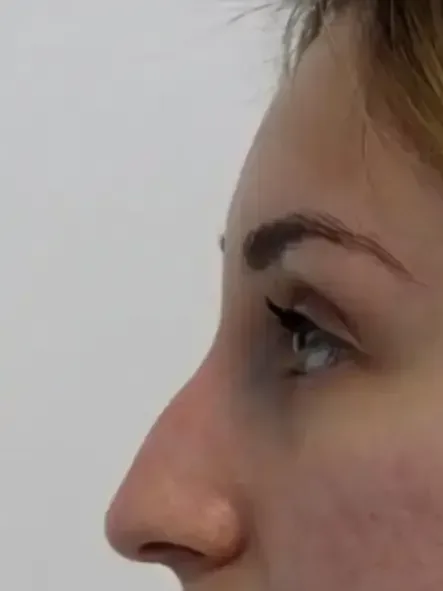
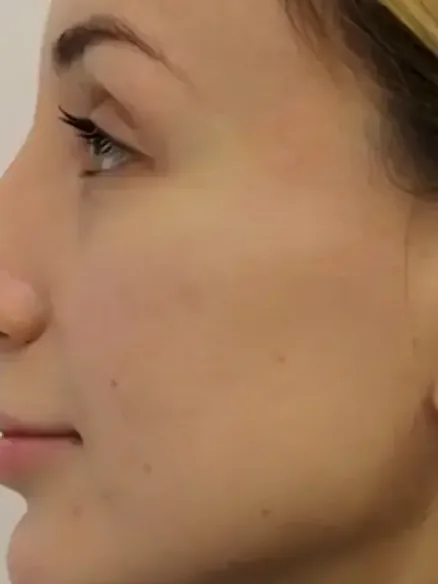
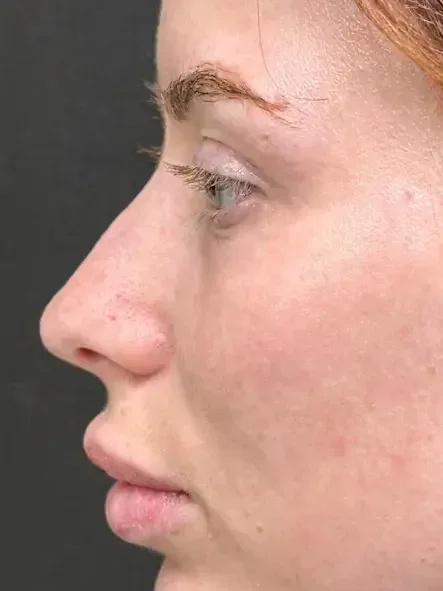
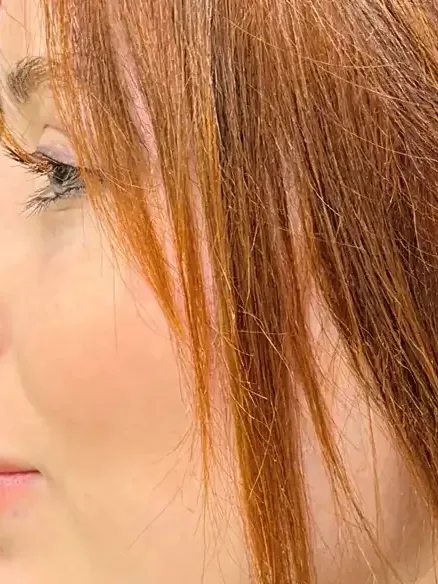
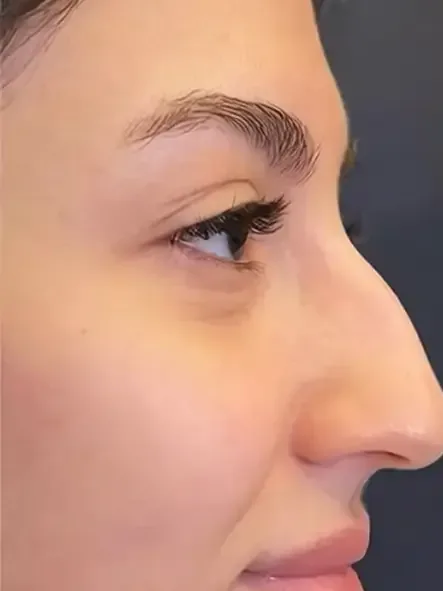
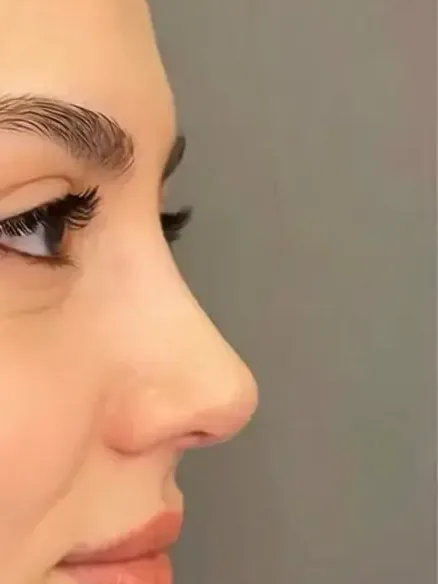
Real before and after photos of City Medical Centre patients. Results are individual.
BeforeAfter
BeforeAfter
BeforeAfter
01
Rhinoplasty, septoplasty or septorhinoplasty: quick answer
The choice depends on what you want to change: the appearance of the nose, your breathing, or both.
Rhinoplasty reshapes the outside of the nose: the bridge, the tip, the width or the nostrils.
Septoplasty straightens the septum, the wall of cartilage and bone that divides the nose inside, to make breathing easier. The outer shape usually stays the same.
Septorhinoplasty combines the two: the surgeon corrects the septum and reshapes the nose in one operation.
Many people who come for a cosmetic change also have a deviated septum, and many people with blocked breathing are unhappy with a crooked nose. That is why the combined operation is common.
02
Rhinoplasty: changing the shape of the nose
Rhinoplasty is surgery on the bone and cartilage that give the nose its shape. It can remove a hump, narrow a wide bridge, refine or lift the tip, straighten a crooked nose or make the nostrils more even. The aim is a nose that fits the proportions of the face and still looks natural.
The surgeon works either through incisions inside the nostrils (closed approach) or adds a small cut across the columella, the strip of skin between the nostrils (open approach). The operation is usually done under general anaesthesia. Rhinoplasty is generally performed once the face has finished growing, typically from about 18 years of age.
Rhinoplasty can also help breathing if the narrow or collapsed outer structures of the nose are part of the problem, but if the cause is a bent septum, septum work is needed as well.
03
Septoplasty: correcting the septum for better breathing
The septum is rarely perfectly straight, and a small deviation causes no trouble. When it is bent enough to narrow one or both nasal passages, it can cause:
difficulty breathing through the nose, often worse on one side;
mouth breathing and a dry mouth, especially at night;
snoring and poor sleep;
repeated sinus problems or nosebleeds in some people.
During septoplasty the surgeon works through an incision inside the nose, lifts the lining, and removes or repositions the bent parts of cartilage and bone. Because everything is done inside, there are no visible scars and the outer shape of the nose usually does not change. If the enlarged turbinates, the ridges on the side walls of the nose, also block airflow, they may be reduced at the same time.
04
Septorhinoplasty: shape and function in one operation
Septorhinoplasty is chosen when a patient has both a breathing problem caused by the septum and a wish or need to change the shape of the nose. It is also common after a nasal injury, when the nose is crooked outside and the septum is bent inside.
Doing both in one operation has clear advantages: one anaesthetic, one recovery period and a result in which shape and breathing are planned together. The septum also supports the tip and the bridge, so correcting it often helps the new shape stay stable. In addition, cartilage removed from the septum can sometimes be used as a graft to support the tip.
The operation takes longer than rhinoplasty or septoplasty alone, and planning is more complex. You can read how it is done at City Medical Centre on our rhinoplasty page.
05
Main differences in goals, technique and recovery
Rhinoplasty
Main goal
Change the shape
What is operated on
Outer bone and cartilage
Change in appearance
Yes
Nasal splint
Usually, about a week
Bruising around the eyes
Common
Typical return to desk work
About 1–2 weeks
Septoplasty
Main goal
Improve breathing
What is operated on
Septum inside the nose
Change in appearance
Usually none
Nasal splint
Often not needed outside
Bruising around the eyes
Uncommon
Typical return to desk work
About 1 week
Septorhinoplasty
Main goal
Shape and breathing
What is operated on
Both
Change in appearance
Yes
Nasal splint
Usually, about a week
Bruising around the eyes
Common
Typical return to desk work
About 1–2 weeks
After any of these operations the nose feels blocked for the first days, and heavy exercise, bending and blowing the nose are avoided for a while. After rhinoplasty and septorhinoplasty most visible swelling settles over the first weeks, but the final shape of the nose is usually judged only after about a year. Breathing after septum correction often improves once the internal swelling has gone down.
06
Who each operation suits and contraindications
Rhinoplasty usually suits adults who are bothered by the shape of the nose and have realistic expectations. Septoplasty suits people whose main complaint is blocked breathing confirmed by an examination. Septorhinoplasty suits those who have both, including many patients after a nasal injury.
Surgery is usually postponed or not advised in the case of:
age under 18, while the face is still growing;
an infection or inflammation of the nose, throat, ears or eyes;
blood clotting disorders;
decompensated chronic diseases or cancer;
certain mental health conditions;
skin damage in the area of surgery.
Smokers are usually asked to stop well before the operation. The final decision is always made by the surgeon after examining the nose inside and out.
07
Getting a personal plan at City Medical Centre
City Medical Centre works with international patients and performs closed, open and revision rhinoplasty as well as septorhinoplasty. Septoplasty on its own is not among the operations we list: the information about it above is general, and the suitable option is chosen at the consultation. The first consultation is free and can be held online: send photos of your face from the front, side and below, describe what you would like to change and whether you have trouble breathing. The surgeon suggests the right operation and names the cost, which is then fixed in the contract.
A personal coordinator stays with you from the first message to the end of recovery and answers questions by WhatsApp. More details are on the rhinoplasty page.
What is the difference between rhinoplasty and septoplasty?
Rhinoplasty changes the outer shape of the nose, such as the bridge, the tip or the width. Septoplasty straightens the septum inside the nose to improve breathing and usually does not change how the nose looks. When both are needed, they are combined in a septorhinoplasty.
Can rhinoplasty and septoplasty be done at the same time?
Yes. The combined operation is called septorhinoplasty. It means one anaesthetic and one recovery, and it lets the surgeon plan the shape and the breathing together. It takes longer than either operation alone, and whether it suits you is decided after an examination.
Does septoplasty change the shape of the nose?
Usually not. Septoplasty is done through an incision inside the nose and works on the septum, so the outer shape normally stays the same. If a crooked outer nose is also part of the problem, the surgeon may suggest a septorhinoplasty instead.
Is recovery longer after septorhinoplasty?
It is similar to recovery after rhinoplasty. A splint is usually worn for about a week, bruising fades over one to two weeks, and most people return to desk work after one to two weeks. The final shape is usually judged after about a year.
How do I know which nose surgery I need?
It depends on whether you want to change the appearance, improve breathing or both. A surgeon examines the nose inside and out, asks about breathing, injuries and previous surgery, and then recommends the operation. You can start with photos at a free online consultation.
Please note. This article is general information, not medical advice. Every operation has contraindications and risks, and the right option is decided only after an examination by a doctor.
Have a question about your case? Get a free consultation
Send your name and phone number, and a coordinator will call you back. You can also send photos and questions on WhatsApp.
The first consultation is free, online consultations are available
The doctor names the cost after the assessment, and it is fixed in the contract
A personal coordinator guides you from the first message to recovery
 Rhinoplasty
 Rhinoplasty
 Hair transplant