












Rhinoplasty6 min read
Rhinoplasty myths vs facts: what is really true about nose surgery
Rhinoplasty is one of the most talked-about operations in plastic surgery, and much of what people hear about it comes from forums, friends and social media. Some of these stories frighten people away from surgery they would benefit from; others create expectations no surgeon can meet. This guide takes the most common myths one by one and explains what actually happens before, during and after nose surgery.

The main points in 30 seconds
- The nose needs protection mainly in the first weeks, not for life.
- First changes show after two to three weeks; the final shape takes one to one and a half years.
- What is possible depends on your skin, cartilage, bones and face.
- Most patients describe discomfort and congestion rather than severe pain.
- A good plan is individual, and the surgeon's experience in nose surgery matters.
Key facts about the procedure
- Operation time1.5–3 hours
- Main healing4 months
- Stay in clinic1 day
- Price
$6,000from $4,200
Rhinoplasty myths vs facts: what is true
Rhinoplasty changes the shape of the nose and, when needed, improves breathing. The surgeon works on the bone and cartilage framework under the skin, then the tissues heal and settle over many months. Most myths come from mixing up the first weeks of recovery with the long-term result, or from judging all noses by one person's story.
A quick overview before the details:
- The nose stays fragile forever
- The framework heals; care is needed mainly in the first weeks
- The result is visible straight away
- First changes show after 2–3 weeks, the final shape after 1–1.5 years
- Any shape is possible
- The result depends on your skin, cartilage, bone and face
- It is very painful
- Most people describe discomfort and congestion rather than severe pain
- Any plastic surgeon can do it well
- Rhinoplasty needs specific training and experience
- Everyone gets the same nose
- A good plan is built around your own features
Myth: the nose stays fragile forever
In the first weeks after surgery the nose really does need protection. Internal splints usually stay for about a week, and an external cast protects the nose for up to two weeks. During this time you avoid bending over, touching the nose, wearing glasses and any activity with a risk of a knock.
After that, the bone and cartilage keep healing and gradually become firm. For about a month, sport, saunas, swimming pools and sun exposure are usually off limits, and contact sports wait longer, as your surgeon advises. Once healing is complete, the nose is not more fragile than any other nose. A strong blow can injure any nose, operated or not.
Myth: the result is visible straight away
When the cast comes off, many patients are surprised: the nose may look wider, higher or less defined than planned. This is swelling, not the final result. The first real improvement is usually visible once the main swelling subsides, after two to three weeks.
The tip of the nose and the skin above it hold swelling longest, especially if the skin is thick. The final shape can be judged only after one to one and a half years, when the tissues have fully stabilised. That is why surgeons ask patients not to judge the result, or plan a correction, in the first months.

Myth: any nose shape is possible
A picture of a celebrity's nose is a useful starting point for a conversation, not a blueprint. What can be achieved depends on:
- the thickness and elasticity of your skin;
- the strength and shape of your cartilage and nasal bones;
- the condition of the septum and how well you breathe;
- the proportions of your face, chin and forehead;
- previous injuries or operations on the nose.
Thick skin, for example, will not show a very fine, sharp tip. A nose made too small for the face can also look unnatural and may breathe worse. A good surgeon explains what is realistic for your anatomy, and 3D modelling can help you see the planned change before you decide.
Myth: rhinoplasty is very painful
The operation itself is done under general anaesthesia, so you feel nothing during it. Afterwards, most patients describe pressure, a blocked nose and a dull ache rather than sharp pain. The first two to three days are usually the least comfortable, partly because you breathe through your mouth while splints are in the nostrils.
Swelling and bruising around the eyes are common and fade over one to two weeks. Pain relief is prescribed by the doctor, and a cool, semi-upright position for sleep helps. Severe or increasing pain, bleeding that does not stop, a high temperature or difficulty breathing are not normal and should be reported to the surgeon straight away.
Myth: any plastic surgeon can do it well
Rhinoplasty is often called one of the most demanding operations in facial surgery. Changes of a millimetre or two affect how the nose looks from the front and in profile, and the surgeon must keep the airway open while reshaping the framework. That is why training and experience in nose surgery matter so much.
When choosing a surgeon, it helps to:
- ask how often they perform rhinoplasty and revision rhinoplasty;
- look at before-and-after photos of noses similar to yours;
- check that breathing is assessed, not only appearance;
- make sure you speak with the surgeon who will actually operate;
- be cautious if you are promised a perfect result or pushed to decide quickly.
Myth: surgeons make everyone the same nose
Some people worry that they will end up with a standard, "operated" nose. Modern rhinoplasty aims for the opposite: a nose that fits your face so well that people notice you look better, not that you had surgery. The plan depends on your goals, your ethnic features, your profile and how you breathe.
Several techniques exist. In closed rhinoplasty, all incisions are inside the nose. In open rhinoplasty, a small incision across the skin between the nostrils gives the surgeon direct access for more complex work. When the septum is deviated, rhinoseptoplasty corrects breathing and shape in one operation. The surgeon chooses the approach after examining your nose.
Getting a personal plan at City Medical Centre
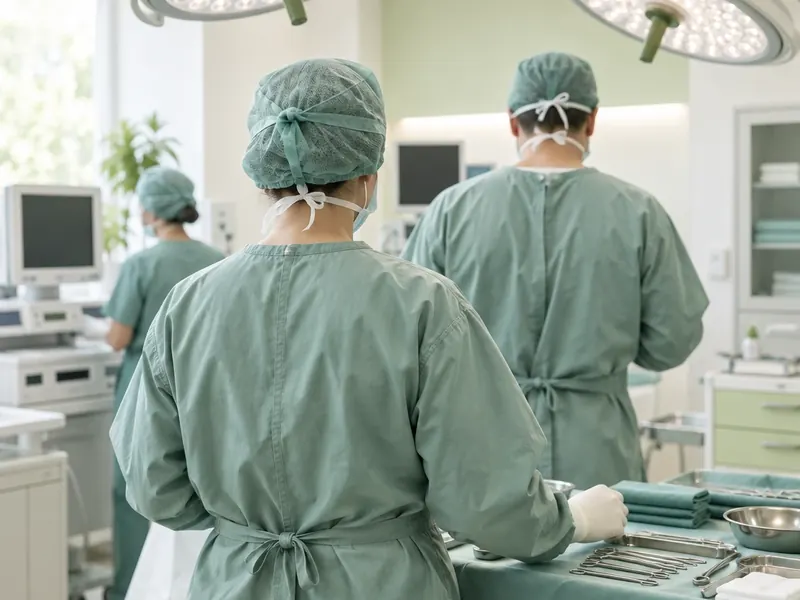
City Medical Centre performs closed and open rhinoplasty, revision rhinoplasty, rhinoseptoplasty and reconstructive rhinoseptoplasty. The operation takes place under general anaesthesia and usually lasts 1.5 to 3 hours, with a one-day stay at the clinic. Splints are removed on about day seven and the cast with the stitches on about day fourteen. Follow-up visits take place at about seven days, three months and six months, and for a year after surgery consultations with your surgeon are free.
The clinic works with patients from abroad. The first consultation is free and can be held online: send photos of your nose from several angles and describe what bothers you. The surgeon assesses your anatomy, explains what is realistic and names the cost, which is then fixed in the contract; at an in-person consultation you can also see a 3D model of the planned result. A personal coordinator stays with you from your first message to the end of recovery, and questions can be sent via Telegram. Read more on our rhinoplasty page.
Sources
Frequently asked questions
Is the nose fragile after rhinoplasty?
Only for a limited time. For the first weeks the nose is protected by splints and a cast, and you avoid knocks, glasses and bending over. Sport and saunas usually wait about a month and contact sports longer. Once healing is complete, the operated nose is no more fragile than any other.
Is rhinoplasty permanent?
The changes to the bone and cartilage framework are long-lasting. The final shape settles after one to one and a half years, and after that the nose ages naturally along with the rest of the face. A new injury can change it, as with any nose.
How painful is rhinoplasty?
You are under general anaesthesia during the operation. Afterwards, most patients describe pressure, congestion and a dull ache rather than severe pain, especially in the first two to three days. Pain relief is prescribed by the doctor. Severe or worsening pain should be reported to the surgeon.
Can I get any nose shape I want?
Not always. The result depends on your skin thickness, cartilage, bones, breathing and facial proportions. A surgeon explains what is realistic for your anatomy, and 3D modelling can show the planned change before you decide.
How do I choose a rhinoplasty surgeon?
Look for a surgeon who performs rhinoplasty regularly, shows before-and-after photos of similar noses, assesses breathing as well as appearance and explains risks honestly. Make sure you meet the surgeon who will operate, and be cautious of promises of a perfect result.
Have a question about your case? Get a free consultation
Message a coordinator on Telegram: we reply right in the chat, and you can send photos and questions there too.
- The first consultation is free, online consultations are available
- The doctor names the cost after the assessment, and it is fixed in the contract
- A personal coordinator guides you from the first message to recovery
Message our coordinator on Telegram
We reply right in the chat — you can send photos
Message us on TelegramBy sending a message, you agree to the privacy policy
Read also
 Rhinoplasty
After rhinoplasty: recovery in the first 7, 14 and 30 days
What rhinoplasty recovery looks like at day 7, day 14 and day 30: swelling, splint and stitches, return to work, exercise and the warning signs to watch.
 Rhinoplasty
Rhinoplasty risks and complications: what can go wrong and how to lower the risk
What can go wrong after rhinoplasty, how to tell normal healing from a real complication, why problems happen and what lowers the risk before and after surgery.
 Rhinoplasty
Rhinoplasty pros and cons: an honest look before you decide
The real benefits and drawbacks of rhinoplasty: appearance, breathing, recovery, swelling, risks and revision, surgery versus fillers and who should wait.