


























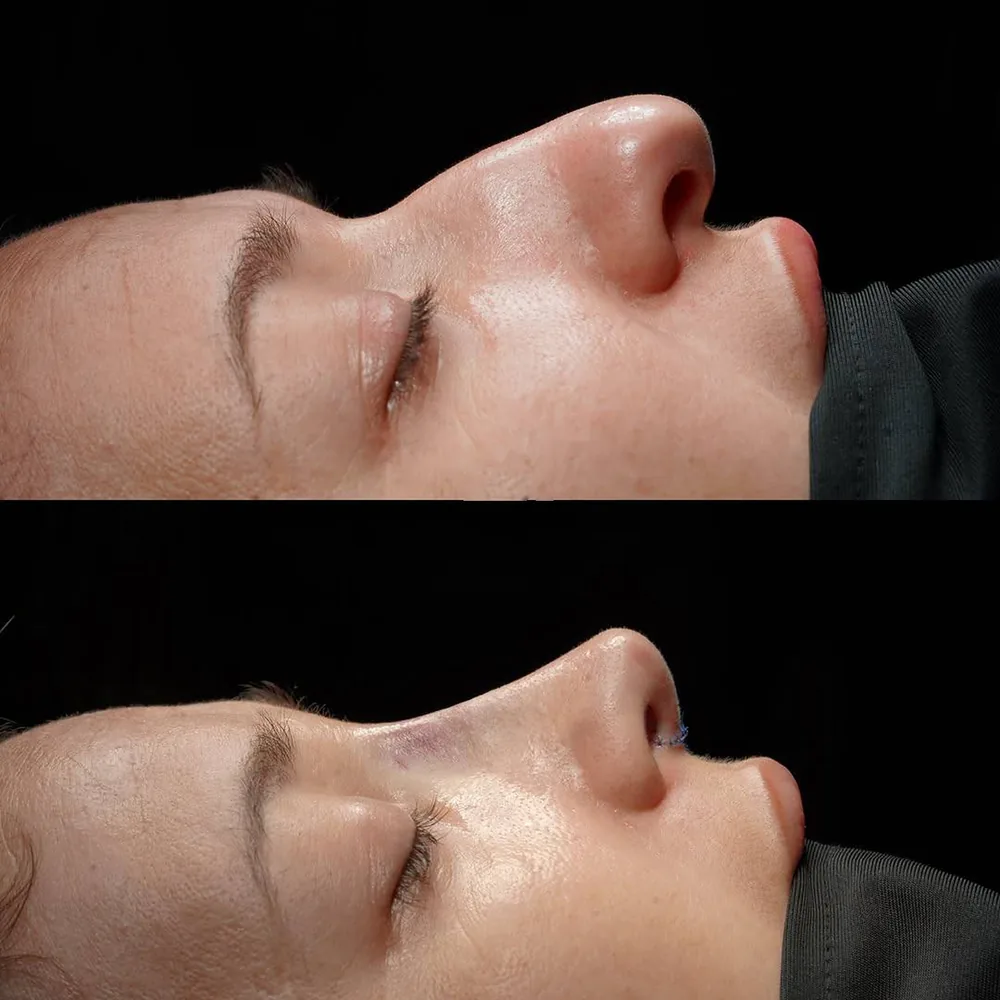
 beforeafter
Irina, 24
Rhinoplasty
Rhinoplasty
$4,200
Instead of $6,000 (≈ €5,400) · First consultation — Free
Free online consultation · Reply within 15 minutes
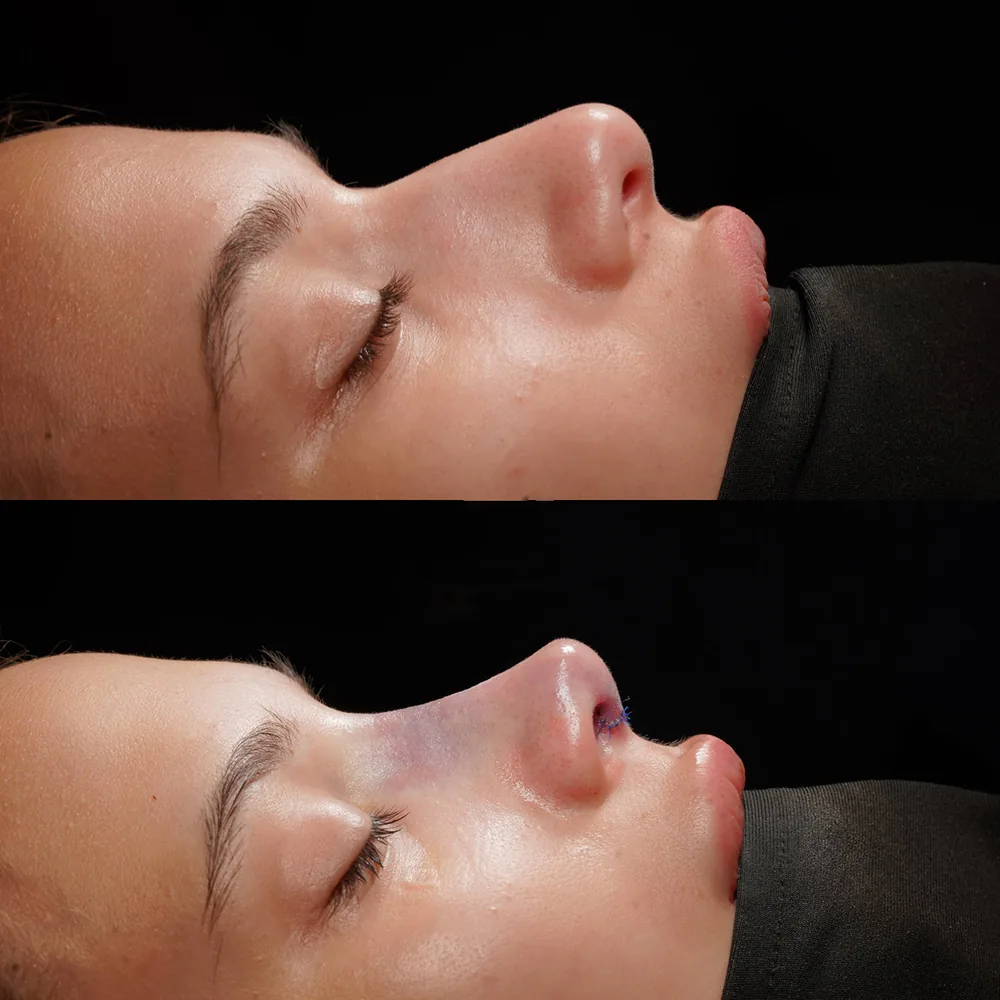 before
after
Message our coordinator
Free online consultation · Reply within 15 minutes
Message us on TelegramMessage us on WhatsAppBy messaging us, you agree to our Privacy Policy
Rhinoplasty for patients from Amsterdam at City Medical Centre starts at €3,750 (from $4,200). The first online consultation is free; the doctor names the final price and it is fixed in the contract.
How it works · Rhinoplasty prices
Information current as of 5 November 2026
Results
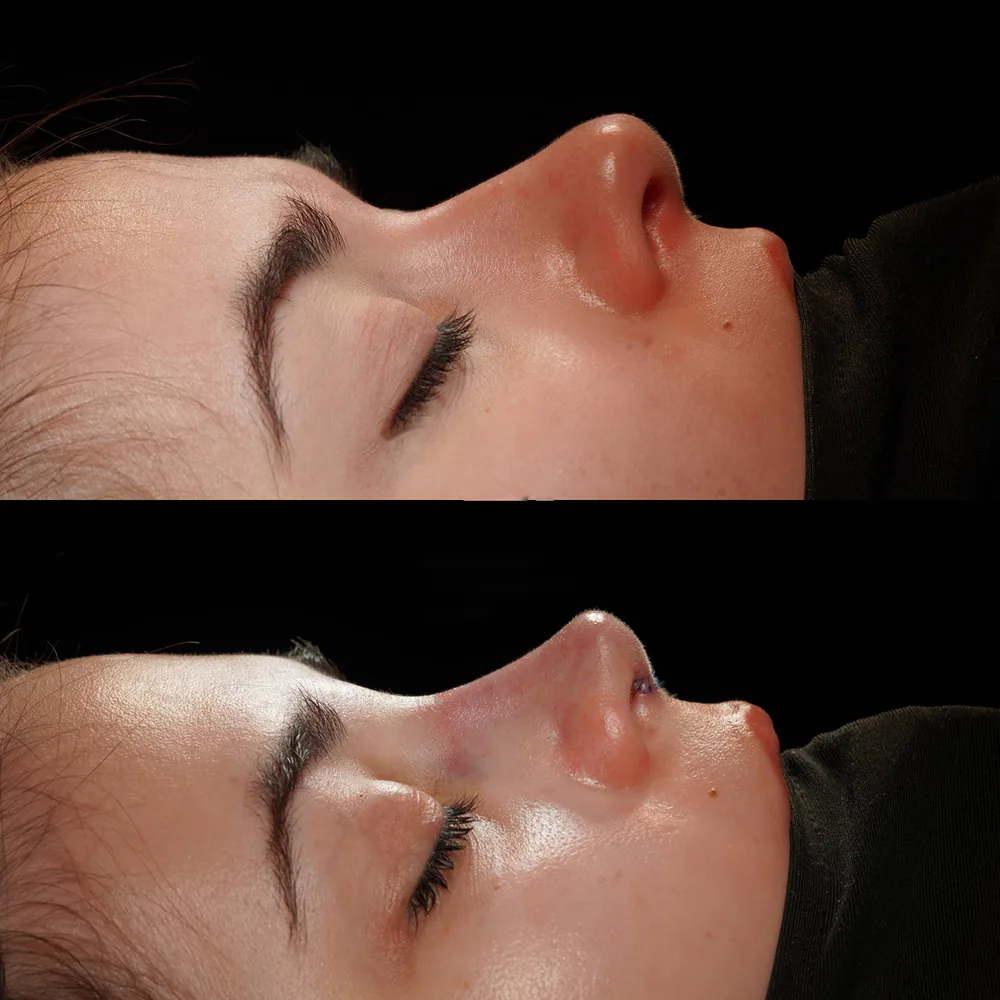
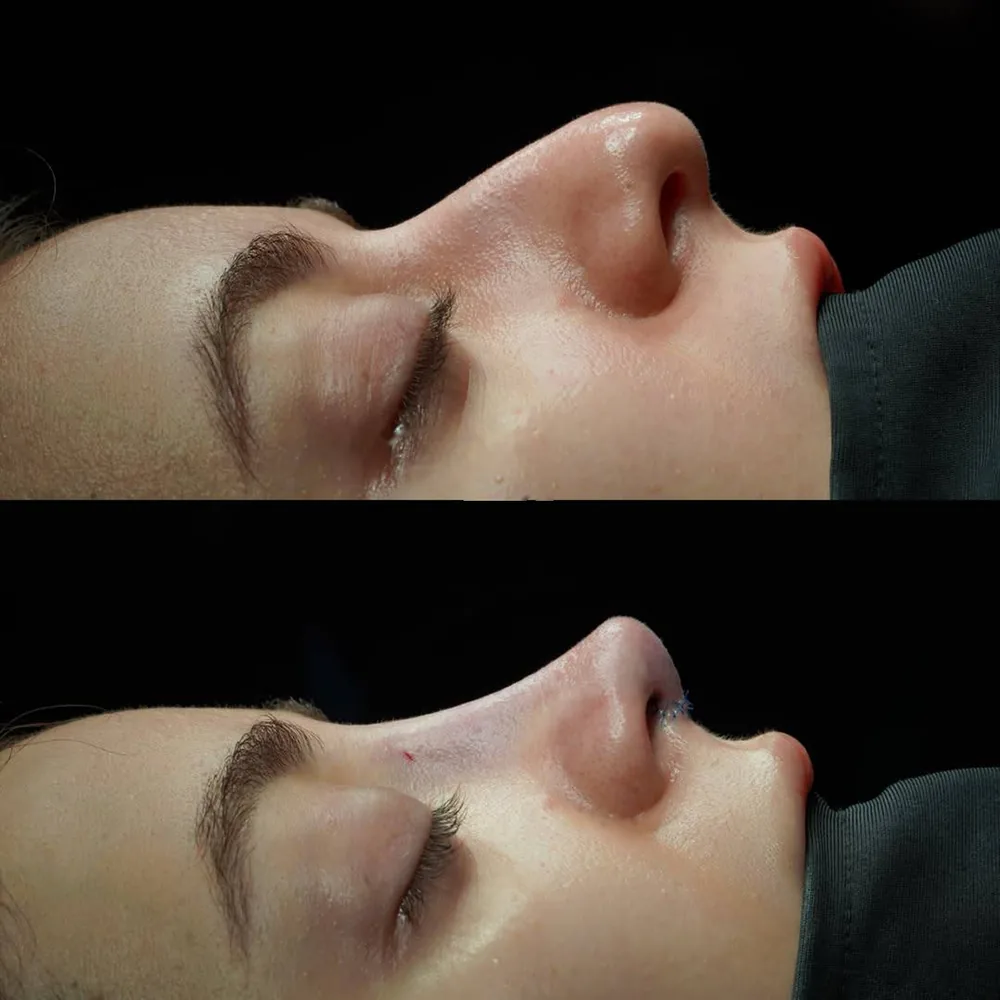
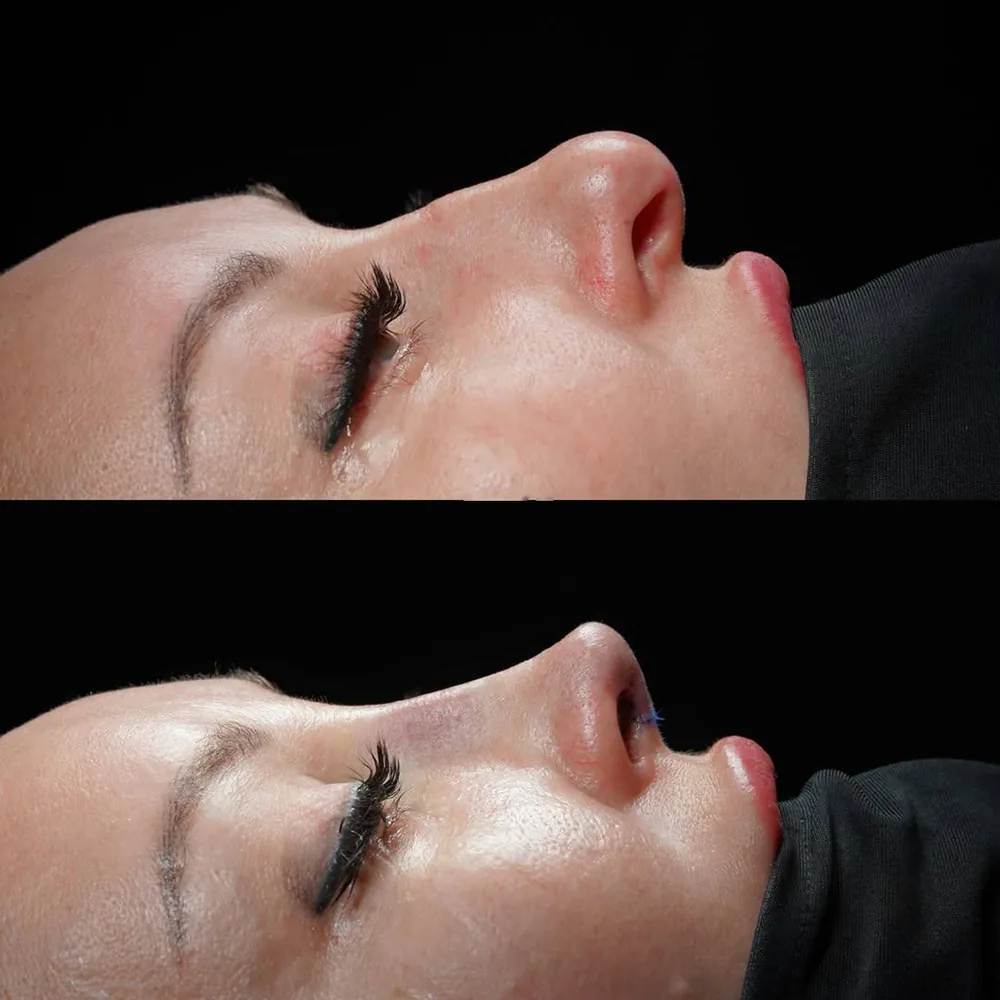
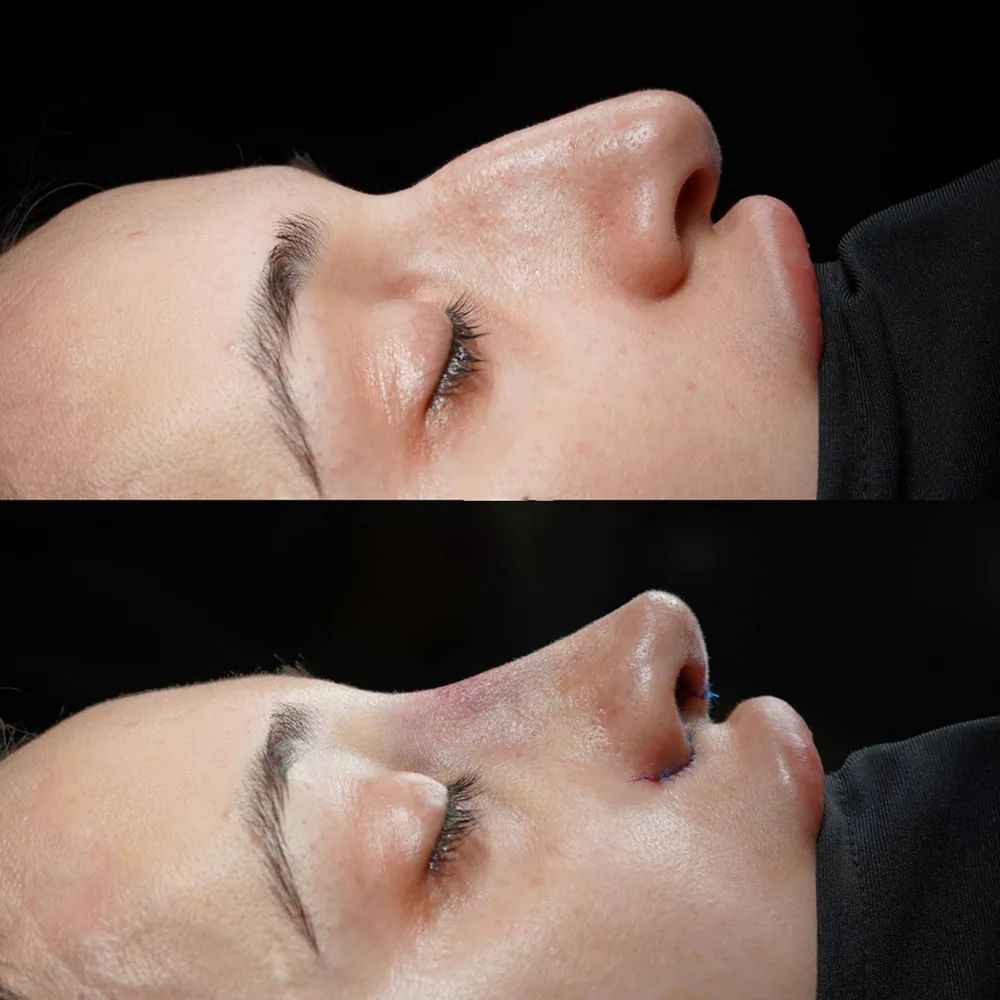
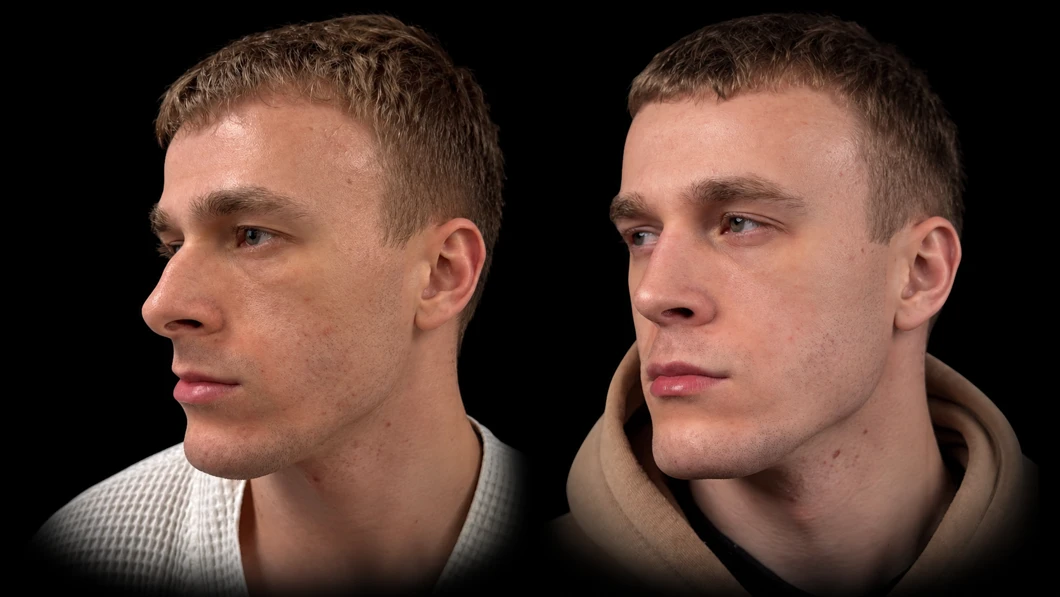
Every case shown belongs to a real patient of the clinic.
You can reach out to the clinic's own patients inside our Telegram community.
beforeafterRhinoplasty
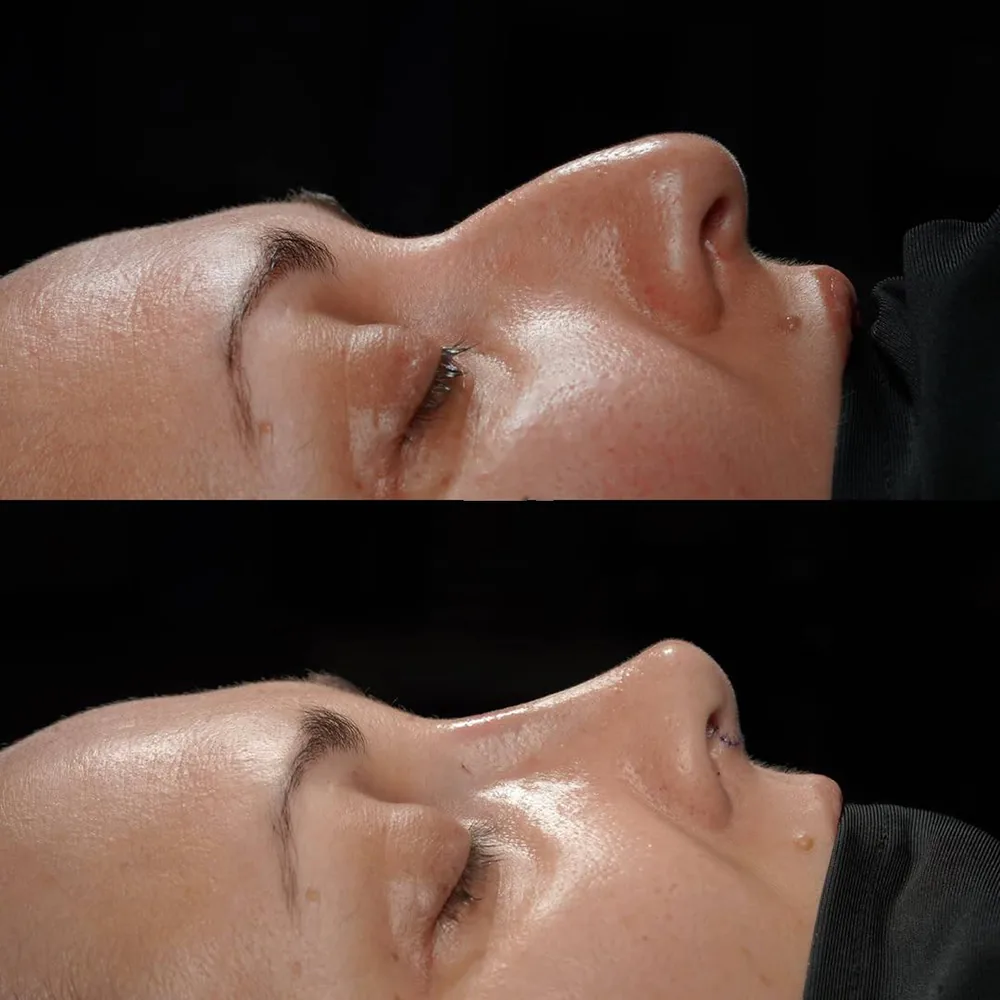 beforeafter
Rhinoplasty
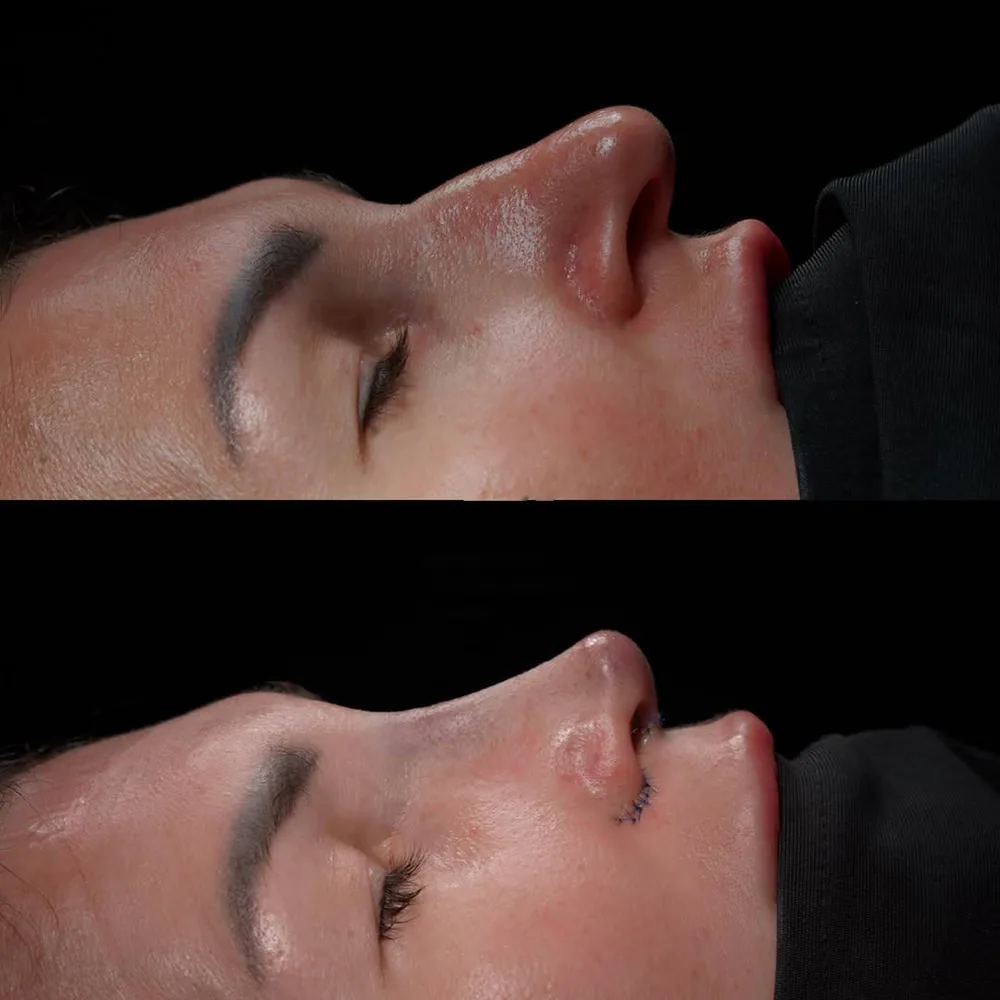 beforeafter
Rhinoplasty
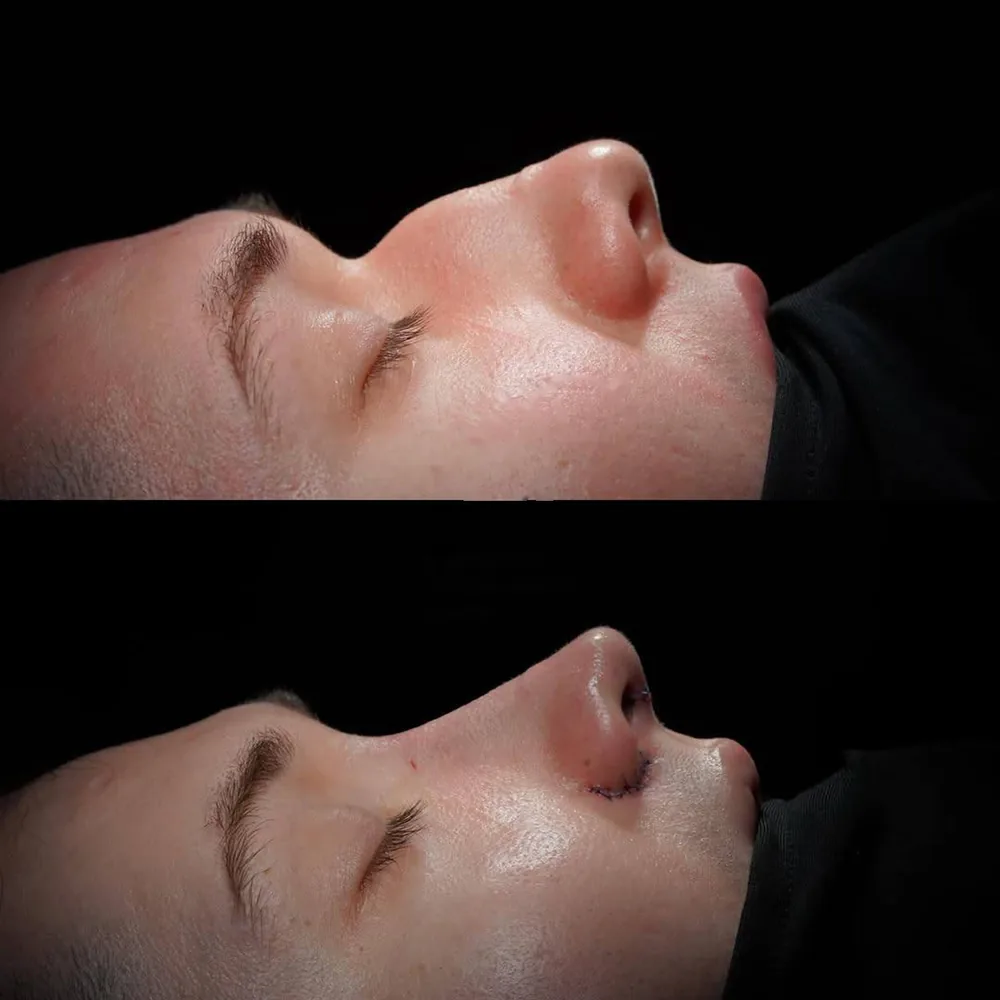 beforeafter
Rhinoplasty
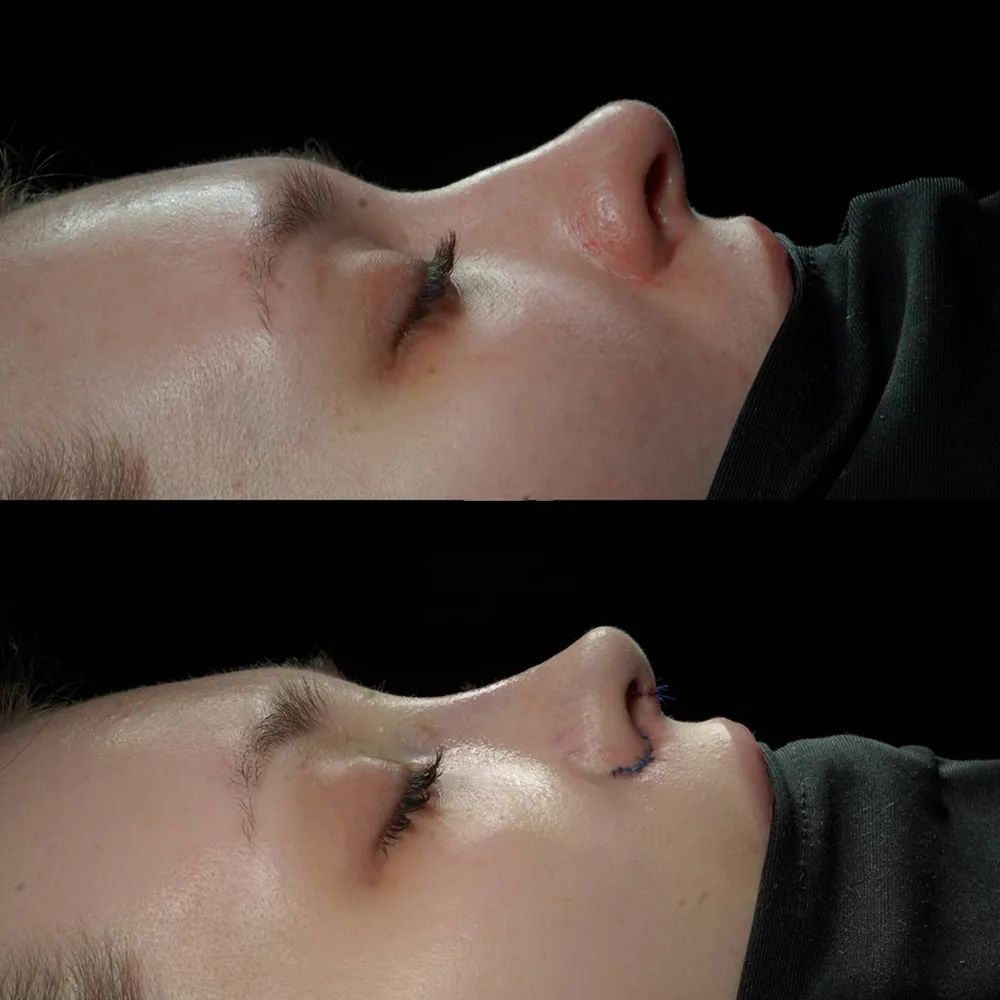 beforeafter
Rhinoplasty
beforeafterRhinoplasty
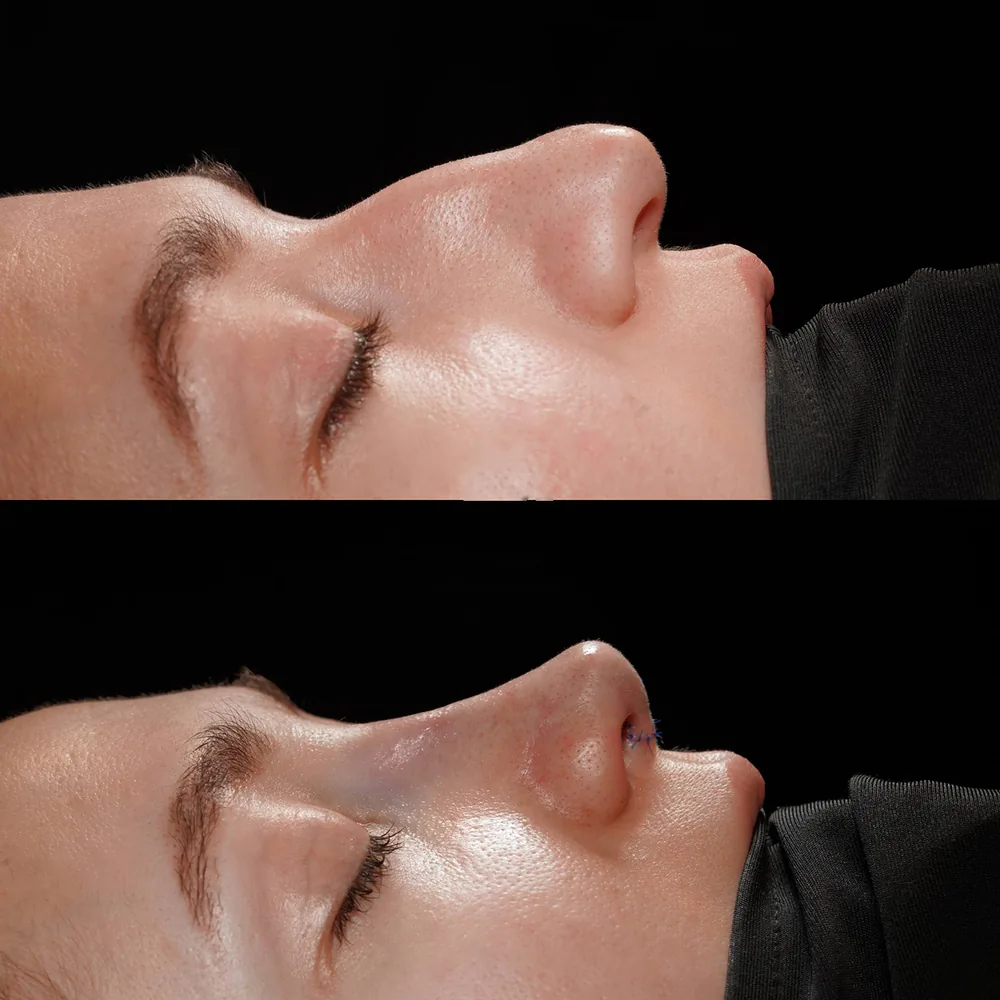 beforeafter
Rhinoplasty
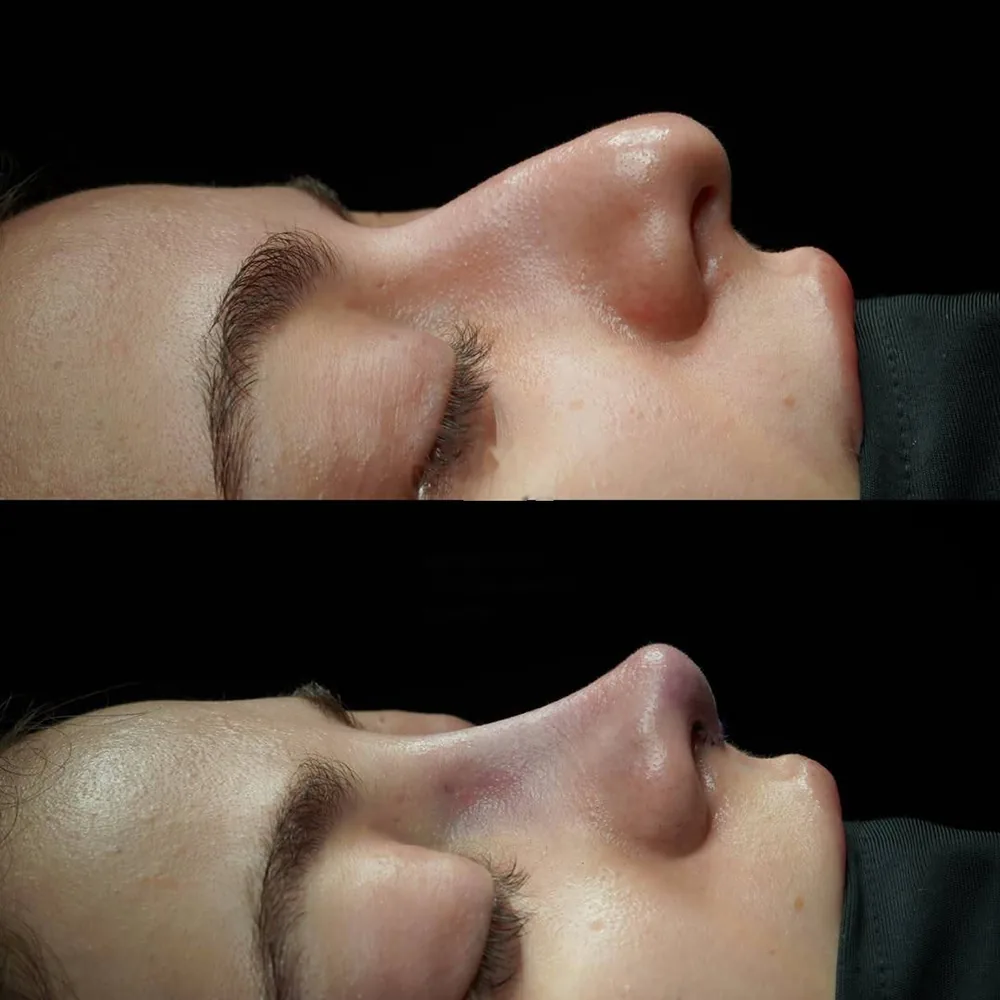 beforeafter
Rhinoplasty
 beforeafter
Rhinoplasty
 beforeafter
Rhinoplasty
 beforeafter
Rhinoplasty
 beforeafter
Rhinoplasty
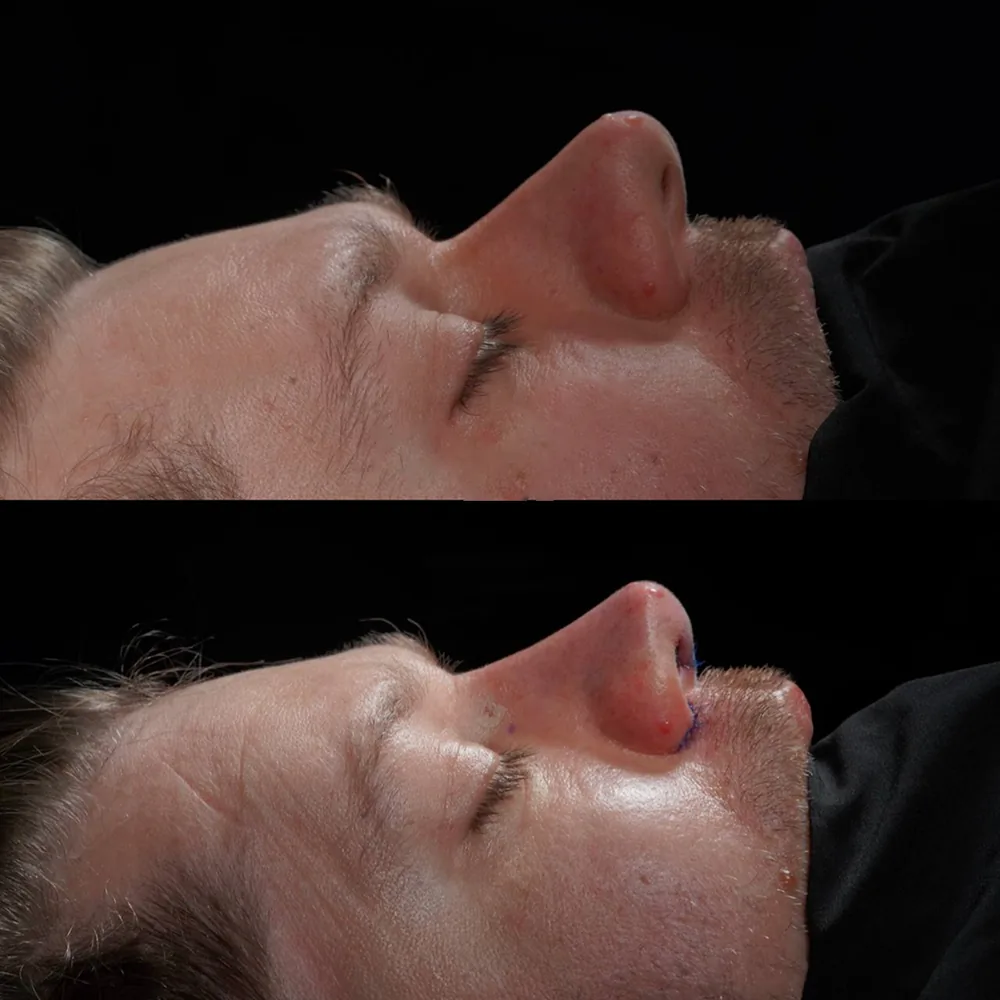 beforeafter
Rhinoplasty
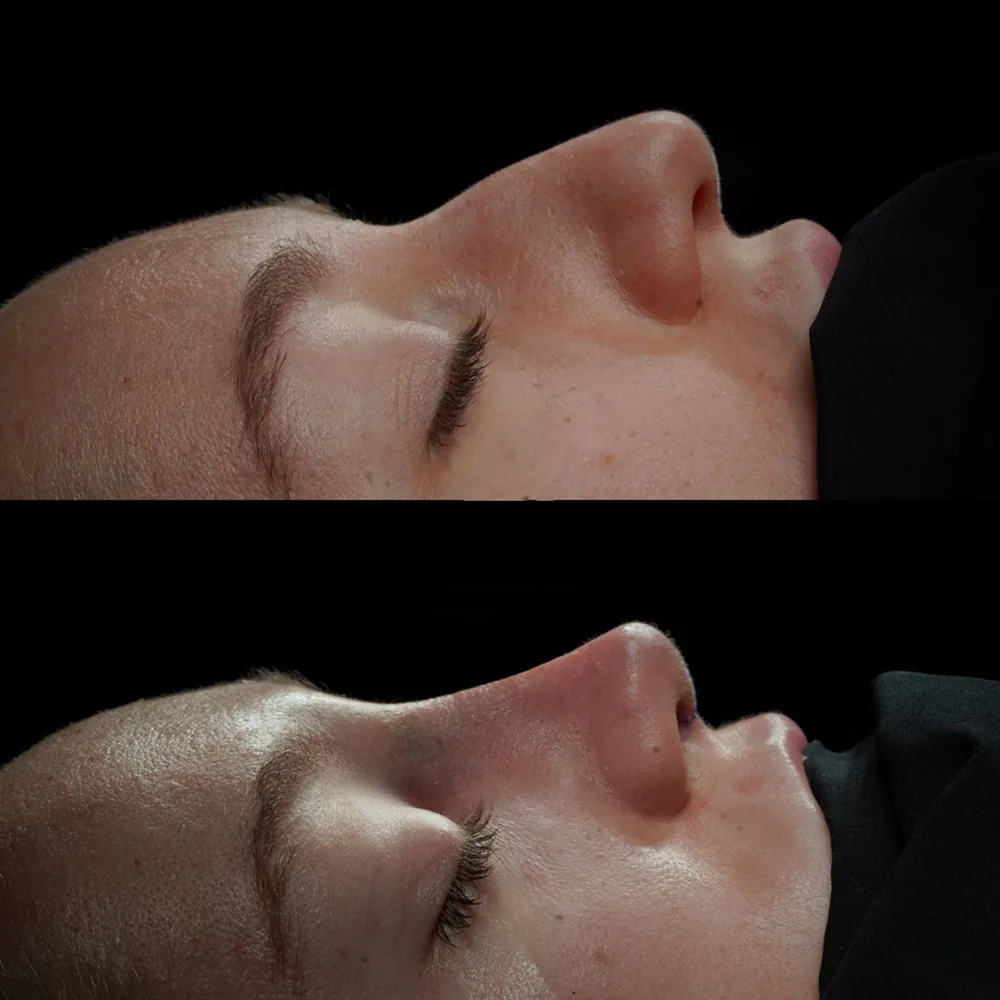 beforeafter
Rhinoplasty
Comparison
We will work out the most effective solution for you and bring an excellent result.
The initial nose procedure, aimed at changing its shape and restoring function if breathing is impaired.
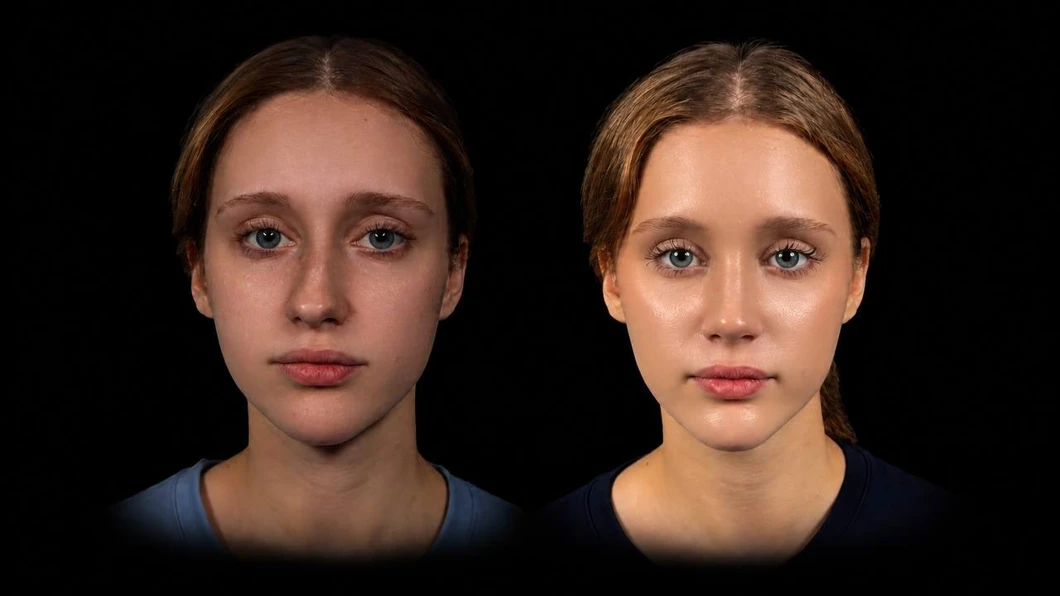
Discounted price
$4,200 $6,000
Repeat rhinoplasty: used to correct the nose following an operation that did not fully succeed. Scheduled no earlier than one year after the original surgery.
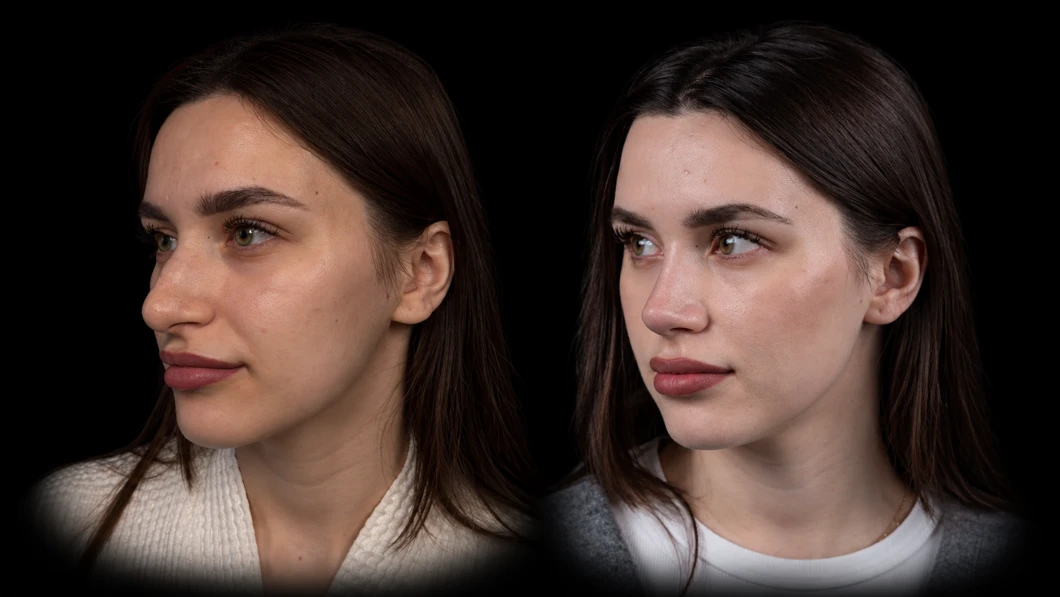
Discounted price
$5,400 $7,200
A single surgery addressing both the septum and the shape of the nose.
Discounted price
$5,000 $6,600
Shown here are average benefits and recovery times by surgery type, for guidance only: the real extent of correction and recovery time depends on your anatomy, confirmed by the surgeon at the consultation.
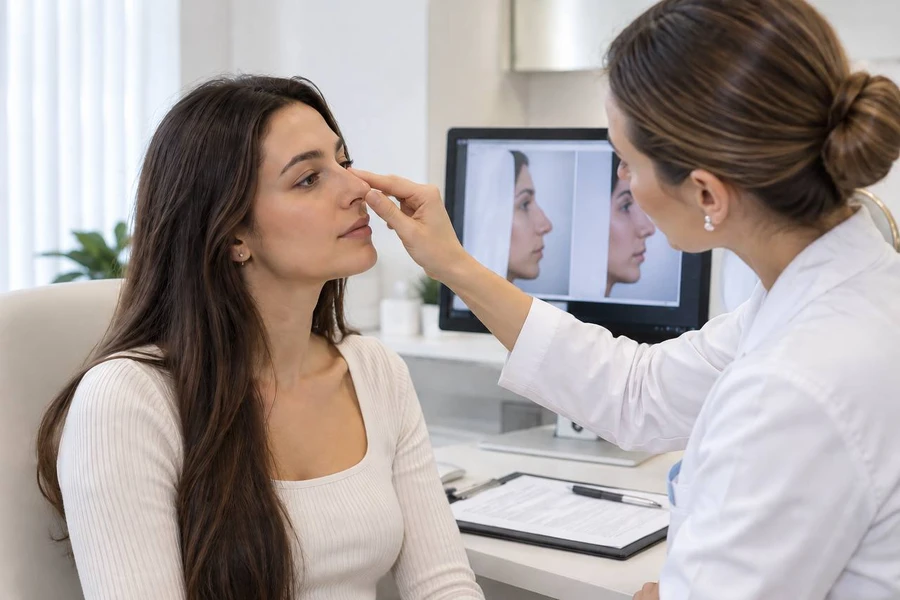
At the consultation the doctor will make a 3D model of the future result and explain
each step of your rhinoplasty
The consultation costs nothing, takes place before surgery and carries no commitment.
Book a consultationAbout the clinic
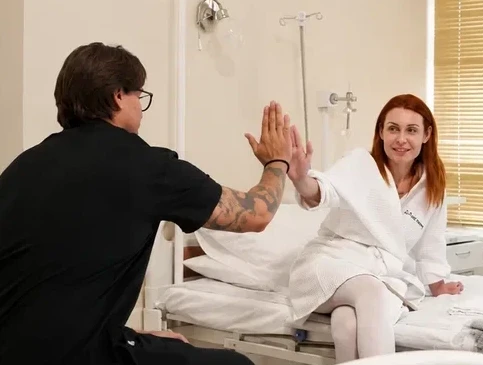
Modern equipment, comfortable rooms and care for every patient
Our team answers your questions and finds a convenient consultation slot
By messaging us, you agree to our Privacy Policy
Get a consultationIf an operation turns out not to be necessary, the doctor will say so during the consultation — you won't pay for nothing.

Can't tell which column describes you?
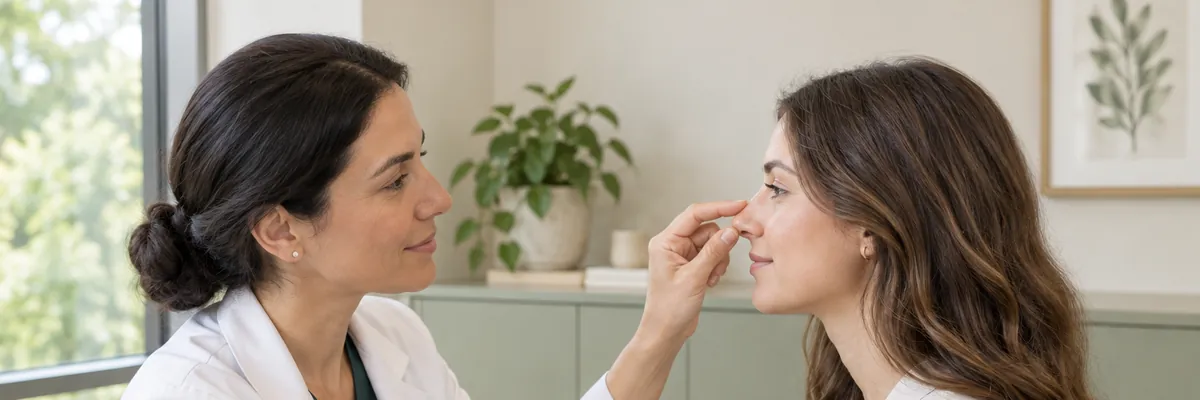
Send photos of your nose to us on Telegram, and the doctor will tell you whether rhinoplasty is suitable for you — at no cost and with no commitment.
Find out if it suits me
Prices
The price is given during the free consultation, following result modelling, and confirmed in the contract.
Discounted price
a new shape for the nose
$4,200$6,000
Discounted price
secondary, revision
$5,400$7,200
Discounted price
the septum and the shape of the nose
$5,000$6,600
Free
3D modelling after the surgeon's examination
Free
the cost of surgery is named
and fixed in the contract
The doctor will examine the anatomy of your nose, hear out your wishes
and choose the right correction technique. The cost is named at the consultation and fixed in the contract.

Message our coordinator
Free online consultation · Reply within 15 minutes
Message us on TelegramMessage us on WhatsAppBy messaging us, you agree to our Privacy Policy
Price
Everything from surgery preparation
to support over 12 months.
Discounted price
$4,200$6,000Discounted price
How it works
A correction plan agreed with you, inpatient observation, and a full year of recovery follow-up.
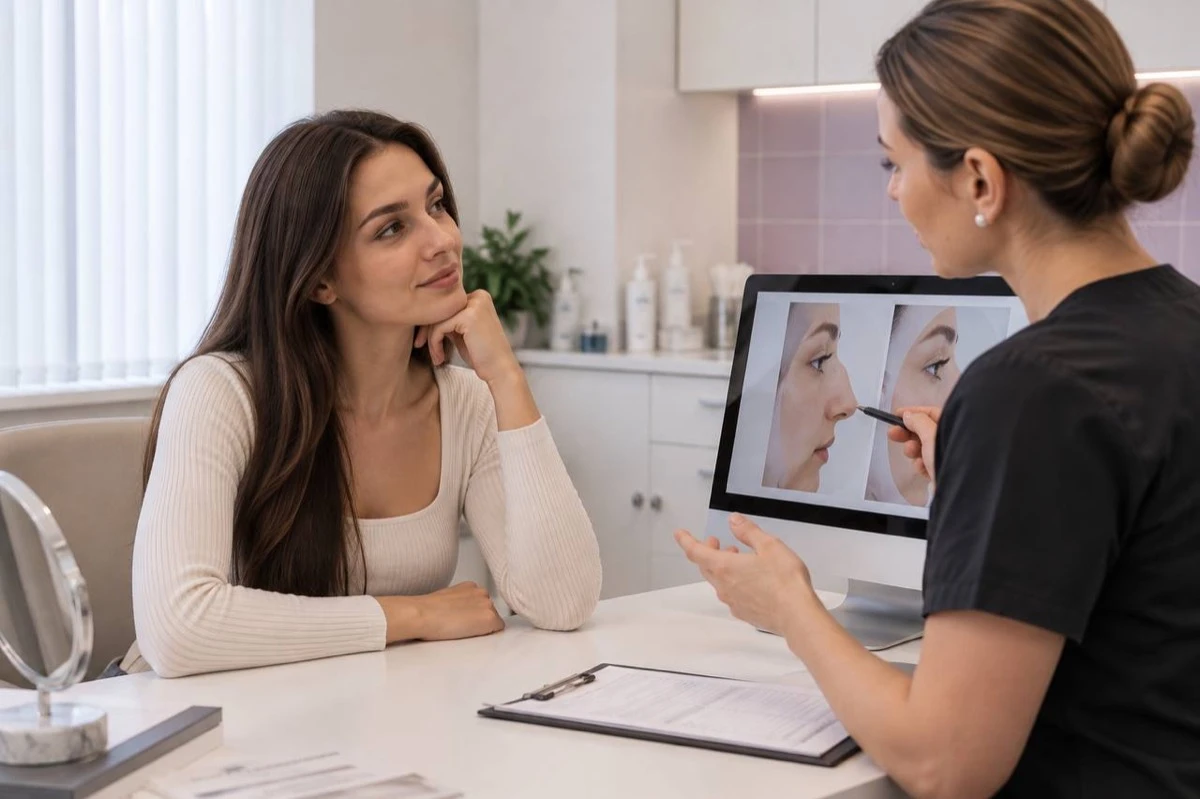
The doctor assesses your nose and your wishes, then performs the examinations needed to choose the right correction technique

We book a surgery date in your name: the deposit is payable by card at the clinic or by online bank transfer, with terms fixed in the contract for medical services
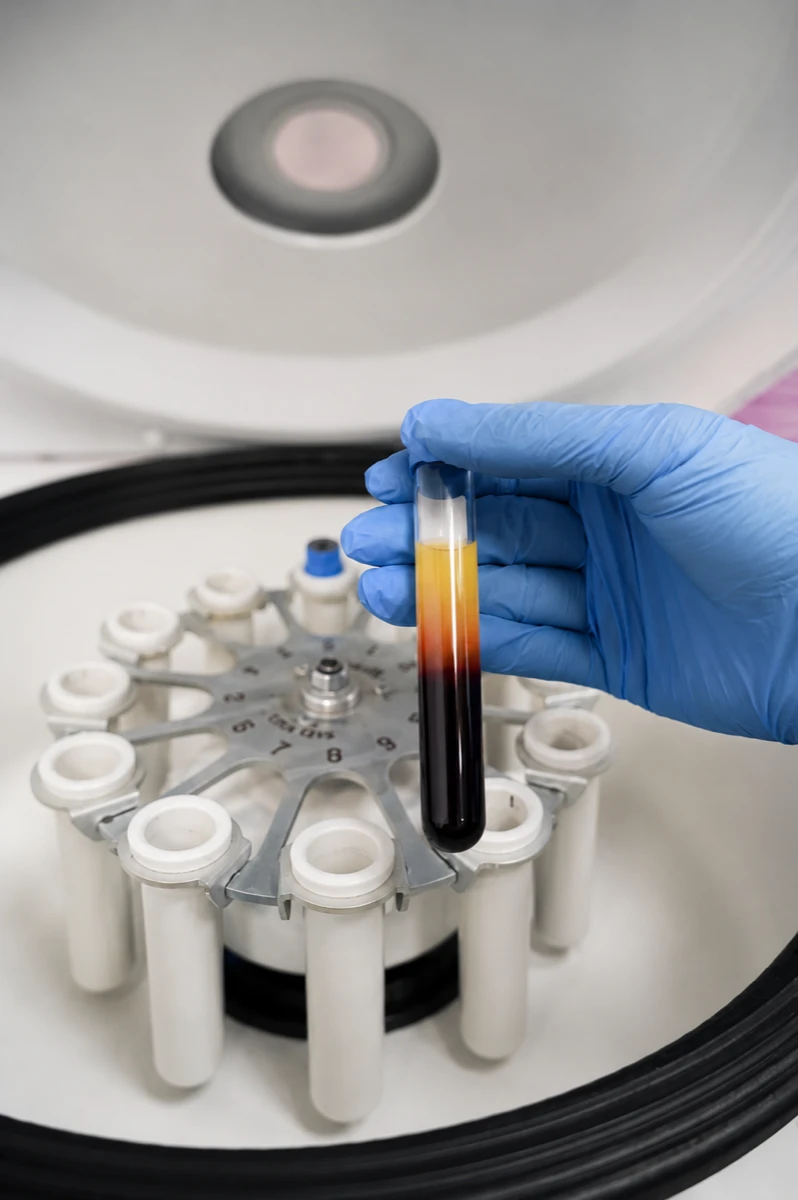
Ahead of surgery, a full set of lab tests is required: complete blood count, biochemistry, coagulation panel, chest X-ray and a sinus X-ray
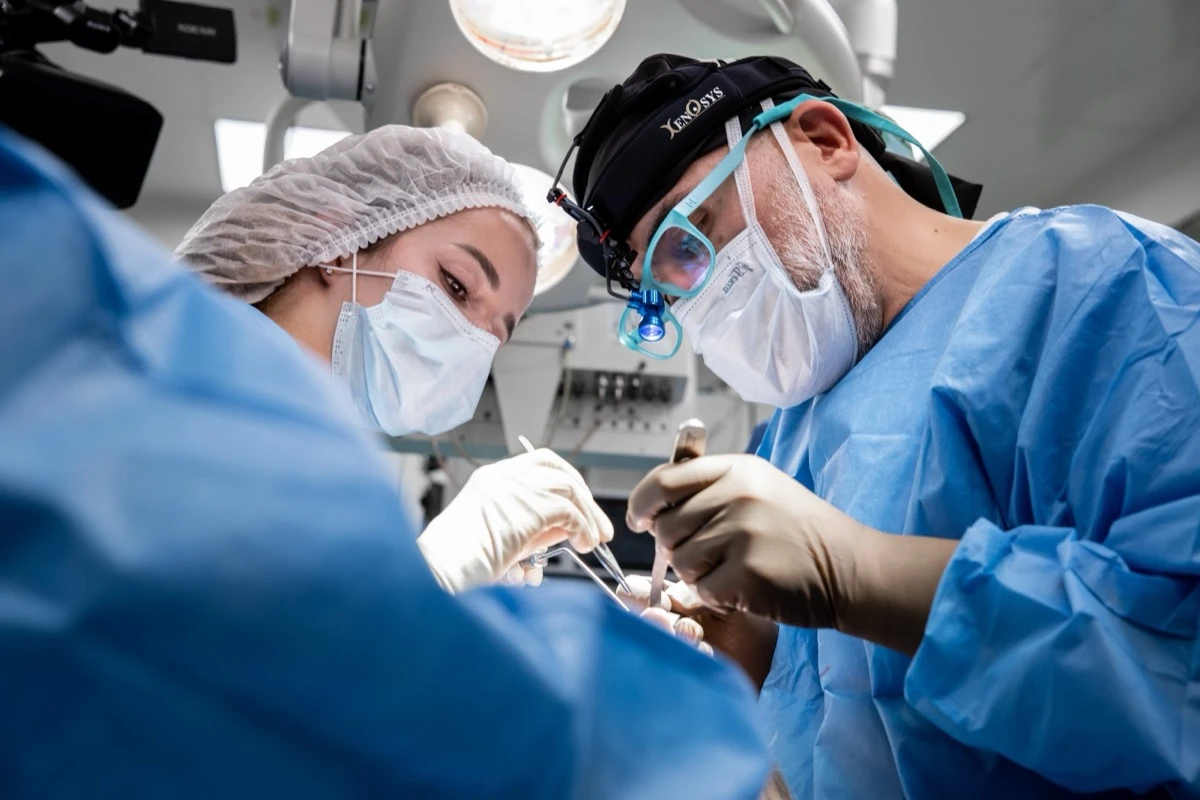
The surgeon operates with the selected technique under general or local anaesthesia, reshaping and correcting the structure of the nose
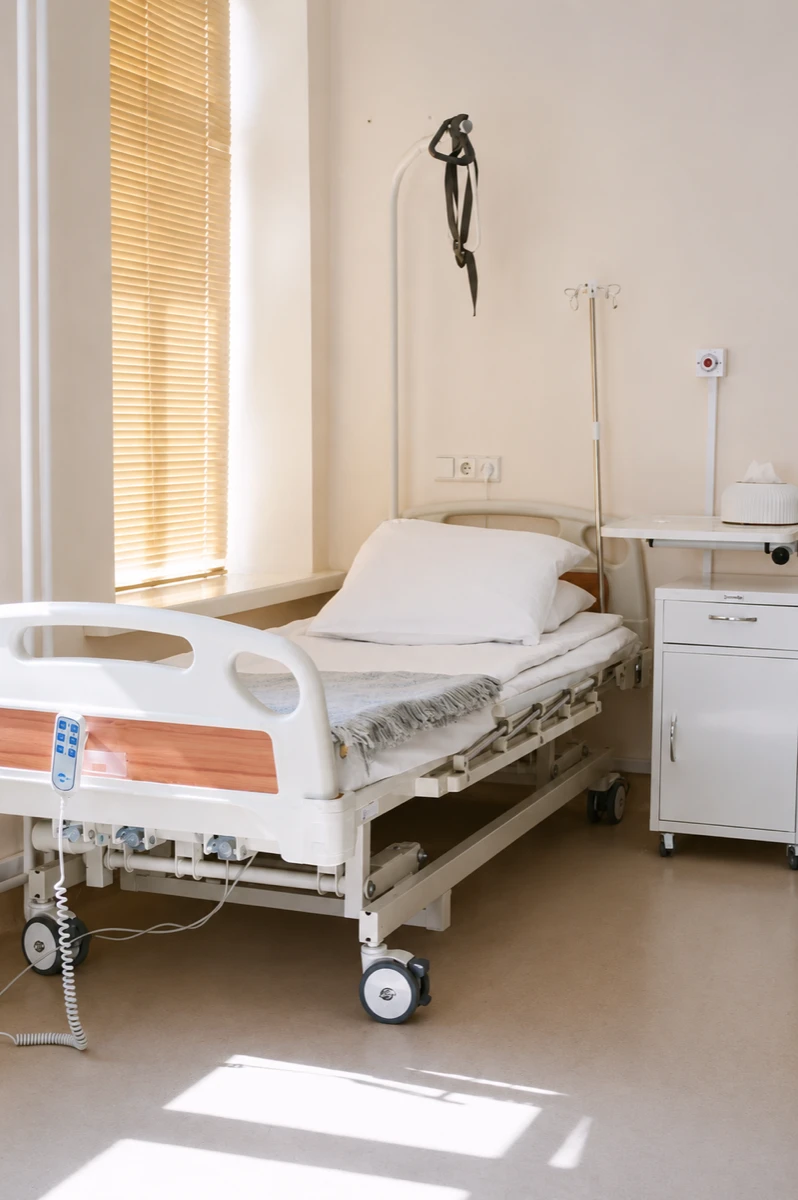
All procedures are done in the clinic's inpatient unit, where you remain for one day after surgery
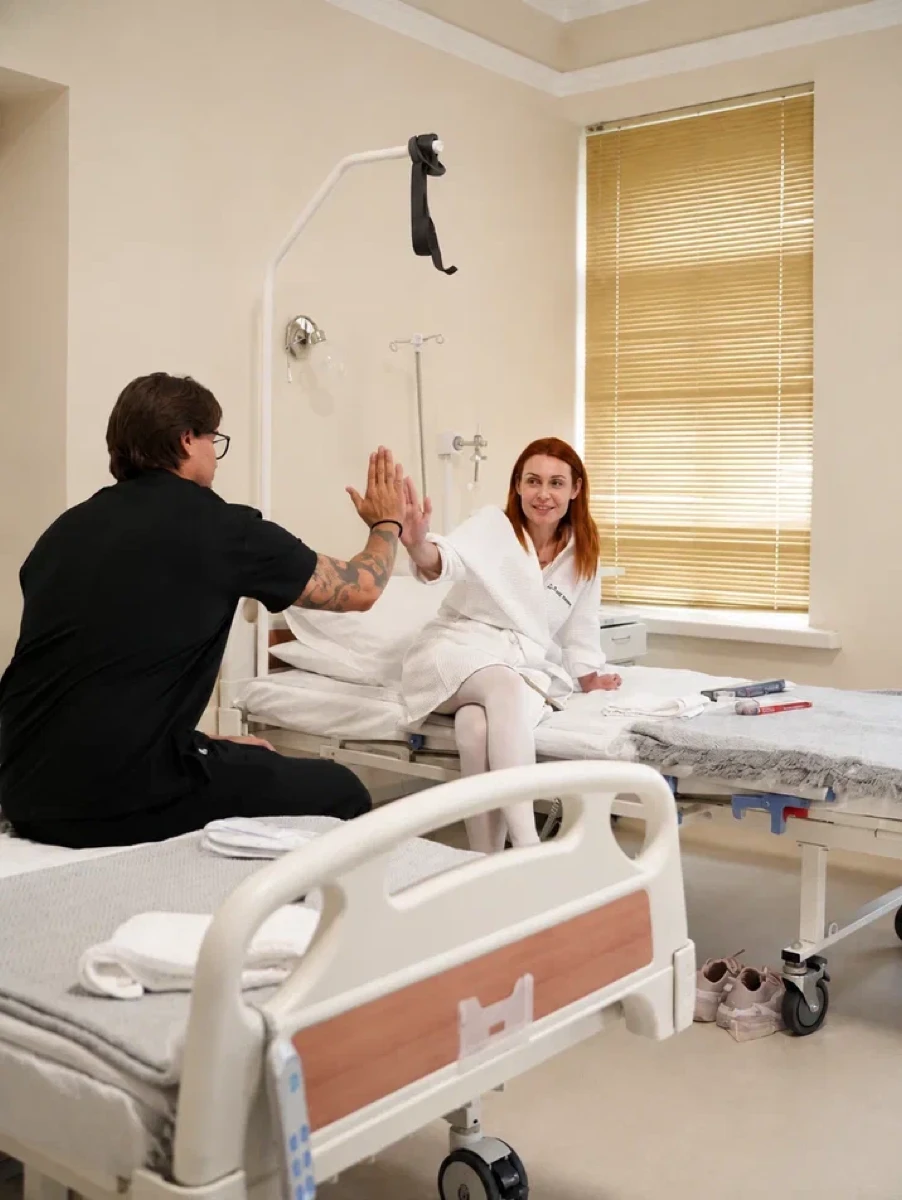
After the operation you receive a recovery programme; check-ups at 7 days, 3 and 6 months help monitor your recovery, and surgeon consultations remain free for a year afterwards.
You will see a realistic preview of the result at the consultation
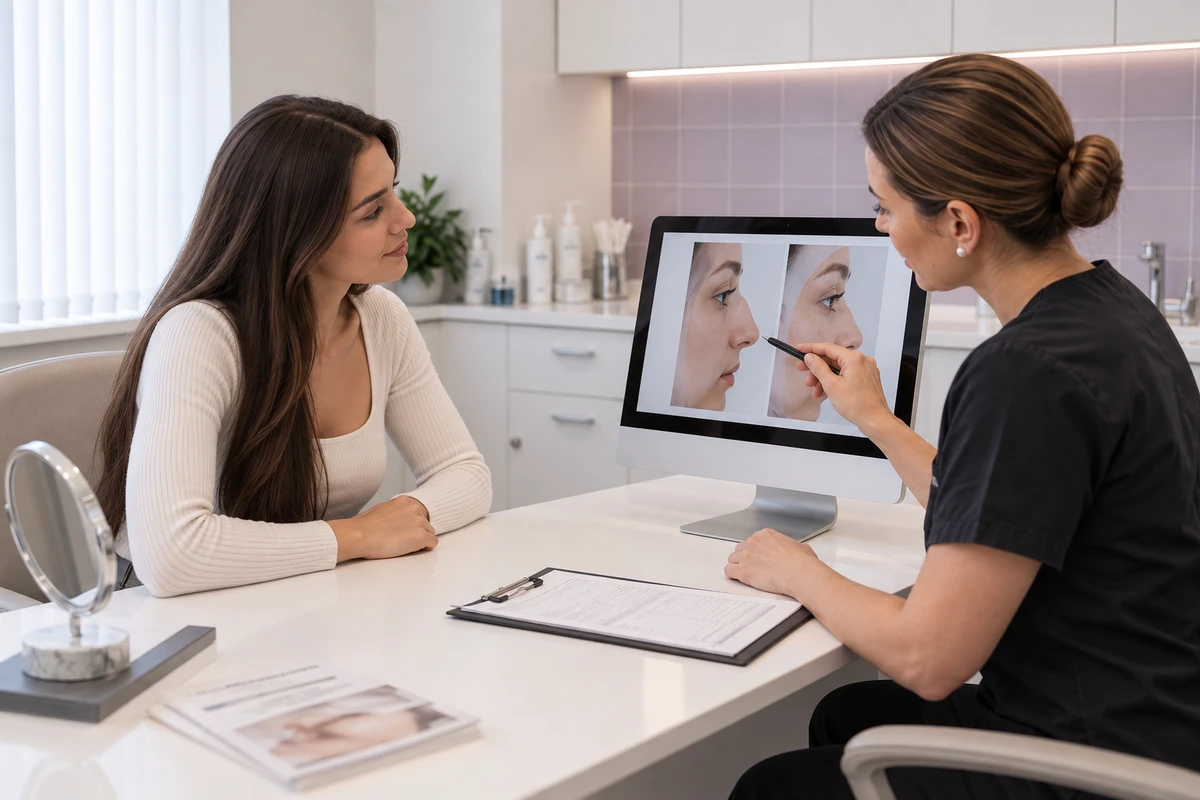
The consultation costs nothing, takes place before surgery and carries no commitment.
Book a consultationNasal splint
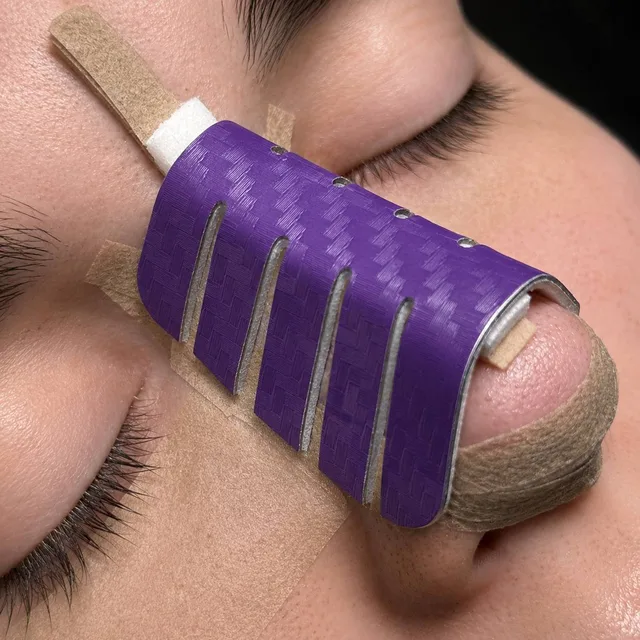
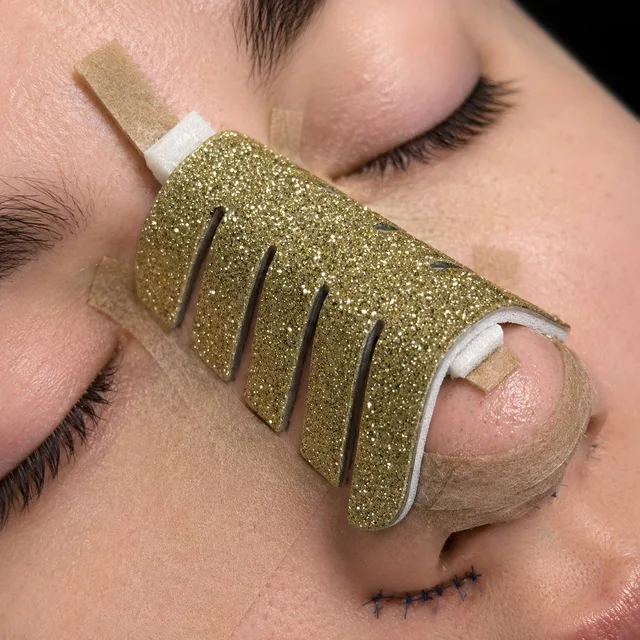
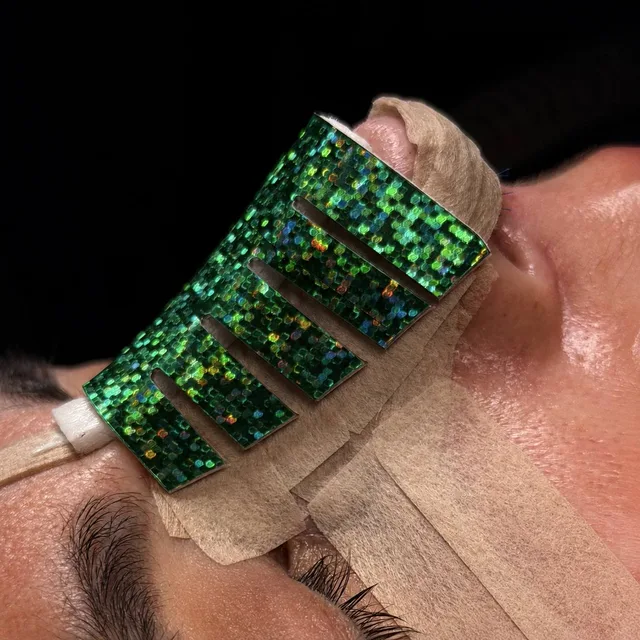
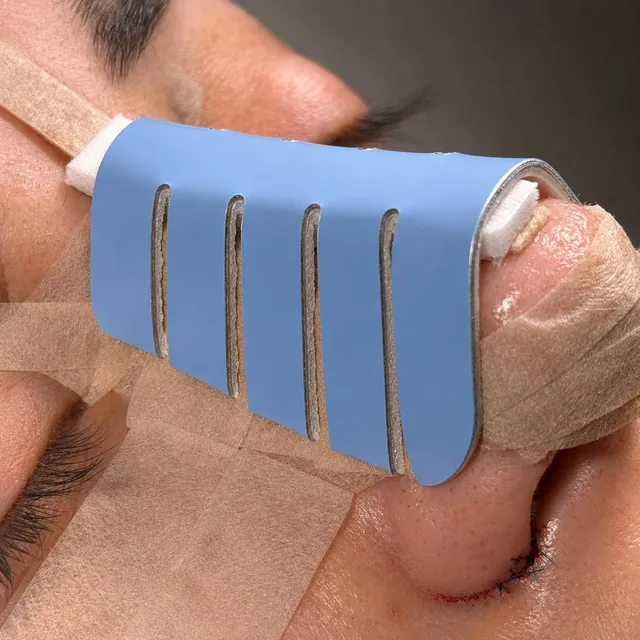
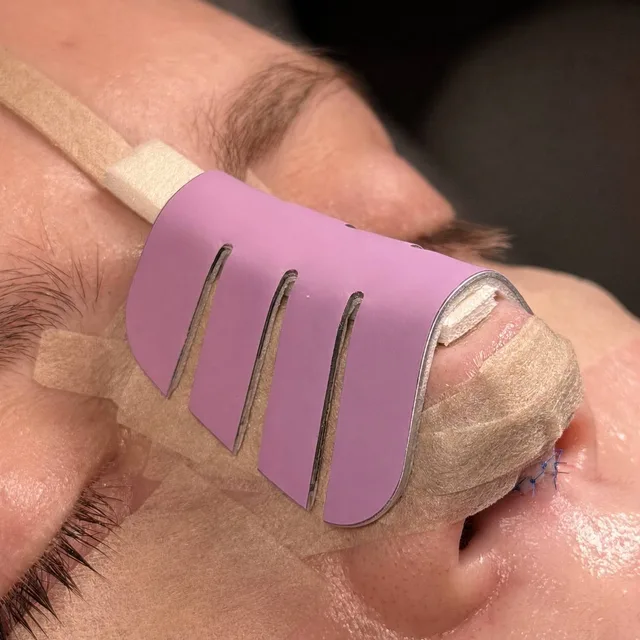
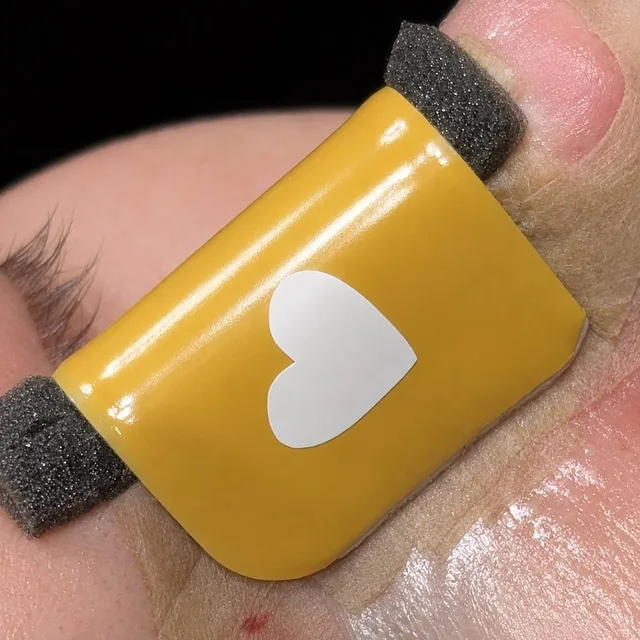
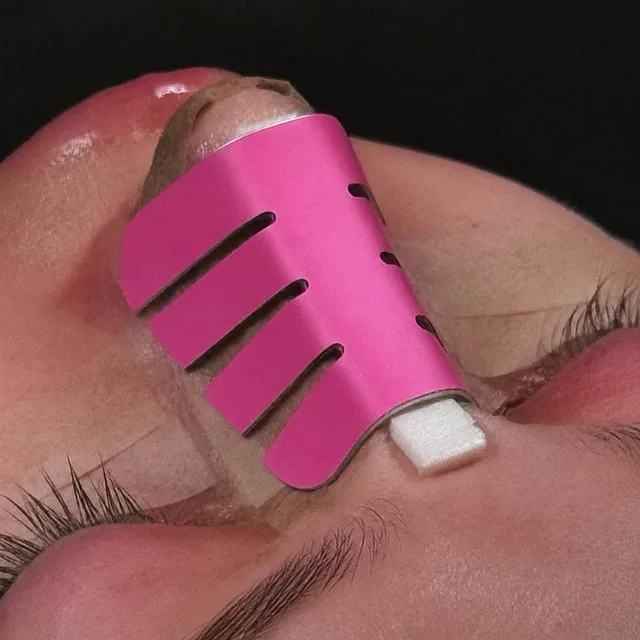
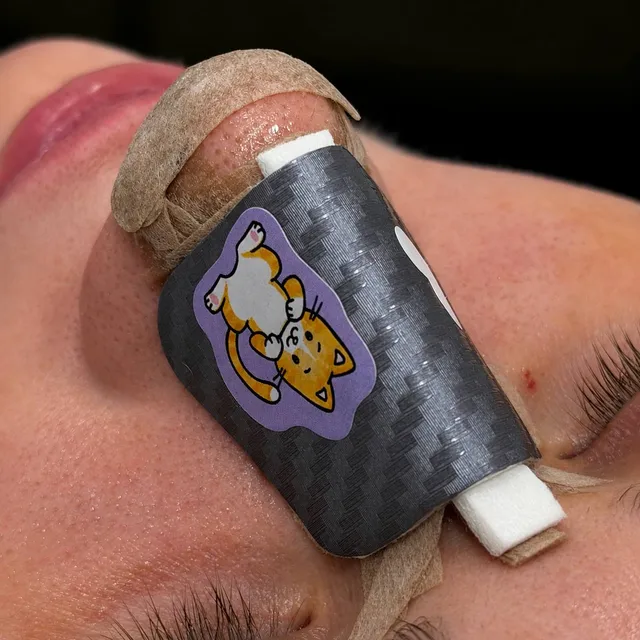
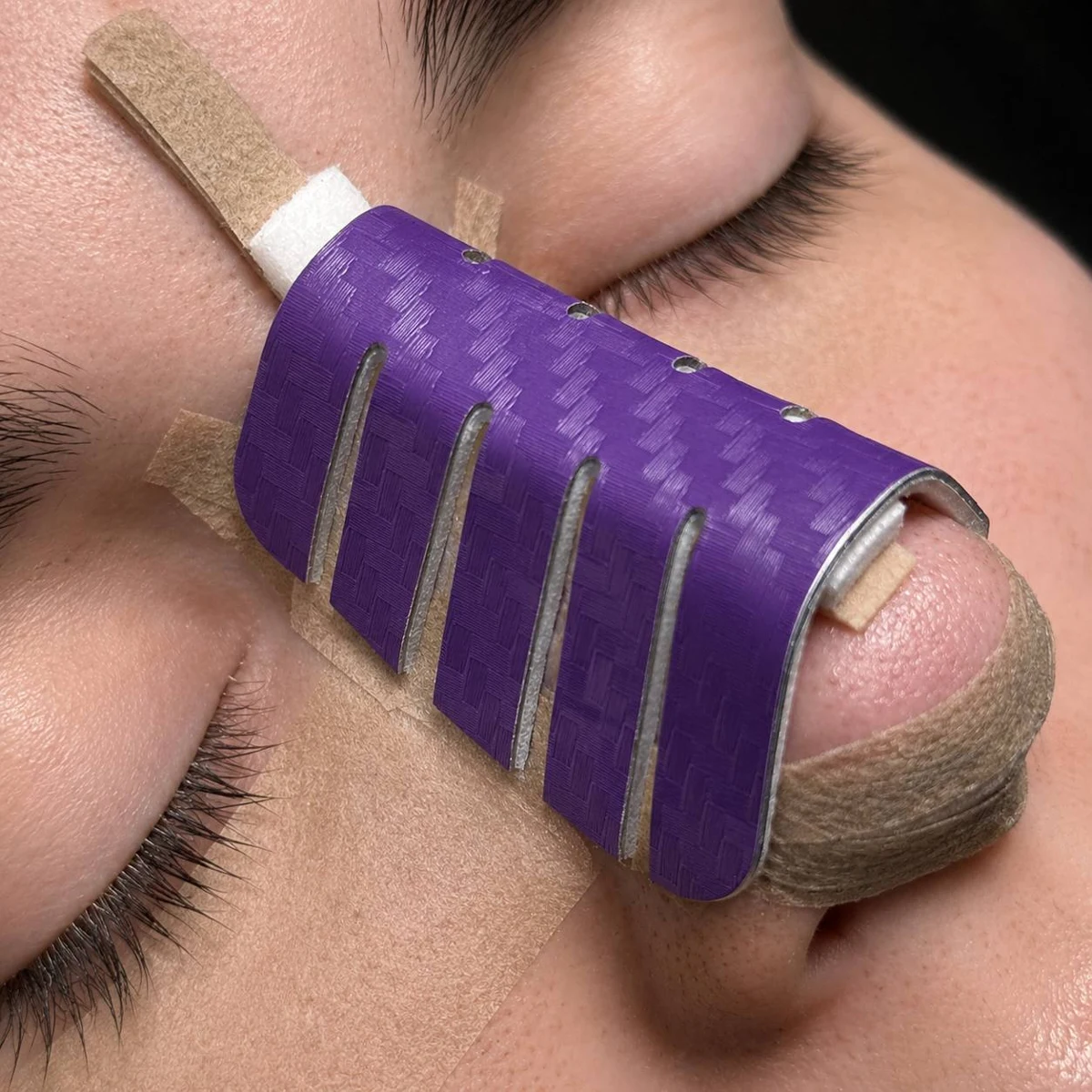
Every detail aims to highlight your natural beauty, and to make the recovery period more enjoyable, we let you pick the colour of your nasal splint.
The details that reflect your style:
Pick a splint colour that matches your mood
Just like your future profile, confidence begins with the small things
Doctors
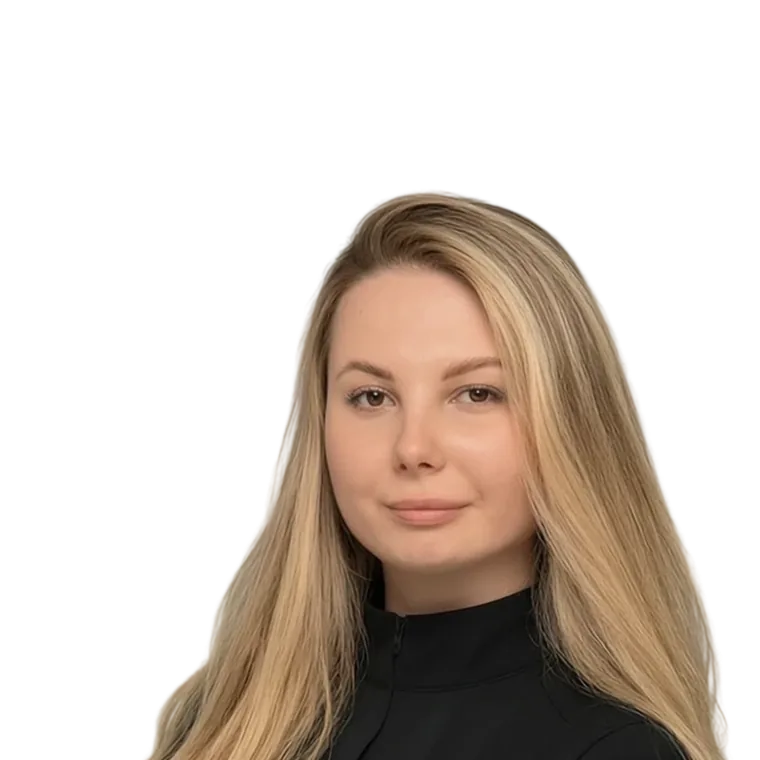
Rhinoplasty surgeon
The surgeon who will carry out your operation is who you talk to at the consultation
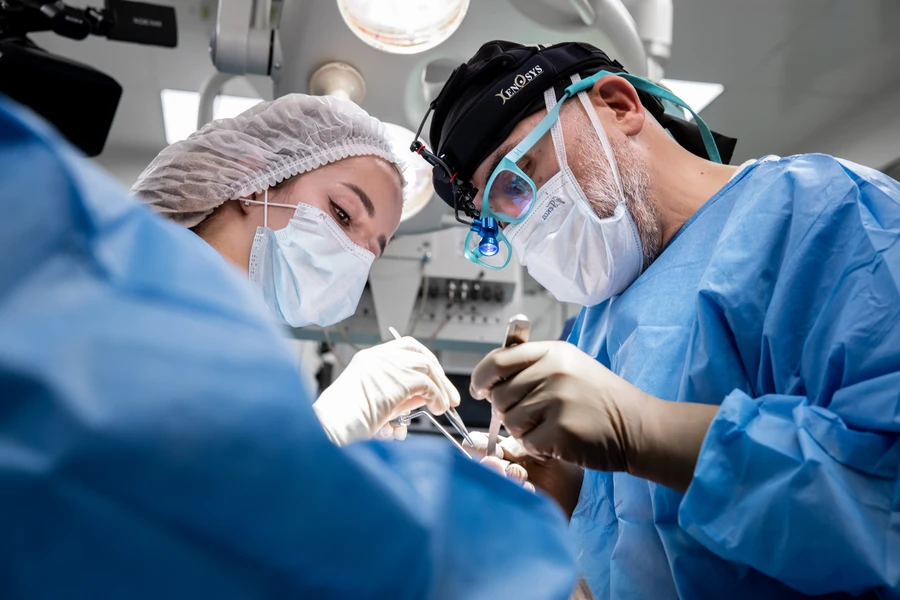
The doctor assesses your facial proportions, listens to your wishes and explains which changes are possible.
Book a consultationCoordinators
We support you at every stage

A personal coordinator
From your first message to the consultation — this is your first contact at the clinic
Patient support specialist
Before the first consultation, answers your questions and helps find a convenient date
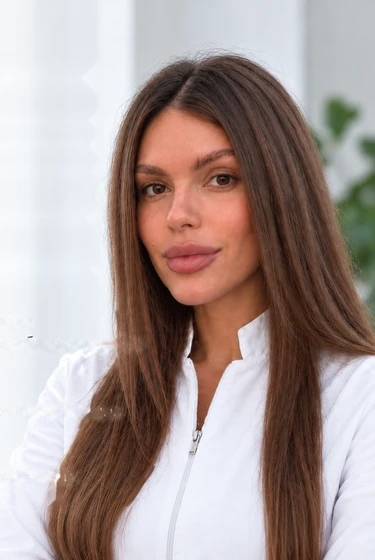
A personal coordinator
Present before and during your stay — covering everything from booking to discharge
Patient support specialist
Guides your preparation for surgery and keeps in contact throughout your stay

A personal coordinator
By your side during recovery — from the day you're discharged to your last check-up
Patient support specialist
Keeps you updated during recovery and sets up your follow-up visits with the surgeon
A closed channel for those who value honesty and expertise
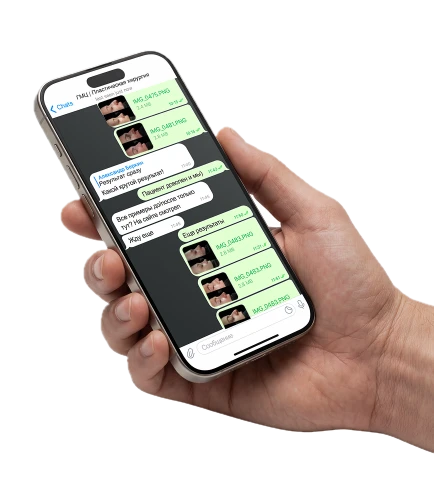
Message us — our coordinator will contact you shortly and book your consultation
By messaging us, you agree to our Privacy Policy
Get a consultationAdvantages
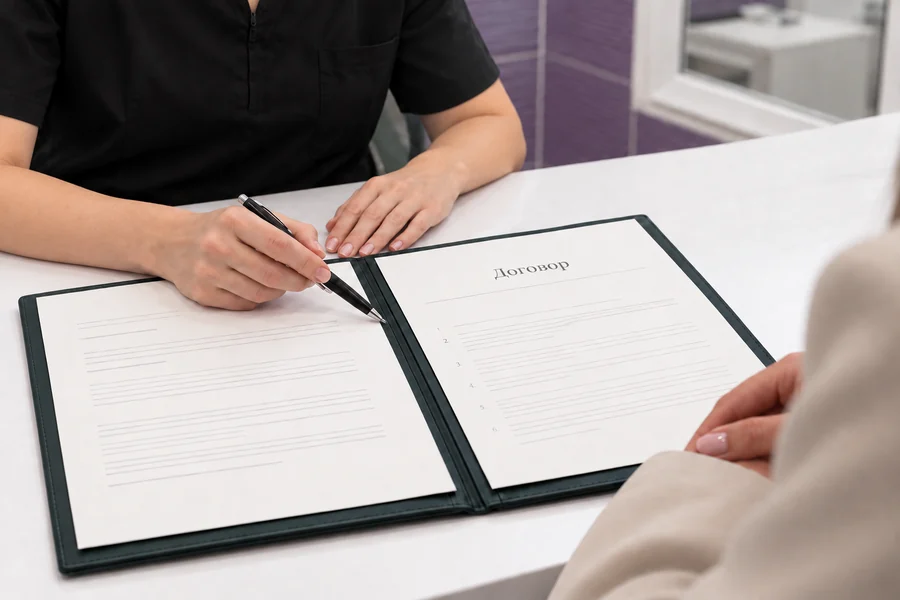
The result carries a lifetime guarantee under contract, with the terms of surgery, support and post-operative follow-up agreed beforehand.
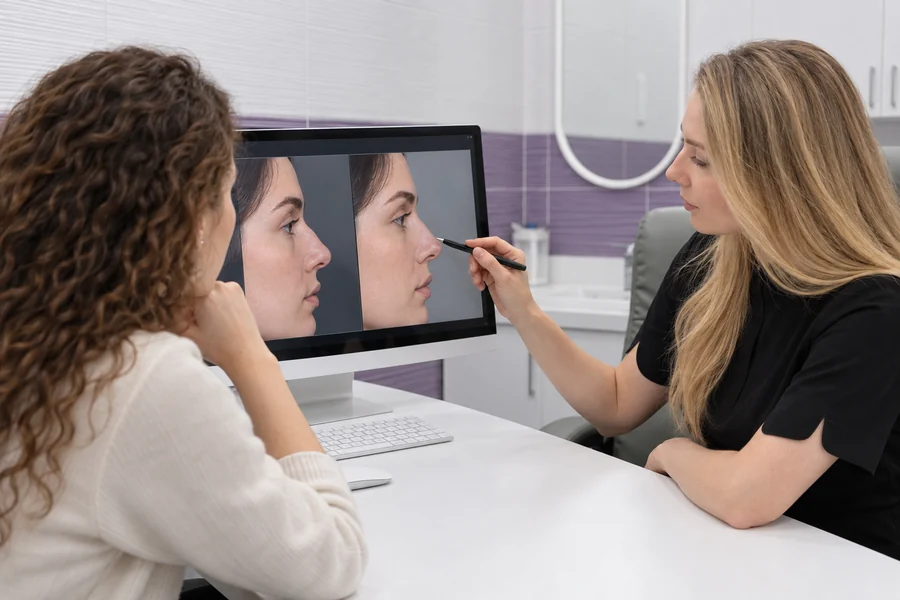
During a free consultation, we look at your case and tell you honestly whether rhinoplasty suits you — facts only, with no pressure to go ahead.
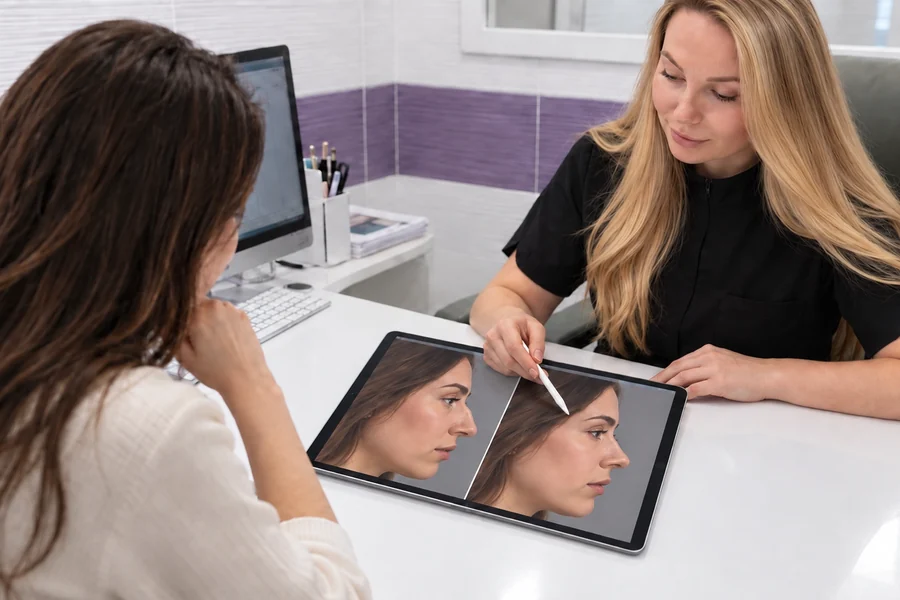
For patients travelling from another city or country, we combine the consultation and the required preparation into one trip, so the process is more convenient and needs fewer journeys.
We respect your schedule: working 24/7, with easy booking and a personal approach that fits your pace.
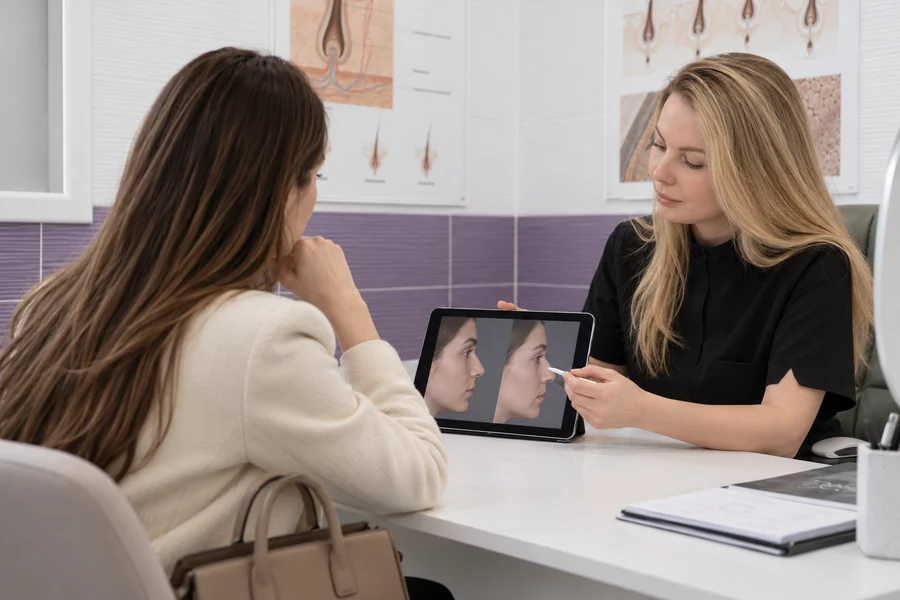
After the consultation, the surgeon sets out the extent of correction needed and gives you a clear price for the surgery, so there are no surprises on the way to the result.
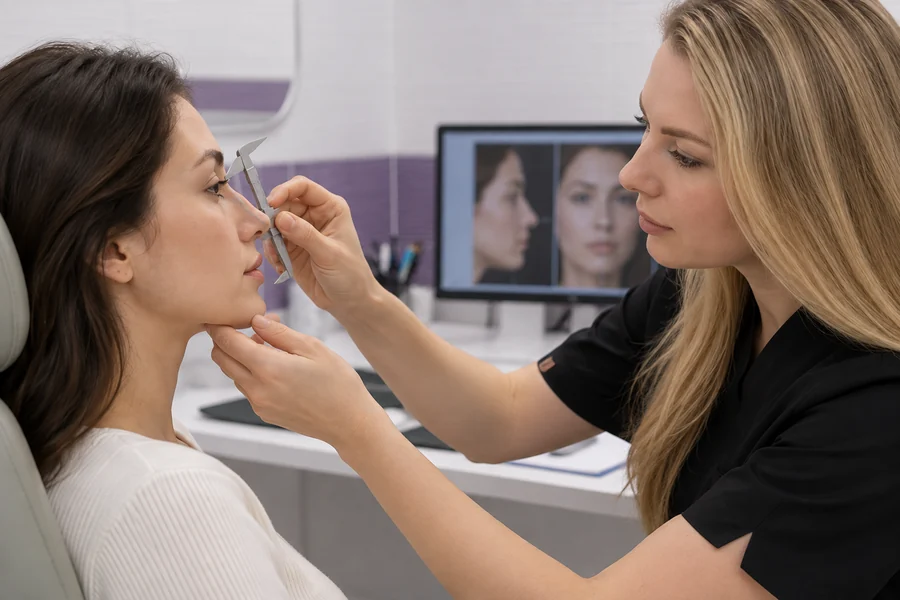
With modern equipment, the surgeon can operate gently and with precision — crucial where millimetres shape proportions, profile and facial harmony.
Prices
Send a request and get a free consultation on any service
Free
BookPrice without discount: $6,000$4,200
Price without discount: $7,200$5,400
Price without discount: $6,600$5,000
Price without discount: $6,500$4,700
Price without discount: $7,200$5,400
FAQ
Rhinoplasty (nose job) — one of the most delicate and sought-after plastic surgeries, aimed at reshaping the nose in line with the individual proportions of the nose and the whole face. Modern rhinoplasty is not just an operation to change how the nose looks, but complex surgical work aimed at an aesthetic ideal without compromising health.
Yes. Nose job is the everyday name for rhinoplasty, plastic surgery of the nose. The surgeon can change its shape and, with rhinoseptoplasty, also correct a deviated septum to make breathing easier.
Ideally, patients are 18 to 45: the nose is fully formed and tissues still heal well. When there are medical indications, surgery can be done at an older age if general health allows
At its core, rhinoplasty is a comprehensive solution. It corrects both congenital and acquired nasal deformities, for example after a nasal injury. Patients are often bothered by a dorsal hump or an overly wide nose. Nose correction can also target the tip (tip rhinoplasty) or the nostrils (alar rhinoplasty). The surgical plan is created individually for each patient, taking every feature of their nose into account.
Rhinoplasty is performed under general anaesthesia and, depending on complexity, takes 1.5 to 3 hours.
The surgeon determines the extent and course of the surgery at the consultation, based on your goals and the anatomy of your nose.
Rhinoplasty — surgery to change the appearance of the nose (an aesthetic goal) and improve its function if breathing is impaired.
Septoplasty — surgery to correct the nasal septum and restore normal breathing, keeping the nose's external contour intact.
Often both surgeries are combined, especially when a patient has a deviated septum and aesthetic concerns. This gives a harmonious look and restores full breathing. At City Medical Centre we perform rhinoseptoplasty — a combined surgery that solves both tasks at once
For a successful operation, preparation should begin 21 days before rhinoplasty. At the first appointment our plastic surgeon will give you a list of the required tests.
| Complete blood count (including ESR, white cell differential, platelets) | 2 weeks |
| Urinalysis | 2 weeks |
| Infection tests: HIV, HBsAg, anti-HCV, antibodies to Treponema pallidum | 2 weeks |
| Blood group and Rh factor | 2 weeks |
| Blood biochemistry (total protein; urea; uric acid; creatinine; glucose; total, unconjugated and conjugated bilirubin; ALT; AST; K; Na; Cl; cholesterol) | 2 weeks |
| Coagulation panel (Quick prothrombin, INR, APTT, D-dimer, antithrombin III) | 2 weeks |
| Electrocardiogram (ECG) tracing with a report | 2 weeks |
| Doppler ultrasound of the leg vessels / duplex scan of the leg veins | 2 weeks |
| Chest X-ray or fluorography with a report | 6 months |
| MSCT of the paranasal sinuses | 6 months |
| After the full laboratory work-up — a physician's report confirming there are no contraindications to surgery | 2 weeks |
Preparation consists of plastic surgeon consultations, lab tests (CBC, biochemistry, coagulation, infection tests), ECG, chest X-ray, and a nasal X-ray or CT. One week before surgery, stop anticoagulants, alcohol and smoking. On the day before, eat light meals; fast for 6 hours before surgery
Although nose surgery is one of the most popular and well-established aesthetic operations, like any surgery it carries certain risks. To minimise the likelihood of complications after rhinoplasty, our clinic provides thorough pre-operative preparation and post-operative monitoring.
Important: if after rhinoplasty you have difficulty breathing, severe pain, a high temperature or a change in the shape of your nose, contact your doctor immediately.
Rhinoplasty at City Medical Centre is performed with modern technology, safe materials and constant medical supervision, which keeps the risk of complications to a minimum.
We also provide post-operative monitoring and prescribe recovery therapy.
Recovery after nose surgery is just as important as the operation itself. Proper recovery determines how aesthetic and harmonious the final result will be. At City Medical Centre recovery is closely monitored and divided into three phases: early, intermediate and late
First improvements show once swelling subsides (2–3 weeks), but the final rhinoplasty result can be judged in 1–1.5 years, when tissues fully stabilise
The nose needs to be protected after surgery. An aluminium cast is placed over the nose, with special silicone splints inside the nasal cavity. Nasal function is limited in the first days but recovers quickly. The final result of rhinoplasty can be assessed after 1–1.5 years, once the swelling has fully subsided.
Important: if nasal function is impaired after the first operation or you are not satisfied with the result, revision (secondary) rhinoplasty may be needed. It is a more complex procedure, performed no earlier than one year after the primary operation.
In the days right after surgery, splints or swelling may partly block the nasal passages. You usually breathe fully again within 1–2 weeks, depending on your body and how extensive the surgery was
Our doctors use microsurgical techniques and quality sutures to keep scars minimal
Rhinoplasty harmonises facial features and enhances aesthetics without sacrificing individuality. Thanks to 3D modelling, you preview the predicted result and agree on the changes with your surgeon
Rhinoplasty is a serious step. A well-performed rhinoplasty means the new nose is in perfect harmony with your facial features and works flawlessly. At the consultation the nasal surgeon assesses every parameter in detail: the size of the nose, tip projection, and the condition of the septum and nasal mucosa. We use 3D modelling so you can see the future proportions of your nose before the surgery is performed.
Don't just browse rhinoplasty photos online. Book a consultation to discuss what modern rhinoplasty can and cannot do for you. Correcting external nasal deformities and reshaping the nose is our speciality.
The extent of surgery determines the cost, which is set at the consultation: after examining your nose and facial proportions, the doctor names the exact price.
Blog
Rhinoplasty articles
Find out how recovery after rhinoplasty goes in the first 7, 14 and 30 days
Read the article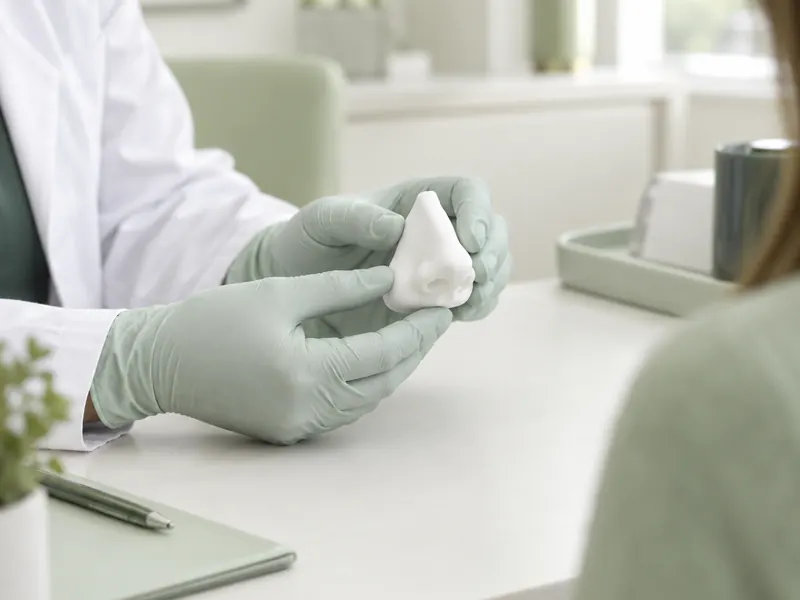
Preparation, recovery week by week, when the splint and stitches come out and how long to wait before flying home.
Read the articlePrices are in US dollars; the amount in brackets is an approximate conversion to EUR at the rate of 02.10.2026. The final price is fixed in your contract.
Prices start from $4,200 (≈ €3,750). The surgeon sets the final price at the free consultation, and it is fixed in the contract, with no hidden extras.
The operation under general anaesthesia, a one-day inpatient stay, follow-up visits and dressings, plus a lifetime guarantee on the result.
Surgery takes 1.5–3 hours and you stay one day in the clinic. The nasal splints come out on day 7, and the cast is worn for up to 14 days.
Yes. The first consultation is free and does not oblige you to anything. You can start online by sending a message to the coordinator.
Message us on WhatsApp or Telegram using the buttons below. A coordinator will answer your questions and book a free consultation where the doctor names the exact price.
By messaging us, you agree to our Privacy Policy
This is one of the most delicate and popular plastic surgeries. It suits adults who want to correct the shape of the nose, whether the issue is congenital or appeared after an injury, and those with impaired nasal breathing. If you are from Amsterdam and unhappy with the outcome of an earlier operation, secondary rhinoplasty is also an option after at least a year.
Recovery has early, middle and late phases. During days 1–3 you breathe through your mouth, and swelling and bruising may appear. Internal splints come out on day 7; the aluminium splint and stitches are removed by day 14. For a month, avoid exercise, saunas, pools and sun, and sleep on your back half-sitting. Patients from Amsterdam get care advice at every stage.
One price, $4,200 (≈ €3,750), applies to open and closed techniques, tip work and septorhinoplasty alike. It includes general anaesthesia, a day in the inpatient unit, doctor monitoring and a free check-up afterwards, and the clinic gives a lifetime guarantee on the result. Amsterdam residents can start with a free consultation: the doctor examines the nose and names the exact figure.
Public accounts from well-known people about the operation: rhinoplasty.
Written by Marina T. Pershikova, rhinoplasty surgeon
How we prepare and review medical content · Medical disclaimer
Page last updated:
Before comparing noses, compare people. The Netherlands keeps a public register of individual health professionals, the BIG register, created under the BIG Act. Registration is compulsory for eleven healthcare professions. You can search by name and profession or, if someone supplied it, by BIG number, and only registered people may carry the protected title of the profession. A separate list shows those who have received a disciplinary measure. Obtain the operating surgeon's complete name in the spelling used on their papers, ask the clinic which register holds it, and where the answer is the BIG register, run the query on your own rather than relying on a forwarded screenshot.
A BIG entry settles a general point: this person may practise under a protected title. The specialty is a different matter with a different body. The NVPC, the Dutch society for plastic, hand, reconstructive and aesthetic surgery, dates from 1950 and says it represents all plastic surgeons registered in the Netherlands. It tells patients to choose a plastic surgeon who is a member, and it publishes an overview of members. That overview is a membership list rather than an inspection report, so keep both search results side by side.
The KNMG, the Dutch doctors' federation, describes one more layer. Its registration committee for medical specialists, the RGS, checks periodically whether doctors and training programmes meet the rules of the body that oversees specialist training. You do not have to master that machinery. What matters is the habit: a name is something you verify, and what each search returned, on which day, goes into your notes.
Then examine the organisation behind the name. The clinic publishes a medical licence number. Ask for that number, for the legal entity that will sign your contract, and for scans of the surgeon's diplomas and certificates; file them with the search notes. A local figure shows why this is not fussiness: the municipality of Amsterdam had 941,873 residents on 1 January 2026, and with that many people a register is the fastest way to separate one practitioner from another.
The Netherlands has a basic health insurance, and whether it contributes depends on why the operation is done. A Dutch hospital explains in its patient information that care without a medical necessity, cosmetic surgery being the example, is never reimbursed by the basic insurance, and that where there is no medical reason you carry the cost yourself. Whether a supplementary policy adds anything depends on its own conditions.
So the reason for the operation becomes the central line of your file, and it should be written honestly before any outsider reads it. The clinic distinguishes three situations: first-time surgery that works on the shape and also restores breathing where it is limited, revision, and rhinoseptoplasty, in which septum and outline are handled in one go. It names marked breathing problems, nasal polyps and a nose injury among the conditions the operation can solve. If one of those fits you, start with your own doctor.
Compose the insurer letter in two paragraphs. The first states the symptoms in everyday terms: which side blocks, when, since when, what you have already tried. The second asks three plain questions. Can a medical indication be recognised in your case? What document would prove it? Does a supplementary policy contribute, and under which conditions? Ask for the answers in writing and keep them with the register notes.
If shape alone is the motive, the sum is announced when the free consultation and the 3D modelling end, and the contract then fixes it. For a nose already operated on, the next attempt comes no earlier than a year later.
The consultation costs nothing, runs online and includes 3D modelling of proportions; nothing in it obliges you to book. What you bring decides what you receive. Shoot photographs in even light: straight on, from either side, and from a little below, without filters. A coordinator on WhatsApp or Telegram passes them to a doctor, who tells you whether surgery is appropriate; someone answers at any hour.
Add a page of history: allergies, regular medicines, injuries to the nose, earlier operations, sinus complaints and any tendency to bleed. The clinic lists infectious diseases, cancer, decompensated chronic illness, clotting disorders, damaged skin where the surgery would be done, an inflamed ear, throat, nose or eye, mental health disorders and an age below 18 as reasons the operation does not fit.
Next, put wishes into words without sketching. The clinic names a hump, a wide bridge, a bulbous tip, uneven nostrils and a saddle shape among the features the operation addresses. Say which of them troubles you most, which parts you like, and how you imagine the profile in ordinary photos of yourself. A plan that records what must stay is harder to misread.
Comparing two opinions comes next. Put them in two columns: the type of operation each surgeon proposes, the reason given, the approach and the anaesthesia, what is promised about breathing, and what each one wants to see before deciding. Disagreement between columns is useful; mark it, send the marked page back to the surgeon you trust more and ask for an explanation. An opinion that ends with 'you do not need an operation' deserves the same attention as one that ends with a date.
Offers for the same nose are rarely the same service, so set them out as lines and compare lines, not totals. This clinic itemises the operation, general anaesthesia, modelling, a day on the ward with meals, check-ups and dressings, a personal coordinator and every consumable needed, and twelve months of support. When a rival offer is quiet about one of those items, ask who pays for it and when.
A deposit secures your surgery date: card at the clinic, or a bank transfer made online, with the terms in the medical services contract. Before transferring anything, request that contract in full and mark every sentence you could not retell to a friend. What becomes of the deposit if the date moves? Who is named as operating surgeon? Which follow-up visits are included, and what if a correction is needed?
Treat any phrase resembling a promise about the result with suspicion. The clinic itself says that benefits and recovery periods are averaged for each type of surgery and are only a guide, and that the surgeon confirms specifics during your consultation. A paper that sounds firmer than the doctor does earns a second reading and a question.
Keep one folder, on paper or on a screen: dated register results, licence details, the insurer's reply, both quotations, the contract, modelling images and the written plan. Images and plan have to show the same nose; where a picture displays a profile the text never mentions, find out which document would bind the surgeon.
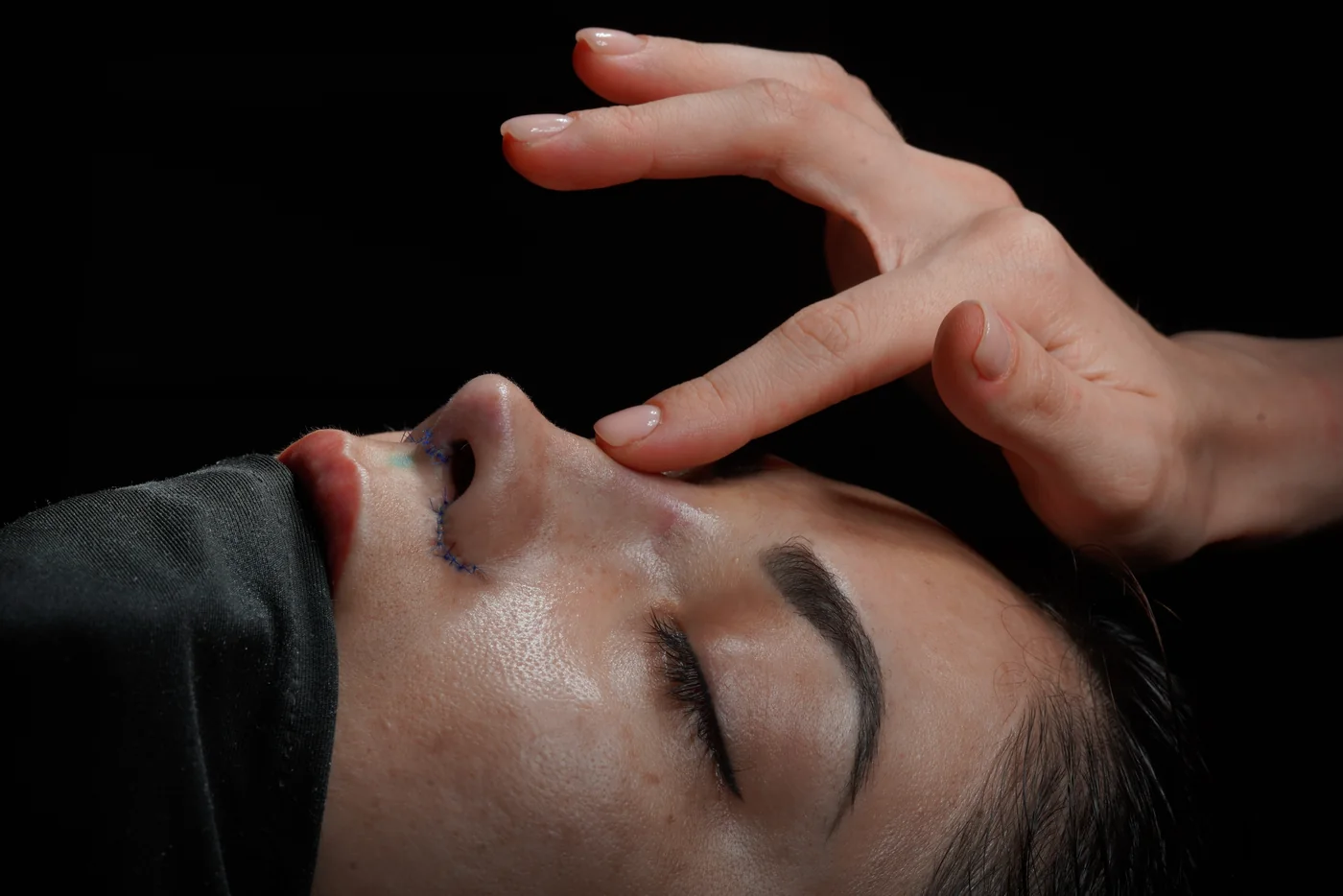
Add the surgical approach to your list. The clinic describes a closed technique, with cuts hidden inside the nostrils, and an open one, with a small cut across the columella that exposes every structure to the surgeon; heavy work on bone and bridge often leads to the open version. Ask which one suits your nose, and why. Ask who the anaesthetist is, since diagnostics also cover blood tests, CT and an ECG.
Convert each risk the clinic lists into a question for the team: swelling and bruising, bleeding, infection, an irregular shape, trouble breathing, thick scars if you tend to keloids, disappointment when hopes were unrealistic. How would I spot it at home, whom do I phone, how fast does anyone reply? Struggling for breath, severe pain, a high temperature or a changed shape all mean calling the doctor immediately.
The time scale is long and deserves a single mention. Surgery runs 1.5 to 3 hours under general anaesthesia, followed by one day in the inpatient unit. Over days 1–3 splints keep the nostrils open and breathing goes through the mouth; they are removed on day 7, and the stitches come out on day 14 with the aluminium cast. The first month rules out exertion, saunas, pools and sun. Swelling eases at 2–3 weeks, while the finished shape needs 1–1.5 years.
When the date is fixed, ask the coordinator to book the checks: day 7, month 3 and month 6, with surgeon consultations free of charge for a year. Take a photograph of the nose in identical light at each stage and store it with your notes, so month-3 questions rest on what you see rather than on memory.
Yes. The BIG register can be searched by name and profession or by BIG number, and the NVPC publishes an overview of its member plastic surgeons. The second is a membership list, so use both and note the date of each search.
No. It confirms registration and the right to the protected title. For the specialty consult the NVPC overview, and ask the clinic how much of the surgeon's work is this operation.
That depends entirely on the conditions of your own policy. A Dutch hospital states that cosmetic surgery without medical necessity is never reimbursed by the basic insurance, so ask your insurer in writing whether a supplementary cover contributes.
Say both in your first message. The clinic performs rhinoseptoplasty for exactly this combination, and your own doctor can advise whether the breathing complaint counts as a medical indication.
The front, both sides and a view from a little below, in even light and unedited, with a line about the features you want left alone. A coordinator forwards them to the doctor, who gives an opinion on suitability.
Match line by line: surgeon, anaesthesia, modelling, inpatient stay with meals, check-ups and dressings, coordinator, consumables and the 12 months of support. A line missing from one offer is a question about who pays.
Yes. Improvement appears at 2–3 weeks and the final shape takes 1–1.5 years; decide beforehand how you will read your own photographs and when you will message the surgeon.