


























Joint treatment6 min read
Meniscus tear without surgery: when conservative treatment works and when it does not
A torn meniscus is one of the most common knee injuries, and many people assume it always ends in an operation. In practice, a large share of tears, especially degenerative ones in adults, are managed without surgery. This article explains what the meniscus does, how tears differ, why a scan matters, what non-surgical options exist, including PRP and SVF injections, and which signs mean you need a surgeon.
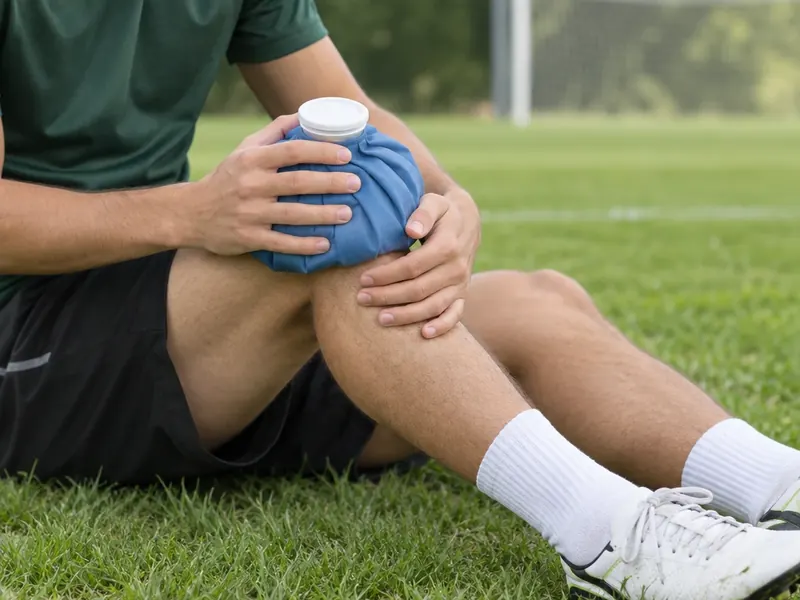
The main points in 30 seconds
- Many meniscus tears, especially degenerative ones, are treated without surgery.
- Only the outer edge of the meniscus has a good blood supply and can heal.
- MRI shows the type and location of the tear and guides treatment.
- PRP and SVF are options after a doctor reviews your scans.
- A locked knee or a large acute tear usually needs a surgeon.
Can a meniscus tear heal without surgery?
It depends on the type of tear and where it is. The meniscus has a good blood supply only in its outer edge. Small tears in this outer zone can heal on their own. Tears in the inner part, which has little blood supply, usually do not heal, but they often stop causing symptoms.
Research over the past years has shown that for many degenerative tears in middle-aged and older adults, structured physiotherapy gives results similar to arthroscopic surgery. That is why guidelines generally recommend starting with conservative treatment unless there are signs of a mechanical problem, such as the knee locking.
So the honest answer is: many tears do not need an operation, some do, and a proper assessment tells which group you are in.
What the meniscus does and how it gets injured
Each knee has two menisci, C-shaped pads of cartilage between the thigh bone and the shin bone. They act as shock absorbers, spread the load across the joint and help keep it stable.
Tears happen in two main ways:
- Acute tears are typical in younger, active people. A sudden twist of the knee with the foot planted, a deep squat or a sports tackle can tear healthy tissue.
- Degenerative tears develop gradually with age. The meniscus becomes less elastic, and a minor movement such as getting up from a squat can cause a tear. These often coexist with early osteoarthritis.
Symptoms and grades of meniscus tears
Common symptoms include:
- pain on the inner or outer side of the knee, especially when twisting or squatting;
- swelling that develops over a day or two;
- stiffness and difficulty straightening the knee fully;
- a catching or clicking sensation;
- locking, when the knee gets stuck and cannot straighten, or giving way.
On MRI, changes in the meniscus are often described in grades. Lower grades reflect changes inside the tissue that do not reach the surface. The highest grade means a true tear that reaches the surface of the meniscus. Doctors also describe the tear by its shape, such as horizontal, radial, flap or bucket-handle, because shape affects whether it is stable.
Diagnosis: why MRI matters
A doctor starts with your history and an examination, including tests that stress the meniscus. These give a strong clue, but they cannot show the tear's size, shape or location.
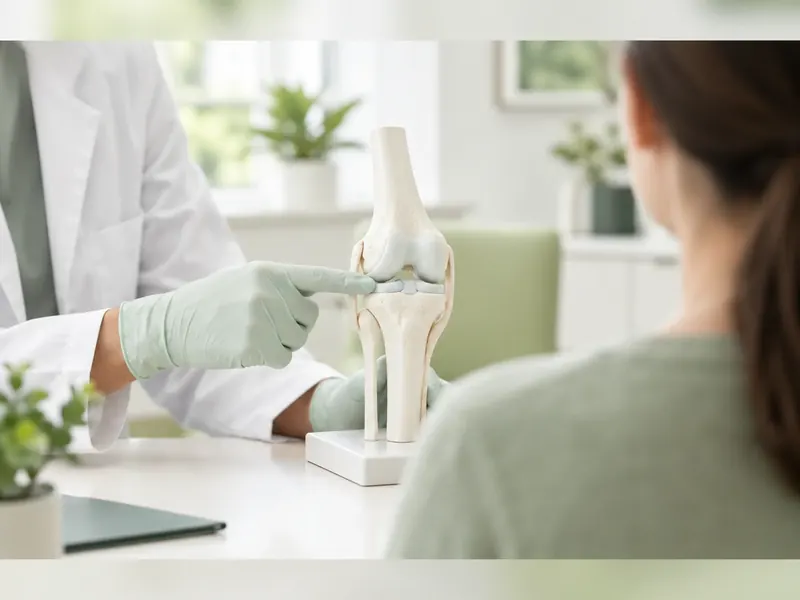
MRI is the standard scan for the meniscus. It shows the type of tear, whether a fragment has moved, and the condition of the cartilage, ligaments and bone. X-rays do not show the meniscus, but they help assess osteoarthritis, which changes treatment choices. Bring previous scans to your consultation: comparing them over time is useful.
Non-surgical treatment: rest, rehab, PRP and SVF
Conservative treatment is usually built in stages.
First days to weeks
- What it includes
- Relative rest, ice, elevation, avoiding twisting and deep squats
- Typical aim
- Calm pain and swelling
Rehabilitation
- What it includes
- Physiotherapy to strengthen the thigh and hip muscles and restore movement
- Typical aim
- Unload the joint and improve function
Injections, if needed
- What it includes
- PRP or SVF chosen by a doctor after scan review
- Typical aim
- Reduce inflammation and support the tissues
PRP is platelet-rich plasma prepared from your own blood. It contains growth factors and is injected into the joint to calm inflammation and create better conditions for repair. Studies on its use in meniscus tears are promising but still limited, so it is best viewed as part of a plan rather than a guaranteed fix.
SVF is the stromal vascular fraction isolated from a small sample of your own adipose tissue and combined with plasma. It is usually considered when changes in the joint are more pronounced, for example when a degenerative tear sits alongside cartilage wear. You can read how these procedures are done on our joint treatment page.
When injections are not enough
Some situations need an orthopaedic surgeon rather than conservative care:
- the knee locks and cannot be straightened, which suggests a displaced fragment such as a bucket-handle tear;
- a large acute tear in a young person, especially in the outer zone where repair may preserve the meniscus;
- a tear combined with a ligament injury that makes the knee unstable;
- symptoms that stay severe despite several months of well-done rehabilitation.
Surgery for the meniscus is usually arthroscopic, either repairing the tear or trimming the damaged part. Removing meniscus tissue can raise the long-term risk of osteoarthritis, which is one more reason surgeons try to preserve it where possible.

Getting a personal plan at City Medical Centre
City Medical Centre treats meniscus pathology and injuries without surgery, using two methods: PRP from your own blood and cell therapy with SVF from your own adipose tissue, with every injection given under ultrasound guidance. Rehabilitation and arthroscopic surgery described above are general information; if your scans show that injections are not the right path, the doctor will tell you so at the consultation.
The clinic works with patients from abroad. The first consultation is free and includes a review of your scans: send your MRI or X-ray reports and describe your symptoms. The doctor assesses whether the treatment suits you and names the price, which is then fixed in the contract. A personal coordinator stays with you from your first message to the end of follow-up, and you can send scans and questions via Telegram. More details are on our joint treatment page.
Sources
Frequently asked questions
Can a torn meniscus heal on its own?
Small tears in the outer edge of the meniscus, which has a good blood supply, can heal. Tears in the inner part usually do not heal, but they often stop hurting with time and rehabilitation. An MRI shows where your tear is and helps predict what to expect.
Does PRP help a meniscus tear?
PRP may reduce inflammation and pain and support the tissues, and some studies show benefit, but the evidence is still limited. It works best as part of a plan that includes rehabilitation. A doctor decides whether it suits you after reviewing your scans.
How do I know if my meniscus tear needs surgery?
Signs that point towards surgery include the knee locking, a large acute tear in a young person, a tear with ligament instability, or severe symptoms despite several months of good rehabilitation. An orthopaedic assessment with MRI is needed to decide.
How long does meniscus recovery take without surgery?
Many people notice improvement within six to eight weeks of rehabilitation, and recovery often continues for several months. After injections, pain usually eases gradually over the first weeks, with further improvement over the following months. Timelines vary with the tear and your activity level.
Can I walk with a torn meniscus?
Most people can walk with a torn meniscus, although it may hurt and the knee may swell. Avoid twisting, deep squats and running until a doctor has assessed the knee. If the knee locks or gives way, seek medical advice promptly.
Have a question about your case? Get a free consultation
Message a coordinator on Telegram: we reply right in the chat, and you can send photos and questions there too.
- The first consultation is free, online consultations are available
- The doctor names the cost after the assessment, and it is fixed in the contract
- A personal coordinator guides you from the first message to recovery
Message our coordinator on Telegram
We reply right in the chat — you can send photos
Message us on TelegramBy sending a message, you agree to the privacy policy
Read also
 Joint treatment
PRP injections for joints: preparation, the procedure and what to expect afterwards
How PRP joint injections work for the knee, shoulder, hip and ankle: preparation, the procedure step by step, recovery, timing of the effect and limits.
 Joint treatment
Rehabilitation after joint injury or surgery: how regenerative therapy fits in
How joints recover after injury or surgery, the stages of rehabilitation, and where PRP and SVF injections may fit in alongside exercise and physiotherapy.
 Facelift
Midface lift: how sagging cheeks and tear troughs are corrected
What a midface lift corrects, the signs of midface sagging, surgical and non-surgical options, who it suits, recovery and how the cheeks are treated in a facelift.