
















Joint treatment6 min read
Rehabilitation after joint injury or surgery: how regenerative therapy fits in
After a sprain, a meniscus or ligament injury or an operation, a joint can stay painful and stiff for months. Exercise and gradual loading remain the core of recovery, but some people are also offered injections of their own platelet-rich plasma (PRP) or stromal vascular fraction (SVF). This guide explains why joints heal slowly, how rehabilitation is usually staged and where regenerative therapy may help.
The main points in 30 seconds
- Exercise and gradual loading remain the basis of joint rehabilitation.
- PRP and SVF may help when pain and inflammation hold recovery back.
- Injections usually start after the acute stage, once scans confirm the diagnosis.
- Pain often eases within a month; the full effect develops over about six months.
- City Medical Centre offers PRP and SVF, not joint surgery or physiotherapy courses.
How regenerative therapy supports joint rehabilitation
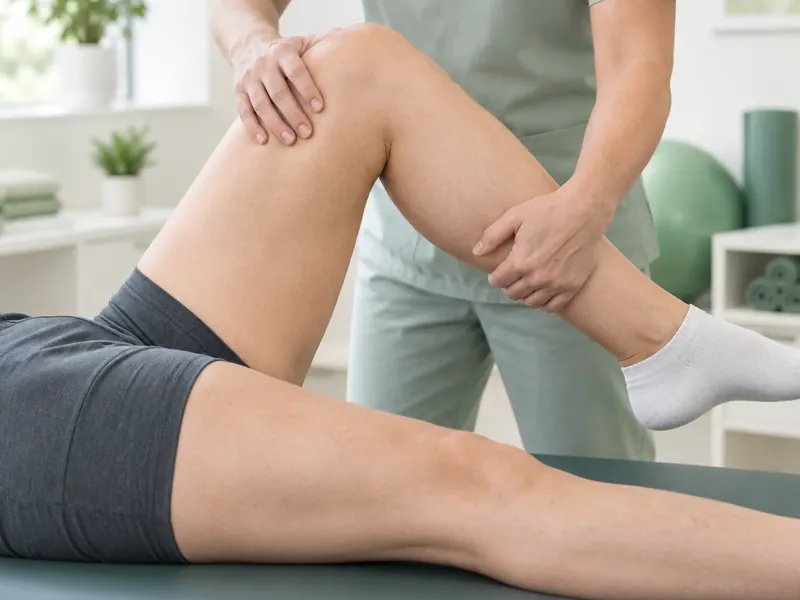
Rehabilitation is the process of restoring movement, strength and confidence in a joint after injury or surgery. Its foundation is always the same: protecting the injured tissue at first, then gradually returning movement and load, guided by a doctor and, where available, a physiotherapist.
Regenerative therapy does not replace this process. It is an additional option that may help when pain and inflammation hold recovery back. PRP and SVF use material from your own body: plasma rich in platelets and growth factors from your blood, and a cell fraction from a small sample of your own adipose tissue. The aim is to calm inflammation and create better conditions for the tissues inside the joint to recover. Research on these methods is still developing, results vary between people, and no one can promise a fixed outcome.
Why joints recover slowly after injury or surgery
Several features of joints make healing a slow process:
- cartilage has almost no blood supply, so it repairs itself poorly;
- ligaments, tendons and parts of the meniscus also receive limited blood flow;
- after an injury or operation the joint often stays swollen, which limits movement;
- the muscles around the joint weaken quickly when it is rested, and the joint loses stability;
- pain makes people avoid movement, which leads to more stiffness.
Age, body weight, the extent of the injury and earlier wear of the joint all influence how long recovery takes. That is why two people with a similar injury may need very different timelines.
Stages of rehabilitation: rest, movement, strength
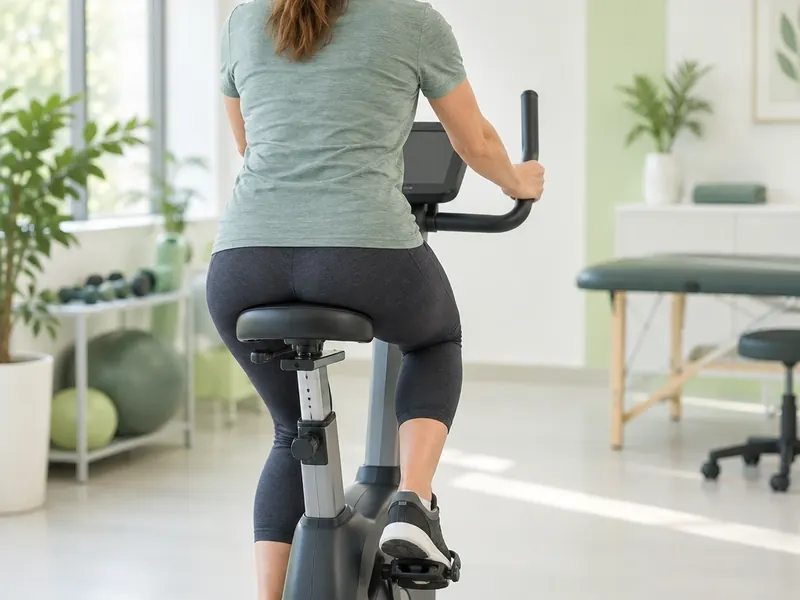
Most rehabilitation programmes follow a similar sequence, although the exact timing is set by the doctor.
Protection
- Main goals
- Reduce pain and swelling, protect the tissue
- Typical measures
- Relative rest, cold, elevation, support if prescribed
Movement
- Main goals
- Restore range of motion
- Typical measures
- Gentle exercises, walking, controlled bending and straightening
Strength
- Main goals
- Rebuild muscles and stability
- Typical measures
- Progressive strengthening and balance work
Return to activity
- Main goals
- Get back to work, sport and daily load
- Typical measures
- Sport-specific training, gradual increase in load
Moving too early can aggravate an injury, while resting too long leads to stiffness and muscle loss. The right balance depends on the injury, which is why the plan should be individual.
Where PRP and SVF fit in recovery
Regenerative injections are usually considered when recovery stalls: pain and swelling persist despite rest and exercise, or signs of early wear appear in the joint on scans. Common situations include:
- ongoing pain after a knee meniscus injury;
- a painful ankle months after a sprain;
- a shoulder or elbow that stays sore after overuse or sports strain;
- early changes in the cartilage after an injury.
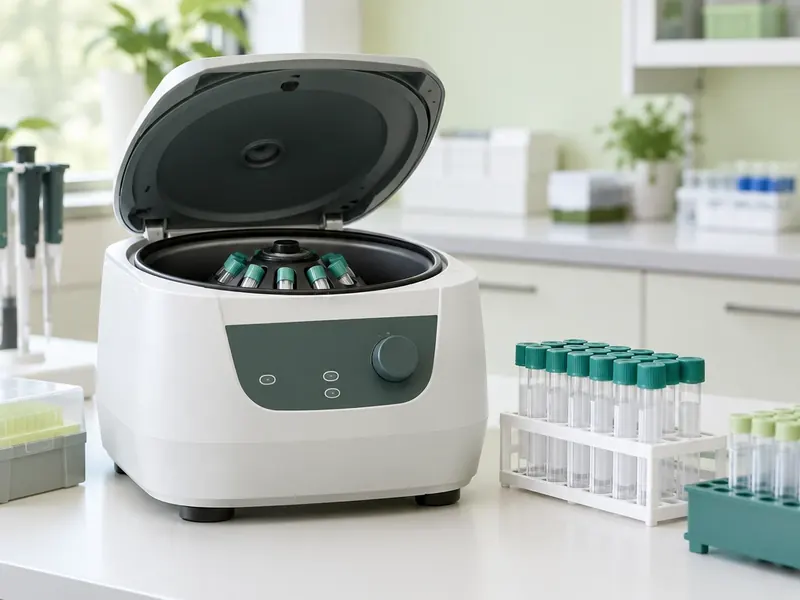
PRP is prepared from a small amount of your blood and can be given as a course of injections. SVF is isolated from a small sample of adipose tissue and combined with PRP; it is usually considered when changes in the joint are more pronounced. Both are injected into the joint, ideally under ultrasound guidance for accuracy. Whether they suit you is decided only after an examination and a review of your scans. More about the methods is on our joint treatment page.
Timing: when injections can start
There is no single rule for when regenerative therapy can begin. After an acute injury, doctors usually wait until the first stage of healing has passed and the diagnosis is clear on scans. After surgery, the operating surgeon's advice comes first, and injections are considered only when the wound has healed and the joint has settled.
Injections are not given if there is an infection in or near the joint, a fever or skin inflammation over the joint. Pregnancy, cancer, blood clotting disorders and serious heart, kidney or liver disease are also contraindications. The doctor checks all of this before planning treatment.
After the procedure most people return to normal daily activity within a day or two. The joint may ache a little more in the first week. Pain usually eases over the first month, mobility improves over about three months and the full effect develops over around six months.
Physiotherapy and home exercise
Injections do not strengthen muscles or restore coordination on their own. Exercise remains essential before and after any regenerative treatment. A good home programme usually includes:
- range-of-motion exercises to keep the joint moving;
- strengthening of the muscles around the joint, such as the thigh muscles for the knee;
- balance and stability work, especially after ankle and knee injuries;
- a gradual increase in walking, stairs and sport-specific movements;
- weight control, because extra body weight increases load on the knees and hips.
Mild discomfort during exercise is common. Sharp pain, new swelling or a feeling that the joint gives way are reasons to stop and contact your doctor.
Getting a personal plan at City Medical Centre
City Medical Centre offers rehabilitation support after injuries and surgery with two methods from its joint treatment programme: PRP from your own blood and cell therapy with SVF from your own adipose tissue, each injection given under ultrasound guidance. The procedure is done in one day, without crutches or a hospital stay, and follow-up visits take place at about one month, three months and six months.
City Medical Centre does not perform joint surgery and does not run physiotherapy courses; the doctor gives individual advice on exercise and load, and ongoing physiotherapy is continued with a specialist near your home.
The clinic works with patients from abroad. The first consultation is free and includes a review of your scans: send your X-ray, MRI or ultrasound reports and describe your injury or operation. The doctor assesses whether the treatment suits you and names the price, which is then fixed in the contract. A personal coordinator stays with you from your first message to the end of follow-up, and scans and questions can be sent via Telegram. More details are on our joint treatment page.
Sources
Frequently asked questions
Can PRP speed up recovery after joint surgery?
PRP may help reduce pain and inflammation and support the tissues, but it does not replace rehabilitation, and results differ between people. After surgery, injections are considered only once the operating surgeon agrees and the joint has settled. The doctor decides after reviewing your scans and history.
When can I start injections after an injury?
Usually not in the very first days. Doctors generally wait until the acute stage has passed and the diagnosis is confirmed on scans. Injections are not given during an infection, a fever or skin inflammation over the joint. The exact timing is set individually.
Does SVF help after ligament or meniscus injury?
SVF combined with PRP may be considered when changes inside the joint are more pronounced, for example after a meniscus injury with early cartilage wear. It does not reattach a torn ligament. Whether it is suitable depends on your scans and is decided at the consultation.
How long does joint rehabilitation take?
It depends on the joint, the injury and your general health. Minor sprains may settle in weeks, while recovery after ligament injury or surgery often takes several months. After regenerative injections, pain usually eases within a month and the full effect develops over around six months.
Do I still need physiotherapy with PRP?
Yes. Injections do not rebuild muscle strength or restore balance, so exercise and gradual loading remain the basis of recovery. The doctor gives advice on load for the first weeks, and a physiotherapist can guide a longer programme.
Have a question about your case? Get a free consultation
Message a coordinator on Telegram: we reply right in the chat, and you can send photos and questions there too.
- The first consultation is free, online consultations are available
- The doctor names the cost after the assessment, and it is fixed in the contract
- A personal coordinator guides you from the first message to recovery
Message our coordinator on Telegram
We reply right in the chat — you can send photos
Message us on TelegramBy sending a message, you agree to the privacy policy
Read also
 Joint treatment
Meniscus tear without surgery: when conservative treatment works and when it does not
Many meniscus tears are managed without surgery. Learn about symptoms, why MRI matters, rehab, PRP and SVF injections, and when an operation is needed.
 Joint treatment
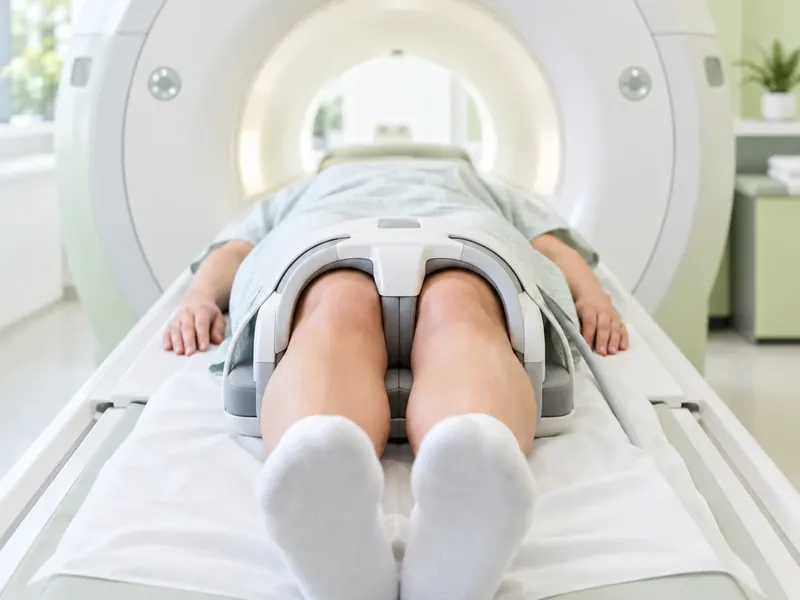
X-ray, MRI or ultrasound: which joint scans a doctor needs before treatment
Which joint scans a doctor needs before PRP or SVF: what X-ray, MRI and ultrasound each show, which suits your joint, and how to send your scans from abroad.
 Rhinoplasty
Revision rhinoplasty: signs the first surgery went wrong and when to redo it
Signs a rhinoplasty went wrong, how to tell normal healing from a real problem, when a revision is possible and why it is more complex than the first surgery.