

















Facelift5 min read
Midface lift: how sagging cheeks and tear troughs are corrected
The midface is the area between the lower eyelids and the corners of the mouth. It is often the first part of the face to lose volume and position, which makes a person look tired even when the jawline is still firm. This article explains what a midface lift corrects, how to recognise midface sagging, which surgical techniques exist, what non-surgical options can and cannot do, who is a good candidate and what recovery looks like.

The main points in 30 seconds
- The midface lies between the lower eyelids and the corners of the mouth.
- Sagging shows as flat cheeks, a groove under the eye and deeper folds.
- Surgery lifts the cheek tissue; injectable volume only replaces some of it temporarily.
- Most visible swelling and bruising settle within two to three weeks.
- City Medical Centre treats the midface within SMAS and full facelifts.
Key facts about the procedure
- Main healing2 months
- Final result3–6 months
- AnaesthesiaGeneral
- Pricefrom $2,400
What a midface lift corrects
In youth the cheeks sit high and full, and the transition from the lower eyelid to the cheek is smooth. With age the fat pads of the cheek slide down and the ligaments that hold them weaken. The result is a flatter cheek, a visible groove under the eye and a heavier fold beside the nose.
Midface correction aims to:
- lift the descended cheek fat back towards the cheekbone;
- soften the tear trough and the lid-cheek junction;
- reduce the depth of the nasolabial folds;
- restore a fresher, less tired look.
A midface lift is rarely an isolated goal. In most people the midface changes together with the jawline and neck, so it is usually treated as part of a wider facelift plan.
Signs of midface sagging
You may notice midface changes if:
- the cheeks look flatter than they used to, especially in profile;
- a groove or shadow appears between the lower eyelid and the cheek;
- the nasolabial folds deepen, even when you are rested;
- the face looks tired or sad in photos;
- lifting the cheek upwards with a fingertip visibly refreshes the face.
Dark circles caused by pigmentation or thin skin are a different issue: they are not caused by sagging and do not respond to a lift.
Surgical techniques for the midface
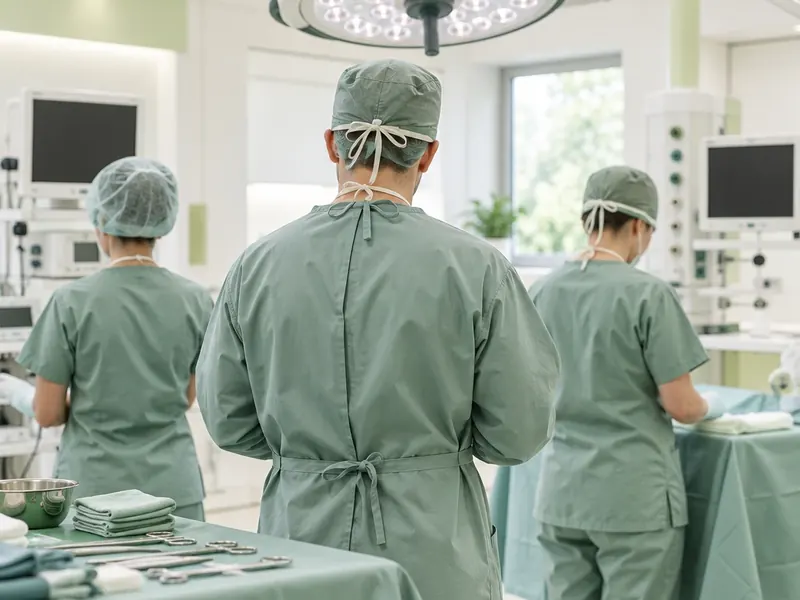
There are several ways to lift the midface surgically. The choice depends on the anatomy and on which other areas need treatment:
SMAS facelift
- How it works
- The deep layer of the mid and lower face is lifted, and cheek fat is redistributed
- Typical use
- Sagging cheeks together with jowls and folds
Full (circular) facelift
- How it works
- Forehead, temples, mid and lower face and neck are lifted together
- Typical use
- Marked changes in several areas
Endoscopic brow and temple lift
- How it works
- Through small incisions in the hairline, the upper face and temples are lifted
- Typical use
- Heavy brows, often combined with midface work
Access through the lower eyelid
- How it works
- The cheek is lifted from an incision below the lashes, often with eyelid surgery
- Typical use
- Tear troughs and lid-cheek junction
In a SMAS facelift, lifting the deep layer and redistributing fat in the cheeks is one of the key steps, which is why it often improves the midface as well as the jaw. More about the types of lift is on our facelift page.
Non-surgical options and their limits
Non-surgical treatments are sometimes used for the midface in general practice:
- Injectable volume can temporarily replace some lost volume in the cheeks and soften the tear trough, but it does not lift descended tissue and has to be repeated.
- Threads give a mild, temporary lift of the cheek.
- Radiofrequency and ultrasound devices can tighten the skin slightly but cannot reposition the cheek fat.
These options may suit early changes. When the cheek has clearly descended, adding volume alone can make the face look heavy rather than lifted.
Who a midface lift suits
Midface correction usually suits people who:
- have visibly descended cheeks and deepened nasolabial folds;
- have a tired look that rest and skincare do not change;
- often also have early jowls or loose skin on the neck;
- are in good general health, with a stable weight;
- want a natural, rested look rather than a change in facial features.
A facelift is generally not performed before 30, and conditions such as acute skin inflammation, pregnancy, severe cardiovascular disease, clotting disorders, cancer or decompensated diabetes are reasons not to operate or to treat the condition first.
Recovery
Recovery depends on the extent of surgery, but the general pattern is:
- swelling of the cheeks and around the eyes is common in the first one to two weeks and may make the face look puffy at first;
- bruising usually fades within two to three weeks;
- many people return to desk work and social life after two to three weeks;
- the cheeks settle gradually, and the final result is usually assessed after several months.
Sleeping with the head raised, avoiding heavy exertion and following your surgeon’s instructions help the swelling settle. The result usually lasts many years, although ageing continues.

Midface correction at City Medical Centre
City Medical Centre performs surgical facelifts only: a standard SMAS facelift, a full (circular) facelift, a neck and lower face lift, and an endoscopic brow and temple lift. The midface is treated within the SMAS and full facelift, where lifting the deep layer and redistributing fat in the cheeks is part of the operation. Injectable volume, threads and devices are described here as general information; the clinic does not offer them.
Which variant suits your face is decided by the surgeon at the consultation.
The clinic works with patients from abroad. The first consultation is free and can take place online: send front, side and three-quarter photos of your face and describe what bothers you most. The doctor assesses your case and names the price, which is then fixed in the contract. A personal coordinator supports you from your first message to the end of recovery, and you can send photos and questions via Telegram. Learn more on our facelift page.
Sources
Frequently asked questions
What does a midface lift do?
It lifts the descended cheek tissues back towards the cheekbone, softens the groove under the eye and reduces the depth of the nasolabial folds. The aim is a fresher, less tired look. In most people the midface is treated together with the jawline and neck as part of a facelift.
Can a midface lift fix tear troughs?
It can soften them when they are caused by the cheek sliding down, because lifting the cheek shortens the distance between the eyelid and cheek. Deep hollows, thin skin or pigmentation may need other approaches. The surgeon assesses the cause of the groove before recommending a plan.
Is a midface lift part of a full facelift?
Often, yes. In a SMAS facelift and a full facelift the surgeon lifts the deep layer of the mid and lower face and redistributes fat in the cheeks, which improves the midface together with the jawline. A separate midface procedure is used less often.
How long is midface lift recovery?
Swelling around the cheeks and eyes is most noticeable in the first one to two weeks, and bruising usually fades within two to three weeks. Many people return to desk work after two to three weeks. The cheeks continue to settle over several months.
How long do results last?
When the deep tissues are lifted surgically, the result usually lasts many years. Ageing continues, so the cheeks will change slowly over time, but from a better starting point. Sun protection, not smoking and a stable weight help the result last.
Have a question about your case? Get a free consultation
Message a coordinator on Telegram: we reply right in the chat, and you can send photos and questions there too.
- The first consultation is free, online consultations are available
- The doctor names the cost after the assessment, and it is fixed in the contract
- A personal coordinator guides you from the first message to recovery
Message our coordinator on Telegram
We reply right in the chat — you can send photos
Message us on TelegramBy sending a message, you agree to the privacy policy
Read also
 Facelift
Neck and lower face lift: how it fixes jowls, a double chin and loose neck skin
How a neck and lower face lift corrects jowls, a double chin and loose neck skin: who it suits, where the scars are, recovery week by week and contraindications.
 Facelift
Platysmaplasty: how neck bands and a loose neck are corrected
What platysmaplasty is, why vertical neck bands and a loose neck appear, how the neck muscle is tightened, recovery, results and what shapes the cost.
 Tummy tuck
Mini or full tummy tuck: what each one corrects and how to tell which you need
A mini tummy tuck treats the lower abdomen through a shorter incision; a full one tightens the whole abdomen. Compare scars, navel, diastasis and recovery.